轻资产转型

Search documents
中交地产郭主龙的考题:亏损面扩大,一脚踏至退市边缘
Bei Jing Shang Bao· 2025-07-29 06:18
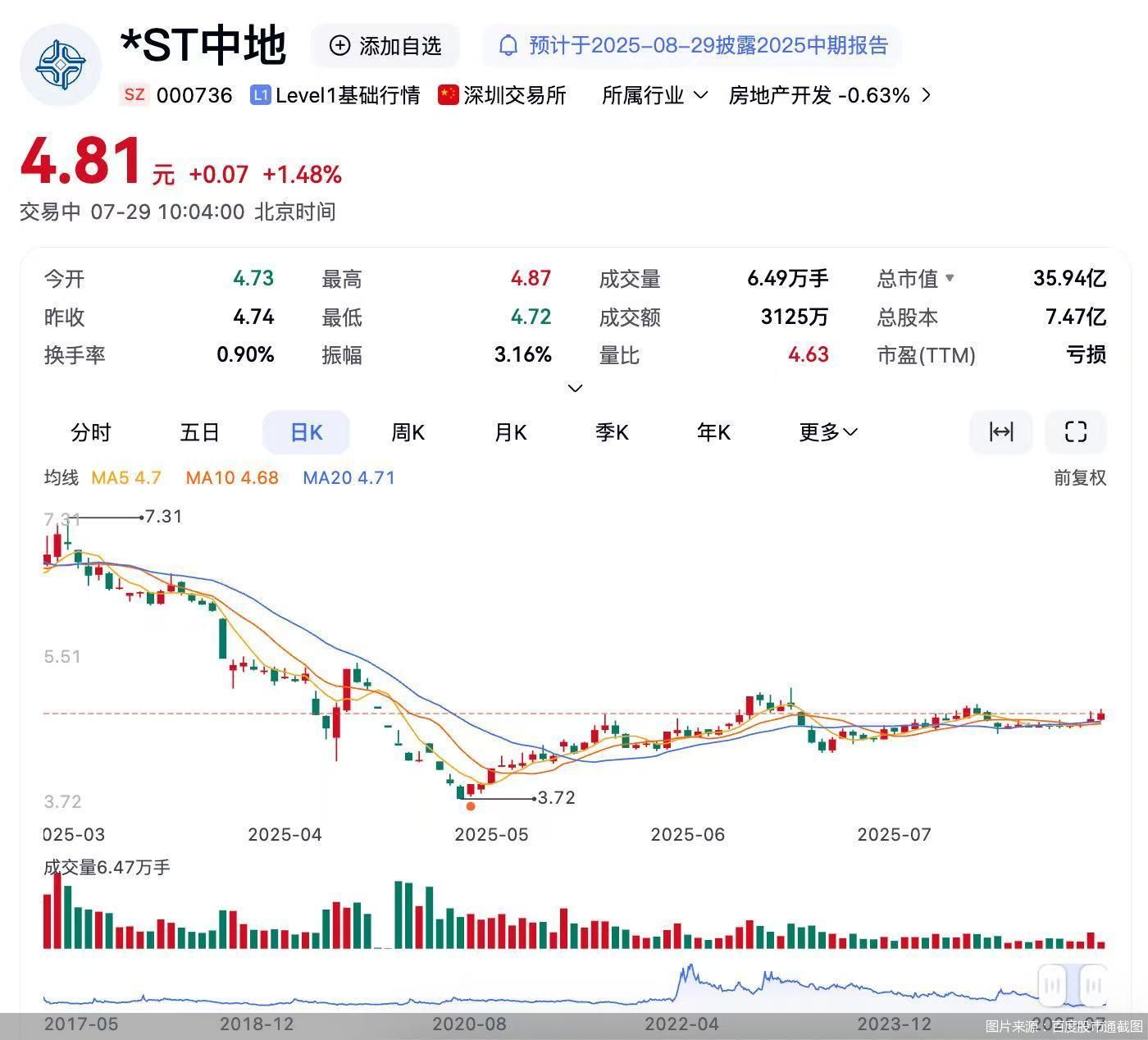
Core Viewpoint - China Communications Real Estate is facing significant financial challenges, with a projected net loss of 1.19 billion yuan for the first half of 2025, an increase of 219 million yuan compared to the same period last year. The company is undergoing structural adjustments and a strategic shift towards light asset operations, primarily property services, in an attempt to reverse its losses [1][3][5]. Financial Performance - The company anticipates a net loss of 1.19 billion yuan for the first half of 2025, which is a deterioration of 219 million yuan from the previous year [3]. - Cumulative losses for 2023 and 2024 have reached 6.8 billion yuan, with 2024 alone accounting for a net loss of 5.179 billion yuan [5]. - The total revenue for 2024 was 18.302 billion yuan, a decline of 44.59% year-on-year, with real estate sales revenue dropping by 46.69% [7]. Business Strategy and Adjustments - The new chairman, Guo Zhulong, has initiated a restructuring of the company, reducing the number of city companies from 16 to 9 and streamlining management layers to improve operational efficiency [6][7]. - The company plans to divest its real estate development business, transferring related assets and liabilities to its controlling shareholder for a nominal price of 1 yuan, aiming to reduce its debt ratio significantly [8][9]. - In November 2024, the company announced plans to acquire 100% of China Communications Property Service Group for nearly 700 million yuan, laying the groundwork for its transition to property services [10]. Market Position and Challenges - As of 2024, property management revenue accounted for only 3.98% of total revenue, highlighting the company's limited presence in this sector compared to competitors like New City Holdings and Vanke [11]. - The company faces the critical challenge of increasing revenue and reducing net losses in the second half of 2025, as it transitions to a light asset model [11].


北控水务集团(00371):全国性水务龙头,分红保障稳健收益
Changjiang Securities· 2025-07-17 11:58
Investment Rating - The report assigns a "Buy" rating to the company [11]. Core Viewpoints - Beikong Water Group is a national leader in water services with stable dividend guarantees. The company is expected to achieve steady growth in its water supply and sewage treatment business as capacity utilization increases. The pressure on growth in the water environment management construction service has gradually been released. The company has turned positive in free cash flow since 2022, and the dividend per share has not been less than HKD 0.157 since 2021, indicating a strong dividend capability [4][11]. Summary by Sections Company Overview - Beikong Water Group, established in 2008, operates in sewage and reclaimed water treatment, water supply services, water environment management construction, technical and consulting services, equipment sales, and urban resource services. The company is actively expanding its light asset operation model, with engineering business continuously shrinking, leading to a decrease in gross profit contribution [7][19]. Shareholding Structure - As of the end of 2024, Beijing Enterprises holds 41.1% of the company's shares, with the actual controller being the Beijing State-owned Assets Supervision and Administration Commission. Other significant shareholders include China Three Gorges Corporation and its subsidiaries [7][35]. Highlights - The company has passed the peak of project construction, with capital expenditure expected to decrease to HKD 41.1 billion in 2024, down by HKD 28.9 billion year-on-year. The dividend per share is projected to yield a dividend rate of 6.22% in 2024 [7][40]. Water Services Sector - The demand for water supply and sewage treatment is expected to grow steadily, with a projected CAGR of 0.37% and 1.2% from 2025 to 2027. The company’s market share in water supply and sewage treatment is 1.8% and 8.2%, respectively, as of 2023. The company’s operational capacity is expected to reach 33.84 million tons per day by the end of 2024 [8][11]. Financial Analysis - The company has experienced profit fluctuations over the past three years due to factors such as the sale of joint ventures and impairment provisions. However, the increase in operational proportion is expected to enhance future earnings stability. As of the end of 2024, the cautious estimate of accounts receivable is HKD 20.85 billion, with 75.8% of service concession receivables due within one year [10][11]. Profit Forecast - The company is expected to achieve a net profit attributable to shareholders of HKD 16.6 billion, HKD 17.0 billion, and HKD 17.1 billion from 2025 to 2027, with dividends projected to grow by 3% annually from 2024 levels [11].
卖掉万达之后,王健林的老臣逐渐被“清仓”
3 6 Ke· 2025-07-10 09:15
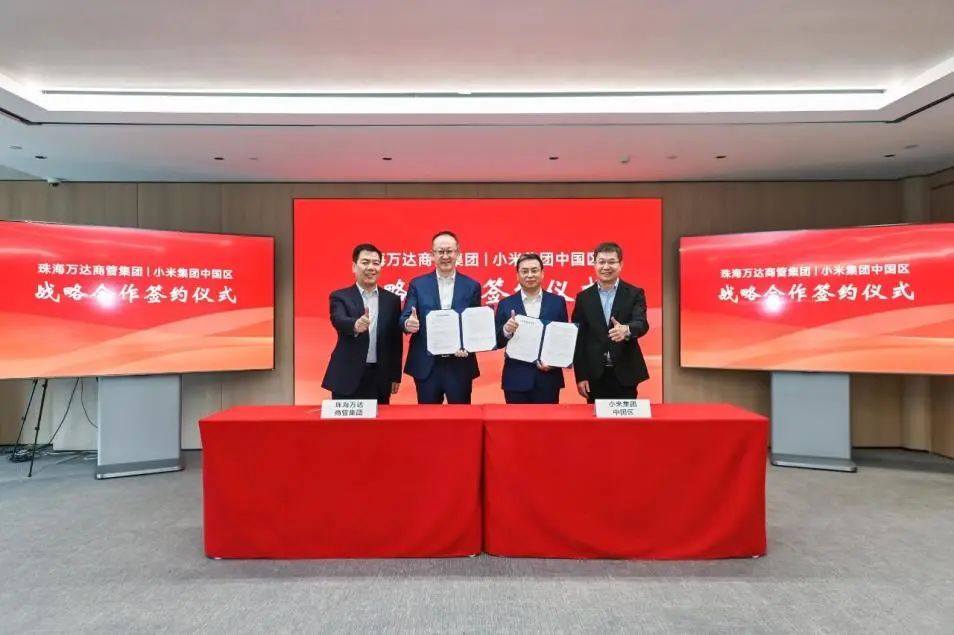
Group 1 - The real estate sector is entering a downward cycle, with turbulence becoming the norm, leading to shareholder rotations and flexible employment for executives, including previously favored veterans [1] - The departure of veteran executive Xiao Guangrui from Wanda Group marks a significant shift, as he has been with the company for 24 years and his exit signals the full takeover of Zhuhai Wanda Commercial Management by the "Taimeng System" [2][3] - Xiao Guangrui's resignation was unexpected, occurring shortly after he participated in a strategic signing ceremony with Xiaomi, suggesting potential performance-related issues or a stabilization of the new management structure [5][6] Group 2 - The "Taimeng System," led by Huang Dewei and Hu Zhengwei, has taken control of Zhuhai Wanda Commercial Management, following a significant investment of 60 billion yuan from Taimeng [9][10] - Despite previous IPO attempts failing, Taimeng's investment has resulted in a 12% average annual growth in tax revenue and a 34% increase in net profit over the past three years [16] - The new leadership is expected to initiate a restructuring of the company, merging regional divisions and potentially altering the management hierarchy to enhance operational efficiency [14]
发力存量资产盘活 房企加速轻资产转型
Zheng Quan Ri Bao· 2025-06-27 16:41
Core Viewpoint - The article highlights that major listed real estate companies are increasingly utilizing financial tools, such as public REITs and insurance capital, to revitalize their commercial assets and transition towards a "light asset operation" model [1][3]. Group 1: Company Actions - Ruian Real Estate announced a transaction involving the transfer of 100% equity in its subsidiaries, resulting in a total consideration of approximately 3.49 billion yuan, with a net cash inflow of about 683 million yuan for operational funding [1][2]. - China Overseas Development plans to list its Nanhai Yingyuehu Huanyu City project in Foshan through a public infrastructure REIT, aiming to raise 1.355 billion yuan [2][3]. Group 2: Industry Trends - The trend of utilizing REITs for asset securitization indicates a new phase in the "light asset transformation" of real estate companies, allowing them to shift from asset holders to investment participants and operators [3]. - The expansion of the REITs market has encouraged various real estate firms to actively participate in public REIT issuance, enhancing their financial flexibility and operational sustainability [3].


从千亿目标到1元退房:中交地产“割肉”保壳,豪赌轻资产转型
Xin Jing Bao· 2025-06-19 09:55
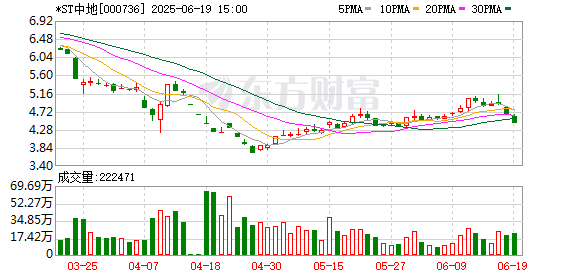
Core Viewpoint - China Communications Real Estate has announced a significant asset divestiture, transferring its real estate development assets and liabilities to its controlling shareholder for a nominal price of 1 yuan, as part of a strategy to focus on more stable property services and asset management amidst ongoing financial struggles and risks of delisting [2][3][9]. Group 1: Asset Transfer Details - The company plans to transfer its real estate development-related equity, debt, and other assets to its parent company, China Communications Real Estate Group, for 1 yuan [3]. - This transaction aims to divest from the real estate sector, allowing the company to concentrate on lighter asset businesses such as property services and asset management [3]. - Following the transaction, the company's total assets are expected to decrease from 1,076.98 billion yuan to approximately 20.36 billion yuan, a reduction of 98.11% [4]. Group 2: Financial Impact - The total liabilities will drop from 966.59 billion yuan to about 8.18 billion yuan, a decrease of 99.15%, leading to a significant improvement in the asset-liability ratio from 89.75% to 40.17% [4]. - Revenue is projected to fall from 183.02 billion yuan to 10.97 billion yuan, a decline of 94.01%, while net profit is expected to shift from a loss of 63.96 billion yuan to a profit of 97.86 million yuan, marking a growth of 101.53% [4]. - The company's net asset value is currently negative, with a reported value of -35.79 billion yuan, triggering delisting risk warnings [9]. Group 3: Historical Context and Challenges - The company previously aimed for aggressive growth targets, including a goal of exceeding 1 trillion yuan in revenue, but has faced significant losses and operational challenges, leading to a strategic retreat from the real estate development sector [6][8]. - The company has recorded consecutive losses over the past two years, with net profits of 0.34 billion yuan in 2022, -1.61 billion yuan in 2023, and an anticipated -5.18 billion yuan in 2024 [8]. - The shift to lighter asset operations raises questions about the company's ability to maintain its listing status and achieve financial stability in the future [10].
布局免税新赛道后,岭南控股连发三项战略调整举措两项涉关联交易,澄清“粤超”合作传闻
Hua Xia Shi Bao· 2025-06-13 05:02
Core Viewpoint - Lingnan Holdings is accelerating its asset-light transformation through strategic adjustments, including long-term leasing of properties, hotel management agreements, and the sale of equity stakes, despite facing challenges in revenue growth and profitability [1][4][5]. Group 1: Strategic Adjustments - The company announced a 12-year lease for 11,000 square meters of property at Dongfang Hotel, with a total rental income of approximately 63.19 million yuan and management fees of 15.80 million yuan [2]. - Lingnan Holdings' subsidiary signed a 10-year management agreement for seven hotels, with a total service fee of 123 million yuan, aiming to leverage its expertise in hotel management [4]. - The company plans to publicly transfer 3.92% of its stake in Guangzhou World Wonder, with a starting price of 23.66 million yuan, to focus on its core business [5]. Group 2: Financial Performance - In 2024, the company expects a revenue increase of 25.43% to 4.309 billion yuan, but the net profit excluding non-recurring items is projected to grow only 1.17% [1][10]. - The gross margin for the travel agency business is under pressure, and the hotel management business has seen a decline in profitability, with hotel management gross margin dropping by 8.21 percentage points to 27.29% [4][10]. - The company reported a significant increase in investment cash inflow by 353.6% year-on-year, largely due to dividends from its stake in World Wonder [5]. Group 3: Market Position and Challenges - Lingnan Holdings is entering the duty-free market in Guangzhou, collaborating with major partners to establish a joint venture, which is seen as a potential growth area [8][9]. - The company faces challenges in recovering its pre-pandemic performance levels, with 2019 revenues and net profits significantly higher than current projections [10][11]. - The competitive landscape in the tourism industry is intensifying, and the company must navigate the complexities of transforming its business model while managing operational costs [11].


王健林还得接着卖万达
虎嗅APP· 2025-06-04 10:35
Core Viewpoint - The article discusses the significant asset divestiture by Wanda Group, led by Wang Jianlin, amidst a challenging real estate market, highlighting the sale of 48 Wanda Plazas as a desperate measure to alleviate financial pressures and optimize asset structure [1][5][25]. Group 1: Asset Sale Details - The recent sale involves 48 Wanda Plazas located in 39 cities, including major urban centers like Beijing, Shanghai, and Guangzhou, with 33% in first-tier and quasi-first-tier cities [3][4]. - The total transaction value is estimated at 500 billion yuan, averaging about 10.4 billion yuan per plaza, which is significantly lower than previous valuations [4][5]. - These plazas are considered mature assets with stable cash flows, some being long-established projects in their respective cities [3][5]. Group 2: Financial Context - Wanda's financial situation is dire, with approximately 914.2 billion yuan in current liabilities and a cash flow net of 164.46 billion yuan against interest payments of 65 billion yuan, indicating a need for continued asset sales to manage debt [25][26]. - The company has been selling assets since 2017, with over 30 projects sold in 2024 alone, as part of a strategy to relieve financial strain while expanding in lower-tier cities [6][12]. Group 3: Strategic Shift - Wanda is transitioning to a light-asset model, focusing on operational management rather than property ownership, with plans to open 60 new light-asset plazas annually [26]. - The company has divested from various sectors, including entertainment and retail, to focus on its core commercial management business [10][11][12]. Group 4: Investor Dynamics - The buyers of the 48 plazas include prominent firms like Tencent and JD.com, indicating a strategic interest in leveraging Wanda's extensive customer traffic and retail space for their business models [20][21][22]. - The involvement of private equity firms like TPG suggests a focus on acquiring undervalued assets in a recovering market [20][21]. Group 5: Future Outlook - The ongoing asset sales raise questions about the future ownership and control of Wanda, as Wang Jianlin's influence diminishes with the dilution of his stake in Wanda Commercial Management [17][18]. - The article suggests that while asset sales may provide short-term relief, they do not address the underlying issues of debt and operational sustainability, leaving Wanda's long-term viability uncertain [25][26].
王健林还得接着卖万达
Sou Hu Cai Jing· 2025-06-03 14:52
Core Viewpoint - The article discusses the significant asset divestiture by Wanda Group, led by Wang Jianlin, amidst a challenging real estate market, highlighting the sale of 48 Wanda Plaza locations as a major move to alleviate financial pressures and optimize asset structure [2][4][25]. Group 1: Asset Sale Details - Wanda Group is selling 48 Wanda Plaza locations, which are located in 39 cities, including major urban centers like Beijing, Shanghai, and Guangzhou, with a significant portion in first and second-tier cities [2][3]. - The total transaction value for the 48 plazas is estimated to be around 50 billion yuan, averaging approximately 1.04 billion yuan per plaza, which is considered a discounted price compared to previous valuations [4][25]. - The sale is part of a broader strategy to manage financial strain, with Wanda having sold over 30 projects in 2024 alone, indicating a trend of asset liquidation to improve cash flow [4][6]. Group 2: Financial Context - As of Q3 2024, Wanda's non-current liabilities due within a year are approximately 40.08 billion yuan, with total current liabilities around 91.42 billion yuan, indicating significant financial pressure [25]. - The net cash flow from operating activities for Q3 2024 was 16.446 billion yuan, with interest expenses of 6.5 billion yuan, suggesting that Wanda needs to continue asset sales or attract new investments to manage its debt obligations effectively [25][26]. Group 3: Strategic Shift - Wanda is transitioning towards a light asset model, focusing on operational rights rather than ownership, which allows for reduced debt exposure while maintaining operational control over the plazas [6][12]. - The company plans to open 25 new Wanda Plazas in 2024, with nearly half located in lower-tier cities, reflecting a strategy to expand in markets with lower costs and higher returns [6][26]. Group 4: Investor Dynamics - The consortium acquiring the 48 plazas includes notable investors such as Tencent, JD.com, and Ares Management, indicating a strategic interest in Wanda's commercial properties as a stable cash flow source [19][22]. - The involvement of these investors suggests a dual motive: financial investment and strategic positioning within the retail and commercial landscape in China [22][24]. Group 5: Control and Governance - Wang Jianlin's control over Wanda Group is diminishing as the company undergoes significant ownership changes, with external investors gaining substantial stakes in Wanda's management entities [17][18]. - The shift in governance raises questions about the future direction of Wanda Group and its ability to navigate financial challenges while maintaining its core operational capabilities [18][26].
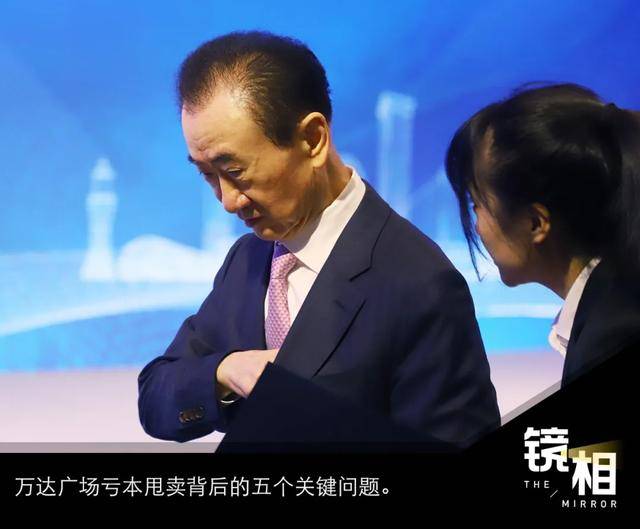
比恒大更惨?王健林3年还债6000亿,如今再卖48座万达广场
Sou Hu Cai Jing· 2025-06-03 13:26
Core Viewpoint - Wang Jianlin, once a prominent figure in the real estate industry, is now facing significant financial difficulties, leading to the repeated sale of Wanda Plaza assets to manage debt obligations [1][3][12]. Group 1: Background and Initial Success - Wang Jianlin built his fortune through real estate, with Wanda Plaza thriving until 2017, generating substantial income from shopping malls and cinemas [3][5]. - In 2014, Wanda went public, marking a peak in Wang's success, but he later decided to delist the company, believing its value was underestimated [3][5]. Group 2: Challenges and Debt Accumulation - Following the delisting, Wang faced a drastically changed market environment, with strict regulations on real estate investments, making it difficult for Wanda to relist [5][7]. - Wang's failure to relist by 2018, as per a betting agreement with investors, led to escalating debts, which have now reached 600 billion yuan [9][10]. Group 3: Asset Sales and Financial Strategy - To alleviate financial pressure, Wang has sold numerous assets, including over 70 hotels and 13 cultural tourism projects in 2017, and recently, 48 Wanda Plazas [10][12][18]. - The recent sales have been to familiar investors, including Taikang, which previously invested 78 billion yuan in Wanda [12][15]. Group 4: Ongoing Financial Struggles - Despite asset sales, Wanda continues to face significant financial challenges, with a large portion of revenue dependent on rental income from physical stores, which have been adversely affected by the rise of e-commerce [20][22]. - The ongoing sales of Wanda Plaza indicate a persistent struggle to manage debt, with speculation about the company's future viability [20][22].
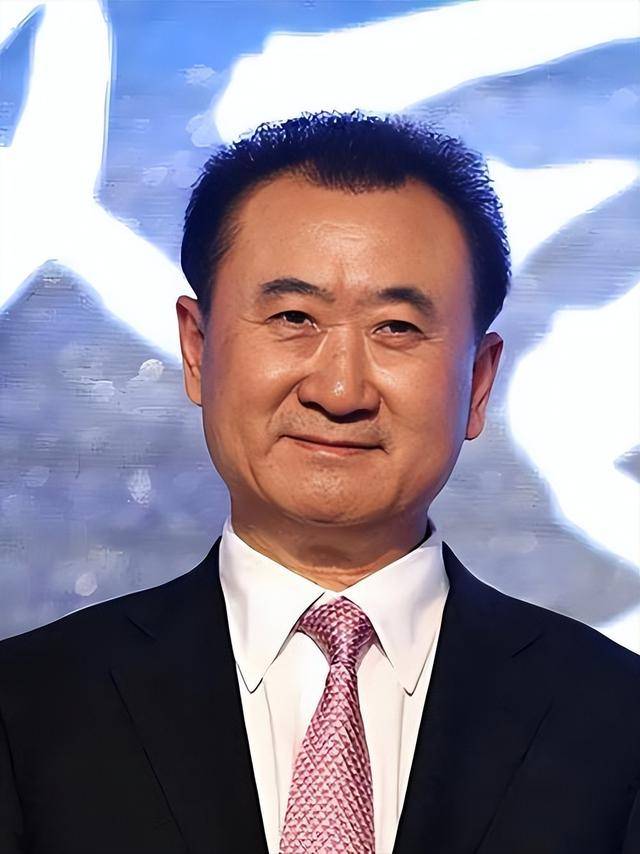
王健林再卖48座万达广场,轻资产转型是救命稻草还是饮鸩止渴?
Sou Hu Cai Jing· 2025-05-30 09:15
Core Viewpoint - The recent sale of 48 Wanda Plaza locations by Wanda Group marks the third significant asset divestiture in two years, reflecting a strategic shift towards a "light asset" model amid ongoing financial challenges [1][4]. Group 1: Asset Divestiture and Financial Strategy - Wanda Group has sold nearly 200 Wanda Plaza locations since the beginning of 2023, alongside hotel and cinema assets, as part of its transition to a light asset model [1][2]. - The company has raised over 50 billion yuan through asset sales since December 2023, yet still faces substantial debt challenges, with total executed amounts exceeding 7.5 billion yuan by May 2025 [1][3]. Group 2: Transition to Light Asset Model - The core of the light asset model is "de-real estate," where Wanda no longer holds property ownership but generates revenue through brand, design, leasing, and operational capabilities [2][4]. - Currently, over 40% of the 498 Wanda Plazas managed by Wanda Commercial Management are light asset projects, with only 2 out of 23 new projects in 2023 being self-owned properties [2]. Group 3: Challenges and Brand Value - Despite short-term cash flow from asset sales, Wanda faces ongoing debt pressure and a gradual loss of brand value, as ownership of over 30% of Wanda Plazas has changed hands since 2023 [3][4]. - The shift in ownership has led to operational disputes, with some new owners opting to change management teams or reduce rental standards, impacting the brand's perception among consumers [3][4]. Group 4: Industry Insights - Wanda's experience offers key insights for the Chinese commercial real estate sector, emphasizing the importance of brand and operational capabilities in a light asset model [4]. - The transition must be accompanied by debt restructuring efforts, and there is a need to balance asset sales with the retention of operational control to avoid diminishing brand value [4].