
数字经济

Search documents
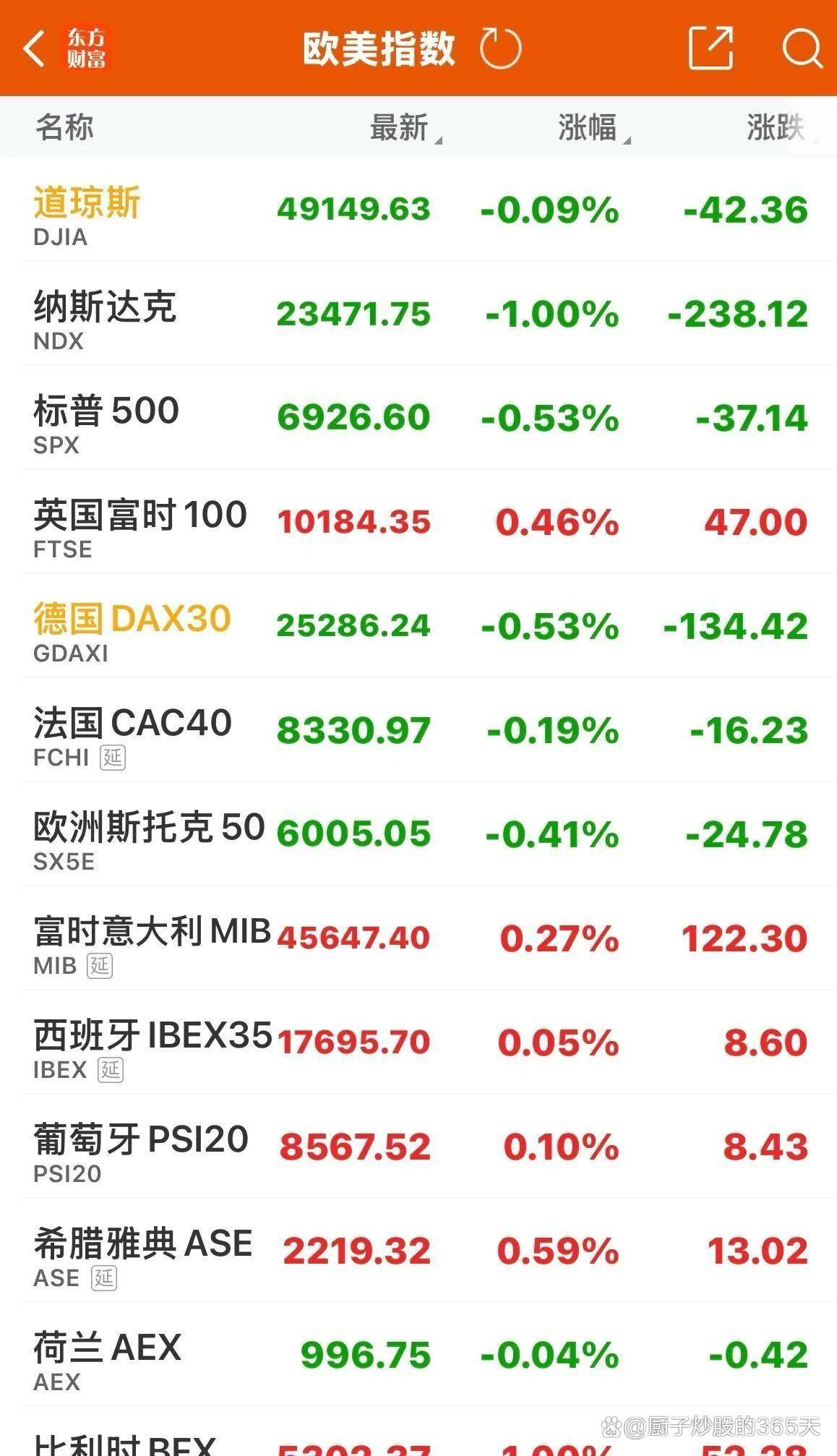
美股全线下跌,大盘17连阳后首次收绿,今日走势将定义行情是歇脚还是转向
Sou Hu Cai Jing· 2026-01-16 00:36
市场的下跌力量主要来自两个核心领域:银行和半导体。 银行股方面,富国银行以跳空低开3%开局,盘中毫无抵抗,收盘时跌幅扩大至4.61%。 美国银行 下跌3.71%,花旗集团下跌3.37%,就连巨头摩根大通也下跌了0.98%。 半导体板块同样惨淡,艾马克技术重挫6.31%,福尼克斯下跌5.87%,博通跌幅为4.13%,就连近期风光无限的英伟达也下跌了1.38%。 | く 気 | 欧美指数() | | 17 ( | | --- | --- | --- | --- | | 名称 | 最新 | 涨幅, | 浙 | | 道現新 | 49149.63 -0.09% -42.30 | | | | DJIA | | | | | 纳斯达完 | 23471.75 -1.00% -238.12 | | | | NDX | | | | | 标普 500 | 6926.60 -0.53% | | -3741 | | SPX | | | | | 英国富时100 10184.35 0.46% 47.00 | | | | | FTSE | | | | | 德国DAX30 25286.24 -0.53% -134.42 | | | | | GD ...

三水企业家的“网红”之路
Sou Hu Cai Jing· 2026-01-16 00:14
Core Insights - The article highlights the transformative impact of short video platforms on traditional manufacturing businesses in Sanshui District, enabling them to enhance brand visibility and customer acquisition through digital marketing strategies [4][12]. Group 1: Business Transformation through Short Videos - Companies like Chuangmeijia and Shangcheng have successfully leveraged short video platforms to increase sales and customer engagement, with Chuangmeijia's manager achieving over 6 million yuan in sales within a year of starting her account [4][6]. - The shift from traditional customer acquisition methods, which often cost over 300 yuan per lead, to more cost-effective digital strategies has become a primary motivation for businesses to engage in short video marketing [5][6]. - The algorithmic nature of short video platforms allows companies to break geographical and industry barriers, rapidly building brand recognition and expanding their market reach [6][7]. Group 2: Challenges and Solutions in Digital Transition - Entrepreneurs face challenges such as initial discomfort in front of the camera and content creation hurdles, which they must overcome to successfully transition into digital marketing [8][9]. - The emergence of AI tools has significantly lowered the barriers to video content creation, enabling even those with minimal experience to produce engaging content [10]. - Continuous content output is essential for building trust with potential customers, as demonstrated by the consistent posting of videos by entrepreneurs [10][11]. Group 3: Community and Training Initiatives - The Sanshui District has initiated a comprehensive training program to enhance digital skills among local businesses, aiming to create a robust ecosystem for digital marketing [10][12]. - The establishment of a city-wide alliance of digital partners has facilitated collaboration among businesses, new employment groups, and content creators, expanding the reach of digital marketing efforts [12]. Group 4: Market Dynamics and Future Outlook - The article emphasizes that the shift to digital marketing is not merely a trend but a strategic necessity for survival in a competitive market, as traditional marketing channels become less effective [13][14]. - The new sales logic driven by digital platforms encourages companies to be more responsive to market demands and innovative in their product offerings [13][14].

滨州跃升:看一座城市如何筑牢工业实力
Feng Huang Wang Cai Jing· 2026-01-15 23:55
Core Viewpoint - Shandong has entered the 10 trillion yuan province club in 2025, showcasing high-quality economic and social development that has attracted national attention [1] Economic Performance - In 2025, Binzhou's industrial output value increased by 6.4% year-on-year from January to November, demonstrating a steady economic performance [3] - The city's industrial revenue reached 970.9 billion yuan, with a year-on-year growth of 2.1% [6] Industrial Strength and Structure - Binzhou has established a robust industrial cluster, focusing on high-end aluminum, fine chemicals, intelligent textiles, food processing, and aquaculture, which serve as the backbone of its economy [4] - The number of champion products in Binzhou increased from 53 in 2023 to 67 in 2025, with 16 products holding global leadership in their respective fields [6][8] Innovation and Digital Transformation - Binzhou is integrating digital economy with traditional industries, fostering a "four-in-one" development model that enhances operational efficiency [9] - The city has established five national-level 5G factories and numerous smart manufacturing projects, indicating a strong push towards digital transformation [11] Future Development Plans - Binzhou's "15th Five-Year Plan" emphasizes industrial upgrades and the establishment of new industrial clusters, including a focus on renewable energy and low-altitude economy [13][15] - The city aims to balance internal demand with green transformation, ensuring sustainable growth while enhancing the quality of life for its citizens [17]
面对面找问题 实打实破堵点——河南融入服务全国统一大市场政企座谈会侧记
He Nan Ri Bao· 2026-01-15 23:29
"上午大家一起听取了专家们的主旨演讲,下午咱们就面对面探讨实际问题,有针对性地梳理妨碍融入 服务全国统一大市场的堵点卡点,助力企业做大做强。" 1月15日,随着省发展改革委党组书记、主任马健的一番话,一场气氛热烈又务实的政企座谈会就此开 始。融入服务全国统一大市场,企业不是旁观者,而是参与者。 "过去一年,河南持续优化的营商环境为企业发展提供强力支撑。"河南省温州商会会长卢庆中对此感受 很深,商会会员在多领域设立生产基地,利用河南的区位交通优势和劳动力资源,将产品辐射全国。 这一观点也引发了河南海一云商实业集团有限公司副总经理冯小丽的共鸣。"作为一家根植河南、深耕 家电行业的本土企业,我们在享受互联网红利的同时,也深受监管中的'甄别机制'尚不完善的困 扰。"冯小丽说。 对此,她建议,河南应依托自身优势,进一步加大对直播电商、跨境电商等新业态的扶持力度;建立全 省统一的电商监管与服务标准体系,实现"一地准入、全省通行";支持企业利用大数据精准匹配全国供 需,让河南成为数字经济的流量枢纽。 融入服务全国统一大市场,河南要充分发挥大腹地、大枢纽、大市场优势,持续完善综合交通物流体 系。在此背景下,置身其中的物流企业 ...
厚植高质量发展底色 勇担金融强国时代使命
Zhong Guo Zheng Quan Bao· 2026-01-15 22:47
Core Viewpoint - The 20th Central Committee's Fourth Plenary Session emphasizes the construction of a financial powerhouse as a key component for China's modernization and national rejuvenation, assigning unprecedented historical responsibilities and opportunities to the financial industry [1][2]. Group 1: Financial System Development - The core essence of building a financial powerhouse is to create a modern financial system that is complete in function, stable, efficient, open, and symbiotic with the real economy [2]. - The public fund industry plays an irreplaceable role in optimizing financing structures, promoting innovative capital formation, stabilizing capital markets, and increasing residents' property income [2]. Group 2: Responsibilities and Actions - The public fund industry must align its development with national strategies, focusing on serving the real economy and guiding social capital towards key areas of the national economy [2][4]. - Emphasizing inclusive finance, the industry aims to provide diverse, transparent, and convenient fund products to help residents share in economic growth and capital market benefits [3]. Group 3: Risk Management and Compliance - Financial safety is a cornerstone of national security, necessitating a robust compliance and risk management framework within the fund industry to prevent cross-market and cross-industry risk contagion [3][5]. - The industry must enhance governance capabilities to meet the high standards set for financial institutions, establishing comprehensive risk management systems that cover various types of risks [5]. Group 4: Innovation and Technology - The industry should embrace financial technology transformations, applying advanced technologies like big data and artificial intelligence to improve decision-making efficiency and reduce operational costs [5]. - Continuous investment in research and development is essential to build a stable and professional investment research team, enhancing the industry's core competitiveness [5]. Group 5: Collaborative Efforts - Building a financial powerhouse requires collaboration among regulatory bodies, self-regulatory organizations, market institutions, and investors [6]. - The industry must adopt a long-term development strategy, aligning its goals with national strategic needs and fostering communication and cooperation with other market participants [6].
星网锐捷:ICT基础设施与AI应用双线突破
Zheng Quan Shi Bao· 2026-01-15 22:15
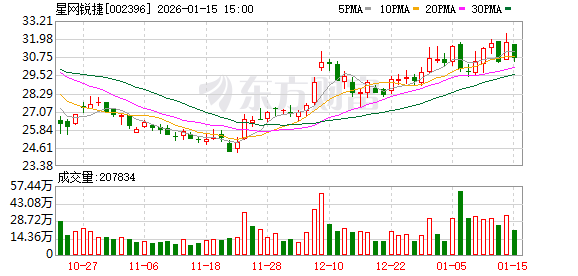
Core Viewpoint - The company, StarNet Ruijie, is leveraging the booming digital economy during the "14th Five-Year Plan" period, focusing on technological innovation as a core engine to achieve significant growth in both business scale and industry influence [1] Group 1: Business Performance - StarNet Ruijie ranks first in global thin client market shipments and maintains the top market share in both the Asia-Pacific and Chinese markets [1] - The company is among the top three in China's data center switch and enterprise switch markets, with a continuous first-place market share in the 200G/400G data center switch segment for 15 consecutive quarters [1] Group 2: Technological Innovation - The company invests over 13% of its annual sales revenue into R&D, with a projected R&D expenditure of 2.668 billion yuan in 2024, accounting for 15.92% of that year's revenue [1] - StarNet Ruijie has launched several leading products, including the AIGC high-density box switch and the TH6800G/1.6T switch, and has developed the first national brain-machine emotional assessment model [1] Group 3: Strategic Initiatives - The company is actively participating in the construction of large-scale intelligent computing centers for major enterprises and is advancing its AI strategy with various products covering multiple scenarios, including government, smart homes, and financial services [1] - Looking ahead to the "15th Five-Year Plan," StarNet Ruijie aims to deepen R&D innovation, accelerate the deployment of cutting-edge technologies, and focus on creating comprehensive AI solutions for key industries [1]

“人工智能+”加速提升传统产业
Jing Ji Ri Bao· 2026-01-15 21:32
深化场景牵引应用是关键路径。锚定制造业主战场,推动重点行业全流程智能化升级,推进人工智能深 度嵌入生产制造核心环节,拓展智能辅助设计、虚拟仿真、故障预警等应用场景,全方位变革创新范 式、生产方式和管理模式。加速人形机器人、脑机接口等新一代智能终端研发应用,探索多智能体协同 生态。同时搭建区域性"智改数转"赋能平台,为中小企业提供解决方案、技术支持和人才培训。 强化治理体系建设是支撑保障。坚持发展与安全并重,筑牢人工智能赋能的安全底座。攻关并应用深度 合成鉴伪、算法安全防护等关键技术,提升技术保障能力。探索分级分类监管,运用智能检测工具防范 算法歧视、数据泄露等风险,以"善治"护航"善智"。加强科技伦理治理,完善法律法规和知识产权保护 机制,健全多元化投融资体系,营造健康有序的发展环境。 (文章来源:经济日报) 一些问题同样不容忽视。核心技术层面,底层核心技术短板明显,基础研究、高端硬件与发达国家存在 差距,自主可控的产业生态尚未完全形成。落地应用层面,中小企业受资金、技术、人才制约,人工智 能应用不足且多局限于单一环节,数据孤岛突出,转型步伐滞后。治理保障层面,数据安全、算法公平 性、知识产权保护等问题凸显, ...
开创高质量共建“一带一路”新局面
Jing Ji Ri Bao· 2026-01-15 21:30
2025年中央经济工作会议提出,推动共建"一带一路"高质量发展。这是统筹把握国内国际两个大局作出 的重要部署,是"十五五"开局之年扩大高水平对外开放的关键路径,将进一步促进全球开放合作,为世 界提供互利共赢新机遇。 迈入发展新阶段 "高质量共建'一带一路'已成为中国为国际社会提供的重要公共产品,成为各国携手走向现代化和人类 通向美好未来的希望之路。"商务部国际贸易经济合作研究院研究员彭波说。 顺应变局育新机 当前,世界进入新的动荡变革期,单边主义与保护主义上升,局部冲突频发,共建"一带一路"面临的外 部环境依然严峻复杂。与此同时,"全球南方"国家的群体性崛起,对工业化、现代化与民生改善的普遍 追求,为共建"一带一路"合作提供了广阔的市场空间。 面对新形势、新挑战,中央经济工作会议再次强调推动共建"一带一路"高质量发展,彰显出在变局中保 持战略定力、于挑战中开拓新局的深远意图。 "推动共建'一带一路'高质量发展,是对国际社会普遍期待的积极回应,体现了中国推动高水平对外开 放的坚定决心与战略定力。"万喆认为,这一部署旨在推动对外开放向制度型开放深度转型,通过更加 主动对接国际高标准经贸规则,更深入地参与全球治理体 ...
星网锐捷:ICT基础设施与AI应用双线突破
Zheng Quan Shi Bao· 2026-01-15 18:18
Core Insights - The company is leveraging the booming digital economy during the "14th Five-Year Plan" period, focusing on technological innovation as a core engine for growth [2][3] - The company has achieved significant market leadership in various sectors, including being the top global supplier of thin clients and ranking first in the Asia-Pacific and Chinese markets [2] - The company is actively involved in ICT infrastructure development and AI applications, participating in major projects and launching diverse products across multiple sectors [2][3] Business Performance - The company maintains a leading position in the global thin client market and ranks among the top three in China's data center and enterprise-grade switch markets [2] - The company has held the number one market share in the 200G/400G data center switch segment for 15 consecutive quarters [2] - The company is a core player in the network supply chain for intelligent computing centers, collaborating with major enterprises on large-scale projects [2] Research and Development - The company invests over 13% of its annual sales revenue into R&D, with an expected investment of 2.668 billion yuan in 2024, accounting for 15.92% of that year's revenue [3] - The company has launched several leading products, including high-density box switches for AIGC scenarios and the TH6800G/1.6T switch, and has developed a complete closed-loop emotional assessment model in AI applications [3] - By the end of 2025, the company aims to have filed over 5,400 patents, including more than 4,300 invention patents, and has received 30 provincial science and technology advancement awards [3] Future Outlook - The company plans to deepen its R&D innovation model and accelerate the deployment of cutting-edge technologies, focusing on solutions for large-scale intelligent computing centers and promoting the large-scale deployment of all-optical parks [3] - The company aims to create comprehensive AI solutions tailored to key industries and enhance collaboration with top domestic and international firms, universities, and research institutions [3]
星网锐捷: ICT基础设施与AI应用双线突破
Zheng Quan Shi Bao· 2026-01-15 18:12
Core Insights - The company, StarNet Ruijie, is seizing opportunities in the digital economy during the "14th Five-Year Plan" period, focusing on technological innovation as a core engine for growth [1][2] - StarNet Ruijie has achieved significant market leadership, maintaining the top position in the global thin client market and ranking first in both the Asia-Pacific and Chinese markets [1] - The company is actively involved in ICT infrastructure development and AI applications, participating in major projects and launching various innovative products across multiple sectors [1][2] Business Performance - StarNet Ruijie has a strong presence in the data center switch and enterprise switch markets, ranking among the top three in China, with a continuous 15-quarter lead in the 200G/400G switch market [1] - The company is a key player in the network supply chain for large-scale intelligent computing centers, collaborating with leading enterprises [1] Research and Development - The company invests over 13% of its annual sales revenue into R&D, with a projected R&D expenditure of 2.668 billion yuan in 2024, accounting for 15.92% of its revenue [2] - StarNet Ruijie has launched several leading products, including the AIGC high-density box switch and the TH6800G/1.6T switch, and has filed over 5,400 patents, with more than 4,300 being invention patents [2] Future Strategy - Looking ahead to the "15th Five-Year Plan," StarNet Ruijie aims to deepen its R&D innovation model, accelerate the deployment of cutting-edge technologies, and focus on creating comprehensive AI solutions for key industries [2] - The company plans to enhance collaboration with top domestic and international firms, universities, and research institutions to build an open industrial ecosystem and drive technological self-reliance [2]