
区域经济一体化

Search documents
国际观察|从互降关税到共建规则——中国-东盟经贸合作持续升级为区域经济注入动能和信心
Xin Hua Wang· 2025-10-28 04:13
Core Points - The signing of the upgraded version 3.0 of the China-ASEAN Free Trade Area agreement marks a significant enhancement in economic cooperation between China and ASEAN, providing new momentum and confidence for regional economic development [1][2] - The upgrade reflects a shift from tariff reduction to rule-building, indicating a deeper institutionalization of cooperation that encompasses various sectors including digital economy, green economy, and supply chain connectivity [2][3] Group 1: Economic Cooperation Upgrade - The China-ASEAN Free Trade Area has evolved from its initial versions focused on tariff reduction to a more comprehensive framework that includes nine new chapters addressing modern economic challenges [2][3] - The 3.0 version is seen as a milestone for promoting economic integration in the Asia-Pacific region, emphasizing the importance of rule-building over mere tariff reductions [2][3] Group 2: Focus on Digital and Green Development - The upgraded agreement includes provisions for digital and green economies, which are crucial for sustainable development and industrial transformation in the region [4][5] - Experts believe that the 3.0 version will facilitate deeper integration in digitalization and green transitions, enhancing cooperation across diverse sectors [4][5] Group 3: Response to Global Economic Challenges - The signing of the 3.0 version sends a strong signal of commitment to open cooperation and mutual benefit amidst rising trade protectionism and geopolitical tensions [5][6] - The agreement is expected to bolster regional economic resilience and provide a stabilizing effect against external shocks [5][6]
商务部:中国-东盟自贸区3.0版升级议定书主要有三个突出特点
Xin Lang Cai Jing· 2025-10-28 02:53
Core Points - The signing of the China-ASEAN Free Trade Area 3.0 Upgrade Protocol marks a significant achievement in trade relations and is a response to the challenges faced by the international trade system [2][3] Group 1: Importance of the Protocol - The protocol signifies the commitment of China and ASEAN to multilateralism and free trade amidst rising protectionism and unilateral trade measures [2] - It establishes a new milestone for deeper regional economic integration, expanding cooperation into emerging fields such as digital and green economies [3] - The protocol supports the construction of a China-ASEAN community with a shared future, enhancing economic cooperation and promoting a resilient regional supply chain [3] Group 2: Background and Negotiation Process - The China-ASEAN Free Trade Area is the first free trade agreement established by both parties, with the initial agreement announced in 2002 [4] - The 3.0 version negotiations began in November 2022 and involved nine formal rounds and over 120 working group meetings [4][5] - The trade volume between China and ASEAN reached $982.3 billion in 2024, a 17-fold increase since the establishment of the free trade area [4] Group 3: Key Features of the Protocol - The protocol aims to promote open, mutually beneficial, and inclusive cooperation, adapting to new trends in international trade [6] - It expands into five new areas: digital economy, green economy, supply chain connectivity, competition and consumer protection, and support for small and medium-sized enterprises [7] - The protocol enhances the level of openness and establishes a systematic cooperation framework for both traditional and emerging fields [7] Group 4: Main Content of the Protocol - The protocol includes nine major areas of upgrade, covering both existing fields and new areas with significant cooperation potential [8] - In the digital economy, it establishes a high-level rule system and cooperation arrangements, including customs duty exemptions on electronic transmissions [9] - The green economy section defines key areas for cooperation, including green trade and sustainable finance, while committing to not use environmental standards as trade barriers [9] - The supply chain section introduces a dedicated chapter for cooperation, enhancing regional supply chain resilience and connectivity [10] - The protocol also addresses standards and technical regulations, health measures, customs procedures, competition, consumer protection, and support for small and medium-sized enterprises [11][12][13]
李强在第28次东盟与中日韩领导人会议上的讲话(全文)
证监会发布· 2025-10-28 02:25
Core Viewpoint - The speech emphasizes the importance of open cooperation among East Asian countries to overcome economic challenges and sustain growth, highlighting the region's historical economic achievements and the need for strategic collaboration moving forward [2][4][5]. Group 1: Economic Cooperation - The ASEAN and China-Japan-South Korea cooperation has shown resilience and vitality despite facing increased challenges and uncertainties in the global economic landscape [2][5]. - Open cooperation has been a key factor in East Asia's economic miracles, allowing countries to complement each other's strengths and avoid politicizing trade issues [4][5]. Group 2: Regional Stability - The current international situation is marked by conflicts and instability, which threaten global development; thus, maintaining peace and stability in East Asia is crucial [5][6]. - There is a strong call to uphold free trade and multilateral trade systems while opposing protectionism to advance regional economic integration [5][6]. Group 3: Supply Chain Collaboration - East Asia possesses a comprehensive industrial chain with strong complementary advantages, and there is a need to enhance collaboration across different segments of the supply chain [5][6]. - The region should focus on improving cooperation in finance, trade, and food security to create new growth points and enhance internal development momentum [5][6]. Group 4: Innovation and New Growth Drivers - The region is encouraged to support technological innovation, particularly in fields like artificial intelligence, robotics, and biomedicine, to enhance innovation capabilities [6][7]. - Continued collaboration in digital economy, electric vehicles, and clean energy is essential to seize development opportunities [6][7].


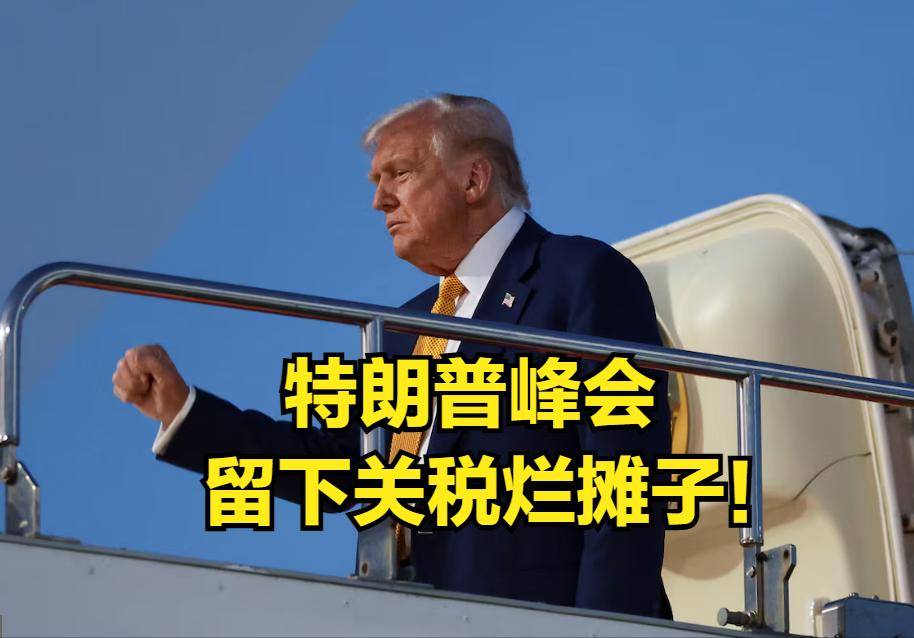
美国挖坑中国填!特朗普赴日会见高市早苗,中国在东盟收拾烂摊子
Sou Hu Cai Jing· 2025-10-28 02:23
Group 1 - The article highlights China's efforts to fill the leadership void left by the U.S. in Southeast Asia, particularly in promoting open trade and strengthening regional economic ties during a summit in Kuala Lumpur [1][3] - The U.S. under President Trump is facing criticism for its high tariffs on Southeast Asian countries, which analysts believe is a strategy to pressure these nations to align with U.S. interests against China [3][4] - The Regional Comprehensive Economic Partnership (RCEP), supported by China, is emphasized as a significant trade agreement that could buffer the impact of U.S. tariffs, covering about 30% of global GDP [4][6] Group 2 - China's call for maintaining free trade and opposing protectionism is seen as a direct response to U.S. tariff policies, aiming to promote regional economic integration [3][4] - The article notes the challenges China faces, such as criticism from the Philippines regarding its actions in the South China Sea, which complicates its regional leadership aspirations [4][6] - Brazil's President Lula expresses optimism about achieving better trade agreements with the U.S., reflecting a common sentiment among Southeast Asian nations to balance relations with both the U.S. and China [6][7]
“为亚太区域合作持续注入动力”
Ren Min Ri Bao· 2025-10-27 22:38
Core Insights - The APEC has played a significant role in promoting regional economic integration and cooperation over the past 30 years, with a unique value derived from its flexibility and inclusiveness [2] - China is expected to take on a leading role in APEC, particularly in promoting green transformation and economic connectivity, aligning with APEC's long-term advocacy [3][4] - The importance of maintaining a free and open trade and investment environment is emphasized, especially in the face of rising unilateralism and protectionism [3] Group 1 - APEC serves as a platform for equal participation and mutual benefits among economies at different development stages, facilitating trade and investment agreements [2] - The organization actively addresses global challenges, expanding its agenda to include climate change, green transformation, and digital economy [2] - China has proposed new ideas for APEC that align with its goals, focusing on open cooperation and sustainable development [3] Group 2 - Malaysia and China have implemented projects under the Belt and Road Initiative, which have positively impacted various sectors in Malaysia, including heavy industry and tourism [3] - The collaboration in sectors such as photovoltaics, energy storage, 5G, and electric vehicles has been deepening, injecting new momentum into Malaysia's economic growth [3] - The need for new growth engines in the context of the digital revolution is highlighted, with cooperation in AI, digital payments, and green technology being crucial for economic transformation [4] Group 3 - Malaysia is actively implementing economic revitalization measures, including the "Changming Economy" framework and the 2030 New Industrial Blueprint [5] - The 2014 APEC meeting hosted by China marked a milestone in initiating the APEC Free Trade Area construction process, showcasing China's coordination and organizational capabilities [5] - There is anticipation for China's role as the host of APEC again in 2026, reflecting its ongoing commitment to regional cooperation [5]

东亚奇迹正在进行,中方呼吁开放合作,东盟系列会议力推区域发展
Huan Qiu Shi Bao· 2025-10-27 22:34
Core Points - The 47th ASEAN Summit emphasizes "inclusiveness and sustainability," with a focus on strengthening regional economic integration and strategic cooperation amid a complex global environment [1][3] - Chinese Premier Li Qiang's participation in multiple key meetings signals China's commitment to regional cooperation and multilateralism, which is crucial for Asia's role as a global economic growth center [1][4] Group 1: Regional Cooperation - The ASEAN leaders and dialogue partners are concentrating on enhancing regional economic integration and strategic collaboration, aiming to provide new directions for trade and investment [1] - Li Qiang highlighted the ongoing economic transformation in East Asia, asserting that the "East Asian miracle" is still in progress, and warned of rising uncertainties in the international economic landscape [3][4] - The RCEP leaders' meeting is significant as it marks the first gathering of leaders since the agreement was signed during the peak of the COVID-19 pandemic, underscoring the strategic importance of this partnership [6][7] Group 2: Economic Integration - The RCEP is recognized as the world's largest free trade agreement, with its members, including ASEAN countries, China, Japan, South Korea, Australia, and New Zealand, aiming for deeper economic integration [6][7] - Li Qiang called for closer cooperation among RCEP members to address challenges and promote development, emphasizing the need for an open regional market and adherence to multilateral trade systems [6][8] - The upcoming signing of the ASEAN-China Free Trade Area 3.0 upgrade is expected to modernize trade frameworks and enhance regional economic cooperation, focusing on digital trade and sustainability [8][9] Group 3: Future Outlook - The series of summits aims not only to address current challenges but also to shape the future regional economic architecture, with a focus on mutual promotion rather than mere interdependence [8][9] - The role of China is evolving from an adapter of international rules to a leader in new globalization efforts, positioning itself as a reliable source of economic growth and stability for Asia and beyond [9]

在第28次东盟与中日韩领导人会议上的讲话 中华人民共和国国务院总理 李 强 (2025年10月27日,吉隆坡)
Jing Ji Ri Bao· 2025-10-27 22:34
Core Viewpoint - The meeting emphasizes the importance of open cooperation among East Asian countries to overcome economic challenges and leverage historical successes for future growth [1][2]. Group 1: Economic Cooperation - ASEAN and China, Japan, and South Korea have maintained a positive trend in economic cooperation, showcasing the resilience and vitality of the East Asian economy [1]. - The region possesses a large market, mature industrial systems, ample capital, advanced technology, and a rich talent pool, which can be harnessed through inclusive and sustainable cooperation [3]. Group 2: Regional Stability - The current international situation is marked by turmoil and conflict, which poses significant challenges to global development; thus, maintaining peace and stability in East Asia is crucial [3]. - There is a call to resolve differences through dialogue and consultation, opposing external interference and avoiding the creation of tensions [3]. Group 3: Supply Chain Collaboration - East Asia has a comprehensive advantage across the entire supply chain, from design and manufacturing to market sales, which should be better utilized to enhance cooperation and improve efficiency [3]. - The meeting supports the strengthening of regional economic and financial cooperation, aiming to create more cooperation highlights and growth points [3]. Group 4: Innovation and New Growth Drivers - The region is encouraged to support technological innovation, particularly in fields like artificial intelligence, robotics, and biomedicine, to enhance innovation capabilities and drive development [4]. - There is a commitment to advancing cooperation in digital economy, electric vehicles, and clean energy to seize development opportunities [4].
李强在第28次东盟与中日韩领导人会议上的讲话(全文)
Xin Hua She· 2025-10-27 17:17
Core Points - The speech emphasizes the resilience and vitality of the East Asian economy, despite facing increasing challenges and uncertainties due to complex changes in the international economic landscape [1][2] - The importance of open cooperation is highlighted as a key factor in overcoming difficulties and achieving economic miracles in East Asia [2] - The focus is on creating a favorable environment for regional development, enhancing industrial and supply chain cooperation, and fostering new growth drivers through technological innovation [3][4] Group 1: Economic Cooperation - The East Asian region has a large market, mature industrial systems, abundant capital, advanced technology, and a rich talent pool, which are essential for economic potential [3] - The need to maintain peace and stability in East Asia is stressed, along with the importance of dialogue and cooperation to resolve differences and oppose external interference [3] - The commitment to enhancing regional economic integration and opposing protectionism is reiterated [3] Group 2: Industrial Collaboration - East Asia possesses a comprehensive advantage across the entire industrial chain, from design and research to manufacturing and sales, which should be leveraged for better cooperation [3] - The region is encouraged to improve collaboration and efficiency in the flow of resources and production [3] Group 3: Technological Innovation - The speech calls for increased support for technological innovation, particularly in fields like artificial intelligence, robotics, and biomedicine, to enhance innovation capabilities [4] - Collaboration in digital economy, electric vehicles, and clean energy is emphasized as a way to seize development opportunities [4]
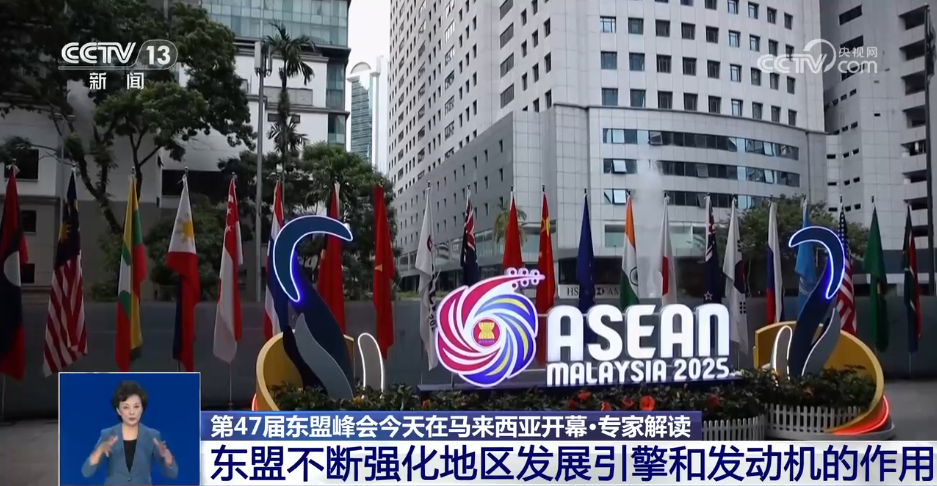
东盟二十余年来首次扩员 释放哪些信号?专家解读
Yang Shi Wang· 2025-10-26 16:55
Group 1 - The 47th ASEAN Summit opened on October 26 in Kuala Lumpur, Malaysia, marking Timor-Leste's official entry as the 11th member of ASEAN, the first expansion since 1999 [1] - The summit will last three days, focusing on ASEAN community building, external relations, regional integration, economic growth, and enhancing connectivity among ASEAN countries [1][3] - This summit is the largest in ASEAN's history, indicating a significant step in the organization's expansion in the 21st century [1] Group 2 - From an economic perspective, ASEAN's market has expanded to over 600 million people, playing a crucial role as a regional engine in economic integration [3] - The inclusion of Timor-Leste signifies ASEAN's increasing influence in regional affairs and its growing role in global southern countries [3][5] - The participation of the G20 and BRICS in ASEAN-related meetings highlights a unity among global southern nations, enhancing ASEAN's appeal and cohesion beyond Southeast Asia to other regions [5]
以团结与担当谋划亚太发展新篇章——写在习近平主席出席亚太经合组织第三十二次领导人非正式会议并对韩国进行国事访问之际
Xin Hua She· 2025-10-24 15:56
Core Points - The article discusses President Xi Jinping's upcoming visit to South Korea for the APEC informal leaders' meeting, emphasizing China's commitment to regional cooperation and development [1][2][5] - It highlights the importance of the Asia-Pacific region in global economic dynamics, accounting for one-third of the world's population and over 60% of global economic output [2][3] - The article outlines China's role as a key driver of regional integration and trade within the APEC framework, with significant growth in trade volumes with APEC economies [3][6] Group 1: APEC and Regional Cooperation - APEC is described as the highest-level economic cooperation mechanism in the Asia-Pacific region, focusing on open cooperation and common development [1][2] - Xi Jinping's leadership has been pivotal in promoting a shared vision for the Asia-Pacific community, advocating for mutual trust and win-win partnerships [2][3] - The article emphasizes the need for open and inclusive development in the face of geopolitical tensions and economic fragmentation [3][4] Group 2: China-Korea Relations - The article details the historical and cultural ties between China and South Korea, highlighting the importance of their strategic partnership [5][6] - It notes that China has been South Korea's largest trading partner for 21 consecutive years, with bilateral trade reaching $328.08 billion in 2024, reflecting a 5.6% increase [6] - The ongoing cultural exchanges and people-to-people connections are underscored as vital for strengthening bilateral relations [5][6] Group 3: Economic Contributions and Future Outlook - China's economic growth is projected to average 5.5% annually from 2021 to 2024, contributing approximately 30% to global economic growth [9][11] - The article discusses China's commitment to high-quality development and green initiatives, positioning itself as a leader in sustainable economic practices [10][11] - It concludes with a vision for continued collaboration in the Asia-Pacific region, aiming for shared prosperity and stability [11][12]