
扩大有效投资

Search documents
“十五五”规划建议指明方向政策亮点构建经济高质量发展新支撑
Zhong Guo Zheng Quan Bao· 2025-10-28 21:10
Group 1 - The core viewpoint of the article emphasizes the strategic guidelines and main objectives for China's economic and social development during the 14th Five-Year Plan period, highlighting policies that support high-quality economic growth [1] - The proposal includes increasing inclusive policies directly benefiting consumers, enhancing government funding for livelihood security, and shifting the focus from short-term stimulus to long-term cultivation of domestic demand [1][2] - The plan aims to adapt to demographic changes and improve infrastructure and public services, with a significant emphasis on investing in human resources, particularly in education and health [2] Group 2 - The proposal advocates for more proactive macroeconomic policies, enhancing the effectiveness of macroeconomic governance, and promoting a growth model driven by domestic demand and consumption [2][3] - It suggests improving the central bank's system and establishing a robust monetary policy framework to enhance the transmission mechanism of monetary policy, which is crucial for financial services to support the real economy [3] - The plan aims to create new advantages for attracting foreign investment by expanding market access, particularly in the service sector, and reducing the negative list for foreign investment [4] Group 3 - The strategy includes expanding bilateral investment cooperation and promoting the "Invest in China" brand while ensuring efficient and secure cross-border data flow [4] - The focus will be on enhancing the comprehensive service system for overseas investments and encouraging orderly cross-border layout of industrial and supply chains [4]
国泰海通:电子化学品等新材料未来将增加有效供给 行业内龙头企业有望受益
Zhi Tong Cai Jing· 2025-10-28 02:49
Group 1 - The 20th Central Committee's Fourth Plenary Session emphasizes the importance of effective investment and breaking down barriers to the construction of a unified national market, which may benefit leading companies in the chemical industry [1] - The report highlights that the domestic production rate of electronic chemicals and high-end polyolefins is low, indicating potential growth areas for future development [2] - The petrochemical industry faces challenges due to homogeneous production capacity, necessitating stricter management of new refining and key petrochemical projects to avoid disorderly expansion and duplication [3] Group 2 - The refining industry is identified as a key area for governance, with a significant portion of refining capacity in Shandong province, suggesting potential for capacity reduction and benefits for private refining enterprises [4] - The polyester filament industry is proactively implementing production cuts to balance market supply and demand, which may favor leading companies in the sector [4]

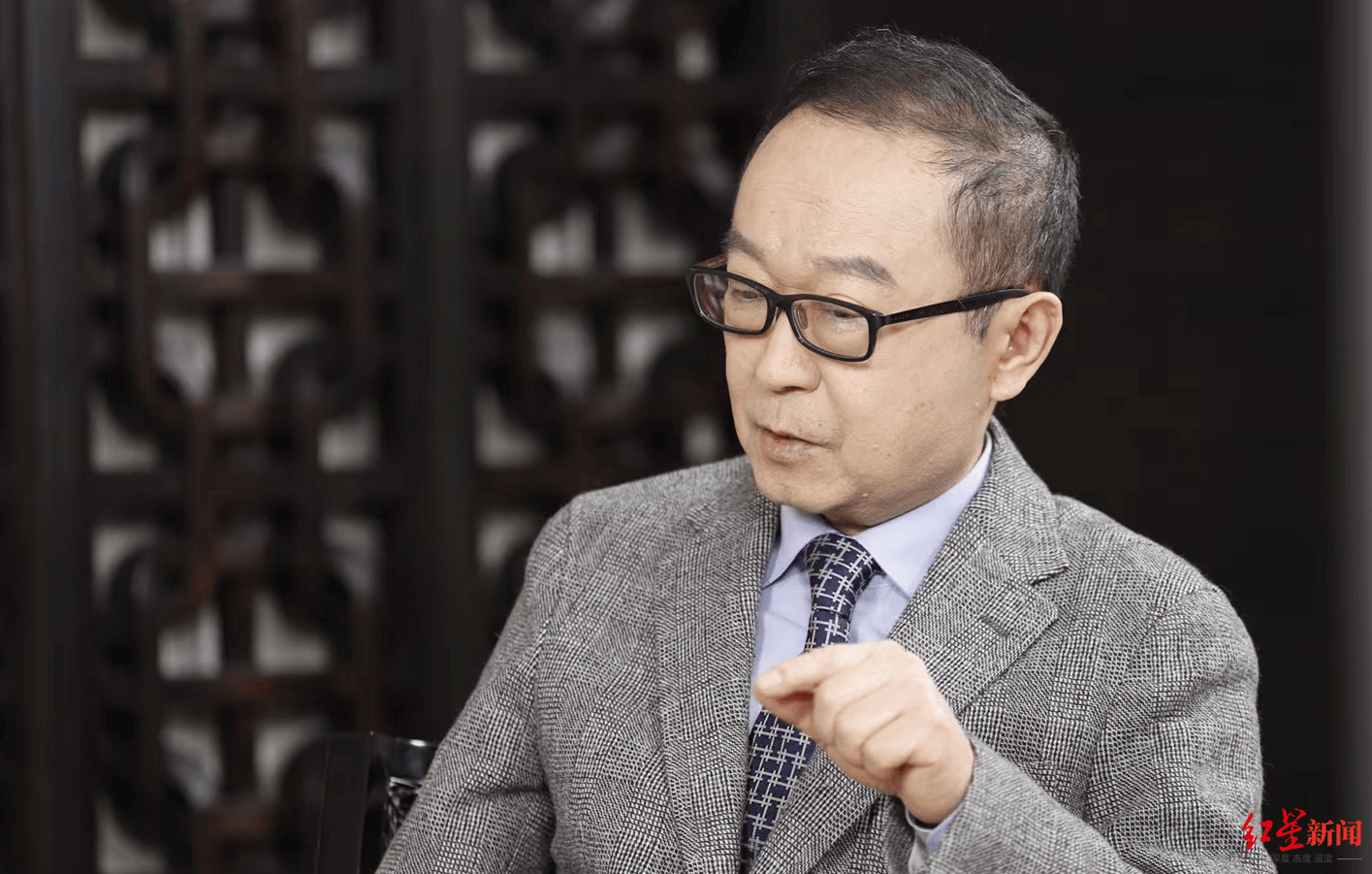
对话复旦大学经济学院院长张军:工资增长跟上GDP增长的速度,才能真正把内需支撑起来
Sou Hu Cai Jing· 2025-10-26 16:33
Core Viewpoint - The Fourth Plenary Session of the 20th Central Committee of the Communist Party of China emphasizes the strategic importance of expanding domestic demand, integrating consumer welfare with investment in goods and people, and fostering a virtuous cycle between supply and demand to enhance the internal dynamics of the domestic economy [1][3]. Group 1: Economic Transition and Demand Expansion - The shift towards expanding domestic demand is seen as both an urgent and long-term strategy, reflecting a new stage in economic development where growth relies more on quality improvements and welfare enhancement rather than mere quantity expansion [3][4]. - The focus is on transitioning from low-value traditional industries to high-value sectors, including high-end services, which will create new income opportunities and drive consumption growth [3][6]. - The proportion of labor compensation in GDP has been increasing since 2010, but remains relatively low, necessitating policies that promote further increases to boost household demand [4][5]. Group 2: Investment Dynamics - Domestic demand has historically been driven by production investments, but the current economic phase requires a shift towards consumer spending as the primary driver of internal demand [5][6]. - The government aims to create conditions for increasing the share of household consumption in the economy by enhancing income growth and creating more mid-to-high-end job opportunities [6][10]. - The importance of effective investment is highlighted, with a need to balance investments in infrastructure with those that directly benefit people's livelihoods [12][15]. Group 3: Investment in People - The concept of "investment in people" is crucial for ensuring that economic growth translates into improved living standards, requiring a shift in fiscal spending towards enhancing welfare and income levels [9][10]. - There is a call for reforms in the wage growth mechanism to ensure that nominal GDP growth aligns with wage increases, alongside improvements in social security systems [10][11]. - The need for a comprehensive approach to government investment is emphasized, focusing on both infrastructure and human capital to achieve a balanced and sustainable economic development [12][15].

市场大 潜力足
Sou Hu Cai Jing· 2025-10-25 23:08
Economic Performance - In the first three quarters, Henan's fixed asset investment increased by 4.5% year-on-year, surpassing the national average by 5.0 percentage points [1] - The total retail sales of consumer goods in Henan reached 21,049.93 billion yuan, with a year-on-year growth of 6.2%, exceeding the national average by 1.7 percentage points [1] - Henan's import and export volume reached 643.18 billion yuan, growing by 18.7% year-on-year, which is 14.7 percentage points higher than the national average [1] Investment and Industrial Development - Foreign enterprises are increasingly investing in Henan, contributing to industrial upgrades and new growth [2] - A new Coca-Cola factory in Zhengzhou, with an investment of over 900 million yuan, is expected to produce over 1 million tons annually, setting a benchmark for the beverage industry in the region [2] - Investment in projects worth over 100 million yuan increased by 8.4%, driving overall investment growth by 5.4 percentage points [3] Consumer Market Dynamics - The consumer market in Henan is vibrant, with new consumption patterns emerging, including night economy and holiday economy [5] - Over 40 billion yuan in consumption vouchers have been issued, stimulating over 50 billion yuan in consumption [5] - Retail sales of sports and entertainment goods increased by 58.2%, with significant growth in categories like cameras and smartphones [5] Open Economy and Trade - Henan's free trade zone saw double-digit growth in import and export volumes, with over 150,000 enterprises established [7] - The province has implemented 27 measures to stabilize and enhance foreign trade, with ASEAN becoming its largest trading partner [7] - The import and export scale reached a historical high in the first three quarters, with electric vehicles and solar batteries gaining popularity in international markets [7] Future Outlook - The economic performance in the first three quarters reflects Henan's market scale and potential, laying a foundation for sustainable development [8] - The province aims to create a more open, resilient, and dynamic market to support high-quality economic growth [8]
武汉:抓好传统产业转型升级、新兴产业培育壮大、未来产业前瞻布局“三线并进”
Zheng Quan Shi Bao Wang· 2025-10-23 13:22
Core Viewpoint - Wuhan's economic analysis meeting emphasizes the need for unwavering focus on goals and a strong push to achieve targets in the fourth quarter and for the entire year [1] Group 1: Economic Strategy - The government aims to fully implement scheduling and ensure targets are met by closely monitoring key industries, enterprises, and regions [1] - There is a strong emphasis on expanding effective investment and tapping into consumer potential to solidify the recovery in foreign trade [1] Group 2: Industry Development - The strategy includes a three-pronged approach focusing on the transformation and upgrading of traditional industries, nurturing new industries, and forward-looking layout of future industries [1] - Efforts will be made to stabilize the industrial base and accelerate the upgrading of the service sector while fostering new growth drivers [1]
X @外汇交易员
外汇交易员· 2025-10-23 09:04
#四中全会 #全文 中国共产党第二十届中央委员会第四次全体会议公报:“十五五”主要目标——高质量发展取得显著成效,科技自立自强水平大幅提高,进一步全面深化改革取得新突破,社会文明程度明显提升,人民生活品质不断提高,美丽中国建设取得新的重大进展,国家安全屏障更加巩固。在此基础上再奋斗五年,到2035年实现我国经济实力、科技实力、国防实力、综合国力和国际影响力大幅跃升,人均国内生产总值达到中等发达国家水平,人民生活更加幸福美好,基本实现社会主义现代化。要大力提振消费,扩大有效投资,坚决破除阻碍全国统一大市场建设卡点堵点;促进重点群体稳定就业,加大欠薪整治力度;加强社会治安整体防控;增补张升民为中共中央军事委员会副主席。 ...
多地抢抓重大项目建设“黄金期” 新型政策性金融工具加速落地
Zhong Guo Zheng Quan Bao· 2025-10-10 23:02
Core Viewpoint - The article highlights the acceleration of major project construction across various regions in China, driven by the introduction of a new policy financial tool worth 500 billion yuan aimed at supplementing project capital. This initiative is expected to boost infrastructure investment growth in the fourth quarter [1][5]. Group 1: Major Project Developments - Significant progress has been made in major projects, such as the successful completion of the Xiaolongtan Grand Bridge on the Yukun High-speed Railway, which is part of the national "eight vertical and eight horizontal" high-speed railway network [2]. - The Guangxi Qinzhou Pumped Storage Power Station's underground traffic tunnel has been completed, with an expected annual clean energy consumption of 2.16 billion kilowatt-hours upon its completion in 2029, reducing carbon emissions by 1.6 million tons [2]. - Various provinces have held meetings to promote major project construction, with Hubei and Anhui provinces launching initiatives to boost project investments, including 587 new projects with a total investment of 332.38 billion yuan [2][3]. Group 2: Financial Support and Policy Tools - The National Development and Reform Commission has announced a new policy financial tool totaling 500 billion yuan to support project capital, which is crucial for the construction of major projects [3][4]. - Local governments are actively utilizing this financial tool, with Jiangsu's Taicang Water Group receiving 20.76 million yuan for a water supply project, and Guangxi Energy Group securing funding for the Bailong Nuclear Power Project, which has a total investment of 41 billion yuan [3]. - The article notes that the total investment for this year's "two heavy" construction projects has reached 800 billion yuan, with central budget investments of 735 billion yuan also being allocated [4]. Group 3: Investment Growth Expectations - Experts predict that the new policy financial tool will stimulate effective investment and promote stable economic growth, with infrastructure investment growth rates expected to recover in the fourth quarter [5][6]. - It is estimated that the new financial tool could leverage an additional 2 trillion to 5 trillion yuan in infrastructure investment, addressing capital shortages for projects [6]. - Recommendations for further policy measures include accelerating the use of special bonds and government bonds to enhance investment and stimulate domestic demand [6].
新型政策性金融工具加速落地
Zhong Guo Zheng Quan Bao· 2025-10-10 20:57
Core Viewpoint - The article highlights the acceleration of major project construction in China as local governments leverage new policy financial tools to boost investment and economic growth in the fourth quarter [1][2][3]. Group 1: Major Project Construction - Various regions are intensifying the construction of significant projects during the "golden period" of project construction in autumn, with no work stoppages during the National Day and Mid-Autumn Festival holidays [1]. - Key projects such as the Xiaolongtan Grand Bridge of the Yukun High-speed Railway and the Qinhai Pumped Storage Power Station are making significant progress, with the former marking a major milestone in the southwest high-speed rail network [1]. - In Hubei and Anhui, provincial meetings have been held to mobilize efforts for major project construction, with Anhui launching 587 new projects with a total investment of 332.38 billion yuan [1]. Group 2: Financial Support for Projects - The National Development and Reform Commission has announced a new policy financial tool worth 500 billion yuan to supplement project capital, which is crucial for the construction of major projects [2]. - Local governments are actively utilizing this financial tool, with Jiangsu's Taicang Water Group receiving 20.76 million yuan for a water supply project and Guangxi Energy Group securing funding for a nuclear power project with a total investment of 41 billion yuan [2]. - Experts suggest that the new financial tool will facilitate the conversion of project reserves into actual construction work, with expectations of increased investment activity in the fourth quarter [2]. Group 3: Investment Growth Projections - Experts predict a recovery in both narrow and broad infrastructure investment growth rates in the fourth quarter, with narrow infrastructure investment expected to rise by 3.0% year-on-year and broad infrastructure investment by 6.0% [3]. - The 500 billion yuan policy financial tool is estimated to stimulate an additional 2 trillion to 5 trillion yuan in infrastructure investment, addressing capital shortages for projects [3]. - Recommendations for further policy support include accelerating the use of special bonds and government bonds to enhance effective investment and stimulate domestic demand [3].
2025年四季度全市重大项目建设推进会举行:抓紧抓实项目建设,全力扩大有效投资, 奋力完成全年经济社会发展目标任务
Chang Jiang Ri Bao· 2025-10-09 13:39
Core Points - The meeting emphasized the importance of accelerating project construction and expanding effective investment to achieve economic and social development goals for the year [1][2][3] Group 1: Project Construction and Investment - The city aims to enhance project construction by optimizing approval services and addressing bottlenecks to ensure timely completion and production [3][4] - There is a focus on attracting high-quality projects and social capital to Wuhan, with an emphasis on high-tech and strategic emerging industries [3][4] - The city plans to systematically prepare major projects that align with the "15th Five-Year Plan" and national strategies to enhance long-term development [3][4] Group 2: Economic Strategy and Goals - The fourth quarter is identified as a critical period for economic work, with a call for unified action to boost investment and project execution [2][4] - The leadership encourages a reformative approach to ensure that foundational projects are included in higher-level planning [4] - There is a commitment to improving the business environment to support high-quality project construction and ensure safety in production [4]
全省稳增长暨高质量项目建设工作调度会召开
Shan Xi Ri Bao· 2025-09-29 23:11
Core Viewpoint - The meeting emphasized the importance of high-quality development and the need to implement various policies to stabilize employment, businesses, and market expectations while promoting effective investment and consumption [1] Group 1: Economic Strategy - The meeting highlighted the necessity to deeply learn and implement the important speeches and instructions from General Secretary Xi Jinping during his visits to Shaanxi [1] - It called for a focus on high-quality development as the primary task and better coordination between development and safety [1] - The meeting stressed the importance of the "three-year" activities to effectively expand investment and boost consumption [1] Group 2: Policy Implementation - The meeting required a firm commitment to achieving the goals set for building a unified national market and enhancing the effectiveness of policy measures [1] - It emphasized the role of the energy industry as a stabilizing force and the need to support non-energy industrial enterprises in maintaining and increasing production [1] - The meeting discussed various measures to tap into consumption potential and promote the prosperity of the service industry [1] Group 3: Project Management - The meeting reinforced the use of the "four batches" project management mechanism and the importance of managing deviations [1] - It called for continuous supervision, proactive support, and in-depth scheduling to address bottlenecks in economic operations and business development [1] - The focus was on accelerating the completion and production of key projects to achieve tangible results and lay a solid foundation for the province's economic development during the "14th Five-Year Plan" [1]