绿色物流

Search documents
100辆载货车重磅交车!搭载这一高效智慧动力链
第一商用车网· 2025-07-14 01:49
Core Viewpoint - The article highlights the successful delivery of 100 Dongfeng cargo trucks equipped with the Dragon Power 3.0 efficient smart power chain, marking a significant milestone in the collaboration between Dongfeng Commercial Vehicles and Dongfeng Logistics [1][18]. Group 1: Project Milestone - The delivery event took place on July 13, showcasing the first batch of 100 trucks, symbolizing a fruitful collaboration within the Dongfeng system [1]. - Key executives from various Dongfeng subsidiaries attended the event, emphasizing the importance of deep collaboration in the commercial vehicle and logistics sectors [3]. Group 2: Strategic Collaboration - Liu Jian, Deputy Director of the Industry Customer Development Department, stated that the delivery exemplifies a successful collaboration that meets the high efficiency demands of carriers, providing a one-stop solution of "high cost-performance vehicles + stable cargo sources" [8]. - The strategic cooperation agreement signed during the ceremony establishes a tighter and more efficient collaborative bond between Dongfeng Commercial Vehicles, carriers, and end customers, laying a solid foundation for future cooperation [13]. Group 3: Technological Advancements - The Dragon Power 3.0 efficient smart power chain is highlighted for its core advantages of scenario adaptation, extreme efficiency, and intelligent control, promising to deliver tangible economic benefits to carrier partners [18]. - The article emphasizes that the delivery of these trucks is not just about the vehicles but also represents a commitment to efficient, intelligent, and green logistics [11]. Group 4: Future Outlook - Dongfeng Commercial Vehicles aims to strengthen multi-party collaboration to accelerate the transformation towards efficient, intelligent, and green logistics, injecting robust "Dongfeng power" into the stable and efficient operation of the industry chain [24].



绿色物流释放发展新动能
Jing Ji Ri Bao· 2025-07-03 22:06
Group 1 - The core viewpoint of the articles highlights the significant advancements in green logistics and transportation in Yidu, Hubei Province, focusing on the implementation of zero-emission technologies and infrastructure improvements [1][2][3] Group 2 - The first zero-emission new energy traction locomotive has been introduced on the Songyi Railway, which has been in operation for 32 years, leading to a reduction in operational costs by over 50% for transporting the same weight of goods [1] - The Yidu port has fully implemented shore power technology, which has reduced noise and air pollution, and has significantly decreased the non-loading operation time of vessels, enhancing port efficiency [2] - As of May 2023, the port's shore power facilities have been installed at all operational terminals, with a total of 52 sets of equipment, resulting in a cumulative electricity supply of over 200,000 kWh, saving approximately 42 tons of fuel and reducing carbon emissions by about 139 tons [2] - The Yidu Green Intelligent Shipbuilding Industrial Park is under construction, covering an area of 585 acres with a total investment of approximately 1.79 billion yuan, aiming to establish a billion-level green intelligent shipbuilding industry chain [3] - Once fully operational, the industrial park is expected to build 14 ships annually, with a total carrying capacity of 80,000 tons [3]
中国到加拿大快递浅析
Sou Hu Cai Jing· 2025-07-01 10:56
Core Insights - The express delivery service from China to Canada serves as a vital link between the two continents, facilitating business and cultural exchange [2] - The service is known for its efficiency and convenience, with advancements in logistics technology optimizing every step from ordering to delivery [2] - Cross-border e-commerce relies heavily on this service, allowing Chinese products to easily enter the Canadian market and meet diverse consumer demands [2] - Environmental sustainability is a focus, with logistics companies using biodegradable materials and optimizing routes to reduce carbon emissions [2] Industry Overview - The express delivery service has become an essential component of international trade, contributing to the growth of e-commerce and enhancing trade relations [2] - Despite occasional delays or losses, a robust after-sales service system ensures that issues are resolved promptly, maintaining customer satisfaction [3] - The service not only shortens physical distances but also fosters closer connections between cultures, making global communication and integration easier [3]

今年前5个月中国社会物流总额138.7万亿元
Zhong Guo Xin Wen Wang· 2025-06-29 09:59
Core Insights - The total social logistics volume in China reached 138.7 trillion yuan from January to May, showing a year-on-year growth of 5.3%, indicating a stabilization in logistics demand recovery [1] - In May, logistics operations remained generally stable, with a slight deceleration in growth but an optimization in structure, particularly in industrial goods logistics which grew by 5.6% year-on-year [1] - The logistics service prices remained stable in May, with major express companies experiencing rapid growth in express business volume, although the revenue per shipment declined year-on-year [1] Group 1: Logistics Demand and Performance - The logistics demand growth rate is stabilizing, with industrial goods logistics showing resilience and consumer logistics recovering due to policies promoting consumption [1] - The logistics revenue of key surveyed logistics companies increased by 6.5% year-on-year from January to May, indicating stable profitability among logistics entities [1] - The logistics demand for units and residential goods grew by 6.4% year-on-year, driven by policies encouraging the replacement of old goods and the holiday economy [1] Group 2: Future Outlook and Trends - The logistics demand is expected to remain stable throughout the year, supported by policies for equipment updates and consumer logistics recovery [2] - The logistics business activity expectation index has remained above 55% for three consecutive months, indicating a positive outlook for logistics markets in areas like iron-water intermodal transport and low-altitude economy [2] - There is a need for coordinated development of logistics supply and demand, with an emphasis on innovative logistics organizational models to enhance economic efficiency and strengthen logistics support for supply chains [2]
DeepWay深向有大动作!
第一商用车网· 2025-06-27 06:57
Core Viewpoint - The successful delivery of 10 electric heavy trucks by DeepWay marks the establishment of China's first cross-province and cross-border electric heavy truck transportation corridor, promoting green logistics development [1][3]. Group 1: Delivery and Project Overview - The delivery ceremony was attended by representatives from various stakeholders, including local government and industry partners, highlighting the collaborative effort in promoting green logistics [1]. - The project, a collaboration between DeepWay, Yunnan Transportation Investment Group, and CATL, spans approximately 980 kilometers from Panzhihua, Sichuan, to the border ports in Yunnan, establishing a significant electric logistics channel [1][3]. Group 2: Vehicle Performance and Economic Benefits - The delivered DeepWay electric heavy trucks are designed for high compatibility, rapid battery swapping, long range, and intelligent management, enhancing operational efficiency [3]. - The trucks can achieve battery swaps in 3-5 minutes, reducing transportation costs by over 20% compared to traditional fuel vehicles and improving overall efficiency by 30% [3]. Group 3: Future Collaboration and Goals - DeepWay aims to leverage this delivery as a starting point to collaborate with partners along the route to create a vibrant green logistics corridor, positioning itself as a model for low-carbon logistics globally [5]. - Yunnan Transportation Investment Group emphasizes the "Green Beautiful Corridor Economy" concept, aiming for a win-win situation between economic development and ecological sustainability [7]. - CATL plans to continue providing advanced battery swapping technology and high-performance batteries to enhance the safety and efficiency of the logistics system, contributing to the green transformation of the energy industry [9][11].

思客对话|洞察消费新趋势 激活消费增长新引擎
Sou Hu Cai Jing· 2025-06-26 08:56
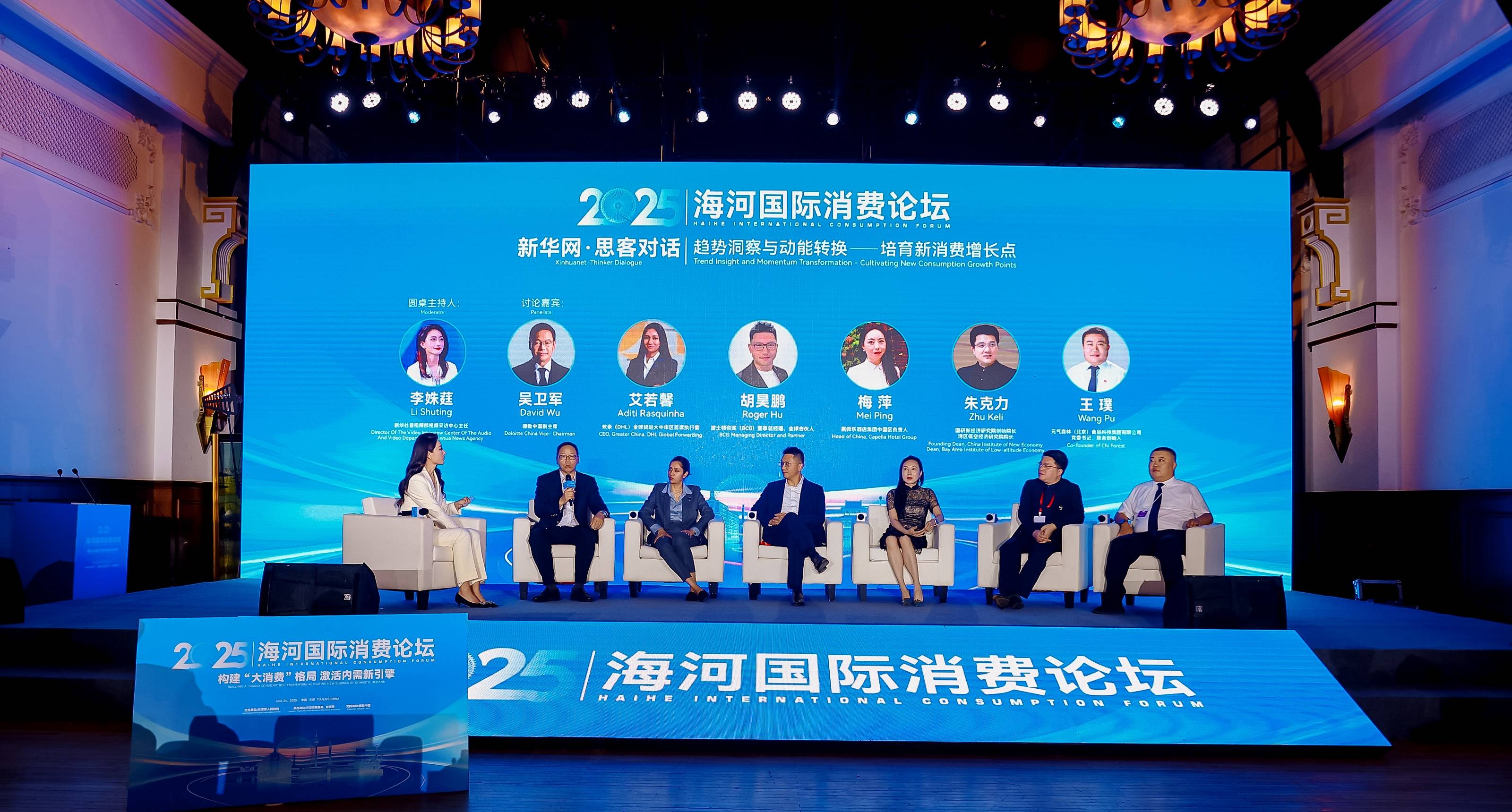
Group 1 - The 2025 Haihe International Consumption Forum focused on building a "big consumption" pattern to activate new engines for domestic demand [1] - The forum featured discussions on new trends and highlights in China's consumption market, emphasizing the importance of these trends for future growth [3] - The "first launch economy" is a significant new trend in consumption, highlighting the collaborative efforts in design, development, and operations to create market "explosion points" [3] Group 2 - The rise of domestic brands is a major trend, with increased consumer attention and recognition leading to product iterations and upgrades [3] - The segmentation of the Chinese consumption market is becoming more pronounced, with diverse retail models emerging to meet varying consumer needs [4] - The trend of "self-pleasure" consumption in cultural tourism emphasizes the importance of emotional value in enhancing user engagement and sustainable development in the industry [4] Group 3 - To activate new engines for consumption growth, enhancing consumer capacity and creating consumption scenarios are essential [5] - Health-oriented consumption is expected to become a new consumption engine as awareness of health investment increases [5] - Green logistics is increasingly recognized for its role in driving consumption growth and enhancing brand trust among consumers [5] Group 4 - "Micro-innovation" in business models is crucial for activating domestic demand and expanding consumption [5] - Future strategies should focus on tapping into consumption potential and leveraging innovation to stimulate demand [5] - Sustained growth in consumption is vital for the stability and long-term success of the Chinese economy [5]
中国光大银行助力满帮集团数字货运生态发展
Zhong Guo Chan Ye Jing Ji Xin Xi Wang· 2025-06-24 03:21
Core Insights - The logistics industry is crucial for the high-quality development of the economy, and Everbright Bank has introduced an innovative "technology + finance + logistics" service model to support leading logistics companies like Manbang Group [1] Group 1: Company Overview - Manbang Group is the largest digital freight platform in China and has been listed among the "Top 500 Private Enterprises in China" for four consecutive years [3] - Everbright Bank customized a "account + payment" digital settlement system for Manbang Group, addressing issues of security, compliance, and timeliness in digital freight settlements [3] Group 2: Financial Support and Innovations - Everbright Bank has invested in technology and operational resources to ensure the stability of the settlement system, which processes over 1.1 billion settlement requests annually and handles more than 3 million transactions daily, with annual freight settlements exceeding 100 billion [3] - The bank has opened carbon accounts for over 3,000 truck drivers through Manbang Group, allowing drivers to earn carbon credits and exchange them for green benefits, promoting a shift from "I have to save energy" to "I want to save energy" [3] Group 3: Addressing Financing Challenges - Everbright Bank is addressing the financing difficulties faced by small and medium logistics companies and truck drivers by developing exclusive online credit products in collaboration with Manbang Group, leveraging historical transaction data [4] - The "Yunmanman" platform under Manbang Group has achieved significant breakthroughs in cost reduction and efficiency, reducing shipping time from 2.27 days to 0.42 days and decreasing the "three empty rates" from 38% to 34%, saving each driver 10,000 to 20,000 annually [4] - The platform has expanded its coverage to over 330 cities in China, serving more than 7 million truck drivers and contributing to a complete road transport service ecosystem, resulting in a cumulative reduction of over 10 million tons of carbon emissions and saving 4.65 billion liters of fuel [4]


研判2025!中国新能源冷藏车行业产业链图谱、市场现状、竞争格局及未来趋势分析:政策持续加码,国内新能源冷藏车销量快速攀升[图]
Chan Ye Xin Xi Wang· 2025-06-23 01:34
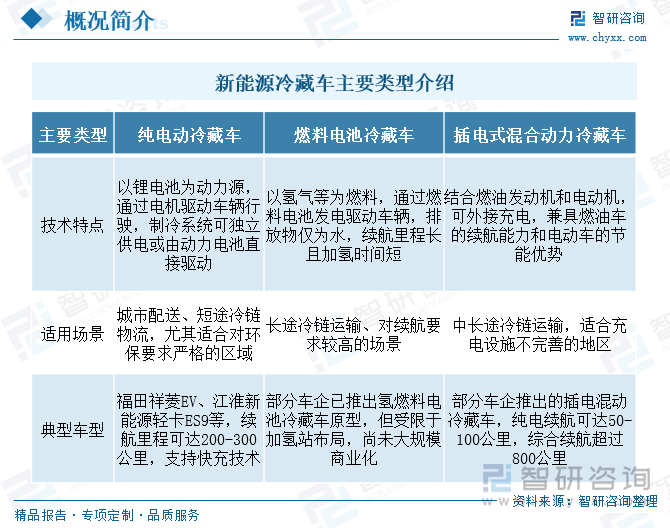
内容概要:新能源冷藏车是以电力、氢能等清洁能源为动力源,搭载制冷机组和隔热车厢的专用运输车 辆,相较于传统燃油冷藏车,其核心优势在于零排放、低噪音和显著降低运营成本。近年来,在"双 碳"战略持续推进、政策持续加码、下游冷链物流行业蓬勃发展、电池等关键技术不断进步,叠加基础 设施加速完善等多重因素驱动下,我国新能源冷藏车行业实现迅猛发展。数据显示,2024年,我国新能 源冷藏车销量已从2019年的332辆快速攀升至21368辆,五年间实现了超过64倍的增长规模,年均复合增 长率更是达到惊人的130%。 相关上市企业:福田汽车(600166);宇通客车(600066)等 相关企业:重庆军通汽车有限责任公司;陕西汽车控股集团有限公司;江西吉利新能源商用车有限公 司;山东唐骏欧铃汽车制造有限公司;河南勤帆新能源集团有限公司;深圳赛迪新能源物流有限公司; 深圳汇车新能源汽车服务有限公司;荆州市楚泰新能源科技有限公司等 关键词:产业链;新能源冷藏车销量;冷藏车保有量;竞争格局;重点企业;发展趋势 一、行业概况 新能源冷藏车是以电力、氢能等清洁能源为动力源,搭载制冷机组和隔热车厢的专用运输车辆,按照动 力类型的不同,可分为 ...


加纳电商小包部分DDP
Sou Hu Cai Jing· 2025-06-18 09:40
Core Viewpoint - The e-commerce market in Ghana is rapidly growing, with cross-border e-commerce playing a significant role in economic development, particularly in small package delivery using Delivered Duty Paid (DDP) services. However, challenges such as complex customs processes, unstable logistics, and high costs hinder further growth in the sector [1]. Group 1: Current Challenges in DDP Services - Customs processes are cumbersome and inefficient, leading to delays in clearance due to incomplete documentation and regulatory issues, which increases logistics costs and negatively impacts user experience [4]. - The logistics infrastructure in Ghana is underdeveloped, particularly in rural areas, resulting in unreliable delivery times and increased risk of package loss during peak periods or adverse weather conditions [5]. - High costs associated with DDP services arise from complex customs and logistics processes, leading to elevated prices that may deter market penetration [6]. - There is a lack of standardization and information sharing mechanisms among logistics companies, complicating management and increasing the potential for errors [6]. Group 2: Proposed Solutions - Simplifying customs processes through electronic and information technology can enhance efficiency, such as creating a unified electronic declaration platform to streamline documentation [8]. - Investment in logistics infrastructure and expanding delivery networks in rural areas are essential for improving logistics efficiency, including partnerships with third-party logistics providers [9]. - Cost control measures, such as optimizing transportation routes and warehouse layouts, can help maintain service quality while managing expenses, alongside transparent pricing strategies to build consumer trust [10]. - Establishing an information sharing and standardization platform can facilitate communication among logistics companies, customs, and e-commerce platforms, improving operational efficiency [10]. Group 3: Future Development Directions - The integration of technologies like artificial intelligence, big data, and blockchain will enhance digital transformation in cross-border e-commerce logistics, improving inventory management and ensuring information security [12]. - Emphasizing green logistics through eco-friendly practices, such as using sustainable packaging and electric delivery vehicles, will contribute to the industry's sustainable development [13]. - Future logistics will increasingly rely on multi-channel cooperation across various sectors, enhancing service capabilities to meet diverse market demands [14]. - Industry self-regulation and the establishment of standards are crucial for the healthy development of Ghana's e-commerce logistics sector, promoting fair competition and operational norms [16]. Summary - The DDP services in Ghana's e-commerce sector are vital for its growth but face challenges like complex customs, unstable logistics, and high costs. Through technological innovation, infrastructure improvements, process optimization, and industry collaboration, the sector can achieve more efficient, stable, and cost-effective cross-border logistics services, ultimately enhancing consumer experience and creating greater business value for e-commerce companies [17].
新能源轻卡惊现3500辆大单!
第一商用车网· 2025-06-14 08:33
Core Viewpoint - The launch of the "Changjiang 9" new energy light truck marks a significant step for Guizhou Ruqi New Energy Automobile Co., Ltd. in promoting green logistics and advancing the local automotive industry in Guizhou province [6][4]. Group 1 - The "Changjiang 9" new energy light truck was officially launched on June 13 in Gui'an New District [1]. - Guizhou Ruqi New Energy Automobile Co., Ltd. focuses on developing electric commercial vehicles that are cost-effective and tailored to market needs, contributing to the collaborative development of the automotive industry chain in Guizhou [4]. - The vehicle features a high energy density 2C battery from CATL, achieving a range of 320 kilometers while carrying 1.5 tons, with a charging efficiency improved by 50% compared to traditional models, taking only 18.5 minutes to charge from 20% to 80% [8]. Group 2 - A procurement agreement for 3,500 units of the "Changjiang 9" was signed with Dizhengtie Car Rental (Shenzhen) Co., Ltd., marking the fourth collaboration between the two companies [8]. - The design of the "Changjiang 9" not only emphasizes performance but also aesthetic appeal, aligning with the operational expectations of the client [8]. - Significant enhancements have been made in the intelligent energy management system and lightweight design of the vehicle [8].