
美国经济衰退

Search documents
美联储若过晚降息将会产生哪些后果?
Zheng Quan Ri Bao· 2025-08-03 16:15
Core Viewpoint - The Federal Reserve's decision to maintain interest rates in July reflects internal divisions and external pressures, raising concerns about potential impacts on financial markets, government debt, and economic stability [1][4]. Financial Market Risks - Delayed interest rate cuts by the Federal Reserve could exacerbate risks in the U.S. financial markets, as high rates increase corporate financing costs and compress profit margins, leading to investor concerns about corporate earnings and economic growth [1][2]. - Following the Fed's decision to keep rates unchanged, market expectations for a September rate cut dropped below 50%, indicating a shift in investor sentiment [1]. Government Debt Pressure - The ongoing high-interest environment could increase the U.S. government's debt burden, as rising interest rates lead to higher debt servicing costs, particularly in light of recent fiscal policies that may further inflate the deficit [3]. Economic Stagnation Risks - The Fed's delay in rate cuts may heighten the risk of "stagflation" in the U.S. economy, with recent employment data indicating a significant slowdown in job growth, which could lead to a potential recession if conditions do not improve [4]. - The labor market is showing signs of deterioration, with July's non-farm payrolls adding only 73,000 jobs, well below the expected 110,000, reflecting increased corporate caution [4].
全线大跌!超11万人爆仓
Sou Hu Cai Jing· 2025-08-03 10:03
Group 1 - The cryptocurrency market is experiencing a downturn, with major cryptocurrencies like Ethereum, Dogecoin, and BNB dropping over 3%, and Dogecoin seeing a 19% decline over the past week [2] - Over the past 24 hours, more than 110,000 traders have been liquidated in the cryptocurrency market, with a total liquidation amount of $369 million, including $310 million from long positions and $58.17 million from short positions [2] - The U.S. non-farm payroll data for July significantly underperformed expectations, indicating a rapid deterioration in the labor market, which has led traders to increase bets on a potential interest rate cut by the Federal Reserve in September [2] Group 2 - Market expectations for the Federal Reserve's subsequent easing monetary policy have risen sharply due to growing concerns about a U.S. economic recession, resulting in heightened risk aversion in the market [2]

熊园:美国非农就业大幅下修的背后
Sou Hu Cai Jing· 2025-08-03 04:25
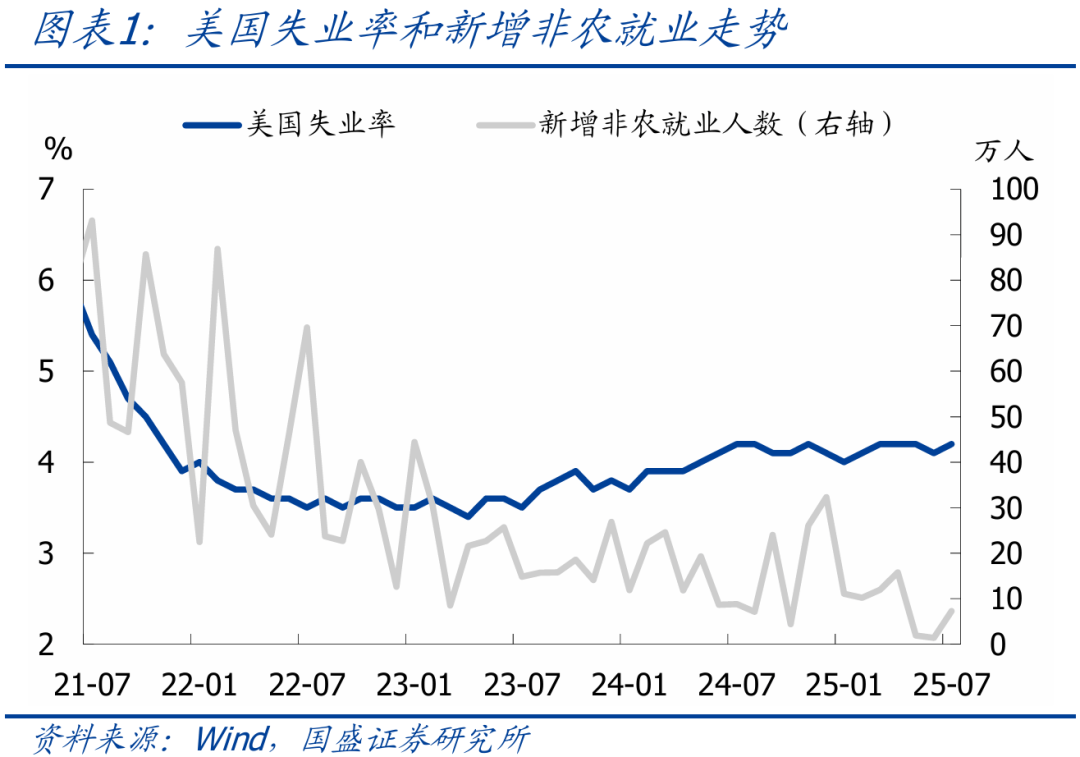
熊园、刘新宇(熊园 系国盛证券首席经济学家、中国首席经济学家论坛理事) 核心观点:美国7月非农就业低于预期,前两个月数据大幅下修至极低水平(2020年以来单月下修超过10万的情况已累计出现过15次),引发市场衰退预 期和降息预期明显升温,最新9月降息概率已超8成。综合看,本次下修更有可能是一次性调整,尚不足以证明美国已陷入衰退;短期看,预计海外市场将 延续risk-off模式,若9-10月公布的非农数据明显反弹,Q4有望重新切换至risk-on。 1、美国7月新增非农就业7.3万,低于预期值11万;6月数据由14.7万下修至1.4万,5月数据由14.4万下修至1.9万,两月合计下修25.8万。失业率4.2%,符 合预期,略高于前值4.1%。平均时薪环比0.3%,与预期和过去12个月均值持平,高于前值0.2%。 2、非农公布后,美股大跌、黄金大涨,美联储降息预期明显上调。利率期货隐含的9月降息概率从40%升至87%,年内降息次数从1.3次升至2.4次,即市 场从预期年内大概率只降息1次变为至少降息2次。 3、非农大幅下修原因:自2020年以来,非农数据的修正幅度相较之前明显扩大,单月下修超过10万的情况已累计出 ...
【环球财经】一周前瞻:美联储9月降息预期重燃,美股下行压力加大
Sou Hu Cai Jing· 2025-08-03 03:37
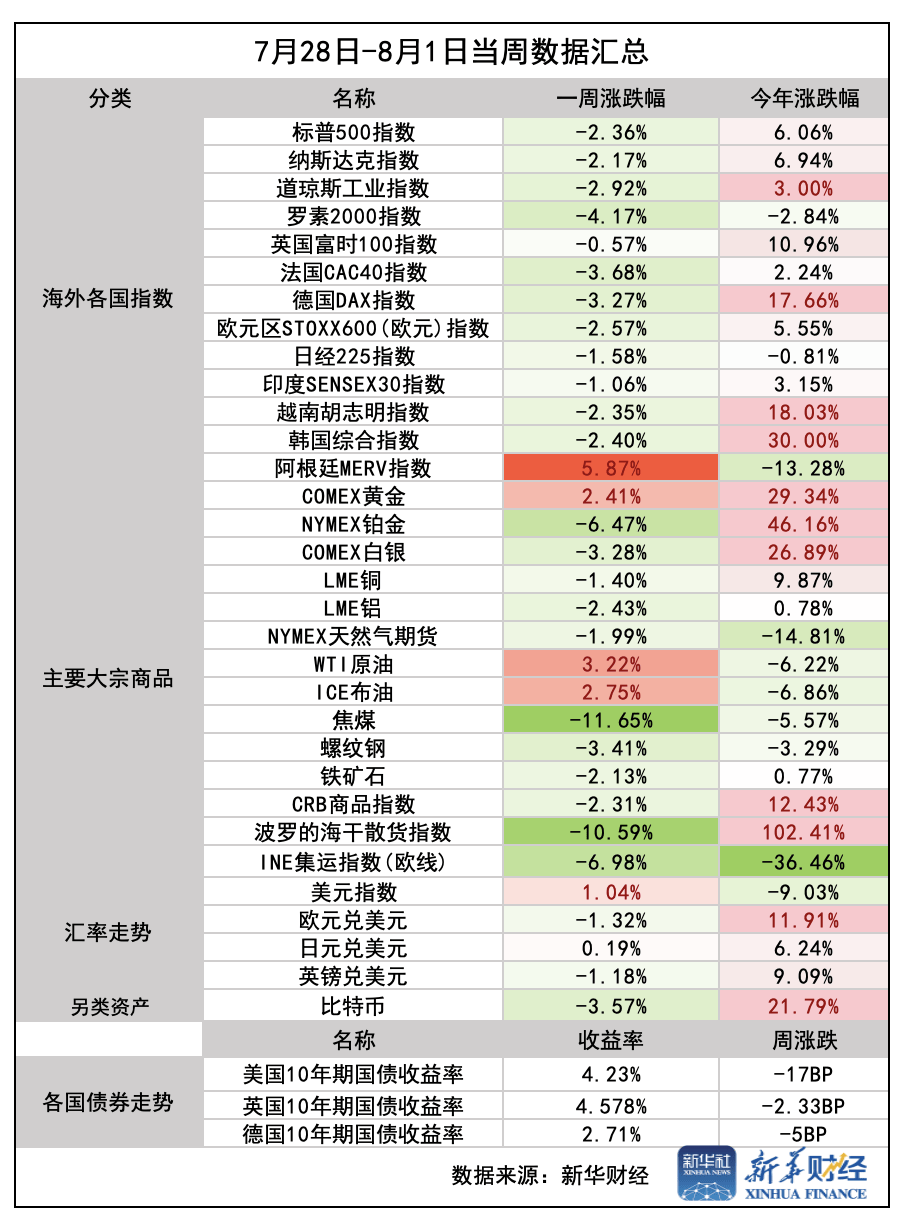
转自:新华财经 新华财经上海8月3日电(葛佳明)本周(7月28日-8月1日),全球风险资产受美联储7月议息会议、美国通胀和就业数据影响而大 幅波动,全球各国股市多数承压下挫。美元指数一度大幅上行并重回100整数关口,现货黄金一度因美元走强而承压下跌,后因避 险情绪升温短线走强。 美股方面,美国7月非农新增就业低于预期,前两个月的数据合计大幅下修25.8万,引发市场对美国经济衰退担忧和美联储降息预 期升温,美股三大股指均大幅下挫, 标普500指数本周累计下跌2.36%;道琼斯工业平均指数本周累跌2.92%;纳斯达克指数本周 累跌2.17%;罗素2000指数本周累跌4.17%;恐慌指数VIX本周累计上涨36.70%。 欧股方面,欧洲各国股指多数下挫。欧洲STOXX 600指数本周累计下跌2.57%,德国DAX 30指数本周累计下跌3.27%,法国CAC 40指数本周累跌3.69%,英国富时100指数本周累跌0.57%。 亚太股市方面,日本央行维持政策利率0.5%不变,并大幅上调2025财年通胀预期0.6个百分点至2.7%,日本央行议息声明"偏鹰"但 日本央行行长表态"偏鸽",日经225指数全周累计下挫1.58%, ...
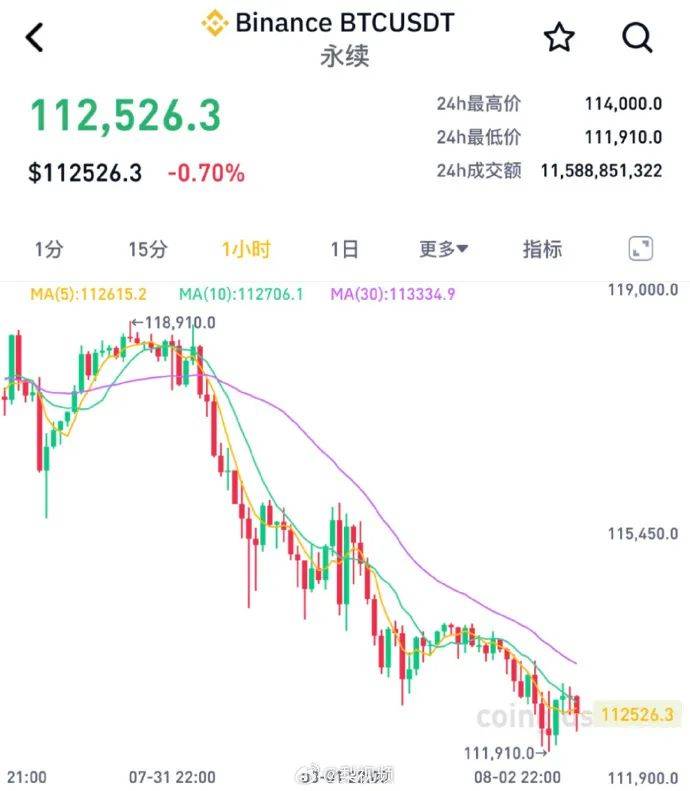
分析师:当前比特币仍处于6月底以来的震荡中枢
Sou Hu Cai Jing· 2025-08-03 02:03
Core Insights - The cryptocurrency market is experiencing a correction, with Bitcoin dropping below $112,000, leading to over 110,000 liquidations in the past 24 hours [1] - The U.S. non-farm payroll data for July significantly underperformed expectations, indicating a rapid deterioration in the labor market, which has increased traders' bets on a potential interest rate cut by the Federal Reserve in September [1] - There is a rising concern about a U.S. economic recession, contributing to heightened risk aversion in the market [1] Market Analysis - Analysts from BiyaPay indicate that Bitcoin is currently in a consolidation phase since late June, with $115,000 identified as a critical support level [1] - If Bitcoin falls below $114,000, it may test the support range of $111,000 to $112,500 [1] - Long-term holders currently control 53% of the supply, suggesting that any significant selling pressure would require new capital inflows to stabilize the market [1]
宏观点评:美国非农就业大幅下修的背后-20250802
GOLDEN SUN SECURITIES· 2025-08-02 11:11
Employment Data Summary - In July, the U.S. added 73,000 non-farm jobs, significantly below the expected 110,000[2] - The June non-farm data was revised down from 147,000 to 14,000, and May's from 144,000 to 19,000, totaling a downward revision of 258,000 jobs over two months[2] - The unemployment rate rose slightly to 4.2%, matching expectations, and the labor force participation rate decreased to 62.2%[2] Market Reactions - Following the non-farm report, major U.S. stock indices fell: S&P 500 down 1.6%, Nasdaq down 2.2%, and Dow Jones down 1.2%[3] - The 10-year U.S. Treasury yield dropped by 14.6 basis points to 4.22%, while the dollar index fell by 1.4% to 98.7[3] - Gold prices surged by 2.2% to $3,362.6 per ounce[3] Federal Reserve Outlook - The probability of a rate cut by the Federal Reserve in September increased from 40% to 87%[3] - Market expectations for rate cuts in 2023 rose from an average of 1.3 to 2.4 times, indicating at least two cuts are anticipated[3] Economic Assessment - The significant downward revision in non-farm data does not necessarily indicate an imminent recession, as high-frequency indicators remain strong[4] - The downward adjustments are attributed to government layoffs, increased immigration enforcement, and natural disasters affecting employment statistics[5] Seasonal Market Trends - Historically, August and September are weak months for overseas stock markets, with a potential shift to a risk-on environment if non-farm data improves in September or October[6]
美国经济衰退担忧升温!史上最狠非农造假被抓包,美股全线下跌
Sou Hu Cai Jing· 2025-08-02 04:19
经济寒冬:美国经济的断崖式下滑 美国经济正经历一场史无前例的寒冬。7月就业数据如同晴天霹雳,新增加就业岗位仅为7.3万,远低于市场预期11万的水平,骤降幅度高达30%。这直接导 致失业率飙升至4.2%,创下2021年底以来最差纪录,过去三个月共计25.8万人失去工作,相当于一个拉斯维加斯的全部劳动力凭空蒸发。数据公布后,市场 瞬间陷入恐慌,黄金价格在短短三分钟内暴涨470美元,华尔街交易员的叫骂声此起彼伏。 实体经济的关键部件正在陆续失灵。制造业PMI指数连续第四个月萎缩,德州炼油厂的检修时间比去年延长了两周。钢厂产能利用率跌破七成,废铁价格甚 至跌到了比废纸还便宜的地步。芝加哥食品配送公司的电动车队开始拆解电池变卖,老板痛哭流涕地说订单量根本无法支撑充电费用。库存积压更是压垮企 业的最后一根稻草。零售商的地下仓库塞满了去年囤积的卫衣,得州批发商对着发霉的沙发愁眉苦脸。纽约时装区的清仓价格跌破面料成本,珠宝商甚至将 碎钻当作亮片贱卖。美联航货机的舱位价格打到了三折,货运代理公司甚至推出了新的业务:帮助企业秘密转移库存到融资机构的仓库抵债。 这一切都预 示着,美国经济的寒冬远未结束。 " 这场经济灾难的冲击波迅 ...
黑天鹅!两个月数据“造假”,全面崩盘,鲍威尔面临史诗级选择!
Sou Hu Cai Jing· 2025-08-02 03:20
真正的炸弹却在脚注里:5月数据从14.4万下修至惨淡的1.9万,6月数据从14.7万腰斩至1.4万。两个月合计下修25.8万人,相当于抹去近三个月全部新增岗 位。 美元指数应声崩盘,半小时暴跌150点。道指与标普500跌幅迅速突破1%,交易员们疯狂敲击键盘——利率期货市场对9月降息的押注概率从37%直冲82%。 亚特兰大联储主席博斯蒂克被迫向CNBC承认:"今日数据及重大修正表明,经济和劳动力市场可能正在更广泛地走弱。" 8月1日,美国劳工部一份报告引发全球交易大厅惊呼。7月非农就业仅增7.3万人,不到预期11万的三分之二。 就业网站Glassdoor首席经济学家Daniel Zhao的形容精准如手术刀:"我们终于进入飓风眼。经过数月预警,7月报告证实经济放缓已非将至,而是已经到 来"。这份报告揭穿了美国劳动力市场持续繁荣的假象。 此前三个月,非农数据似乎描绘着稳健复苏图景。当统计迷雾被吹散,人们惊觉就业引擎早已熄火。企业陷入"低招聘-低解雇"的僵化状态,在关税和高利 率的双重夹击下动弹不得。 更令人心惊的是失业率——从4.1%跃升至4.2%,突破鲍威尔反复强调的"充分就业"临界点。 市场反应比美联储会后的任 ...
深夜,崩盘!美联储,降息大消息!
券商中国· 2025-08-01 15:53
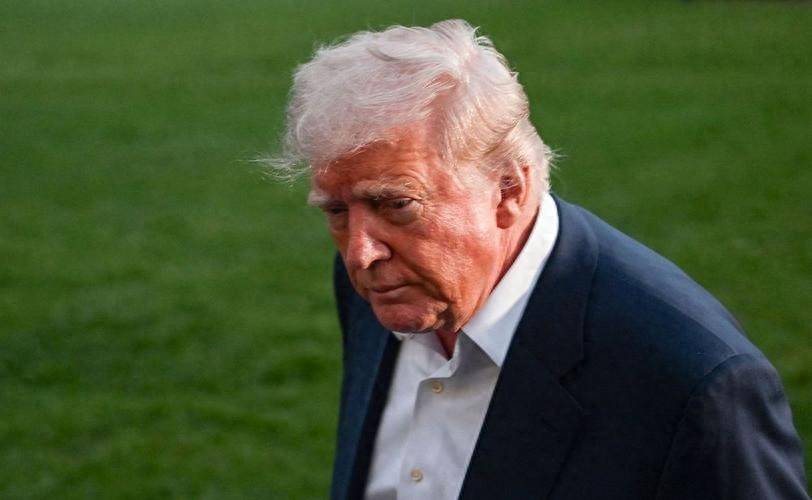
美国就业数据意外"崩盘"。 今晚,美国劳工统计局发布的数据显示,美国7月新增非农就业人数骤降至7.3万人,大幅低于预期的10.4万人,为去年10月以 来最小增幅。有分析称,美国劳动力市场出现"急速刹车",或引发新一轮衰退担忧。 就业数据公布后,美国利率期货显示美联储下次会议降息的可能性大幅上升。 受此影响,美元指数直线跳水,大跌超1%。美股开盘后,三大指数全线大跌,截至北京时间22:15,纳指大跌超2%,标普500 指数跌1.56%,道指跌1.41%。欧洲股市亦集体重挫,法国CAC40指数大跌近3%,德国DAX指数、欧洲斯托克50指数、意大利 富时MIB指数大跌超2%,英国富时100指数跌超1%。另外,VIX恐慌指数大幅飙涨超22%。 与此同时,美国总统特朗普再次批评美联储主席鲍威尔,并再次呼吁降息。他点评称:"太少,太晚。美联储主席鲍威尔'太迟 先生'是个灾难。降息!" 美国就业数据崩了 北京时间8月1日晚间,美国劳工统计局发布了 7月非农就业报告 ,其中显示,美国7月非农就业人数增加7.3万人,大幅低于预 期的10.4万人,为去年10月以来最小增幅,前值为增加14.7万人。 报告显示,美国7月失业率回升至 ...

英镑兑欧元出现反弹 投资者减少欧元多头押注
news flash· 2025-07-29 07:42
Core Insights - The British pound has rebounded against the euro due to reduced long positions on the euro by investors [1] - The rebound is influenced by a trade agreement between the US and Europe, which has alleviated concerns about a US economic recession [1] - The overall strength of the dollar has contributed to the decline of the euro, as market fears regarding tariffs impacting the eurozone economy have increased [1] Currency Movements - The British pound fell to a two-month low against the US dollar but rose to a near one-week high against the euro [1] - The euro's decline is attributed to market concerns over tariffs potentially harming the eurozone economy [1] - The report from ING's head of foreign exchange strategy, Chris Turner, highlights the reduction of previously held long positions on the euro by investors as a factor in the pound's rebound [1]