科技创新

Search documents
稳妥确立务实目标,全力争取更好结果
Nan Fang Du Shi Bao· 2026-01-26 11:51
1月26日上午,广东省十四届人大五次会议在广州开幕,省长孟凡利代表省人民政府作政府工作报告。 报告提到,2026年广东的主要预期目标是:地区生产总值增长4.5%—5%,在实际工作中全力争取更好 结果,地方一般公共预算收入增长3%左右,居民收入增长与经济增长同步。 可以预见,围绕扩大内需、科技创新、产业升级、区域协调、优化营商环境等关键领域,一系列更具针 对性、突破性的政策措施将加快落地,驱动经济航船在守住基本盘的同时,不断向着更高水平乘风破 浪。这份"全力争取"的斗志,源于广东雄厚的产业根基和澎湃的创新活力,也必将转化为推动经济持续 回升向好的强大动能。 (文章来源:南方都市报) 从经济环境角度看,2025年广东人均GDP约为11.48万元。这样的数据直观反映了人民的生活水平,同 时也意味着过去那种凭土地、靠低人力成本优势的经济发展模式难以为继。而在国际层面,近年来,全 球地缘冲突不绝,关税战此起彼伏,扰动不止,不确定性增加,外部压力持续加大。过去很长一段时 间,广东经济一路领跑,现在到了经济发展的十字路口,必须直面房地产调整、动能转换、模式更迭等 现实,抓住新的技术革命大风口,戮力推动经济转型。 沿着高质量 ...
今天刚刚∶中国经济第一大省,定了
Sou Hu Cai Jing· 2026-01-26 11:16
国民经略 2026-01-26 11:03发布于广东 文|凯风 经济第一大省,继续领跑。 刚刚,广东省人代会透露,2025年广东省GDP达14.58万亿,连续37年蝉联全国第一。 不只是经济第一,广东更拿下财政、人口、生育、工业、外贸、科创、财政转移支付及养老金调剂净贡献等诸多"第一"。 "永争第一,不为人后",经济第一大省何以更进一步? GDP站稳14万亿,意味着什么? 14万亿的GDP,相当于2万亿美元,与巴西、俄罗斯相当,超过韩国、澳大利亚等国,放在全球可排在12位。 过去5年,广东连续迈过3个万亿级大关,GDP全面赶超"亚洲四小龙",跻身全球第一梯队。 与经济同步突破的是人口。广东常住人口已达1.27亿,实时人口超1.5亿,双双赶超日本。 对于广东来说,14万亿只是新的开始,远远谈不上天花板。 根据"十五五"规划建议,广东2035年经济总量实现倍增,人均GDP达到中等发达国家水平。 按照2022年13万亿左右GDP测算,到2035年广东经济总量要达到26万亿左右。 考虑到人民币升值大势,届时广东GDP将达4万亿美元以上,直追全球第一大"省"——美国加州。 30多年前,广东曾以"亚洲四小龙"为追赶目标, ...

降本、提质双重突破 中国稀土2025年实现扭亏为盈
Zheng Quan Shi Bao Wang· 2026-01-26 10:42
三是向深化改革要潜力。攻坚资源接续保障,解冻盘活所属矿区待开采区资源。推动公司和所属企业公 司治理结构和管理架构改革,压减法人层级,进一步强化对子企业管控水平。系统构建并深入实施市值 管理长效机制,推动公司市场价值与内在价值协同增长。深化内控体系建设,全面提升规范治理水平, 严守安全环保底线和防范系统风险,为公司高质量发展提供坚强保障。 1月26日晚间,中国稀土(000831)发布业绩预告,公司预计2025年归母净利润为1.43亿元—1.85亿元, 同比扭亏为盈,2024年亏损2.87亿元。 值得注意的是,近日,中国稀土集团在总部召开2026年科技工作会。会议强调,集团公司必须站在战略 全局高度,充分发挥中央企业"三个作用",争当"三个排头兵"。 中国稀土表示,2025年是公司在高质量发展的征程上迈出坚实步伐的一年。上半年,稀土市场行情整体 上涨,公司强化市场研判,调整营销策略,把握采销节奏,实现销售同比增长,有效提升经营创效水 平。同时根据会计准则要求对部分计提的存货跌价准备予以冲回,对上半年利润产生一定正向影响。 具体而言,要坚持战略引领,自觉融入国家发展大局,统筹稀土经济价值与战略价值,以科技创新培育 ...

超50亿,中国人寿联合设立汇智长三角(上海)基金
FOFWEEKLY· 2026-01-26 10:04
根据公告,基金拟以人工智能引导 "科技创新、产业升级"为主线,与上海市和浦东新区市区两级 开展合作,以参股型私募股权投资方式,重点投向人工智能技术和相关应用,以及包括集成电路、 生物医药等其他各类科技创新产业,符合保险资金配置需求。 来源:中国人寿保险股份有限公司 近日,中国人寿保险 股份有限公司发布公告,称公司与多方联合设立 汇智长三角(上海)私募基 金合伙企业(有限合伙)(最终名称以工商登记信息为准)("合伙企业")。合伙企业全体合伙 人认缴出资总额为人民币50.515亿元,其中,中国人寿认缴出资额为人民币40亿元。国寿资本投 资有限公司("国寿资本")将作为合伙企业的管理人。 该合伙企业的共同成立方包含 上海浦东引领区投资中心(有限合伙) ("浦东创投")、上海国投 先导人工智能私募投资基金合伙企业(有限合伙)("国投先导")及国寿基础设施投资管理有限 公司("国寿基础")(各方均作为有限合伙人),创智和瑞(上海)企业管理有限公司("创智和 瑞")(作为普通合伙人)及领智盈(上海)企业管理合伙企业(有限合伙)("领智盈上海") (作为特殊有限合伙人)。 热文: 谁押中了沐曦股份? 荐读: 2025募资市 ...

过去一年,中国科技创新因何令世界瞩目
Xin Hua Wang· 2026-01-26 09:47
DeepSeek的横空出世,可谓2025年中国科技创新的"开场戏"。近期,国际机构密集发文盘点过去一年全 球科技发展,来自中国的成果格外耀眼。 在基础研究领域,2025年底,国际顶尖学术期刊《科学》公布"2025年度十大科学突破",中国在可再生 能源领域的突破,以及破解"丹尼索瓦人"长相之谜、发现水稻耐高温"基因开关"等成果纷纷入选。 一年前,恰是这个周一,深度求索(DeepSeek)公司R1大模型以高性能和低训练成本震撼世界,外媒 称之为"DeepSeek时刻"。 过去一年,中国科技创新因何能让世界瞩目? 这源于实现高水平科技自立自强的决心与努力。在美国先进芯片的封锁禁运下,DeepSeek以算法创新 突破算力限制,华为、阿里巴巴、百度、寒武纪等中国企业则纷纷踏上芯片技术攻关之路。随着 DeepSeek-R1大模型和"昇腾"等国产芯片问世,美国战略界终于意识到,出口管制管不住中国,只会使 中国加速建设一套独立的技术体系。 这倚赖高水平科研人才提供的核心支撑。2025年11月,科睿唯安发布《2025年度全球高被引科学家》榜 单,中国内地共有1406人次入选,占全球总数的19.7%。在AI领域,据全球知名科研技 ...
甘肃两会启幕:政协去年纾困企业发展等难题180余件
Xin Lang Cai Jing· 2026-01-26 09:43
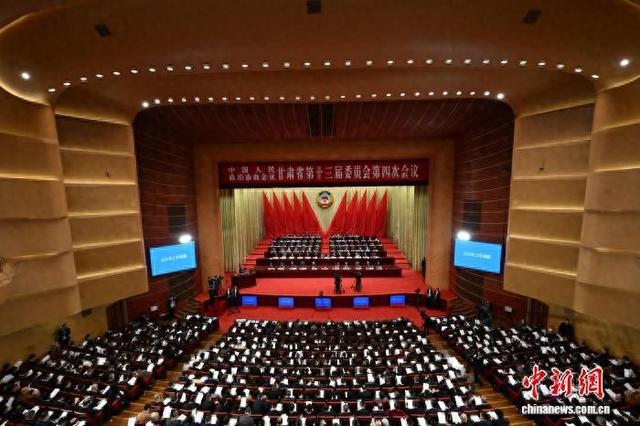
中新网兰州1月26日电 (记者 闫姣)26日,政协甘肃省第十三届委员会第四次会议在兰州市开幕,甘肃正 式进入两会时间。 甘肃省政协工作报告披露,该省2025年围绕产业发展、科技创新、生态环保、乡村振兴、文旅融合等内 容,反映、协调解决政策落实、项目建设、企业发展中的困难问题180余件。 在打造特色示范小镇方面,甘肃省政协指导酒泉市肃州区黄泥堡乡、张掖市肃南县康乐镇、武威市天祝 藏族自治县天堂镇、临夏州积石山县刘集乡团结村等5个乡镇建设示范小镇,协调争取国家民委少数民 族发展资金、中国乡村发展基金会项目资金等3800余万元;在加强文化遗产保护传承、推动文化创新发 展方面,接续开展凉州文化、周文化研究,推动《凉州通史》《周道之兴——甘肃与周文化的兴起和传 承》出版发行,编纂出版《人文甘肃·市州卷》等文史资料;在促进民族团结方面,出版《铸牢中华民 族共同体意识在甘肃的理论和实践研究》,深度阐释甘肃在中华民族共同体发展和中华民族多元一体演 进中的历史贡献及现实启示。 同时,该省创建"群众有话'码'上说,委员履职'码'上办""委员会客厅""移动协商车"等履职平台,改造提 升委员工作站1390个,建成委员工作室1650个 ...
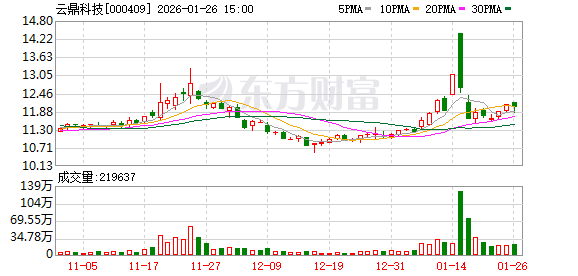
云鼎科技:公司始终高度重视科技创新与产业发展的深度融合,将持续推动先进技术转化与市场推广应用
Zheng Quan Ri Bao· 2026-01-26 09:40
证券日报网讯 1月26日,云鼎科技在互动平台回答投资者提问时表示,公司始终高度重视科技创新与产 业发展的深度融合,将持续推动先进技术转化与市场推广应用,为股东及社会创造可持续价值。 (文章来源:证券日报) ...

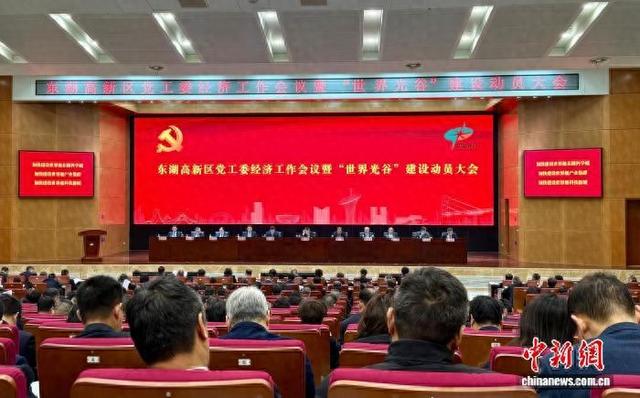
中国光谷GDP上新台阶 “两创融合”聚势突破
Zhong Guo Xin Wen Wang· 2026-01-26 09:35
Core Insights - Wuhan East Lake High-tech Zone, also known as "China Optics Valley," aims for a regional GDP of 336 billion yuan by 2025, with a nearly 140 billion yuan increase during the 14th Five-Year Plan period, reflecting an average nominal growth rate of nearly 11% [1] Group 1: Economic Development - The East Lake High-tech Zone has accelerated the integration of technological and industrial innovation, focusing on a "dual innovation" approach to drive breakthroughs [1] - During the 14th Five-Year Plan, the region completed over 260 billion yuan in industrial investments, with more than 200 projects exceeding 1 billion yuan completed and operational [3] - The total number of enterprises in the region surpassed 169,000, with over 5,800 high-tech enterprises, contributing to the growth of the optoelectronic information and life health industries into a trillion-yuan scale [3] Group 2: Innovation and Technology - By 2025, the optoelectronic information industry in the East Lake High-tech Zone is expected to exceed 650 billion yuan, with significant advancements in humanoid robots, brain-machine interface chips, and manned flying cars [3] - The region has established a strategic technology force matrix, including 1 national laboratory, 13 national key laboratories, and 66 national-level innovation platforms, with R&D investment intensity reaching 9.4%, ranking third among national high-tech zones [3] Group 3: Future Goals - Looking towards the 15th Five-Year Plan, the East Lake High-tech Zone aims to build world-class scientific cities, industrial clusters, and technology cities, with a goal to rank among the top five high-tech zones in China [4] - The region plans to establish a "12N" modern industrial system, focusing on creating a trillion-yuan advanced manufacturing cluster in optoelectronic information and 500 billion yuan clusters in life health and modern services [4][5]
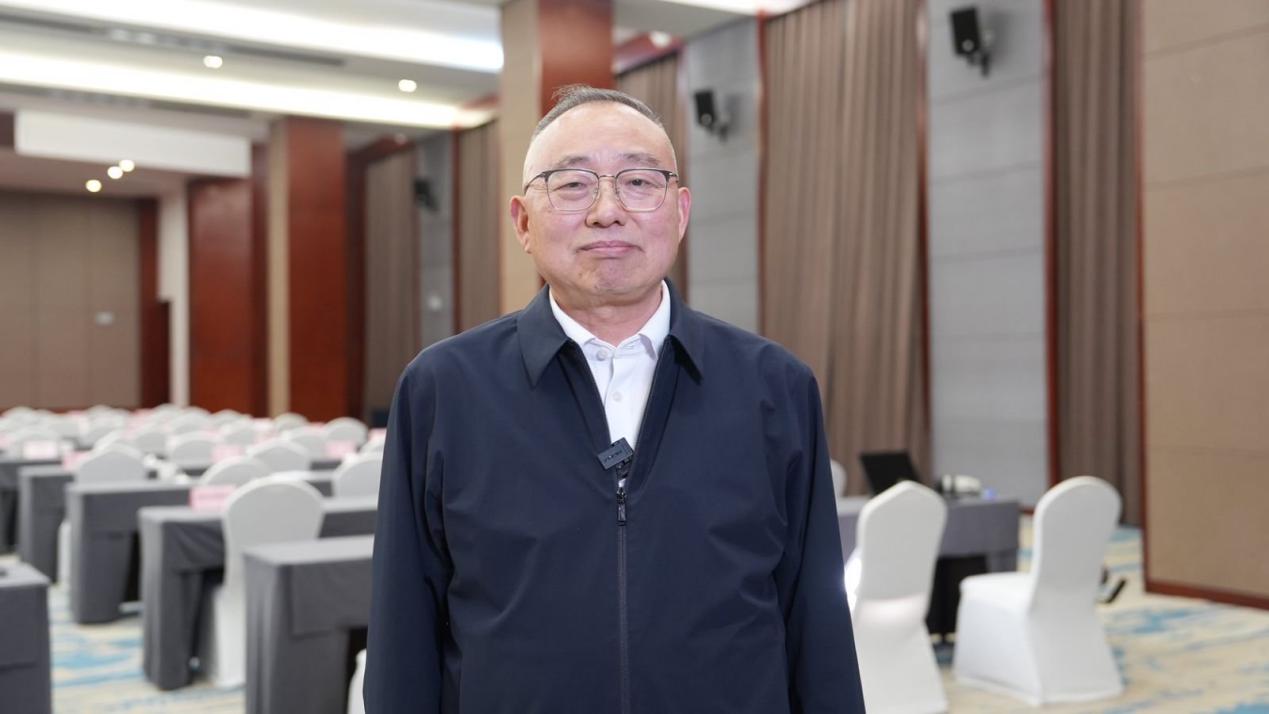
龙祖根:以创新为钥 解锁贵州煤炭产业高质量发展新征程
Zhong Guo Neng Yuan Wang· 2026-01-26 09:21
Core Viewpoint - The coal industry in Guizhou Province is positioned as a core force for energy security in Southwest China, with a focus on safety, transformation, and benefiting people's livelihoods as outlined in the "14th Five-Year Plan" [1][3] Group 1: Industry Development and Performance - In 2025, Guizhou's coal production reached 183 million tons, an 8.8% increase from 168 million tons in 2024, with a continued positive trend in safety production [3] - The coal power installed capacity accounts for approximately 40% of the total, contributing nearly 60% of the electricity generation, highlighting its critical role in energy security [3] - The coal industry's energy support ratio is expected to remain around 50% during the "15th Five-Year Plan" period [3] Group 2: Innovation and Technology - The transformation of the traditional coal industry must be driven by technological innovation, focusing on clean utilization, intelligent development, and ecological construction [4] - Guizhou has developed a unique path of "introduction-digestion-absorption-re-innovation" to create independent intellectual property rights and promote high-quality industry development [4] - A collaborative platform between enterprises and universities has been established to cultivate high-level professionals for the healthy development of coal [4] Group 3: Strategic Planning and Market Expansion - The industry is advancing the construction of intelligent coal washing plants and aims to enhance coal quality through customized products based on market demand [5] - Efforts are being made to establish a coal pricing mechanism in Southwest China and prepare for a coal trading conference to increase Guizhou's market share [5] Group 4: Coalbed Methane Development - Guizhou is the second richest province in coalbed methane resources, with significant progress made despite complex geological conditions [6] - The association plans to enhance coalbed methane exploration through annual energy expos and collaboration with universities and research institutions [6] Group 5: Commitment to Energy Security and Transformation - The coal industry in Guizhou is committed to implementing the meeting's spirit with a focus on development and safety, aiming for structural optimization while ensuring energy security [7] - The industry is undergoing comprehensive reforms, from intelligent construction to green transformation, contributing to high-quality energy development in Guizhou [7]
四个关键字看2025年工业和信息化发展!
中汽协会数据· 2026-01-26 09:13
Core Viewpoint - The article emphasizes the continuous stabilization of economic growth, focusing on the real economy and implementing a new round of key industry growth plans to support industrial provinces in driving steady industrial growth [2]. Group 1: Economic Growth and Industrial Performance - By 2025, the industrial added value above designated size is expected to grow by 5.9% year-on-year, with the manufacturing added value maintaining a stable share of GDP [3]. - The manufacturing sector is projected to retain its position as the world's largest for 16 consecutive years, with telecommunications business volume increasing by 9.1% year-on-year [4]. Group 2: High-Quality Development and Technological Advancement - The focus remains on high-quality development, advancing the intelligent, green, and integrated development of manufacturing [6]. - The added value of equipment manufacturing and high-tech manufacturing above designated size grew by 9.2% and 9.4% year-on-year, respectively, outpacing the overall industrial growth by 3.3 and 3.5 percentage points [6]. - Over 35,000 basic-level and 8,200 advanced-level smart factories have been established, with 15 leading smart factories nurtured [6]. Group 3: Innovation and Emerging Industries - The integration of technological and industrial innovation is being promoted, with breakthroughs in major equipment such as ultra-large diameter shield machines and heavy-duty gas turbines [10]. - The added value of integrated circuits and electronic special materials increased by 26.7% and 23.9% year-on-year, respectively, while industrial robot production rose by 28% [10]. - New energy vehicle sales reached 16.49 million units, reflecting a year-on-year growth of 28.2% [10]. Group 4: Business Environment and Competitive Landscape - Efforts to reform key areas and reduce enterprise burdens are underway, with actions to clear overdue payments to businesses and implement supportive policies [11]. - The competitive ecology in key industries such as new energy vehicles and photovoltaics is showing signs of improvement [11]. - Over 140,000 specialized and innovative small and medium-sized enterprises have been nurtured, with high-tech enterprises reaching 504,000 [11].