
智能驾驶

Search documents
财联社汽车早报【12月16日】
Xin Lang Cai Jing· 2025-12-16 01:37
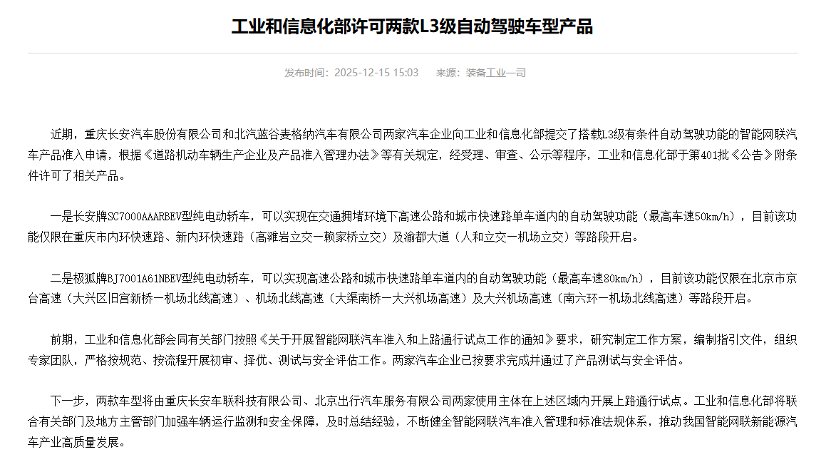
Group 1: Autonomous Driving Developments - The Ministry of Industry and Information Technology has granted conditional approval for two L3-level autonomous driving vehicles from Chongqing Changan Automobile and BAIC Blue Valley Magna Automotive [1] - This marks a new phase of "compliance landing" for domestic intelligent driving [1] Group 2: Automotive Recalls - In November, seven automotive manufacturers recalled a total of 244,500 vehicles due to issues with battery pack consistency, particularly affecting BYD's Qin PLUS DM-i model [1][2] Group 3: Strategic Planning in Automotive Industry - The Shenyang Municipal Committee has proposed to strengthen the automotive and parts industry, focusing on the complete production and supply chain for intelligent connected new energy vehicles [3][4] Group 4: Flying Cars Initiatives - GAC Group's flying car GOVY AirCab has entered the airworthiness certification stage, with mass production expected in 2026 [5] - The company aims to create a comprehensive ecosystem for urban air mobility, including applications in tourism and logistics [5][6] Group 5: Compliance and Fair Competition - Seres Group has expressed commitment to the newly proposed "Automotive Industry Pricing Behavior Compliance Guidelines" to ensure fair competition and high-quality development in the automotive sector [7] Group 6: International Collaborations - XPeng Motors has signed an agreement with Malaysian EPMB for the assembly of G6 and X9 models, with production timelines set for March and May 2026 respectively [9][10] Group 7: Investment Activities - SAIC Group and Guotai Junan have established a new equity investment partnership with a capital contribution of 1.09 billion yuan, focusing on private equity investments [11] Group 8: New Energy Ventures - Beijing Foton EVE Energy Technology Co., a joint venture between EVE Energy and Foton Motor, has been established with a registered capital of 500 million yuan, focusing on new materials and battery sales [12][13] Group 9: New Product Launches - BYD's Ocean series flagship models have been named Sea Lion 08 and Sea Leopard 08, set to debut in the first quarter of 2026, as part of the brand's high-end strategy [14]

图达通(02665)上市高光表现印证稀缺性,“全能”激光雷达龙头挺进发展新阶段
智通财经网· 2025-12-16 01:01
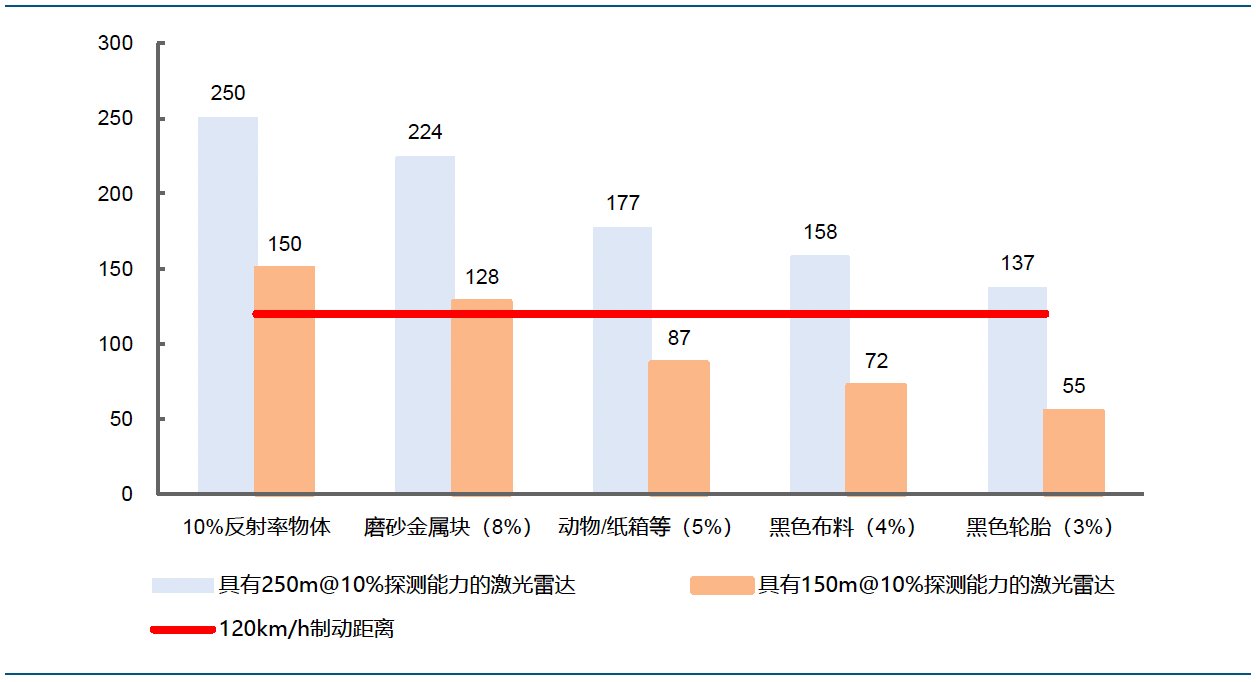
Core Viewpoint - The automotive industry is rapidly advancing towards the era of intelligent driving, with lidar technology establishing its essential role in the perception architecture for assisted driving [1]. Group 1: Company Overview - TuDatong, recently listed on the Hong Kong Stock Exchange, is positioned as a leading player in the lidar industry, leveraging its diverse product offerings and customer base [1]. - The company is the only one globally with mass production experience in both high-performance 1550nm products for L3+ autonomous driving and cost-effective 905nm products [1]. - TuDatong's "Falcon" series (1550nm) has been validated through the delivery of over 600,000 units in NIO vehicles, showcasing its maturity and reliability [3]. Group 2: Market Performance - On its first trading day, TuDatong's stock price surged, reaching a peak increase of 73.1%, reflecting strong investor confidence in its comprehensive technology layout and future prospects [2]. - The company has secured contracts with over 14 major automotive manufacturers and autonomous driving companies, expanding its customer structure from high-end to a more diverse price range [9]. Group 3: Technology Landscape - The lidar industry is currently divided between two main technical routes: 905nm and 1550nm, each with its own cost and performance advantages [4][7]. - The 905nm route is more cost-effective due to the use of mature silicon-based detectors, while the 1550nm route offers superior detection distance and safety redundancy, making it increasingly relevant as consumer safety becomes a priority [4][7]. - TuDatong's dual-route strategy allows it to capture both the cost-sensitive market and the high-performance demands of advanced driving assistance systems (ADAS) [11]. Group 4: Future Growth Potential - The company is expanding its lidar technology into the "robotics" sector, establishing a solid non-automotive business matrix with applications in various high-value scenarios such as smart cities and industrial automation [10]. - TuDatong's "Hummingbird D1" product, designed for high-frequency robotic operations, demonstrates its commitment to innovation and market adaptability [10]. - The company's strategic positioning in emerging markets like robotics and smart transportation is expected to create a second growth curve, supporting long-term development [11].

L3级自动驾驶来了!仅2款车型拿到首批入场券,这行业要变天?
Zheng Quan Shi Bao· 2025-12-16 00:11
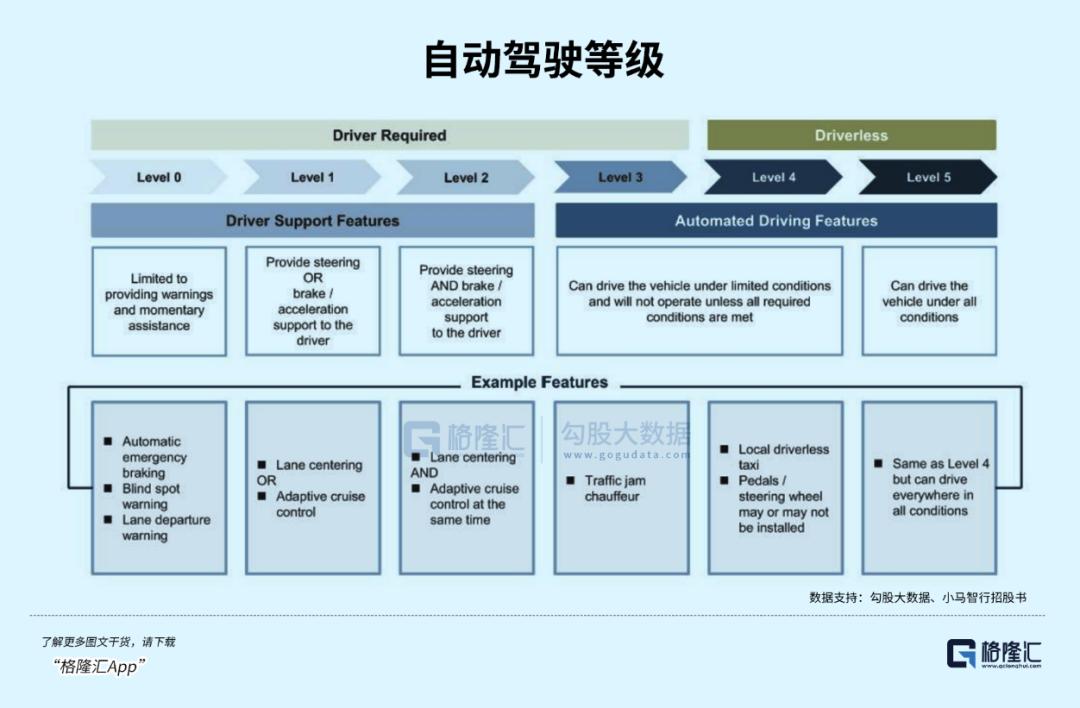
Core Insights - The first batch of L3-level conditional autonomous driving vehicles has been granted approval in China, marking a significant step towards commercial application in the intelligent connected vehicle industry [1][4] Group 1: Regulatory Developments - The Ministry of Industry and Information Technology announced the approval of two L3-level conditional autonomous driving models: Changan SC7000AAARBEV and Arcfox BJ7001A61NBEV [1] - According to national standards, L3-level autonomous driving allows the vehicle system to fully take over driving tasks under specific conditions, while the driver must remain alert and ready to take control [3] Group 2: Industry Implications - Analysts suggest that this approval signifies a transition from "testing demonstration" to "commercial application" for China's intelligent connected vehicle industry [4] - The two approved models will undergo road trials in designated areas, with the Ministry of Industry and Information Technology collaborating with local authorities to enhance vehicle operation monitoring and safety [4] Group 3: Market Trends - The "Automotive Industry Stabilization Growth Work Plan (2025-2026)" was released, providing clear guidance for industry development over the next two years, including conditional approval for L3-level autonomous vehicle production [5][6] - The formal implementation of L3-level autonomous driving regulations is expected to be a key catalyst for industry development by 2026, with consumer interest in advanced driver assistance systems increasing [6] Group 4: Financial Performance of Related Companies - A total of 13 intelligent driving stocks have seen net buying exceeding 100 million yuan since Q4 2025, with Hikvision, JAC Motors, Lens Technology, and Desay SV leading in net buying amounts [7] - Companies like Hikvision and Desay SV are focusing on smart driving sensor solutions and intelligent cockpit systems, respectively, indicating a strong growth trajectory in the intelligent driving sector [10] - Predictions for 2025 show that 19 intelligent driving stocks are expected to have a net profit growth rate exceeding 30%, with notable increases from companies like Foton Motor (1633.76%) and SAIC Motor (584.34%) [12]


经济大省挑大梁 | 浙江新能源汽车产业集群效应凸显 年度生产目标提前达成
Xin Lang Cai Jing· 2025-12-15 13:34
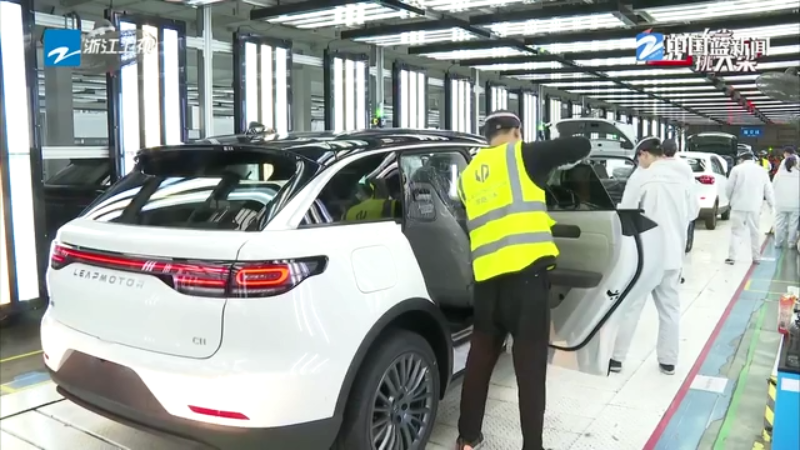
Core Insights - The province's new energy vehicle (NEV) production reached 1.233 million units from January to November, marking a year-on-year growth of 49.9%, significantly surpassing the national growth rate of 31.4% and achieving the annual target of over 1.2 million units ahead of schedule [1][3][5] - Leading companies have played a crucial role in this growth, with Geely Automotive producing over 600,000 units and Leap Motor exceeding 530,000 units, maintaining the top position in production and sales among new car manufacturers for nine consecutive months [1][3] Industry Development - The province has implemented action plans to accelerate the development of the NEV industry and establish NEV industrial clusters, enhancing the supply capacity of the entire automotive industry chain and promoting the continuous upgrade of the NEV industry chain towards high-end and intelligent development [5][6] - Continuous improvement in the competitiveness of vehicle manufacturers and the active contribution of parts suppliers, particularly in automotive electronics, thermal management for NEVs, and chassis systems, are driving high-quality development in the NEV sector [6] Future Focus - The province will concentrate on key technology areas such as intelligent driving and solid-state batteries, leveraging the NEV industry fund to support innovation and ecosystem cultivation among vehicle manufacturers [6] - There will be an emphasis on accelerating the construction of charging infrastructure and integrated application scenarios for vehicle-road-cloud systems to build a globally competitive NEV industry ecosystem [6]



3000万辆之后,中国长安的新蓝图
Xin Lang Cai Jing· 2025-12-15 13:34
12月10日,中国长安汽车集团有限公司(以下简称"中国长安")第3000万辆中国品牌汽车正式下线,这一里程碑式的成就,标志中国长安在发展道路上又 迈出了坚实一步。而在四个多月前,7月29日,中国长安正式成立,使其成为国资委管理的第100家央企。双重喜事叠加,让长安在行业转型的关键节点迎 来了全新发展格局。 "中国长安成为央企以后,责任变重了,感觉担子压得更实、更重、更准。"下线仪式后,中国长安首席品牌官谭本宏接受《中国汽车报》等媒体专访时 说。与他共同接受专访的,还有中国长安首席智能驾驶技术官陶吉、东南亚事业部总经理邓智涛等,围绕央企身份带来的资源协同与责任升级、以智能驾 驶和AI为核心的技术创新、以东南亚为重点的全球化布局,以及多品牌运营破局市场内卷等话题,全面勾勒出长安汽车以自主核心能力为基石、以市场 化机制为动力的未来发展蓝图。 央企新身份: 效率升级、责任加码 "成为央企,对中国长安来说不仅是身份的转变,更是资源协同与责任担当的双重升级。" 谭本宏直言。作为同时兼顾中国长安汽车集团和长安汽车相关 岗位的管理者,他深切体会到新架构带来的效率提升,"我们提出'两级组织、一级效率',内部资源整合的速度比以前 ...


新能源的故事快讲完了,智能驾驶才刚刚开始
格隆汇APP· 2025-12-15 12:34
Core Viewpoint - The article emphasizes that smart driving is currently undervalued and is transitioning from a future concept to a core competitive factor in the automotive industry, as the market shifts focus from electrification to smart driving technologies [5][14]. Industry Analysis - Smart driving is at a stage where technological feasibility has been validated, but commercial scale is yet to be fully realized, indicating a ripe opportunity for long-term investors [7]. - The industry is moving from exploratory phases to cost and efficiency optimization, which is a significant signal for accelerated commercialization [8]. - The essence of smart driving lies in platform capabilities rather than mere functional upgrades, highlighting the importance of a comprehensive system that includes hardware, algorithms, and data platforms [10]. Commercialization Path - Revenue sources and realization timelines in the smart driving sector are becoming clearer, with high-level driving transitioning from one-time sales to subscription models, enhancing profit quality [11][12]. - Applications of smart driving technology are already being implemented in various business scenarios, such as ports and logistics, providing a solid revenue foundation [13]. Investment Opportunities - In the Hong Kong stock market, companies with comprehensive smart driving capabilities are limited, with Baidu being a notable example due to its long-term strategic investments and unique data accumulation capabilities [15]. - Companies like Pony.ai and WeRide serve as critical benchmarks for the industry's potential, focusing on complex urban driving scenarios and L4-level automation, which could unlock significant replication potential if successful [16][17]. Strategic Approach - The smart driving theme is better suited for long-term investment strategies rather than short-term trading, with a focus on platform companies that maintain stable cash flows while investing in smart driving [22]. - The article concludes that smart driving represents a gradual but inevitable trend, with real opportunities arising from a deep understanding of the industry and companies before market sentiment fully aligns [23][24].


新能源的故事快讲完了,智能驾驶才刚刚开始
3 6 Ke· 2025-12-15 10:45
Core Insights - The core viewpoint is that intelligent driving is transitioning from being undervalued and perceived as a future concept to becoming a key factor in reshaping valuation systems as it moves from the early to the mid-stage of its development [1][6]. Industry Stage - Intelligent driving is currently at a stage where technological feasibility has been repeatedly validated, but commercial scale has not yet fully unfolded, indicating a time for long-term investment value to emerge [2]. - L2+ advanced driver assistance systems have achieved scale in the passenger vehicle market, with features like highway NOA and city NOA transitioning from optional to essential functionalities [2]. - The industry is moving from exploratory phases to cost and efficiency optimization, which is a significant signal for accelerated commercialization [2]. Competitive Landscape - The essence of intelligent driving is not merely an upgrade in functionality but a competition of platform capabilities, which includes hardware, algorithms, vehicle control systems, and cloud data platforms [4]. - Long-term competitive advantage lies with platform companies that can replicate their capabilities across various models, cities, and scenarios, rather than single technology providers [4]. Commercialization Path - The revenue sources and realization rhythm in intelligent driving are becoming clearer, with advanced driving features shifting from one-time selling points to software subscriptions, enhancing profit quality [5]. - In the ride-hailing sector, Robotaxi's impact on the cost structure of transportation will lead to changes in industry attributes and valuation logic once it stabilizes as a replacement for human drivers [5]. Investment Perspective - Intelligent driving is moving towards a phase where it can be quantified and valued, with the investment logic maturing accordingly [6]. - Baidu is highlighted as an undervalued platform asset in the Hong Kong market, with a comprehensive stack in intelligent driving that connects automakers, cities, and real road scenarios [7]. - Companies like Pony.ai and WeRide serve as critical samples for understanding the upper limits of the industry, focusing on complex urban driving scenarios and L4 capabilities [8]. Investment Strategy - The investment strategy for intelligent driving should focus on a configuration mindset rather than short-term trading, favoring platform companies with stable cash flows and ongoing investments in intelligent driving [10]. - The risks associated with intelligent driving stem from the pace of development rather than its direction, with policy, technology, and commercialization progress potentially causing short-term fluctuations [10]. Conclusion - Intelligent driving represents a trend that unfolds gradually but is certain to happen, with significant opportunities arising from a deep understanding of the industry and companies before market sentiment fully aligns [11].
安全吗?线控转向获“准生”
3 6 Ke· 2025-12-15 10:39
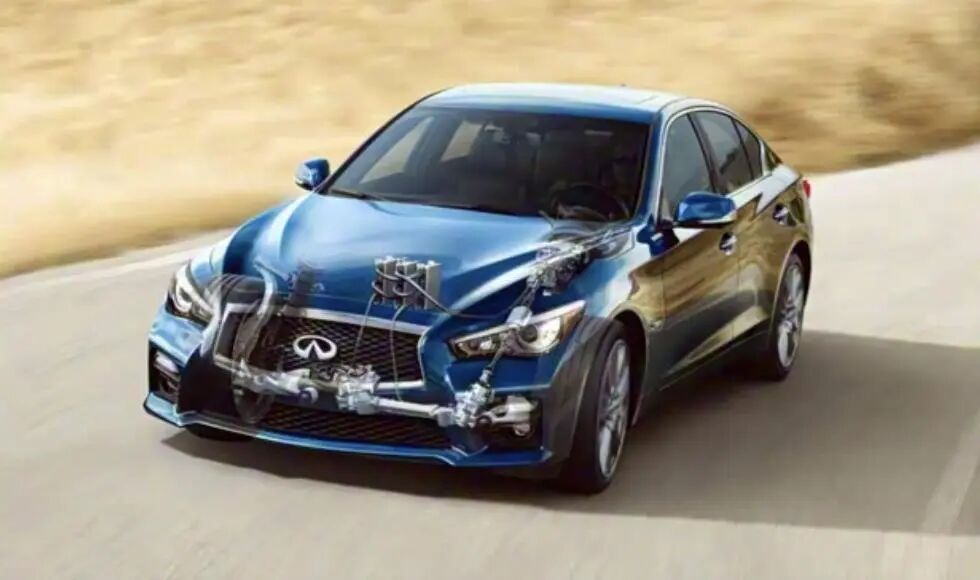
Group 1 - The core point of the article is the introduction of "steer-by-wire" technology in the automotive industry, which allows for the elimination of mechanical connections in steering systems, starting from July 2026 in China [1][8] - The new national standard for automotive steering systems has removed the requirement for mechanical connections, marking a significant shift towards fully electronic control of steering [1][8] - Steer-by-wire technology has been in development for years, with early attempts like the Infiniti Q50 in 2013 and the Toyota bZ4X in 2022, but regulatory and safety concerns have previously limited its adoption [1][2][8] Group 2 - Steer-by-wire decouples steering from speed, allowing for customizable steering characteristics, such as increased sensitivity for parking and stability at high speeds [3] - The design of steering wheels can become more innovative and flexible, potentially allowing for features like retractable or foldable designs in the future [7] - The timing of the regulatory change is linked to advancements in intelligent driving technologies, particularly as the industry moves towards Level 3 (L3) autonomous driving systems that require higher responsiveness and control precision [8][10] Group 3 - Several companies are actively developing steer-by-wire systems, including Nexteer, Bertel, Top Group, and Zhejiang Seabow, indicating a growing interest and investment in this technology [9] - The Chinese automotive engineering community has set a target for 20% production and application rate of steer-by-wire systems by 2030, highlighting the importance of this technology for the future of smart transportation [10] - The steer-by-wire systems must meet high safety standards, including redundancy in critical components to ensure continued operation in case of failures, which is a shift from traditional mechanical backup systems [11][13]
汽车行业周报:汽车反内卷新政出台,行业价格乱象有望纠正-20251215
CHINA DRAGON SECURITIES· 2025-12-15 09:34
Investment Rating - The report maintains an investment rating of "Recommended" for the automotive industry [2]. Core Viewpoints - The introduction of the automotive anti-involution policy is expected to correct price irregularities in the industry, with the potential for marginal recovery in profit margins across the supply chain [5][15]. - The National Market Supervision Administration released the "Guidelines for Compliance with Automotive Industry Pricing Behavior," which aims to regulate pricing practices from production to sales [5][15]. - Major automakers such as BYD, BAIC Group, and Xpeng Motors have expressed their support for the new guidelines, indicating a collective effort to address unreasonable competition [5][15]. Industry Dynamics - The automotive sector is witnessing a shift towards L3 and L4 autonomous driving technologies, with companies like Ideal Auto planning to launch their first L4 model within three years [5][24]. - The market is seeing new model launches, including the Geely Lynk 10 EM-P and Dongfeng Lantu Zhaiguang L, among others [5][31]. - The automotive sector's performance has outpaced the broader market, with the automotive index showing a gain of 0.16% compared to a decline of 0.08% in the CSI 300 index during the week of December 8 to December 12, 2025 [5][36]. Data Tracking - In November 2025, retail sales of passenger vehicles reached 2.225 million units, a year-on-year decrease of 8.22%, while retail sales of new energy vehicles increased by 4.03% to 1.321 million units [5][47]. - The penetration rate of new energy vehicles in retail sales reached 59.4%, up 6.99 percentage points year-on-year [5][57]. - The inventory coefficient for automotive dealers was reported at 1.57 in November 2025, indicating a significant increase compared to the previous year [5][70]. Investment Recommendations - The report suggests focusing on companies in a strong new product cycle, such as Great Wall Motors, Seres, SAIC Motor, and Xpeng Motors [5]. - It also highlights supply chain leaders and companies involved in humanoid robotics and intelligent driving as potential investment targets [5]. - For commercial vehicles, it recommends focusing on leading companies like Weichai Power and Yutong Bus, which are expected to benefit from the industry's recovery [5].



港股异动 再涨近20% 继续刷新上市新高 公司为全球图像级激光雷达解决方案提供商
Zhi Tong Cai Jing· 2025-12-15 03:43
Core Viewpoint - The stock of Tudatong (02665) has surged nearly 20%, reaching a new high of 17.85 HKD, reflecting strong market interest in the company as a leading provider of automotive-grade LiDAR solutions [1] Company Overview - Tudatong is recognized as one of the companies that design, develop, and produce automotive-grade LiDAR solutions [1] - The company is the first globally to achieve mass production of high-performance automotive-grade LiDAR solutions [1] Market Position - In 2024, Tudatong is expected to deliver approximately 230,000 units of automotive-grade LiDAR, ranking fourth globally in sales revenue for ADAS LiDAR solutions with a market share of 12.8% [1] - Tudatong is the first company to achieve large-scale production of 1550nm high-performance LiDAR technology and also has the capability for 905nm cost-effective solutions, creating a comprehensive product matrix from high-end to mass-market [1] Product Performance - The "Falcon" series based on the 1550nm platform has achieved over 600,000 units in large-scale deliveries, validating its high performance and reliability in real-world scenarios [1] - This strong performance establishes a first-mover advantage for the company in the large-scale deployment of Level 3 and above advanced intelligent driving solutions [1]