关税战

Search documents
特朗普答应降税,中国跟不跟?外交部回应很直接,美国听好了
Sou Hu Cai Jing· 2025-05-01 21:08
Group 1 - The US government is considering multiple tariff proposals against China, with potential rates ranging from 50% to 100% depending on the classification of goods [3] - The International Monetary Fund has downgraded the global economic growth forecast for 2025 from 3.3% to 2.8%, citing the negative impact of the tariff war on global trade and the multilateral trade system [3] - The US Treasury Secretary described the current situation as a trade embargo, indicating that negotiations for a comprehensive agreement with China have not yet begun [4] Group 2 - The US debt subscription rate has hit a historical low, with countries like China, Brazil, and Japan reducing their holdings of US debt, indicating a shift towards a multipolar currency system [6] - The imposition of high tariffs is expected to lead to reduced US import demand, which could shrink tariff revenue and increase inflation risks domestically [8] - The "America First" policy has severely damaged the credibility of the US, leading to significant protests and market volatility [8]

Amazon to report earnings as investors weigh effects of Trump's tariffs
The Guardian· 2025-05-01 19:44
Core Viewpoint - Amazon's upcoming earnings report for Q1 2025 is anticipated to reflect consumer resilience amid the challenges posed by tariffs from the Trump administration, with analysts projecting earnings-per-share of $1.36 on revenue of $155 billion, compared to $0.98 per share on $143 billion in the same quarter last year [1][2][3]. Group 1: Earnings Expectations - Analysts estimate Amazon's earnings-per-share will be $1.36 on revenue of $155 billion, indicating a potential growth despite economic challenges [2]. - In the first quarter of the previous year, Amazon reported earnings of $0.98 per share on sales of $143 billion, highlighting a year-over-year comparison [2]. Group 2: Market Context - Amazon's stock price has decreased by 17% this year due to concerns that consumer spending may decline in response to tariffs, particularly as many products are shipped from China facing a 145% tariff [3]. - The company is expected to report its slowest revenue growth rate since 2022, coinciding with a reported contraction of the US economy at a 0.3% annualized pace in Q1 [3]. Group 3: Industry Impact - The earnings report is significant for the broader tech sector, as companies like Meta and Microsoft have reported strong earnings despite tariff uncertainties, indicating varying levels of exposure to import duties [4]. - UBS analysts noted that at least 50% of items sold on Amazon are subject to tariffs, which could lead to increased prices and affect consumer spending decisions [5]. Group 4: Company Response - Amazon's CEO, Andy Jassy, stated that the company has not observed a decline in consumer demand and aims to keep prices low, although some third-party sellers may need to pass on tariff costs to consumers [6]. - Following reports of Amazon's plans to itemize tariff-related price increases, the company denied these claims, stating that such a plan was never approved [7][8].


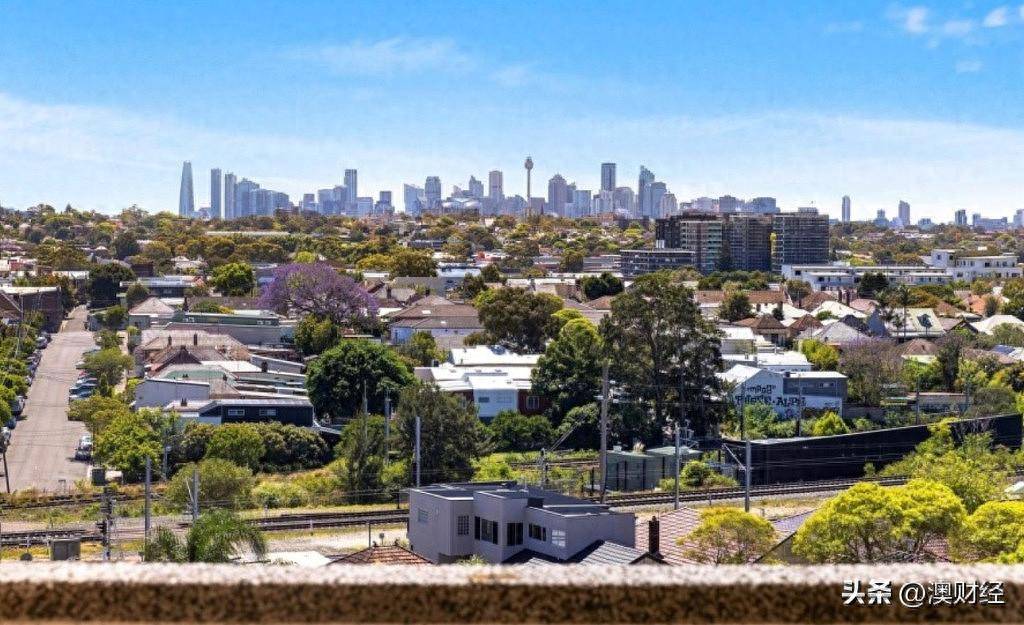
澳洲房价再创历史新高!专家:澳联储降息在即,房价再次加速上涨
Sou Hu Cai Jing· 2025-05-01 17:21
Core Viewpoint - Analysts predict that if the Reserve Bank of Australia (RBA) lowers interest rates, house prices may accelerate in the coming months, but factors such as affordability issues and slowing population growth will limit significant price increases [1][2][3]. Group 1: Economic Indicators - The adjusted average inflation rate has dropped to 2.9% over the past 12 months, marking the first time in three years it has fallen below 3% [3]. - Financial markets widely expect the RBA to announce a 0.25% rate cut after the meeting on May 20 [3]. Group 2: Housing Market Trends - In April, the annual growth rate of Australian house prices slowed to 3.2%, the smallest increase since August 2023 [5]. - Major cities like Sydney and Melbourne saw monthly price increases of 0.2%, while Brisbane, Perth, and Canberra increased by 0.4%, and Darwin by 1.1% [5][6]. - Despite anticipated interest rate cuts, house price growth is expected to remain in single digits due to a slowdown in immigration and increased housing supply [5]. Group 3: Affordability Issues - Over the past three years, housing affordability has worsened across all major Australian cities, with Sydney experiencing the most severe decline [6]. - In Sydney, house price growth is now 9.8 times the wage growth, requiring buyers to allocate 62% of their household income to mortgage repayments [7]. - Nationally, house price growth is 8 times the wage growth, with buyers needing to use 50.5% of their income for mortgage payments [7].
全部退货!美国坐不住了,要中国承担违约?波音的威胁一点都没用
Sou Hu Cai Jing· 2025-05-01 14:50
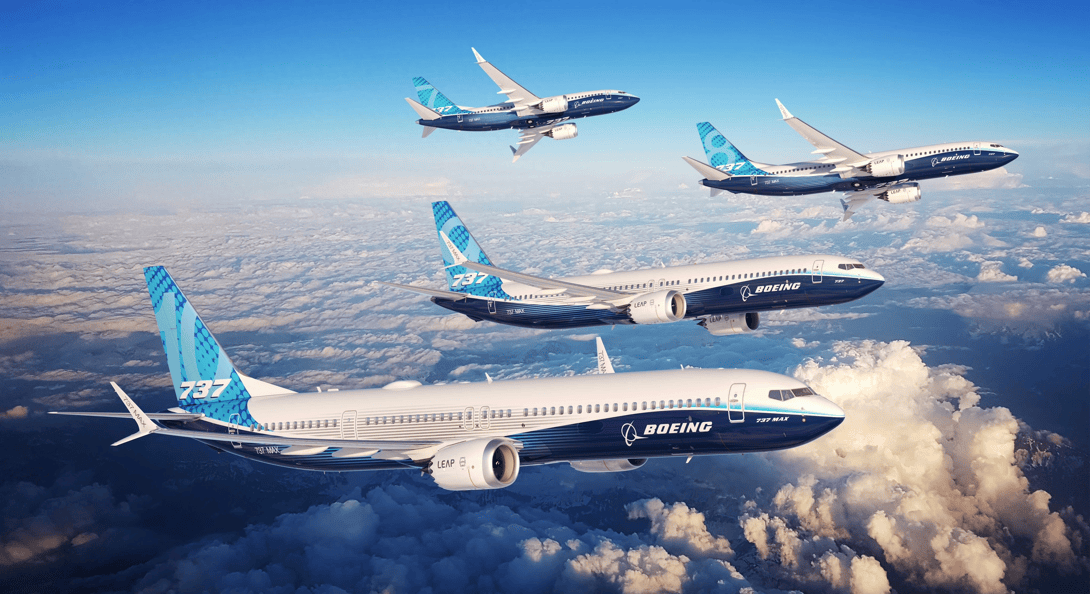
Core Viewpoint - China has requested domestic airlines to stop accepting Boeing aircraft and suspend purchases of related equipment and parts as a countermeasure against U.S. tariffs, significantly impacting Boeing's market position in China [1][3]. Group 1: Impact on Boeing - Boeing's stock has dropped over 10% since the beginning of the year, with a 2.4% decline following the news of China's actions [1]. - The cost of U.S.-made aircraft and parts is expected to double due to tariffs, making them uncompetitive in the Chinese market [1]. - The price of a Boeing 737 Max, originally $120 million, could rise to $270 million after tariffs, far exceeding the cost of Airbus A320 series aircraft [1]. Group 2: Market Dynamics - In 2018, China accounted for 25% of Boeing's global deliveries, but this figure is now approaching zero due to the new tariffs [1]. - Chinese airlines have historically been significant customers for Boeing, with a total of approximately 616 Boeing aircraft in operation by major Chinese airlines as of the end of 2023 [3]. Group 3: Strategic Responses - Boeing's CEO has indicated that the company may not continue manufacturing aircraft for Chinese airlines if they return the planes, highlighting the strained relationship [3]. - Analysts suggest that the refusal to accept Boeing aircraft is a reasonable response to the high tariffs imposed by the U.S., which have made purchasing Boeing planes financially unfeasible for Chinese airlines [5]. Group 4: Broader Implications - The ongoing tariff war is seen as a significant factor in the decline of Boeing's market share in China, with potential long-term consequences for the company's revenue [5][7]. - Some analysts underestimate the impact of Boeing's potential supply halt on China, failing to recognize that China has already been reducing its Boeing aircraft purchases [7].

PMI给了市场一些安慰,接下来看非农
news flash· 2025-05-01 14:27
Core Viewpoint - The ISM manufacturing PMI provided some reassurance to the market, indicating that orders have not collapsed despite ongoing trade tensions [1] Group 1: Market Reactions - The USD/JPY exchange rate returned to the 145 level for the first time since April 8, following the PMI announcement [1] - Analysts noted that manufacturers are at the center of the trade war, and the ISM survey results have improved market sentiment [1] Group 2: Economic Outlook - There are signs that the sentiment regarding the tariff war is improving, with companies expressing optimistic comments during Q1 earnings releases [1] - The upcoming non-farm payroll report is expected to cause some volatility, but there are currently no widespread discussions about layoffs among companies [1]
【财经分析】全球不确定性升高或让澳大利亚央行5月降息成定局
Xin Hua Cai Jing· 2025-05-01 14:21
Group 1 - The core viewpoint of the articles indicates that the Reserve Bank of Australia (RBA) is likely to cut interest rates on May 20 due to the current economic conditions and inflation data aligning with expectations [1][3][4] - The overall consumer price index (CPI) in Australia remained unchanged at a year-on-year increase of 2.4%, while the trimmed mean inflation rate fell to 2.9%, both within the RBA's target range of 2%-3% [1][4] - Analysts believe that the RBA's decision to lower interest rates is a necessary measure to support economic growth amid rising global uncertainties and domestic economic challenges [2][3] Group 2 - Australia's economy has shown signs of weakness, with the latest data indicating that the country only recently emerged from a period of negative per capita GDP growth that lasted for seven consecutive quarters [2] - The ongoing trade tensions initiated by the Trump administration have raised concerns about a potential recession in Australia, with the International Monetary Fund (IMF) predicting a loss of AUD 13 billion to the Australian economy due to these trade policies [3][4] - The RBA's anticipated rate cut is seen as a response to the softening labor market and the need to mitigate the risks posed by global economic uncertainties [3][4]
全世界都在等着美国的五月
虎嗅APP· 2025-05-01 13:51
Core Viewpoint - The article discusses the implications of the recent tariff increases announced by the Trump administration, particularly focusing on the impact on U.S. imports from China and the potential for new trade routes through third-party countries [5][10][12]. Group 1: Tariff Impacts - The U.S. announced a 145% tariff on Chinese goods, which is expected to lead to a significant increase in prices for imported goods and a reduction in the volume of imports [5][6]. - The CEO of the Port of Long Beach predicts a 44% decrease in the number of ships arriving in the week of May 4-10 compared to the previous year, indicating a substantial drop in import volumes [7]. - The U.S. is likely to enter a phase of inventory depletion due to reduced imports, which could lead to rising prices and job losses in the logistics sector [9]. Group 2: Trade Opportunities - The article suggests that a new trade route involving China, third-party countries, and the U.S. will emerge, creating significant opportunities for global traders [12][14]. - The 137th Canton Fair saw a notable increase in foreign buyers, with participation from 224,372 overseas purchasers, a 20.2% increase from the previous year, indicating heightened interest in Chinese goods [15][17]. - The article posits that global traders are recognizing the potential for profit through intermediary trade routes as U.S.-China direct trade diminishes [19]. Group 3: Regional Trade Shifts - Vietnam and Mexico are highlighted as beneficiaries of the trade war, with exports to the U.S. from Vietnam projected to nearly double from $83.9 billion in 2018 to $161.9 billion in 2024, a 92.9% increase [27]. - Exports from China to Mexico are expected to grow from $44.0 billion in 2018 to $90.2 billion in 2024, reflecting a 105% increase [28]. - Taiwan is also expected to benefit, with exports from China projected to rise from $48.6 billion in 2018 to $75.2 billion in 2024, a 54.6% increase [29]. Group 4: Global Trade Dynamics - The article emphasizes that the global trade network is vast, and even with reduced direct trade between the U.S. and China, trade will continue through third-party channels [37][38]. - The U.S. faces challenges in imposing tariffs on other countries, as many nations are economically strained and may not easily concede to U.S. demands [31]. - The article argues that the U.S. lacks a coherent long-term strategy for revitalizing its manufacturing sector, which complicates its ability to compete globally [39][43].
美国不想再拖了!等不到中方给的台阶,特朗普“无中生有”
Sou Hu Cai Jing· 2025-05-01 12:34
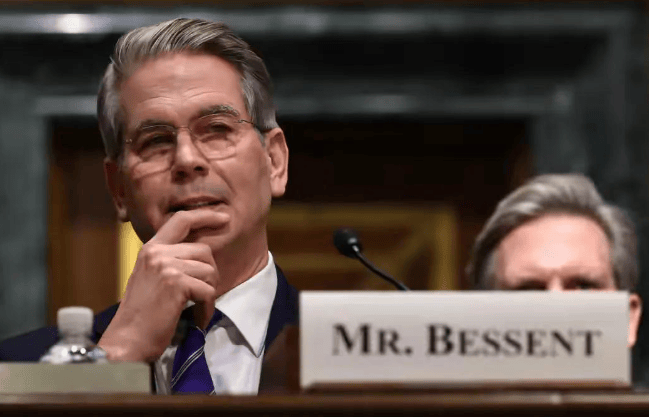
据和讯网消息,据北京日报,外交部发言人主持例行记者会。有外媒记者提问,美国财长周三表示,中 国依赖出口发展经济的模式是不可持续的,并且对世界造成了影响。中方对此有何评论?发言人指出, 我们看到的事实是,美方滥施关税,严重破坏世贸组织规则,损害的是各国人民的共同利益。 贝森特的公开声明强调,中国依赖出口的经济模式不仅会损害中国自身,也会对全球造成负面影响。他 同时宣称美国并非孤军奋战,而是联合贸易伙伴共同迎战所谓的贸易失衡问题。尽管贝森特强调美国及 其盟友的合作,实际情况是美国投资者对政府政策的反复无常深感头疼。同时,贝森特所描述的关税战 背后的逻辑也存在显著争议。通过制造业回流来解决贸易失衡问题,看似合理,但实际上基于美国当前 的经济构成和制造成本并不具有竞争优势。 美国财政部长贝森特(资料图) 显然美国只关注到自身商品贸易逆差,而中国国务院新闻办公室发布《关于中美经贸关系若干问题的中 方立场》白皮书显示,2023年美国对华服务贸易顺差为265.7亿美元,维持顺差持续增长的趋势;2022 年美资企业在华销售额4905.2亿美元,远高于中资企业在美786.4亿美元的销售额,差额高达4118.8亿美 元,综合考虑 ...
特朗普撤回威胁后,4架专机连夜落地北京,中方专机直飞美国
Sou Hu Cai Jing· 2025-05-01 11:36
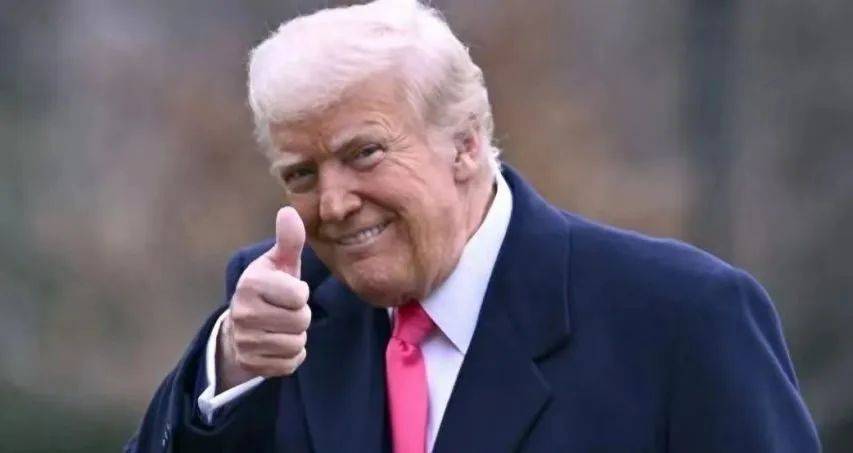
Group 1 - The World Bank held its 111th Development Committee meeting in Washington, approving the report titled "Jobs: The Path to Prosperity," emphasizing the importance of job creation for developing countries to escape poverty and achieve shared prosperity [1] - The Chinese Finance Minister highlighted the risks posed by trade protectionism to global poverty reduction and development, urging international organizations to advocate for non-discrimination and free trade principles [1] - A significant number of countries, including Japan, Germany, the UK, and South Africa, engaged in discussions with China, indicating a growing coalition against U.S. tariff policies [3] Group 2 - Azerbaijan's President Aliyev visited China from April 22 to 24, marking a significant step in the healthy and rapid development of China-Azerbaijan relations, which have been built on strong political mutual trust over the past 30 years [4] - The visit is seen as strategically important for deepening bilateral relations, with Azerbaijan firmly supporting the One China principle [4] Group 3 - Japan's Liberal Democratic Party Secretary-General Mori Yasuhiro led a bipartisan delegation to China, emphasizing the importance of cooperation to resolve outstanding issues between the two nations [6] - U.S. media have criticized President Trump's handling of tariffs, suggesting he is showing signs of weakness in the ongoing trade war with China, acknowledging that high tariffs are unsustainable [6][8] - Trump indicated a willingness to negotiate lower tariffs with China, although he maintains that tariffs will not be eliminated entirely, reflecting the pressure on the U.S. economy [8]
关键时刻,美军舰穿越台海,中方没给美国面子
Sou Hu Cai Jing· 2025-05-01 09:53
Group 1 - The Chinese government denies any ongoing negotiations with the U.S. regarding tariffs, stating that the trade war was initiated by the U.S. and that China is open to dialogue under equal and respectful terms [1] - China is the world's largest soybean importer, and the U.S. has lost its competitive edge in this market due to the trade war, with Brazil now being the largest supplier [1] - The U.S. stock market has experienced significant declines, with major companies like Apple and Microsoft seeing their market values drop from a peak of $3.7 trillion to between $2.6 trillion and $2.7 trillion [3] Group 2 - A report commissioned by the American Pharmaceutical Industry Association indicates that a 25% tariff on drugs would increase U.S. drug costs by $51 billion annually, potentially raising drug prices by up to 12.9% [5] - The U.S. retail sector is facing product shortages due to the ongoing trade war, with 77% of toys in the U.S. relying on production in China [3] - China's large domestic market and investments in future technologies like renewable energy and AI provide it with a stronger position to withstand the impacts of U.S. tariffs [5]