
两山理念

Search documents
“两山”理念是破解两个“中心主义”困境的“金钥匙”
Zhong Guo Huan Jing Bao· 2025-10-14 02:13
Core Concept - The "Two Mountains" concept, which emphasizes that "green mountains and clear waters are as valuable as mountains of gold and silver," serves as a key to resolving the dilemma between ecological protection and economic development, as demonstrated by the transformation of Yucun village over the past 20 years [5][12]. Group 1: Two Centralism Dilemma - The two centralism debates, "anthropocentrism" and "ecocentrism," have historically created a dichotomy between ecological protection and economic development, leading to a dilemma that hinders societal progress [3][4]. - Anthropocentrism prioritizes human interests, resulting in environmental degradation, while ecocentrism advocates for a nature-centered ethical framework, which can impede human development if taken to extremes [3][4]. Group 2: Yucun Village Transformation - Yucun village transitioned from a mining and cement production hub to an eco-friendly community by closing down polluting industries and focusing on ecological restoration, which was positively acknowledged by Xi Jinping during a visit [5][6]. - The village's commitment to ecological governance led to the establishment of new industries such as eco-tourism and organic farming, significantly improving the local economy and quality of life for residents [6][8]. Group 3: Key Insights from Yucun's Experience - The experience of Yucun illustrates that ecological protection and economic development can coexist and support each other, with the "Two Mountains" concept providing a framework for this synergy [8][12]. - Effective governance, community engagement, and the integration of ecological and economic strategies are essential for sustainable development, as demonstrated by Yucun's governance models and community participation [10][11]. Group 4: Future Directions - The "Two Mountains" concept encourages a paradigm shift in understanding the relationship between humans and nature, promoting a balanced approach that recognizes both ecological integrity and human development [12]. - Yucun's model of shared development and resource optimization among neighboring villages exemplifies a collaborative approach to rural revitalization and ecological sustainability [11].

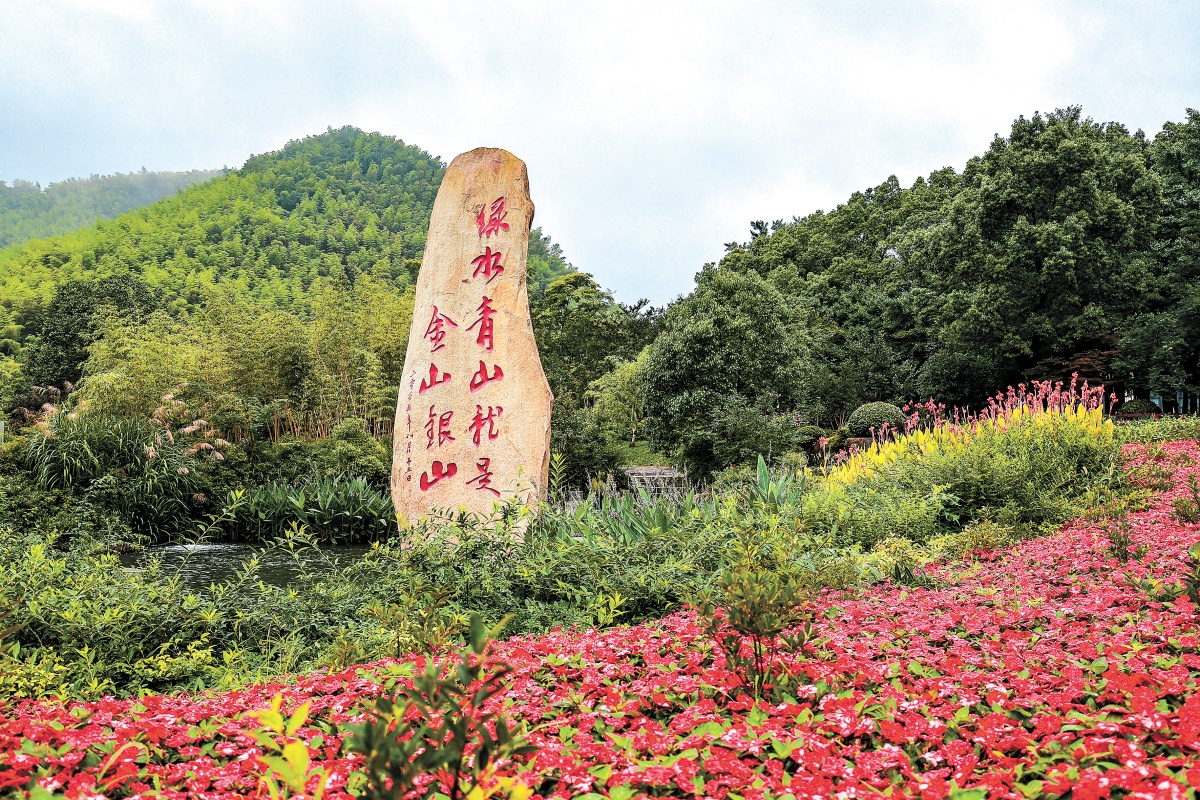
愿“绿色发展”成为海峡两岸的共同理念
Ren Min Ri Bao Hai Wai Ban· 2025-10-14 01:48
Core Insights - The article highlights the transformation of Yucun village in Zhejiang, China, from an environmentally damaging mining community to a model of sustainable development, emphasizing the importance of the "green mountains and clear waters are as valuable as mountains of gold and silver" philosophy [2][3]. Group 1: Environmental Transformation - Yucun village, over 20 years ago, was characterized by pollution from mining and industrial activities, leading to environmental degradation [2]. - The village adopted a green development approach by closing down mines and polluting enterprises, resulting in improved ecological conditions [2]. Group 2: Economic Development and Tourism - The economic transformation in Yucun mirrors Taiwan's experience, where rural areas have shifted towards eco-tourism and sustainable practices, enhancing local livelihoods [3]. - In Yucun, villagers transitioned from selling stones to offering scenic experiences, fostering collective prosperity and sustainable development [3]. Group 3: Youth Engagement and Community Development - Recent years have seen an influx of young people in Yucun, attracted by a well-developed community that supports various creative and ecological activities [4]. - Similar trends are observed in Taiwan, where returning youth have revitalized rural areas through leisure agriculture and unique local products [4]. Group 4: Broader Implications and Future Aspirations - The article expresses optimism about the collaborative efforts of both sides of the Taiwan Strait in achieving sustainable rural development and ecological preservation [5]. - There is a shared vision for "green development" to become a common principle across both regions, enhancing the quality of life in rural communities [5].

光影为笔,勾勒文旅融合新图景(新时代画卷)
Ren Min Ri Bao· 2025-10-13 23:39
江苏省昆山市周庄古镇,独特的水乡风貌和深厚的人文底 蕴吸引着八方游客。 邱 活摄(人民视觉) 湖北省襄阳市襄城区北街集合多种业态,十分热闹。 王 剑摄(人民视觉) 四川省绵阳市夜景灯火璀璨,吸引游客观赏打卡。 邱 活摄(人民视觉) 青海省西宁市大通回族土族自治县,油菜花与麦田交错嵌 套,成为一道亮丽的生态美景。 邱 活摄(人民视觉) 甘肃省兰州新区栖霞湖碧波轻漾、垂柳依依,成为市民游 客散步休闲的新去处。 王 帆摄(人民视觉) 辽宁省沈阳市和平区八经咖啡小巷成为年轻人的新潮打卡 地。 沈阳市和平区委宣传部供图 广东省广州市增城区,依托废弃矿湖、温泉等资源打造的 森林海旅游度假区内正在进行水上表演。 王 剑摄(人民视觉) 四川省绵阳市梓潼县,游客在四川两弹城博物馆里参观。 本报记者 蒋雨师摄 贵州省贵阳市青云路步行街融合市井烟火与潮流文化,成 为市民游客的热门去处。 本报记者 陈 斌摄 湖北省武汉市青山区武钢文化旅游区生动展现着新中国钢 铁发展史,吸引众多游客参观。图为第五批国家工业遗产 武钢一号高炉外景。 本报记者 蒋雨师摄 各地牢固树立"绿水青山就是金山银山"的"两山"理念,把自然风光和人文风情转化为文旅融 ...

一支火炬里的绿色发展
Ren Min Ri Bao· 2025-10-13 08:33
日前,第十五届全运会利用太阳能引燃南海深处可燃冰,"源火"近乎零排放。往前看,2023年,杭州亚 运会用废碳再生甲醇作主火炬燃料;2022年,北京冬奥会以"不点火"代替"点燃",首创"微火"主火 炬……透过体育盛会的火炬之变,可以更好读懂绿色发展密码。 一支火炬,彰显绿色转型步伐,见证发展理念变革。 "到2035年,中国全经济范围温室气体净排放量比峰值下降7%—10%,力争做得更好。"在联合国气候 变化峰会上,习近平主席宣布中国新一轮国家自主贡献。坚定不移走生态优先、绿色发展之路,必将谱 写新时代生态文明建设新篇章。 今日中国,建成全球最大可再生能源体系,绿色低碳生活方式蔚然成风,在"两山"理念引领下,绿色发 展基础、生态文化底蕴更为坚实。智慧工厂,大数据算法优化用能质效;街头巷尾,新能源汽车引领环 保出行……新质生产力持续发展,高水平保护与高质量发展互促共进。 ...
写在蔚蓝之上的绿韵新篇——连云港“十四五”生态环境跃迁回眸
Xin Hua Ri Bao· 2025-10-12 23:28
Core Viewpoint - The article highlights the significant transformation of Lianyungang City, which has shifted from a heavy chemical and coal-based economy to a model of green development, aligning with the "Two Mountains" theory proposed by Xi Jinping, emphasizing the harmony between economic growth and ecological preservation [1][2]. Environmental Restoration and Achievements - Lianyungang has undertaken extensive ecological restoration projects since 2020, including the remediation of the Lianyungang Port area and the establishment of 31,000 square meters of ecological landscape forests [2]. - The city has successfully reduced the area of seaweed farming to 100,000 acres while promoting sustainable aquaculture practices, leading to improved marine ecology and stable incomes for fishermen [2]. - By early 2025, Lianyungang's "Lianyungang-Port Area" was selected as a national-level beautiful bay, marking a historic achievement in ecological civilization construction [2]. Marine and Biodiversity Initiatives - The city has implemented various marine ecological protection plans, achieving a significant increase in the proportion of excellent coastal water quality from 63.1% in 2020 to a projected 100% by 2025 [3]. - Lianyungang has developed ecological safety buffer zones and "ecological island" experimental areas, enhancing biodiversity with 3,673 species recorded, including 135 rare and endangered species [4]. Green Energy and Low-Carbon Development - The city is advancing its green energy initiatives, including the operation of China's first nuclear energy industrial steam project, which will supply 4.8 million tons of zero-carbon steam annually, reducing coal consumption by 400,000 tons [6]. - The construction of the world's largest offshore photovoltaic project is underway, expected to generate an average of 2.234 billion kilowatt-hours of electricity annually [6]. Innovative Financial Mechanisms - Lianyungang has introduced carbon emission rights mortgage loan policies to facilitate green financing, successfully securing a 100 million yuan loan for infrastructure development in the Xu Hui New Area [8]. - The city has actively promoted green financial products, assisting 40 enterprises in obtaining over 10.7 billion yuan in environmental loans since 2021 [8]. Future Development Plans - Lianyungang aims to integrate green low-carbon development into its urban planning, focusing on optimizing industrial and energy structures, enhancing transportation, and promoting sustainable urban construction [10]. - The city plans to develop a "5+N" future industry system, prioritizing low-carbon energy, deep-sea development, health, advanced materials, and general intelligence industries [10].


海南白沙:点绿成金生态富民
Jing Ji Ri Bao· 2025-10-11 02:10
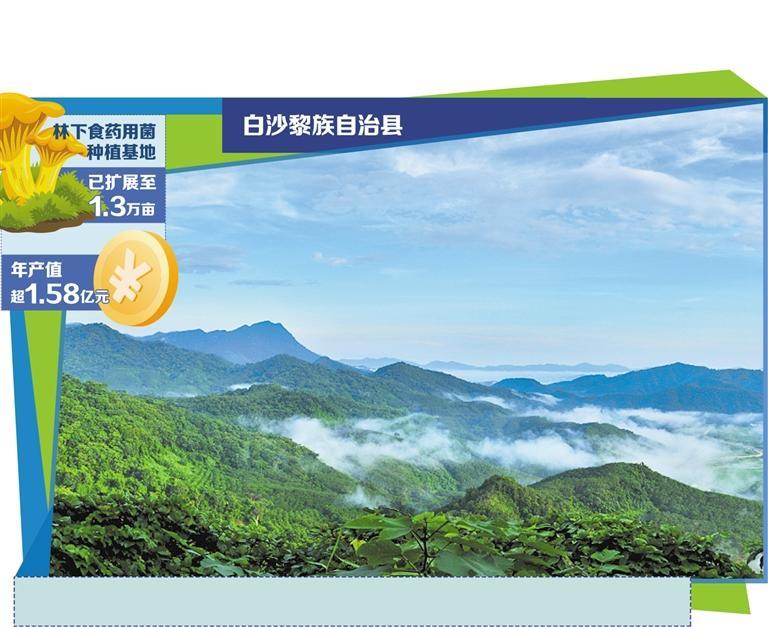
Core Viewpoint - Hainan's Baisha Li Autonomous County is focusing on the development of the southern medicine industry while balancing ecological protection and livelihood improvement, positioning southern medicine as a key industry for local economic growth [1][2]. Industry Development - The county has implemented the "Baisha Li Medicine Protection and Development Regulations," which includes 18 articles detailing government responsibilities, management systems, talent cultivation, and inheritance related to Li medicine [2]. - Baisha County has designated southern medicine as its leading industry, with significant financial investments, including nearly 30 million yuan in rural revitalization funds for under-forest planting [2][3]. - The area has established a standardized demonstration base for the planting of Yizhi (a type of southern medicine) covering 5,700 acres, which has expanded to a scale of approximately 10,000 acres in surrounding towns [3]. Economic Impact - The annual production of Yizhi in Qingsong Township is about 1,200 tons, making it the largest township for Yizhi cultivation in China [3]. - The county is also cultivating various southern medicine species, including Yizhi (125,000 acres), and has expanded its edible fungus planting base to 13,000 acres, generating an annual output value exceeding 158 million yuan [3]. Value Chain and Processing - A southern medicine sorting center has been established to enhance the processing of agricultural products, increasing their value by 10% to 15%, with an estimated added value of 9 million yuan [4][5]. - The center can dry over 3,000 tons of agricultural products annually, with products sold to major markets in China and exported to countries like Thailand, Malaysia, and Japan [4][5]. Integration of Sectors - The establishment of a Li medicine experience area aims to integrate traditional medicine with tourism, enhancing the value of Li medicine and attracting visitors [6]. - The county has seen significant economic benefits from the development of the Li medicine industry, with collective economic income exceeding 1 million yuan for several villages and providing temporary employment for over 60,000 people [6][7]. Future Outlook - The county plans to accelerate the development of the southern medicine industry, focusing on sustainable practices that convert ecological advantages into economic benefits [7].
海南白沙 点绿成金生态富民
Jing Ji Ri Bao· 2025-10-10 22:17
Core Insights - Hainan's Baisha County is transforming its ecological advantages into developmental strengths by focusing on the southern medicine industry, which is seen as a pathway to prosperity for local residents [2][8] - The county has implemented specific regulations and support measures to promote the cultivation and development of traditional Li medicine, enhancing both agricultural productivity and local livelihoods [3][4] Industry Development - Baisha County has designated southern medicine as its leading industry, with significant investments in technical standards and financial support for farmers, including nearly 30 million yuan for rural revitalization [3][4] - The area has established a standardized demonstration base for the cultivation of Yizhi (a type of southern medicine), covering 57,000 mu (approximately 9,500 acres) and creating a scale of about 100,000 mu (approximately 16,500 acres) in surrounding towns [4] - The main southern medicine varieties cultivated include Yizhi (125,000 mu), Bare-flowered Purple Pearl (6,687 mu), and various medicinal mushrooms, with a total of 13,000 mu (approximately 2,200 acres) dedicated to rare edible and medicinal fungi, generating an annual output value exceeding 158 million yuan [4][5] Value Chain and Processing - A southern medicine sorting center has been established to enhance the processing and value addition of agricultural products, capable of drying over 3,000 tons of products annually, increasing their market value by 10% to 15% [5][6] - The center operates under a closed-loop model involving seed supply from enterprises, government subsidies, and order-based purchasing, which alleviates concerns for farmers [3][5] Integration of Traditional Medicine and Tourism - The establishment of a Li medicine experience area aims to integrate traditional medicine with tourism, providing services and creating job opportunities for local practitioners [7] - The combination of traditional Chinese medicine and Li medicine is being promoted to enhance the value of Li medicine, with over 2,500 patient visits recorded since the experience area opened [7] Sustainable Development and Future Outlook - The county is committed to a sustainable development model that emphasizes ecological and industrial integration, with plans to further develop the southern medicine industry and enhance its brand recognition [8]
建设银行四川省分行:执金融之笔,以“两山”理念描绘蜀地新图景
Zhong Guo Jin Rong Xin Xi Wang· 2025-10-09 09:34
Core Viewpoint - The Sichuan branch of China Construction Bank is actively integrating ecological civilization values into financial services, supporting the province's transition to green development and high-quality growth through various financial initiatives [1][9]. Group 1: Resource Security - Sichuan is rich in strategic resources, including minerals and natural gas, and is crucial for national ecological security [1]. - The Hongge South Vanadium-Titanium Magnetite Mine in Panzhihua, recognized as the largest and most valuable in China, is a key project under the national "Cornerstone Plan" aimed at enhancing resource security [1][3]. - China Construction Bank's Chengdu Ninth Branch is providing tailored financial solutions to support the development of this strategic project, with 3.8 billion yuan already disbursed [3]. Group 2: Green Transportation - The G42 Nanchong to Chengdu Expressway expansion project, spanning 240 kilometers and costing over 36.8 billion yuan, is vital for regional integration and economic efficiency [5]. - China Construction Bank's Chengdu Xinhua Branch has taken a leading role in financing this project, providing 14.7 billion yuan in credit, nearly 50% of the total financing needed [5][6]. - This project is the first approved PPP loan under the new financing mechanism, setting a benchmark for future infrastructure projects [6]. Group 3: Low-Carbon Transition - The Sichuan branch is promoting the integration of green finance and technology to support the national "dual carbon" goals [8]. - A recent 150 million yuan loan for a high-tech enterprise's facility upgrade exemplifies the bank's commitment to reducing financing costs and maximizing policy synergies [6][8]. - The bank is enhancing its green loan recognition processes and monitoring mechanisms to ensure effective support for local green industries [8][9]. Group 4: Investment Initiatives - In 2023, the Sichuan branch collaborated with investment firms to establish the Chengdu Jianyuan Chuan Investment Green Low-Carbon Equity Fund, aimed at driving the province's green transition [9]. - The bank is committed to directing funds towards energy conservation, clean energy, and ecological restoration projects, contributing to the broader goals of ecological civilization [9].

中国正在筑起一道“绿色长城”
Ren Min Ri Bao· 2025-10-04 21:47
Group 1 - The article highlights the impressive achievements of China's national parks and afforestation efforts, showcasing a harmonious coexistence between humans and nature [1][2] - The concept of "Two Mountains" is emphasized as a guiding principle in China's economic and social development, promoting ecological civilization and sustainable practices [2] - The transformation of previously barren lands, such as the Saihanba area into over 90,000 hectares of lush forest, is presented as a testament to China's commitment to environmental restoration [1] Group 2 - The article discusses the ongoing construction of the world's largest national park system and the extensive development of renewable energy and charging infrastructure in China [2] - It notes that local farmers and herders are engaged as ecological guardians, fostering a mutually beneficial relationship between nature conservation and local economic growth [2] - The article suggests that China's experience in balancing ecological protection with economic development can provide valuable insights for other countries, including the Czech Republic [2]
我国水安全保障能力全面提升——“十四五”以来新开工重大水利工程172项
Jing Ji Ri Bao· 2025-09-30 02:50
Core Insights - The Chinese government has made significant progress in water conservancy development during the "14th Five-Year Plan" period, with investments exceeding 5.4 trillion yuan, marking a 1.6 times increase compared to the "13th Five-Year Plan" [1] Group 1: Investment and Infrastructure - Water conservancy construction investment reached over 1 trillion yuan for the first time in 2022, continuing a three-year trend of breaking historical records [1] - A total of 172 major water conservancy projects have been initiated since the start of the "14th Five-Year Plan" [1] - By the end of last year, China had built 95,000 reservoirs, 200 large and medium-sized water diversion projects, and 6,924 large and medium-sized irrigation areas, forming the world's largest and most comprehensive water conservancy infrastructure system [1] Group 2: Flood Control and Disaster Management - The water and drought disaster prevention system has been continuously improved, successfully managing floods on 3,981 rivers that exceeded warning levels [1] - The proportion of flood disaster losses to GDP decreased from 0.28% during the "13th Five-Year Plan" to 0.18% [1] Group 3: Agricultural Support and Food Security - The water conservancy sector has strengthened water security for food production, focusing on major grain-producing areas with 30 significant water diversion and key water source projects [2] - Over the past five years, 1,959 large and medium-sized irrigation areas have undergone modernization, adding and restoring over 20 million acres of irrigated land [2] Group 4: Ecological Restoration and Community Benefits - The "Mother River Revival Action" has been implemented, restoring several rivers that had been dry for decades, achieving a 98.6% compliance rate for ecological flow standards in key rivers and lakes [2] - The water conservancy department has supported 122 happiness river and lake construction projects, creating green industrial chains and ecological agriculture, enhancing community welfare [3] - The Hu Creek watershed in Zhejiang has seen a revenue increase of over 13 billion yuan, growing by 18.7% year-on-year due to the integration of water and tourism [3]