
南南合作

Search documents
为“大金砖合作”高质量发展注入新动能
Ren Min Ri Bao Hai Wai Ban· 2025-09-28 09:13
Group 1 - The core viewpoint emphasizes China's role in international cooperation, particularly through the BRICS mechanism, which serves as a platform for emerging markets and developing countries to unite and collaborate [2][3] - The 2025 China International Service Trade Fair attracted over 60 countries and 20 international organizations, showcasing products from developing countries, indicating a strong platform for global trade [2] - The BRICS summit discussed the current international economic environment and the importance of multilateralism, aiming to enhance cooperation among member countries [2][3] Group 2 - The Global Governance Initiative proposed by China outlines five core principles that resonate with the interests of the Global South, including sovereignty equality and multilateralism [3][4] - The initiative aims to address the ongoing global governance deficit characterized by disorder, imbalance, and inefficiency in current international systems [4][5] - The BRICS countries are focusing on enhancing cooperation in trade, finance, and technology to create more substantial outcomes that benefit all member nations [9][10] Group 3 - The summit highlighted the need to counter unilateral trade measures, particularly from the U.S., which have adversely affected international trade rules and BRICS nations [6][8] - There is a consensus among BRICS nations to maintain a multilateral trade system centered around the World Trade Organization, emphasizing collective action against protectionism [7][8] - The BRICS countries are encouraged to strengthen their economic ties, reduce trade barriers, and enhance mutual investments to foster a more integrated market [11]

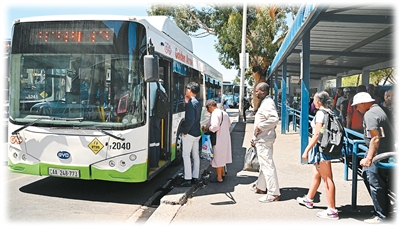
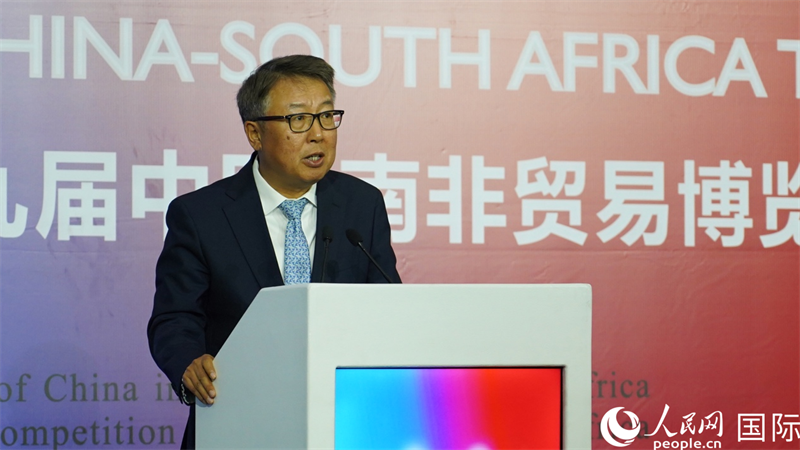
中国驻南非使馆与南非贸工部联合举办中南贸易投资促进大会
人民网-国际频道 原创稿· 2025-09-26 02:46
Core Points - The South Africa-China Trade and Investment Promotion Conference and the 9th China-South Africa Trade Expo were held in Johannesburg, attended by approximately 600 representatives from businesses, trade associations, and government departments from both countries [1][2]. Group 1 - The conference aims to implement the consensus reached by the leaders of both countries to strengthen trade and investment cooperation, support South Africa's industrialization and export diversification goals, and build a high-level community of shared destiny between China and South Africa [2][5]. - China plans to sign a joint economic partnership agreement that will grant zero-tariff treatment on 100% of product categories to all African countries that have diplomatic relations with China, encouraging South Africa to seize opportunities for deeper cooperation [2][5]. - The South African Deputy Minister of Trade and Industry highlighted that the South Africa-China relationship serves as a model for South-South cooperation, emphasizing the importance of this partnership for South Africa's economy, employment, and overall development [5]. Group 2 - The event included various activities such as guest speeches, business signings, a ribbon-cutting ceremony, guest tours, and business matchmaking, creating a lively atmosphere [6].
专访|全球治理倡议是推动国际合作体系现代化的重要一步——访联合国前副秘书长索尔海姆
Xin Hua She· 2025-09-25 06:04
Core Viewpoint - The global governance initiative proposed by China is a significant step towards modernizing the international cooperation system, injecting new momentum into multilateral cooperation and strengthening South-South cooperation [1][2] Group 1: Global Governance Initiative - The initiative advocates for true multilateralism, emphasizing sovereign equality, respect for international law, and broad consultation, aiming to shift international relations away from a Western-dominated framework towards genuine multilateral cooperation [1] - In the context of rising geopolitical uncertainties, China's initiative provides direction for building a more inclusive, partnership-oriented, and pragmatic international cooperation framework, enhancing confidence in global mechanisms [1] Group 2: Practical Significance - The initiative's notable significance lies in its focus on pragmatism, transforming lofty ideals into tangible improvements in the real world [1] - The world order is undergoing profound adjustments, and the old models are inadequate to address new challenges, necessitating the establishment of new multilateral frameworks [1] Group 3: Leadership and Cooperation - True leadership is characterized by enhancement and improvement rather than destruction, aligning with the multipolar reality of today's world and effectively responding to people's needs [1] - Through technological cooperation and grassroots exchanges, friction can be effectively reduced, and mutual trust can be enhanced [1] Group 4: Opportunities for Global South - China's global governance initiatives provide a clear framework for promoting international cooperation, translating ideals into concrete results, and offering new development opportunities for global South countries [2] - The initiatives are helping the global South to voice stronger opinions in international affairs, contributing to the construction of a fairer, more inclusive, and sustainable world order [2]
中斯南南合作项目助斯里兰卡热带水果实现增产
Xin Hua Wang· 2025-09-25 00:54
Core Insights - The "China-Sri Lanka South-South Cooperation Technical Assistance Project" has significantly improved agricultural productivity in Sri Lanka, particularly in banana, mango, and pineapple cultivation [1][2] - The project has established ten demonstration farms in Colombo, Kurunegala, and Anuradhapura, leading to substantial increases in crop yields and reductions in costs [1] Agricultural Productivity Improvements - Banana tissue culture seedling production doubled, with costs reduced by 30% to 40%, and banana yields increased by 50% [1] - The proportion of mangoes meeting export standards rose to 90% [1] - Pineapple yields tripled [1] Training and Knowledge Transfer - Over 2,000 Sri Lankan farmers and staff were trained during the project, with six agricultural training videos incorporated into the national training curriculum [1] - The project serves as a model for South-South cooperation in agricultural technology, with potential for replication in other developing countries facing similar challenges [1] Economic and Social Impact - The assistance from Chinese experts has not only improved the livelihoods of local farmers but also contributed to building a more resilient future fruit value chain in Sri Lanka [2] - The collaboration has introduced the latest agricultural knowledge to Sri Lanka, enhancing productivity and sustainability in the agricultural sector [2]
助力“高原水乡”农业提质升级
Ren Min Ri Bao· 2025-09-24 09:20
Core Viewpoint - The article highlights the successful implementation of the South-South cooperation project between China, the Food and Agriculture Organization (FAO), and Uganda, focusing on agricultural modernization and food security improvements in Uganda through the introduction of hybrid rice and other agricultural techniques [1][2][6]. Group 1: Agricultural Modernization - The introduction of hybrid rice in Uganda has significantly increased yields, with local farmers reporting production increases of 2 to 3 times compared to traditional rice varieties [2][3]. - The project has benefited approximately 9,000 acres of rice fields and nearly 8,000 farmers, with an average annual income increase of about 800,000 Ugandan shillings per household [3]. - The introduction of high-quality millet varieties, such as foxtail millet, has also been successful, with yields 4 to 5 times higher than local varieties, impacting around 150 farmers [3]. Group 2: Technical Assistance and Training - The South-South cooperation project has involved nearly 60 Chinese agricultural experts providing hands-on training to Ugandan farmers, enhancing their agricultural practices [2][6]. - The project has trained 14,000 farmers and distributed thousands of technical materials, significantly improving the capabilities of local agricultural technicians and farmers [6]. - The collaboration has led to the establishment of various agricultural demonstration centers and the introduction of integrated farming techniques, such as rice-fish farming, which promotes ecological balance and increases productivity [5][6]. Group 3: Broader Impacts and Future Prospects - The cooperation between China and Uganda in agriculture is seen as a successful model for South-South cooperation, with potential to elevate agricultural development across the region [7]. - Uganda's government is prioritizing agricultural modernization as a key driver for rural transformation and farmer income growth, emphasizing the importance of continued collaboration with China [7]. - The partnership has led to agreements for the export of various agricultural products to China, indicating a growing trade relationship and further opportunities for agricultural development [6][7].
中国与乌干达开展农业合作——助力“高原水乡”农业提质升级(共创繁荣发展新时代)
Ren Min Ri Bao· 2025-09-24 09:03
Core Insights - The Global Development Initiative proposed by President Xi Jinping has gained traction over the past four years, fostering a consensus on prioritizing development and contributing to the construction of a community with a shared future for mankind [1] Agricultural Modernization in Uganda - Uganda, known for its favorable climate and abundant rainfall, is experiencing significant agricultural modernization, particularly through the South-South cooperation project involving China and the FAO [1] - The project has led to substantial increases in rice yields, with hybrid rice production reaching 2 to 3 times that of conventional varieties [2][3] Impact on Local Farmers - Approximately 90,000 acres of rice fields have achieved high yields, benefiting nearly 8,000 farmers with an average annual income increase of about 8 million Ugandan Shillings [3] - The introduction of high-quality millet varieties has also resulted in yield increases of 4 to 5 times compared to local varieties, with demonstration planting covering 1,000 acres [3] Innovative Agricultural Techniques - The rice-fish co-culture technique has been successfully implemented, providing ecological benefits and increasing productivity without the use of pesticides [5] - The establishment of agricultural technology demonstration centers has facilitated the training of local farmers, enhancing their agricultural skills and knowledge [6] Broader Agricultural Cooperation - The collaboration between Uganda and China in agriculture is seen as a successful model of South-South cooperation, with potential to elevate agricultural development across the region [7] - Ongoing projects include agreements for the export of various agricultural products to China and the establishment of a working station for agricultural technology exchange [6][7]
“推动可持续发展和南南合作的生动实践”
人民网-国际频道 原创稿· 2025-09-24 07:02
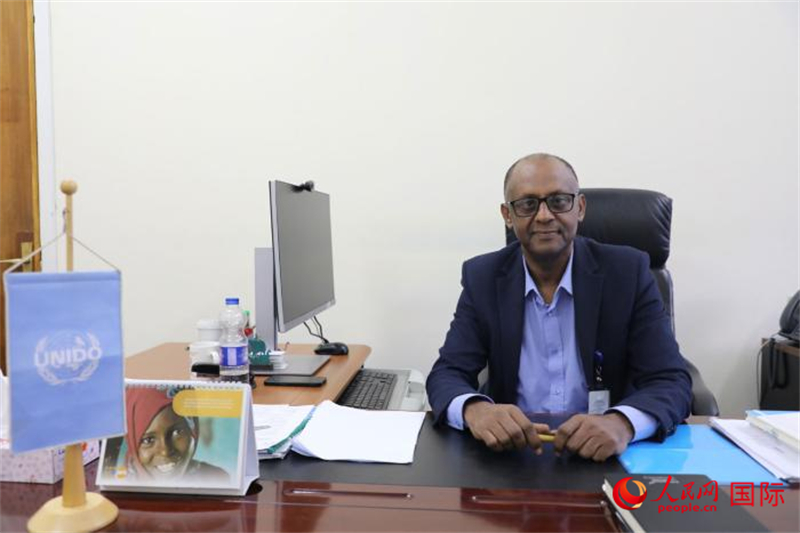
Core Insights - The livestock sector is a crucial part of Ethiopia's agricultural economy, contributing approximately 20% to export revenues, primarily to Middle Eastern and North African countries [1] - Ethiopia has the largest livestock population in Africa, with over 70 million cattle, 95 million sheep, and 8 million camels as of 2024 [1] - Despite its potential, Ethiopia's livestock value chain faces significant challenges, including a lack of commercial production systems, weak policies, skill shortages, and inadequate veterinary and infrastructure services [1] Project Overview - The "Ethiopian Livestock Value Chain Enhancement" project, initiated in 2021 through collaboration between China, Ethiopia, and the United Nations Industrial Development Organization, aims to address these challenges [1][2] - The project has made significant progress in improving Ethiopia's meat value chain by supporting policy framework development, enhancing certification and inspection systems, and facilitating technical knowledge exchange [1][2] Recent Developments - A demonstration center for the tripartite cooperation was inaugurated in Beijing in July 2024, marking the official start of the second phase of the livestock value chain project, which will focus on institutional capacity building and technical support [2][17] - The project aims to improve food safety and quality management systems, promote structural transformation, and enhance investment and international trade connections [2] Technological Advancements - The implementation of a livestock identification and traceability system has been initiated, allowing for better management and tracking of livestock throughout the supply chain [6][7] - A mobile application developed by the Ethiopian Ministry of Agriculture supports on-site registration and tracking of livestock, even in remote areas with limited internet access [6] Economic Impact - Farmers can receive a 15% premium for selling tagged animals, which enhances their income and provides access to insurance and loans [7] - The Ethiopian government has updated and developed new policies and standards crucial for meeting export requirements, including guidelines for foot-and-mouth disease biosecurity and monitoring [7][8] Capacity Building and Training - Over 500 Ethiopian professionals have participated in training programs focused on food safety standards, slaughterhouse management, and meat inspection techniques since the project's inception [16] - The project has facilitated the establishment of a meat industry portal and digitized inspection processes, significantly enhancing the compliance and international competitiveness of Ethiopian agricultural products [13] Future Prospects - The project is expected to further enhance Ethiopia's livestock quality and export capabilities, with plans to establish foot-and-mouth disease-free zones to facilitate meat exports to China [8][17] - The collaboration is seen as a model for South-South cooperation, showcasing the potential of international partnerships in driving industrial development and achieving sustainable development goals [2][17]
维护WTO发展中成员利益,担当发展中大国时代使命|专家热评
Di Yi Cai Jing Zi Xun· 2025-09-24 03:25
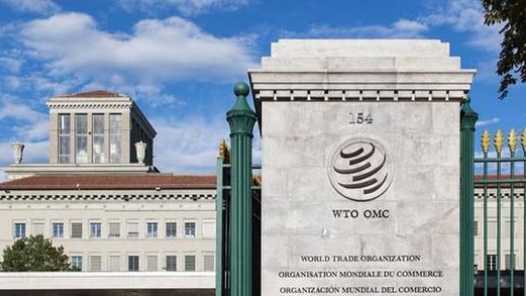
2025年9月23日,中国国务院总理李强在出席第80届联合国大会期间宣布,作为负责任的发展中大国, 中国在世界贸易组织当前和未来谈判中,将不寻求新的特殊和差别待遇。在当前多边贸易体制面对重大 挑战的时刻,中国政府的这一重要声明,为WTO改革注入强大动力,提振了各方信心,回应了多方期 待。这一声明体现了二十届三中全会对建设更高水平对外开放体制机制的要求,体现了我国推动经济全 球化的大国担当,是我国构建人类命运共同体的重要举措。 我国在WTO不寻求新的特殊和差别待遇 当前,美国单边任意加征关税的措施严重威胁以规则为基础的多边贸易体制。WTO内部存在信任危 机,各成员对WTO的发展前景存在疑虑。在历史的转折点,总要有人需要站出来,用行动支持多边贸 易体制,弥合信任裂痕,为多边合作注入新的活力。 我国始终坚持发展中成员身份 中国在世界贸易组织(WTO)始终坚持"发展中成员"的身份定位。这一选择不仅是基于规则的权利行 使,更是一项深思熟虑的战略选择与道义担当。 从法律基础看,这是对现有国际规则的正当运用。WTO体系下发展中成员身份的一个基本原则是"自我 声明"。这意味着,成员方有权根据自身综合国情,自主选择其身份归类, ...
中国以实际行动推动南南合作
Ren Min Ri Bao· 2025-09-23 22:33
Core Points - The 70th anniversary of the Bandung Conference highlights China's significant role in promoting cooperation among Asian and African countries, fostering a more just and sustainable international order [2] - The Bandung spirit, rooted in the principles of peaceful coexistence, emphasizes unity and cooperation among nations, which China actively promotes through various initiatives [2][3] - China's economic growth is attributed to systematic planning and integration into the global market, making it the second-largest economy [2] Group 1 - The Bandung Conference has instilled confidence and direction for the development of Asian and African countries, encouraging them to shape a fair international order [2] - China has consistently practiced the Bandung spirit over the past 70 years, promoting South-South cooperation through initiatives like the Forum on China-Africa Cooperation and the Belt and Road Initiative [2] - The current global challenges necessitate a revival of the Bandung spirit to create a conducive international environment for mutual development among Asian and African nations [2] Group 2 - Indonesia benefits from high-quality Belt and Road Initiative projects, such as the Jakarta-Bandung High-Speed Railway, which enhance regional integration and drive development [3] - Chinese investments in logistics and artificial intelligence are helping Indonesia address energy supply issues, exemplified by projects like the floating photovoltaic power generation project [3] - Indonesia and China are committed to mutual benefits in bilateral relations and are working together on multilateral platforms to safeguard the interests of global South countries [4]
助力“高原水乡”农业提质升级(共创繁荣发展新时代)
Ren Min Ri Bao· 2025-09-23 22:12
Core Insights - The article highlights the success of the South-South cooperation project between China, the UN Food and Agriculture Organization (FAO), and Uganda, focusing on agricultural modernization and food security initiatives [1][2][6]. Group 1: Agricultural Modernization - The introduction of hybrid rice cultivation in Uganda has significantly increased yields, with local farmers reporting production increases of 2 to 3 times compared to traditional rice varieties [2][3]. - The project has successfully cultivated approximately 90,000 acres of high-yield rice fields, benefiting nearly 8,000 households, with an average annual income increase of about 800,000 Ugandan shillings per household [3]. Group 2: Crop Diversification - The introduction of high-quality millet varieties, such as foxtail millet, has resulted in yields that are 4 to 5 times higher than local varieties, with demonstration planting covering 1,000 acres and benefiting around 150 households [3]. - The project has also promoted the integration of fish farming within rice paddies, enhancing both rice and fish production without the use of pesticides, thus maintaining ecological balance [5][6]. Group 3: Knowledge Transfer and Training - The project has trained approximately 14,000 farmers and distributed thousands of technical materials, significantly enhancing the agricultural skills of local farmers and technicians [6]. - Chinese agricultural experts have provided hands-on training and practical demonstrations, ensuring that local farmers can effectively apply the techniques learned [6]. Group 4: Future Prospects - Uganda's Ministry of Agriculture emphasizes the importance of agricultural modernization as a driver for rural transformation and income generation, expressing a desire to deepen cooperation with China [7]. - The collaboration is seen as a successful model for regional agricultural development, with potential for broader impacts across neighboring countries [7].