
多边合作

Search documents
G-20公报达成共识,承诺加强合作
news flash· 2025-07-18 13:13
Group 1 - The G-20 communiqué highlights that the global economy is facing greater uncertainty and complex challenges, including ongoing wars and conflicts, geopolitical tensions, and trade disputes [1] - The communiqué emphasizes the importance of strengthening multilateral cooperation to address existing and emerging risks to the global economy [1]
G20财长和央行行长会议公报:我们强调加强多边合作以应对现有和新出现的全球经济风险的重要性。
news flash· 2025-07-18 12:59
Core Points - The G20 finance ministers and central bank governors emphasized the importance of strengthening multilateral cooperation to address existing and emerging global economic risks [1] Group 1 - The meeting highlighted the need for collaborative efforts among nations to effectively tackle economic challenges [1] - There is a focus on both current and new economic risks that could impact global stability [1] - The statement reflects a commitment to enhancing international cooperation in economic policy-making [1]

商务部:中国坚定维护多边贸易体制 扩大面向全球的高标准自贸区网络
news flash· 2025-07-18 03:59
Core Viewpoint - The Chinese Ministry of Commerce emphasizes its commitment to maintaining a multilateral trade system and expanding a high-standard free trade zone network globally, amidst challenges posed by unilateralism and protectionism [1] Group 1 - The global governance landscape is undergoing reconstruction during the 14th Five-Year Plan period, with economic globalization facing headwinds [1] - Unilateralism and protectionism are on the rise, significantly impacting the international economic order and governance system [1] - China aims to promote both multilateral cooperation and regional cooperation as complementary strategies [1]
美国最后一搏,30%关税大棒砸下,欧盟彻底失望,暂缓反制寻转机
Sou Hu Cai Jing· 2025-07-16 10:06
Core Viewpoint - The announcement of a 30% tariff on goods imported from the EU by the U.S. starting August 1 has significant implications for the international economic and political landscape [1] Trade Impact - The EU exports to the U.S. account for 20.6% of its total exports, making the U.S. tariff a severe blow to the EU economy [3] - The imposition of tariffs is expected to trigger inflation in the U.S., reducing consumer purchasing power, which is critical for U.S. economic growth [3] - Economic growth in Europe is projected to be around 0.7% to 0.8% this year, and the tariffs could push the region closer to recession [3] EU Internal Response - There is a growing divide among EU member states on how to respond, with French President Macron advocating for a strong defense of EU interests and potential countermeasures [3] - In contrast, Germany's Economic and Energy Minister seeks pragmatic negotiations to resolve the conflict [3] - The European Parliament's International Trade Committee Chair criticized the U.S. move as arrogant and called for immediate countermeasures [3] U.S. Strategic Intent - The U.S. aims to increase fiscal revenue through tariffs to address its significant budget deficit and rising debt levels [5] - Politically, the U.S. seeks to maintain its dominant position in the global economic and political landscape by undermining the EU's economic growth [5] Germany's Economic Situation - Germany, as the economic engine of the EU, is heavily reliant on exports, with nearly a quarter of its exports going to the U.S. [5] - In May, Germany's exports fell by 1.4%, with exports to the U.S. declining by 7.7%, reaching a three-year low [5] - The automotive and machinery sectors in Germany are particularly vulnerable to the U.S. tariffs, with significant cost increases reported [5] Shift in Trade Relations - In response to the trade conflict, Germany is looking to strengthen ties with China, which is seen as a vital market and partner [7] - The German Foreign Trade Association is advocating for reduced reliance on the U.S. market and the establishment of free trade agreements with ASEAN countries [7] - Enhanced cooperation between Germany and China in manufacturing, renewable energy, and technological innovation could provide mutual benefits and reduce dependency on the U.S. [7] Global Trade Order - The U.S. tariff on the EU is disrupting the global trade order, highlighting the need for multilateral cooperation [7] - The choices made by the EU and Germany will not only affect their economic development but also have far-reaching implications for the global economic and political landscape [7]

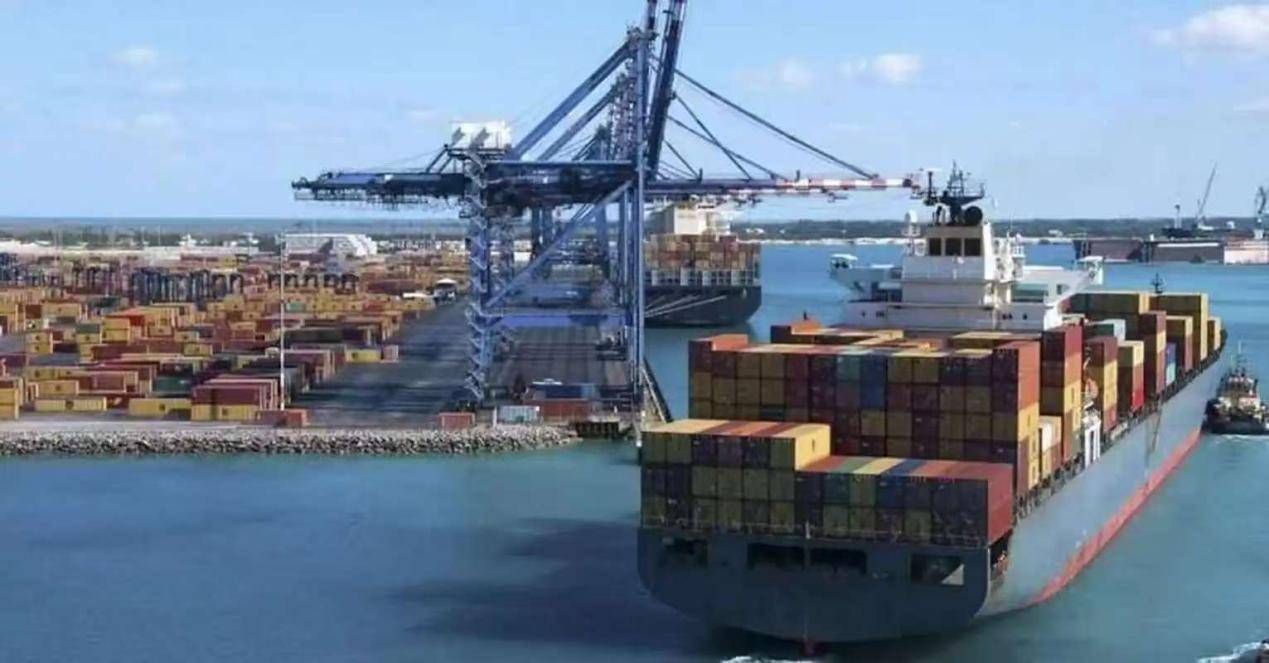
巴西重拳反制特朗普,一招比一招强,要硬刚到底,中国成幕后军师
Sou Hu Cai Jing· 2025-07-15 03:51
Core Viewpoint - The article discusses the escalating trade tensions between the United States and Brazil, particularly focusing on the recent imposition of a 50% tariff by the U.S. on Brazilian goods, which is perceived as a political maneuver by Trump rather than a purely economic decision [3][7][10]. Group 1: U.S.-Brazil Trade Relations - The U.S. has raised tariffs on Brazil to 50%, which is seen as an aggressive move to pressure Brazil into compliance with U.S. demands [3][7]. - Brazil's President Lula has highlighted that since 2010, the U.S. has enjoyed a trade surplus of over $400 billion with Brazil, challenging the U.S. narrative of a trade deficit [7]. - The tariff increase is viewed as a personal vendetta from Trump, especially after Lula's comments about global leadership [7][9]. Group 2: Brazil's Response - Brazil has retaliated by imposing a similar 50% tariff on U.S. goods, demonstrating a strong stance against U.S. pressure [15]. - Lula's administration is actively seeking to strengthen ties with China, indicating a shift away from reliance on the U.S. market [15][16]. - Brazil's commitment to "de-dollarization" and promoting trade in local currencies is a significant challenge to U.S. economic dominance [16]. Group 3: Political Implications - Trump's tariff strategy is seen as an attempt to influence Brazilian internal politics, particularly to support former President Bolsonaro, who had a pro-U.S. stance [12][13]. - The current political climate in Brazil, including investigations into Bolsonaro, complicates U.S.-Brazil relations and highlights the shifting political landscape [13][21]. - The article suggests that Brazil's firm response is part of a broader movement among emerging nations to resist unilateralism and assert their independence [18][21]. Group 4: Global Trade Dynamics - The collaboration between Brazil and China is positioned as a counterbalance to U.S. hegemony, with potential implications for global trade patterns [16][19]. - The article emphasizes that the ongoing tariff conflict could lead to increased prices for U.S. consumers, indicating that the economic fallout may affect both nations [19]. - Brazil's actions signal a growing trend of emerging economies uniting against perceived economic bullying, reshaping the global trade landscape [18][21].

沙中商务理事会主席穆罕默德·艾尔·阿吉兰:投资中国就是投资未来
Guo Ji Jin Rong Bao· 2025-07-14 04:11
Group 1 - The strategic partnership between Saudi Arabia and China is deepening, focusing on enhancing bilateral economic relations amidst complex global geopolitical and trade dynamics [2][5] - The chairman of the Saudi-Chinese Business Council emphasizes the importance of cooperation in mining, manufacturing, and advanced technology sectors, aligning with Saudi Arabia's industrialization goals [3][8] - The need for multilateral cooperation is highlighted as a response to rising protectionism and globalization challenges, with both countries committed to a win-win development approach [5][8] Group 2 - Saudi Arabia's Vision 2030 aims to diversify its economy away from oil dependency, promoting sustainable development and encouraging private sector investment in renewable energy [9] - The potential for collaboration in clean energy is significant, leveraging Saudi Arabia's renewable resources and China's advanced technology in the sector [9] - Financial technology development is seen as a key area for enhancing bilateral trade and investment, with both countries recognizing the importance of digital solutions and payment systems [9]

链博会是畅通国内国际双循环的重要引擎
Di Yi Cai Jing· 2025-07-13 11:53
Core Insights - The Chain Expo serves as a bridge connecting global industrial and supply chains amidst rising unilateralism in international trade [1][6] - China is accelerating the construction of a new development pattern that emphasizes domestic circulation while promoting international cooperation [2][4] - The expo showcases China's commitment to open cooperation and its role as a leader in global supply chain innovation [5][6] Group 1: Event Overview - The third Chain Expo will be held from July 16 to 20 in Beijing, featuring six major supply chains including advanced manufacturing, clean energy, and digital technology [1] - The expo aims to demonstrate the resilience of supply chains and the importance of multilateral cooperation in addressing global challenges [1][3] Group 2: Economic Implications - The Chain Expo enhances China's ability to allocate global resources and reflects global partners' confidence in the Chinese market [3][4] - It serves as a practical platform for the dual circulation strategy, facilitating online and offline integration to transform traditional foreign trade [3][4] Group 3: Strategic Importance - The expo is pivotal in optimizing domestic industrial layout and increasing international economic cooperation partners [4][5] - It promotes high-value industries such as smart manufacturing and green energy, helping domestic companies upgrade and adapt to international competition [5][6] Group 4: Global Cooperation - The Chain Expo aims to build a diversified international market network, reducing reliance on traditional markets and enhancing stability [5][6] - It sends a clear message that open and inclusive cooperation is essential for mutual benefit in the face of trade protectionism [6]
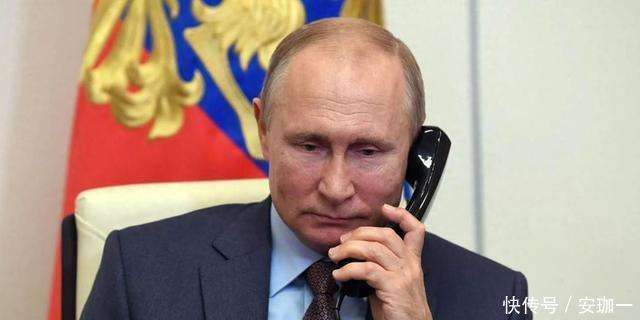
欧洲迎来战略机遇?中方开启7天行程之时,普京一通电话打到巴黎
Sou Hu Cai Jing· 2025-07-08 07:59
Group 1 - The core viewpoint of the articles revolves around the complex geopolitical dynamics in Europe, particularly in the context of the ongoing Russia-Ukraine conflict and the U.S. imposing new tariffs on China, which creates a challenging environment for Europe [2][20] - China's Foreign Minister Wang Yi's seven-day diplomatic visit to Europe, covering Belgium, Germany, and France, is significant as it coincides with the 50th anniversary of China-Europe diplomatic relations, aiming to strengthen ties amidst rising tensions with the U.S. [6][8] - The trade volume between China and Europe has grown significantly from $2.4 billion in 1975 to an expected $780 billion in 2024, highlighting the deep interconnection of interests between the two regions [8] Group 2 - Wang Yi's meetings in Brussels, particularly with EU representatives, emphasize the need for China and Europe to act as "anchors of stability" in turbulent times, reflecting the achievements of their 50-year relationship [8][10] - The interaction between Wang Yi and Belgian Prime Minister De Wever illustrates Belgium's role as a facilitator in China-Europe cooperation, showcasing the multidimensional nature of their relationship [10] - Concurrently, Russian President Putin's phone call with French President Macron marks a significant diplomatic engagement, discussing not only Middle Eastern issues but also the ongoing Ukraine conflict, indicating Russia's intent to influence European perspectives [14][16] Group 3 - The dialogue between Putin and Macron reveals deep divisions in security issues between Russia and Europe, with Putin asserting that Western military aid prolongs the conflict in Ukraine, while Macron emphasizes the need for direct negotiations respecting Ukraine's sovereignty [16] - The simultaneous diplomatic activities of Wang Yi and Putin suggest a strategic interplay, where both China and Russia are seeking to navigate the complexities of their relationships with Europe amid U.S. pressures [20] - The overarching theme is that Europe faces both challenges and opportunities in maintaining strategic autonomy while deepening cooperation with China, particularly in sectors like technology and green economy [20]
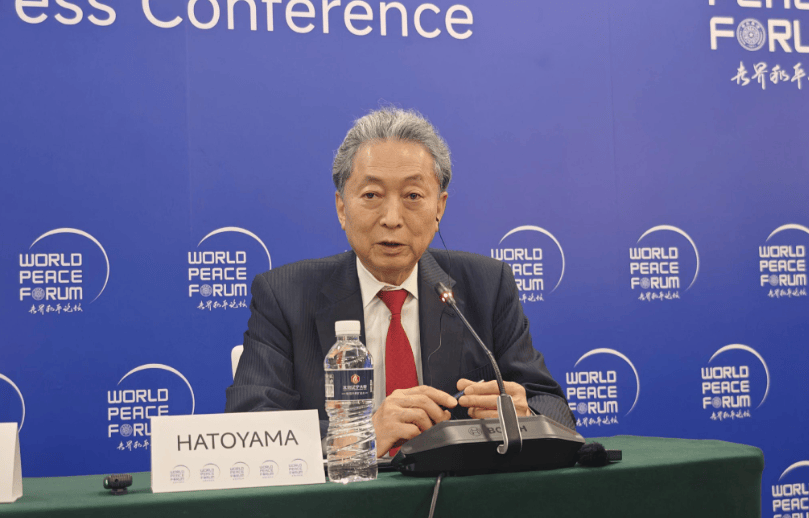
特朗普众叛亲离?当着全世界面,日本前首相突然表态,态度十分坚决
Sou Hu Cai Jing· 2025-07-08 06:44
据新华网消息,特朗普的关税大棒挥得正欢,却没想到昔日忠心耿耿的盟友日本,竟在众目睽睽之下亮出了强硬底牌。2025年7月 初,这位以"美国优先"著称的总统,面对日本前首相鸠山由纪夫的公开"叛离",只能眼睁睁看着一场信任危机在全球蔓延。鸠山由纪 夫在清华大学的世界和平论坛上,当着各国代表的面,直言美国已成"哭闹的小孩",日本必须摆脱依赖、寻求自立。这一幕,不仅撕 开了美日关系脆弱的表皮,更揭示了一个新趋势:当特朗普的霸凌政策步步紧逼,盟友的反抗已从暗流涌动转为公开决裂。 日本前首相鸠山由纪夫(资料图) 美日贸易谈判早已陷入泥潭,僵局难破。关键点在于7月9日这个最后期限——美国原定暂缓执行"对等关税"的最后一天,但截至7月 初,双方依旧针锋相对。特朗普在"空军一号"上大发雷霆,威胁要将日本商品的关税从24%猛增至30%甚至35%,还抱怨日本"被惯坏 了",几十年占尽美国便宜。他特别点名大米和汽车:日本急需大米却不进口美国货,汽车只卖不买,导致美国贸易失衡。这种反复 无常的施压,让日本政府措手不及,内阁官房长官林芳正紧急召集会议商讨对策,同时强硬表态绝不牺牲农业利益。谈判桌上,美国 既要日本多买商品,又强推日元升值, ...
6月份全球制造业PMI指数持续上亚洲制造业仍是全球经济稳定恢复重要力量
Zheng Quan Ri Bao· 2025-07-06 16:11
Global Manufacturing PMI Overview - In June 2025, the global manufacturing PMI was 49.5%, an increase of 0.3 percentage points from May, indicating a continued contraction but a slight recovery trend [1] - The World Bank revised its global economic growth forecast for 2025 down from 2.7% to 2.3%, reflecting ongoing uncertainties in the global economic environment [1] Regional Manufacturing Performance Asia - The Asian manufacturing PMI reached 50.7 in June 2025, up 0.3 percentage points from May, indicating expansion and improved recovery [3] - The ongoing trade agreements, such as the China-South Korea Free Trade Agreement and the continued economic exchanges between China and ASEAN, are crucial for sustaining growth in the region [3] Americas - The manufacturing PMI for the Americas was 48.6 in June 2025, a slight increase of 0.2 percentage points from May, but still indicating contraction [2] - The U.S. manufacturing PMI was 49% in June, up 0.5 percentage points from May, ending a four-month decline but remaining below the expansion threshold [2] Europe - Europe's manufacturing PMI was 48.8 in June 2025, a marginal increase of 0.1 percentage points from May, continuing a slow recovery trend [2] - The European Central Bank may implement more supportive policies to stimulate economic recovery due to the ongoing weak performance [2] Africa - The African manufacturing PMI was 49.7 in June 2025, an increase of 1 percentage point from May, but still in contraction territory [4] - The reliance on natural resource exports continues to hinder Africa's economic recovery, necessitating a shift towards internal growth drivers [4]