
碳达峰

Search documents
统筹推进降碳减污扩绿增长,推动全面绿色转型
Shan Xi Ri Bao· 2026-01-03 00:26
Core Viewpoint - Green development is a prominent feature of Chinese-style modernization, emphasizing the integration of ecological priorities into high-quality development processes [1][2] Group 1: Ecological Protection and Achievements - Shaanxi's ecological environment protection is crucial for both its own sustainable development and the national ecological environment [1] - During the 14th Five-Year Plan period, Shaanxi has made significant progress in ecological civilization construction, including the treatment of 17,200 square kilometers of soil erosion and a 20% reduction in annual sediment entering the Yellow River since 2000 [1] - By 2024, 99.4% of the ecological environment quality in the Qinling area of Shaanxi is expected to be rated as good, with continuous improvement in air quality and water quality across the province [1] Group 2: Green Transformation and Development Strategy - The 15th Five-Year Plan period is identified as a critical phase for comprehensive green transformation and achieving carbon peak goals [2] - Shaanxi aims to promote a collaborative approach to reducing carbon emissions, pollution, and expanding green growth while ensuring ecological and economic benefits are enhanced [2] - The province will focus on optimizing ecosystems, improving management systems, and implementing new water-saving technologies [2][3] Group 3: Pollution Control and Ecological Value - Ongoing efforts in air pollution control are entering a key phase, with a focus on tailored strategies for major industrial enterprises to achieve better results [3] - The transition to a green economy requires the development of high-tech, low-resource-consuming, and low-pollution industries, alongside the commercialization of ecological products [3][4] - The strategy includes strict control over new high-emission projects and the promotion of a new energy system to achieve peak coal and oil consumption [4]
绿色金融质变:价值创造赋能产业转型
Xin Lang Cai Jing· 2026-01-02 19:32
Core Viewpoint - A profound transformation focused on low-carbon pathways and development missions is underway in China, marking a new stage in green development where it becomes a core engine for higher quality and sustainable growth rather than a constraint on economic growth [1] Development History of Green Finance - The development of green finance in China has evolved significantly since its inception in 1995, when environmental protection was first integrated into the credit framework [2] - The "Two Mountains Theory" proposed by Xi Jinping in 2005 established a core mission for green finance, emphasizing the value of ecological civilization [2] - In 2007, the linkage between bank lending and environmental protection was formalized, marking the beginning of a structured approach to green finance [2] - The establishment of a green finance system was officially recognized in the 2015 State Council document, positioning it as a key driver for ecological civilization [2][3] Current Status and Future Directions - By the end of Q3 2025, the balance of green loans in China reached 43.51 trillion yuan, with major applications in infrastructure upgrades, energy transition, and ecological protection, accounting for 74.97% [4] - The green loan scale has grown from less than 10 trillion yuan in 2016 to 36.6 trillion yuan by the end of 2024, indicating rapid expansion [4] - The "14th Five-Year Plan" emphasizes the need for further development of green finance standards and innovative products to support low-carbon and sustainable sectors [6] Role of Green Finance in Industry - Green finance is seen as a catalyst for traditional industries' transition to greener practices, enabling banks to guide high-emission sectors towards strategic new industries [6][7] - Financial institutions are increasingly linking interest rates to companies' emission reductions, incentivizing green transformations [7] - The rise of green industries is attracting more investment, with a focus on sectors like energy storage, wind, and solar power, aiming for both economic and social benefits [8] Integration with Technology and ESG - The integration of green finance with technology finance is emphasized, particularly in sectors like renewable energy, where financial services are not only green but also technologically innovative [8] - Companies are adopting ESG scoring across their entire asset base, ensuring that green financial products maintain a significant proportion of related assets to prevent "greenwashing" [8]
山东解锁“点绿成金”密码
Zhong Guo Xin Wen Wang· 2026-01-01 06:12
岁末寒冬,在山东东营黄河三角洲湿地,万鸟翔集的"鸟浪"与静谧入海的黄河交织成景。摄影爱好 者李延庆按下快门,将这一幕定格,"几年前来拍照,偶尔还会遇到雾霾、枯水。现在这里是'蓝天常 在、候鸟为伴',镜头里的山东越来越上镜"。在他的镜头中,不仅记录下光影变幻,更见证了山东"十 四五"时期生态环境的蝶变。 "鸢都"潍坊建成全国首个"零碳港口","煤城"枣庄千亩塌陷区变良田,"泉城"济南精细管控道路扬 尘,烟台推进美丽海湾扩面增长……"十四五"以来,山东推动高颜值生态与高质量发展同频共振,交出 一份"含绿量"十足的答卷。 "减法"攻坚:从"雾锁楼台"到"常态蓝天" "记得2020年初,天空还像蒙了一层灰纱。现在站在阳台上就能清晰拍到海岸线。"谈及空气质量变 化,日照市生态环境局岚山分局大气科科长杨恩说,岚山区是山东4000万吨钢铁产能的承载区,辖区内 橡塑、木材加工等传统企业数量众多,持续巩固空气质量改善成果难度极大。 近年来,依托空气质量监测网络和智慧管控平台,岚山区严格监管工业源、移动源和扬尘源污染, 对钢铁、石化、港口等行业开展深度治理。该区环境空气质量综合指数、PM2.5、PM10等指标连续四 年稳定达到国 ...
保障民生 助推升级——看2026年关税调整新亮点
Xin Hua She· 2025-12-31 22:52
Group 1 - The core viewpoint of the news is the announcement of the 2026 tariff adjustment plan by the State Council Tariff Commission, which will implement provisional import tariffs lower than the most-favored-nation rate on 935 items starting January 1, 2026 [1][6]. - The adjustment plan aims to lower tariffs on key components, advanced materials, and energy resources, which is expected to reduce costs for enterprises and promote technological self-reliance and modernization of the industrial system [6][10]. - The plan includes a focus on improving people's livelihoods by reducing tariffs on medical products such as artificial blood vessels and diagnostic kits, contributing to the health of the population and the construction of a healthy China [8][10]. Group 2 - The adjustment will also optimize tariff categories and annotations, increasing the total number of tariff items to 8,972, which is expected to promote the development of strategic emerging industries and enhance import-export management [10]. - China will continue to implement preferential tariff rates for certain imported goods from 34 trade partners under 24 free trade agreements, as well as maintain zero-tariff treatment for 100% of products from 43 least developed countries [10]. - The proactive approach in expanding high-standard free trade networks demonstrates China's commitment to global development amidst rising trade protectionism [10].

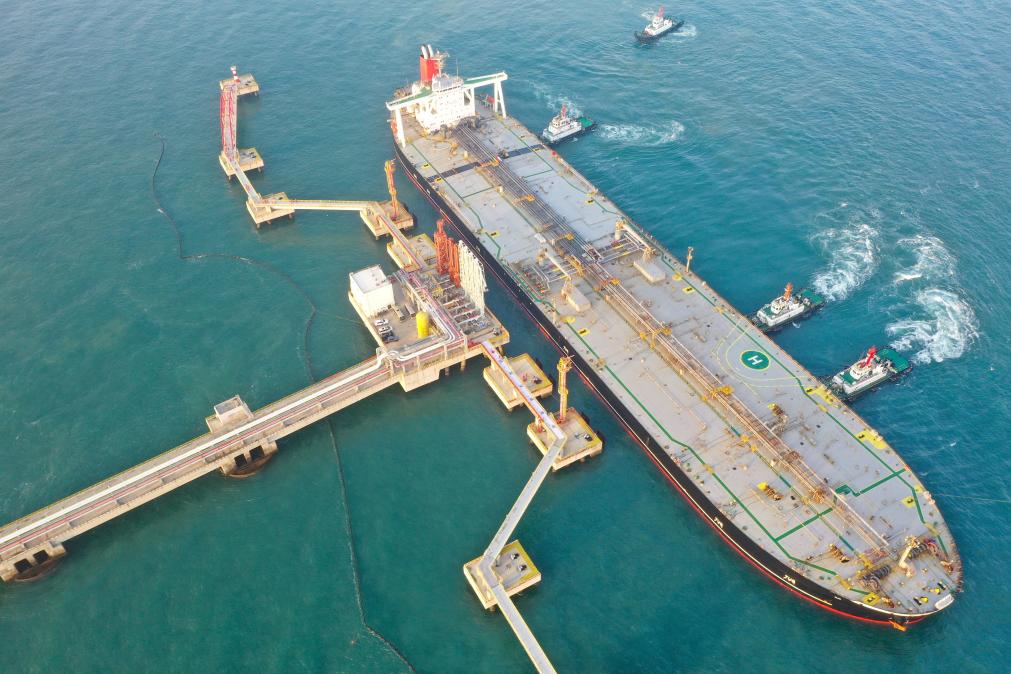
权威解读丨保障民生 助推升级——看2026年关税调整新亮点
Xin Hua Wang· 2025-12-31 14:19
Core Viewpoint - The State Council's Tariff Commission announced a tariff adjustment plan for 2026, implementing provisional import tariffs lower than the most-favored-nation rate on 935 items starting January 1, 2026 [1] Group 1: Tariff Adjustments - The adjustment plan includes lowering tariffs on key components, advanced materials, and energy resources, which is a significant aspect of the provisional tariff changes [4] - Specific reductions will be made on import tariffs for resource products such as regenerated black powder for lithium-ion batteries and unroasted pyrite [4] - The total number of tariff items will be optimized to 8,972, including new entries like smart bionic robots and bio-aviation kerosene [7] Group 2: Economic and Social Impact - The large-scale tariff reduction reflects China's commitment to expanding openness and is expected to promote win-win cooperation across multiple sectors [2] - Lowering tariffs on medical products, such as artificial blood vessels and diagnostic kits for infectious diseases, aims to reduce the burden on residents and improve public health [6] - The tariff adjustments are designed to support green development and innovation, facilitating the achievement of carbon neutrality goals [4][6] Group 3: Trade Agreements and International Relations - China will continue to implement preferential tariffs for goods from 34 trade partners under 24 free trade agreements, as well as maintain zero-tariff treatment for 100% of products from 43 least developed countries [7] - The adjustments demonstrate China's proactive approach to expanding its high-standard free trade network amid rising trade protectionism globally [7]
着眼碳达峰窗口期,能环宝专业解读工商业光伏运行关键问题
Jiang Nan Shi Bao· 2025-12-31 08:12
Group 1 - The core viewpoint of the article emphasizes that photovoltaic (PV) systems are increasingly recognized by commercial and industrial enterprises as essential components of their energy management strategies, focusing on long-term operational efficiency rather than just installation capacity [1][3][5] - Companies are shifting their management focus from merely assessing the configuration of PV systems to evaluating their actual performance during operation, which includes maintaining stable output and achieving continuous emission reduction effects [3][5][10] Group 2 - A common issue identified among enterprises is the lack of systematic judgment regarding the operational data generated by PV systems, which often remains at a recording level without supporting comprehensive assessments [3][5] - The operational status of PV systems directly impacts energy forecasting, load management, and emission reduction calculations, making effective operational management crucial for accurate assessment of emission levels [5][10] - The management logic emphasized by Nenghuanbao highlights the importance of treating PV systems as long-term operational assets that require ongoing management throughout their lifecycle, rather than as one-time investments [7][8] Group 3 - Nenghuanbao's NiOS smart energy management system continuously collects and manages operational data from PV systems, allowing for the establishment of a stable operational baseline and timely identification of performance deviations [8][10] - The continuous accumulation of data through the NiOS system ensures that the operational status of PV systems remains traceable and verifiable, enhancing operational efficiency and providing reliable emission reduction data [10] - For enterprises undergoing energy transformation, the value of PV systems is increasingly recognized in their ability to maintain stable performance over the long term, supported by Nenghuanbao's digital operational capabilities [10]
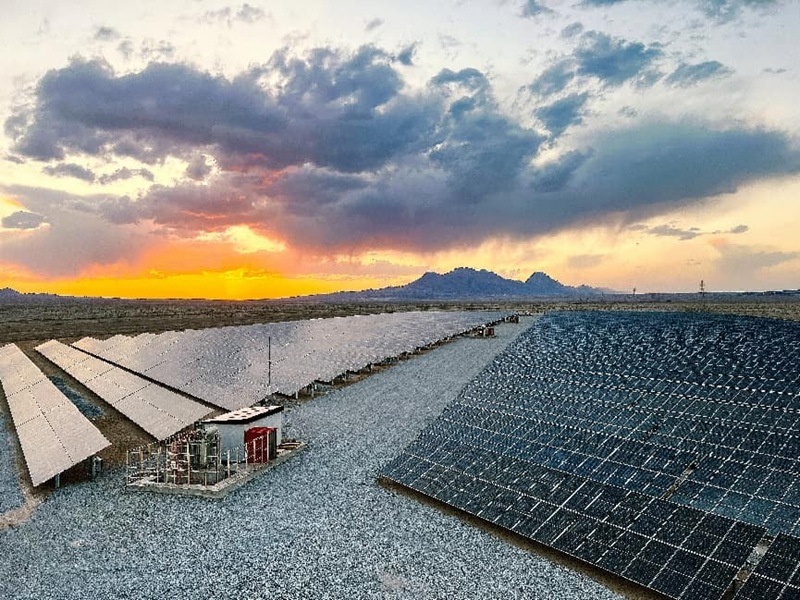
我国开启光热发电规模化发展新征程
Xin Lang Cai Jing· 2025-12-30 19:09
Core Viewpoint - The article emphasizes the importance of promoting the large-scale development of solar thermal power generation in China, aiming for a total installed capacity of approximately 15 million kilowatts by 2030, with costs comparable to coal power and achieving international leadership in technology [3][4]. Group 1: Policy and Strategic Goals - The National Development and Reform Commission and the National Energy Administration have issued opinions to promote the industrialization and large-scale development of solar thermal power [3][4]. - The goal of 15 million kilowatts of installed capacity is set to enhance system regulation capabilities and support the integration of wind and solar power [5][6]. - The opinions call for strategic planning and top-level design to facilitate the large-scale development of solar thermal power [4][5]. Group 2: Resource Potential and Regional Development - China has significant solar thermal resource potential, mainly distributed in regions like Inner Mongolia, Qinghai, Gansu, Xinjiang, and Tibet, which have relatively weak power systems [5]. - The opinions encourage the development of solar thermal projects tailored to local resource conditions and power system structures [5][6]. Group 3: Application Markets - Solar thermal power can serve multiple applications, including power generation and heating, with three main categories identified: integration with renewable energy bases, regional power systems, and integrated source-grid-load-storage systems [5][6]. - The opinions provide clear requirements for these application categories to support project implementation [6]. Group 4: Technological and Industrial Innovation - Continuous innovation in technology and industry is essential for reducing costs in solar thermal power generation [8]. - Key areas for technological breakthroughs include high-efficiency heat absorption, long-duration thermal storage, and smart control systems [8][9]. - The opinions support technological innovation and collaboration across the solar thermal industry to enhance competitiveness [8][9]. Group 5: Financial and Policy Support - Initial investment and costs for solar thermal power remain high, necessitating policy support to create a favorable environment for large-scale development [9]. - Recommendations include increasing policy support, innovative financing models, and establishing incentive mechanisms based on project performance [9].
蒙西—京津冀±800千伏特高压直流工程开工
Xin Lang Cai Jing· 2025-12-30 16:03
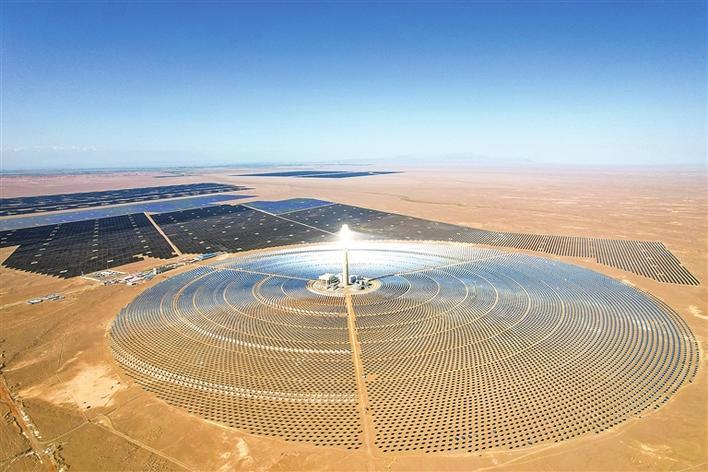
Core Viewpoint - The commencement of the Mengxi-Beijing-Tianjin-Hebei ±800 kV UHVDC project by State Grid Corporation of China marks a significant step in enhancing green energy transmission and supporting the development of the "Shage Desert" renewable energy base in Inner Mongolia [1][2]. Group 1: Project Overview - The Mengxi-Beijing-Tianjin-Hebei project will span approximately 700 kilometers, starting from the Daqing Station in Ordos, Inner Mongolia, and ending at the Xiongnan Station in Cangzhou, Hebei, with a rated voltage of ±800 kV and a capacity of 8 million kW [1]. - The total investment for the project is approximately 17.2 billion RMB, with an expected completion and operational date set for 2027 [1]. Group 2: Environmental Impact - Once operational, the project is expected to deliver over 36 billion kWh of electricity annually to the Hebei load center, replacing 6.3 million tons of standard coal and reducing carbon dioxide emissions by 16.6 million tons [2]. - The project aligns with the green development philosophy and aims to facilitate energy transition in the region [2]. Group 3: Strategic Importance - The Mengxi-Beijing-Tianjin-Hebei project serves as the first external transmission channel for the "Shage Desert" renewable energy base, which has an installed capacity of 12 million kW, contributing to a larger external transmission capacity exceeding 50 million kW [1]. - The project is part of a broader strategy to enhance the cross-regional and cross-provincial transmission capacity of the State Grid, which is projected to reach 370 million kW by the end of 2025 [2].

国家能源局召开2025年推进高质量充电基础设施体系建设座谈会
国家能源局· 2025-12-29 12:06
Core Viewpoint - The meeting emphasized that 2025 will be a year of comprehensive quality improvement in the development of charging infrastructure in China, highlighting the rapid growth and health of the charging industry as a strong support for green travel and high-quality economic development [2][3] Group 1: Current Status of Charging Infrastructure - As of the end of November, a total of 19.322 million charging facilities have been built nationwide, with 70,500 charging facilities established in highway service areas [2] - 19 provinces have achieved "full coverage" of charging facilities in all towns, indicating a significant expansion in coverage [2] - The average charging power at public stations has increased by 30%, reflecting improvements in charging service efficiency [2] Group 2: Trends and Changes in the Charging Industry - The main contradiction in the layout of charging facilities has shifted from insufficient supply to uneven distribution, indicating a need for better planning [2] - Industry competition is transitioning from "expanding scale" to "emphasizing service," highlighting a focus on service quality [2] - There is an increasing trend of cross-domain integration in the development of the charging industry [2] Group 3: Future Action Plans - The next steps include enhancing facilities, improving services, and strengthening safety to effectively implement the "three-year doubling" action plan for electric vehicle charging service capacity [3] - There will be a focus on improving the coverage of charging facilities in key areas such as residential and rural regions [3] - The plan includes optimizing the efficiency of charging infrastructure and enhancing the quality of charging operation services to protect consumer rights [3]
基层政府应在低碳发展中发挥更大作用
Zhong Guo Huan Jing Bao· 2025-12-29 07:10
Core Viewpoint - Achieving carbon peak and carbon neutrality requires extensive and profound systemic changes in the economy and society, necessitating proactive actions from various levels of government [1] Group 1: Local Government Initiatives - Local governments are the direct responsible entities for planning and implementing carbon peak and carbon neutrality efforts, actively exploring innovative paths for zero-carbon development [2] - The Fangshan District of Beijing has initiated a carbon reduction action plan, collaborating with research institutions to assess carbon emissions and develop action plans for short, medium, and long-term goals [2][3] - The "Fangchen Model" developed by Fangshan District serves as a replicable and scalable carbon reduction action plan, providing valuable experience for other regions [3] Group 2: Corporate Engagement - For enterprises, carbon reduction presents both opportunities and challenges, requiring long-term planning and proactive measures to integrate green development into production activities [4] - The Fangshan District has launched the "5.27 Love Enterprise Day" to promote low-carbon development concepts among businesses, helping them transform carbon reduction pressures into opportunities for upgrading [4] Group 3: Technological Innovation - Achieving carbon peak and carbon neutrality goals necessitates disruptive changes in economic and social development models, with technological innovation being a key enabler [5] - Fangshan District emphasizes the application of low-carbon technologies in its carbon reduction actions, integrating carbon management concepts into new projects and promoting low-carbon technology applications [5] - The "Carbon Neutral Technology Innovation Challenge" aims to foster a supply-demand interaction mechanism for green low-carbon technology applications and raise public awareness of zero-carbon living [5]