质价比

Search documents
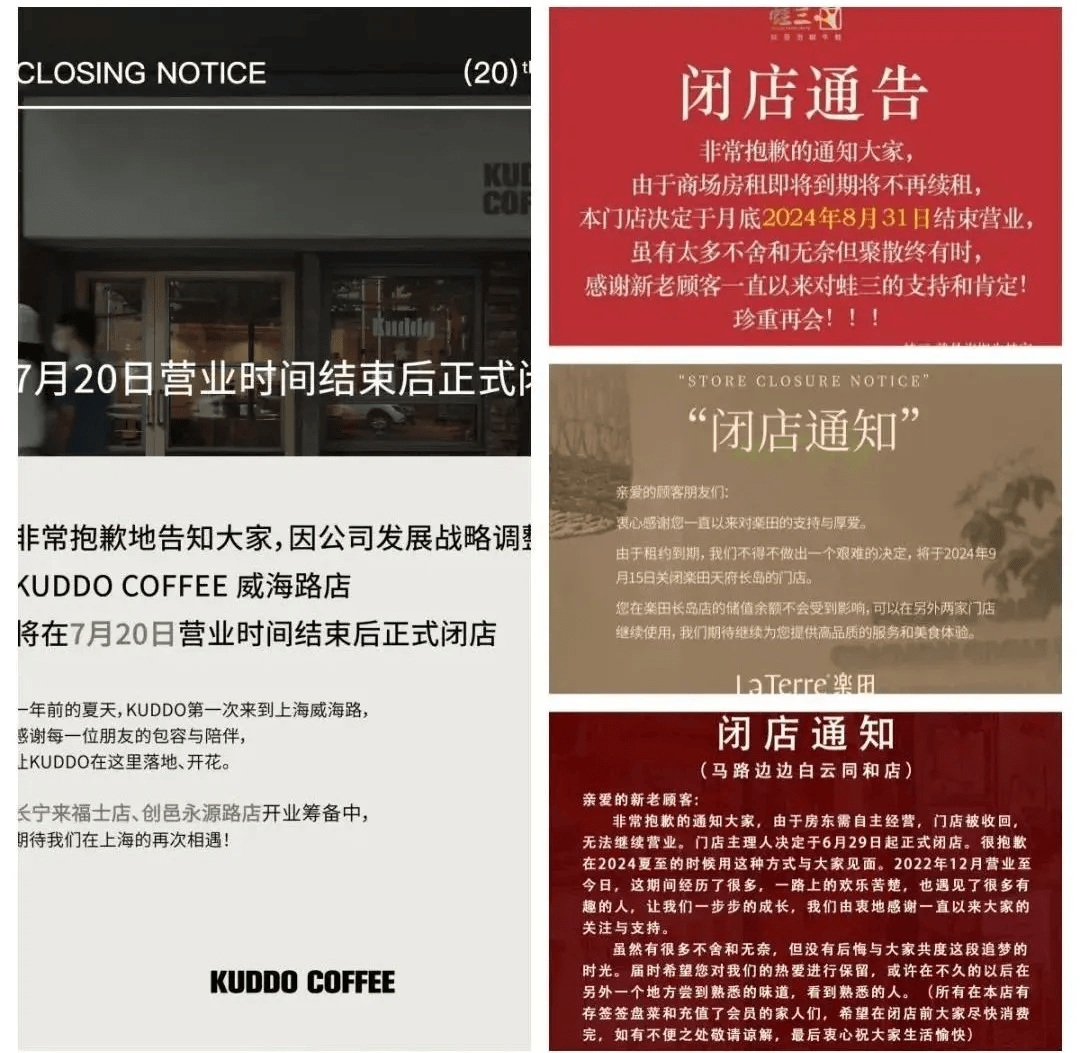
开业45天就倒下!这类自助餐厅批量收割创业者
Sou Hu Cai Jing· 2025-06-03 18:52
Core Insights - The restaurant industry is facing intense competition and many entrepreneurs are entering the market, but a significant number are failing quickly due to various challenges [1][11][26] - The rise of self-service beef hotpot restaurants has attracted many consumers, but the sustainability of this trend is questionable as many new entrants are struggling to maintain profitability [13][21][28] Industry Trends - The self-service beef hotpot segment has seen rapid growth, with brands opening hundreds of locations in a short time, but this has led to a saturation of the market [14][28] - Many new restaurant concepts are emerging each year, but the reality is that most entrepreneurs end up losing money rather than making profits [26][27] Consumer Behavior - Consumers are increasingly looking for value, with a focus on "quality-price ratio" rather than just low prices, which is putting pressure on restaurant operators to improve their offerings [22][24] - The initial popularity of certain restaurant types can lead to a decline in customer retention, as many consumers report dissatisfaction with the quality of food [18][19][21] Business Challenges - High competition and low profit margins are forcing many restaurant owners to cut costs, which can negatively impact food quality and customer experience [21][24] - The restaurant industry is undergoing a significant shakeout, with over 300,000 hotpot restaurants closing in the past year alone, indicating a challenging environment for both large and small players [28][29] Entrepreneurial Insights - Many entrepreneurs are entering the restaurant business without a long-term strategy, leading to a high failure rate as they underestimate market complexities [27][29] - Successful restaurant operations require a focus on product quality, marketing, and management capabilities to transition from short-lived popularity to sustained success [24][31]


中国定制版希尔顿花园酒店开业,免签政策带来更多国际客源
Nan Fang Du Shi Bao· 2025-05-31 22:31
Group 1 - Hilton Garden Inn has launched a new upgraded version tailored for the Chinese market, named "Hilton Garden Inn · Zhanxin Version," with locations in Chongqing, Sanya, and Harbin [2][12] - Hilton Group operates 24 hotel brands globally, with over 8,600 hotels and nearly 1.3 million rooms across 139 countries and regions [4][5] - The brand focuses on providing a high-end yet livable accommodation environment with modern facilities for both business and leisure guests [4][5] Group 2 - As of April, the proportion of inbound guests at Hilton Group hotels in China has exceeded the levels of the same period in 2019, indicating a clear recovery trend [4][5] - The new "Zhanxin Version" hotels are designed to meet the needs of both business and leisure travelers, featuring modern amenities and a nature-inspired design [7][9] - The Chongqing location is strategically situated near major commercial complexes and transportation hubs, enhancing accessibility for guests [7][9] Group 3 - The domestic mid-to-high-end hotel market is expected to see a significant increase in signed contracts, with a year-on-year growth of over 20% in 2024, reflecting investors' focus on asset value and operational efficiency [11][12] - Hilton Garden Inn is positioned to capitalize on this trend, leveraging the group's global management system and flexible cooperation models to attract investors [12][13] - The brand has already opened over 115 hotels in China, with plans for further expansion in cities like Jinan, Xining, and Dalian [13] Group 4 - The new hotel design aims to resonate with the preferences of younger travelers, particularly Generation Alpha and Z, who prioritize emotional connections and aesthetic experiences [13][18] - The brand emphasizes a balance between quality and price, catering to the evolving demands of modern travelers [13][18] - Hilton Garden Inn integrates local cultural elements into its offerings, enhancing the guest experience and promoting community engagement [19][20] Group 5 - Hilton Group is enhancing its digital services to cater to inbound tourists, including AI translation technology and personalized communication platforms [22] - The company collaborates with local businesses to provide unique cultural experiences, such as workshops and local cuisine, to deepen guest engagement with the community [21][22] - Hilton Garden Inn differentiates itself from other brands by focusing on high-end service and a unique design concept tailored to the Chinese market [17][23]


客流预计提升超15% 景区门店预订热 双节叠加引餐饮热潮
Bei Jing Shang Bao· 2025-05-29 13:35
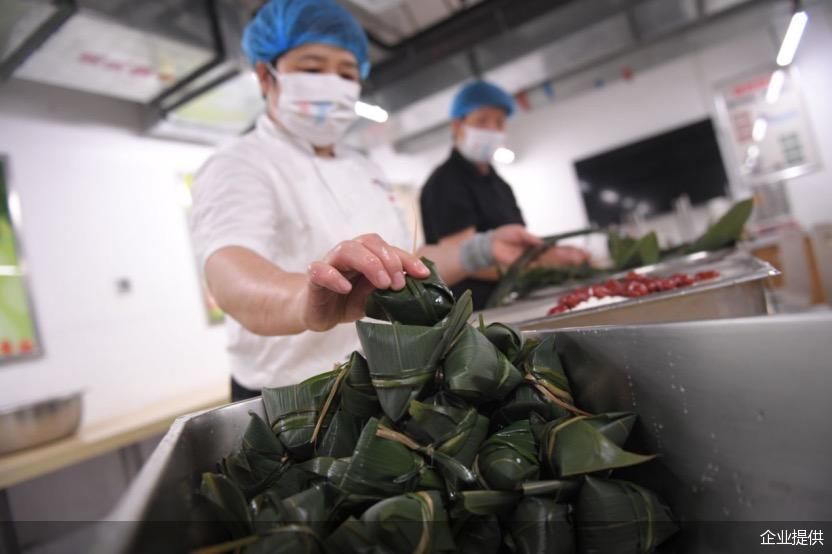
Core Insights - The upcoming Dragon Boat Festival coinciding with Children's Day is expected to drive a surge in restaurant bookings, particularly in scenic area outlets, with many restaurants already fully booked for the holiday [1][3] - Family-oriented consumption is projected to dominate, with estimates indicating that family customer share could exceed 35%, and average spending per family is expected to rise by 30% compared to regular days [5][8] Restaurant Booking Trends - Many traditional and scenic restaurants are experiencing a booking boom, with establishments like Cuihua Lou and Si Si Tong all reporting full reservations for the holiday [3] - The trend of early bookings is evident, with several restaurants reporting over 80% of their private dining rooms booked a week before the festival [3] Special Offerings and Promotions - Restaurants are launching various themed food items and special menus for the festival, including unique rice dumpling flavors and holiday meal packages [4][8] - Promotions targeting families are being implemented, such as special children's meals and complimentary gifts for families dining out on Children's Day [8] Consumer Behavior Insights - Data from Meituan indicates that over 49% of consumers searching for family activities are aged 25-35, highlighting a shift towards quality family experiences [5] - The restaurant industry is adapting to changing consumer preferences, with a focus on quality and value for money becoming increasingly important [13] Operational Preparedness - Restaurants are enhancing their service and food safety measures in anticipation of the holiday rush, including extended operating hours and improved customer service protocols [9][10] - Specific strategies include offering complimentary refreshments during wait times and implementing efficient ordering systems to reduce wait times [9] Market Dynamics - The dual holiday effect is expected to boost both foot traffic and sales for restaurants, although it may also lead to increased promotional competition among businesses [8] - Consumer preferences are shifting towards smaller, unique dining establishments rather than large, well-known brands, indicating a trend towards personalized dining experiences [13]
聚焦餐饮消费力 首都餐饮共建国际美食之都提质消费行动启动
Sou Hu Cai Jing· 2025-05-29 12:41
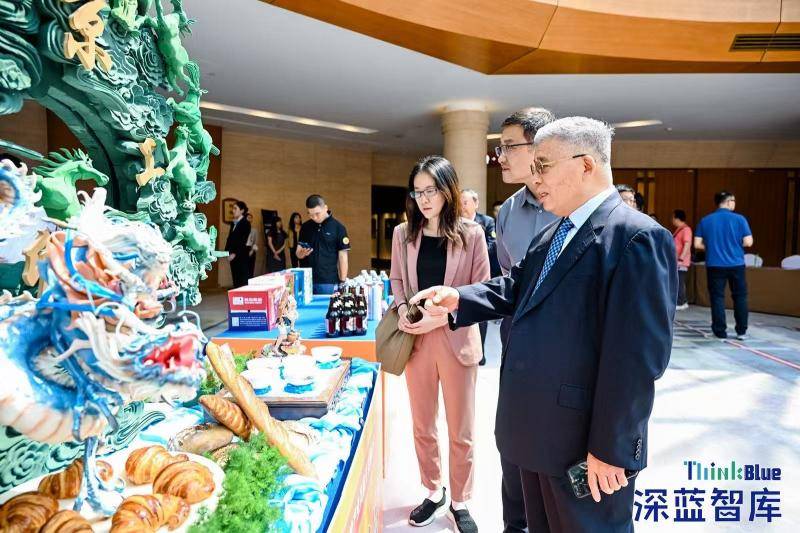
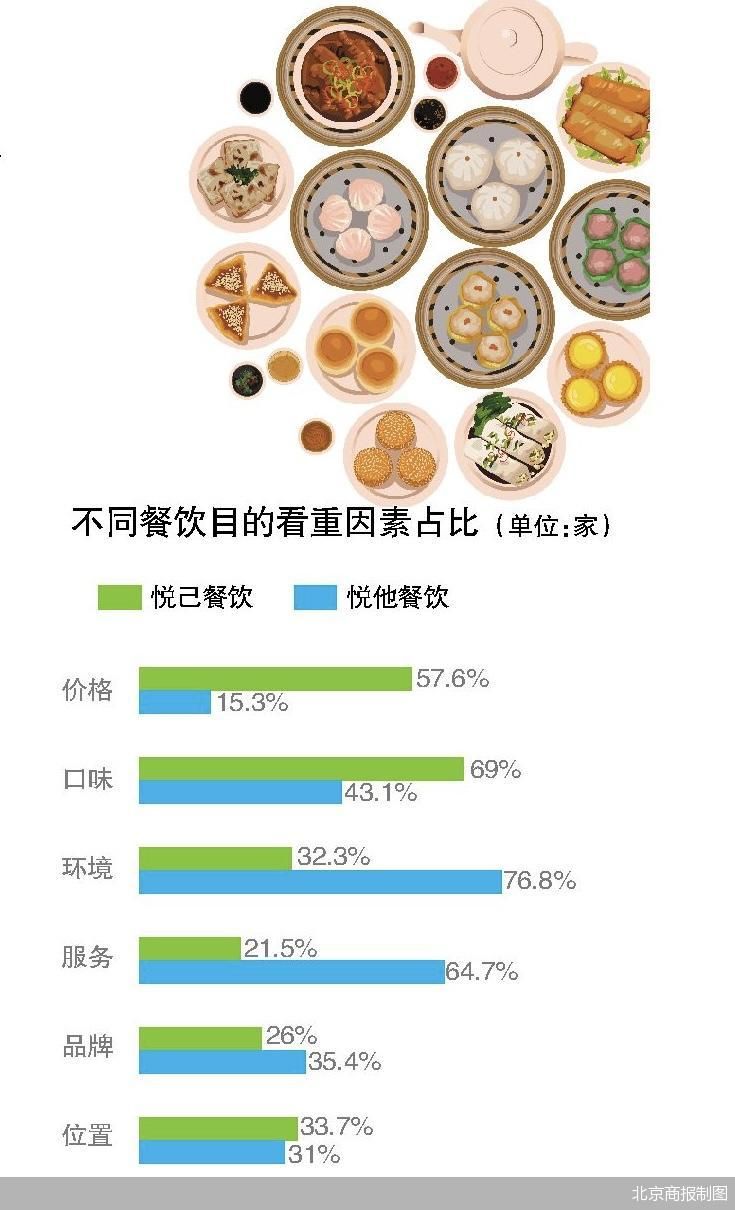
《报告》显示,餐饮消费市场经历深刻变革,消费者价格敏感度持续提升与品质追求同步增强,驱动行业加速向 以"质价比"为核心的竞争格局转型。在餐饮消费者对品牌的倾向性方面,20.6%的消费者选择知名品牌餐饮门 店;27.4%消费者偏好小众、有特点、个性的餐饮门店;另外有23.8%的消费者倾向于选择连锁餐饮品牌门店。调查 显示,29.6%的消费者选择价格合适的新餐厅。另外,随着消费需求的日益多样化和个性化,年轻消费者的健康 轻食需求激增,对"烟火气"场景情有独钟,现炒现做、明档厨房等模式成为新宠。而家庭类消费者更倾向于选择 适合聚餐类的菜品,并聚焦对儿童用餐友好的餐厅。 据了解,本次会议作为2025深蓝媒体智库年度论坛的主题论坛,由北京市商务局指导,北京烹饪协会与北京商报 社联合主办。 今年以来,餐饮行业在消费力重构的浪潮中步入深度转型期,市场呈现出鲜明的"消费分级"特征,高端餐饮持续 释放圈层化消费势能,而大众赛道则围绕性价比展开激烈角逐,"质价比"成为消费力流动的新航标。 本届会议以"寻路餐饮消费力"为主题,设置了多个不同维度的主旨演讲环节,共探餐饮消费提振路径,为餐饮企 业转型和提质增效提供指引。活动现场启动首 ...
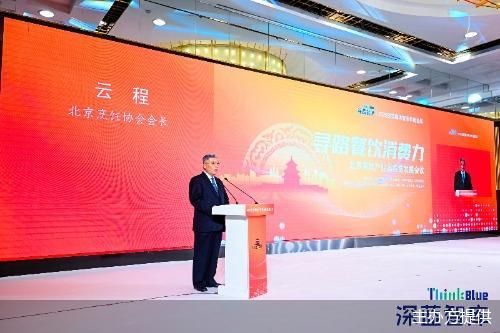
北京烹饪协会会长云程:需求适配是激活餐饮消费力的破局密钥
Bei Jing Shang Bao· 2025-05-29 06:54
Core Insights - The 2025 Beijing Catering Industry High-Quality Development Conference was held on May 29, focusing on enhancing the quality of the catering industry in Beijing [2] - The conference highlighted the resilience and vitality of Beijing's catering industry, with a significant increase in the proportion of private enterprises, reaching 91.52% as of May this year [2][4] Industry Trends - Consumer preferences are shifting towards quality-price ratio, with only 20.6% of consumers favoring well-known brands, while 27.4% prefer unique and characteristic dining options [3] - There is a growing trend of curiosity and novelty in dining experiences, with 29.6% of consumers willing to try new restaurants if the price is right [3] Market Dynamics - The Beijing catering industry is experiencing strong growth due to market recovery and policy benefits, with new business models like night-time consumption and digital dining emerging [4] - Despite growth, the industry faces structural challenges such as intensified competition, supply chain fluctuations, rising labor costs, and increasing rent pressures [4] Strategic Focus - Companies in the catering industry need to innovate to overcome development bottlenecks, focusing on digital upgrades, green practices, and cultural empowerment to enhance brand differentiation [4]
开业45天就倒下、60万打水漂!无限畅吃的自助餐厅批量收割创业者
Xin Lang Cai Jing· 2025-05-27 14:25
Core Viewpoint - The restaurant industry is facing intense competition and a wave of closures, particularly in the self-service hot pot segment, as many entrepreneurs rush to capitalize on trends without sustainable business models [3][19][44] Industry Overview - The restaurant industry has become a popular choice for entrepreneurs, especially in the wake of economic downturns, but it is no longer a guaranteed path to success [4][19] - The self-service hot pot sector, particularly the fresh-cut beef model, has seen rapid growth, with many new establishments opening across the country [20][23] Market Dynamics - Despite the initial popularity of fresh-cut beef self-service hot pots, many establishments are struggling to maintain profitability due to high operational costs and low customer retention [29][36] - The market has witnessed a significant number of closures, with reports indicating that over 30,000 hot pot restaurants closed last year alone [44] Consumer Behavior - Consumers are increasingly discerning, seeking value for money and quality, which has led to a decline in repeat business for many low-cost establishments [39][41] - The trend of prioritizing low prices over quality has resulted in negative customer experiences, further exacerbating the challenges faced by new entrants in the market [34][36] Entrepreneurial Challenges - Many entrepreneurs are entering the market without adequate planning or understanding of the complexities involved, leading to a high failure rate [42][44] - The restaurant industry requires a focus on product quality, effective marketing, and operational management to achieve long-term success, rather than relying solely on fleeting trends [41][46]
寻找消费力|快时尚行业消费者对价格敏感度与品质追求并存
Bei Jing Shang Bao· 2025-05-27 12:09
Industry Overview - Fast fashion serves as a "traffic engine" for the fashion industry, driving global apparel market expansion through high cost-performance and rapid iteration models [1] - Consumer preferences have shifted from a focus on low prices to an emphasis on quality-price ratio, prompting significant industry changes [1] - Both international giants and local brands must prioritize user value and restructure product, channel, and supply chain capabilities to survive in this competitive landscape [1] Company Strategy - UR emphasizes innovation in brand image, with strategies like "luxury flagship stores" and "thousand stores, thousand faces" to create enjoyable shopping experiences [5] - The company has a design team of over 500 people and two major design centers in Asia and Europe, focusing on product innovation and design optimization [5] - UR prioritizes quality management and offers a reasonable price while maintaining high-quality standards, making its products more competitive during economic fluctuations [5] Supply Chain and Production - UR's core competitive advantage lies in its "small order quick response" flexible supply chain, which integrates AI and big data for smart decision-making [6] - The company has developed its own supply chain collaboration platform and product management platform to enhance production efficiency and responsiveness to fashion trends [6] Consumer Engagement - UR adapts to changing consumer habits by focusing on creativity and aesthetic capabilities, targeting personalized, scenario-based, and fresh demands [7] - The brand utilizes celebrity collaborations and diverse product offerings to attract younger consumers and meet their social dressing needs [7] - UR's rapid iteration capabilities allow it to quickly respond to high-frequency product updates while maintaining strict quality control throughout the supply chain [7] Channel Strategy - UR operates over 400 offline stores, balancing inventory and display aesthetics, while leveraging online channels for smaller initial orders [8] - The company aims to present a cohesive brand image through a combination of online and offline strategies, adjusting sales ratios as consumer preferences evolve [8] Marketing and Consumer Experience - UR focuses on enhancing consumer experience through initiatives like "experience upgrades, holiday promotions, and market expansion" [9] - Recent marketing efforts include collaborations with influencers and promotional events to boost store traffic and consumer engagement [9] - The company is also expanding its market presence, with new store openings and promotional incentives to attract new customers [11] Global Expansion - UR aims for global growth, having opened its first overseas store in Singapore in 2016 and now operating nearly 20 stores in various countries [11] - The company is actively seeking growth opportunities in the global fashion market, recognizing the diverse demands in the fashion apparel category [11]

寻找消费力|餐饮 始于猎奇忠于品质
Bei Jing Shang Bao· 2025-05-26 10:30
Core Insights - The restaurant industry is undergoing a transformation from basic needs to personalized and diverse experiences, driven by consumer demand for quality and safety alongside price sensitivity [1][5][6] Group 1: Consumer Behavior - Consumers are increasingly focused on product value, with a notable shift towards seeking high cost-performance ratios while maintaining expectations for food safety and quality [5][6] - The average price in the restaurant sector has decreased, with a drop from 43.2 yuan in 2022 to 42.6 yuan in 2023, and further declining to 39.8 yuan in 2024 [5] - A significant portion of consumers (29.6%) are willing to try new restaurants if the price is right, indicating a strong desire for novel dining experiences [9] Group 2: Industry Trends - The restaurant sector is moving from price competition to a focus on supply chain efficiency and quality assurance [6][12] - Emotional value and unique dining experiences are becoming key drivers for consumer engagement, with a rise in demand for immersive and thematic dining environments [7][10] - Brands are innovating in store models and experience design to enhance customer emotional resonance and brand loyalty [10][13] Group 3: Market Dynamics - The market is characterized by a diverse consumer base with varying preferences, such as younger consumers favoring healthy options and families seeking child-friendly dining experiences [12][13] - Long-term customer loyalty is essential for success, as evidenced by brands that maintain high repurchase rates through quality offerings rather than short-term promotional tactics [11][13]
电视销量升至行业前二 起底Vidda超速发展的密码
21世纪经济报道· 2025-05-16 13:45
Core Viewpoint - Vidda has emerged as the fastest-growing brand in the domestic home audio-visual sector, despite being relatively unknown compared to competitors like Xiaomi and TCL [1][2]. Market Performance - As of early May 2025, Vidda's cumulative online sales market share reached 13%, placing it among the top two in the industry [2][9]. - Vidda's television sales have consistently ranked in the top five in the online market from 2022 to 2024, with a significant reduction in the gap with Xiaomi and TCL [9]. Brand Positioning - Vidda targets young consumers with a focus on stylish technology, leveraging Hisense's production and supply chain capabilities to enhance product quality [2][8]. - The brand emphasizes "quality-price ratio" over mere low pricing, catering to the evolving demands of young consumers who seek higher quality and diverse functionalities [8][10]. Product Development - Vidda has successfully diversified its product line from traditional televisions to include gaming TVs and laser projectors, addressing various market needs [4][5]. - The introduction of the Vidda gaming TV X series in 2022 featured advanced specifications such as 120Hz refresh rate and support for 4K/120fps transmission, appealing to both casual viewers and gaming enthusiasts [4]. Customer Service and Innovation - Vidda's unique "high-altitude mode" for projectors demonstrates its commitment to customer service, adapting products to specific user environments [6]. - The brand has established itself as a trustworthy player in the market by advocating for transparency in product specifications, such as not exaggerating brightness in projectors [5][9]. Recent Developments - In March 2025, Vidda launched the new X series of televisions, maintaining its competitive edge with unique features like the only ink crystal screen in its price range [10]. - The introduction of "wallpaper TVs" reflects Vidda's adaptation to market trends, emphasizing aesthetics alongside functionality [10].

大众点评2025年“必吃榜”入围名单公布
Zheng Quan Shi Bao Wang· 2025-05-15 13:41
Core Insights - The 2025 "Must-Eat List" by Dianping has been announced, covering 3,146 restaurants across 144 cities and regions, with significant growth in both domestic and international locations [1][2] - The restaurant industry in China is experiencing a recovery, with a focus on local flavors and value-for-money offerings, as indicated by the increasing number of non-chain and long-established local eateries [1][2] Group 1: Overview of the 2025 "Must-Eat List" - The list includes 3,146 restaurants, with 1,700 new entries compared to last year, and features 116 domestic cities and 28 international cities [1] - Key trends include a strong emphasis on "local characteristics," "freshly prepared," and a significant representation of non-chain restaurants, which account for over 50% of the list [1][2] - The average consumer spending in the restaurant sector is stable at around 75 yuan, with nearly 80% of restaurants priced under 100 yuan per person [1] Group 2: Emerging Cities and Restaurant Composition - New cities such as Jieyang, Quzhou, Linyi, and Baotou have seen over 40% of their user traffic coming from outside the area, indicating a growing interest in these locations as culinary destinations [2] - Over 70% of the new entrants are street food vendors, with nearly 40% being local establishments that have been in business for over 10 years [2] - The list has expanded to include 15 new international cities, reflecting a growing trend of users exploring culinary options in regions like Japan, Southeast Asia, and Europe [2] Group 3: Impact and Future Prospects - The "Must-Eat List" has become a significant driver for restaurant growth, with online traffic for newly listed merchants in new cities increasing by over 50% following the announcement [3] - The platform will continue to rigorously select restaurants during the public announcement period to ensure quality and authenticity [3]