
资本市场改革

Search documents
黄奇帆:建议额外调度银行、社保、保险、外汇资金 降低企业负债率
Di Yi Cai Jing· 2026-01-10 14:08
Core Viewpoint - The discussion emphasizes the need for a dual approach in China's capital market reform, focusing on both the stock market and the capital formation mechanisms for enterprises [1][3]. Group 1: Capital Market Structure - The capital market consists of two "wheels": the stock market involving listed companies and investors, and the broader capital formation mechanisms for all enterprises, including private equity funds [3][4]. - A sustainable capital replenishment mechanism is essential to address the long-standing issues of corporate profitability and risk in China [4]. Group 2: Corporate Debt and Equity Capital - Historically, China's corporate debt ratio has been around 70%, significantly higher than the 30%-40% seen in the US and Europe, indicating a critical issue in corporate capital structure [4][5]. - The need for an additional 30 trillion to 40 trillion yuan in capital is highlighted to improve the equity capital of Chinese enterprises from approximately 200 trillion yuan to around 240 trillion yuan, potentially reducing the debt ratio to 55% or 50% [5]. Group 3: Sources of Additional Capital - Four potential sources for the additional capital are identified: 1. Bank capital, where banks could allocate about 1 trillion yuan for equity investments [6]. 2. National social security funds, which could contribute approximately 2 trillion yuan [6]. 3. Commercial insurance funds, with a potential contribution of around 4 trillion yuan [7]. 4. Foreign exchange reserves, which could be leveraged through special government bonds to create additional funding [7]. Group 4: Expected Benefits - The formation of this additional equity capital could lead to improved corporate risk management, enhanced productivity, significant investment returns, and increased influence of state-owned enterprises on the national economy [7][8]. - An estimated average return of 8% on these investments could yield 3 trillion to 4 trillion yuan in investment returns, benefiting public finances and social security funds [8].

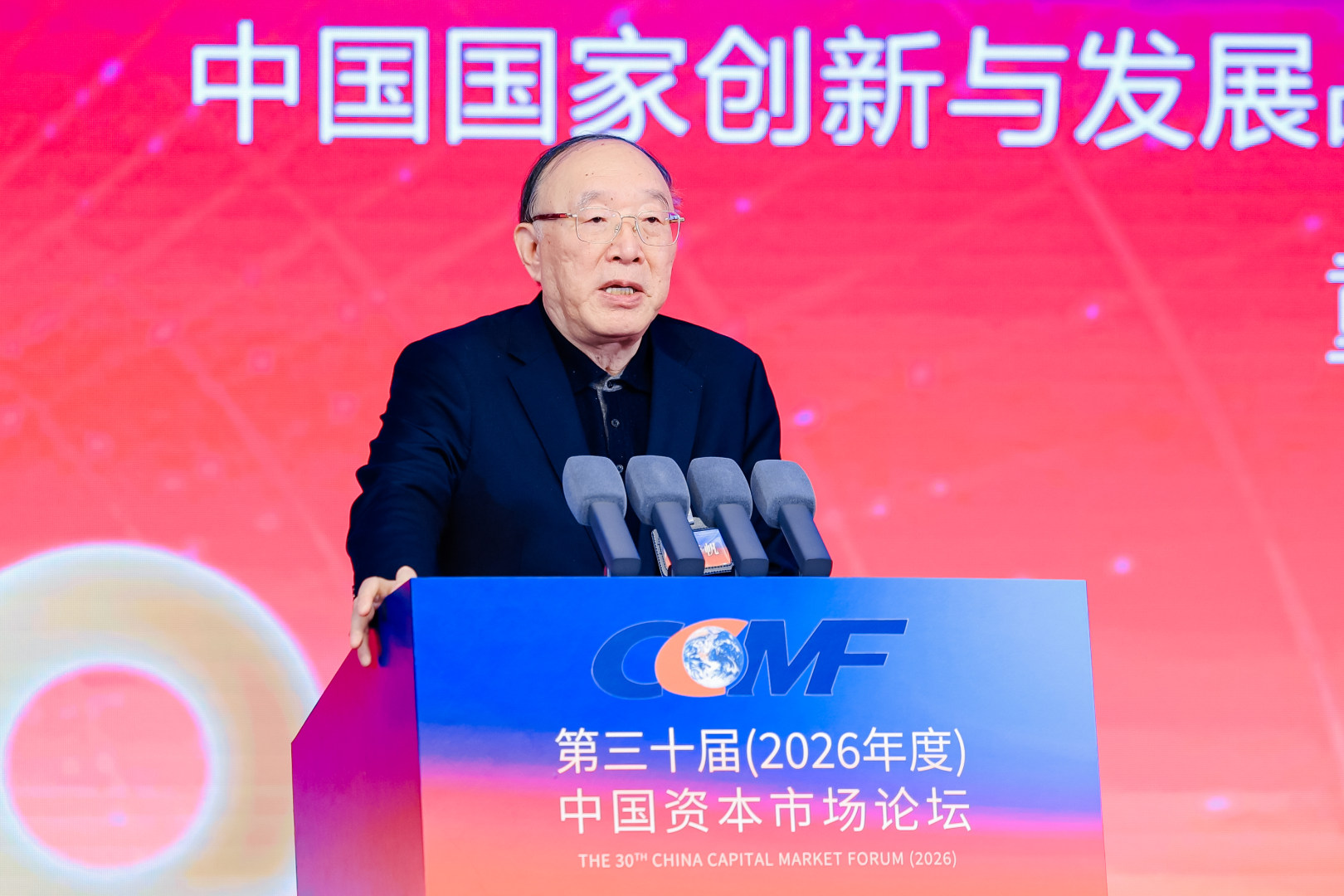
黄奇帆:建议额外调度银行、社保、保险、外汇资金,降低企业负债率
Di Yi Cai Jing· 2026-01-10 14:05
Core Viewpoint - The capital market in China should not be limited to securities and listings; it encompasses both equity investment funds and mechanisms for capital replenishment, which are essential for driving the national economy [1][3]. Group 1: Capital Market Structure - The capital market consists of two "wheels": the stock market formed by listed companies, securities firms, and investors, and the broader mechanism for capital formation and replenishment for all enterprises, including the development of equity investment funds [3][4]. - A sustainable capital replenishment mechanism is crucial for addressing the efficiency and risk issues faced by Chinese enterprises, which currently have a debt ratio of around 70% [4][5]. Group 2: Historical Context and Current Challenges - Historically, state-led initiatives in the 1990s, such as the bankruptcy write-off of state-owned enterprises and the development of the stock market, significantly contributed to capital replenishment [4]. - By 2000, the capital of listed companies in China was over 70%, but this has since declined, with current debt levels being significantly higher than those in the US and Europe [4][5]. Group 3: Proposed Solutions for Capital Replenishment - To improve the capital structure, an additional 30 trillion to 40 trillion yuan is needed to raise the total capital of Chinese enterprises from approximately 200 trillion yuan to around 240 trillion yuan, potentially reducing the debt ratio to 55% or 50% [5][6]. - Four sources for this additional capital include: 1. Bank capital, which could contribute about 1 trillion yuan as investment funds [6]. 2. National social security funds, which could allocate around 2 trillion yuan for investment [6]. 3. Commercial insurance funds, which could provide approximately 4 trillion yuan [7]. 4. Foreign exchange funds, which could be mobilized through special government bonds [7]. Group 4: Expected Benefits of Capital Injection - The formation of this additional equity capital could lead to improved enterprise risk management, enhanced productivity, significant investment returns, and increased influence of state-owned enterprises on the national economy [7][8]. - An estimated average return of 8% on these investments could yield 3 trillion to 4 trillion yuan in investment returns, benefiting public finances and providing dividends to citizens [8].
建言资本市场发展!黄奇帆、高培勇、吴晓求、丁志杰最新发声
券商中国· 2026-01-10 12:06
Group 1: Core Perspectives - The forum highlighted the importance of enhancing direct financing through a dual approach of developing both the stock market and equity investment funds [3][6] - The establishment of an equity guidance fund involving banks, social security, insurance, and foreign exchange funds was proposed to support corporate equity replenishment [3][6] Group 2: Key Discussions by Scholars - Huang Qifan emphasized the need for a multi-channel approach to increase direct financing, suggesting that approximately 1 trillion yuan could be sourced from bank capital for equity investment funds [5][6] - Gao Peiyong pointed out that improving expectation management mechanisms is crucial for the governance of the capital market and macroeconomic stability [7][9] - Wu Xiaoqiu discussed the necessity of reforms in asset, investment, and institutional aspects to meet diverse financing needs and enhance market confidence [10][12] - Ding Zhijie noted that optimizing the financial structure and converting long-term household savings from banks into patient capital is essential for increasing direct financing [13][15]

吴晓求:资本市场应做好资产端、投资端、制度端三重改革
Xin Lang Cai Jing· 2026-01-10 07:06
Group 1 - The core viewpoint is that since September 24, 2024, China's capital market has undergone fundamental changes, with a gradual recovery of market confidence and stabilization of expectations. The next phase requires reforms in the asset side, funding side, and institutional side of the capital market [1] Group 2 - On the asset side, the goal of reform is to adjust the structure of listed companies in China, promoting high-tech and innovative enterprises as the main entities. The capital market is a risk market, and sustainable development relies on risk-return profiles that meet investor demands [3] - The core objective of funding side reform is to expand market liquidity, ensuring it remains relatively abundant. The focus is on encouraging large funds to enter the market, as historically, individual investors dominated, and long-term funds were constrained by rules and risk considerations [3] - Institutional reform is essential for the effectiveness of asset and funding side reforms. The primary goal is to ensure market confidence and expectations, with a focus on transparency and accurate disclosure of information by issuers [3] Group 3 - The three foundational pillars for developing the capital market are a sound legal system, a strong spirit of contract, and market transparency. The spirit of contract includes stability in the macro environment and predictability in policies, while the legal system is fundamental to financial sustainability [4] - Transparency is described as the lifeline of the capital market, necessitating legal and policy measures to ensure that market participants, especially listed companies and intermediaries, provide truthful information and maintain market order [4]
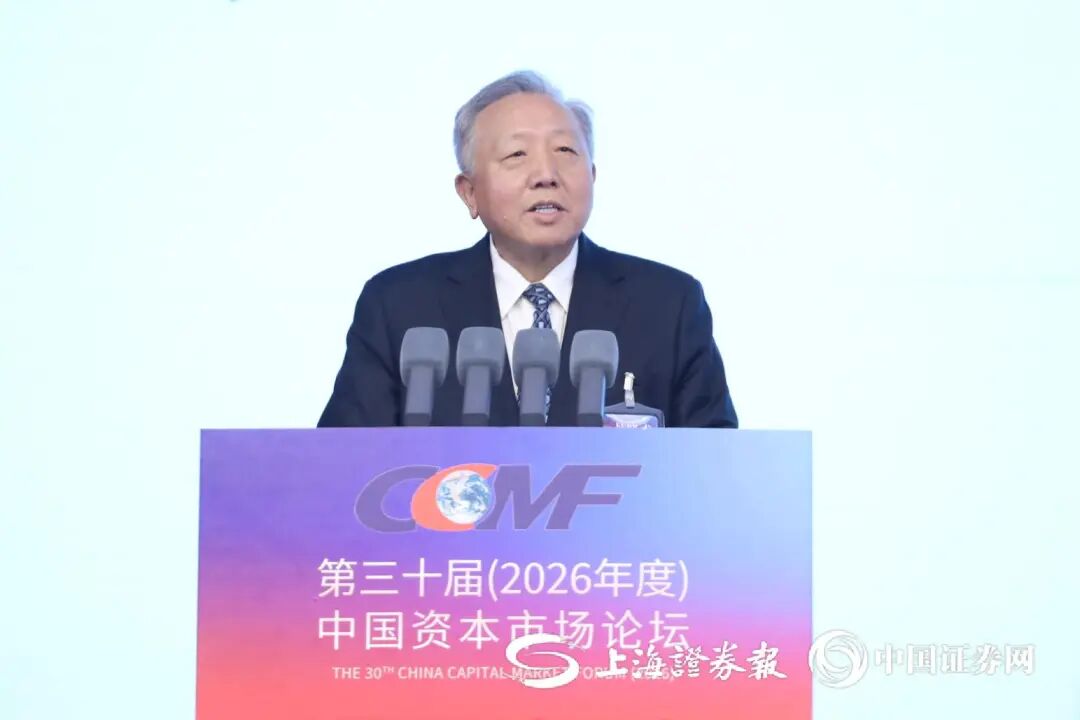
中国人民大学国家金融研究院院长吴晓求:资本市场应做好资产端、投资端、制度端三重改革
Sou Hu Cai Jing· 2026-01-10 06:35
Core Viewpoint - Since September 24, 2024, China's capital market has undergone fundamental changes, with market confidence gradually recovering and expectations stabilizing. The next phase requires reforms in the asset side, funding side, and institutional side of the capital market [2][3]. Group 1: Asset Side Reform - The goal of asset side reform is to adjust the structure of listed companies in China, promoting high-tech and innovative enterprises as the mainstay. The capital market is a risk market, and sustainable development relies on risk-return profiles that meet investor demands [3]. Group 2: Funding Side Reform - The core objective of funding side reform is to expand market liquidity, ensuring it remains relatively abundant. The focus is on encouraging large funds to enter the market, as historically, the market has been dominated by individual investors, with long-term funds constrained by rules and risk considerations [3]. Group 3: Institutional Side Reform - Institutional reform is essential for the effectiveness of asset and funding side reforms. The primary goal is to ensure market confidence and expectations, with a focus on enhancing market transparency. Issuers must disclose statutory information truthfully to avoid hidden risks [3][4]. Group 4: Legal Framework and Market Integrity - The transition from administrative penalties to a legal system focused on criminal penalties and civil compensation is necessary to eliminate risks such as fraud, financial misrepresentation, and insider trading. Heavy penalties should be imposed on those who conceal risks or assist in such actions [4]. Group 5: Foundations for Capital Market Development - The three foundational pillars for capital market development are a sound legal system, a strong spirit of contract, and market transparency. The spirit of contract includes stability in the macro environment and predictability in policies, while transparency is vital for maintaining market order and requires accurate information disclosure from market participants [5].
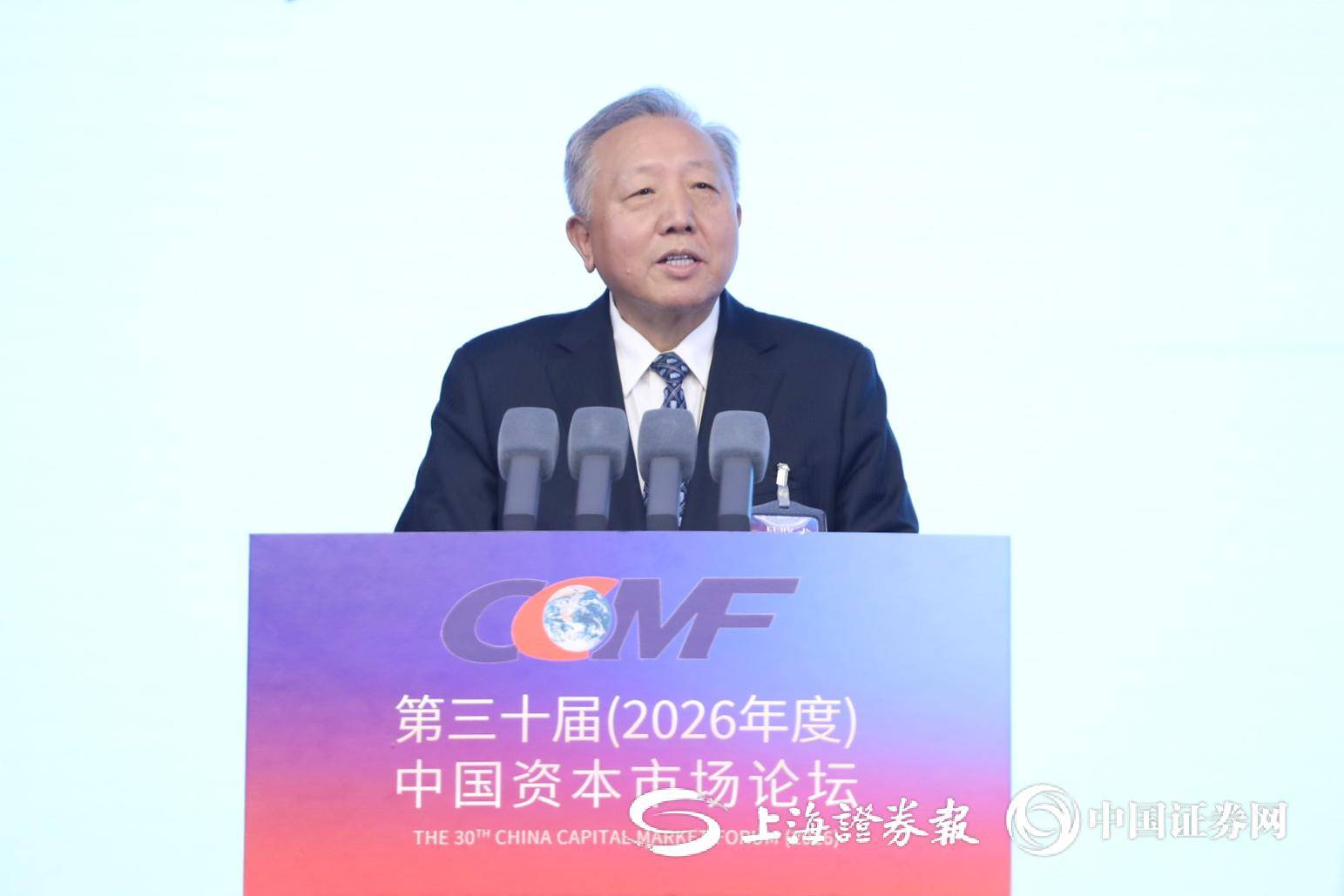
吴晓求:“924”行情以来,中国资本市场发生了根本性变化
Di Yi Cai Jing Zi Xun· 2026-01-10 05:05
Core Viewpoint - The Chinese capital market has undergone fundamental changes over the past year, particularly since the "924" market rally, leading to a restoration of market confidence [1] Group 1: Market Reforms - The capital market requires three key reforms: asset side (restructuring of listed companies), investment side (expansion of market liquidity), and regulatory side (enhancing transparency and fairness of rules) [1] - Emphasis on removing "landmines" in the capital market, with severe penalties for those who create or assist in creating fraudulent listings [1] Group 2: Enforcement and Penalties - Proposed shift from administrative penalties to criminal prosecution and civil compensation for fraudulent activities in the capital market [1] - Equal penalties for intermediary institutions that assist in fraudulent activities [1]
一线交流促实干 上交所党委走基层赴一线学习宣传全会精神
Zheng Quan Ri Bao Wang· 2026-01-09 14:07
Core Viewpoint - The Shanghai Stock Exchange (SSE) is committed to implementing the spirit of the Fourth Plenary Session of the 20th Central Committee of the Communist Party of China, focusing on deepening capital market reforms and enhancing confidence and motivation among stakeholders [1][2]. Group 1: Organizational Commitment - The SSE Party Committee views the promotion of the plenary session's spirit as a major political task, organizing and mobilizing efforts to ensure it reaches grassroots levels [2][3]. - A detailed implementation plan with 17 specific measures has been developed to ensure the effective execution of the plenary session's directives [2]. - The SSE leadership is actively engaging in learning and promoting the plenary session's spirit, fostering a culture of understanding and commitment among employees [2][3]. Group 2: Grassroots Engagement - The SSE is focused on bridging the gap in grassroots learning and implementation of the plenary session's spirit, with leadership actively participating in educational initiatives [3][4]. - Various grassroots organizations are conducting learning sessions to ensure comprehensive understanding and commitment to the plenary session's directives [3]. - There is a collective agreement among SSE staff to enhance the capital market's role in supporting direct financing and adapting to the needs of the real economy [3][4]. Group 3: Regulatory Enhancements - The SSE emphasizes the importance of maintaining market stability and enhancing the resilience and risk management capabilities of the capital market [4][5]. - There is a commitment to strengthening regulatory measures against fraudulent activities and improving the overall regulatory environment to attract long-term investments [4][5]. - The SSE aims to optimize the capital market ecosystem to meet the investment needs of residents and enhance international competitiveness [4][5]. Group 4: Collaborative Efforts - The SSE is actively engaging with market participants and stakeholders to gather insights and foster a collaborative environment for reform [6][7]. - The SSE is conducting thematic research and discussions with various sectors to explore practical measures for capital market support of technological innovation [6][7]. - International cooperation is being prioritized, with plans for an international investor conference to discuss development opportunities and promote the SSE's initiatives [7][8]. Group 5: Future Directions - The SSE plans to continue its efforts in promoting the plenary session's spirit, ensuring comprehensive training and innovative outreach activities [8]. - There is a focus on translating the learning outcomes into tangible results that enhance risk management and promote high-quality development in the capital market [8].
刘纪鹏呼吁:证券化率提至1,沪指有望重上5100点!
Sou Hu Cai Jing· 2026-01-08 22:47
Core Viewpoint - The continuous 14-day upward trend of the Shanghai Composite Index marks a historic moment for China's capital market, reflecting the necessity for reforms to enhance the financial sector and achieve a higher level of economic development [1][3]. Historical Moment - On January 8, 2026, the Shanghai Composite Index achieved a historic milestone with its first-ever 14 consecutive days of gains, reaching a new high not seen in over a decade [3]. - This trend is viewed as a result of deep reforms in the capital market, essential for China's rise as a major power [3]. Key Concepts - The securitization rate, a critical indicator of a country's financial market development, is defined as the ratio of total market capitalization to GDP [5]. - As of 2021, China's A-share securitization rate was 84.3%, significantly lower than developed countries, which often exceed 100% [5]. Reform Path - To increase the securitization rate to around 1, the market capitalization must rise from approximately 112 trillion yuan to about 140 trillion yuan, which would also elevate the Shanghai Composite Index to around 5100 points [7]. - Achieving this goal requires deep reforms, including stricter regulations on major shareholder sell-offs and enhanced protection for retail investors [7]. Historical Comparison - The Shanghai Composite Index previously surpassed 5100 points in August 2007 and June 2015, with each instance characterized by different market dynamics [9]. - The 2007 surge was driven by a broad market rally, while the 2015 peak saw a significant divergence between large-cap and small-cap stocks [9]. Institutional Safeguards - A new regulatory framework involving the Securities Regulatory Commission, associations, and independent directors is proposed to enhance oversight and prevent conflicts of interest [11]. - Emphasis is placed on transforming investor education into financing education to create a balanced market that protects small investors [11]. Current Challenges - Despite the increase in the securitization rate from 23.4% in 1997 to 84.3% in 2021, there remains a gap compared to the expectations of a major power [13]. - The capital market is seen as a tool not only for serving the real economy but also for increasing residents' wealth and promoting common prosperity [13]. Future Outlook - The recent record of the Shanghai Composite Index may signal the beginning of a broader trend towards achieving a securitization rate of 1, which is crucial for China's financial stature on the global stage [15].

证券行业信用风险展望(2025年12月)
Lian He Zi Xin· 2026-01-08 11:48
Investment Rating - The report indicates a stable credit risk outlook for the securities industry, with expectations of manageable risks in the coming year [10][73]. Core Insights - The securities industry is experiencing a positive performance trend, with overall revenue and profit growth expected in 2025, driven by active capital markets and increased contributions from wealth management and proprietary trading [10][73]. - Regulatory bodies have been actively refining rules and policies, enhancing the operational framework for securities companies, which is expected to support long-term growth and stability in the industry [11][12][13]. - The concentration of the securities industry is increasing due to mergers and acquisitions, leading to intensified competition among smaller firms [16][19]. Industry Policy and Regulatory Environment - Since 2025, the China Securities Regulatory Commission (CSRC) has been actively revising and implementing rules to enhance market stability and compliance, focusing on long-term development and risk management [11][12][13]. - The regulatory environment is shifting from rule-making to enforcement, allowing the market to adapt to existing regulations [15]. Industry Competition Status - The total assets of securities companies have been steadily increasing, with a reported growth of 9.30% in total assets and 6.10% in net assets year-on-year as of 2024 [16][17]. - The top ten securities firms account for a significant portion of the industry’s revenue and profit, indicating a high level of market concentration [17]. Industry Operating and Financial Conditions - The overall performance of securities companies is improving, with a projected revenue growth of 23.47% year-on-year for the first half of 2025 [17][26]. - The proprietary trading segment has become the primary revenue source, with a notable increase in investment income [16][26]. - The asset management sector is also showing growth, with a significant increase in the number of new products launched in 2025 [49]. Debt Market Performance - The issuance of debt instruments by securities companies has surged, with a 72.70% increase in the number of issues and an 83.15% increase in issuance volume in 2025 [63][64]. - The credit quality of issuers remains high, with the majority rated AAA or AA+, indicating a stable financing environment [66][67]. Future Outlook - The securities industry is expected to maintain a positive growth trajectory, supported by ongoing regulatory reforms and a stable economic environment [73][74]. - The focus on asset market reforms and the enhancement of capital market inclusivity are anticipated to bolster the industry's resilience and growth potential [73].
研报掘金丨东吴证券:维持广发证券“买入”评级,配售H股及发行可转债,有望抓住机遇进一步突破
Ge Long Hui A P P· 2026-01-08 05:22
Group 1 - The core viewpoint of the article is that Guangfa Securities plans to issue H-shares and convertible bonds to raise funds for expanding its international business, taking advantage of the improving capital market and macroeconomic recovery [1] - The ongoing reform in the capital market is expected to enhance the policy environment for the securities industry, providing a favorable backdrop for future development [1] - The company has slightly adjusted its previous profit forecasts, expecting net profits attributable to shareholders to reach 14.8 billion, 17.2 billion, and 19.6 billion yuan for the years 2025-2027, with growth rates of 53%, 16%, and 15% respectively [1] Group 2 - The current market capitalization corresponds to price-to-book ratios of 1.37, 1.25, and 1.14 for the years 2025-2027 [1] - The investment rating for the company is maintained at "Buy" [1]

