即时零售

Search documents
泉州即时零售市场热潮涌动!「百汇优淘」超市将进驻鲤城江南!朴朴、元初、大润发……
Sou Hu Cai Jing· 2025-09-13 00:16
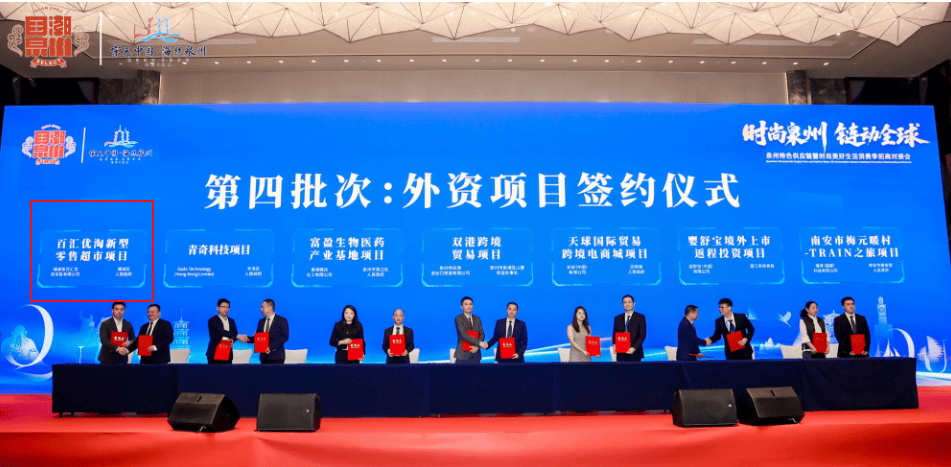
Group 1 - The core viewpoint of the article highlights the rapid growth and competition in the instant retail market in Quanzhou, driven by new projects like the Baihui YouTao supermarket and the increasing demand for fast delivery services [1][3] - Baihui YouTao, a new retail supermarket project, is set to invest $20 million in the renovation and management of the Baihui Building in Quanzhou, focusing on community discount supermarkets [1][3] - The Quanzhou area is experiencing a surge in instant retail, with major players like Meituan, Alibaba, and JD.com heavily investing in marketing and operational strategies to capture market share [5][8] Group 2 - Instant retail platforms like Pupu Supermarket have gained significant traction, achieving over 16,000 orders on its opening day in Quanzhou, showcasing the demand for quick delivery services [10] - Traditional supermarkets, such as RT-Mart, are also adapting to the instant retail trend by enhancing their online services and implementing efficient delivery systems [11] - The overall instant retail market in China is projected to reach a scale of 1.5 trillion yuan by 2025, with an annual growth rate of approximately 25% [12] Group 3 - Brands are increasingly leveraging instant retail to enhance customer experience, with companies like Anta and Aokang achieving rapid delivery times, thus transforming consumer purchasing habits [16][17] - The integration of logistics technology is crucial for the success of instant retail, allowing for efficient order processing and delivery [17] - The future of instant retail is expected to focus not only on speed but also on service quality, with innovations like AR for customer engagement and flexible return policies being tested [18]


互联网电商25Q2业绩总结及展望:即时零售+电商协同深化,AI投入成效初显
Shenwan Hongyuan Securities· 2025-09-12 14:46
Investment Rating - The report maintains a positive outlook on the internet e-commerce industry, recommending investments in Alibaba, JD.com, Meituan, and Pinduoduo [4]. Core Insights - The online retail penetration rate continues to rise, with the total retail sales in the first seven months of 2025 reaching 28.4 trillion yuan, a year-on-year increase of 4.8%. The online retail sales amounted to 8.7 trillion yuan, growing by 9.2% year-on-year, with a penetration rate increase of 1.2 percentage points to 30.6% [4][7]. - Major e-commerce platforms have accelerated their growth in GMV (Gross Merchandise Volume), with JD.com leading the industry due to favorable national subsidy policies during the 618 shopping festival. Alibaba and Pinduoduo also showed healthy growth, while Meituan faced pressure due to intensified competition [4][13]. - The integration of AI into e-commerce platforms is driving significant changes, with the AI cloud market expected to grow by 149% to 51.8 billion yuan in 2025. Leading companies like Alibaba Cloud are experiencing substantial revenue growth from AI-related products [4][18]. Summary by Sections 1. Strong Growth in Online Consumption and Increased Focus on Instant Retail - Instant retail and e-commerce are showing initial synergy effects, with platforms experiencing healthy growth in their core businesses. The rapid expansion of instant retail is changing fulfillment models, with significant growth in express delivery volumes [4][7]. - The 618 shopping festival saw a notable increase in sales, with instant retail sales growing by 19% year-on-year to 29.6 billion yuan, indicating the effectiveness of collaborative efforts among major platforms [4][39]. 2. Impact of National Subsidies and Investment in Instant Retail - The report highlights the deepening impact of national subsidies and investments in instant retail, leading to a divergence in revenue growth among major platforms. JD.com outperformed expectations, while Meituan's performance was below expectations due to competitive pressures [4][47]. - Revenue growth rates for major platforms in Q2 2025 were as follows: JD.com at 22.4%, Meituan at 11.7%, Pinduoduo at 7.2%, and Alibaba at 1.8% [4][47]. 3. Investment Analysis - The report suggests that the 618 shopping festival, combined with national subsidies and investments in instant retail, has driven overall industry traffic upward, although profit margins are under pressure. The platforms' profitability is becoming increasingly differentiated, with JD.com and Pinduoduo showing strong performance [4][47]. - The ongoing investments in AI and new business layouts are expected to provide structural improvements for long-term growth, reinforcing a positive outlook for the platforms' future development [4][47].
今年双11 ,将有千量级品牌入驻淘宝闪购
第一财经· 2025-09-12 14:35
Core Insights - The article discusses the upcoming "Double 11" shopping festival and highlights the importance of AI and instant retail in shaping e-commerce strategies for this year [3][4]. Group 1: AI Integration in E-commerce - Alibaba has launched the "AI Universal Search" product, which utilizes large models to analyze user shopping preferences, indicating a shift towards understanding consumer behavior rather than just search precision [3]. - The upgrade of the merchant tool "Wanshangtai" to "Wanshangtai AI Unlimited" aims to leverage AI to connect people, goods, and venues, potentially helping merchants discover new customer segments and growth opportunities [3]. Group 2: Instant Retail and User Engagement - After a competitive summer in the food delivery sector, Taobao's instant purchase feature has shown significant results, with a 25% year-on-year increase in monthly active users and a 200% increase in order numbers for the instant purchase demographic [3][4]. - The integration of offline brand stores into Taobao's instant purchase feature is expected to enhance user engagement and streamline logistics, with thousands of brands anticipated to join for the Double 11 event [4]. Group 3: Future Projections and Market Impact - The anticipated transformation in user ordering paths, allowing customers to choose between standard delivery and instant retail, is expected to boost platform traffic and efficiency [4]. - Over the next three years, the entry of a million brand stores into the instant purchase model is projected to generate an additional 1 trillion yuan in transaction volume for the platform [4].
今年双11 将有千量级品牌入驻淘宝闪购
Di Yi Cai Jing· 2025-09-12 14:20
Core Insights - E-commerce platforms are preparing for the upcoming "Double 11" shopping festival, with a focus on AI and instant retail as key areas for growth and innovation [2] - Alibaba's Taobao has launched the "AI Universal Search" feature, which aims to enhance user experience by understanding shopping behaviors rather than just improving search accuracy [2] - The integration of instant retail with Taobao's flash sales has shown promising results, with a 25% year-on-year increase in monthly active users and a 200% increase in order numbers for flash sale customers [2][3] Group 1 - The upcoming Double 11 is expected to see thousands of brands participating in Taobao's flash sales, which will integrate online and offline resources [3][4] - Taobao is likely to undergo a transformation allowing users to choose between standard delivery and instant retail delivery when ordering from brand flagship stores, potentially increasing platform traffic and efficiency [4] - The introduction of millions of brand stores into the flash sales and instant retail segments is projected to generate an additional 1 trillion yuan in transactions over the next three years [5]
今年双11 ,将有千量级品牌入驻淘宝闪购
第一财经网· 2025-09-12 14:17
Group 1 - E-commerce platforms are preparing for the upcoming "Double 11" shopping festival, focusing on AI and instant retail as key strategies for growth [1][3] - Alibaba's Taobao has launched the "AI Universal Search" product, which aims to enhance user search experiences by understanding shopping behaviors and trends, potentially creating new opportunities in advertising and e-commerce content [1][3] - The introduction of the upgraded "Wanshangtai AI Unlimited" tool is expected to help merchants identify new customer segments and drive growth during this year's Double 11 [1] Group 2 - Taobao's flash sales have significantly boosted user engagement, with a 25% year-on-year increase in monthly active users and a 200% rise in order numbers for flash sale customers in August [3] - The integration of online and offline resources through Taobao's flash sales is anticipated to attract thousands of brands, enhancing the platform's ability to drive traffic and sales [3][4] - Future modifications to the platform may allow users to choose between standard delivery and instant retail delivery, which could improve platform efficiency and traffic [4] Group 3 - The expected influx of one million brand stores into the flash sales and instant retail segments is projected to generate an additional 1 trillion yuan in transaction volume over the next three years [4]
双11红利在哪里?阿里妈妈将增长锚定全场景经营
36氪· 2025-09-12 14:11
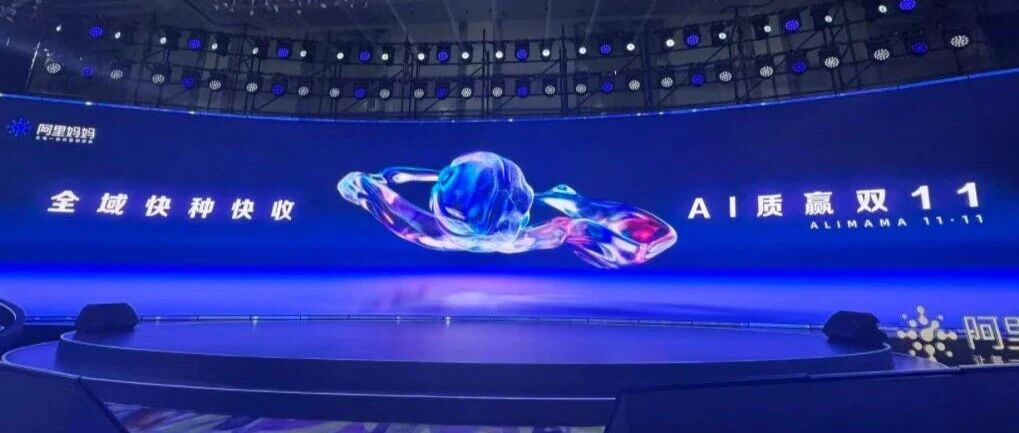
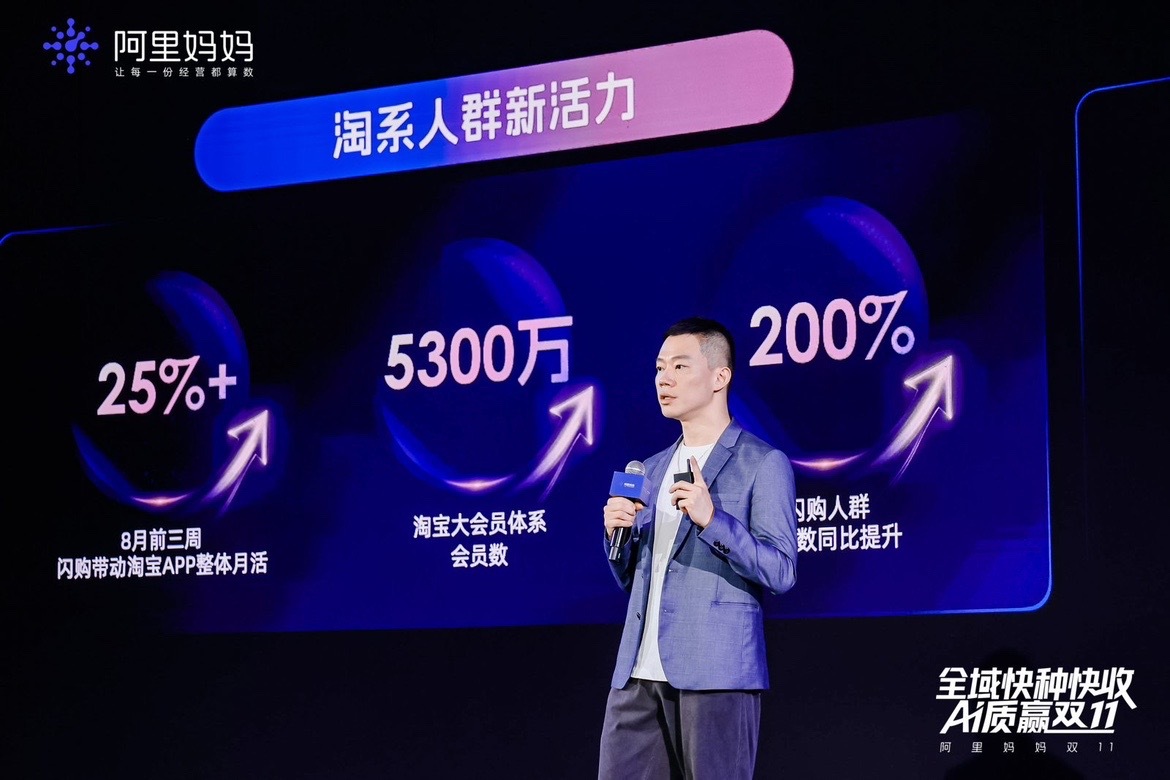
Core Insights - The article discusses Alibaba's new strategies for the Double 11 shopping festival, emphasizing the integration of instant retail and the restructuring of consumer demand [2][3][30] - It highlights the importance of AI in optimizing business operations and enhancing consumer engagement, ultimately aiming for sustainable growth [15][33] Group 1: New Market Dynamics - The rise of instant retail has opened new market opportunities, with Alibaba integrating Ele.me and Fliggy into its e-commerce ecosystem, covering various consumer needs [3][9] - The launch of Taobao Flash Sale has led to significant sales growth, with 66 brands achieving over 10 million in monthly sales and 395 brands exceeding 1 million [9][10] - Consumers are increasingly looking for a combination of low prices and fast delivery, prompting businesses to enhance their online and offline operations [10][12] Group 2: Business Opportunities and Challenges - Businesses are encouraged to adapt to new consumer behaviors, transforming impulsive purchases into long-term revenue streams [6][12] - The competition landscape has shifted from linear to a more complex, cross-category and cross-scenario competition, requiring businesses to understand and capture new consumer demands [12][13] - The integration of marketing channels, such as the "Red Cat Plan," allows for seamless consumer engagement from social media to e-commerce platforms [13][14] Group 3: AI Empowerment - AI is becoming essential for businesses to navigate the complexities of modern consumer behavior and optimize marketing strategies [15][17] - The introduction of the "Wang Xiang Tai AI" platform aims to address intricate operational challenges, enhancing targeting and conversion rates [17][18] - AI's role in understanding consumer language and preferences has led to significant improvements in conversion rates and return on investment for businesses [18][19] Group 4: Brand Building and Consumer Engagement - The article emphasizes the importance of brand presence in consumers' minds, suggesting that consistent exposure across various touchpoints can strengthen brand recognition [22][24] - Alibaba's Uni Desk platform facilitates comprehensive brand advertising, allowing businesses to manage their marketing efforts more effectively [24][25] - The concept of "brand mental construction" is highlighted, where businesses must focus on long-term brand value alongside immediate sales [25][26] Group 5: Future Outlook - The future of e-commerce competition will focus on deeper consumer engagement and operational efficiency, moving beyond mere traffic acquisition [32][33] - The integration of AI and new retail strategies is expected to reshape the industry, enabling businesses to capture growth more effectively [34][35] - The article concludes that success will belong to those who embrace new traffic, rhythms, and technologies in their business strategies [28][35]

双11红利在哪里?阿里妈妈将增长锚定全场景经营
3 6 Ke· 2025-09-12 13:33
Core Insights - The rise of instant retail has opened new avenues for the e-commerce industry, with Alibaba integrating Ele.me and Fliggy into its Chinese e-commerce group to create a comprehensive ecosystem covering various consumer needs [1][3] - Instant retail is transforming consumer behavior, leading to impulsive purchases across multiple categories, indicating the emergence of a new incremental market [1][4] Group 1: Market Dynamics - Instant retail is not merely an extension of food delivery but a new business entry point, with Taobao Flash Sales driving significant sales across various categories [3][4] - In July, Taobao Flash Sales helped 66 brands achieve over 10 million in monthly sales, while 395 brands surpassed 1 million, showcasing a restructured flow of traffic in the e-commerce ecosystem [3][4] - The competition landscape has shifted from linear to a more complex, cross-category and cross-scenario rivalry, necessitating a deeper understanding of consumer needs [5][19] Group 2: Consumer Behavior - Consumers are increasingly seeking a combination of affordability and speed, prompting merchants to optimize their online and offline operations [4][19] - High-frequency consumption scenarios are paving the way for low-frequency products, allowing brands to capture new customers who may not have been targeted previously [4][5] Group 3: Technological Integration - The integration of AI is crucial for managing the complexities of modern retail, enabling merchants to optimize their operations and improve decision-making [9][10] - AI has demonstrated significant improvements in conversion rates and return on investment (ROI), with some brands reporting an 80% increase in conversion rates and a 32% growth in ROI [10][11] Group 4: Brand Positioning - Brands must focus on building long-term impressions through repeated consumer interactions, as each touchpoint contributes to brand recognition and loyalty [13][15] - The Uni Desk platform allows brands to manage advertising across various channels, enhancing the efficiency of brand exposure and consumer engagement [15][16] Group 5: Future Outlook - The future of e-commerce will revolve around embracing new traffic sources, rhythms, and technologies, as indicated by the evolving consumer purchasing patterns [17][19] - The shift from traditional promotional strategies to a more cyclical approach will define competitive success, emphasizing the importance of adapting to consumer behavior [19][20]
不只是抢首发,美团淘宝 iPhone 17 大战:谁赢,谁就掌握发起下一轮大战的主动权?
3 6 Ke· 2025-09-12 11:16
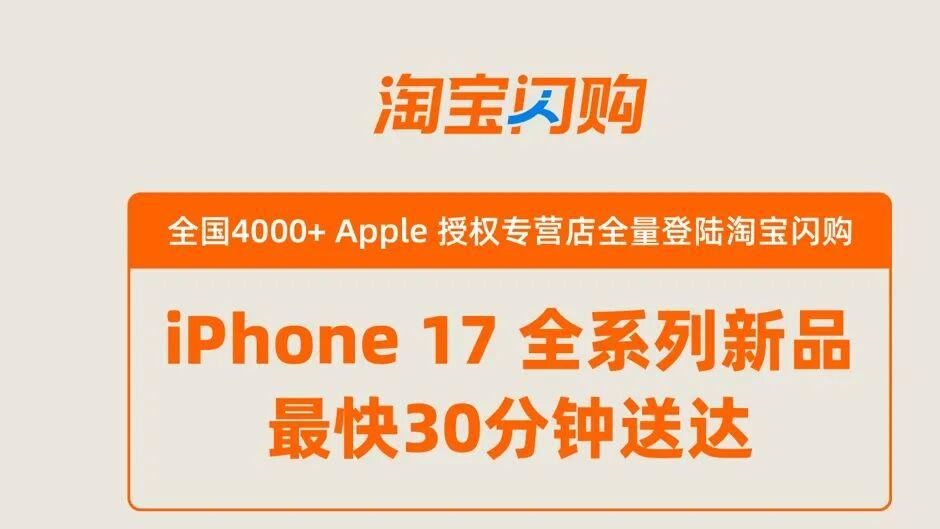
Core Insights - The pre-sale of iPhone 17 has sparked a competitive battle between Meituan and Taobao, both launching their flash sale announcements simultaneously [1][10] - The term "first launch" has evolved from a traditional marketing tool to a strategic battleground, reflecting supply chain capabilities and user engagement in the context of instant retail [4][6] Group 1: Competitive Landscape - Meituan claims to "redefine the first launch," while Taobao asserts "full series launch," indicating a fierce competition for market share [4][10] - The competition is not merely about timing but also about establishing trust in delivery speed and reliability, which is crucial for future retail dominance [6][10] Group 2: Evolution of Retail Strategies - Instant retail is reshaping consumer expectations, with platforms focusing on high-frequency, high-value products like electronics and cosmetics [10][12] - Brands are increasingly integrating instant retail into their product launch strategies, viewing it as essential for reaching high-end consumers and enhancing brand perception [10][12] Group 3: Future Implications - The battle between Meituan and Taobao signifies a shift from a "shelf era" to a "speed era" in retail, where the focus is on delivery efficiency and consumer experience [12][13] - As logistics and delivery systems improve, instant retail platforms are expected to encroach further into traditional e-commerce territory, altering consumer shopping expectations [10][12]


重回线下重回线下重回线下!零售行业再次站在了1999年 | 巴伦精选
Tai Mei Ti A P P· 2025-09-12 10:06
Core Insights - The recent financial reports from Alibaba, Meituan, and JD.com reveal a common trend of increased revenue without corresponding profit growth, primarily due to surging delivery subsidy costs [1][2] - The external environment, including the return of students to school and a shift in summer consumption patterns, has led to a decline in delivery order volumes from peak levels [1] - Regulatory bodies are taking steps to curb unfair competition and excessive subsidies in the food delivery sector, indicating a potential end to the current price war [1] Group 1: Market Dynamics - The food delivery market is largely a saturated market, where user order frequency has natural limits, making the competition more about reallocating existing market share rather than expanding it [2] - The global average net profit margin for the food delivery industry is only 2.2%, with Meituan projected to achieve 2.8% in 2024, highlighting the low profitability of the sector [2] - Companies are investing heavily in the food delivery market not for immediate profits but to leverage high-frequency demand as a traffic entry point for other services [2][3] Group 2: Competitive Strategies - Meituan's strategy focuses on broadening its service offerings to connect with users' daily lives, while JD.com emphasizes building a robust supply chain to support its food delivery services [6][7] - JD.com launched its self-operated brand "Qixian Xiaochu" to ensure quality control and aims to establish 10,000 locations within three years, indicating a long-term vision for its food delivery business [7][8] - Alibaba's approach is to integrate its various platforms, including Ele.me and Taobao, to create a comprehensive consumption ecosystem, thus defending its core e-commerce business while expanding into food delivery [8][9] Group 3: Key Battles - The three companies have engaged in significant battles over riders, subsidies, and product categories in the past six months, with each focusing on different aspects of the market [9][10] - The rider battle has intensified as companies seek to enhance their delivery infrastructure, which is crucial for competing effectively in a saturated market [10] - The subsidy war is driven by the need to cultivate user habits in a rapidly growing instant retail market, where the network effects are still forming [11][12] Group 4: Future Trends - The future of retail is shifting towards instant retail, with companies looking to leverage their delivery capabilities to connect users with a wide range of products [13][14] - The integration of offline and online retail is expected to reshape the competitive landscape, with companies like Alibaba and JD.com exploring synergies between their platforms [12][19] - Innovations such as AR technology and data analytics are anticipated to enhance the offline shopping experience, potentially marking a new era in retail [19][20]
零售的天,变了
Hu Xiu· 2025-09-12 09:48
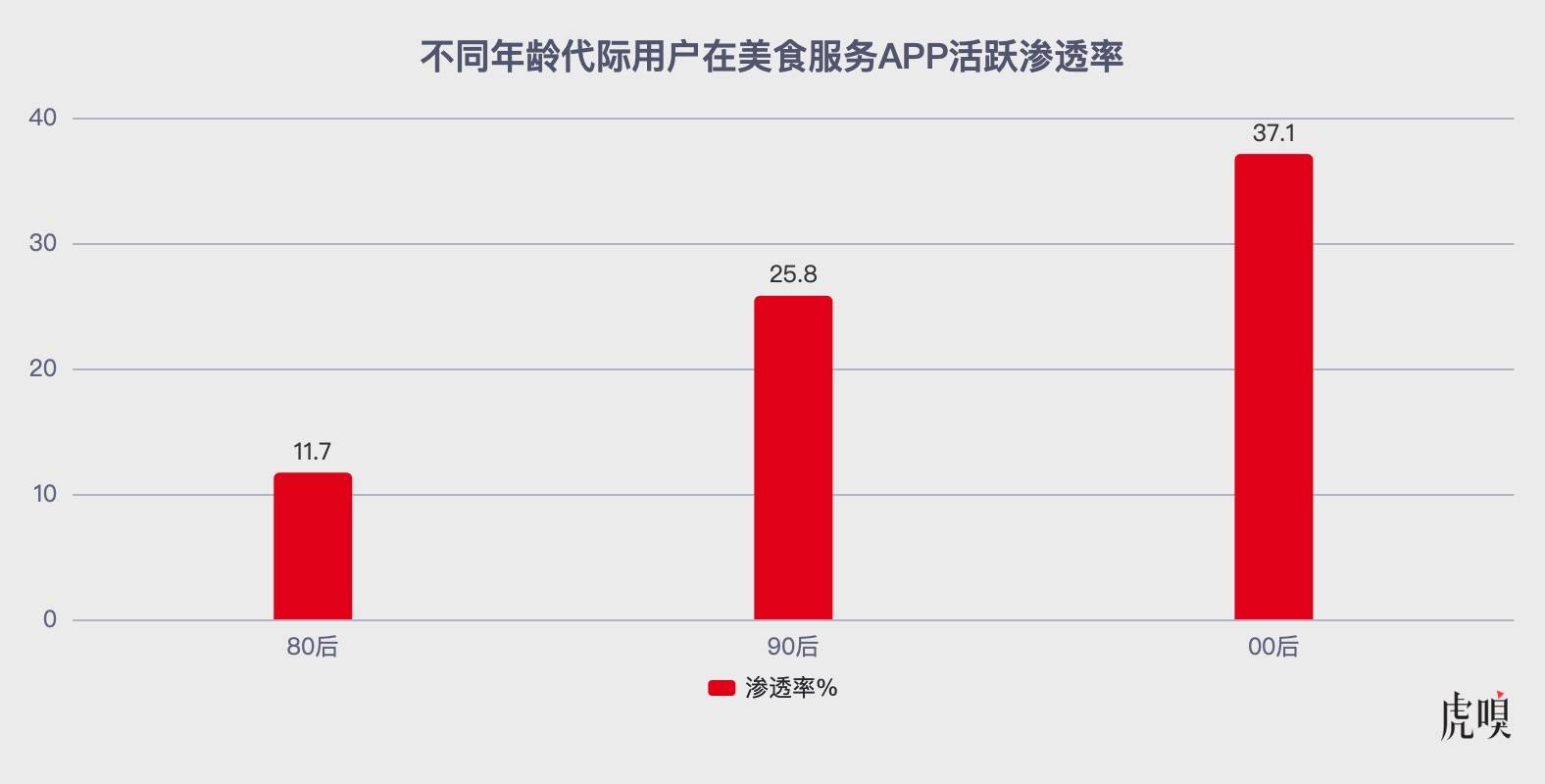
Core Insights - The rise of "instant retail" led by Meituan, JD, and Alibaba is transforming the retail ecosystem, with brands recognizing it as a critical growth area for 2025 [1][3][31] - Major investments in instant retail have exceeded 42 billion yuan from June to September, with one company reportedly spending over 22 billion yuan in just two months [3][6] - Instant retail is becoming essential for various brands, with significant order growth reported, particularly in the beauty and fruit sectors, where some brands saw order increases of over 40% [1][15] Investment and Strategy - Meituan is reallocating resources towards instant retail, viewing the period from September to December as crucial for competition [1][2] - Alibaba has positioned instant retail as a strategic project, integrating it into its broader consumer ecosystem [1][3] - Companies are adjusting their strategies, with some shifting from traditional distribution models to direct instant retail operations [1][26] Market Dynamics - The competition among platforms intensified during the back-to-school season, with promotional activities aimed at students [3][6] - Instant retail is seen as a growth engine for Alibaba, contributing to a 20% increase in daily active users [7][18] - Brands are experiencing increased consumer engagement and order volume through platforms like Taobao Flash Sale, with some reporting a 500% increase in order volume [8][12] Consumer Behavior - There is a notable shift in consumer purchasing behavior, with an increase in non-emergency product sales, indicating changing consumer habits [12][13] - Brands are focusing on user retention and understanding consumer needs, with a significant portion of new users coming from instant retail channels [18][23] - The demographic of instant retail users is predominantly younger, with 90s and 00s users making up a large share [18][24] Challenges and Considerations - Brands face challenges in managing pricing strategies due to the variability in product costs, particularly in categories like fresh produce [9][11] - The competition in instant retail is fierce, with many brands needing to invest heavily to keep up with rivals [29][30] - Companies are urged to focus on product quality and value proposition to stand out in the crowded instant retail market [25][30]