供应链安全

Search documents
荷兰万万没想到,被自己人反杀:客户买欧洲晶源,来中国谈封测
Sou Hu Cai Jing· 2025-11-14 06:02
直到2025年9月的某一天,有人冲进他的办公室,告诉他,安世CEO正在偷偷地转移知识产权,还要将 德国的供应链转移回中国,所以他毫不犹豫做出了这个决定,虽然引发了汽车行业的震动,但是他让欧 洲乃至西方世界看到了依赖中国这个单一供应链是有多么的危险 什么叫做上有政策下有对策,在安世的客户身上体现的淋漓尽致。就在荷兰经济部长卡雷曼斯接受英国 媒体采访洋洋自得表示,他要感谢中国当局为汽车供应链做出的贡献,他们豁免了恢复芯片出口的措 施,让汽车供应链免于断供危机 但同时他强调,自己不后悔这样做,如果让他重来一次,他依旧选择抢夺安世。他将自己塑造成一个为 了欧洲为了全世界考虑的"孤胆英雄",将安世CEO塑造成一个不守信用的人,称在2023年接到美国通 知,要将闻泰企业的关联公司拉入制裁名单的时候,他就同中方负责人进行会谈,表示唯一解决的办法 就是更换负责人,将安世独立起来,避免受到美国穿透性政策的影响,当时的CEO表示回去商量一下再 做出决定。但是两年内仍旧未给出答复。 谁赢谁输大家一目了然了吧,如果还是继续在这里玩这些无聊的游戏,那么等待着他的将是被彻底踢出 局 同时指出事情发生之后,他和德国的能源部长进行沟通,德国 ...


美国生产出首块稀土磁铁,贝森特称再也不怕被中国卡脖子
Sou Hu Cai Jing· 2025-11-12 12:45
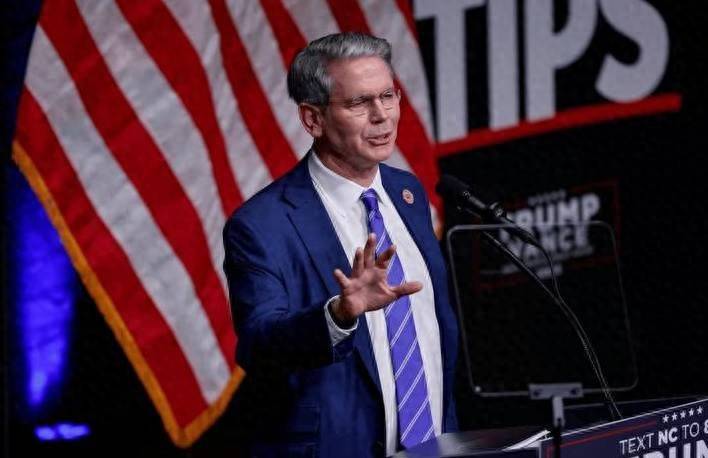
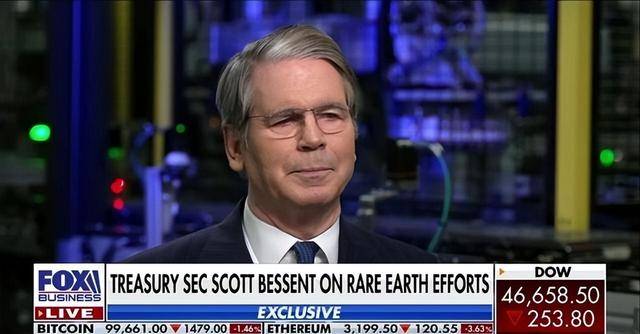
Core Insights - The visit of U.S. Treasury Secretary Scott Bessenet to the eVAC Magnetics factory in South Carolina marks the production of the first neodymium-iron-boron permanent magnet in the U.S. in 25 years, indicating a shift towards domestic supply chain independence [1][2] - The factory, a subsidiary of Germany's Vacuumschmelze, received significant funding from the Department of Defense and tax credits, which are expected to create hundreds of jobs and contribute to economic recovery [1][2] - The production line focuses on the final shaping of neodymium-iron-boron magnets, a step that had been absent in the U.S. for 25 years, highlighting the previous reliance on imports, particularly from China [2][4] Government Support and Economic Implications - The factory's establishment was expedited by state support, with the permitting process completed in just eight weeks, showcasing effective local governance [1][2] - Bessenet linked the factory's opening to broader economic recovery and job creation, suggesting that manufacturing will continue to grow in the coming years [1][2] - The factory's operations are seen as a step towards national security and economic independence, aligning with previous policies aimed at bringing manufacturing back to the U.S. [2][4] Industry Context and Challenges - Despite the positive developments, experts caution that the U.S. still lacks the capabilities for large-scale rare earth separation, which is essential for a complete domestic supply chain [4] - The U.S. is currently focusing on mid-range products for electric vehicles and industrial applications, while China continues to dominate the high-end military-grade magnet market [4] - The establishment of the eVAC factory is viewed by some as a result of subsidies rather than innovation, with concerns about the long-term sustainability of U.S. rare earth production capabilities [4] Future Outlook and Strategic Partnerships - The factory has partnered with Ucore Rare Metals to enhance North American supply chains and reduce reliance on Asian imports, indicating a strategic move towards self-sufficiency [8] - Ucore has received additional funding from the Department of Defense to commercialize rare earth separation technology, further supporting the domestic supply chain [8] - The broader geopolitical landscape is shifting, with predictions of a fragmented global economy where the U.S. and China may increasingly operate in separate spheres [8]
欧盟不服气:很意外,听说中国要稀土恢复出口,凭什么我们没份?
Sou Hu Cai Jing· 2025-11-10 13:54
Core Points - The article discusses the geopolitical implications of China's decision to issue a "general license" for rare earth exports to the U.S., while maintaining restrictions for Europe, highlighting the disparity in treatment between the two regions [1][9][20] - It emphasizes the structural challenges faced by the EU in the context of U.S.-China relations, illustrating how the EU is caught in a power struggle and is struggling to assert its own strategic autonomy [14][20][22] Group 1: U.S.-China Relations - The U.S. celebrates a "historic breakthrough" with China's commitment to a "general license" for rare earth exports, which significantly reduces supply chain uncertainties for American companies [1][11] - In contrast, China only confirmed a "suspension of new regulations" for Europe, leaving the April restrictions in place, which creates ongoing uncertainty for European businesses [9][12] Group 2: EU's Position - The EU is experiencing collective anxiety as it realizes it is not included in the favorable terms granted to the U.S., leading to concerns about its strategic position in global trade [4][6] - Internal divisions within the EU complicate its response, with differing national interests, such as France's push for strategic autonomy versus Germany's need for stable supply chains [17][20] Group 3: Strategic Implications - The article suggests that the rare earth dispute is not merely a trade issue but a deeper struggle over rule-making authority in global trade [8][20] - The EU's lack of a unified stance on resource strategy may hinder its ability to negotiate effectively with China, as it must choose between aligning with U.S. policies or securing critical resource supplies [20][23]
重磅发布:毕马威《2025年中国首席执行官展望》报告
Sou Hu Cai Jing· 2025-11-10 11:38
Core Insights - The report highlights the resilience and vitality of the Chinese economy amidst external risks and challenges, with 88% of Chinese CEOs expressing confidence in the country's economic development over the next three years, marking a recent high [8][18][20]. Group 1: Economic Outlook - Despite escalating external risks, Chinese CEOs show a rebound in confidence regarding short-term economic growth, with 54% expressing optimism for the next year, an increase of 9 percentage points from the previous year [9][11]. - The long-term economic outlook remains positive, with 58% of Chinese CEOs confident in global economic growth over the next three years, although this is a decrease of 13 percentage points from the previous year [18][20]. Group 2: Business Challenges - The report identifies "involution" competition as the primary challenge for businesses, with 51% of CEOs acknowledging intensified market competition as a significant impact on current business development [15]. - There is a notable decline in revenue growth expectations, with only 73% of CEOs anticipating positive revenue growth this year, down from 81% last year [11][12]. Group 3: Strategic Initiatives - 52% of Chinese CEOs prioritize research and innovation to develop new productivity as a key short-term strategy to combat "involution" competition [12][15]. - The focus on digital transformation and compliance investments is increasing, with a significant emphasis on enhancing supply chain security [12][15]. Group 4: Leadership and Management - 54% of Chinese CEOs believe their roles and responsibilities have significantly changed in the past five years, necessitating a multifaceted leadership approach that includes strategic foresight and adaptability [26]. - The importance of agility and rapid decision-making under pressure is emphasized, with 26% of CEOs identifying these as critical leadership capabilities [26]. Group 5: International Expansion - Chinese companies are shifting their overseas strategies from aggressive expansion to rational deepening, with 77% of CEOs citing strategic resource allocation as a primary driver for international ventures [29]. - The choice of overseas markets is increasingly focused on Southeast Asia and the Middle East, reflecting a strategic move to mitigate geopolitical risks [29][31]. Group 6: Technology and AI - The application of artificial intelligence (AI) is becoming more prevalent, with 86% of Chinese CEOs expecting a return on AI investments within three years, a significant increase from the previous year [33]. - Over 60% of CEOs view the competition for AI talent and skills enhancement as a key challenge for future development [36]. Group 7: ESG Investments - There is a growing proactive attitude towards Environmental, Social, and Governance (ESG) investments, with 76% of CEOs believing that ESG investments contribute to corporate transformation and demand enhancement [38]. - 49% of companies have initiated practices in low-carbon transformation, a notable increase from 35% the previous year [38].

中国重启美豆进口,美国豆农为何笑不出来?问题出在美方
Sou Hu Cai Jing· 2025-11-08 11:11
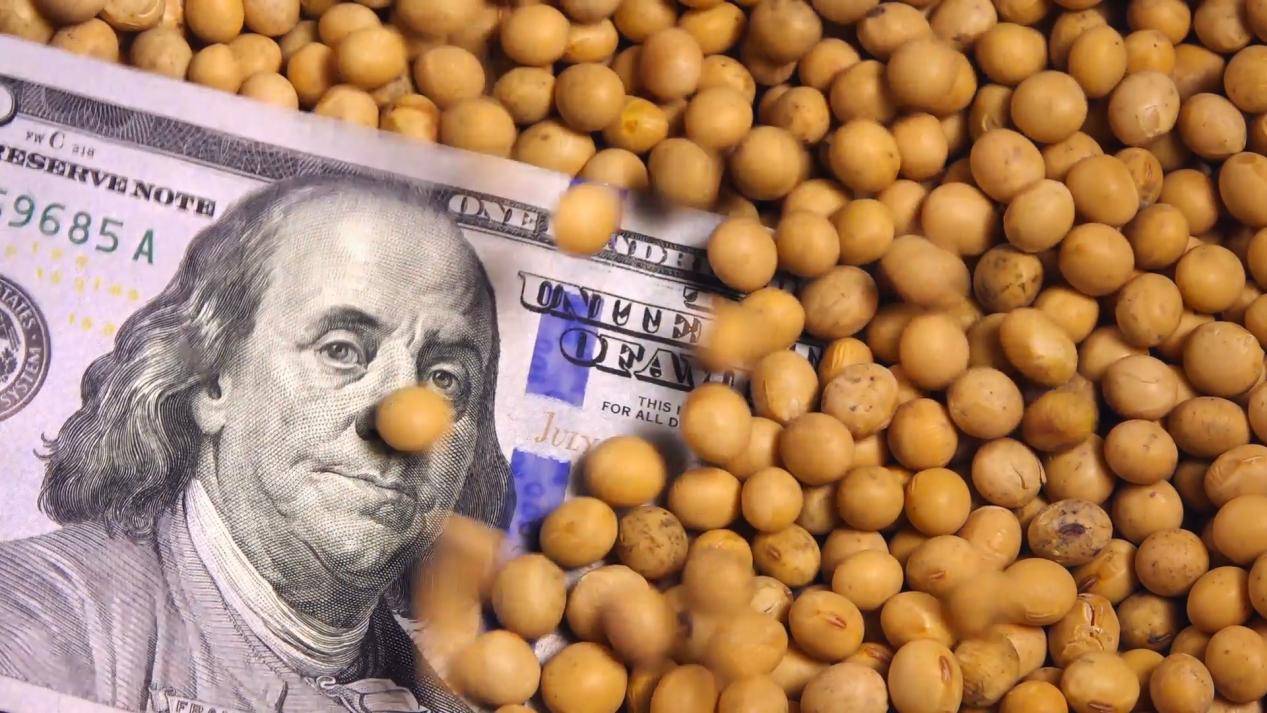
Core Viewpoint - China's decision to resume imports of U.S. soybeans is influenced by market demand and supply chain security, rather than being a simple trade restart [1][5] Group 1: Import Dynamics - China has agreed to import 12 million tons of U.S. soybeans by the end of 2025, reflecting its reliance on soybean imports [1] - The U.S. soybean's advantages include lower costs, higher oil yield, and stable supply compared to Brazilian soybeans, which face seasonal supply fluctuations [1][3] - The recent El Niño phenomenon has reduced Brazilian soybean production, causing prices to rise approximately 15% above U.S. soybean prices, prompting Chinese importers to shift to U.S. soybeans [1] Group 2: Trade Agreements - In exchange for resuming soybean imports, the U.S. has agreed to reduce tariffs on Chinese imports by 10 percentage points starting November 10, 2025, and suspend high tariffs until November 10, 2026 [5] - The agreement aims to establish a long-term stable "soybean backup" mechanism to mitigate supply chain risks for China [3] Group 3: Economic Implications - The halt in U.S. soybean imports previously led to significant challenges for U.S. soybean farmers, including price drops and storage issues, with 70% of North Dakota's soybean warehouses full and at least 3 million tons without storage [5] - The trade disruption has resulted in job losses across related industries, including truck drivers and port workers, with tens of thousands of manufacturing jobs lost [5] Group 4: Strategic Considerations - China's higher production costs and lower yields in soybean farming compared to the U.S. and Brazil necessitate reliance on imports to ensure food security [7] - The ongoing trade tensions and U.S. tariff policies reflect a conflict between economic rationality and hegemonic thinking, with the trade war illustrating the pitfalls of using tariffs as leverage [7] Group 5: Future Outlook - Despite the resumption of soybean imports, U.S. trade representatives continue to pursue investigations against China, indicating potential future tensions [10] - The U.S. government's inconsistent trade policies may create uncertainty for U.S. soybean farmers, who are left to navigate a volatile trade environment [11]
不保证中国工厂产品质量?商务部:荷方全责!
是说芯语· 2025-11-08 05:03
Core Viewpoint - The ongoing dispute over Nexperia's control and supply chain security has escalated, raising concerns in the global automotive and electronics industries regarding chip supply disruptions [1][6]. Group 1: Nexperia's Supply Chain and Government Actions - Nexperia's Dutch branch stated it cannot guarantee the compliance of products delivered from its Chinese factory starting October 13, 2025, which has heightened global supply chain concerns [1][10]. - The Dutch Ministry of Economic Affairs welcomed China's announcement to resume supply from Nexperia's Chinese factories, indicating a potential resolution to the supply chain issues [3][4]. - The Dutch government is closely monitoring the situation and coordinating with the EU Commission and international partners, suggesting a collaborative approach to address the supply chain disruptions [4][5]. Group 2: Impact on the Automotive Industry - The supply interruption from Nexperia has triggered a chain reaction in the automotive industry, with companies like Stellantis, Nissan, and Honda reassessing their production plans [9]. - Nissan reported that its chip inventory could only last until early November, while Honda has adjusted its production plans in North America and Mexico due to the chip shortage [9]. - Major automotive parts suppliers such as Bosch and ZF have also been affected, with reports of companies applying for short-time work allowances to avoid layoffs due to chip shortages [9]. Group 3: China's Response and Position - In response to the supply chain disruption, China's Ministry of Commerce announced an export exemption for eligible Nexperia products and expedited approval for export licenses to facilitate supply restoration [6][8]. - The Chinese government criticized the Dutch government's interference in corporate affairs, attributing the global semiconductor supply chain turmoil to such actions [6][8].
洁雅股份:关于投资设立全资子公司并完成工商注册登记的公告
Zheng Quan Ri Bao Zhi Sheng· 2025-11-07 14:09
Core Viewpoint - The company, Jieya Co., Ltd., has established a wholly-owned subsidiary, Jieya Investment (Hainan) Co., Ltd., with an investment of 200 million RMB to enhance supply chain security and overall competitiveness [1] Group 1 - The establishment of the subsidiary aims to improve the integration of upstream and downstream resources within the industry [1] - The subsidiary has completed the registration process and obtained a business license from the Hainan Provincial Market Supervision Administration [1] - The investment is part of the company's strategy to enhance its profitability and competitive strength [1]
中源家居拟投资1600万美元建设越南自建生产基地项目
Zhi Tong Cai Jing· 2025-11-07 08:41
Core Viewpoint - Zhongyuan Home Furnishing (603709.SH) plans to invest $16 million in building a self-owned production base in Vietnam to enhance supply chain resilience and meet business expansion needs [1] Group 1: Investment Details - The total investment of $16 million will be allocated for capacity construction and essential operational activities for the Vietnam production base project, including land acquisition, factory construction, and equipment purchase [1] Group 2: Strategic Implications - This investment is expected to strengthen the company's supply chain resilience and security, support business expansion, enhance market competitiveness, and promote sustainable development [1]

米舒斯京返程莫斯科后,普京下令做一件事:要减少对中国的依赖!
Sou Hu Cai Jing· 2025-11-07 06:05
稀土被誉为"工业维生素",从战斗机到智能手机,从电动汽车到导弹制导系统,都离不开这些金属。目前,中国在全球稀土市场中占据着主导地位,提供了 全球90%以上的稀土产品。正因为此,中国的稀土控制权让包括俄罗斯在内的多个国家产生了强烈的危机感。 11月初,俄罗斯总理米舒斯京刚刚结束了对中国的访问,双方签署了多个合作协议。然而,令人意外的是,返回莫斯科后,普京立即要求内阁在12月1日前 批准一个关于稀土金属长期发展的计划。这一举动引发了广泛关注,时间的选择尤为微妙,显示出俄罗斯在战略资源保障方面的迫切需求。 对于中国来说,面对全球各国争相寻求稀土自主的趋势,需要保持战略定力。从短期来看,中国在稀土加工技术和成本控制等方面的优势暂时难以被取代。 但从长远来看,中国也需要探索新的竞争优势。一方面,中国需要继续加强技术创新,推动产业链向更高端发展,研发稀土新材料和新应用;另一方面,还 需优化资源管理,提高资源的利用效率。与此同时,可以考虑与资源国进行更深层次的合作,实现互利共赢。 中国在稀土领域的主导地位并非一蹴而就。经过数十年的发展,中国建立了从稀土开采、分离到加工的完整产业链。而且,近年来中国出于环境保护和资源 可持续 ...
美定下目标,两年之内,要解决对华稀土依赖,称中国“并不可靠”
Sou Hu Cai Jing· 2025-11-07 04:58
Core Viewpoint - The U.S. aims to reduce its reliance on Chinese rare earth metals within two years, citing concerns over China's reliability as a supplier [1][3]. Group 1: U.S. Strategy and Actions - U.S. Treasury Secretary Scott Bessenet stated that the U.S. will find alternative sources for rare earth metals within 12 to 24 months, with President Trump supporting this initiative [1][3]. - The U.S. is focusing on "supply chain security" and "technological hegemony," particularly in strategic sectors like semiconductors and defense, where rare earths are critical [3]. - A key initiative includes an $8.5 billion agreement with Australia to restructure the supply chain, aiming for a "Australia mining - U.S.-Australia processing - Western consumption" model [3]. Group 2: Challenges and Limitations - The U.S. faces significant technological barriers in rare earth separation, requiring advanced chemical extraction processes that are currently lacking domestically [4]. - MP Company, the only U.S. rare earth miner, can only process light rare earths and lacks the capability to handle heavy rare earths essential for high-end permanent magnets [4][6]. - Australia's Lynas Corporation, despite having rich reserves, also relies on China for refining, and its U.S. processing facility will take 3-5 years to become operational, exceeding the U.S. two-year timeline [4][6]. Group 3: Industry Dynamics and Global Implications - China's dominance in the rare earth sector is attributed to decades of technological accumulation and a complete industrial system, producing over 300,000 tons of neodymium-iron-boron magnets annually, compared to the U.S. target of only 1,000 tons [6]. - The U.S. Department of Defense's price floor for heavy rare earths is nearly double the market price, which could increase costs for defense and renewable energy sectors, undermining their international competitiveness [6]. - The U.S. strategy may lead to a fragmented global resource allocation, as it attempts to create an exclusive supply chain through alliances like AUKUS, countering China's market-driven approach [6][8]. Group 4: Future Outlook - While the U.S. aims to diversify its supply chain, the short-term advantages of China's rare earth industry remain irreplaceable, particularly in heavy rare earth separation technology [8]. - A more pragmatic approach for the U.S. would be to engage in global collaboration within the rare earth supply chain, rather than pursuing unrealistic decoupling goals [8].