
四链融合

Search documents
构建“四链”融合发展机制 创新产学研共同体模式
Jing Ji Ri Bao· 2025-06-25 22:32
Core Concept - The integration of education, talent, industry, and innovation chains is essential for enhancing the quality of applied talent cultivation, breaking down barriers between industry, academia, and research, and aligning with industry needs to support economic development [1][2]. Group 1: Four Chains Integration - The "Four Chains" integration philosophy is embedded throughout the talent cultivation process, promoting interaction and shared development among education, technology, talent, and industry [2]. - The establishment of a "community" ecosystem based on the education chain, supported by the industry chain, driven by the innovation chain, and guided by the talent chain injects new momentum into applied talent cultivation [2]. Group 2: Development Mechanisms - Four mechanisms have been constructed to ensure the sustainable development of the community: 1. A motivation mechanism to encourage resource sharing and co-creation among diverse participants [3]. 2. An organizational operation mechanism with a board of directors to facilitate efficient collaboration [3]. 3. A benefit-sharing mechanism to evaluate inputs and outputs scientifically, ensuring shared benefits and risk [3]. 4. A coordination mechanism to standardize cooperation through strategic agreements and regular meetings [3]. Group 3: Innovative Models for Talent Cultivation - The institution has developed four collaborative education models within the community, focusing on cultivating high-level applied talents with solid professional skills and practical abilities [4]. - The establishment of modern industry colleges closely aligns with regional industry needs, creating partnerships with leading companies to ensure talent training meets industry demands [4]. Group 4: Collaborative Course Development - A dynamic and open course resource community has been created through collaboration with leading companies, resulting in the development of nearly a hundred industry-integrated courses [5]. - Project-based teaching is emphasized, allowing students to engage in real projects, enhancing their practical skills and aligning educational resources with industry needs [5]. Group 5: Multi-faceted Empowerment Platforms - The institution collaborates with local enterprises to establish training bases for dual-skilled teachers, enhancing the quality of the teaching workforce [6]. - A comprehensive platform for innovation incubation and employment services has been developed, integrating various resources to support talent cultivation [6]. Group 6: Project-driven Talent Development - Real industry projects are utilized as core drivers for talent cultivation, allowing students to engage in practical tasks that develop essential professional skills [7]. - The institution has successfully introduced over a hundred enterprise projects annually, significantly improving students' comprehensive application abilities and job adaptability [7].
金融活水润科创——兴业银行福州分行打造科技企业全周期服务生态
Zhong Guo Jin Rong Xin Xi Wang· 2025-06-25 09:01
Core Insights - The article emphasizes the importance of technology finance as a key driver for technological innovation and new productivity development, highlighting the proactive role of Industrial Bank's Fuzhou branch in supporting tech enterprises [1] Group 1: Support for Technology Enterprises - As of the end of May, Industrial Bank's Fuzhou branch has served over 1,600 technology enterprises, with a technology finance loan balance exceeding 24.5 billion yuan [1] - Fujian Astone Innovation Materials Co., Ltd., a leading PVD coating materials company, has received over 10 million yuan in credit from the bank during its critical R&D phase, alleviating financial pressure [1] - The bank has consistently increased its credit limit for Astone over the past decade, providing a range of financial products to support the company's growth [1] Group 2: Support for Innovative Drug Development - Fuzhou Tuoxin Tianc Biotech Co., Ltd. is developing a groundbreaking cancer drug aimed at improving treatment outcomes for malignant brain tumors [2] - In 2024, the bank provided 10 million yuan in inclusive technology loans to support the company's R&D efforts after thorough market and product assessments [2] - In May 2025, the bank facilitated the company in obtaining convertible bond investments to accelerate product mass production and market expansion [2] Group 3: Establishment of Financial Service Platforms - In April 2025, the Fuzhou Science and Technology Financial Service Center, focusing on the integration of "four chains," was officially launched, marking a significant step in supporting tech innovation [2][4] - The center has hosted multiple events, including a financial exchange meeting for key industrial parks in Fuzhou, providing robust financial support for the growth of tech enterprises [4][5] - The bank aims to deepen internal mechanisms and external collaborations to offer diversified, full-chain financial services, contributing to regional tech innovation [5]


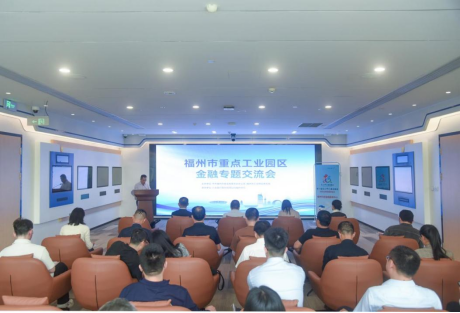
兴业银行福州分行助力区域纺织新材料产业高质量发展
Yang Guang Wang· 2025-06-25 08:14
Group 1 - The event held in Fuzhou focused on the development challenges and opportunities of the textile new materials industry, aiming to create a distinctive industrial system and explore new ideas for industrial upgrading [1][2] - A total of 25 projects were signed on-site, with a signing amount (including intentions) exceeding 19 billion yuan, highlighting the collaboration among textile enterprises, financial institutions, and educational institutions [2] - The Fuzhou branch of Industrial Bank has served over 500 textile industry clients, with a related loan balance exceeding 18 billion yuan, positioning itself as a key financial supporter of the textile industry in Fuzhou [2] Group 2 - The Fuzhou branch of Industrial Bank released a comprehensive financial service plan for the textile industry, focusing on financial support throughout the enterprise lifecycle, industry chain finance, overseas finance, and green low-carbon transformation finance [1] - The bank aims to deepen the "four-chain" integration practice, providing more precise financial connections and professional comprehensive services to empower innovation and cluster development in the textile new materials industry [2]
人尽其才物尽其用地尽其利 深圳改革创新再大步向前
Mei Ri Jing Ji Xin Wen· 2025-06-16 12:52
Group 1 - Shenzhen is celebrating the 45th anniversary of its economic special zone and the 5th anniversary of its comprehensive reform pilot, with the release of a significant policy document aimed at deepening reform and expanding openness [1][2] - The new round of comprehensive reform pilot in Shenzhen has been initiated, focusing on reform as the core driving force and innovation as the key approach to achieve new breakthroughs in development [1][4] - The policy emphasizes the importance of utilizing various production factors effectively, supporting the integration of technology and finance, and promoting the free flow of production factors for high-quality development [4][6] Group 2 - The policy document highlights the need to enhance the education and talent system, addressing issues such as the mismatch between talent cultivation and market needs, and promoting collaboration between academia and industry [2][3] - Shenzhen has a strong industrial foundation and competitive advantages, with over 700 million talents and significant capital inflow, including nearly 550 billion yuan raised through new listings on the Shenzhen Stock Exchange [6] - The city is positioned as a leader in reform and innovation, benefiting from national support policies and existing advantages in talent, capital, technology, and trade, making it an ideal candidate for the role of innovation reform pilot [6]
深圳喜提中央“大礼包”!拟从八个方面兑现→
第一财经· 2025-06-14 11:42
Core Viewpoint - The article discusses the recent issuance of the "Opinions on Deepening Reform and Innovation in Shenzhen Comprehensive Reform Pilot" by the central government, which provides significant reform measures for Shenzhen as it approaches its 45th anniversary as an economic special zone. The measures are seen as highly valuable and impactful, comparable to those introduced during the 40th anniversary of the special zone's establishment [1]. Group 1: Major Reform Tasks - Shenzhen will implement a series of major reform tasks focusing on four areas: innovation in education and technology talent systems, deep integration of innovation, industry, finance, and talent, expansion of cooperation with Hong Kong and Macau, and the construction of a modern international innovative city [2]. - The reform of the education and technology talent system is a key focus, aiming to attract and cultivate diverse talent without restrictions on origin or background [2]. Group 2: Economic Development and Integration - The integration of the "four chains" (innovation chain, industry chain, finance chain, and talent chain) is crucial for Shenzhen's industrial development, with an emphasis on high-quality economic growth through the empowerment of the real economy by finance, technology, and data [2]. - The article highlights the support for insurance funds to invest in private equity and venture capital funds in specific fields, promoting more investments in technological innovation [2]. Group 3: Expansion of Open Economy - Shenzhen aims to enhance its service trade by promoting various sectors such as gaming, software outsourcing, cross-border finance, and international logistics, establishing itself as a strategic base for high-end service exports [3]. - The city will continue to push for greater openness in its economy, with specific measures to innovate and enhance service trade [3]. Group 4: Modernization and Governance - The goal of becoming a globally influential modern metropolis includes deepening digital government reforms and improving social governance through the application of artificial intelligence [4]. - Shenzhen plans to enhance public services and ensure a better quality of life for residents and visitors through improved governance and service delivery [4]. Group 5: Market Access and Resource Allocation - Shenzhen will further relax market access, exploring new mechanisms for artificial intelligence-assisted medical devices and improving low-altitude flight service systems [5]. - The city will facilitate access to resources and streamline the market for various factors, including labor, with a focus on attracting high-skilled talent [5]. Group 6: International Standards and Business Environment - Shenzhen will align with high international trade standards, using the Qianhai-Shekou Free Trade Zone as a testing ground for new economic rules [6]. - The city aims to optimize its business environment by enhancing administrative efficiency, legal frameworks, and overall industry conditions to support economic activities [6][7].
深圳喜提中央“大礼包”!拟从八个方面兑现→
第一财经· 2025-06-14 11:18
Core Viewpoint - The article discusses the recent issuance of the "Opinions on Deepening Reform and Innovation in Shenzhen Comprehensive Reform Pilot" by the central government, which provides significant reform measures for Shenzhen as it approaches its 45th anniversary as an economic special zone. The measures are seen as highly valuable and impactful, potentially surpassing previous policies introduced during the 40th anniversary [1]. Group 1: Major Reform Tasks - Shenzhen will implement a series of major reform tasks focusing on four areas: innovation in education and technology talent systems, deep integration of innovation, industry, finance, and talent, expansion of cooperation with Hong Kong and Macau, and the construction of a modern international innovative city [2]. - A key reform initiative is the integrated reform of education, technology, and talent systems, aimed at establishing Shenzhen as a globally influential industrial and technological innovation center [2]. Group 2: Economic Development and Integration - The "four chains" integration (finance, technology, data, and talent) is highlighted as an important experience for Shenzhen's industrial development, with a focus on empowering high-quality economic growth through financial and technological advancements [2]. - The article mentions specific measures to attract insurance funds for investment in technology innovation, indicating a proactive approach to financial integration [2]. Group 3: Expansion of Open Policies - Shenzhen aims to enhance its openness by innovating and improving service trade, with plans to develop high-end service export bases in various sectors such as gaming, software outsourcing, and international logistics [3][4]. - The goal is to build a more globally influential modern international metropolis, with a focus on deepening digital government reforms and improving social governance through AI applications [4]. Group 4: Market Access and Resource Allocation - Shenzhen will further relax market access, exploring new mechanisms for artificial intelligence-assisted medical devices and enhancing low-altitude flight service systems [5]. - The city plans to implement 24 special measures to facilitate market access, particularly in AI, smart vehicles, and medical fields, while also promoting a "sandbox regulatory" approach [5]. Group 5: International Standards and Business Environment - Shenzhen will align with international high-standard trade rules, using the Qianhai-Shekou Free Trade Zone as a testing ground for these standards [6]. - The city aims to optimize its business environment by creating a first-class regulatory framework, legal environment, industrial ecosystem, and urban environment, which has already earned it recognition as a top city for business environment in China [7].
喜提中央“大礼包”,深圳拟从八个方面兑现含金量
Di Yi Cai Jing· 2025-06-14 09:54
Core Viewpoint - Shenzhen is set to accelerate the implementation of 24 special measures to relax market access, as outlined in the recently issued "Opinions" by the central government, marking a significant reform initiative for the city as it approaches its 45th anniversary as an economic special zone [1][2]. Group 1: Key Reform Measures - The focus of the reforms includes the integration of education, technology, and talent systems to enhance innovation and attract diverse talent without geographical or background restrictions [2][3]. - Shenzhen aims to deepen the integration of financial, technological, and data resources to support high-quality development of the real economy, with specific initiatives to attract insurance funds for investment in technology innovation [2][3]. - The city will enhance its openness by promoting service trade and establishing a competitive edge in various sectors such as gaming, software outsourcing, and international logistics [2][3]. Group 2: Market Access and Regulatory Framework - Shenzhen will further relax market access by exploring new regulatory mechanisms in fields like artificial intelligence and smart connected vehicles, and will implement a "sandbox regulatory" approach in the medical device sector [4][5]. - The city plans to facilitate resource acquisition by breaking down departmental barriers and expanding public data resource availability, particularly in healthcare and finance [5][6]. - Shenzhen will align with international high-standard trade rules, using the Qianhai-Shekou Free Trade Zone as a testing ground for these standards [5][6]. Group 3: Business Environment Optimization - The city aims to create a first-class business environment characterized by efficient administrative processes, robust legal frameworks, and a supportive industrial ecosystem [6]. - Shenzhen has been recognized for its favorable business environment, with a significant number of operating entities, reflecting its status as a leading city for entrepreneurship in China [6].
深圳拆解改革“大礼包”:对创新人才体制机制先行先试,加快推进放宽市场准入24条实施⋯⋯
Mei Ri Jing Ji Xin Wen· 2025-06-13 11:25
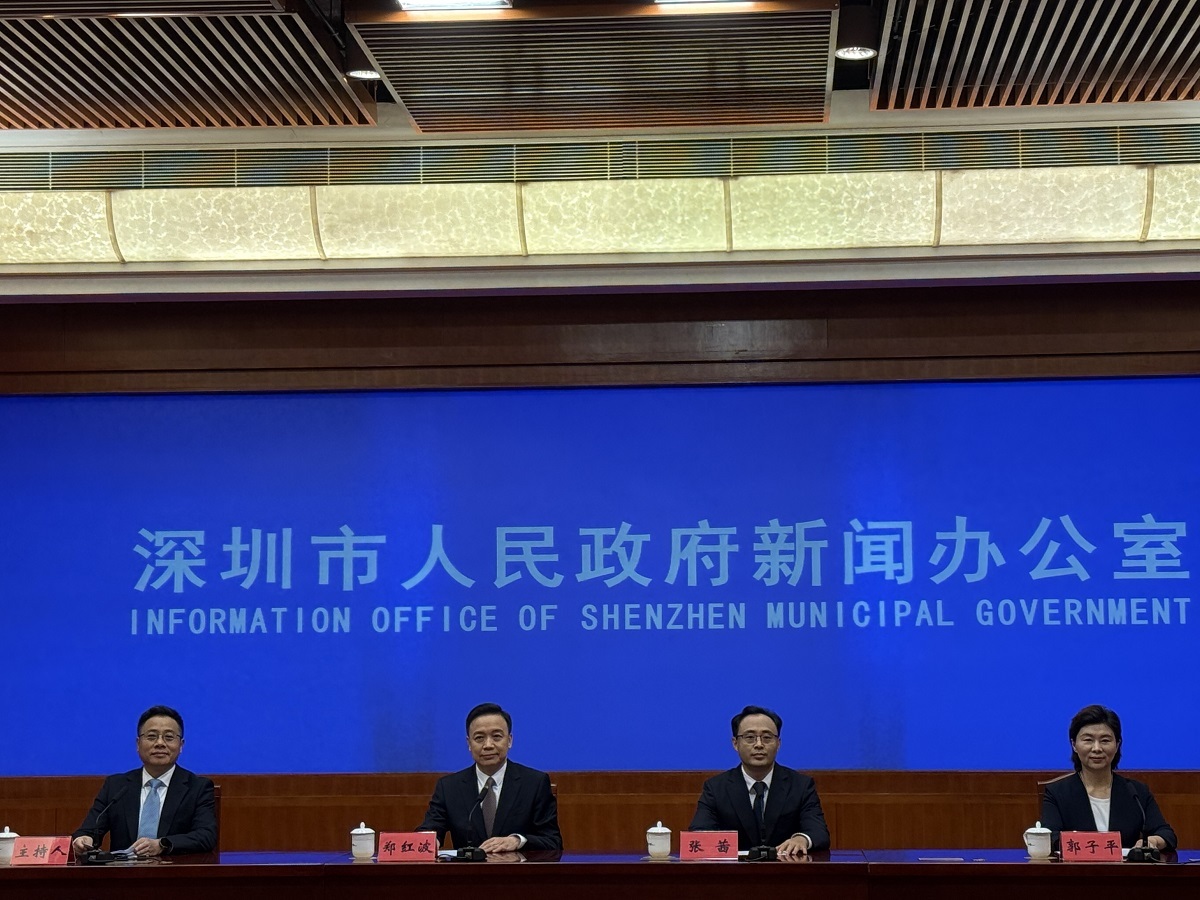
Core Viewpoint - The release of the "Opinions" document marks a significant milestone for Shenzhen, aiming to deepen reforms and expand openness, thereby injecting strong momentum into high-quality development and the modernization of China [1][2]. Group 1: Implementation of the Opinions - Shenzhen has promptly communicated, studied, and arranged the implementation of the "Opinions," establishing a task division plan to ensure effective execution [2]. - The city emphasizes a systematic approach, focusing on key areas and practical outcomes in the reform process [2]. Group 2: Talent and Innovation - Shenzhen aims to innovate its education and technology talent mechanisms, striving to build a globally influential industrial and technological innovation center [4]. - The city plans to attract and cultivate diverse talents, creating optimal conditions for innovation and entrepreneurship [4]. Group 3: Industry Integration - The integration of innovation chains, industry chains, capital chains, and talent chains is highlighted as a crucial direction for Shenzhen's industrial development [4]. - The city will support key industries and enterprises to accelerate their growth and optimize traditional industries [4]. Group 4: International Cooperation - Shenzhen intends to expand cooperation with Hong Kong, Macau, and internationally, enhancing its service sector's openness and establishing a strategic base for high-end service exports [5]. Group 5: Market Access and Regulatory Framework - The city will accelerate the implementation of 24 special measures to relax market access, exploring "sandbox regulatory" mechanisms in various sectors [6]. - The "sandbox regulatory" approach aims to provide a flexible testing environment for innovative technologies and business models [6]. Group 6: Open Economic System - Shenzhen plans to adapt to high-standard trade rules such as CPTPP and RCEP, gradually extending measures from tariffs to intellectual property and environmental standards [7]. - The city will leverage its status as a pilot city for expanding service sector openness to enhance various fields, including telecommunications and healthcare [7]. Group 7: Monitoring and Accountability - The city will implement a monitoring system with monthly updates, quarterly analyses, and annual reviews to ensure the effective execution of the "Opinions" [7]. - Special adjustments will be made for challenging reform tasks to promote better implementation and achieve tangible results within the year [7].
镇江国家高新区团山睿谷招商推介暨智能产业发展沙龙在武汉举行
Zhen Jiang Ri Bao· 2025-06-08 23:12
Group 1 - The event "Cross-domain Energy Gathering, Smart Future" was held in Wuhan, focusing on the development trends and opportunities in the intelligent industry, with participation from entrepreneurs, investment institutions, and representatives from universities [1] - The Zhenjiang National High-tech Zone Tanshan Ruigu招商推介 introduced an innovative ecological complex with a total construction area exceeding 470,000 square meters, aimed at enhancing the innovation capacity of the Zhenjiang High-tech Zone [1] - The complex features four core functions: headquarters economy, innovation economy, urban economy, and financial innovation, catering to various life, production, and ecological needs [1] Group 2 - The event resulted in the signing of strategic cooperation agreements between the Hubei Digital Technology Research and Development Association, Wuhan Industrial Park Association, and the Zhenjiang High-tech Zone Management Committee, focusing on technology transfer, enterprise incubation, and talent exchange [2] - Seven companies, including Zhenjiang Niulai Enterprise Management Co., signed agreements to settle in Tanshan Ruigu, indicating strong interest in the area [2] - A graduate employment base was established in collaboration with Jianghan University and 5.5 Science and Technology Service Group, aimed at providing comprehensive employment support for graduates and connecting theory with practice [2]
厦门出台促发展措施,政府投资基金赋能产业链发展
Sou Hu Cai Jing· 2025-06-06 02:53
Core Points - The Xiamen Municipal Finance Bureau has proposed measures to utilize government investment funds to empower industrial chain development, focusing on supporting the real economy and aligning with the city's modern industrial system [1][2]. Group 1: Fund Initiatives - A new 5 billion yuan industrial chain innovation fund will focus on sectors such as artificial intelligence and low-altitude economy, selecting quality institutions for chain investment [1][2]. - A 5 billion yuan science and technology venture capital fund will support early-stage investments, with at least 30% allocated to seed and startup companies, and a maximum government investment ratio of 70% [2]. - A new 5 billion yuan merger and acquisition fund will support companies in M&A or IPO activities, particularly in sectors like new energy, new materials, and semiconductors [2]. Group 2: Support Systems - A comprehensive support system will be established using fiscal policies and financial tools, creating a full-cycle support mechanism through investment, subsidies, loans, and guarantees [3]. - An intelligent platform named "Rong Tian Xia" will facilitate project financing and information exchange among government, enterprises, and financial institutions [3]. Group 3: Management and Incentives - The management of mother funds will implement a performance management system and a multi-dimensional evaluation framework to assess the effectiveness of funds [4]. - Incentives will be provided to partner funds based on their economic contributions, with potential increases in government investment for high-performing funds [4]. Group 4: Risk Management - Measures will be taken to establish a tolerance mechanism for normal investment risks, promoting a culture that encourages innovation and accepts failure [5]. - A robust risk control system will be implemented, including strict financial discipline and evaluation of new funds [6].