
国资国企改革

Search documents
中央经济工作会议丨八项重点任务这样干!
Xin Hua She· 2025-12-12 13:07
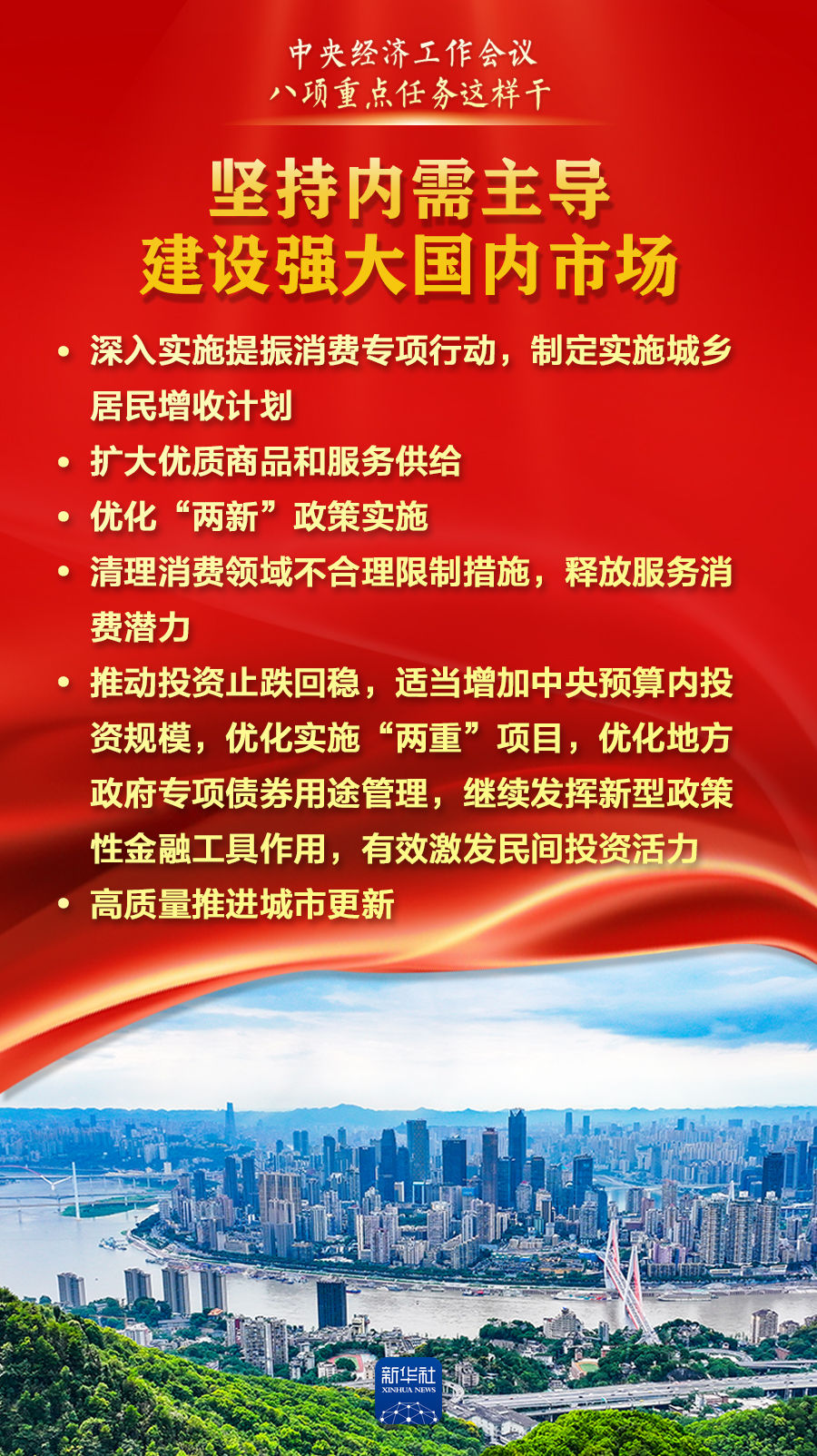
Core Viewpoint - The Central Economic Work Conference held on December 10-11 in Beijing outlined eight key tasks for economic work in the coming year, focusing on fostering new growth drivers, enhancing high-quality development, and promoting coordinated and sustainable growth. Group 1: New Growth Drivers - Accelerate the cultivation and expansion of new driving forces for economic growth, including the development of a comprehensive plan for education, technology, and talent [4] - Establish international technology innovation centers in Beijing (Jing-Jin-Ji), Shanghai (Yangtze River Delta), and the Guangdong-Hong Kong-Macao Greater Bay Area [4] - Strengthen the role of enterprises in innovation and improve the intellectual property protection system in emerging fields [4] Group 2: Reform and High-Quality Development - Formulate a national unified market construction regulation and address "involution" competition [7] - Implement further reforms for state-owned enterprises and improve supporting regulations for the private economy [7] - Expedite the clearance of overdue payments owed to enterprises [7] Group 3: Open Cooperation - Promote multi-field cooperation and win-win outcomes, including expanding pilot reforms for market-oriented factors [10] - Gradually advance institutional openness and expand the scope of autonomous service sector openings [12] - Encourage the development of digital and green trade, and deepen reforms in foreign investment promotion mechanisms [12] Group 4: Coordinated Development - Promote urban-rural integration and regional collaboration, focusing on urbanization centered around county towns and comprehensive rural revitalization [14] - Ensure food production and maintain reasonable prices for essential agricultural products [14] - Strengthen coordination among key urban agglomerations and enhance cross-administrative cooperation [14] Group 5: Green Transformation - Advance energy-saving and carbon reduction transformations in key industries [16] - Develop a national energy strategy and accelerate the construction of a new energy system [16] - Implement comprehensive solid waste management actions and enhance environmental protection efforts [16] Group 6: People-Centric Approach - Implement actions to stabilize and expand employment for key groups, including college graduates and migrant workers [18] - Adjust the layout of educational resources to increase the supply of high school and quality college admissions [18] - Optimize centralized drug procurement and deepen reforms in medical insurance payment methods [18] Group 7: Risk Management - Focus on stabilizing the real estate market with city-specific policies to control growth and reduce excess [20] - Promote long-term care insurance systems and enhance support for vulnerable groups [20] - Ensure safety in production, disaster prevention, and food and drug safety [20]

工业硅:关注新疆地区天气情况、多晶硅:盘面高位震荡格局
Guo Tai Jun An Qi Huo· 2025-12-12 02:07
Report Summary 1. Investment Rating - No investment rating for the industry is provided in the report. 2. Core Viewpoints - The report focuses on the fundamentals of industrial silicon and polysilicon, including price, profit, inventory, and raw material cost data. It also mentions the trend strength of industrial silicon and polysilicon, with industrial silicon at 0 (neutral) and polysilicon at 1 (偏强) [3]. 3. Content Summaries by Category 3.1 Fundamental Tracking - **Futures Market**: Si2601 (industrial silicon) closed at 8,285 yuan/ton with a trading volume of 203,929 lots, while PS2605 (polysilicon) closed at 55,765 yuan/ton with a trading volume of 197,180 lots [1]. - **Basis**: Industrial silicon's spot premium against different grades and polysilicon's spot premium against N - type re -投料 are presented, showing various price differences over different time intervals [1]. - **Price**: Prices of industrial silicon (e.g., Xinjiang 99 silicon at 8750 yuan/ton), polysilicon (N - type re -投料 at 52300 yuan/ton), and related products like silicon wafers, battery cells, and components are provided [1]. - **Profit**: Silicon factory profits for different grades in Xinjiang and Yunnan are negative, while polysilicon enterprise profit is 8.0 yuan/kg [1]. - **Inventory**: Industrial silicon's social inventory is 56.1 million tons, enterprise inventory is 18.7 million tons, and polysilicon's factory inventory is 29.3 million tons [1]. - **Raw Material Cost**: Prices of raw materials such as silicon ore, washed coal, petroleum coke, electrodes, and chemicals for polysilicon production are given [1]. 3.2 Macro and Industry News - The Central Economic Work Conference from December 10 - 11 determined next year's economic work priorities, including reform, market construction, and financial system improvement [2][3]. 3.3 Trend Intensity - Industrial silicon has a trend intensity of 0 (neutral), and polysilicon has a trend intensity of 1 (偏强) [3].
中央经济工作会议:2026年加快新型能源体系建设,扩大绿电应用
Xin Lang Cai Jing· 2025-12-12 01:37
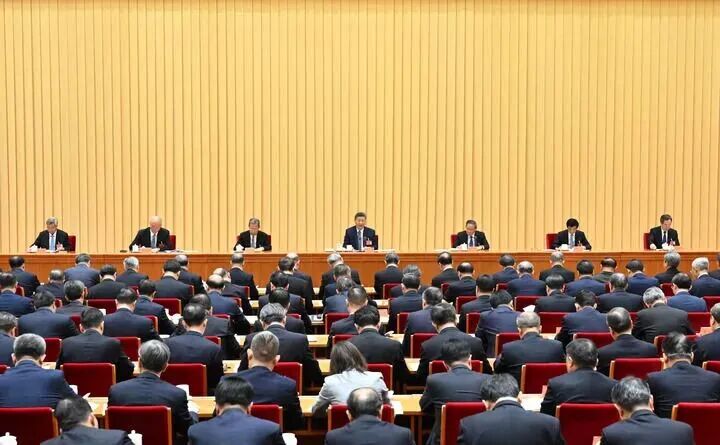
Core Viewpoint - The Central Economic Work Conference held on December 10-11, 2025, emphasized the need for a stable and progressive economic policy, focusing on quality improvement and efficiency enhancement in the economic work for 2026 [5][21]. Economic Policy Direction - The conference highlighted the importance of maintaining stability while seeking progress, enhancing the effectiveness of macroeconomic governance, and integrating existing and new policies [3][18]. - It was decided to implement a more proactive fiscal policy, ensuring necessary fiscal deficits and optimizing fiscal expenditure structures [8][24]. Key Tasks for 2026 - The conference outlined several key tasks for 2026, including: - Promoting a strong domestic market and enhancing consumer spending through targeted actions [9][25]. - Fostering innovation and developing new growth drivers, particularly in technology and education [10][26]. - Strengthening reforms to boost high-quality development and addressing issues in state-owned enterprises and private sector regulations [10][26]. - Expanding international cooperation and trade, particularly in digital and green sectors [10][26]. - Coordinating urban and rural development, ensuring food security, and maintaining poverty alleviation efforts [11][27]. - Leading with a "dual carbon" approach to promote green transformation and environmental protection [11][27]. Emphasis on People's Livelihood - The conference stressed the importance of improving people's livelihoods, including stabilizing employment for key groups and enhancing education and healthcare services [12][28]. - It also highlighted the need to address risks in key sectors, particularly in the real estate market, and to manage local government debt effectively [12][28]. Overall Economic Confidence - The conference called for unity and confidence in the economic outlook, emphasizing the need to adapt to new challenges while leveraging existing strengths [22][29]. - It underscored the importance of aligning actions with the central government's strategic vision and ensuring effective implementation of economic policies [30][31].
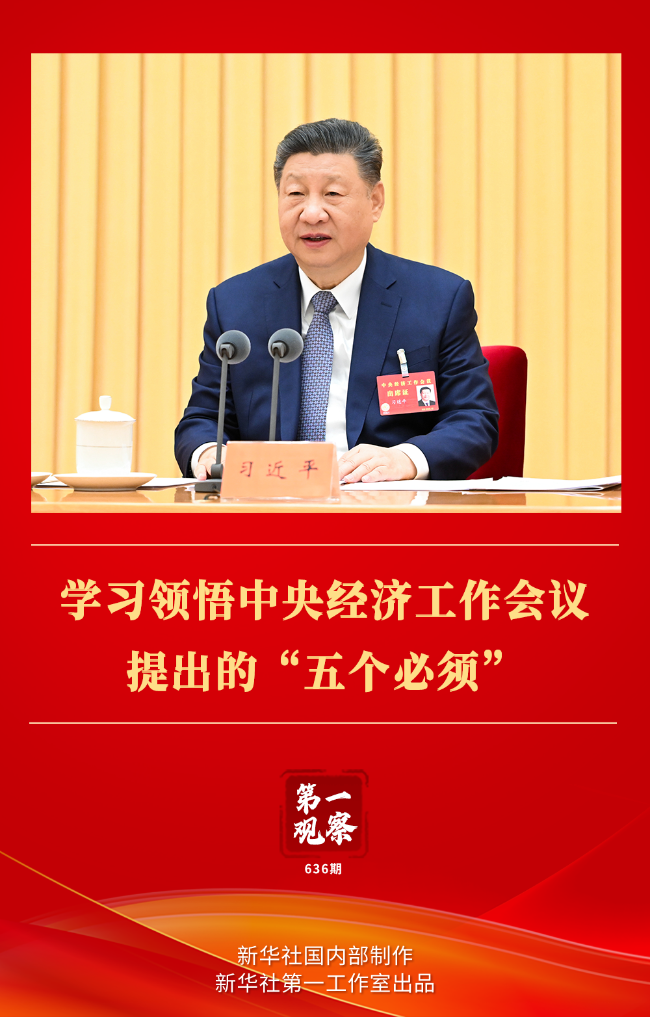
第一观察 | 学习领悟中央经济工作会议提出的“五个必须”
Xin Hua She· 2025-12-12 00:28
21 ir 学习领悟中央经济工作会议 提出的"五个必须" e36期 新华社国内部制作 新华社第一工作室出品 12月10日至11日在北京举行的中央经济工作会议上,习近平总书记发表重要讲话,总结2025年经济工 作,分析当前经济形势,部署2026年经济工作。 会议鲜明提出,通过实践,我们对做好新形势下经济工作又有了新的认识和体会,即"五个必须"—— 必须充分挖掘经济潜能,必须坚持政策支持和改革创新并举,必须做到既"放得活"又"管得好",必须坚 持投资于物和投资于人紧密结合,必须以苦练内功来应对外部挑战。 2026年是"十五五"规划开局之年,做好经济工作至关重要。"五个必须"既对以往经济实践作出了深刻精 辟的总结,也为做好当前和今后一个时期的经济工作提供了思想指引和行动指南。 必须充分挖掘经济潜能—— 另一方面,强调"坚持改革攻坚",明确"制定全国统一大市场建设条例""深入整治'内卷式'竞争""制定和 实施进一步深化国资国企改革方案""拓展要素市场化改革试点"等重点领域与关键环节。 政策支持和改革创新融合促进,政策工具与制度安排相互支撑,既推动现实问题解决,确保实现稳中求 进,又有利于提质增效,实现更高质量、更具韧 ...
中央要求进一步深化国企改革 哪些领域值得期待?
Sou Hu Cai Jing· 2025-12-11 23:36
来源:智通财经 据新华社消息,中央经济工作会议12月10日至11日在北京举行。分析当前经济形势,部署2026年经济工 作。 在部署明年主要任务时,会议特别提到,制定和实施进一步深化国资国企改革方案。 中国企业联合会特约高级研究员刘兴国对智通财经表示,明年的国企改革,应该会在当前已有改革的基 础上向深向难推进,既要通过改革激发发展活力,为"十五五"发展开好新局,也要通过改革增强创新动 能,推动科技创新、产品创新取得更好成果。另外,要通过改革优化管理模式、管理制度,实现更有效 率更有质量的发展。 在刘兴国看来,明年国企改革的重点可能在三个方面,一是深化"三项制度"改革,建立更具激励效果的 手段多元化的激励制度;二是完善创新机制,优化创新环境,变革创新模式,促进成果转化应用,全面 激发创新动能;三是构建统筹国资安全和发展活力的监管模式,既要保障国资安全,更要实现国资增 值。 中国企业改革与发展研究会研究员周丽莎对智通财经表示,展望新一轮国有企业改革方案,国企要更好 地担当起发展新质生产力、举国体制推动创新、建设统一大市场中的关键角色。 在周丽莎看来,未来的行动框架应聚焦于三点,首先就是做"减法"与"加法"。 周丽莎 ...
中央要求进一步深化国企改革,哪些领域值得期待?
Xin Lang Cai Jing· 2025-12-11 14:11
在部署明年主要任务时,会议特别提到,制定和实施进一步深化国资国企改革方案。 中国企业联合会特约高级研究员刘兴国对智通财经表示,明年的国企改革,应该会在当前已有改革的基础上向深向难推进,既要通过改革激发发展活力, 为"十五五"发展开好新局,也要通过改革增强创新动能,推动科技创新、产品创新取得更好成果。另外,要通过改革优化管理模式、管理制度,实现更有效 率更有质量的发展。 在刘兴国看来,明年国企改革的重点可能在三个方面,一是深化"三项制度"改革,建立更具激励效果的手段多元化的激励制度;二是完善创新机制,优化创 新环境,变革创新模式,促进成果转化应用,全面激发创新动能;三是构建统筹国资安全和发展活力的监管模式,既要保障国资安全,更要实现国资增值。 中国企业改革与发展研究会研究员周丽莎对智通财经表示,展望新一轮国有企业改革方案,国企要更好地担当起发展新质生产力、举国体制推动创新、建设 统一大市场中的关键角色。 记者 辛圆 据新华社消息,中央经济工作会议12月10日至11日在北京举行。分析当前经济形势,部署2026年经济工作。 周丽莎表示,随着全球科技革命和产业变革的加速推进,战略性新兴产业已成为推动经济社会发展的重要 ...

中国企业研究院执行院长李锦:国有企业战略性重组和专业化整合力度会进一步加强
Xin Lang Cai Jing· 2025-12-11 14:05
结构性改革方面,李锦表示,国有企业要坚持有所为、有所不为,明确国有资本重点投资的领域和方 向。在他看来,国有经济布局优化和结构调整仍将是改革主线,战略性重组和专业化整合力度会进一步 加强,推动国有资本合理有序流动。 来源:上海证券报·中国证券网 上证报中国证券网讯(记者 王子霖)中央经济工作会议指出,制定和实施进一步深化国资国企改革方 案,完善民营经济促进法配套法规政策。 中国企业研究院执行院长、国企改革专家李锦认为,新一轮国企改革将重点聚焦功能性改革、结构性改 革以及体制机制改革三个方向。 功能性改革方面,李锦认为,国有企业要更好利用经营手段和市场的力量履行国家战略使命。在考核层 面,要进一步完善国有企业考核评价体系、国有企业履行战略使命评价制度、建立科技创新和产业创新 的考核评价体系。同时,要进一步推动国有企业打造原创技术策源地和现代产业链链长。 体制机制改革方面,重点是健全国有企业市场化经营机制。李锦认为,改革抓手是激发国有企业内生动 力和创新活力,具体涉及经营机制改革、企业管理运行体系改革,以及完善国有资产监管体制。 来源:上海证券报·中国证券网 上证报中国证券网讯(记者 王子霖)中央经济工作会议指出 ...
中央经济工作会议:制定全国统一大市场建设条例
2 1 Shi Ji Jing Ji Bao Dao· 2025-12-11 13:05
Core Viewpoint - The Central Economic Work Conference held on December 10-11 in Beijing outlined key tasks for economic work in the coming year, emphasizing the need for reform and enhancing high-quality development momentum. Group 1: Economic Reforms - The conference proposed to persist in reform efforts to enhance the vitality of high-quality development [1] - A nationwide unified market construction regulation will be formulated to address "involution" competition [1] - Further deepening of state-owned enterprise reforms and improving supporting regulations for promoting the private economy will be implemented [1] Group 2: Financial and Market Improvements - There will be an accelerated effort to clear overdue payments owed to enterprises [1] - The development of platform enterprises and the mutual benefits for platform operators and workers will be promoted [1] - Market-oriented reform pilot programs will be expanded [1] Group 3: Tax and Financial System Enhancements - A sound local tax system will be established [1] - Continuous improvement of small and medium-sized financial institutions will be pursued, focusing on quality over quantity [1] - Ongoing comprehensive reforms in capital market investment and financing will be deepened [1]
山西国资国企改革“十四五”期末交卷:“增肌减脂”“抗风险”
Zhong Guo Xin Wen Wang· 2025-12-11 12:20
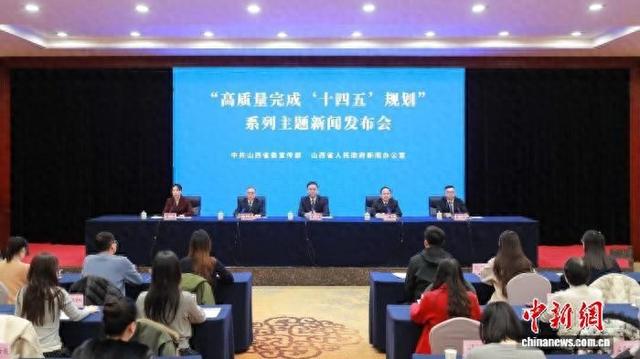
中新网太原12月11日电 (李新锁)过去5年,占据山西经济体量大头的省属国企能不能扛事?抗风险能力 如何?国企"虚胖"的毛病治好没有?在山西省政府新闻办11日举行的新闻发布会上,山西省国资委党委 书记、主任洪强用"压舱石""主引擎""顶梁柱"等关键词予以回应。 "十四五"以来,山西国资国企全面推行"一业一策""一企一策"差异化考核,统筹推进提质增效、扭亏减 亏、成本压降等专项行动,推动省属企业经营质效稳步提升。 "在传统产业转型升级方面,山西累计建成先进产能矿井301座,占比达到95%以上。"洪强说,在培育 战略性新兴产业(简称"战新产业")方面,山西编制省属国企战新产业图谱,建立战新产业项目库,战新 产业营业收入占比达到10%以上。 2024年,山西省属国企战新产业投资完成239.74亿元,占总投资的16%;营业收入突破1264亿元,占全 部总收入的10.38%。 山西虽身处内陆,但同样热切追逐科技创新的星辰大海。 其间,山西省属国企科技创新的"源动力"作用更加彰显。过去5年,山西省属国企打造了14个原创技术 策源地,建成27个国家级创新平台、226个省级创新平台,积极参与国家级创新联合体建设,在智慧矿 山 ...
中央经济工作会议:深入整治“内卷式”竞争 持续深化资本市场投融资综合改革
Jin Rong Jie· 2025-12-11 10:27
责任编辑:山上 据新华社消息,中央经济工作会议12月10日至11日在北京举行。会议确定,明年经济工作抓好以下重点 任务。坚持改革攻坚,增强高质量发展动力活力。制定全国统一大市场建设条例,深入整治"内卷式"竞 争。制定和实施进一步深化国资国企改革方案,完善民营经济促进法配套法规政策。加紧清理拖欠企业 账款。推动平台企业和平台内经营者、劳动者共赢发展。拓展要素市场化改革试点。健全地方税体系。 深入推进中小金融机构减量提质,持续深化资本市场投融资综合改革。 财经频道更多独家策划、专家专栏,免费查阅>> ...