稀土出口管制

Search documents
美财长称如果中国继续阻止稀土出口,美国可能会对华加征关税,中方回应
Xin Lang Cai Jing· 2025-11-03 07:32
在11月3日外交部例行记者会上,有记者提问称,美国财长贝森特昨日表示,如果中国继续阻止稀土出 口,美国可能会对华加征关税。中方对此有何回应?对此,发言人毛宁表示,关于中国的稀土出口管制 政策,中方主管部门已经多次阐明了立场。中美经贸团队吉隆坡磋商的成果充分说明,对话和合作是解 决问题的正确途径,威胁和施压无助于问题的解决。当务之急是中美双方应当认真落实两国元首釜山会 晤达成的重要共识,为中美的经贸合作和世界经济注入更多的稳定性。(环球网) ...
翻脸不认人?美国财长:如果中国重新限制稀土,美国重启关税战
Sou Hu Cai Jing· 2025-11-03 07:10
Group 1 - The U.S. has returned to the tariff status prior to April 2, 2023, and China has suspended its stricter rare earth export controls in response to U.S. actions in tariffs and technology sanctions [1][7] - U.S. Treasury Secretary Bessent has threatened to restart the tariff war if China re-imposes restrictions on rare earth exports, indicating U.S. concerns over its reliance on Chinese materials [3][8] - The U.S. has limited tools left to contain China, primarily focusing on sanctions against high-tech companies and tariffs, with previous tariff actions proving ineffective [10] Group 2 - The U.S. has a history of disregarding agreements and international commitments, often prioritizing its own interests over global cooperation [5] - The U.S. seeks to control international organizations to serve its interests, reflecting a skewed worldview that overestimates its global influence [5] - Recent agreements between the U.S. and China highlight the ongoing strategic competition, particularly in the rare earth sector, which is critical for technology and defense industries [8][10]


稀土磁材行业周报:本周板块小幅下跌,产业链价格回升-20251103
Xiangcai Securities· 2025-11-03 03:28
Investment Rating - The industry investment rating is maintained at "Overweight" [3][46] Core Views - The rare earth magnetic materials sector experienced a slight decline of 0.21% this week but outperformed the benchmark (CSI 300) by 0.22 percentage points [5][12] - The industry valuation (TTM P/E) has decreased to 80.31x, influenced by third-quarter earnings, currently at the 90.8% historical percentile [5][12] - The prices of rare earth minerals have shown a significant rebound, with domestic mixed rare earth carbonate, Sichuan fluorocarbon cerium ore, and Shandong fluorocarbon cerium ore prices increasing by 9.68%, 11.11%, and 13.64% respectively [9][15] - The market sentiment is improving, with expectations of stable demand and potential recovery in export demand, despite short-term price pressures [44][46] Summary by Sections Market Performance - The rare earth magnetic materials sector slightly declined by 0.21% this week but outperformed the CSI 300 benchmark by 0.22 percentage points [5][12] - Over the past 12 months, the sector has shown a relative return of 76% compared to the CSI 300 [4] Price Trends - Prices for rare earth minerals have rebounded significantly, with notable increases in various categories, including a 5.99% rise in praseodymium-neodymium oxide prices [9][18] - Dysprosium prices have shown a slight recovery, while terbium prices continue to decline [21] Supply and Demand Dynamics - The supply side is expected to tighten due to regulatory measures and a potential reduction in production from separation enterprises, while demand remains stable [44] - The demand from downstream sectors, particularly in new energy vehicles and wind power, is showing signs of marginal decline, but overall industrial trends remain positive [44] Investment Recommendations - The report suggests maintaining an "Overweight" rating, focusing on upstream rare earth resource companies and downstream magnetic material enterprises with strong customer structures and growth potential [46][10]
日本首次从中国以外的渠道进口稀土
Sou Hu Cai Jing· 2025-11-02 01:45
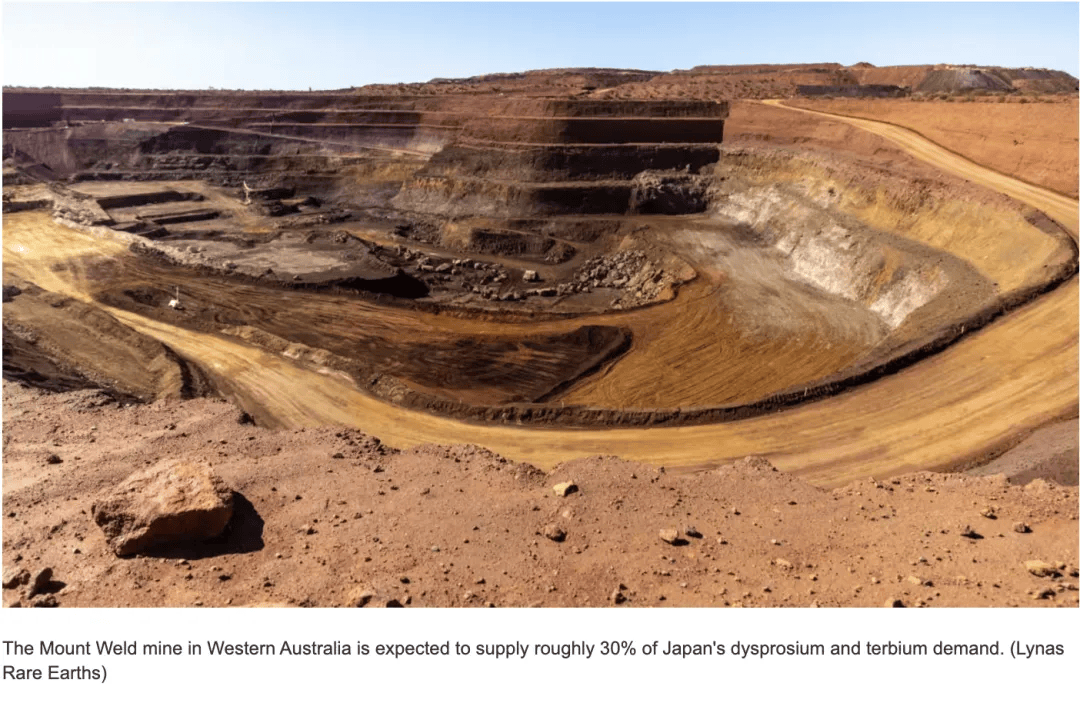
Group 1 - Sojitz Corporation has begun importing dysprosium and terbium from the Mount Weld mine in Australia, with the materials processed in Malaysia before being shipped to Japan [2] - Lynas Rare Earths, the operator of the Mount Weld mine, received an investment of 200 million AUD (approximately 930 million RMB) from a joint venture established by Sojitz and the Japan Organization for Metals and Energy Security (JOGMEC) in 2023 [2] - Lynas will supply Japan with up to 65% of the mine's dysprosium and terbium output, which corresponds to about 30% of Japan's market demand [2] Group 2 - Dysprosium and terbium are classified as heavy rare earth elements, which are less abundant than light rare earths and are primarily used in manufacturing high-performance neodymium magnets for electric vehicles and wind turbine motors [3] - Japan views diversifying supply sources outside of China as a key aspect of economic security, as China currently accounts for nearly 70% of global rare earth production, with almost all heavy rare earth supply coming from China [3] - However, cost remains a significant barrier, as sourcing materials from Australia and the U.S. for processing in Southeast Asia will lead to higher costs compared to direct imports from China [3] Group 3 - The Chinese Ministry of Commerce has implemented export controls on rare earth-related technologies to safeguard national security and interests, requiring licenses for the export of specific technologies related to rare earth mining, refining, and manufacturing [4][5] - The announcement specifies that any export of controlled items without permission is prohibited, and exporters must apply for licenses to provide any assistance related to rare earth activities outside of China [6][8]
中美俄稀土储量对比:俄1000万吨,美180万吨,中国是多少呢?
Sou Hu Cai Jing· 2025-11-01 14:20
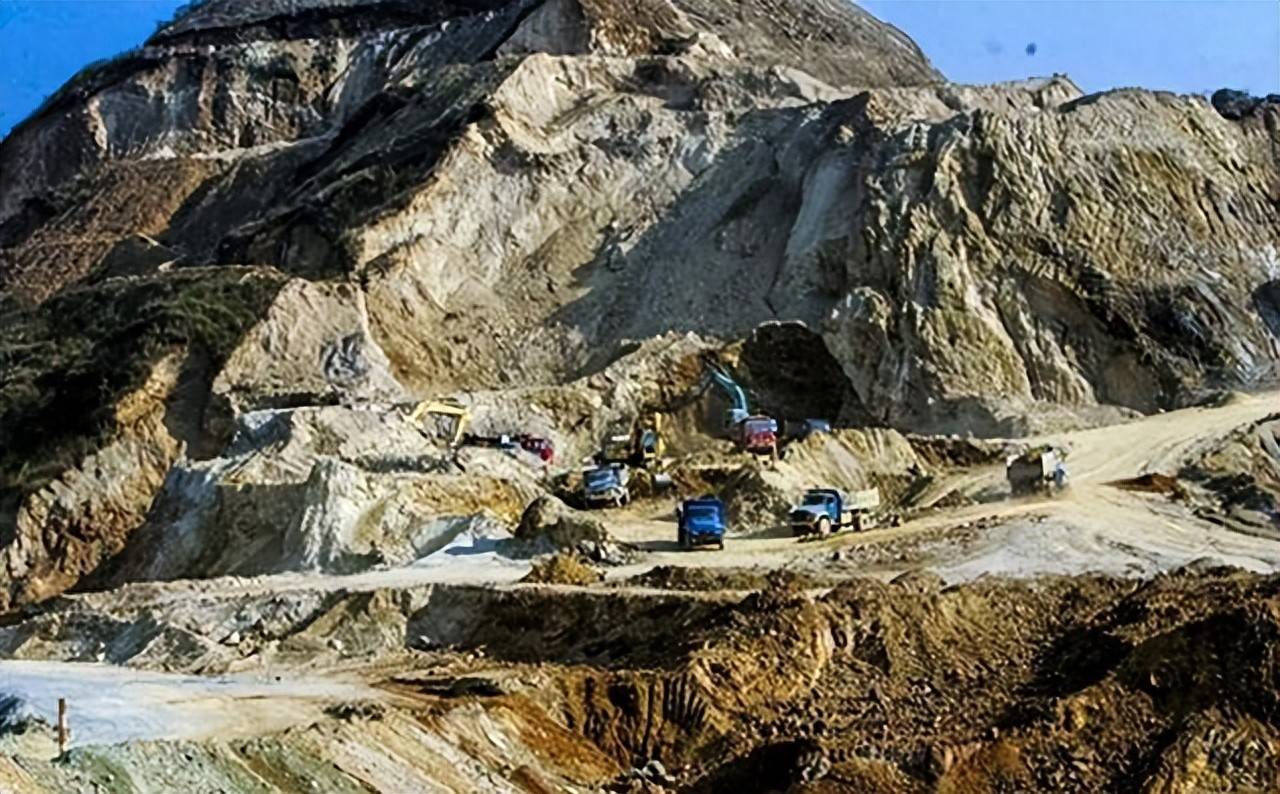
Core Insights - Rare earth elements are crucial for modern technology, with significant applications in smartphones, electric vehicle batteries, and missile navigation systems. The global distribution of rare earth resources is highly uneven, primarily concentrated in a few countries [1] Group 1: China's Dominance - China holds 44 million tons of rare earth reserves, accounting for over 40% of global supply, based on extensive exploration efforts [3] - The country has a production capacity of 270,000 tons annually, representing 70% of global output, and has implemented strict export quotas to protect its high-tech industries [3][5] - China's processing technology is advanced, controlling 90% of refining capacity, which allows for low-cost and efficient extraction [5][13] Group 2: United States' Challenges - The U.S. has only one operational rare earth mine, Mountain Pass, producing 43,000 tons annually, primarily for military and technology applications [7] - The U.S. relies heavily on imports for 70% of its rare earth needs, predominantly from China, raising concerns about supply chain vulnerabilities [7][9] - Despite plans to expand domestic production, the U.S. faces high costs and regulatory challenges, leading to a preference for importing rare earth materials [9][11] Group 3: Russia's Potential - Russia's rare earth production is limited to 2,500 tons annually, with significant reserves estimated at 380 million tons, but exploration and extraction are hampered by geographical and economic challenges [11][13] - The country focuses on using rare earths for domestic high-tech military applications, with limited exports [11][13] - Future development could position Russia as a significant player in the rare earth market, but current production capabilities are constrained [13][15] Group 4: Market Trends and Future Outlook - Global demand for rare earths is expected to grow by 15% by 2025, driven by electric vehicles and wind energy, leading to a projected price increase of 20% [13][15] - Environmental concerns are prompting China to adopt cleaner extraction methods, while the U.S. is cautious about domestic mining due to regulatory risks [15] - The trend towards diversified supply chains is emerging, with potential collaborations between the U.S. and Australia, and Russia possibly partnering with Brazil [15][17]
商务部回应安世半导体相关问题:将对符合条件的出口予以豁免
21世纪经济报道· 2025-11-01 01:47
Core Viewpoint - The Chinese Ministry of Commerce emphasizes the importance of stable global supply chains and criticizes the Dutch government's interference in corporate affairs, which has contributed to supply chain disruptions [1][2]. Group 1: Semiconductor Industry - The Ministry of Commerce has previously responded to inquiries regarding Anshi Semiconductor, highlighting the need for companies facing difficulties to reach out for support [1]. - The Ministry indicates a willingness to consider exemptions for exports that meet certain conditions, reflecting a proactive approach to maintaining industry stability [1]. Group 2: Rare Earth Export Controls - The recent comments from the Ministry of Commerce also touch upon the broader context of rare earth export controls, indicating ongoing regulatory scrutiny in this area [2].
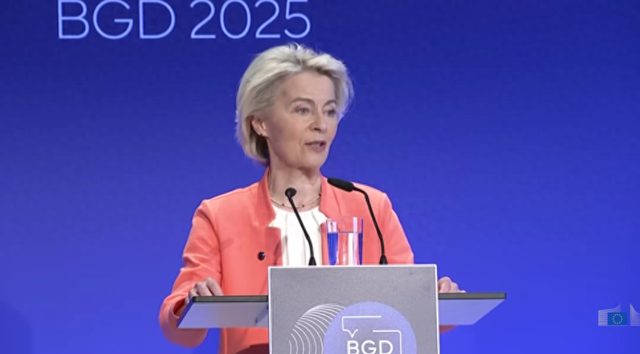
稀土后续来了!欧盟主席气急败坏,马克龙和默茨要启动“核选项”
Sou Hu Cai Jing· 2025-10-31 08:37
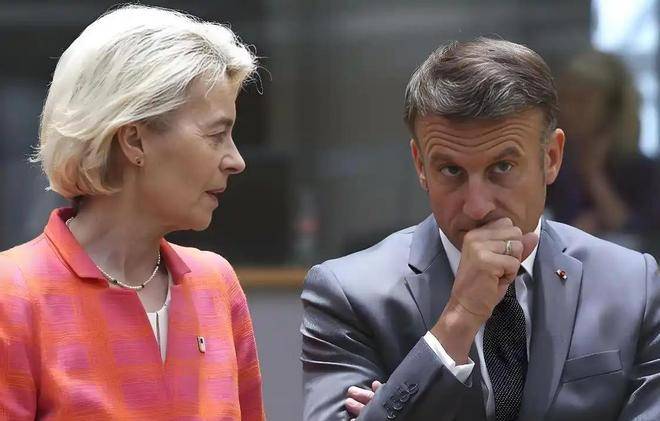
Core Viewpoint - China has transitioned from adhering to international rules to becoming a rule-maker, asserting its position in the global market, particularly in rare earth exports, which poses significant challenges for European industries such as automotive, defense, and artificial intelligence [1][2] Group 1: China's Position and Actions - China has implemented export controls on certain resources like gallium and rare earths, leading to immediate risks of supply chain disruptions in the EU's high-tech manufacturing sector [2] - The assertion of "I am the rule" reflects China's confidence in its ability to influence global trade dynamics, particularly in critical materials [1] Group 2: European Response - EU leaders, including President Macron and Chancellor Merz, have threatened to use the "nuclear option" of the EU's Anti-Coercion Instrument, which includes measures like trade restrictions and investment controls, if consensus on rare earth issues is not reached with China [1] - The EU's heavy reliance on China for 90% of its rare earth imports raises questions about the feasibility of achieving true autonomy in critical supply chains [2] Group 3: Implications for Global Trade - The current tensions highlight the contradictions in Western attitudes, where threats are issued while simultaneously seeking cooperation from China, indicating a lack of effective strategy [2] - The effectiveness of sanctions or restrictions imposed by Western nations is contingent upon China's participation or compliance, emphasizing the need for a more collaborative approach [2]
欧盟要猛砸钱?“只要中国稀土更便宜,欧洲生产商就无胜算”
Guan Cha Zhe Wang· 2025-10-31 07:55
Core Viewpoint - The European Union (EU) is striving to reduce its dependence on China for rare earth materials amid geopolitical tensions, but faces significant challenges in funding and execution [1][3][4]. Group 1: EU's Strategic Plans - The EU Commission is accelerating a new plan named "RESourceEU" aimed at diversifying supply sources for critical minerals by the end of the year [1][3]. - This plan will focus on recycling, joint procurement, reserves, and investments in critical mineral sectors [1][3]. - The new initiative is modeled after the "REPowerEU" plan, which aimed to invest €225 billion to diversify energy supply routes post-Russia-Ukraine conflict [3]. Group 2: Industry Concerns - Industry leaders express skepticism that the EU's new plan is merely a rehash of previous initiatives without sufficient funding to address the core issues of supply chain diversification [3][6]. - Experts highlight that as long as Chinese materials remain cheaper, European producers will struggle to compete [6][7]. - The EU's goal is to ensure that by the end of the decade, at least 10% of its selected mineral consumption is sourced domestically, with no single country supplying more than 65% of certain raw materials [6][7]. Group 3: Challenges and Obstacles - Funding is identified as a critical bottleneck for the EU's raw materials agenda, affecting mining, processing, recycling, and storage efforts [6][7]. - The EU's plans may face local resistance due to environmental and social concerns associated with new mining projects, complicating investment decisions [6][7]. - The EU is also exploring emergency plans to enhance local production, diversify supplier networks, and establish strategic reserves [7][9].

中方暂停稀土出口管制是否适用于所有国家?外交部回应
第一财经· 2025-10-31 07:47
Core Viewpoint - The Chinese government has announced a one-year suspension of the rare earth export control measures that were previously announced on October 9, but it remains unclear whether this applies to all countries or just the United States [1]. Group 1 - The spokesperson for the Ministry of Foreign Affairs, Guo Jia Kun, addressed a question regarding the suspension of rare earth export controls [1]. - The spokesperson suggested that specific inquiries regarding the details of the suspension should be directed to the relevant Chinese authorities [1].
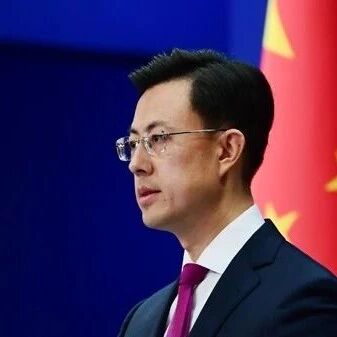
中方暂停稀土出口管制是否适用于所有国家?外交部回应
财联社· 2025-10-31 07:47
Group 1 - The Chinese government has announced a one-year suspension of the rare earth export control measures that were published on October 9 [1] - The question raised by the Reuters reporter pertains to whether this suspension applies to all countries or is limited to the United States [1] - The spokesperson, Guo Jia Kun, suggested that specific inquiries regarding the matter should be directed to the relevant Chinese authorities [1]