美元贬值

Search documents
特朗普表态引发巨震,美元跳水,金价强势收复5100美元
Mei Ri Jing Ji Xin Wen· 2026-01-28 01:20
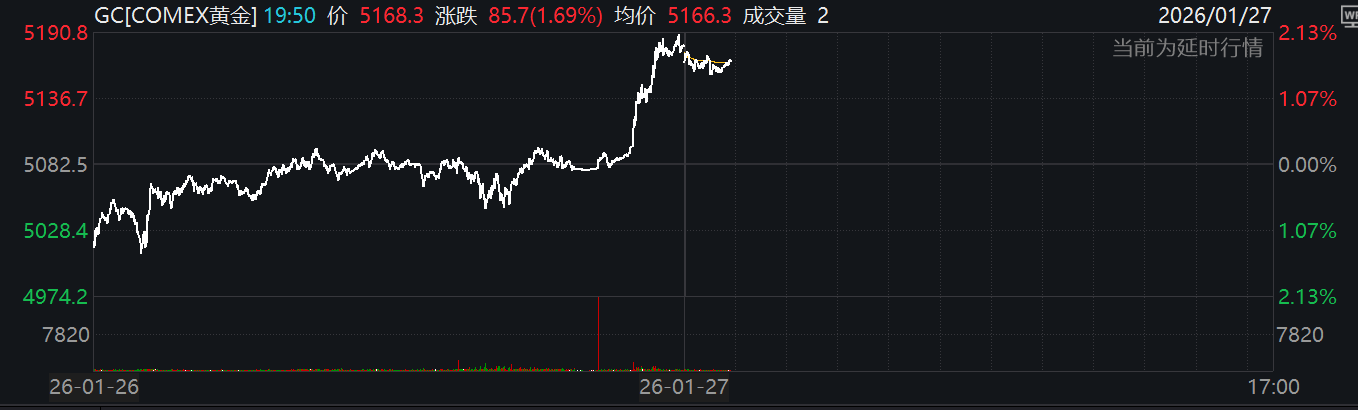
1月27日,受特朗普表态对美元贬值持宽容态度及美国政府重现停摆危机影响,现货期货金价早盘小幅回调后再度强势走高,盘中触及5190美元后尾盘小幅 回落,截至收盘,COMEX黄金期货上涨1.91%报5179.60美元/盎司,黄金ETF华夏(518850)涨0.08%,黄金股ETF(159562)跌0.26%,有色金属ETF基金 (516650)跌1.35%。 分析人士指出,美元部分跌幅源于日元自上周以来的突然反弹。交易员正在押注日本官方可能出手干预汇市,以支撑本国货币,令日元显著走强。与此同 时,华盛顿方面反复无常的政策信号,包括特朗普扬言要接管格陵兰,也令欧洲盟友感到不安,进一步削弱了投资者对美元资产的信心,推动金价进一步走 强。 消息面上,周二,特朗普在接受记者采访时被问及美元近期下滑是否令人担忧,他表示,尽管美元作为全球最主要的储备货币已跌至接近四年来的最低水 平,看看我们正在做的生意,美元表现得非常好。特朗普还补充称,希望美元"顺其自然,回到一个公平的水平"。特朗普讲话后,美元指数一度下跌约 1.2%,触及当日新低,美元对所有主要货币普遍走软。 ...

贵金属“狂飙”,芝商所“出手”!
Sou Hu Cai Jing· 2026-01-28 00:57
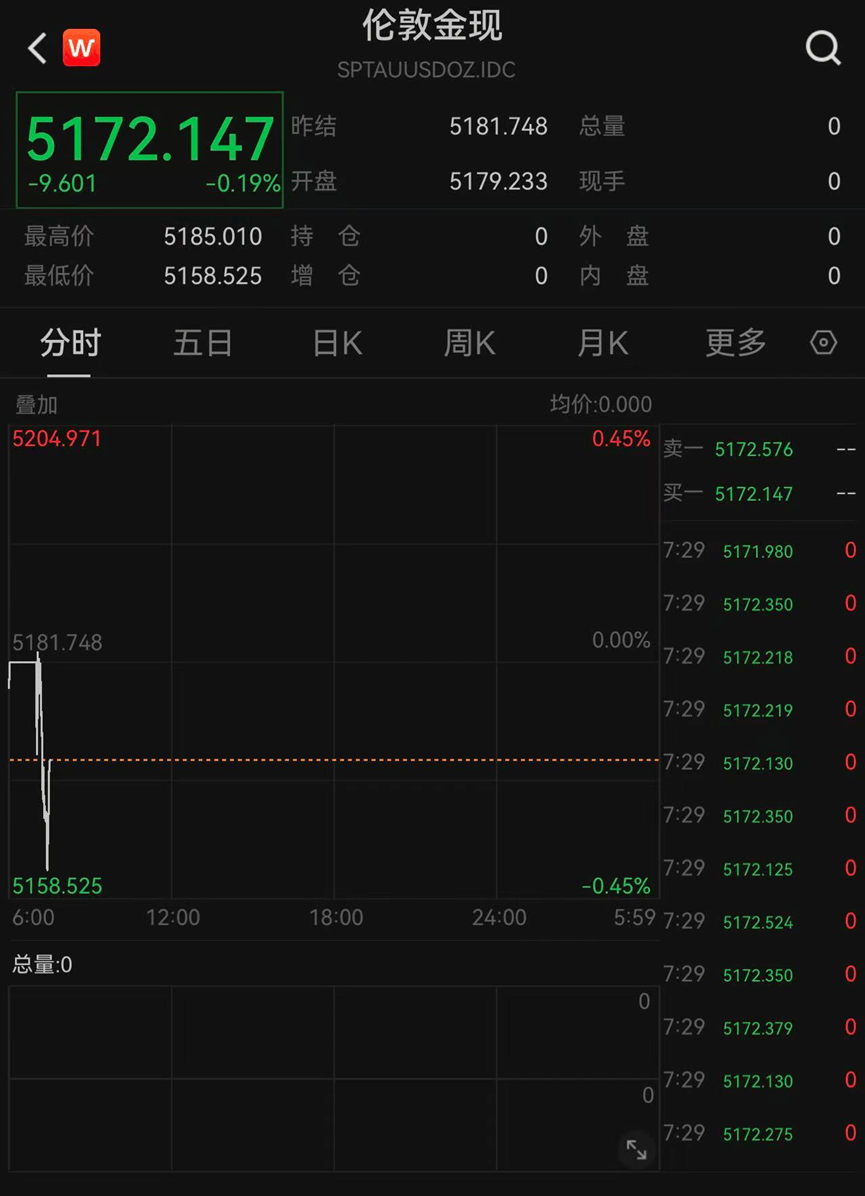
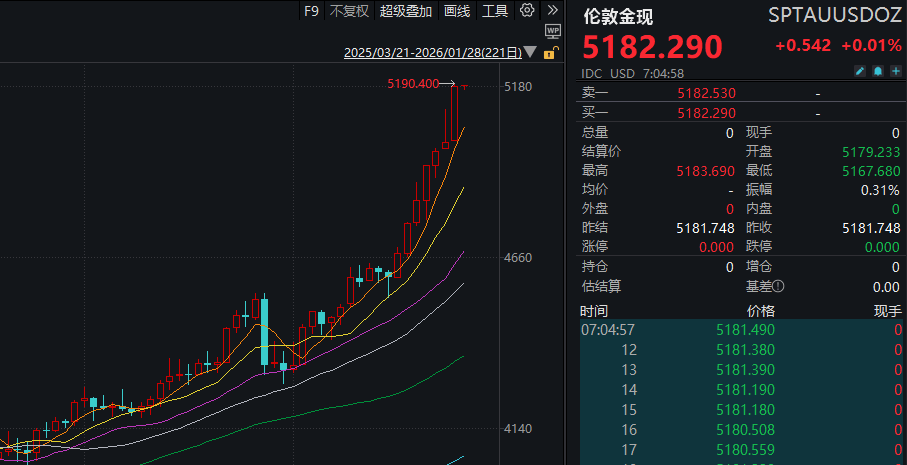
昨夜今晨,贵金属市场上演"过山车"行情。北京时间1月28日,现货黄金、白银开盘下挫,其中伦敦金现相继跌破5180美 元/盎司、5170美元/盎司、5160美元/盎司关口;伦敦银现则向下逼近110美元/盎司。而就在前一交易日,伦敦金现刚刚升 破5190美元/盎司,创历史新高,伦敦银现则是单日大涨逾7%。 昨夜今晨,贵金属市场上演"过山车"行情。北京时间1月28日,现货黄金、白银开盘下挫,其中伦敦金现相继跌破5180美 元/盎司、5170美元/盎司、5160美元/盎司关口;伦敦银现则向下逼近110美元/盎司。而就在前一交易日,伦敦金现刚刚升 破5190美元/盎司,创历史新高,伦敦银现则是单日大涨逾7%。 | | 伦敦金现 < W | | | Q | | --- | --- | --- | --- | --- | | | SPTAUUSDOZ.IDC | | | | | | 昨结 5181.748 5172.147 | 总量 | | 0 | | | -0.19% 开盘 5179.233 -9.601 | 现手 | | 0 | | | 色 最高价 5185.010 持 0 | 外 盘 | | 0 | | | 最低价 ...
美元创去年4月关税风波以来最大跌幅!交易员看更多贬值
Hua Er Jie Jian Wen· 2026-01-28 00:49
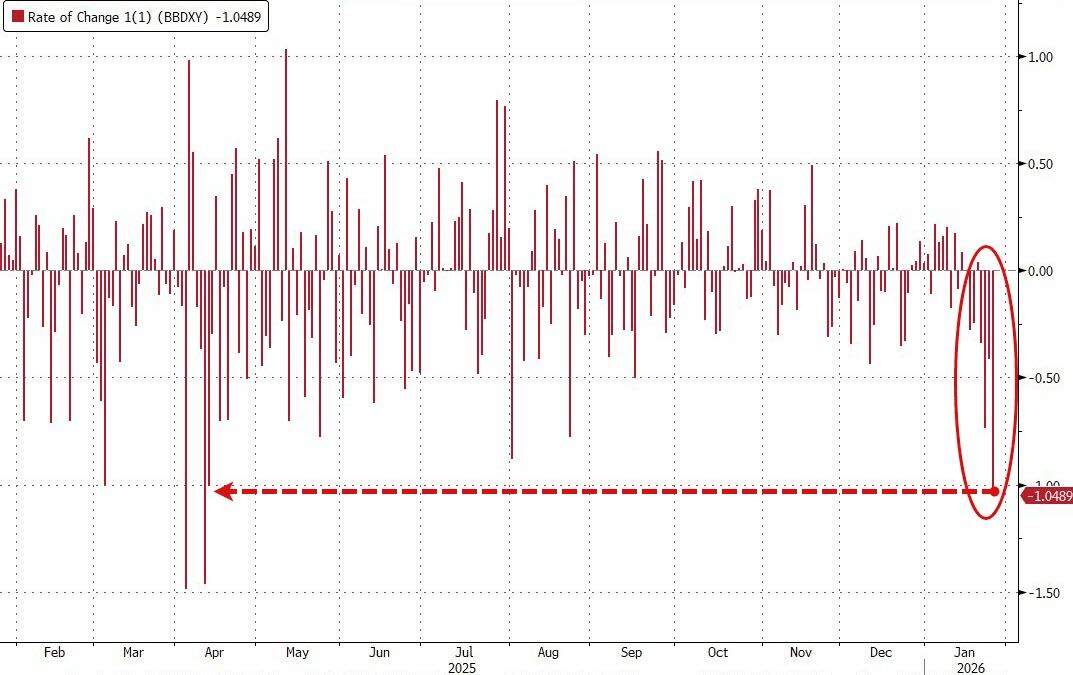
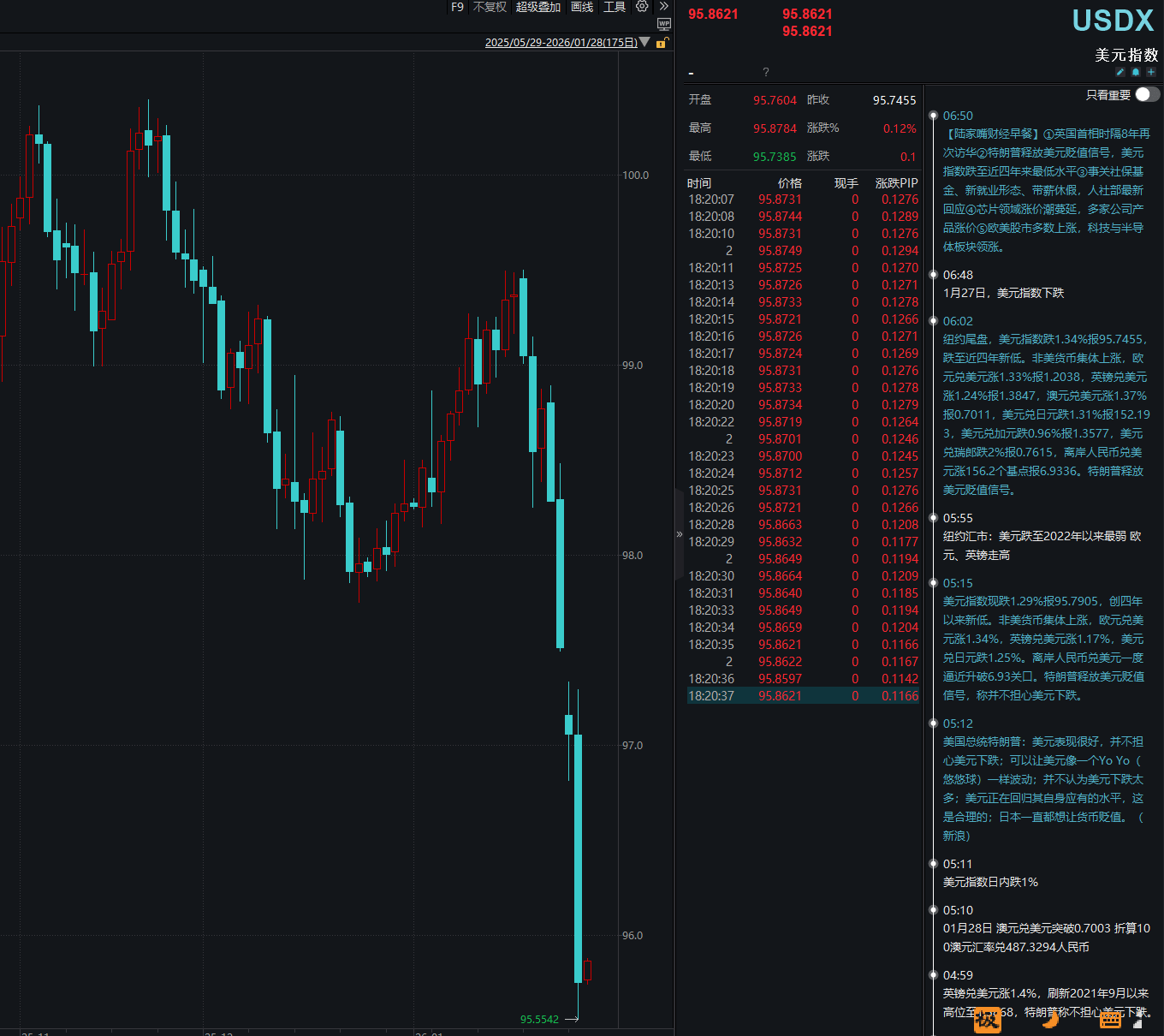
美元正遭遇近四年来最严重的抛售潮,交易员押注美元将进一步走弱。彭博美元即期指数出现自去年4月宣布全面关税以来最陡峭的四日跌幅,投资者为 对冲更深度抛售支付的成本已创历史新高。 美元的下跌推动其他主要货币飙升至多年高位。欧元和英镑均升至约四年半以来的最强水平,日元在日本官员暗示可能干预支持本币后大幅反弹,正迎 来自去年8月全球套利交易崩盘以来的最佳三日涨势。 这轮跌势由多重因素驱动。美国政策的不可预测性——包括特朗普威胁接管格陵兰岛令欧洲盟友震惊,特朗普对美联储施压的风险,美国财政前景和债 务负担的担忧,以及政治极化,都在侵蚀市场情绪。摩根士丹利新兴市场货币策略主管James Lord表示,"非常规催化剂正在推动美元走弱",政策不确 定性正在打击投资者对美国资产的兴趣。 日元干预预期升温 日元的飙升成为美元承压的关键因素。据交易员上周五透露,纽约联储联系金融机构查询日元汇率——这一初步步骤通常在干预前采取,重新引发市场 对协调货币干预的猜测。 DWS Americas固定收益主管George Catrambone表示,美联储官员对美元兑日元汇率的查询"进一步压低了美元"。日元涨至152.43。 彭博美元指数周二 ...
美元崩跌!特朗普“火上浇油”
华尔街见闻· 2026-01-28 00:16
Group 1 - The article highlights growing investor concerns over the unpredictability of U.S. policies, leading to the U.S. dollar's exchange rate falling to a four-year low against major currencies [2] - President Trump expressed confidence in the dollar's performance, stating that he is not worried about its decline and believes it will find a fair level [3][4] - Despite Trump's reassurances, analysts predict that the dollar's downward trend is not over, citing structural factors such as the independence of the Federal Reserve, expanding budget deficits, and political polarization as pressures on the dollar [5][7] Group 2 - The ICE U.S. Dollar Index (DXY) fell significantly, dropping below 96.00 to 95.60, marking its lowest level since February 2022, with a daily decline of approximately 1.5% [5] - Other major currencies, including the Japanese yen and euro, have strengthened against the dollar, with the yen rising over 4% in three days and the euro surpassing 1.20 for the first time since June 2021 [7] - A new emerging market currency index has risen for the fourth consecutive trading day, reaching record highs amid the dollar's decline [8] Group 3 - Investor caution regarding the dollar reflects uncertainty over Washington's policy direction, including Trump's threats related to Greenland [10] - The uncertainty surrounding the selection of the next Federal Reserve chair also adds pressure on the dollar, with speculation about potential changes following the Fed's interest rate decision [12][13] - The Trump administration's preference for a weaker dollar and the risk of a government shutdown further contribute to the prevailing uncertainty [14] Group 4 - The Japanese yen's recent strength has led to speculation about potential government intervention, with reports suggesting that the Japanese government may coordinate with the U.S. to support the yen [15][18] - Market analysts noted that the recent movements in the dollar-yen exchange rate resemble past instances of government intervention [19][20] - The upcoming release of Japan's current account balance data may provide insights into whether the Japanese government has intervened in the currency market [21] Group 5 - The potential for coordinated intervention has made investors hesitant to push the yen lower, with indications from the U.S. suggesting readiness to intervene [22] - The dollar's decline is further exacerbated by global growth expectations, prompting investors to seek higher returns outside the U.S. [23] - Market expectations indicate that the Federal Reserve will likely maintain interest rates, with predictions of two 25 basis point cuts later in the year, contrasting with other major central banks [24]

特朗普“不惧弱美元”话音未落,欧元冲破1.20大关创两年半新高,期权市场押注欧元继续涨
Sou Hu Cai Jing· 2026-01-28 00:07
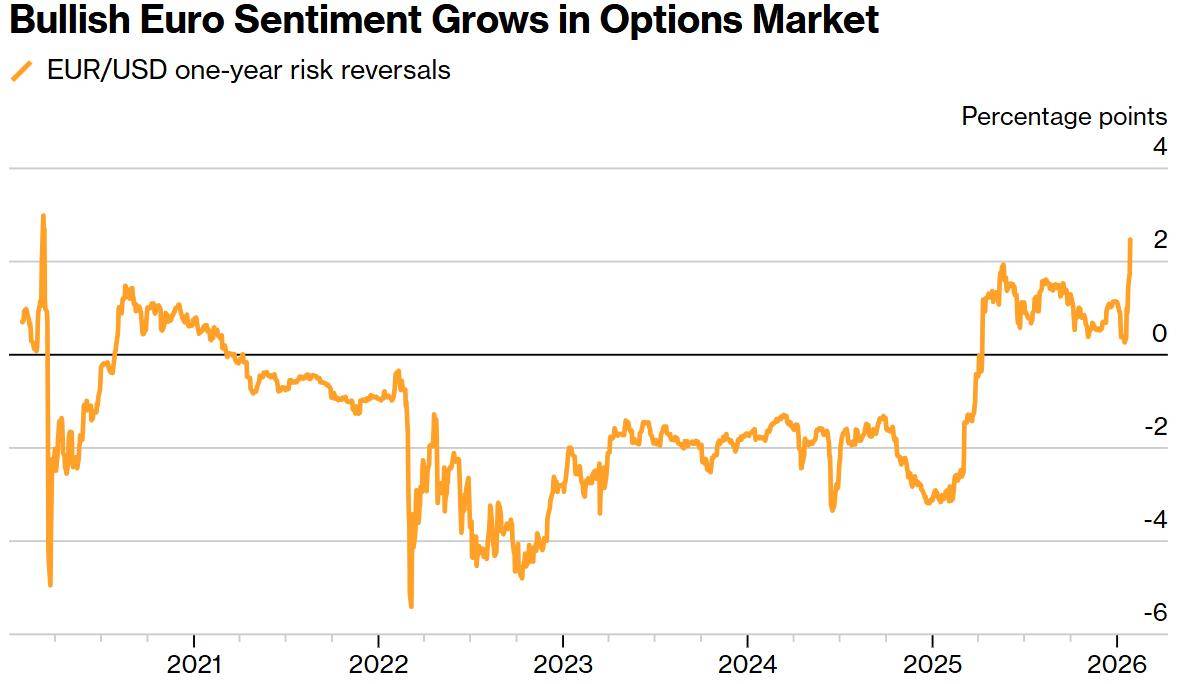
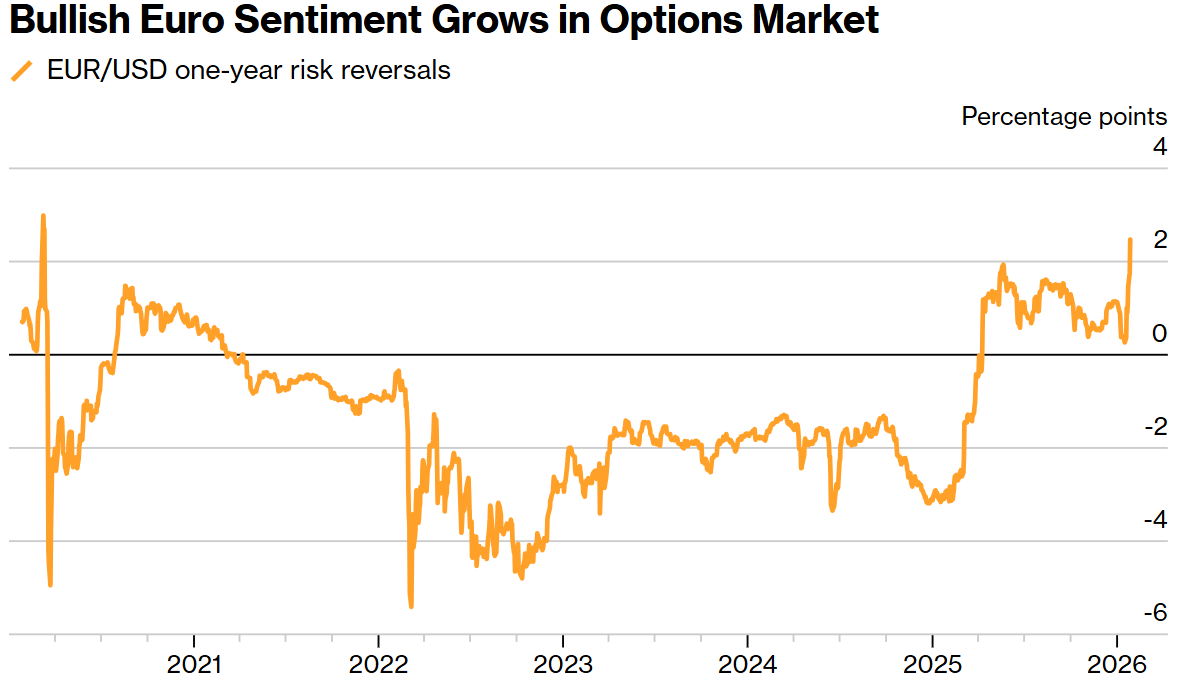
智通财经获悉,在美国总统特朗普表示他不担心美元贬值后,欧元兑美元汇率自2021年6月以来首次攀升至1.20水平之上。随着美元兑十国集团(G10)所有主 要货币再次回落,欧元涨幅一度达1.7%,至1欧元兑1.2081美元,延续了其涨势。 由于对美国赤字上升和贸易摩擦的担忧,美元一直面临广泛压力。在日益增长的地缘政治风险中,加速向黄金及其他储备资产的多元化配置也拖累了美元。 美元在今年年初反弹后,上周重新开始下滑,据交易员报告,纽约联邦储备银行联系了金融机构以核查兑日元的汇率。 投资者目前将关注货币市场对周三美联储利率决议的反应。掉期交易员预计美联储本周将维持利率不变,并预计该央行今年仅会有不到两次的25个基点降 息。 与此同时,政府再次停摆的威胁可能会增加美元的压力。参议院民主党领袖查克·舒默誓言要阻挠一项大规模支出法案,除非共和党撤销对国土安全部的拨 款,这增加了美国政府部分停摆的风险。 期权市场对欧元的看涨情绪持续高涨。本周,相较于看跌,针对未来一年欧元兑美元上涨进行套期保值或投机的溢价已升至2020年3月以来的最高水平。 期权市场看涨欧元情绪升温 来源:智通财经 ...
深夜突发!美元大跳水,跌至近4年新低
Sou Hu Cai Jing· 2026-01-27 23:42
在特朗普发表上述言论后,美元指数下跌逾1%。这也是美元指数连续第四日下跌。欧元对美元上升1.3%至1.2081,为自2021年6月以来最高。英镑兑美元上 升1.2至1.3846,也是自2021年以来最高。 实习编辑:金怡杉 | 审核:李震 | 监审:古筝 【大河财立方消息】1月27日晚间,美元指数大跳水,一度跌至95.5542,创2022年2月以来最低。 消息面上,特朗普表示对美元下跌不感到担心。当被问及是否希望看到美元进一步贬值时,特朗普表示美元可能像"溜溜球"一样上下摆动。 ...
欧元4年多来首次升破1.2 分析师:特朗普讲话触发大规模止损
Xin Lang Cai Jing· 2026-01-27 23:40
新华财经北京1月28日电 美国总统特朗普早前释放让美元贬值的信号。财经网站Investinglive分析师 Adam Button表示,市场将这一切视为对近期美元抛售的认可,这导致欧元兑美元出现大规模止损,并 在很短的时间内突破1.20关口(2021年6月以来首次)并升至1.2068。 然而,他发表这番言论的时机非常不巧(或许是故意的),因为现在人们对美元及其在全球金融体系中 的核心地位产生广泛质疑。黄金价格今天再创新高,而特朗普刚刚发表这番言论的同时,还警告说古巴 很快就会"沦陷"。 编辑:马萌伟 责任编辑:郭建 特朗普长期以来一直暗示他赞成美元贬值,认为这将有助于提高出口竞争力。 ...
特朗普“不惧弱美元”话音未落 欧元冲破1.20大关创两年半新高 期权市场押注欧元继续涨
智通财经网· 2026-01-27 23:31
Group 1 - The core viewpoint of the article highlights the rise of the euro against the dollar, reaching above 1.20 for the first time since June 2021, following President Trump's comments about not worrying about dollar depreciation [1] - The euro appreciated by as much as 1.7%, reaching 1 euro to 1.2081 dollars, continuing its upward trend [1] - The options market shows a strong bullish sentiment towards the euro, with premiums for hedging or speculating on the euro's rise against the dollar reaching the highest level since March 2020 [1][3] Group 2 - The dollar faces widespread pressure due to concerns over rising U.S. deficits and trade tensions, compounded by increasing geopolitical risks that are driving diversification into gold and other reserve assets [4] - After a rebound at the beginning of the year, the dollar has started to decline again, with reports indicating that the New York Federal Reserve has contacted financial institutions to verify the exchange rate against the yen [4] - Investors are closely watching the currency market's reaction to the upcoming Federal Reserve interest rate decision, with swap traders expecting the Fed to maintain rates and anticipate less than two 25 basis point cuts this year [4]
冲击5200美元!现货黄金首次突破5190美元/盎司关口
Sou Hu Cai Jing· 2026-01-27 23:22
消息面上,特朗普表示对美元下跌不感到担心。当被问及是否希望看到美元进一步贬值时,特朗普表示美元可能像"溜溜球"一样 上下摆动。在特朗普发表上述言论后,美元指数下跌逾1%,创下2022年2月以来的最低水平。由于美元走软,金价再度刷新历史 新高。 责编:陈玉尧 | 审核:李震 | 监审:古筝 【大河财立方消息】1月28日消息,现货黄金首次突破5190美元/盎司关口,一度达5190.4美元/盎司。截至发稿,伦敦金现回落至 5182.29美元/盎司。 ...
陆家嘴财经早餐2026年1月28日星期三
Wind万得· 2026-01-27 23:00
Group 1 - UK Prime Minister Starmer will visit China from January 28 to 31, marking the first visit by a UK Prime Minister in eight years. Discussions will focus on bilateral relations and trade investment cooperation [3][6] - US President Trump stated that he is not concerned about the decline of the US dollar, which has recently dropped over 1% to a nearly four-year low of 95.7905 [3][6] - A new wave of price increases is sweeping the global chip industry, with Samsung and SK Hynix significantly raising prices for LPDDR memory used in iPhones by over 80% and nearly 100%, respectively [3][6] Group 2 - Clawdbot has gained significant attention in the tech industry, seen as a precursor to the future of AI agents. Meanwhile, domestic AI models are also gaining traction, with DeepSeek releasing a new OCR model [4] - The Ministry of Human Resources and Social Security announced plans to enhance labor rights for new employment forms and revise paid leave regulations [5] - The National Bureau of Statistics reported that profits of large industrial enterprises in China reached 7.4 trillion yuan in 2025, a 0.6% year-on-year increase, reversing a three-year decline [5] Group 3 - Anta Sports announced a deal to acquire a 29.06% stake in Puma for 15.06 billion euros (approximately 122.8 billion yuan), making Anta the largest shareholder of Puma [9] - The China Fund Industry Association released a performance benchmark database for public funds, focusing on stock indices [9] - The resource product LOF purchase limit has been upgraded, with major funds suspending large purchases starting January 28 [9] Group 4 - Companies such as Guotai Junan and Shenwan Hongyuan expect significant profit increases in 2025, with projected growth rates ranging from 41.76% to 115% [11] - Aisen Co. plans to invest 20 billion yuan in a semiconductor materials manufacturing base in East China [12] - The central bank reported a decrease in real estate loans, with a total balance of 51.95 trillion yuan at the end of 2025, down 963.6 billion yuan year-on-year [12]