
节能减排

Search documents
国家能源集团在青海新设能源销售公司
Qi Cha Cha· 2025-10-09 09:10
Core Insights - The establishment of Guoneng (Qinghai) Energy Sales Co., Ltd. indicates a strategic move by the National Energy Investment Group to expand its operations in energy sales and related services [1] Company Summary - Guoneng (Qinghai) Energy Sales Co., Ltd. has a registered capital of 200 million yuan [1] - The company's business scope includes energy management services, environmental consulting services, and research and development in carbon reduction, carbon transformation, carbon capture, and carbon storage technologies [1] - The company is wholly owned by the National Energy Investment Group through indirect holdings [1]
我国铝产业第一大省:氧化铝年产量2960万吨,超全球五分之一!
Sou Hu Cai Jing· 2025-10-04 12:08
Core Viewpoint - Shandong province is a dominant player in China's aluminum industry, with a projected alumina production of 29.6 million tons in 2024, accounting for over 20% of global output, supported by a well-established industrial chain and strategic resource management [1][6][8]. Group 1: Production and Capacity - In 2024, Shandong's alumina production is expected to reach 29.6 million tons, significantly surpassing Shanxi's 20.33 million tons, solidifying its leading position in China [6]. - Shandong's aluminum material production is projected at 14.69 million tons, with electrolytic aluminum at 9 million tons, representing over 20% of the national total of 67.83 million tons [3][6]. - The province's electrolytic aluminum capacity is being optimized, with a reduction from approximately 12 million tons in 2018 to an expected 4 million tons by 2025, allowing for a focus on high-end production [3][6]. Group 2: Resource Management - Shandong relies heavily on imported bauxite, with Yantai Port expected to import over 50 million tons in 2024, maintaining its status as the world's largest importer [4][14]. - The efficiency of Yantai Port is highlighted by its record of unloading 290,000 tons per ship, ensuring a steady supply of raw materials for local production [4][14]. Group 3: Industry Structure and Key Players - The industry is characterized by three major players: Weiqiao, Xinfeng, and Nanshan, collectively accounting for over 50% of national production [10][12]. - Weiqiao, with a projected revenue of 73.5 billion yuan and a net profit of 10 billion yuan in 2024, has established itself as a global aluminum giant through a full industrial chain approach [10][12]. - Nanshan focuses on high-end products, supplying major aerospace companies and achieving a net profit of 1.7 billion yuan in Q1 2024, reflecting significant growth [10][12]. Group 4: Environmental and Policy Initiatives - Shandong is actively responding to national energy-saving and emission reduction policies, with a target of 25% clean energy usage in electrolytic aluminum production by 2025 [6][15]. - The province is also focusing on optimizing existing production capacity rather than adding new capacity, with a significant portion of production now meeting energy efficiency benchmarks [6][15]. Group 5: Global Influence and Future Outlook - Shandong's aluminum industry is not only significant in domestic production but also plays a crucial role in global supply chains, with alumina exports and bauxite imports facilitating international trade [8][15]. - The province is expected to maintain a tight balance between supply and demand, with a target of 130 million tons of aluminum capacity by 2025, positioning itself as a benchmark in the global aluminum market [17].


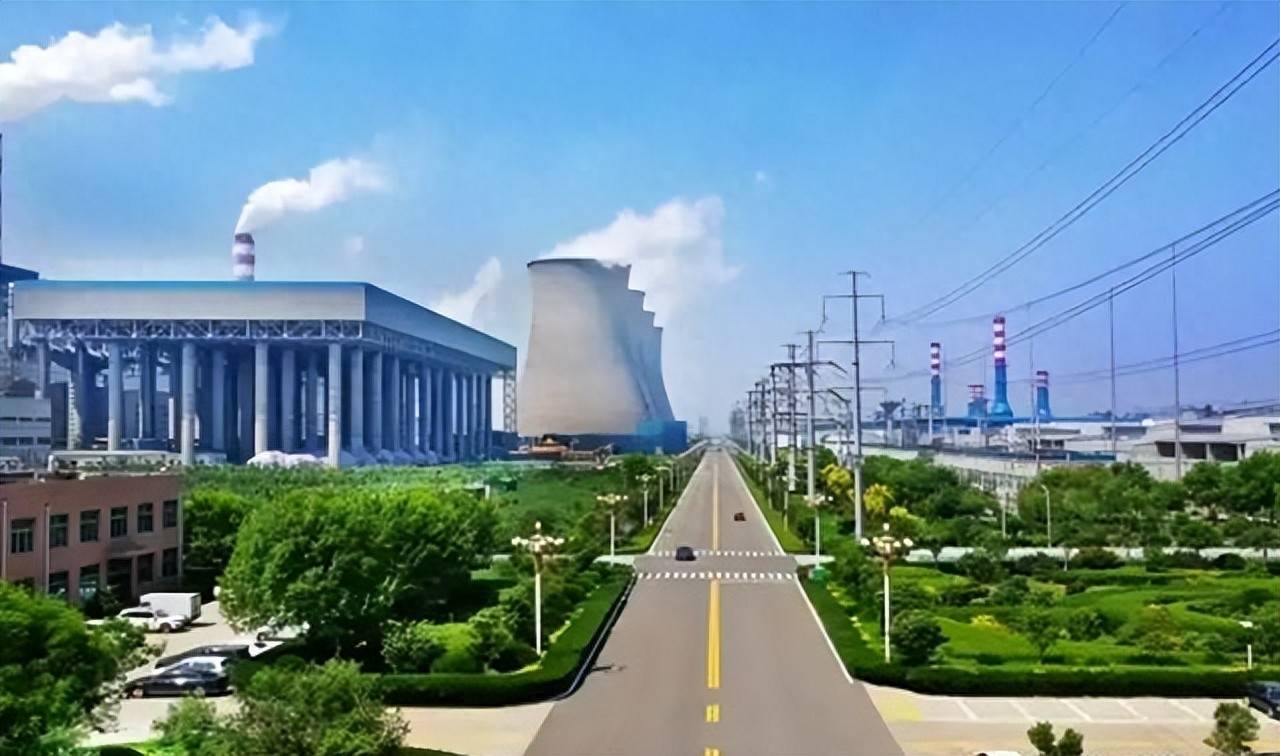
库布齐沙漠中北部“沙戈荒”新能源大基地全面开工
Xin Hua She· 2025-09-29 13:51
Core Viewpoint - The "Shagehuang" new energy base in the Kubuqi Desert, Inner Mongolia, has commenced construction with a total investment of 98.8 billion yuan, aiming to enhance the green energy structure in North China and improve power supply security [1] Investment and Infrastructure - The new energy base plans to construct 8 million kilowatts of solar power and 4 million kilowatts of wind power, along with 4 million kilowatts of supporting coal power and 500,000 kilowatt-hours of new energy storage [1] - The project includes a high-voltage transmission line that will transport electricity over 699 kilometers from Ordos City to Cangzhou City in Hebei Province, with a capacity of 8 million kilowatts [1] Environmental Impact - Once fully operational by the end of 2027, the base is expected to deliver approximately 36 billion kilowatt-hours of electricity annually to the North China power grid, with 60% coming from renewable sources [1] - The project is projected to reduce standard coal consumption by about 6.4 million tons and cut carbon dioxide emissions by approximately 16 million tons each year, contributing to the green transformation of the energy structure in North China [1]
百通能源:拟投资2.24亿元建设热电联产三期项目
Xin Lang Cai Jing· 2025-09-29 13:02
Core Viewpoint - The company Baitong Energy announced plans for its wholly-owned subsidiary Baitong Hongda Thermal Power (Siyang) Co., Ltd. to invest in the "Baijing Hongda Thermal Power (Siyang) Co., Ltd. Combined Heat and Power Phase III Project" with a total investment of approximately 224 million yuan [1] Investment Details - The total investment for the project is estimated at 224 million yuan, funded by self-owned or self-raised funds [1] - The construction period for the project is set at 18 months [1] - The project is expected to generate revenue primarily from steam and electricity sales [1] Financial Metrics - The investment payback period is projected to be 8.7 years, including the construction period [1] - The post-tax internal rate of return (IRR) for the project is estimated at 12.7% [1] Strategic Implications - The implementation of the project is expected to contribute to regional energy structure adjustments and reduce coal usage, aligning with national energy conservation and emission reduction policies [1]
中国最大“沙戈荒”风电光伏基地首个千万千瓦级基地项目开工
Zhong Guo Xin Wen Wang· 2025-09-29 06:43
Core Points - The construction of the Kubuqi Desert wind and solar power base, the largest "Shagohuang" renewable energy project in China's 14th Five-Year Plan, has officially commenced in Ordos City, Inner Mongolia [1][2] - The total planned development scale of the Kubuqi Desert base is 48 million kilowatts, with an investment of 98.8 billion RMB [1] - The base will include 8 million kilowatts of solar power, 4 million kilowatts of wind power, and supporting coal power of 4 million kilowatts, along with 500 megawatt-hours of new energy storage [1] Development and Impact - The project aims to be operational by the end of 2027, with an expected annual electricity supply of approximately 36 billion kilowatt-hours to the North China grid, of which 60% will be from renewable sources [1] - The project is projected to reduce coal consumption by about 6.4 million tons and cut carbon dioxide emissions by approximately 16 million tons annually, contributing to the green transformation of the energy structure in North China [1] - The construction of this base is significant for accelerating the establishment of a new energy system in Inner Mongolia and advancing key ecological projects [2]
淮北矿业集团芦岭矿:改造余热锅炉系统 年省天然气超50万m³
Zhong Guo Neng Yuan Wang· 2025-09-24 08:28
Core Insights - The Luling Mine's waste heat utilization project has successfully commenced operations, featuring the addition of 6 units of 1000kW and 4 units of 750kW generators, which convert waste heat into clean steam, saving over 500,000 cubic meters of natural gas annually, achieving cost reduction, energy saving, and environmental protection [1][2] - The project is a response to the national "dual carbon" goals, with significant upgrades made to the existing waste heat boiler systems, enhancing efficiency and reducing reliance on natural gas [1][2] Investment and Financial Impact - The total investment for the project is 2.6 million yuan, which includes the addition of 10 high-efficiency waste heat boilers and a supporting circulation system [2] - As of August this year, the system's natural gas consumption was only 256,426 cubic meters, a reduction of approximately 480,000 cubic meters compared to the same period last year, with an expected annual savings of over 2 million yuan in operational costs [2] Environmental and Operational Benefits - The successful upgrade of the waste heat boiler system emphasizes cost reduction, efficiency improvement, and energy conservation, reinforcing the commitment to technological advancement and green development [2] - The mine plans to further enhance energy efficiency by exploring the application of clean energy sources such as solar and geothermal energy in the mining area [2]

赛鼎无烟块煤气化炉应用效果佳
Zhong Guo Hua Gong Bao· 2025-09-22 03:05
Core Viewpoint - The collaboration between China Chemical SEDIN Engineering Co., Ltd. and Jinneng Holding Equipment Manufacturing Group Co., Ltd. has successfully developed five JM-S gasifiers, which are currently operating stably in a 550,000-ton/year ammonia project, demonstrating significant energy-saving and emission reduction effects. Group 1 - The JM-S gasifier has a unit product energy consumption of 1,130 kg of standard coal per ton for the ammonia synthesis process [1] - SEDIN has built and put into operation over 200 gasifiers since the 1970s, widely applied in coal-to-natural gas and ammonia synthesis [1] - Recent technological optimizations have led to the development of a smoke-free block coal gasification JM-S gasifier, successfully applied in multiple projects [1] Group 2 - The project effectively utilizes energy through a graded energy recovery process, reducing the amount of compressed coal lock gas by over 30% [2] - The low-pressure saturated steam from the low-temperature by-product is used for power generation, achieving an annual electricity generation of 57.6 million kWh, saving 23,000 tons of standard coal and reducing carbon emissions by 62,200 tons [2]

川维化工获评重庆市“绿色工厂”
Zhong Guo Hua Gong Bao· 2025-09-19 14:11
Group 1 - The core viewpoint of the article highlights that China Petroleum & Chemical Corporation (Sinopec) Chuanwei Chemical has been recognized as a "Green Factory" by Chongqing City for its outstanding performance in energy conservation, green low-carbon initiatives, and environmental governance [1][2] Group 2 - In terms of energy conservation, Chuanwei Chemical has eliminated high-energy consumption and inefficient production capacity, optimized process parameters, and promoted high-efficiency energy-saving equipment, significantly reducing energy consumption per unit of product [1] - The company has established a refined energy management system for real-time monitoring and dynamic adjustment of energy consumption, enhancing energy utilization through technologies such as energy cascading utilization and waste heat recovery [1] Group 3 - Regarding green low-carbon initiatives, Chuanwei Chemical has released a "Carbon Peak Action Plan before 2030," outlining key tasks and forming a carbon emission management expert team to ensure a continuous decline in total carbon emissions and intensity [1] - The company actively participates in national and Chongqing carbon market trading and has launched the "Ten Thousand Stations Sunlight" initiative, constructing distributed photovoltaic power generation projects [1] Group 4 - In environmental governance, Chuanwei Chemical has established a professional environmental management team, focusing on both "source prevention + end treatment" and continuously promoting the construction of "waste-free factories" and "odor-free factories" [2] - The company has upgraded its wastewater treatment facilities and completed ultra-low emission transformations for coal-fired boilers, while also building a 110,000 cubic meter water risk prevention system [2] - Chuanwei Chemical has implemented the recycling of waste sulfuric acid to reduce high-concentration methanol wastewater at the source and has constructed the Sinopec Southwest hazardous waste disposal center to enhance its green supply chain [2]

研究报告—地源热泵(附发展环境、全景概览、竞争格局及发展前景预测)
Sou Hu Cai Jing· 2025-09-17 05:46
Core Viewpoint - The geothermal heat pump industry in China is a sustainable energy technology that utilizes low-temperature heat sources from shallow geological formations, aligning with national energy-saving and emission-reduction policies, and is expected to see significant growth in market demand and application by 2025 [1][2][11]. Industry Definition and Classification - Geothermal heat pumps are categorized into three types based on the "geothermal exchange" method: soil source heat pumps, well water source heat pumps, and surface water heat pumps [2][6]. - This technology is recognized as a high-efficiency energy-saving air conditioning system that can provide both heating and cooling [1][2]. Industry Policies - The geothermal heat pump industry is supported by various government policies aimed at increasing investment, encouraging technological innovation, and promoting widespread adoption [2][8]. - The "Action Plan for Promoting High-Quality Development of the Heat Pump Industry" outlines goals for enhancing manufacturing and R&D capabilities by 2030, including a 20% improvement in energy efficiency for key products [2][8]. Favorable Conditions - China's vast territory and abundant resources, along with a large and relatively inexpensive labor force, contribute to lower installation costs for geothermal heat pump systems [3][7]. - Government regulations are in place to prevent energy waste and environmental pollution, facilitating the implementation of geothermal heat pump technology [3][7]. Industry Chain Core Nodes - The upstream of the geothermal heat pump industry includes components such as compressors, condensers, evaporators, expansion valves, pumps, and throttling valves [3][8]. - The midstream involves the production of geothermal heat pump main units, system integration, and installation services, while the downstream applications span residential, commercial, public, and industrial buildings [3][8]. Development Scale - In 2020, the area served by geothermal heat pumps in China exceeded 800 million square meters, with an installed capacity of over 26,000 megawatts, and is projected to reach 2.85 million megawatts by 2024 and approximately 30,000 megawatts by 2025 [3][4][11]. Demand Capacity - The installed capacity of geothermal heat pumps in China was over 27,000 megawatts in 2022, with expectations for continued growth leading to around 30,000 megawatts by 2025 [4][12]. Competitive Landscape - The geothermal heat pump industry in China features a large number of enterprises with low market concentration, characterized by diverse market participants including manufacturers of air conditioning systems, energy/building companies, and specialized geothermal heat pump producers [4][14]. - Key market players include Tianjia Energy, Gree Electric Appliances, Yongyuan Heat Pump, and others [4][14][15]. Market Trends - Geothermal heat pump technology is anticipated to play a significant role in the development of central air conditioning systems in China, driven by ongoing technological advancements and strong government support [4][11].
长高电新拟7961.77万元实施多项屋顶光伏项目
Zhi Tong Cai Jing· 2025-09-16 12:10
Core Viewpoint - The company plans to invest in rooftop distributed photovoltaic projects at its Ningxiang, Wangcheng, and Hengyang industrial parks, with a total investment amount of 79.6177 million yuan [1] Group 1: Investment Details - The total investment for the three industrial park rooftop photovoltaic projects is estimated to be 79.6177 million yuan [1] - The projects will utilize existing and newly constructed rooftops [1] Group 2: Strategic Benefits - The initiative will meet the subsidiary's need for building green factories [1] - It will help supplement the company's electricity demand for production operations [1] - The projects aim to promote energy conservation and emission reduction, achieving cost reduction and efficiency improvement [1]
