
核聚变

Search documents
金属行业周报:看好有色长周期投资价值-20251026
CMS· 2025-10-26 06:24
Investment Rating - The report maintains a positive investment rating for the non-ferrous metals sector, highlighting long-term investment value [1]. Core Views - The non-ferrous metals sector is expected to benefit from new consumption patterns and structural changes, driven by the emphasis on technological self-reliance and new productive forces [1]. - A significant adjustment in gold prices is viewed as a technical correction, with the long-term upward trend remaining intact [1]. - The report emphasizes that the narrative surrounding non-ferrous metals, particularly copper, remains strong, with resource stocks trading at historically low price-to-earnings ratios, presenting attractive valuation opportunities [1]. Industry Overview - The non-ferrous metals sector includes 236 listed companies with a total market capitalization of 5,951.5 billion [2]. - The sector's performance over different time frames shows an absolute return of 7.3% over one month, 47.1% over six months, and 55.0% over twelve months [3]. - The report identifies key metals to focus on, including copper, gold, silver, aluminum, cobalt, rare earths, tungsten, uranium, and antimony [1]. Market Dynamics - Copper inventories in major regions increased by 0.41 thousand tons to 181.6 thousand tons, while total inventories decreased by 3.8 thousand tons compared to the previous year [3]. - The report notes a significant supply disruption in cobalt due to export restrictions from the Democratic Republic of Congo, leading to a tightening of global supply and increased prices [3]. - The aluminum market is experiencing a decline in inventories, with a notable reduction in production capacity due to unexpected cutbacks in major aluminum plants [4]. Price Trends - Cobalt prices increased by 3.7% this week, driven by strong demand from the electric vehicle and consumer electronics sectors [3]. - Silver prices fell by 6.65% due to a stronger dollar and rising real interest rates, which diminished the appeal of non-yielding assets [3]. - Lithium carbonate prices showed a slight increase, reflecting robust demand in the battery and energy storage markets [4]. Strategic Focus - The report suggests a focus on companies involved in new materials related to technological advancements, particularly in nuclear fusion and lithium battery production [5]. - It highlights the strategic importance of rare earth elements and their potential for price appreciation in the medium to long term [5].
朱明:人工智能是当今最大的“大潮”
Sou Hu Cai Jing· 2025-10-25 14:57
Core Insights - The 20th Central Committee's Fourth Plenary Session emphasizes the need to "seize the high ground in technological development" in response to increasing global competition in technology, particularly under geopolitical pressures [1][3]. Group 1: Technological Development - The 21st century is characterized as an era of technological development and competition, with a focus on achieving breakthroughs in several core frontier areas over the next five years [3]. - Artificial intelligence (AI) is identified as a major trend, with advancements in algorithms and large models, as well as domestic server capabilities, positioning China to potentially surpass the U.S. in certain AI applications [5]. - The development of AI is particularly strong in the "AI+" applications, with expectations for new breakthroughs in foundational theories over the next five years [5]. Group 2: Quantum Computing and Energy - China is making significant strides in quantum computing, with a solid foundation and the potential for breakthroughs in the near future [7]. - In the energy sector, advancements in nuclear energy, including the integration of nuclear fusion and fission technologies, are expected to mature, particularly with the development of fourth-generation nuclear power plants [9]. - The focus on small-scale nuclear fusion aims to enhance efficiency, with expectations for explosive growth in these areas during the 14th Five-Year Plan [9].

程强:上证再创十年新高
Sou Hu Cai Jing· 2025-10-25 06:27
Market Overview - The A-share market experienced a strong upward trend, led by technology stocks, with the Shanghai Composite Index reaching a new 10-year high, closing at 3950.31 points, up 0.71% [2] - The total market turnover significantly increased to 1.99 trillion yuan, a 19.9% rise from the previous trading day, indicating active trading and the entry of new capital [2] Stock Market Analysis - The "14th Five-Year Plan" emphasizes the development of high-tech industries, igniting market enthusiasm for technology sectors, which saw substantial gains: communication (4.62%), electronics (4.54%), defense (2.54%), and new energy (1.89%) [3] - Conversely, previously strong dividend sectors like oil, coal, and real estate showed declines, indicating a shift from defensive to aggressive market styles [3] Bond Market Analysis - The bond market saw slight adjustments, with government bond futures generally declining, reflecting market pricing for long-term interest rate pressures [6] - The central bank's liquidity remained stable, with a net injection of 32 billion yuan through reverse repos, keeping short-term funding conditions favorable [6][7] Commodity Market Analysis - Global industrial commodities experienced a broad rally, with crude oil prices continuing to rise due to geopolitical pressures and improved inventory data [8] - Copper prices approached previous highs, supported by low inventory levels and expectations of improved demand from manufacturing sectors [9] Trading Hotspots - Key sectors to watch include artificial intelligence, domestic chip production, and consumer goods, driven by technological advancements and policy support [10] - The market is expected to continue its upward trend, influenced by the focus of the "14th Five-Year Plan" and macroeconomic events such as the upcoming APEC meeting [12]




核聚变板块躁动,A股投资超级节点来了?
2 1 Shi Ji Jing Ji Bao Dao· 2025-10-24 23:25
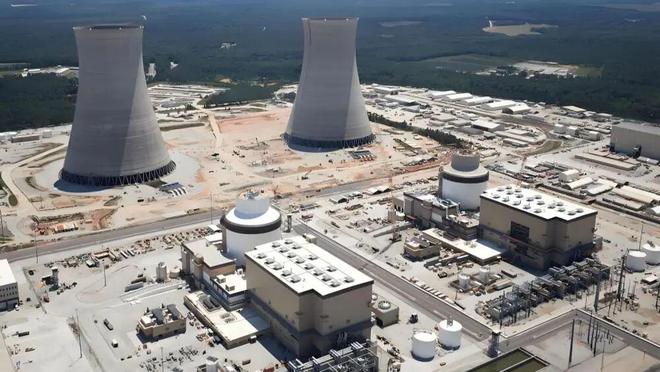
Group 1: Core Insights - The International Atomic Energy Agency (IAEA) will release the "2025 World Fusion Outlook" report during the 30th Fusion Energy Conference in Chengdu, China, in October 2025, highlighting significant advancements in nuclear fusion and its transition from concept to reality through scientific breakthroughs, industrial capital, and international collaboration [1] - The domestic nuclear fusion project "BEST" has made breakthrough progress this year, with the establishment of local fusion industry entities and ongoing engineering tenders, indicating a rapid transition from laboratory to practical applications [1] - The A-share nuclear fusion sector has shown strong performance, with the Wind nuclear fusion index rising by 6.87% since October 1, 2023, and a peak increase of over 14% during this period [1] Group 2: Investment Pathways - The BEST project in Hefei, Anhui, has achieved a key breakthrough with the successful development and installation of the Dewar base, marking a new phase in the project's construction, expected to be completed by 2027 and demonstrate power generation by 2030 [2][3] - Nuclear fusion differs from traditional nuclear fission in terms of technology principles, maturity, and industry chain composition, with fission relying on uranium resources and fusion primarily utilizing deuterium, which can be extracted from seawater [5][6] - Companies involved in deuterium production include China Shipbuilding Special Gas (688146.SH), which has an annual production capacity of 10 tons of deuterium with high purity [7][8] Group 3: Key Materials and Technologies - Tritium, a critical fuel for nuclear fusion, is radioactive and scarce in nature, presenting a significant challenge for commercialization. Current methods involve breeding tritium through neutron bombardment of lithium-6 within reactors [8][9] - Companies providing tritium factory technology or key materials for tritium breeding, such as Dongfang Tantalum (000962.SZ) with beryllium materials, are essential for the industry [9] - The BEST project requires advanced vacuum environments for plasma containment, leading to high demand for vacuum chambers and core components, with companies like Hunan Zhiye (603011.SH) gaining popularity in this sector [9][10] Group 4: Industry Players - Major players in the nuclear fusion sector include Shanghai Electric (601727.SH) and Dongfang Electric (600875.SH), which have been involved in various fusion projects and are key contributors to the development of critical components for fusion reactors [10] - The ongoing collaboration among industry partners in large-scale nuclear fusion experiments is focused on addressing the early-stage challenges of commercializing laboratory fusion devices, indicating that the A-share nuclear fusion concept may not generate stable cash flow in the short term [10]


A股核聚变概念火爆,9股年内涨幅翻倍
2 1 Shi Ji Jing Ji Bao Dao· 2025-10-24 15:08
Core Viewpoint - The International Atomic Energy Agency (IAEA) is set to release the "2025 World Fusion Outlook" report during the 30th Fusion Energy Conference in Chengdu, China, in October 2025, highlighting significant advancements in nuclear fusion technology and its potential for commercialization [2] Group 1: Industry Developments - The domestic nuclear fusion project "BEST" has achieved critical breakthroughs, with the successful development and installation of key components, marking a new phase in its construction [5] - The nuclear fusion sector in A-shares has shown strong performance, with the Wind nuclear fusion index rising by 6.87% since October, and some stocks, such as Zhongzhou Special Materials and Hezhuan Intelligent, doubling in value this year [2][3] Group 2: Investment Opportunities - The nuclear fusion industry differs from traditional nuclear energy, with fusion relying on deuterium and tritium as fuels, where deuterium can be extracted from seawater, making it more abundant [9] - Companies like China Shipbuilding Special Gas (10 tons/year deuterium capacity) and Dongfang Tantalum (providing key materials for tritium breeding) are positioned to benefit from the growing fusion market [9][10] - Key players in the fusion sector include Hezhuan Intelligent, which supplies products for the BEST project, and Xibu Superconductor, a unique supplier of superconducting materials for international fusion projects [10][11] Group 3: Future Challenges - Achieving commercial viability in nuclear fusion requires overcoming significant scientific and engineering challenges, including maintaining plasma stability and achieving a net energy gain [5][6] - The timeline for commercial fusion power generation is projected to extend beyond 2030, with ongoing research and development needed to address the complexities of fusion technology [5][6]
A股核聚变概念火爆,9股年内涨幅翻倍
21世纪经济报道· 2025-10-24 15:05
Core Insights - The International Atomic Energy Agency (IAEA) will release the "2025 World Fusion Outlook" report during the 30th Fusion Energy Conference in Chengdu, China, in October 2025, highlighting significant advancements in nuclear fusion and its transition from concept to reality through scientific breakthroughs, industrial capital, and international collaboration [1] - Domestic developments in nuclear fusion have been promising, with the "BEST" project making breakthroughs and local entities being established, indicating a rapid progression from laboratory to practical applications [1] - The A-share nuclear fusion sector has shown strong performance, with the Wind nuclear fusion index rising by 6.87% since October, and several stocks, including Zhongzhou Special Materials and Hezhu Intelligent, doubling in value this year [1][3] Industry Developments - The BEST project in Hefei achieved a critical breakthrough with the successful delivery and installation of the Dewar base, marking a new phase in its construction, expected to be completed by 2027 and demonstrate power generation by 2030 [5] - Nuclear fusion requires heating fuel to over 100 million degrees Celsius to form plasma, necessitating powerful magnetic fields, which leads to significant energy consumption challenges that must be overcome for commercial viability [6] - The path to commercial nuclear fusion involves addressing major scientific and engineering challenges, including achieving a net energy gain (Q) significantly greater than one and ensuring the availability of key materials [6] Investment Landscape - Compared to traditional nuclear fission, nuclear fusion has a less mature industrial chain, with differences in technology principles and resource requirements [8] - Deuterium, a key fuel for fusion, is abundant and can be extracted from seawater, while tritium is radioactive and scarce, presenting a significant challenge for commercialization [8] - Companies like China Shipbuilding Special Gas (10 tons/year deuterium capacity) and Dongfang Tantalum (beryllium materials) are positioned to play crucial roles in the fusion fuel supply chain [8] - The demand for vacuum environments in fusion devices creates high requirements for vacuum chambers and core components, benefiting companies like Hezhu Intelligent, which has seen significant stock price increases [9] - Low-temperature superconducting materials are essential for magnetic confinement in fusion devices, with companies like Western Superconducting being key suppliers for international projects [10]
人民日报︱国际能源变革论坛 全球第一!我国核电总装机超1.25亿千瓦
国家能源局· 2025-10-24 13:40
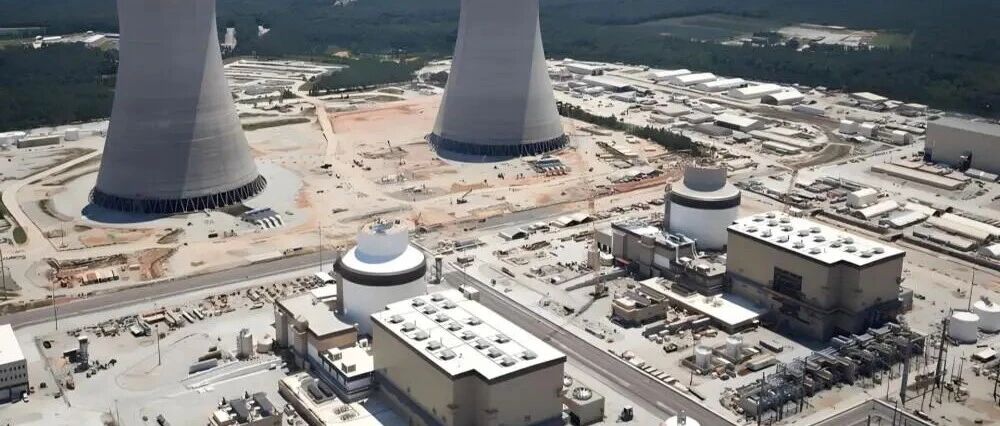
Core Viewpoint - China's nuclear power capacity has surpassed 125 million kilowatts, maintaining its position as the world's leader in nuclear power generation [1][4]. Group 1: Nuclear Power Development - The International Energy Transformation Forum's nuclear power sub-forum focused on themes of "nuclear power empowering the future and innovation leading transformation," gathering over 150 representatives from various sectors to discuss collaboration, technological innovation, and international cooperation in the nuclear power industry [3]. - The global nuclear power generation is expected to reach a new high in 2024, with several international organizations raising their nuclear energy development forecasts for four consecutive years, predicting a doubling of global nuclear power capacity to over 900 million kilowatts by 2050 [4]. Group 2: Safety and Performance - China's operational nuclear power units have achieved over 600 reactor years of safe and stable operation, ranking first globally in the WANO comprehensive index for nine consecutive years [4]. - 43.18% of the world's top-performing nuclear units are from China, highlighting the country's significant role in global nuclear safety and performance [4]. Group 3: Industry Chain and Technological Advancements - China has established a world-class nuclear power industry chain, with the "Hualong One" reactor design achieving complete autonomy in equipment manufacturing, supported by over 5,400 upstream and downstream enterprises [6]. - The "Hualong One" project has 41 units under construction or in operation, leading globally in nuclear power unit numbers, with continuous optimization in construction indicators reflecting a positive development trend [6]. Group 4: Digital Transformation - The nuclear power industry in China is advancing digital transformation, with the "Harmony System" being applied across 33 different reactor types, enhancing operational control and management [8]. - The introduction of the "Smart Nuclear Power" operating system, which integrates AI, big data, and IoT technologies, marks a significant step towards intelligent upgrades in nuclear power plants [8][9]. Group 5: Future Energy Solutions - The forum highlighted the importance of controlled nuclear fusion as a potential "ultimate clean energy," with ongoing research in magnetic confinement and various fusion devices in China [9].

核聚变,A股投资超级节点来了?
2 1 Shi Ji Jing Ji Bao Dao· 2025-10-24 13:14
Core Insights - The International Atomic Energy Agency (IAEA) will release the "2025 World Fusion Outlook" report during the 30th Fusion Energy Conference in Chengdu, China, in October 2025, highlighting significant advancements in nuclear fusion and its transition from concept to reality [1] - The domestic nuclear fusion project "BEST" has made breakthrough progress this year, with local entities being established and engineering tenders being issued, indicating rapid development in the field [1] - The A-share nuclear fusion sector has shown strong performance, with the nuclear fusion index rising by 6.87% since October 1, 2023, and a peak increase of over 14% during this period [1] Industry Developments - The BEST project in Hefei, Anhui, achieved a key breakthrough with the successful delivery and installation of the main component, the Dewar base, marking a new phase in the project's construction [2] - The BEST project is expected to be completed by 2027 and aims to demonstrate power generation by 2030 [3] Technical Challenges - Achieving commercial nuclear fusion will require overcoming significant scientific and engineering challenges, including maintaining plasma stability and achieving a net energy gain (Q) greater than one [4] - Future projects will need to address challenges related to tritium self-sustainability and cost reduction for materials, as well as the availability of key fusion fuels [4] Investment Landscape - The nuclear fusion sector differs from traditional nuclear fission in terms of technology maturity and industry chain structure, with fission having a more established supply chain [5] - Deuterium, a key fusion fuel, is abundant and can be extracted from seawater, while tritium is radioactive and scarce, presenting a bottleneck for commercialization [6][8] - Companies like China Shipbuilding Special Gas (688146.SH) have disclosed deuterium production capacity, while others focus on tritium production technologies and materials [7][9] Key Players - Companies supplying critical components for the BEST project, such as Hunan Huatian Technology (603011.SH) and West Superconducting (688122.SH), are gaining attention in the market [9] - Major players in the fission nuclear energy sector, including Shanghai Electric (601727.SH), Dongfang Electric (600875.SH), and China Nuclear Engineering (601611.SH), are also involved in fusion projects [10] - Shanghai Electric has participated in various fusion projects since the early 2000s, while Dongfang Electric has developed key components for fusion devices [10]
【研选行业+公司】光模块行业新锐,分析师看好公司享AI时代发展机遇
第一财经· 2025-10-24 12:09
Group 1 - The core viewpoint of the article emphasizes the importance of selecting valuable research reports and understanding market trends to seize investment opportunities [1] - The optical module industry is highlighted as a new rising sector, focusing on telecom and data communication optical module business, with the capability of mass production of high-speed optical devices ranging from 100G to 800G. Analysts are optimistic about the company's potential to benefit from the AI era, projecting a net profit growth of 330% over three years [1] - FRC technology is noted for its revolutionary impact on the nuclear fusion landscape, with costs reduced to only 1/10 and power output increased by 100 times. This presents significant investment opportunities in the power supply and capacitor sectors [1]

海得控制:公司将紧密关注核聚变领域的市场发展,积极寻求与自身业务相关的合作机会
Zheng Quan Ri Bao Wang· 2025-10-24 09:13
Core Viewpoint - The company, Haide Control, is closely monitoring market developments in the nuclear fusion sector and is actively seeking collaboration opportunities related to its business [1] Summary by Categories - **Company Initiatives** - Haide Control expressed its intention to focus on the nuclear fusion market and explore relevant partnerships [1] - **Market Outlook** - The company is positioning itself to capitalize on potential growth in the nuclear fusion industry by staying informed about market trends [1]
