产城融合

Search documents
达州东部经开区:奋力创“国开” 以“家人式”服务铸就千亿产业新城
Si Chuan Ri Bao· 2025-11-26 21:53
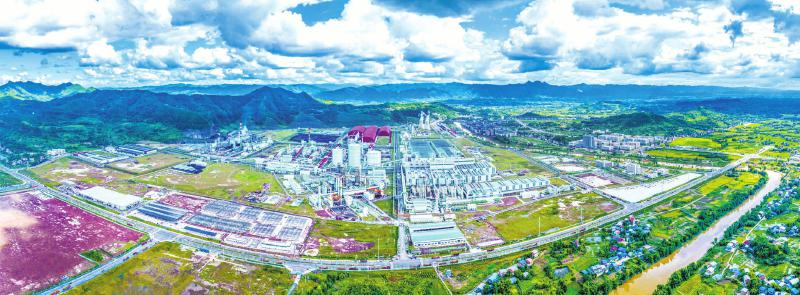
Core Insights - The Dazhou Eastern Economic Development Zone is rapidly developing into a modern industrial city, integrating production, urban living, and green spaces, with a focus on building a "thousand billion industrial park" and creating a national-level economic development zone [2][6][8] Infrastructure Development - Significant investments in infrastructure, including a dedicated railway line that saves logistics costs of up to 200 million yuan annually for companies [2] - The completion of key roads and rail connections has enhanced the area's integration into the broader urban development framework, significantly improving its capacity [3] Industrial Growth - The establishment of a standardized factory complex with a total investment of 2.1 billion yuan and a construction area of 410,000 square meters is expected to attract various industries [3] - The Dazhou Eastern Economic Development Zone has successfully attracted major projects, including the Fangda Dasteel new plant and other energy storage initiatives, contributing to a total investment of approximately 95.2 billion yuan in 34 projects this year [6][8] Service and Support Systems - The development zone has implemented a comprehensive support system for enterprises, including a focus on energy efficiency and cost control through innovative infrastructure [4] - The establishment of five industrial funds, totaling over 10 billion yuan, aims to provide continuous financial support for industrial development [5] Cultural and Social Development - The integration of cultural elements, such as the Ba Shu Filial Piety Cultural Exhibition Hall, aims to enhance community engagement and promote tourism [7] - Ongoing improvements in public services, including education and healthcare, are designed to enhance the quality of life for residents, with significant investments in new schools and hospitals [8]

刘宁到新乡市调研检查大运河保护工作时强调:坚决有力加强大运河保护修复 打造水清景美的生态河幸福河
He Nan Ri Bao· 2025-11-26 10:44
Group 1: Environmental Protection and Cultural Heritage - The provincial secretary emphasized the need to implement the spirit of the 20th Central Committee and Xi Jinping's ecological civilization thoughts, focusing on the protection and utilization of the Grand Canal's cultural heritage [1][2] - There are ongoing issues with the stability of water quality improvements in the Grand Canal's tributaries, indicating that some environmental problems remain unaddressed [2] - The secretary highlighted the importance of integrating ecological protection with cultural heritage preservation, aiming to enhance the historical, artistic, and scientific value of the Grand Canal [2] Group 2: Corporate Development and Innovation - Companies like Tianli Lithium Energy Co., Ltd. and Chengde Energy Technology Equipment Co., Ltd. are encouraged to align with national "dual carbon" goals, focusing on smart, green, and integrated development [3] - There is a push for increased investment in technological research and development to improve product quality and expand market share, with an emphasis on carbon reduction and safety in production [3] - The secretary called for a deep integration of innovation resources with technology-driven enterprises, aiming to enhance the synergy between innovation chains, industry chains, and talent chains for high-quality development [3]
解读杭州城市更新背后的“蝶变密码”
Hang Zhou Ri Bao· 2025-11-24 01:57
Core Insights - The article highlights the transformation of urban areas in Hangzhou through systematic urban renewal efforts, showcasing successful projects that enhance living conditions and integrate industrial development with urban life [3][5][8] Group 1: Urban Renewal Achievements - Hangzhou has implemented a four-level transmission system for urban renewal, leading to significant achievements, including being recognized as a leading city in urban renewal projects in Zhejiang province [3][8] - The city has successfully transformed old industrial areas into modern communities, with projects like the Chongfu community serving as a model for sustainable urban development [5][8] Group 2: Community Development - The Chongfu community has seen a demographic shift with over 10,000 residents, leading to diverse needs that have been addressed through new facilities such as children's centers and fitness areas, with an investment of 9.15 million yuan [5][6] - The community has developed a self-sustaining model by utilizing collective assets to fund public services, generating approximately 6 million yuan in annual rental income from a repurposed cultural center [6] Group 3: Environmental and Economic Impact - The Yuhu Lake area has undergone significant ecological improvements, increasing water surface area from 2.15 hectares to 14.54 hectares and achieving a stable water quality standard, which enhances the area's attractiveness for innovative enterprises [7][8] - The integration of cultural heritage and modern industry in the Yuhu Lake area has created a vibrant ecosystem, attracting over 300 companies and fostering a blend of headquarters economy and digital content [8] Group 4: Future Plans - Hangzhou aims to establish a sustainable urban renewal model that is replicable and promotes significant demonstrative effects, contributing to the development of a world-class modern socialist international metropolis [8]
天津滨海新区:激活街镇“经济细胞” 增添发展新动力
Xin Hua Wang· 2025-11-23 04:20
Core Viewpoint - The Tianjin Binhai New Area is actively stimulating local economies by enhancing street and town-level economic units, fostering diverse industries, and promoting agricultural development to drive new growth momentum [1]. Group 1: Industrial Development - Tianjin Pengling Group, a national manufacturing champion, has doubled its production efficiency through self-developed industrial AI, with orders extending into next year [2]. - The automotive parts industry in the Zhongtang Town includes 15 large-scale enterprises, with an expected total output value exceeding 4 billion yuan by 2025 [2]. - The Binhai New Area comprises 21 towns that are cultivating unique industries and optimizing enterprise services to create a differentiated economic ecosystem [2][3]. Group 2: Agricultural Advancements - The Beitang Street's Ningchegu rice planting base achieved an average yield of over 1,200 jin per mu from 3,800 mu of salt-tolerant rice, showcasing effective scientific management [4]. - The modern urban agriculture sector in Binhai New Area is competitive, with initiatives like the digital platform for poultry farming and large-scale mushroom production enhancing productivity [5]. - The Yangjiabo Town is recognized for its shrimp farming, with production expected to increase by 8% by 2025, supported by a model that integrates government, enterprises, and farmers [5]. Group 3: Service Optimization - The Dagu Street's Jianxinli community is undergoing renovations to improve living conditions, addressing issues like roof leaks in old residential areas [7]. - Various community projects, including the expansion of the Tianjin Fifth Central Hospital, are being implemented to enhance public welfare and urban quality [8]. - The Hujiayuan Street is developing eco-tourism projects to convert beautiful landscapes into economic opportunities, benefiting the local population [9]. Group 4: Economic Strategy - The Binhai New Area's leadership emphasizes the importance of developing street economies as a key measure to enhance public welfare and achieve common prosperity [9].

广东21城体育性格:以体兴城,打造经济新增长点
21世纪经济报道· 2025-11-22 06:49
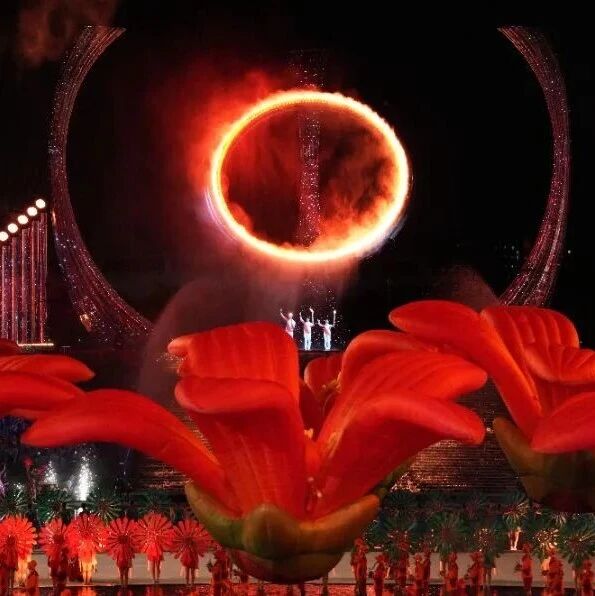
记者丨谭砚文 编辑丨蒋韵 11月21日晚,第十五届全国运动会在深圳闭幕。这场粤港澳三地联合举办的体育盛会,让体育 成为观察广东体育经济发展的重要窗口。 第十五届全国运动会主火炬被点燃。图源新华社。 作为体育大省,广东21个地市正以鲜明的体育性格破局。从广州、深圳多年积累的赛事运营能 力与科技赋能办赛实践,到东莞篮球、湛江跳水将体育事业转化为产业动能的逻辑,再到佛山 龙舟、清远漂流等挖掘城市历史和地理资源发展体育IP、构建消费生态。 日前,十五运会和残特奥会广东赛区执委会举行四场城市体育性格新闻发布会,亮出21城通过 赛事赋能、产业联动、文旅融合的发展路径。 如今,体育不再是孤立的运动IP,而是串联制造、文旅、消费等复合型增长引擎,成为推动经 济增长、产业升级的新动能。 以赛营城 随着第十五届全运会主火炬塔在广东奥林匹克中心点燃,广州这座"国际赛事中心"之城,再次 汇聚世界目光。 正如广州市人民政府副秘书长,十五运会和残特奥会广州赛区执委会副主任、副秘书长朱小燚 表示:"纵观国际一流名城,大都是全球体育名城。" 广州从不缺乏办好国际赛事的能力。2010年广州亚运会以来,广州共承办国际赛事超240场 次,培育了广 ...
这座岭南水乡因美丽河湖而生机勃勃
Zhong Guo Huan Jing Bao· 2025-11-22 03:44
Core Viewpoint - Zhongshan is transitioning from water pollution control to the construction of beautiful rivers and lakes, focusing on ecological and economic development through a comprehensive governance model [1][2][3]. Group 1: Governance and Planning - A high-level conference was held to mark the beginning of a new journey in beautiful river and lake protection and construction, emphasizing the importance of the "Hundred Million Project" [2]. - Zhongshan has established a multi-departmental coordination mechanism to ensure effective governance, transitioning from a pollution control command to a beautiful river and lake protection command [3][4]. - The city has developed a three-year action plan (2025-2027) and specific technical guidelines to outline the main tasks and implementation steps for beautiful river and lake construction [4][5]. Group 2: Implementation and Progress - The city aims to complete the "Six Pollution Control" project by 2025, targeting the construction of over 100 municipal-level beautiful rivers and lakes [4][5]. - A systematic approach is being adopted, with detailed plans for each river and lake, addressing water quality, surrounding industries, and existing challenges [4][6]. - Since the end of 2021, Zhongshan has constructed 7,000 kilometers of new sewage pipelines and increased sewage treatment capacity by 1.02 million tons per day, achieving a 100% rural sewage treatment rate [12]. Group 3: Community Engagement and Economic Development - Community involvement is crucial, with local leaders actively engaging residents to explain the benefits of environmental improvements [9][10]. - The revitalization of rivers and lakes has spurred economic development, with various projects enhancing local industries and tourism [7][12]. - The city is focused on creating a beautiful environment that fosters economic growth, aiming to integrate beautiful river and lake projects with agriculture, tourism, and other sectors [12].
以商业地产之力促产城融合发展
Zheng Quan Ri Bao· 2025-11-21 16:22
Core Viewpoint - The article emphasizes the importance of urban high-quality development during the "14th Five-Year Plan" period, highlighting the need for cities to transition from "quantitative accumulation" to "qualitative leap" through industrial integration and commercial real estate transformation [1] Group 1: Role of Commercial Real Estate - Commercial real estate is evolving into an "accelerator" for industrial innovation, responding to the diverse needs arising from emerging industries such as biomedicine and new energy vehicles, which significantly increase the demand for customized spaces like laboratories and industrial parks [3] - The expansion of digital economy infrastructure is driving a surge in demand for new types of real estate, such as data centers and smart office spaces, potentially leading to investment scales reaching trillions of yuan, representing a substantial market opportunity [3] Group 2: Multi-Industry Integration - The traditional commercial real estate model of merely building and renting properties is becoming obsolete; instead, there is a shift towards creating integrated "commercial bodies" that combine multiple industry functions and smart infrastructure [4] - Developers are encouraged to adapt their layouts and industry combinations based on urban development trends, capturing differentiated demand opportunities from regional industries and moving towards a composite functional development path that aligns with smart city initiatives [4] Group 3: Urban Renewal as a New Engine - Urban renewal is crucial for the high-quality development of large and mega cities, with a projected market capacity of approximately 20 trillion yuan during the "14th Five-Year Plan" period [5] - The focus of urban renewal should be on creating a new urban ecosystem through the integration of culture, technology, industry, and commerce, promoting the use of green and low-carbon products to reconstruct urban commercial spaces [5] Group 4: Challenges and Opportunities - Integrating cultural and industrial elements into commercial real estate poses challenges, as homogenized developments may not enhance value; thus, developers must strategize on resource integration to ensure a complete and orderly operational ecosystem [6] - Innovations in financial tools like REITs are opening new funding channels for commercial real estate, providing the necessary support for innovation and enhancing the role of commercial real estate as a driving force for urban renewal [6]
广东21城体育性格:以体兴城,打造经济新增长点
2 1 Shi Ji Jing Ji Bao Dao· 2025-11-21 08:14
(原标题:广东21城体育性格:以体兴城,打造经济新增长点) 南方财经记者谭砚文 广州报道 11月21日晚,第十五届全国运动会将在深圳闭幕。这场粤港澳三地联合举办的体育盛会,让体育成为观察广东体育经济发展的重要窗口。 作为体育大省,广东21个地市正以鲜明的体育性格破局。从广州、深圳多年积累的赛事运营能力与科技赋能办赛实践,到东莞篮球、湛江跳水将 体育事业转化为产业动能的逻辑,再到佛山龙舟、清远漂流等挖掘城市历史和地理资源发展体育IP、构建消费生态。 日前,十五运会和残特奥会广东赛区执委会举行四场城市体育性格新闻发布会,亮出21城通过赛事赋能、产业联动、文旅融合的发展路径。 如今,体育不再是孤立的运动IP,而是串联制造、文旅、消费等复合型增长引擎,成为推动经济增长、产业升级的新动能。 随着第十五届全运会主火炬塔在广东奥林匹克中心点燃,广州这座"国际赛事中心"之城,再次汇聚世界目光。 正如广州市人民政府副秘书长,十五运会和残特奥会广州赛区执委会副主任、副秘书长朱小燚表示:"纵观国际一流名城,大都是全球体育名 城。" 广州从不缺乏办好国际赛事的能力。2010年广州亚运会以来,广州共承办国际赛事超240场次,培育了广马 ...
房企高管“换防”继续,蒋铁峰空降中国南山任董事长
Xin Lang Cai Jing· 2025-11-20 03:29
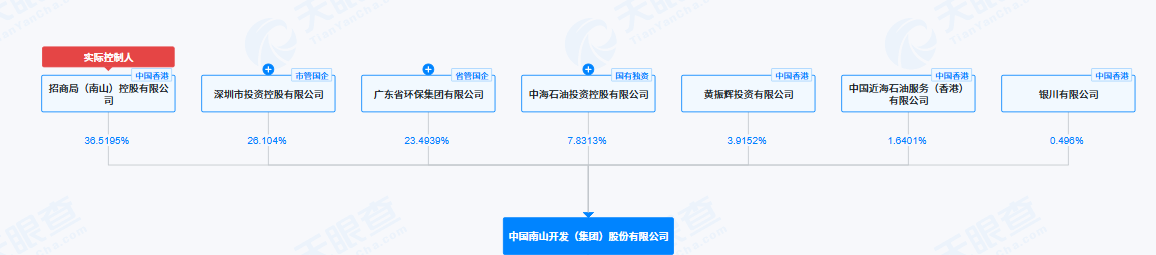
智通财经记者 | 王妤涵 临近年末,房企高层的人事调整步伐明显加快。 11月18日,中国南山开发(集团)股份有限公司(以下简称"中国南山")发布公告宣布,原招商局集团副总经理蒋铁峰接替王秀峰,出任公司新任董事长。 值得关注的是,蒋铁峰在今年9月刚由招商蛇口董事长升任招商局集团副总经理,此次再度履新,意味着他在短短两个月内完成两度职务跨越,在本轮房企 高管"换防潮"中颇具代表性。 在行业从规模扩张转向精细化运营的关键阶段,近期多家头部房企正通过高层人事调整,重塑管理团队,优化资源配置,以应对市场新周期。 "招商系"成长轨迹 1973年出生的蒋铁峰,拥有典型的"技术+管理"复合型履历。1996年,他从华中理工大学(现华中科技大学)土木工程系建筑工程专业本科毕业,后获清华 大学建筑与土木工程领域工学硕士学位,持有高级工程师职称。 这种工科背景为其日后深耕地产行业奠定了专业基础,也塑造了其注重实操、精准落地的管理风格。 蒋铁峰的职业生涯始于招商系基层,先后担任过南京公司助理总经理、副总经理、总经理、上海公司总经理等职务。 2016年是蒋铁峰职业发展的关键节点。这一年,他出任招商蛇口华东区域总经理,凭借对长三角市场的深 ...
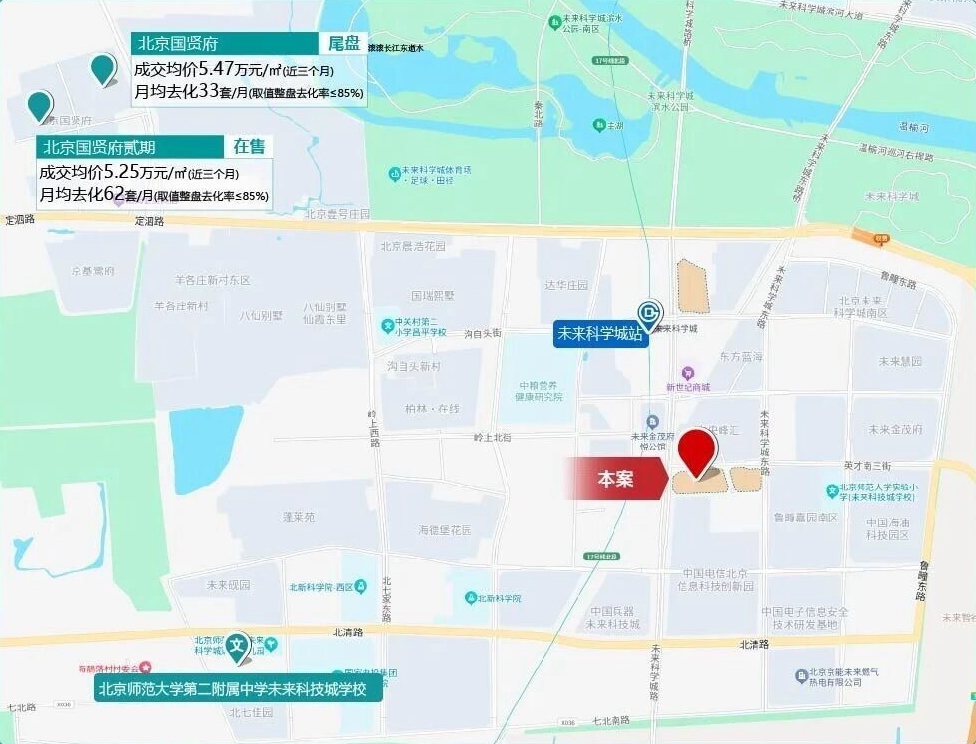
12.426亿,未来科学城置业竞得昌平未来科学城东区核心地块
3 6 Ke· 2025-11-19 09:45
Core Insights - The Changping District Future Science City project (South Area) land development project was successfully auctioned for a base price of 1.2426 billion, with a floor price of approximately 23,200 per square meter [1] - This is the first high-quality land supply following the release of the "Good Housing New Policy" in Future Science City, marking a significant independent acquisition by Future Science City Real Estate [1] Group 1 - The land is located approximately 400 meters from the Future Science City Station on Metro Line 17, which is expected to officially open by the end of this year, enhancing connectivity with major lines and core functional areas [2] - The site includes two residential plots and one cultural facility plot, covering a construction area of 43,000 square meters with a planned building area of 82,200 square meters and a plot ratio of 1.91 [2] - Future Science City is a key area in Beijing's "Three Cities and One District" initiative, covering approximately 170.6 square kilometers and focusing on national energy strategy and technological innovation since its establishment in 2009 [2] Group 2 - Future Science City has evolved from an energy technology experimental zone to a model area for industrial-city integration in northern Beijing, featuring a "Two Valleys and One Park" innovation pattern [5] - The Energy Valley has attracted over 300 enterprises, including major state-owned companies, forming a trillion-level industrial cluster [5] - The new project will adhere to planning requirements to enhance regional living facilities and align industrial development with resident needs, aiming to create a city model that balances technological innovation and high-quality living [5]