
人工智能泡沫

Search documents
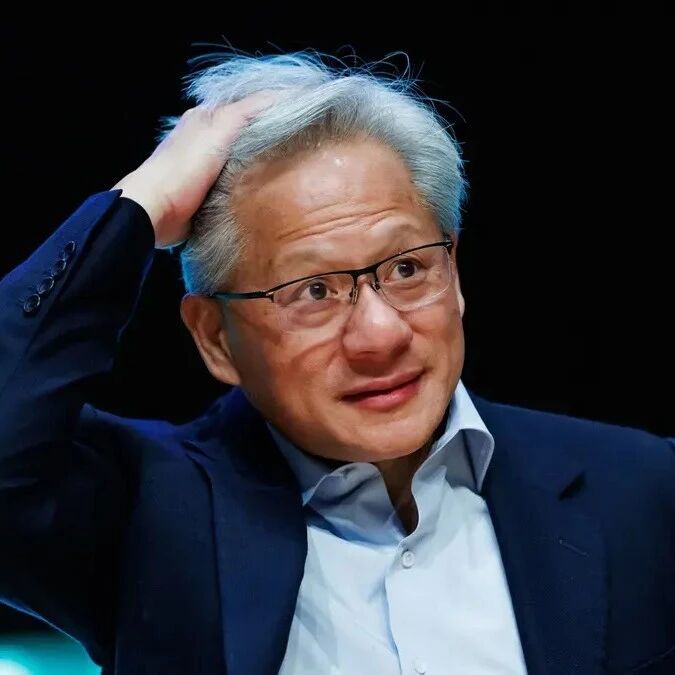
黄仁勋抱怨股价下滑
半导体行业观察· 2025-11-23 03:37
公众号记得加星标⭐️,第一时间看推送不会错过。 来 源 : 内容来自 Tom's Hardware 。 英伟达的一位发言人在一份声明中告知 Tom's Hardware:"在又一个季度实现了令人难以置信 的增长和惊人的需求之后,黄仁勋给公司的信息是保持专注,让市场顺其自然。"其余内容保持 如下文发布。 据《商业内幕》报道,英伟达首席执行官黄仁勋在一次泄露的全员会议上据称告诉英伟达员 工,尽管该公司创下了破纪录的季度业绩,但"市场并没有赏识"这家人工智能巨头。在英伟达 发布季度财报的仅仅一天后,该公司的股价就从大约 195 美元跌至 180 美元的低点,考虑到英 伟达的业绩表现,这令人感到意外。这意味着其市值从历史最高点 5.12 万亿美元跌至约 4.4 万 亿美元,该公司在仅一天的交易中就损失了约 3650 亿美元。 这一波动似乎是受到对人工智能泡沫的担忧所驱动,许多专家和分析师,包括前英特尔首席执 行官帕特·格尔辛格,都曾对此发出警告。"如果我们交出了一份糟糕的季度业绩,那就是存在 人 工 智 能 泡 沫 的 证 据 。 如 果 我 们 交 出 了 一 份 出 色 的 季 度 业 绩 , 我 们 就 是 在 ...


英伟达财报惊艳,美股却“调头向下”!如此“过山车”,交易员坦言:谁都没想到
Hua Er Jie Jian Wen· 2025-11-23 01:53
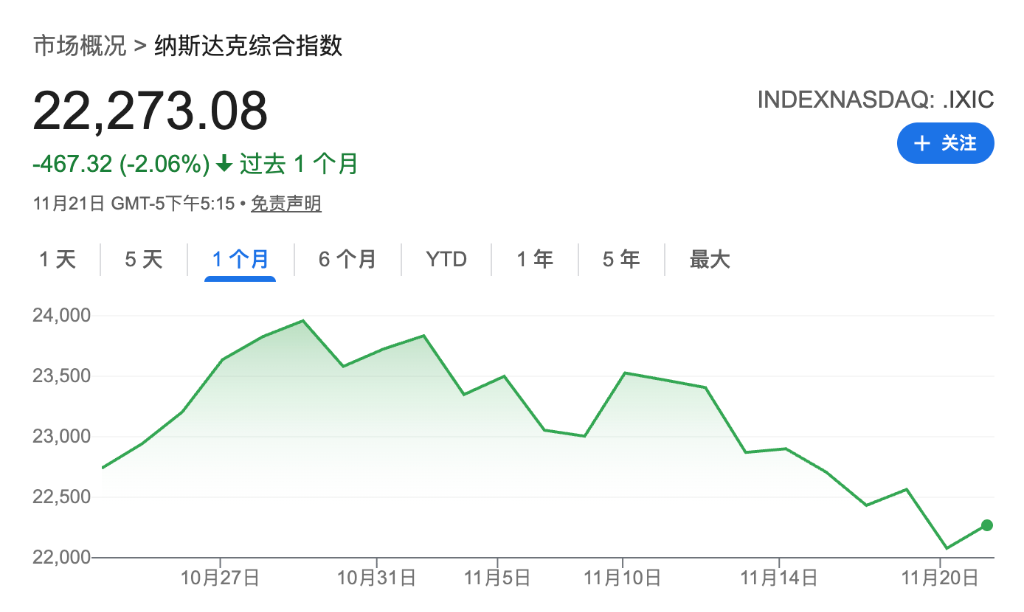
受经济放缓忧虑、投资泡沫风险及投资者获利了结共同影响,美股近期出现数月来最显著的日内波动。标普500指数上周下跌近2%,11月累计跌 幅达3.5%;以科技股为主的纳斯达克指数当月跌幅超6%,创下自4月以来最大三周跌幅。 市场尤为意外的是,被普遍看好的英伟达财报未能延续提振作用。其强劲业绩公布后股价冲高回落,标普500指数随后两小时内暴跌逾2%。有波 动率交易员指出,市场当时充满无法归因的恐慌情绪。 本轮波动中,此前热门股遭受重创:Robinhood市值月内缩水四分之一,Coinbase Global股价暴跌30%,Palantir Technologies下跌约23%。与此同 时,近期加密货币集体遭遇重挫,而加密货币与科技股之间的联动效应显著放大,加剧整体市场压力。 人工智能泡沫争议 尽管英伟达等AI企业仍保持强劲利润增长,但市场对其资本支出能否有效转化为盈利的担忧日益加剧。过去数月全球已宣布逾1.5万亿美元的AI相 关投资,然而相关股票的估值倍数尚未达到2000年互联网泡沫破裂前的水平。 近期,汽车零部件集团第一品牌的倒闭事件,引发市场对私募信贷领域大规模贷款的担忧。该公司曾从债权人处融资约110亿美元。伦 ...
谷歌、微软“双杀”逼近,OpenAI陷入空前危机!
华尔街见闻· 2025-11-22 11:25
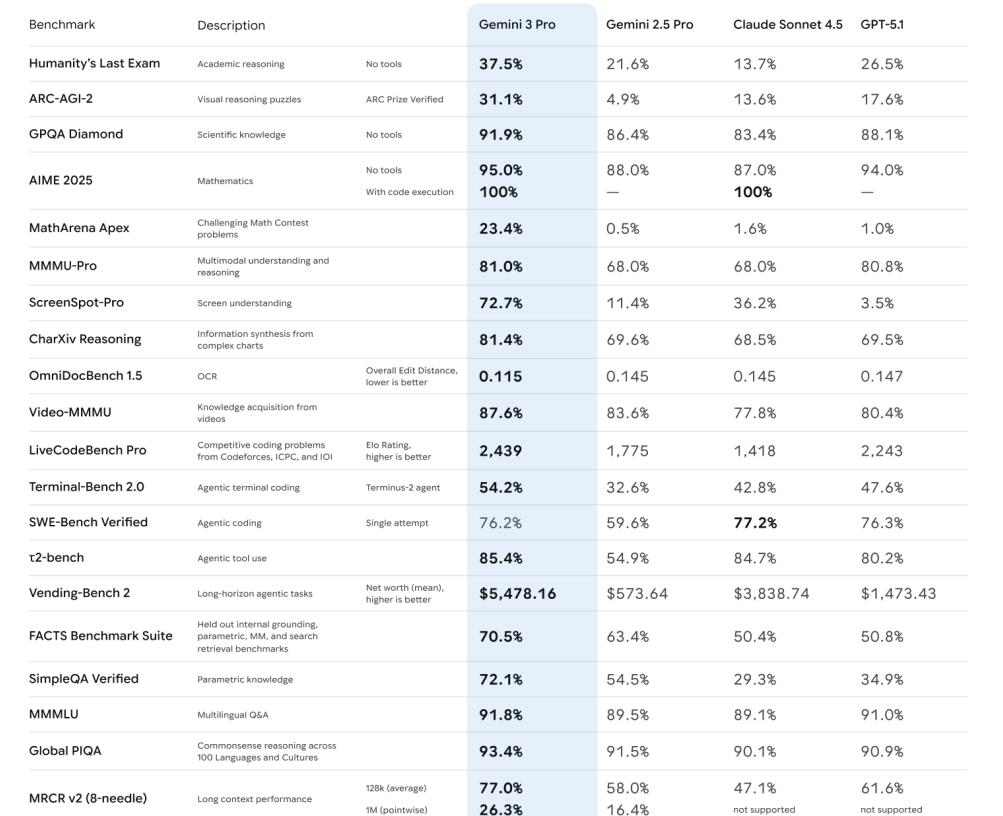
Core Insights - OpenAI faces significant challenges as its main partner Microsoft and chip giant Nvidia have formed a strategic partnership with competitor Anthropic, valued at $350 billion, which has doubled Anthropic's valuation since September [1][2] - Google's release of its latest AI model, Gemini 3, has reportedly outperformed OpenAI's GPT-5.1 in early tests, indicating a shift in competitive dynamics within the AI sector [1][2][8] Market Dynamics - The market sentiment is unstable, with concerns about an AI bubble leading to a significant sell-off in tech stocks, highlighting the widening gap between astronomical valuations and relatively modest revenues [2][3] - Despite Nvidia's strong earnings report reigniting investor enthusiasm, the ultimate landscape of the AI sector remains uncertain [3] Competitive Landscape - Analysts express divided opinions on OpenAI's ability to maintain its leading position, with some predicting that competitors like Anthropic and Google will continue to erode OpenAI's advantages [6][14] - Google claims its Gemini application has 650 million monthly active users, while OpenAI's ChatGPT reportedly reached 800 million weekly active users, indicating a narrowing user gap [11] Technological Advancements - Gemini 3 Pro has shown significant improvements in multimodal processing capabilities, outperforming both its predecessor Gemini 2.5 Pro and OpenAI's GPT-5.1 across various benchmarks [9][10] - In specific tests, Gemini 3 Pro achieved notable scores, such as 95.0% in mathematics and 91.9% in scientific knowledge, surpassing competitors [10] Strategic Moves - OpenAI plans to invest over $1.4 trillion in data center construction over the next few years, indicating a strategy of aggressive capital expenditure to maintain competitiveness [15] - However, OpenAI continues to burn through billions of dollars each quarter, raising concerns about the sustainability of its high valuation amid fierce competition [16][17] Investor Sentiment - The intense competition may hinder potential revenue growth for OpenAI, making it increasingly difficult for investors to justify the company's high valuation [17][18]



谷歌、微软“双杀”逼近,OpenAI陷入空前危机!
美股IPO· 2025-11-22 10:19
Core Insights - OpenAI is facing intensified competition from major players like Microsoft and Google, which threatens its previously dominant position in the AI landscape [1][3][4] Group 1: Competitive Landscape - Microsoft has formed a strategic partnership with Anthropic valued at $350 billion, significantly boosting Anthropic's valuation and indicating a shift in alliances within the AI sector [3][4] - Google's latest AI model, Gemini 3, has reportedly surpassed OpenAI's GPT-5.1 in early tests, showcasing a significant advancement in AI capabilities [3][7] - The competitive pressure is further illustrated by the rapid user growth of Gemini, which has reached 650 million monthly active users, compared to OpenAI's 800 million weekly active users [9] Group 2: Market Sentiment and Financial Implications - Concerns about an AI bubble have led to a sell-off in tech stocks, highlighting the growing unease regarding the disparity between astronomical valuations and relatively modest revenues in the AI sector [4][10] - OpenAI plans to invest over $1.4 trillion in data center construction over the next few years, but continues to burn through billions each quarter, raising questions about the sustainability of its high valuation amidst fierce competition [10] Group 3: Technological Advancements - Gemini 3 Pro has demonstrated significant improvements in multimodal processing capabilities, outperforming both its predecessor and OpenAI's GPT-5.1 across various benchmarks [7][8] - In specific tests, Gemini 3 Pro achieved notable scores, such as 95.0% in mathematics and 91.9% in scientific knowledge, indicating a strong competitive edge [8]

谷歌(GOOG.US)、微软(MSFT.US)“双杀”逼近,OpenAI陷入空前危机!
智通财经网· 2025-11-22 09:58
Core Insights - OpenAI faces significant challenges as its main partner Microsoft collaborates with competitor Anthropic in a $350 billion strategic partnership, doubling Anthropic's valuation since September [1] - Google's new AI model, Gemini 3, reportedly outperforms OpenAI's recently released GPT-5.1, indicating a shift in competitive dynamics within the AI sector [1] - Market sentiment remains unstable, with concerns over an AI bubble leading to a tech stock sell-off, despite Nvidia's strong earnings report reigniting investor interest [1] Competitive Landscape - Analysts express divided opinions on OpenAI's ability to maintain its market dominance, with some predicting that Anthropic and Google will continue to erode OpenAI's lead [1][2] - Google’s Gemini model is expected to capture market share due to its scale and established position in the search industry, potentially leaving OpenAI and others behind [2] - The user gap between OpenAI and its competitors is narrowing, with Google reporting 650 million monthly active users for Gemini compared to OpenAI's 800 million weekly active users for ChatGPT [5] Technological Advancements - Gemini 3 Pro demonstrates significant advantages in multimodal processing capabilities, outperforming both its predecessor Gemini 2.5 Pro and OpenAI's GPT-5.1 across various benchmarks [3][4] - In specific tests, Gemini 3 Pro achieved notable scores, such as 95.0% in mathematics and 91.9% in scientific knowledge, surpassing competitors [4] Financial Implications - OpenAI plans to invest over $1.4 trillion in data center construction over the next few years, while still incurring substantial quarterly losses [6] - The aggressive capital expenditure strategy raises concerns about the sustainability of OpenAI's high valuation amid increasing competition and potential revenue growth limitations [6]
中国为什么没有人工智能泡沫论?
Sou Hu Cai Jing· 2025-11-22 05:45
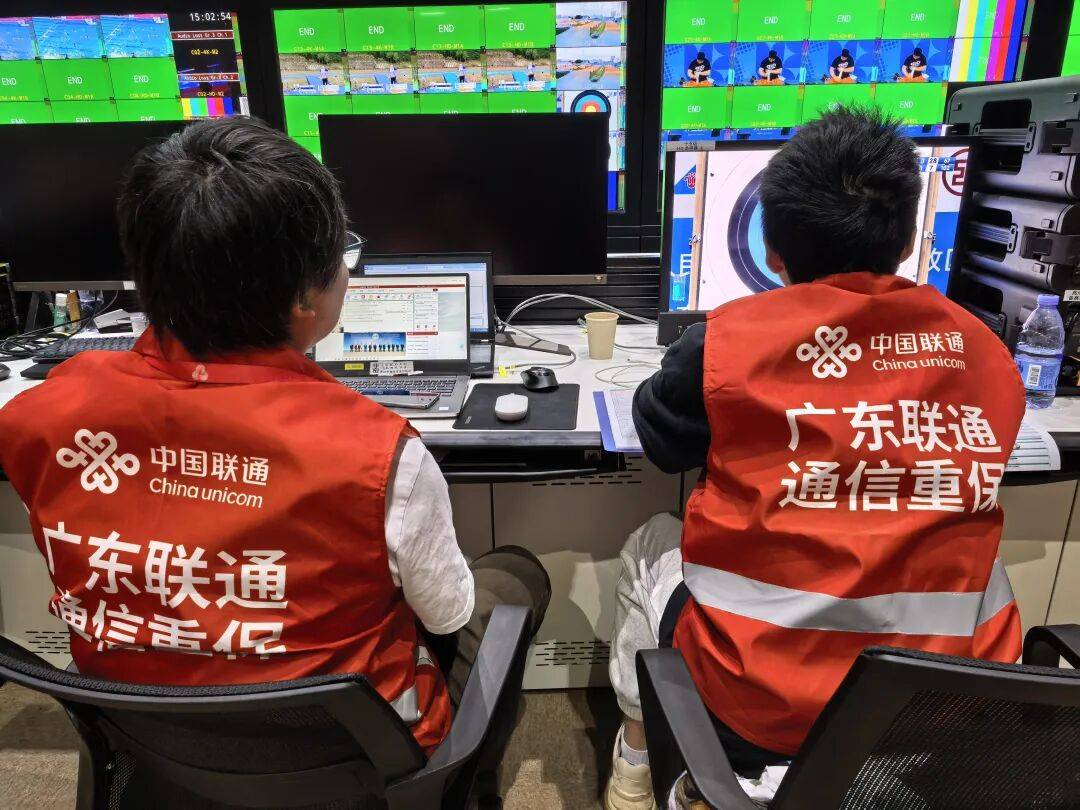
Core Viewpoint - The article discusses the contrasting perspectives on the artificial intelligence (AI) bubble in the United States and China, highlighting that while the U.S. faces skepticism and concerns about an AI bubble, China appears to be focused on practical applications and integration of AI into various sectors, minimizing the bubble discourse. Group 1: AI Bubble Concerns - In the U.S., there is a growing narrative around a serious AI bubble, especially following Nvidia's recent quarterly report which showed significant revenue growth but led to a sharp decline in stock price due to market skepticism about AI's sustainability [1] - Huang Renxun, CEO of Nvidia, expressed frustration that regardless of positive financial reports, the market questions Nvidia's role in the AI bubble, indicating a volatile perception of AI's future in the U.S. [1] Group 2: China's AI Development Model - China's approach to AI differs significantly from the U.S., with a focus on practical applications and collaboration between large internet companies and telecom operators like China Unicom, which actively participate in building AI infrastructure [2] - Chinese AI development emphasizes finding application scenarios and practical use cases from the outset, leading to a more grounded and less speculative environment compared to the U.S. [2][3] - Many AI computing centers in China have achieved a utilization rate of 70%, indicating effective deployment and integration of AI technologies into various industries [2] Group 3: Government and Industry Collaboration - The Chinese government plays a crucial role in promoting AI development by encouraging enterprises to focus on practical applications, which has led to a more comprehensive and integrated AI ecosystem [3] - Events like the recent sports competitions in China demonstrate the necessity of AI for managing large-scale operations, showcasing the immediate relevance and application of AI technologies in real-world scenarios [2]

AI泡沫引关注!桥水达利欧:缺乏触发破裂的关键条件
Huan Qiu Wang· 2025-11-22 01:29
对此,富国基金认为,"AI泡沫"之争主要在以下几个方面:一是市场集中度含"AI"量非常高。如今美股前八市值 的公司都是AI巨头,以及标普500指数前十大公司的市值占比已攀升至43%,AI巨头似乎形成了对市场绝对地位。 二是估值站在历史高位。截至11月,Wind数据显示,标普500估值处于35年来95%分位以上,这主要集中于科技 股,其中信息技术板块的估值显著高于1999年,而其他板块的估值则低于1999年。三是AI巨头们的资本开支疯 狂"烧钱"。高盛预测,2025年至2027年,几大科技巨头在AI基础设施建设方面的资本开支预计高达1.4万亿美元。 此外,部分巨头还在靠发债融资来搞AI。四是宽松的货币政策。当前美联储已降息两次,预期12月或再降25个基 点,流动性整体呈宽松态势。 而桥水基金创始人瑞·达利欧于近日表示,尽管估值已处在偏高位置,但缺乏触发泡沫破裂的关键条件,"现在并 不是从 AI 相关资产抽身的时候"。 达利欧认为,市场是否进入泡沫并不是关键,更重要的是泡沫何时会真正被刺破。他提到,从历史经验看,泡沫 最终走向破裂通常与两类因素有关:其一是货币政策突然收紧,其二是市场出现必须出售资产的压力。目前, ...

高盛拉响警报:1997崩盘正在重演
Sou Hu Cai Jing· 2025-11-21 21:58
研报刚发出来,我连夜翻完了143页的内容,越看越后背发凉。报告里没明说"崩盘",但那些数据——公私市场估值差、企业债务规模、生态循环模式, 和1997年亚洲金融风暴后紧接着的互联网泡沫初期,简直是一个模子刻出来的。 先给老粉说个真实故事,我刚入行时跟着的师父,1999年在纳斯达克买了家叫"Webvan"的公司股票。这家公司做线上生鲜,当时被吹成"改变人类购物习 惯",上市当天股价从15美元冲到34美元,估值一度飙到85亿美元。结果呢?2001年就破产了,烧光了8亿美元融资,连员工工资都发不出来。师父说,现 在看那些AI初创公司的路演PPT,和当年Webvan的招股书味道一模一样——全是未来蓝图,没一个字提什么时候赚钱。 上周高盛那份《AIina Bubble?》引发全球资本圈的关注。 这不是我的主观感受,高盛的数据摆在那。研报里明确提到,现在私募市场的AI企业估值逻辑,和公募市场完全是两条线:私募看"收入增长",哪怕你一 分钱利润没有,只要收入增速快就能给高估值;但公募市场只认"自由现金流",这就导致两者的估值差距越拉越大。这种分裂状态,像极了1997年东南亚 金融危机前的汇率市场——官方汇率和黑市汇率背道而 ...
比特币跌破八万,行情大变,抄底机会还是风险?
Sou Hu Cai Jing· 2025-11-21 19:14
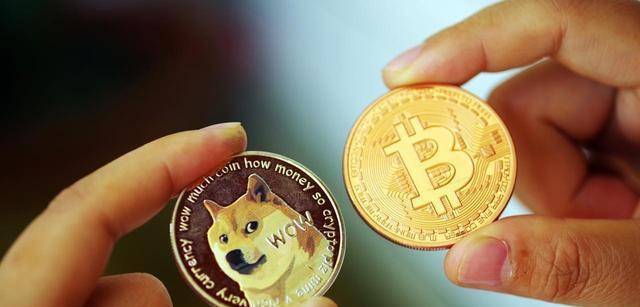
Core Viewpoint - Bitcoin experienced a significant price drop from a historical high of $126,272.76 on October 6 to below $90,000 by November 18, leading to a market sentiment shift from extreme greed to extreme fear [1][3]. Market Dynamics - The cryptocurrency market saw a total market cap decline of over $1.2 trillion within six weeks, indicating a more severe downturn than anticipated [3]. - The Crypto Fear Greed Index fell to 13, a level often associated with short-term market bottoms, prompting traders to closely monitor future movements [3]. Institutional Behavior - A key factor in the market decline was the withdrawal of institutional buyers, with over $25 billion flowing into Bitcoin ETFs earlier in the year, but these large buyers have recently retreated [5]. - The lack of support from ETF allocators and corporate finance departments has contributed to the market's vulnerability [5]. Leverage and Market Pressure - Deleveraging actions have spread throughout the market, with significant reductions in open interest for Ethereum and smaller altcoins, indicating a rapid exit of leveraged funds [7]. - The decline in open interest for smaller tokens like Solana has been particularly pronounced, with some holdings dropping by over 50% [7]. Price Support Levels - Bitcoin is facing critical support at $93,000; if this level is breached, the next significant support could be around $78,000, which may attract remaining sell orders [8]. - Historical volatility patterns suggest that while Bitcoin has experienced severe price corrections in the past, the current situation may reflect a structural change rather than a cyclical bear market [8]. Market Sentiment and Future Outlook - The current market turmoil is influenced by four main factors: the movement of institutional funds, macroeconomic interest rate expectations, options expiration, and the overall sentiment in the cryptocurrency space [8]. - The upcoming weeks will be crucial in determining whether Bitcoin can stabilize, with institutional fund movements and macroeconomic conditions playing a pivotal role [8].
AI烧钱引担忧,谷歌(GOOGL.US)高管派定心丸:算力每半年翻一倍才能满足需求
Zhi Tong Cai Jing· 2025-11-21 13:42
Core Viewpoint - Google needs to double its computing power every six months to meet demand, aiming for a 1000-fold increase in computing capacity within 4 to 5 years [1] Group 1: Google's AI Infrastructure - Amin Vahdat, Google Cloud VP, emphasized that the competition in AI infrastructure is critical and costly, requiring significant improvements in cost, energy consumption, computing power, storage, and network connectivity while maintaining the same power and energy levels [1] - The statement was made during a meeting on November 6, highlighting the urgency of scaling computing capabilities [1] Group 2: Investment Risks and Market Reactions - Sundar Pichai, CEO of Alphabet, acknowledged the risks of underinvestment in AI, especially in light of the strong performance of cloud business data, which could improve with more computing resources [2] - The report followed Nvidia's announcement of better-than-expected earnings and guidance, which initially boosted its stock price before concerns about an AI bubble led to a decline [2] Group 3: Alphabet's Relationship with Nvidia - Alphabet is a customer of Nvidia and utilizes its tensor processing units for various applications and services [3]
