
夜间经济

Search documents
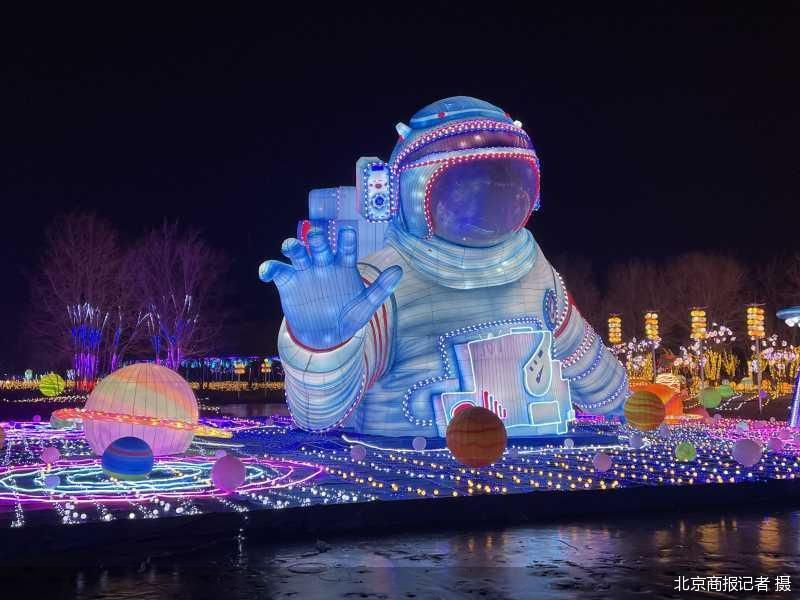
“夜京城”IP矩阵浮出水面 北京夜经济场景再扩容
Bei Jing Shang Bao· 2025-10-21 12:36
Core Viewpoint - The newly released "14th Five-Year Plan for Urban Lighting Development in Beijing" aims to enhance the night economy by transitioning from "point lighting" to a comprehensive "all-region quality improvement" approach, leveraging the "Night Beijing" IP matrix to stimulate consumption and employment [2][6]. Urban Nightscape Structure - The plan proposes a nightscape structure of "one core, two axes, four rings, and multiple points," highlighting the capital's urban features during both day and night [3]. - "One core" refers to the capital's functional core area, "two axes" are the central axis and its extensions, and "four rings" represent the second to fifth ring roads, with "multiple points" indicating areas outside the central city [3]. Operational Management - The management approach shifts from fixed models to refined control, introducing a new "major event guarantee" level to dynamically adjust lighting times and modes based on various factors [4]. - The plan aims to increase the application rate of LED light sources from 60% to 90%, enhancing user experience while reducing energy consumption [4]. Transition from Point Lighting to Systematic Layout - The night economy development in the "14th Five-Year Plan" focused on key commercial areas, while the "15th Five-Year Plan" emphasizes a qualitative leap towards a comprehensive layout [6]. - The new structure aims to create a three-dimensional nightscape network that connects urban areas and breaks the dominance of central districts in the night economy [6]. Scene Creation and IP Matrix Operation - The plan shifts from single business types to an IP matrix operation, integrating various night-time activities and experiences [6]. - The "Night Beijing" IP will connect major water systems and parks, creating a "blue night artery" and a "green night puzzle" to enhance cultural and ecological integration [6]. Economic Value of Night Economy Expansion - The implementation of the IP matrix is expected to stimulate consumer enthusiasm for night-time spending, extending consumption time and space [7]. - Data indicates that during the 2024 light festival, key commercial areas in Chaoyang District saw over 12 million visitors, a 13% increase year-on-year, with sales reaching 2.8 billion yuan, a 5% increase [7][8]. Industry and Cultural Integration - The IP matrix will promote the integration of cultural industries with tourism and commerce, leading to the development of derivative products and services [8]. - The unique IP matrix is anticipated to enhance Beijing's national and global recognition, positioning it as an attractive international tourism destination [8].

解码杭州“全域全时全业态”消费新图景
Mei Ri Shang Bao· 2025-10-21 00:03
Core Insights - The "Hangzhou 3.15 Autumn Shopping Festival" successfully integrated consumer rights protection with consumption promotion, establishing "Safe Consumption in Hangzhou" as a prominent city brand [1][5][6] Group 1: Event Overview - The event spanned the National Day and Mid-Autumn Festival, creating a comprehensive consumption environment characterized by "safe, assured, and comfortable" shopping experiences [1] - The festival featured a series of unique public welfare activities that highlighted the local culture of Hangzhou [1] Group 2: Consumption Landscape - The event broke traditional promotional barriers, achieving full coverage from urban centers to rural areas, creating a "one core, multiple points, all-region shopping" model [2] - It effectively connected various commercial zones, including West Lake and Qianjiang New City, with community commercial networks [2] Group 3: Consumption Dynamics - The festival embraced modern consumption trends by promoting "night economy" and "live-streaming economy," allowing for 24-hour consumer engagement [3] - Two immersive online tours showcased Hangzhou's night economy and local specialty products, enhancing consumer interest [3] Group 4: Business Integration - The event implemented a "three-chain linkage" strategy, integrating over 4,000 stores from major retailers to community shops, creating a diverse consumption matrix [4] - It promoted a new retail model that combines online traffic with offline experiences, enhancing customer engagement and satisfaction [4] Group 5: Consumer Assurance - The festival served as a platform for promoting "Safe Consumption in Hangzhou," addressing potential consumer pitfalls during the extended holiday period [5] - The "Hangzhou Consumer Volunteer Team" played a crucial role in consumer rights protection, ensuring a smooth shopping experience [5] Group 6: Economic Impact - The festival significantly boosted consumer spending and diversified consumption scenarios, leading to an optimized consumption structure [6] - Participating businesses experienced notable sales growth and increased brand exposure, enhancing their market competitiveness [6]
商圈焕彩 光影点亮城市活力
Jing Ji Ri Bao· 2025-10-19 01:41
Core Insights - The night economy in Chaoyang District, Beijing, has become a significant contributor to the local retail market, with a social retail total of 170.28 billion yuan from January to August, accounting for about 20% of the city's total [1] - The 2025 Beijing Chaoyang International Light Consumption Season has been launched, featuring immersive light shows and cultural events, enhancing the area's appeal as a night tourism destination [2] - The district aims to integrate culture, commerce, tourism, and sports through innovative activities and resource sharing, enhancing the overall consumer experience [4] Group 1: Economic Impact - Chaoyang District's social retail total reached 170.28 billion yuan from January to August, highlighting the importance of the night economy [1] - The district's commercial complexes exceed 100, with high-quality business circles and "Night Beijing" landmarks accounting for nearly half of the city's total [1] Group 2: Cultural and Tourism Development - The "Magic Cube" light installation marks the beginning of the light consumption season, showcasing various performances and light art installations that attract tourists [2] - The "One River, One Park" line features multiple first-time performances, including a floating stage and light shows, creating an immersive night tourism experience [2][3] Group 3: Future Plans and Goals - The 2024 theme "AI Gathers Chaoyang" will focus on the integration of business and technology, aiming to attract over 12 million visitors and achieve a sales revenue of 2.8 billion yuan, a 5% increase year-on-year [4] - Chaoyang District is committed to building an international consumption brand, enhancing its image as a modern, fashionable, and open city while stimulating consumer potential [4]
加码中国“确定性”
Guo Ji Jin Rong Bao· 2025-10-18 04:49
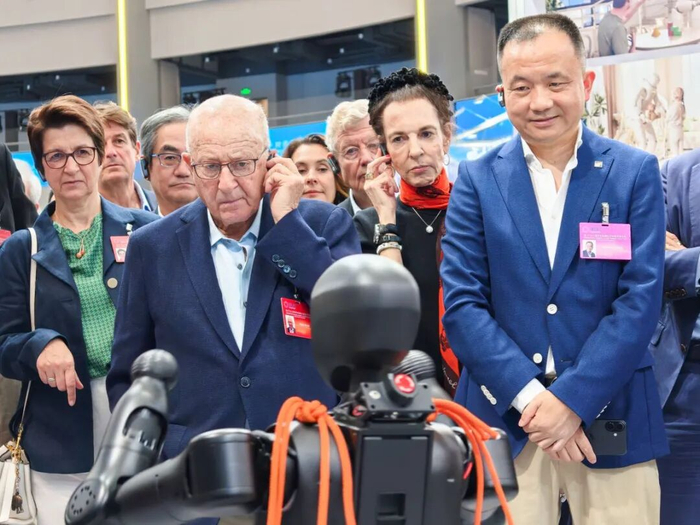
Group 1: Core Themes - The 37th Shanghai Mayor's International Business Leaders Advisory Council focused on "Openness, Innovation, and Inclusiveness" as key strategies for Shanghai's development towards 2030, with over 40 multinational executives participating [1] - The council's membership includes 24 Fortune Global 500 companies with a total market value exceeding $3.5 trillion, indicating strong global representation and confidence in China's market [1] Group 2: Openness - Shanghai is transitioning from factor-driven openness to institutional openness, enhancing global resource allocation through stronger regulatory frameworks [2] - Mizuho Financial Group's approval to establish a wholly foreign-owned securities firm in China marks a significant milestone in the country's financial sector opening [2] - Shanghai is becoming a hub for global business networks, attracting more companies to connect and serve global markets [3] Group 3: Innovation - Siemens has established its largest ecosystem outside Germany in Shanghai, focusing on cross-border data and carbon footprint certification, positioning Shanghai as a key hub for green exports [4] - Novartis proposed a digital health platform leveraging AI to enhance public health services in Shanghai, showcasing the integration of local and international technological innovations [6] - Chinese tech companies are demonstrating significant advancements in AI and robotics, attracting attention from global business leaders [8] Group 4: Inclusiveness - Shanghai is promoting a modern urban development model that addresses new consumer trends, such as health and wellness, and the night economy, reflecting its commitment to inclusive growth [9][10] - L'Oréal and Budweiser highlighted the resilience and potential of the Chinese market, with L'Oréal reporting a 3% growth in sales in the second quarter of this year [9][10] - Adidas emphasized the role of sports in enhancing urban resilience and community well-being, advocating for a supportive infrastructure for sports events [10] Group 5: Future Outlook - The Shanghai Mayor's International Business Leaders Advisory Council continues to serve as a platform for multinational companies to provide insights and recommendations for Shanghai's development [12] - Shanghai has attracted nearly $100 billion in foreign investment over the past five years, with a growing number of foreign enterprises establishing operations in the city [12] - The council's ongoing dialogue reflects the global business community's commitment to Shanghai's future, despite geopolitical uncertainties [13]
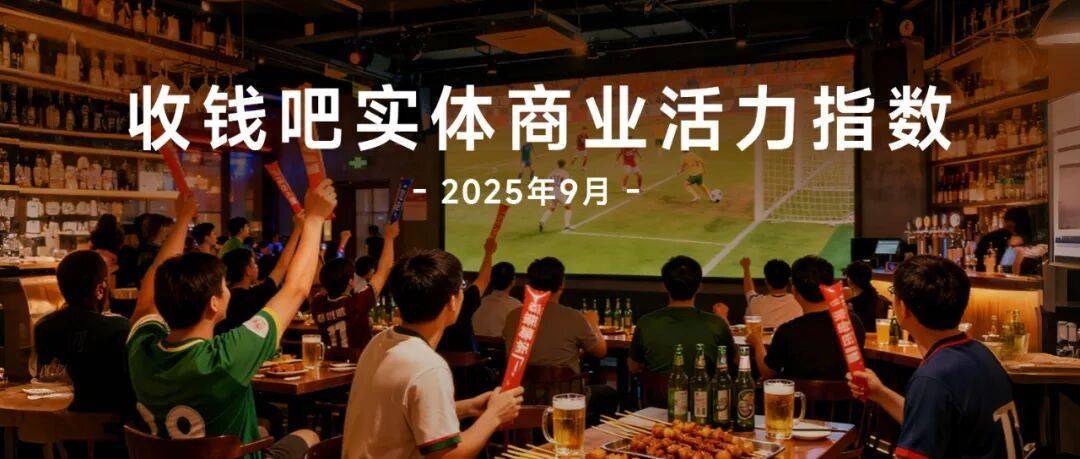
收钱吧9月实体商业活力指数|一场“苏超”球赛,让夜间消费激增45%?
Sou Hu Cai Jing· 2025-10-17 00:01
Core Insights - The "Su Super" league has transcended the sports arena, evolving into a city-wide consumption phenomenon, with ticket signing rates averaging below 7% and as low as 3.3% for some matches, indicating a significant impact on local consumer behavior [2] City Performance - Wuxi has emerged as a standout performer in the "Su Super" league, achieving an entity commercial vitality index of 87.4, the highest since 2025, and ranking 9th nationally, showcasing its transformation into a commercial powerhouse [3][5] Consumption Growth Drivers - The core driver of consumption growth in cities participating in the "Su Super" league is robust consumer demand, with Wuxi's offline consumer vitality index at 85.1, ranking 3rd among all cities, indicating strong holiday spending and diverse regional appeal [7][9] Economic Activation - The "Su Super" league has significantly activated the night economy, with cities like Yancheng and Nanjing experiencing notable increases in consumption, particularly around event venues, highlighting the economic benefits of sporting events [11][14] Consumption Patterns - The increase in consumption is characterized by a higher average spending per transaction, particularly in food and beverage categories associated with the events, such as beer and barbecue, indicating a shift in consumer behavior towards higher-value purchases [11][12] Tourism and Hospitality Impact - The league has also positively influenced tourism, with hotels and popular attractions in Wuxi seeing a slight uptick in consumption on event days, suggesting that sporting events are becoming key drivers for local tourism and short-term getaways [12][13] Overall Economic Impact - Overall consumption has increased by 40%, with night-time spending rising by over 45%, demonstrating the league's role in enhancing the vibrancy of urban life and commercial activity [14][17] Future Outlook - The "Su Super" league's success lies in its ability to connect with local communities, transforming into a public event that fosters economic growth and cultural engagement, with ongoing monitoring of consumption trends expected to continue [17]
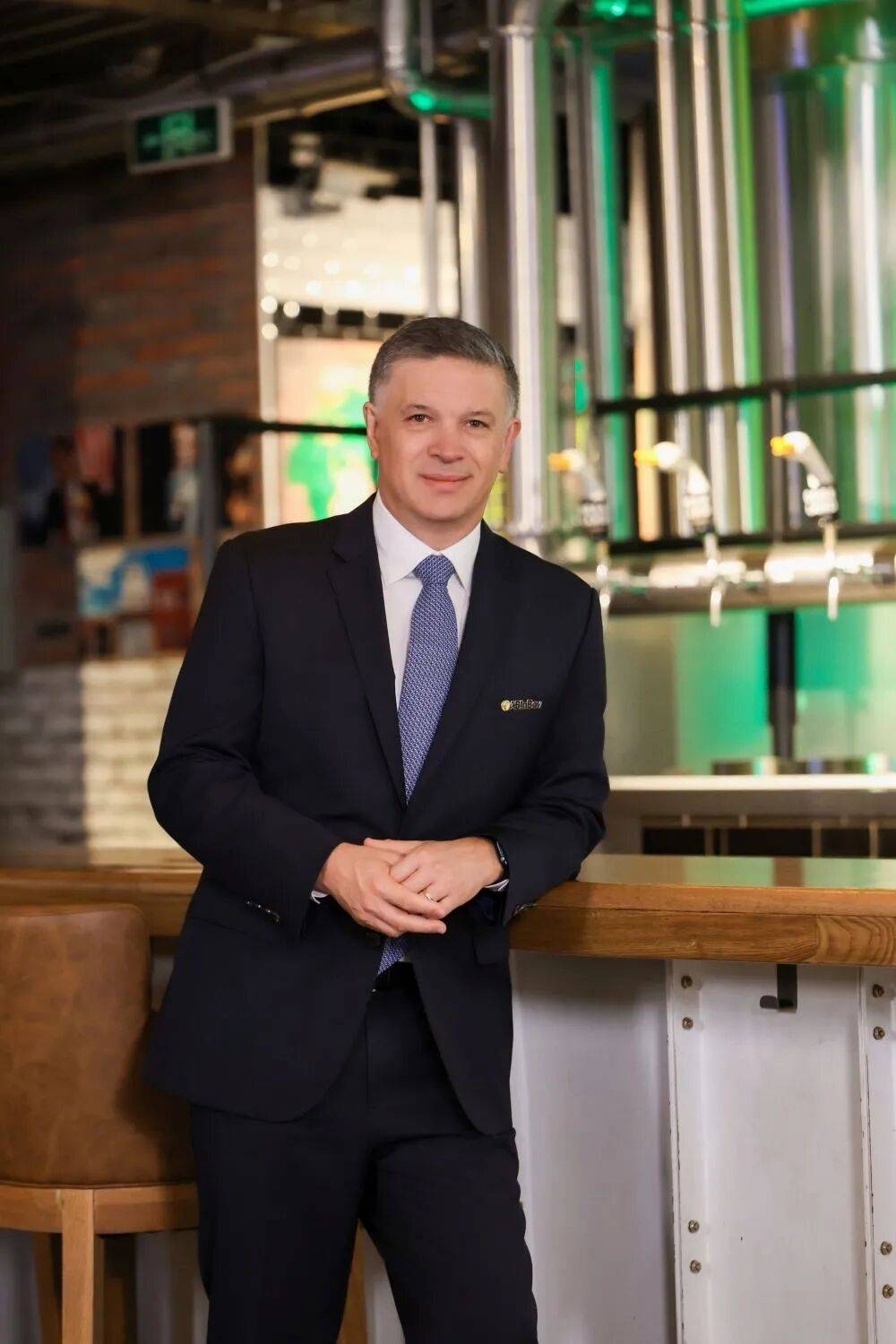
百威集团邓明潇:与上海共同擦亮“夜经济”的金色名片
Guo Ji Jin Rong Bao· 2025-10-16 11:20
Core Insights - China is a crucial market for the company, and it remains committed to long-term investments in the region, particularly in Shanghai, which is viewed as an attractive tourist destination with efficient city management and robust infrastructure [1][3] Group 1: Company Strategy and Market Potential - The company plans to introduce global events like the Tomorrowland electronic music festival to Shanghai, aiming to enhance the city's appeal as a tourist destination [3][5] - The CEO emphasizes the importance of a vibrant nightlife economy, noting that nearly 60% of global consumer activities occur after 6 PM, which correlates with a GDP growth rate of approximately 4% in cities with active night economies [5][6] - Shanghai's night economy is projected to see 4.03 million active night trips in 2024, with a comprehensive night economy index ranking first in the country [5][6] Group 2: Economic Impact and Cultural Significance - The night economy in Shanghai is expected to generate over 88 billion yuan in total consumption by mid-2025, reflecting a year-on-year growth of 3.3% [5][6] - The company aims to support the night economy by investing in cultural and entertainment events, which will enhance Shanghai's international image and cultural soft power [6][7] - The company has established nearly 30 breweries in China since 1984, showcasing its confidence in the Chinese market and contributing to the high-quality development of the local economy [7]

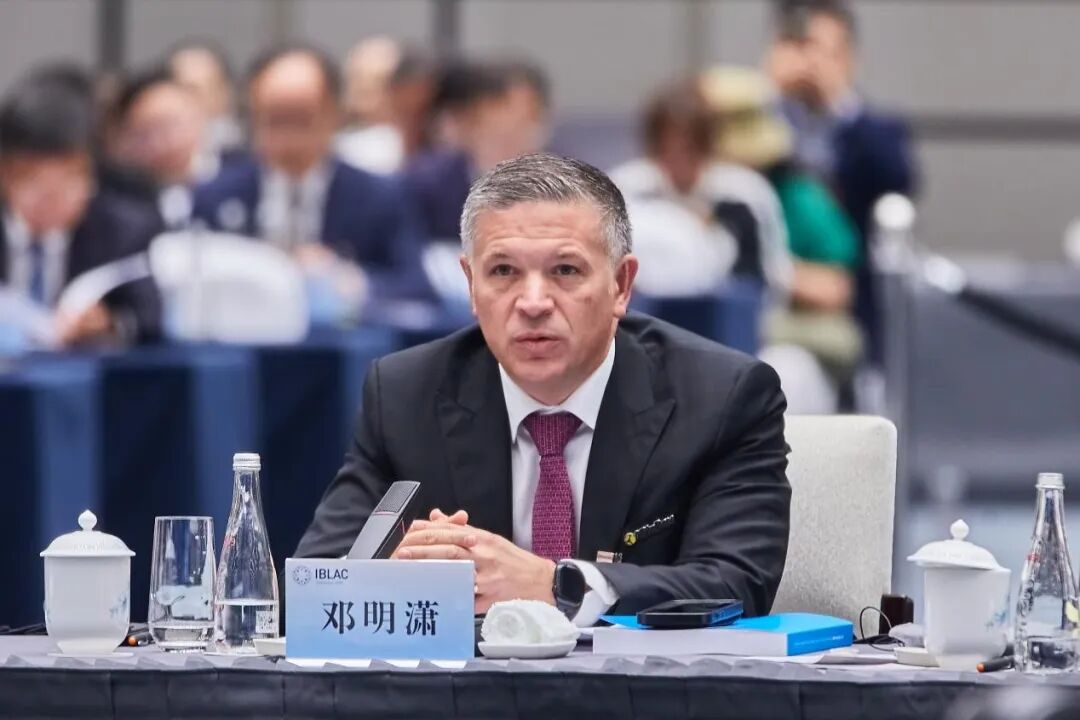
百威集团CEO邓明潇:为上海夜间经济发展建言献策
Zheng Quan Ri Bao Wang· 2025-10-16 07:47
Core Insights - Budweiser Group's CEO Michel Doukeris participated in the 37th Shanghai International Business Leaders Advisory Council (IBLAC), emphasizing the company's commitment to contributing to Shanghai's international urban development and the night economy [1][2] Group 1: Company Strategy - Budweiser Group has introduced the "Tomorrowland" electronic music festival to Shanghai, marking its first indoor version in Asia, scheduled for November 2025 [2] - The company has established nearly 30 breweries across China since entering the market in 1984, with over 50 brands including Budweiser, Harbin, and Corona, laying a solid market foundation [2] - Budweiser Group aims to deepen its premium strategy and leverage the growth of the night economy to seize broader opportunities in the Chinese market [2] Group 2: Night Economy Development - The active development of the night economy is a key indicator of a city's modernization and vitality, with Shanghai leading in this area [1] - Doukeris highlighted the alignment of goals between Shanghai and Budweiser Group in promoting the night economy, proposing a systematic plan that combines global perspectives with local practices [1] - Budweiser Group plans to enhance its contributions to Shanghai's night economy by introducing iconic IPs and sharing international experiences [1]
百威集团全球CEO邓明潇:深耕中国市场 共筑城市“夜间活力”
Sou Hu Cai Jing· 2025-10-15 10:24
Group 1 - The core viewpoint of the article emphasizes the importance of the night economy as a driving force for urban vitality and economic growth, particularly in major cities like Shanghai [3][7] - The night economy is described as a deep integration of urban culture, technology, and commerce, rather than just a simple combination of dining and entertainment [7] - The CEO of Budweiser Group expresses confidence in the continuous investment in China, highlighting the country as a key market and strategic support for the company's global strategy [9] Group 2 - Budweiser Group has been operating in China for over 40 years and considers it the largest market in Asia, focusing on business expansion and talent cultivation [9] - The company employs a "super platform" strategy to enhance consumer experience, integrating global IP resources with local operations to create a unique market presence [9] - Budweiser Group plans to strengthen brand building and product diversification to meet the quality demands of Chinese consumers, while fostering ecological cooperation with distributors and retailers [9]
鞍山文体旅商深度融合持续释放消费潜力
Liao Ning Ri Bao· 2025-10-15 00:46
Core Insights - The integration of culture, sports, tourism, and commerce in Anshan City has significantly boosted the holiday economy during the National Day and Mid-Autumn Festival, creating vibrant consumption scenarios and driving high-quality local economic development [1][2] Group 1: Tourism and Visitor Statistics - Anshan's key scenic spots and unique business formats saw a surge in visitors, with Qianshan Scenic Area receiving 196,400 visitors over 8 days, a year-on-year increase of 20.21% [1] - The average daily visitor count at Er Yi Jiu Park reached 50,000, while other attractions like Xiuyan Fairy Valley and Yuhuang Mountain Cultural Tourism Resort also experienced significant visitor increases [1] - The popularity of rural ecological tourism emerged as a new highlight, with local museums and hot spring resorts also seeing high visitor numbers [1] Group 2: Cultural and Sports Activities - Various cultural and sports activities were organized to stimulate market vitality, including the "Good Luck Lotus - Qianshan Wonderful Night" night tour event, which combined light shows and specialty markets [2] - Events like the 2025 Anshan Pet and Ornamental Fish Carnival and the National Children's Table Tennis "Eight Major Cups" finals showcased the potential of "sports + tourism" [2] - A star-studded concert attracted over 20,000 attendees, and performances such as drone shows and symphonic flash mobs facilitated seamless transitions between daytime activities and nighttime consumption [2] Group 3: Economic Impact and Consumer Behavior - The integration of culture, sports, tourism, and commerce has shifted holiday consumption from "single-point growth" to "full-chain explosion," with the "Follow the Movie to Anshan" event attracting 50,000 moviegoers and generating nearly 30 million yuan in sales from the pet and ornamental fish carnival [2] - The national children's table tennis event saw 85% of participants and 59% of concert attendees coming from outside the city, significantly boosting local dining, transportation, accommodation, and specialty product sales [2] - The "night economy" has emerged as a new growth driver for consumption [2] Group 4: Service and Infrastructure Support - Anshan City established a "multi-party linkage" service system to enhance visitor experience, with 48 government and enterprise units opening parking lots and restrooms, providing over 2,000 parking spaces to alleviate parking difficulties [2] - The city continues to leverage its cultural resources, such as steel culture, hot spring wellness, and Xiuyan jade carving, to release consumer potential and promote synergy between tourism, sports, and health industries [2] - Technological innovations like smart tourism platforms and VR technology are being utilized to create immersive new business formats [2]
全力冲刺四季度经济 哪些增量政策值得期待?
Shang Hai Zheng Quan Bao· 2025-10-14 00:55
Group 1: Economic Policy and Investment - The fourth quarter is crucial for economic work and planning for the next year, with macro policies being implemented to ensure stable economic performance, requiring approximately 15 trillion yuan in investment and 13 to 14 trillion yuan in consumption [1] - New policy financial tools amounting to 500 billion yuan are expected to support project capital, enhancing infrastructure investment in the fourth quarter [4] - Local governments are anticipated to expedite the use of remaining special bond funds, with an estimated 680 billion yuan available for investment [5] Group 2: Consumer Support Policies - The government has issued 690 billion yuan in special bonds to support consumer goods replacement programs, with over 330 million people benefiting from subsidies, leading to sales exceeding 2 trillion yuan [2] - There are expectations for further support policies for large-scale consumption, including expanded subsidies for vehicle replacements and initiatives in health, medical, and digital sectors [2][3] - The retail sales of consumer goods are projected to exceed 50 trillion yuan for the year, with consumption contributing over 50% to GDP [3] Group 3: Foreign Trade and Investment - China is set to enhance its high-level opening-up policies, with the Hainan Free Trade Port scheduled to officially operate by December 2025, easing restrictions on foreign investment in tourism [7] - The 138th China Import and Export Fair will take place from October 15 to November 4, aiming to support foreign trade enterprises amid external challenges [7] - A series of favorable policies for foreign investment are expected to be implemented, focusing on advanced manufacturing, modern services, and high-tech sectors [7][8]