扩大内需

Search documents
2025年中央经济工作会议学习心得:挖掘潜能,苦练内功
Changjiang Securities· 2025-12-13 09:15
Group 1: Economic Policy Directions - The meeting proposed five new "musts," which are an iteration of last year's five "musts," reflecting a deeper understanding of economic work[16] - Fiscal policy continues to be described as "more proactive," focusing on improving fiscal revenue, maintaining debt intensity, and optimizing expenditure structure[18] - Monetary policy remains "appropriately loose," with an emphasis on policy effectiveness, balancing between broad money supply and credit[22] Group 2: Key Economic Tasks - Expanding domestic demand remains the top priority, with expectations for a "rural and urban resident income increase plan" and efforts to stabilize investment[24] - Risk prevention in key areas, particularly in real estate, focuses on stabilizing housing prices and improving supply-demand dynamics, with "deepening housing fund system reform" as a major highlight for next year[28]
中央经济工作会议后,明年如何谋篇布局?多家金融机构集体表态
Mei Ri Jing Ji Xin Wen· 2025-12-13 08:55
中央经济工作会议12月10日至11日在北京举行。会议提出,明年经济工作在政策取向上,要坚持"稳中 求进、提质增效",并用"八个坚持"划出了明年经济工作的重点任务。 会后,多家金融机构集体表态对标对表明年经济工作"八个坚持"重点任务,并结合自身实际谋划好2026 年和"十五五"期间工作。 《每日经济新闻》记者注意到,多家金融机构强调,要突出主责主业,持续优化重点领域金融供给,包 括支持扩大内需、科技创新、中小微企业、民生保障等方面。此外,多家机构表态坚持守牢底线,积极 稳妥化解重点领域风险。 聚焦主责主业,推动金融资源向重点领域和薄弱环节集聚 多家机构表态,要聚焦主责主业,做好金融"五篇大文章",推动金融资源向经济社会发展的重大战略、 重点领域和薄弱环节集聚,提升服务实体经济质效。记者注意到,多家机构在科技创新领域重点着墨。 工商银行表示,要发挥主力军作用,持续发力促进高质量发展。围绕服务"四稳",突出主责主业,提供 全面金融解决方案。积极融入强大国内市场,加力支持扩大内需、科技创新、中小微企业等重点领域, 精准服务"两重一薄"、制造业、区域协调、"双碳"引领、民生保障等,努力为人民群众多办实事。 农业银行提及 ...






好评中国|锚定高质量发展,奋力实现“十五五”良好开局
Huan Qiu Wang· 2025-12-13 07:45
Core Insights - The Central Economic Work Conference held on December 10-11, 2025, is crucial for setting the direction for China's economic work in 2026 and ensuring a good start for the "15th Five-Year Plan" [1][2] - The conference emphasizes the importance of unity in thought, consensus, and confidence to navigate the complexities of the current economic landscape and achieve high-quality development [2][3] Economic Strategy - The conference outlines a series of strategic deployments focused on stabilizing and advancing economic growth, with a priority on domestic demand and building a strong domestic market [3] - Key tasks include boosting consumption, optimizing investment, fostering innovation, and addressing risks in real estate and local debt [3][4] Leadership and Governance - Strengthening the Party's comprehensive leadership over economic work is highlighted as essential for overcoming challenges and achieving targets [4] - The need for a correct performance view that prioritizes people's well-being and practical results is emphasized, along with avoiding bureaucratic tendencies [4] Future Outlook - The conference sets a clear roadmap for 2026, aiming for a robust start to the "15th Five-Year Plan" and a commitment to high-quality development [5] - A call for collective effort and determination to overcome obstacles and achieve economic goals is made, reinforcing the vision for a modern socialist country [5]
将坚持内需主导放在首位
Jin Rong Shi Bao· 2025-12-13 07:40
Group 1 - The core focus of the Central Economic Work Conference is to emphasize the importance of expanding domestic demand and optimizing supply, with a strong commitment to building a robust domestic market as the primary task for economic work in the coming year [1][2] - Domestic demand has become the main driver of economic growth, contributing an average of 86.4% to economic growth from 2021 to 2024, with final consumption accounting for 56.2%, an increase of 8.6 percentage points compared to the previous five-year period [1][2] - China remains the second-largest consumer market globally, the largest online retail market, and the second-largest import market, indicating a strong position in the global economy [1] Group 2 - The strategy of expanding domestic demand has been increasingly prioritized in recent years, with its significance highlighted in the macroeconomic policy requirements and the "14th Five-Year Plan" [2] - The conference emphasizes the need to strengthen domestic circulation to counter uncertainties in international circulation, reinforcing the dominant role of domestic demand [2] Group 3 - To boost domestic demand, there is a strong emphasis on increasing consumer spending, which is seen as a key driver for economic growth [3] - The conference proposes the implementation of a plan to increase urban and rural residents' income, alongside special actions to stimulate consumption, aiming to stabilize and expand residents' income and restore consumer confidence [3] - The focus is also on creating a favorable market environment for consumption by optimizing project implementation and removing unreasonable restrictions in the consumption sector [3] Group 4 - The conference highlights the importance of stabilizing investment as a crucial support for boosting domestic demand, with government investment playing a pivotal role [4] - There is a call to encourage private investment by creating a fair competitive environment and removing hidden barriers to attract private capital for major projects [4] - The emphasis on high-quality urban renewal is aimed at enhancing the sense of gain, happiness, and security among the populace, which is essential for driving economic and social development [4]
事关居民增收、扩大内需,中国经济年会最新发声
Xin Lang Cai Jing· 2025-12-13 06:54
Group 1 - The 2025-2026 China Economic Annual Conference will be held on December 13 in Beijing, focusing on implementing the spirit of the Central Economic Work Conference and achieving high-quality development for the "14th Five-Year Plan" [1][4] - The Deputy Director of the Central Financial Office, Han Wenxiu, emphasized the need to maintain stable economic growth, employment, and overall price stability while synchronizing the growth of residents' income with economic growth [1][4] - The conference highlighted the importance of continuing a moderately loose monetary policy to support domestic demand expansion and ensure that various policy measures work in concert [1][4] Group 2 - Opportunities for economic development in the coming year include improvements in the microeconomic balance sheets of entities and the wealth effect from the high-tech sector, which can enhance residents' balance sheets [5] - The State-owned Assets Supervision and Administration Commission stressed the need for central enterprises to expand the supply of quality goods and services based on market demand, ensuring stable supply and prices for essential products [5] - The National Development and Reform Commission's Director, Zheng Zhanjie, called for increased efforts to improve people's livelihoods and promote common prosperity, emphasizing the need for an employment-first strategy and improved income distribution [5][6] Group 3 - The "14th Five-Year Plan" suggests establishing a primary distribution mechanism that rewards contributions based on market evaluations, promoting higher earnings for those who work more, possess higher skills, or innovate [6] - The Vice Chairman of the Economic Committee of the National Committee of the Chinese People's Political Consultative Conference, Yang Weimin, pointed out that the low proportion of residents' consumption in total demand is due to the low share of residents' income in national income and significant income disparities [6] - Former Deputy Director of the State Council Development Research Center, Liu Shijun, advocated for reducing the gap in basic public services between urban and rural residents and converting unsold housing into affordable housing for low-income groups [6]
中国国际经济交流中心王一鸣:2026年经济发展面临四大机遇
Zhong Guo Zheng Quan Bao· 2025-12-13 06:20
Core Viewpoint - The article highlights four major opportunities for economic development in China by 2026, focusing on industrial development, technological innovation, infrastructure construction, and macroeconomic policies [1] Group 1: Economic Opportunities - The first opportunity involves a series of layouts in industrial development, technological innovation, infrastructure construction, especially new infrastructure, and public services [1] - The second opportunity is China's complete industrial chain advantage and talent resource advantage [1] - The third opportunity includes the implementation of more proactive macro policies, with local debt gradually improving local government spending capacity, benefiting the implementation of national macro policies, and the Federal Reserve's interest rate cuts providing some monetary policy space [1] - The fourth opportunity is the improvement of microeconomic entities' balance sheets, with the high-tech sector accumulating a certain wealth effect, which is beneficial for improving the asset-liability balance of residents and enterprises [1] Group 2: Domestic Demand and Real Estate - In terms of expanding domestic demand, the focus should be on developing service consumption and providing differentiated supply [1] - There is a need to continue stabilizing the real estate market and maintaining expectations [1]
一文看透!“十五五”时期跨境贸易投资新动向
Sou Hu Cai Jing· 2025-12-13 06:13
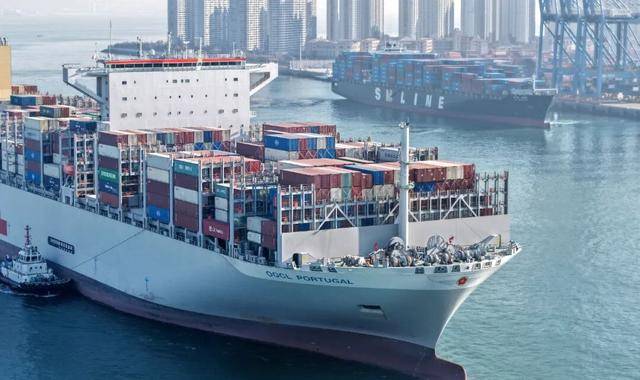
Core Insights - The article discusses the new trends in China's cross-border trade and investment during the "15th Five-Year Plan" period, highlighting the shift towards new trade methods and products that are reshaping the domestic and international markets [2][4]. Trade Growth and Innovations - In the first 11 months of the year, China's total import and export value reached 41.21 trillion yuan, a year-on-year increase of 3.6%, with November's trade growth rebounding to 4.1% [6]. - The cross-border e-commerce sector in Yiwu has seen significant growth, with the import clearance list surpassing 100 million orders, marking a historic milestone [2]. - The introduction of "smart supervision" measures at customs has improved efficiency, allowing vehicles to pass through with minimal delays [2]. New Product Trends - The share of high-tech and high-value-added products in China's exports is rapidly increasing, with integrated circuits and electric vehicles leading the way [5][6]. - The contribution of electromechanical products to export growth was 87% in the first ten months, with a notable increase in the export of intermediate goods [6]. Internationalization and Market Expansion - Chinese companies are accelerating their internationalization efforts, with a focus on expanding into emerging markets in the Global South, as evidenced by the increasing share of low- and middle-income economies in China's imports and exports [8][9]. - The report indicates that by 2026, the focus of global trade is expected to shift towards emerging hubs in the Global South, challenging traditional Western centers [8]. Investment Trends - China's foreign direct investment (FDI) has surpassed $170 billion, reflecting a significant shift from being an investment-receiving country to an investment-sending country [9]. - The manufacturing sector now accounts for a larger share of China's overseas investments compared to resource extraction industries [9]. Future Directions - The "15th Five-Year Plan" emphasizes the need for innovation in foreign trade, including optimizing trade structures and expanding service and digital trade [11]. - There is a call for enhancing the dual flow of goods and factors across borders, balancing exports and imports to strengthen China's economic position [12][13].

实施居民增收计划,不只为了促消费 | 新京报专栏
Sou Hu Cai Jing· 2025-12-13 05:57
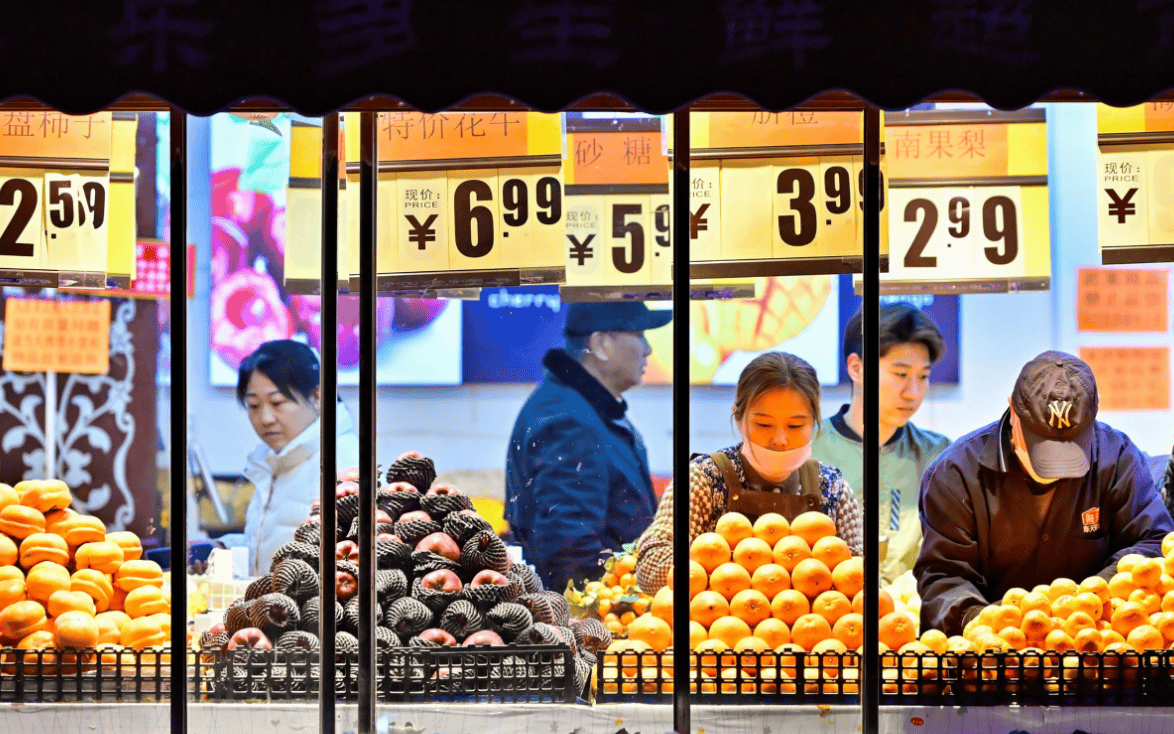
Core Viewpoint - The central economic work conference emphasizes the importance of expanding domestic demand and enhancing residents' income as a strategic priority for 2026, marking a shift from short-term consumption stimulation to a long-term strategy focused on income improvement and supply optimization [4][5][10]. Group 1: Domestic Demand Expansion - Expanding domestic demand has been a primary task for two consecutive years, reflecting a strategic shift to reduce reliance on external demand due to a complex global environment [4][5]. - China's foreign trade dependence has decreased from nearly 70% in 2006 to about 30% recently, indicating a need to focus more on domestic economic development [4]. - The current economic challenges include insufficient domestic effective demand, necessitating simultaneous efforts on both supply and demand sides to enhance consumption [4][6]. Group 2: Income Growth and Consumption - The introduction of the "Urban and Rural Residents' Income Growth Plan" signifies a transition from merely stimulating consumption to systematically improving income structures, aiming to create a sustainable economic momentum [5][10]. - The focus on enhancing consumption capabilities indicates a shift from short-term promotional strategies to long-term structural improvements in income [5][10]. - The plan aims to synchronize income growth with economic development, ensuring that labor remuneration increases alongside productivity [8]. Group 3: Investment and Policy Framework - The conference outlines a systematic policy framework centered on consumption and investment, with a focus on enhancing the quality of supply and optimizing the consumption environment [6][9]. - Government investment is expected to play a crucial role in stabilizing and stimulating private investment, with an emphasis on major national strategies and urban renewal projects [7][9]. - Future measures will likely include support for employment, wage increases, and enhancing farmers' income, alongside reducing burdens on households through optimized public spending [8][9]. Group 4: Financial Policy and Support - The monetary policy will prioritize guiding funds towards key areas such as technological innovation, green development, and consumption, reflecting a commitment to expanding domestic demand [10]. - Fiscal policies are anticipated to maintain necessary expenditure levels, with a projected fiscal deficit rate for 2026 not lower than 4% of GDP, supporting consumption-related sectors [9][10]. - The overall policy logic aims to enhance consumption capacity and optimize economic circulation, addressing current consumption weaknesses while laying the groundwork for a more robust domestic market in the long term [10][11].
王一鸣:2026年经济发展面临四大机遇
Sou Hu Cai Jing· 2025-12-13 05:40
Core Viewpoint - The article highlights four major opportunities for economic development in China by 2026, focusing on industrial development, technological innovation, infrastructure construction, and macroeconomic policies [1] Group 1: Economic Opportunities - China will launch a series of initiatives in industrial development, technological innovation, infrastructure construction, particularly in new infrastructure and public services [1] - The complete industrial chain and talent resource advantages in China will play a crucial role in economic growth [1] - More proactive macroeconomic policies will be implemented, with local government debt gradually increasing spending capacity, facilitating the implementation of national macro policies [1] Group 2: Monetary Policy and Market Stability - The Federal Reserve's interest rate cuts provide some room for monetary policy adjustments in China [1] - The improvement of microeconomic entities' balance sheets, particularly in the high-tech sector, is expected to enhance the wealth effect, benefiting both residents and enterprises [1] - Emphasis on developing service consumption and providing differentiated supply is crucial for expanding domestic demand, alongside stabilizing the real estate market and expectations [1]
中央经济工作会议的十大亮点(申万宏观·赵伟团队)
赵伟宏观探索· 2025-12-13 04:18
Core Viewpoint - The 2025 Central Economic Work Conference emphasizes five "musts" to address the current economic challenges, highlighting the contradiction of strong supply and weak demand domestically, and aims to enhance economic potential through policy support and reform innovation [2][15]. Economic Situation and Policy Framework - The conference identifies persistent "old problems and new challenges" in the economy, particularly focusing on the current state of strong supply and weak demand, which aligns with the ongoing weakness in PPI and CPI [2][15]. - The 2025 conference shifts focus from the demand side issues highlighted in 2024 to the current supply-demand imbalance, indicating a need for deeper structural adjustments [2][15]. Economic Goals for 2026 - The conference outlines a focus on overall economic stability and quality improvement, stating the goal of "continuously consolidating and expanding the stable and positive momentum of the economy" without detailing specific indicators [3][16]. Fiscal and Monetary Policy - Fiscal policy remains "more proactive," with an emphasis on maintaining necessary fiscal deficits and total debt levels, while addressing local fiscal difficulties and promoting debt management [4][17]. - Monetary policy aims to support economic stability and reasonable price recovery, with a focus on flexible use of tools like reserve requirement ratio cuts and interest rate reductions [4][17]. Policy Coordination and Reform - The conference stresses the importance of enhancing the consistency and effectiveness of macroeconomic policies, integrating both existing and new policies to align with current economic goals [5][18]. - There is a notable emphasis on combining short-term policy measures with long-term institutional reforms, particularly in expanding domestic demand and addressing "involution" in competition [6][19]. Green Development and Risk Management - The conference prioritizes green and low-carbon initiatives, committing to accelerate the construction of a new energy system and expand the application of green electricity [7][20]. - Risk management strategies have evolved from "preventing and resolving" to "actively and prudently resolving," particularly in the real estate sector, where measures include controlling new supply and promoting the conversion of existing properties into affordable housing [8][20].