能源转型

Search documents
批发电价下跌账单却仍上涨!能源转型成本成英国家庭“不可承受之重”
智通财经网· 2025-11-07 07:17
Core Viewpoint - UK households are facing a new energy crisis where energy bills are rising despite falling wholesale electricity and gas prices, increasing political pressure on the government to justify these costs to the public [1] Group 1: Energy Costs and Government Response - The UK government is under pressure to explain why consumers face higher energy costs despite a global decline in energy prices, as they prepare for a budget that may include tax increases [1] - Cornwall Insight Ltd. predicts that domestic energy costs will rise again in April 2024 due to increased grid fees and policy costs, despite a forecasted decline in wholesale energy prices [1][6] - The UK government aims to expand renewable energy sources to lower electricity costs in the long term, but the initial costs of transitioning from a gas-based system to a renewable-dominated system are being borne by households [1][5] Group 2: Cost Structure and Consumer Impact - Since early 2023, wholesale energy costs in the UK have decreased by approximately 77%, while policy costs supporting renewable energy have increased by 41% [7] - The average energy bill now has nearly one-fifth of its cost attributed to policy costs, while only about 7% of gas bills are affected by these costs, leading to higher electricity prices [9] - Energy debt among UK households has surged from £1.8 billion four years ago to over £4.4 billion, indicating increasing financial strain on consumers [9] Group 3: Comparative Analysis with Other European Countries - In Germany, despite a decrease in wholesale electricity prices, household electricity prices have only dropped by 16%, highlighting a similar issue of rising costs due to taxes and grid fees [11] - France benefits from a large nuclear power capacity, keeping wholesale prices lower compared to the UK and Germany, while still developing renewable energy [14] - The long-term logic of transitioning to renewable energy in the UK remains valid, as it is expected to be cheaper and less affected by global market fluctuations compared to a gas-dependent system [14]


一文读懂 IEA《世界能源投资 2025》
GOLDEN SUN SECURITIES· 2025-11-07 07:08
Investment Rating - The report maintains a rating of "Buy" for several key companies in the coal mining sector, including Yanzhou Coal Mining Company, China Shenhua Energy, and others [5][12]. Core Insights - Global energy investment is projected to reach $3.3 trillion in 2025, marking a 2% increase from 2024, with a significant shift towards clean energy investments outpacing fossil fuels [1][4]. - The report highlights that while clean energy investments are surging, challenges such as grid bottlenecks, supply chain pressures, and regional imbalances pose significant risks to the energy transition [1][4]. - The focus of energy investments is irreversibly shifting towards clean energy, with the modernization of the grid, supply chain resilience, and financing in emerging markets being critical for successful transition [4][56]. Summary by Sections 1. Power Investment - Global power investment is expected to reach a record $1.5 trillion in 2024, driven by low-emission power, grid, and battery storage investments [16]. - Solar energy faces financial pressures due to overcapacity, while wind energy remains stable, and nuclear power is experiencing a revival [20][21]. - Grid investment is lagging behind renewable energy deployment, with significant bottlenecks in supply chains and labor shortages [48][49]. 2. Energy Supply - Fossil fuel supply investment is expected to decline by 2% in 2025, marking the first decrease since 2020, primarily due to falling oil prices and rising costs [2][56]. - Coal investment is at a record high driven by China and India, although growth rates are slowing [56][59]. - Investment in low-carbon technologies is robust, with liquid biofuels and low-emission hydrogen expected to see a 30% increase in 2025 [57]. 3. Terminal Demand - Electrification is accelerating, with significant investments in the transportation sector, while building investments are stagnating due to policy rollbacks and cost pressures [3][55]. - Industrial energy efficiency is rebounding in China and the U.S., but global low-emission steel investments are contracting significantly [3][55]. 4. Investment Strategy - The report recommends focusing on companies that are well-positioned in the coal mining sector, particularly those with strong performance metrics [9][12].




陕鼓EKOL携绿氢氨醇核心装备方案亮相进博会
Xin Hua Cai Jing· 2025-11-07 07:04
Core Viewpoint - The participation of Shaanxi Blower (Group) Co., Ltd.'s Czech subsidiary EKOL at the China International Import Expo highlights its commitment to providing innovative solutions for a zero-carbon future through advanced energy-efficient technologies [1][3]. Group 1: Company Participation and Innovations - Shaanxi Blower EKOL has participated in the expo for the sixth time, showcasing its dual role as both an exhibitor and a buyer [2]. - The company presented its high-end centrifugal compressors and air separation units, which are designed to enhance energy efficiency and reduce system energy consumption, aiding users in achieving their carbon reduction goals [2][3]. - The core equipment and system solutions displayed emphasize the company's focus on technological innovation, driving the industrial equipment sector towards larger, more efficient, intelligent, and greener solutions [3]. Group 2: Strategic Collaborations and Global Impact - During the expo, Shaanxi Blower EKOL launched its green hydrogen, ammonia, and methanol core equipment solutions, aimed at supporting the large-scale and economical production of clean energy [3]. - The company has established deep collaborations with global enterprises in high-end equipment procurement and joint technology development, enhancing its global development strategy [4]. - Shaanxi Blower EKOL's participation in the expo serves as a platform to promote its green solutions worldwide, contributing to the global energy transition [4].

外企高管会搬进“四叶草” 专家分享中国“十五五”规划
Yang Shi Xin Wen· 2025-11-07 06:26
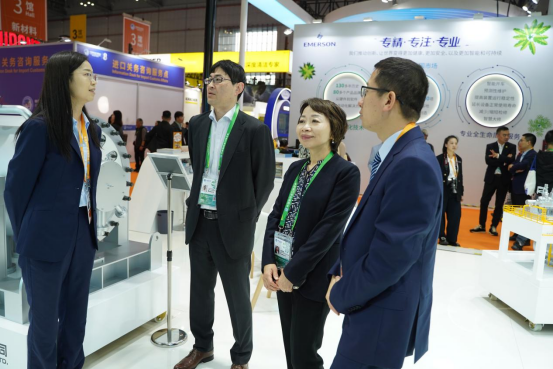
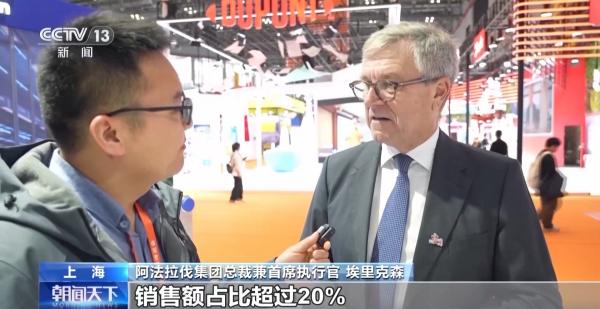
Core Insights - The China International Import Expo (CIIE) serves as a significant platform for international companies, exemplified by Alfa Laval's decision to hold its executive meeting at the event, highlighting the importance of understanding the Chinese market [1][3]. Group 1: Company Strategy and Market Engagement - Alfa Laval's CEO, Eriksson, emphasized that China is the company's largest market, accounting for over 20% of sales, and the importance of experiencing China's vitality firsthand for future planning [3]. - The executive meeting focused on energy transition and China's 14th Five-Year Plan, with experts invited to share insights, indicating a strategic alignment with local developments [3][6]. - The company aims to leverage opportunities presented by China's green technology leadership, as stated by the CFO, who noted the international perspective of the 14th Five-Year Plan [5]. Group 2: Operational Efficiency and Market Dynamics - Alfa Laval's Northeast Asia VP highlighted the rapid pace of decision-making and innovation in China, driven by strong local government support [10]. - The CIIE is recognized as a unique platform for connecting various supply chain elements efficiently, allowing for quick engagement with potential partners [12]. - The company's ambitious growth target of 1.5 times revenue increase by 2030 is closely tied to the opportunities presented by the 14th Five-Year Plan [8].
多国领导人呼吁加速应对气候危机行动
Xin Hua She· 2025-11-07 05:53
Core Viewpoint - The Belem Climate Summit emphasizes the urgent need for global unity and accelerated action to address the climate crisis, setting the stage for the upcoming COP30 negotiations [1][2]. Group 1: Summit Objectives and Themes - The Belem Climate Summit, hosted by Brazil, aims to provide political direction for the upcoming COP30 negotiations, focusing on key topics such as climate and nature, energy transition, the assessment of the Paris Agreement's ten-year progress, national contributions, and climate financing [1]. - UN Secretary-General Antonio Guterres expressed the hope that COP30 will mark a turning point in the fight against the climate crisis, stressing the necessity for faster and more effective actions, particularly from wealthier nations [1]. Group 2: Statements from Leaders - Brazilian President Lula highlighted that accelerating energy transition and protecting nature are the two most effective ways to combat global warming, advocating for science to guide decision-making [1]. - French President Macron emphasized the importance of respecting scientific evidence in addressing climate issues and called for continued cooperation to fulfill international commitments under the Paris Agreement, while also stressing the need for increased clean energy investment and financing mechanisms for developing countries [1]. - Chilean President Boric urged countries to clarify how to meet established climate goals and to find a swift and equitable solution to the climate crisis, calling for international leadership based on science and facts [2].
川投能源换帅,70后技术派黄强接棒水电巨头
Sou Hu Cai Jing· 2025-11-07 05:25
Core Insights - The leadership change at ChuanTuo Energy reflects the urgent need for practical leaders in China's energy state-owned enterprises during a critical transformation period [1][8] - The appointment of Huang Qiang, who has extensive experience in hydropower development, signifies a trend of cross-industry leadership adjustments within the energy sector [1][6] Company Adjustments - ChuanTuo Energy completed a management transition on November 5, with former General Manager Yang Hong resigning for "work reasons," while still retaining roles as a board member and vice chairman [2] - The company is undergoing a broader adjustment in its executive team, with Vice General Manager Xu Xiaogang also resigning for similar reasons [3] Leadership Profile - Huang Qiang, born in November 1970, has a solid background in engineering and has held various significant positions in the energy sector, including roles in the military and at Sichuan Energy Investment [4][5] - His extensive experience in the energy field positions him well to lead ChuanTuo Energy's initiatives in clean energy development [9] Industry Trends - The trend of cross-industry appointments in energy state-owned enterprises has become common, with many companies adjusting their leadership to bring in external talent [6][7] - Notable recent appointments include leaders from outside the traditional "three barrels of oil," indicating a shift towards diverse management backgrounds [7] Strategic Context - ChuanTuo Energy is positioned as a key player in Sichuan's clean energy development, with a focus on hydropower resources and ambitious goals for capacity expansion [9] - The company aims to achieve over 30 million kilowatts of controlled capacity by the end of the "15th Five-Year Plan," necessitating strong leadership to drive these initiatives [9] Financial Performance - In 2024, ChuanTuo Energy reported a revenue of 1.609 billion yuan, indicating a stable profitability that supports its energy transition efforts [9] Future Outlook - The ongoing adjustments in leadership across energy state-owned enterprises are expected to continue as the "15th Five-Year Plan" progresses, with a focus on accelerating the transition to clean energy [10][11]

企业高管会“开”到进博会 新朋老友信心满满寻商机、拓市场
Yang Shi Wang· 2025-11-07 03:42
Core Insights - The China International Import Expo (CIIE) serves as a significant platform for both established and new companies to showcase products and seek collaboration opportunities in the Chinese market [1][3]. Group 1: Participation and Opportunities - Numerous exhibitors are presenting innovative products and are eager to establish partnerships to accelerate their market entry in China [1][3]. - Companies like Olympus and Danone are leveraging the expo to introduce new products and technologies, emphasizing the importance of the event for understanding market trends and consumer needs [5][8]. - The Hong Kong Trade Development Council is facilitating participation from over 300 companies, aiming to connect mainland enterprises with international markets [6]. Group 2: Strategic Engagement - Executives from companies such as Alfa Laval are conducting high-level meetings at the expo to deepen their understanding of the Chinese market and explore investment opportunities [10][14]. - Alfa Laval's CEO highlighted that China represents over 20% of their sales, indicating the market's significance for their global strategy [16]. - The company's five-year plan aligns closely with China's 14th Five-Year Plan, showcasing a commitment to leveraging China's green technology leadership for future growth [18][21]. Group 3: Market Dynamics - The fast-paced decision-making and supportive local government in China are noted as key factors driving innovation and efficiency for multinational companies [25][27]. - The expo facilitates connections across various segments of the supply chain, allowing companies to engage with multiple stakeholders in a short timeframe [27].

“十四五”以来我省能源转型底色更绿、韧性更强
Da Zhong Ri Bao· 2025-11-07 01:00
Core Insights - Since the "14th Five-Year Plan," Shandong has made significant progress in energy transition, achieving a greener and more resilient energy system, with one-third of electricity consumption coming from green energy [2][3] Energy Supply and Infrastructure - Shandong has established a robust energy supply system, maintaining coal and crude oil production at approximately 86 million tons and 22 million tons respectively, with coal storage capacity reaching 20 million tons and gas storage capacity at 2.52 billion cubic meters [2] - The total installed power capacity in Shandong reached 250 million kilowatts, ranking second in the country, with an expected annual electricity generation of around 700 billion kilowatt-hours [2] Clean Energy Development - The installed capacity of non-fossil energy sources has historically surpassed coal power, reaching 134 million kilowatts, which is 2.8 times that of 2020, accounting for 53.4% of total power capacity, an increase of 22.6 percentage points [3] - Shandong has developed 5.92 million kilowatts of offshore wind power, ranking third nationally, and has maintained the highest photovoltaic power generation capacity in the country at 91.728 million kilowatts [3] Energy Storage and Consumption - The province has accelerated the development of diverse energy storage facilities, with new energy storage capacity increasing more than fivefold compared to the end of 2022, reaching over 9.6 million kilowatts [3] - Currently, one-third of the electricity consumed in Shandong is from clean energy sources, with renewable energy generation expected to reach 164.7 billion kilowatt-hours by 2024 [3] Market Reforms and Investments - Shandong has implemented key reforms to energize the energy market, with registered electricity market participants reaching 43,000 and transaction volumes accounting for 51% of total electricity consumption [4] - Annual investments in energy projects have exceeded 200 billion yuan, supporting stable investment and growth [4] Infrastructure and Public Benefits - The province has established a leading urban and rural charging service network, with 1.488 million charging facilities, a 19-fold increase since 2020, achieving full coverage in charging stations [4] - Shandong has introduced a tiered electricity pricing policy, significantly reducing costs for electric vehicle charging, with prices as low as 0.222 yuan per kilowatt-hour during off-peak hours [4]
第八届进博会丨以开放合作推动可持续发展——从虹桥论坛看绿色发展
Xin Hua She· 2025-11-07 00:43
Core Viewpoint - The article emphasizes the importance of open cooperation in promoting sustainable development, particularly through green trade and new energy storage technologies, as discussed at the Hongqiao International Economic Forum during the China International Import Expo [1][2]. Group 1: Green Development and Energy Storage - New energy storage technologies are rapidly developing in China, with installed capacity expected to exceed 100 million kilowatts by September 2025, playing a crucial role in renewable energy consumption and reliable power supply [1]. - Chinese energy storage companies are seizing market opportunities and expanding internationally, leveraging advanced technologies and supply chain advantages to drive global energy transition and green development [1]. Group 2: International Cooperation and Trade - There is a strong demand for green trade driven by the urgency of climate change and the market potential of green industries, prompting discussions on accelerating global green transformation [1]. - The fragmentation of green standards among countries is creating new trade barriers, hindering the progress of global green transition [2]. - China is encouraged to share its green development experiences and technologies globally, particularly in developing countries, while enhancing cooperation with developed nations in the field of green development [2]. Group 3: Global Trade Rules and Collaboration - The trend of fragmented global green trade rules is concerning, as a lack of international consensus may lead to unilateral measures becoming new trade barriers, increasing costs and uncertainties in trade [2]. - The international community is urged to shift from zero-sum games to cooperative governance, returning to a multilateral dialogue framework [2]. - Open markets and clear rules are deemed more beneficial for shared prosperity in addressing climate change, emphasizing the need for technological openness and improved data sharing platforms [2].
涨停潮背后,电网设备的超级周期正在来临
券商中国· 2025-11-06 23:32
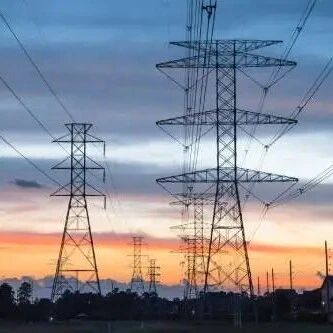
10月28日,雅砻江中游河段,随着最后一车石料填入龙口,浪头退去,我国首个水风光一体化基地 两座大型水电工程——孟底沟与牙根一级水电站实现同步截流。这个总装机270万千瓦的项目建设自 此迈入新阶段。 一组沉甸甸的数据勾勒出当时的困境:2016年全国弃水、弃风、弃光电量近1100亿千瓦时,超过当年三峡电站 发电量约170亿千瓦时。 这个阶段的中国可再生能源发展,似乎陷入了一个怪圈:一边是清洁能源装机迅猛增长,另一边却是弃水、弃 风、弃光问题日益严重。2010至2018年期间,中国风电、光伏装机量极速狂飙,聚集全国风光资源大半壁江山 的"三北"地区,以及占据全国水电储量最多的西南川滇两省,合计用电负荷却远远不及华东、华南等地。 "由水电整合风能和太阳能,雅砻江流域这种成功模式,是行业的未来。"国际大坝委员会主席Michel Lino如此 感叹。 这个评价背后,是一个更宏大的命题:当澎湃不息的风、光、水,转化为清洁"血液"并大规模并网,作为输送 与调配这一切的"血管"与"神经系统"的电网设备,该如何完成从基础设施到战略资产的价值重估? 事实上,在能源安全战略与全球AI算力浪潮的双重驱动下,电网设备这片传统的基础设施 ...