
大模型

Search documents
腾讯研究院AI速递 20251226
腾讯研究院· 2025-12-25 16:57
Group 1 - Nvidia has reached a non-exclusive licensing agreement with AI chip startup Groq, reportedly worth $20 billion, acquiring Groq's founder Jonathan Ross and engineering team [1] - Groq focuses on LPU chips for inference, achieving an output speed of 500 tokens per second per card, which is ten times faster than Nvidia's GPUs, utilizing a temporal instruction set architecture to mitigate HBM shortages and reduce costs [1] - This transaction represents a "technology licensing + talent acquisition" model, allowing Groq to continue its cloud business independently while Nvidia aims to enhance its inference computing capabilities targeting the Google TPU market [1] Group 2 - Tsinghua TSAIL Laboratory and Shengshu Technology have jointly open-sourced the TurboDiffusion video generation acceleration framework, reducing the processing time of a 1.3B-480P model on a single RTX 5090 from 184 seconds to 1.9 seconds, achieving a 97-fold acceleration [2] - The framework integrates four core technologies: SageAttention2++ quantization, SLA sparse linear attention, rCM step distillation, and W8A8 quantization, decreasing end-to-end latency from 900 seconds to 8 seconds [2] - SageAttention has been successfully integrated into NVIDIA TensorRT and deployed on platforms such as Huawei Ascend and Moole Technology, with major companies like Tencent, ByteDance, and Alibaba already applying it [2] Group 3 - Shanghai Municipal Planning and Resources Bureau and SenseTime have launched the first 600 billion parameter foundational model in the national planning and resources field, named "Yunyu Xingkong," which can answer questions, adjust maps, perform statistics, recognize images, and generate reports [3] - The model is trained on the Kunyu Jinglue corpus and is integrated with the government intranet's professional version and core business systems, achieving a 98% accuracy rate for specialized terms and a 95% approval rate for human Q&A [3] - It employs a "1+6" (base + vertical) model system and an intelligent scheduling engine, supporting natural language calls for 2D and 3D spatial data, exploring a new paradigm for data productization and service-oriented government models [3] Group 4 - Tencent Cloud and Anhui Yilu Weixing have launched the first AI assistant in the ETC field, named "Assistant Agent," based on Tencent's Mix Yuan model, which has served over one million users since its internal testing began in April [4] - The assistant integrates multimodal interaction technology, supporting both text and voice input, achieving a 95% accuracy rate in Q&A and a 90% problem-solving rate, capable of handling complex requests such as device inquiries, traffic record checks, and invoicing [4] - It deploys 105 state monitoring algorithms to collect real-time device operation data, enabling voice interaction and key status reporting for a "service find person" capability, allowing users to control devices via voice commands [4] Group 5 - Dexmal has proposed the GeoVLA framework, utilizing a dual-stream architecture to retain VLM semantic understanding while endowing robots with 3D geometric perception capabilities through point cloud embedding networks and spatial awareness action experts [6] - In the LIBERO-90 long-range multi-task test, it achieved a 97.7% success rate, surpassing OpenVLA-OFT, and reached an average success rate of 77% in ManiSkill2, with an overall average of 86.3% in real-world tasks [6] - It demonstrated outstanding performance in out-of-distribution scene robustness tests, maintaining a 60% success rate with varying basket heights and a 70% success rate with a 45° viewpoint shift, proving its understanding of true 3D spatial structures [6] Group 6 - The SciMaster team, composed of Shanghai Jiao Tong University's TSAIL Laboratory, Shanghai Algorithm Innovation Research Institute, and DeepSense Technology, has launched ML-Master 2.0, achieving a 56.44% medal rate in the MLE-bench, topping the leaderboard [7] - This system is designed for real machine learning engineering, introducing a hierarchical cognitive caching mechanism that models context as Experience, Knowledge, and Wisdom [7] - It employs a "generate-validate" protocol to achieve ultra-long-range autonomous capabilities, with applications already in theoretical computational physics and embodied intelligence, currently open for Waiting List applications via the SciMaster platform [7] Group 7 - Jim Fan, head of embodied intelligence at Nvidia, stated that Tesla's FSD v14 is the first AI to pass the physical Turing test, with Elon Musk noting that "perception is maturing," and the software has been launched in seven countries including the US [9] - Tesla has established 14 technical barriers, including a sensor freezing scheme for 4-6 years to accumulate data, an instant value judgment engine for intelligent data filtering, and a Neural Codec for processing raw Bayer data [9] - The end-to-end transformer facilitates the transition from photon input to motor torque output, with hardware-in-loop quantization training conducted on the Cortex supercomputer's vehicle chip, updating 12 versions within 77 days, although issues remain with lane switching and lane change decisions [9]


视频|从大模型第一股,看大模型生意到底有多烂!
Xin Lang Cai Jing· 2025-12-25 15:13
来源:toB老人家 责任编辑:何俊熹 来源:toB老人家 责任编辑:何俊熹 ...
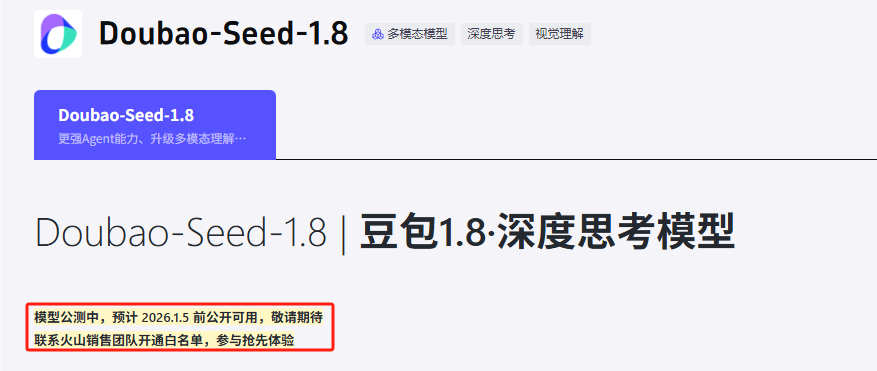
豆包大模型1.8发布后又变成公测状态,客服:视觉语言模型能力在做调整
Sou Hu Cai Jing· 2025-12-25 14:16
Core Viewpoint - Doubao-Seed-1.8 model was officially released on December 18 but was temporarily "shelved" less than 10 days later due to user access issues [1][2]. Group 1: Product Release and Features - Doubao-Seed-1.8 was launched on December 18 and made available on Volcano Engine, targeting enterprises and developers with API access [2]. - The model's multimodal agent capabilities are reported to be comparable to top global models, receiving positive feedback for its agent tools, visual understanding, general language abilities, and deep thinking capabilities [2]. Group 2: User Access and Updates - Users reported issues accessing Doubao-Seed-1.8 starting December 22, leading to inquiries about its status [1]. - Volcano Engine's customer service indicated that adjustments would be made to the visual language model (VLM) capabilities, with an expected update completion by January 4 [2]. - During the public testing phase, only certified enterprise users are allowed to apply for access [2]. Group 3: Company Response - An inquiry was sent to ByteDance regarding the transition of Doubao-Seed-1.8 from official release to public testing status, but no response was received by the time of reporting [2].
大模型公司的烧钱账
Xin Lang Cai Jing· 2025-12-25 13:41
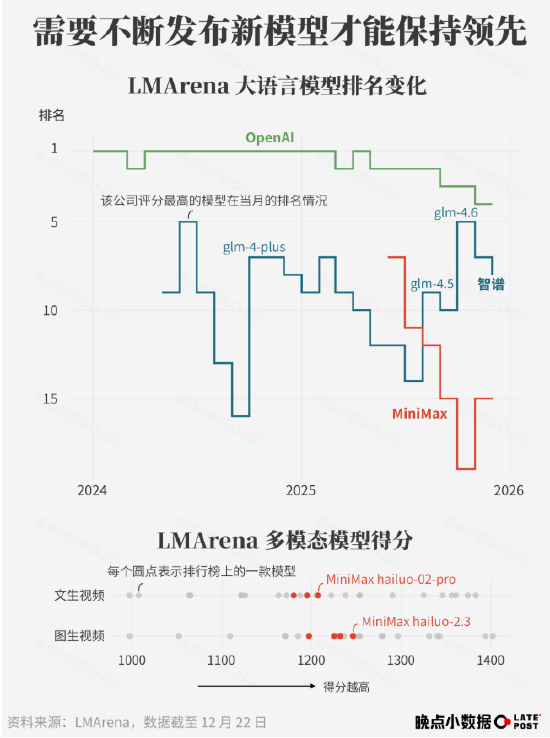
Core Insights - The article discusses the financial challenges and operational strategies of two AI companies, Zhipu and MiniMax, highlighting their significant cash burn and reliance on high computational costs to train competitive language models [15][32][34] Financial Overview - Over the past three years, Zhipu and MiniMax have collectively burned 11 billion yuan, with half of this amount spent on renting computational power for model training [15][32] - Zhipu has reported a gross profit margin of approximately 60% from its enterprise market, with 70% of its revenue coming from localized deployment of large model systems [33] - MiniMax, targeting individual users, generates 70% of its revenue from products like Xingye/Talkie and Hailuo AI, with a monthly active user count reaching 27.6 million by September 2025 [33] Cost Structure - Zhipu's operational costs include 4.4 billion yuan in research and development personnel expenses and 3 billion yuan in computational costs for inference [20][21] - MiniMax's operational costs are similarly high, with 3.1 billion yuan in marketing personnel expenses and 2.3 billion yuan in computational costs for training [23][24] Revenue Models - Zhipu's revenue structure includes 0.44 billion yuan (35%) from enterprise custom services and API income, while MiniMax earns 0.81 billion yuan (85%) from localized deployment [25] - The gross margins for different business models show that Zhipu's localized deployment has a margin of 50%, while MiniMax's original AI products have a negative margin [25] Cash Reserves and Financing - Zhipu has 8.9 billion yuan in available funds, with over 70% being bank loan credits, while MiniMax has 7.35 billion yuan in cash, with 60% allocated to financial investments [33][34] - Both companies are looking to expand their financing channels through public listings, but they will continue to face the challenge of high operational costs [34]
算力的尽头,是“星辰大海”吗?
经济观察报· 2025-12-25 11:49
Core Viewpoint - The article discusses the emerging field of space computing, highlighting its potential advantages, current developments, and the challenges it faces in becoming a viable alternative to traditional computing methods [3][5][6]. Group 1: Definition and Importance of Space Computing - Space computing refers to the deployment of computational resources in space, allowing for data processing and AI model training in a unique environment [8][10]. - The recent successful training of AI models in space by Starcloud marks a significant milestone, indicating the beginning of serious competition in the space computing sector [4][5]. - Major tech companies and countries are investing in space computing, with initiatives from SpaceX, Blue Origin, and Google, reflecting a growing interest in this area [5][6]. Group 2: Advantages of Space Computing - Space computing can overcome three major bottlenecks faced by traditional computing: energy consumption, water resource limitations, and spatial constraints [15][18]. - The abundance of solar energy in space can significantly reduce energy limitations for AI computations [15]. - The vacuum of space allows for efficient heat dissipation, eliminating the need for extensive cooling systems that consume water [16]. - Space offers virtually unlimited room for data centers, avoiding the social resistance faced by ground-based facilities [17]. Group 3: Engineering Forms and Business Models - Three potential engineering forms for space computing are identified: orbital computing nodes, modular computing clusters, and hybrid space-ground computing systems [19][20]. - Modular computing clusters could serve large-scale, low-latency tasks, appealing to sectors like astrophysics and materials science that require extensive computational resources [22]. - The hybrid model integrates space computing with existing cloud services, allowing for a division of labor where energy-intensive tasks are offloaded to space [24]. Group 4: Challenges Facing Space Computing - Technical challenges include the harsh conditions of space, such as radiation and temperature extremes, which complicate the reliability of computing systems [27]. - Economic uncertainties arise from the high initial investment and long return periods associated with space computing infrastructure [28]. - The potential for resource congestion in space could lead to increased risks of collisions and environmental instability in orbit [29]. - Regulatory issues regarding governance and accountability for space-based computing systems remain unresolved [30]. Group 5: Conclusion and Future Outlook - The future of space computing is uncertain, but its development could parallel historical advancements like the railway system, potentially transforming the AI landscape [33].


姚顺雨要帮腾讯“颠覆”微信?
3 6 Ke· 2025-12-25 10:29
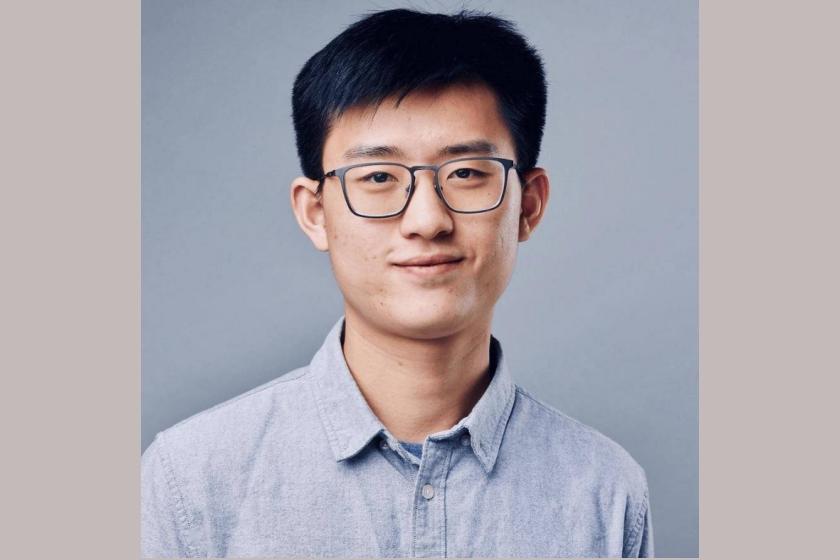
Core Insights - The appointment of Yao Shunyu as Tencent's Chief AI Scientist and head of the newly established AI Infra department signals a significant shift in Tencent's AI strategy, indicating a serious commitment to developing large models [1][4][7] Group 1: Tencent's AI Strategy - Tencent has been late to the large model game compared to other tech giants, with IDC data showing Tencent's market share in China's large model sector is not among the top three, while competitors like Baidu and ByteDance have made significant advancements [3][4] - The launch of ByteDance's Doubao mobile assistant, which can perform cross-application tasks, posed a direct challenge to Tencent's WeChat, prompting Tencent to accelerate its AI model development efforts [4][6] - Historically, Tencent's AI strategy has focused more on application-level optimizations rather than foundational research, leading to a lack of top-tier talent in cutting-edge model research [5][7] Group 2: Yao Shunyu's Impact - Yao Shunyu's background includes significant contributions to AI, particularly in developing the ReAct framework and Tree of Thoughts (ToT) method, which enhance AI's reasoning and action capabilities [8][11] - His experience at OpenAI, where he worked on practical applications of AI agents, positions him to bring valuable insights and methodologies to Tencent, addressing the company's previous shortcomings in foundational AI research [12][13] - Yao's vision for AI emphasizes the importance of understanding user intent and creating systems that can seamlessly execute complex tasks within the WeChat ecosystem, marking a potential evolution from traditional messaging tools to intent-driven operational systems [14][15] Group 3: Future Directions - Tencent aims to transform WeChat into an "intent operating system" that actively understands and fulfills user needs, moving beyond passive responses to proactive service delivery [14][15] - The shift from handling "message chains" to "intent chains" represents a critical evolution in user interaction, requiring advanced reasoning capabilities in AI agents [15][16] - The ongoing development of AI agents will highlight the competitive landscape, where the ability to manage complex reasoning and multi-goal balancing will determine success in the next generation of AI [16]

大厂抢AI人才,投资人蹲守大厂具身智能大咖
创业邦· 2025-12-25 10:10
Core Insights - The article highlights the intense competition for AI talent among major tech companies, with significant salaries being offered to attract top graduates and professionals [5][6][9] - There is a notable trend of talent leaving large companies to start ventures in embodied intelligence, indicating a shift in focus from traditional AI to more hardware-oriented applications [12][16] - Investors are increasingly favoring the embodied intelligence sector, viewing it as a friendly environment for entrepreneurs compared to the more competitive AI landscape dominated by large firms [4][20] Talent Competition - Major tech companies are offering high salaries to attract AI talent, with Tsinghua University PhD graduates receiving offers ranging from 1.6 million to 2 million yuan, and some positions in foundational AI models reaching 3 to 4 million yuan [6][7] - Companies like ByteDance and Tencent have launched aggressive recruitment programs targeting both graduates and current students, with ByteDance offering up to 20,000 yuan per day for interns [7][9] - The competition for AI talent has led to significant salary increases, with reports indicating a 50% rise in compensation for core AI personnel at Meituan by 2025 [7][9] Shift to Embodied Intelligence - A growing number of tech professionals are leaving their positions at large firms to pursue opportunities in embodied intelligence, with over 30 entrepreneurs reported to have made this transition in 2023 alone [4][12] - The article lists several notable figures who have left major companies to start their own ventures in embodied intelligence, indicating a trend among top talent to seek more innovative and less constrained environments [15][16] - The investment landscape for embodied intelligence is becoming increasingly favorable, with significant funding being directed towards startups in this field, totaling over 70 billion yuan in 2024 [15][22] Corporate Strategies - Major tech companies are cautious about investing heavily in embodied intelligence, viewing it as a less profitable venture compared to AI software development [20][22] - Companies like Alibaba, Tencent, and ByteDance are primarily investing in startups within the embodied intelligence space rather than developing their own products, aiming to mitigate risks associated with new business ventures [22][23] - The article notes that large firms are likely to adopt a strategy of gradual investment and eventual acquisition of successful startups in the embodied intelligence sector [22][23]



百度伐谋申请企业超2000家,发布同舟生态伙伴计划加速共创落地
Sou Hu Cai Jing· 2025-12-25 09:41
Core Insights - Baidu has introduced its self-evolving super intelligent agent, Baidu Famo, which has received over 2,000 applications from enterprises across various sectors, including logistics and manufacturing, within a month of its launch [3][5] - The company aims to enhance industrial efficiency by transforming advanced algorithms into accessible infrastructure for all enterprises, thereby eliminating the "invisible ceiling" in industrial development [3][12] Group 1: Product Development and Features - Baidu Famo utilizes large language models and evolutionary search technology to simulate billions of years of biological evolution, enabling the discovery of previously unknown global optimal solutions [3][5] - The product has undergone upgrades focusing on generality, production-level capabilities, and sustainability, allowing easier access for businesses and research institutions, even for those without coding knowledge [8][9] - A new local evaluation scheme allows businesses to assess algorithms using their local data without uploading sensitive information, thus streamlining the validation process [8][9] Group 2: Industry Applications and Collaborations - Baidu Famo has facilitated innovative applications in various fields, such as optimizing agricultural logistics, enhancing AI research in universities, and improving manufacturing scheduling [5][12] - In the automotive sector, a collaboration with a leading independent automotive design company has reduced wind resistance validation time from 10 hours to just 1 minute, achieving a prediction error of less than 5% [12] - In disaster prevention research, a team from Tianjin University has significantly reduced the time required to generate optimal solutions for landslide prediction from one week to just six hours using Baidu Famo [14]

一片录音卡,重写大厂硬件故事
36氪· 2025-12-25 06:44
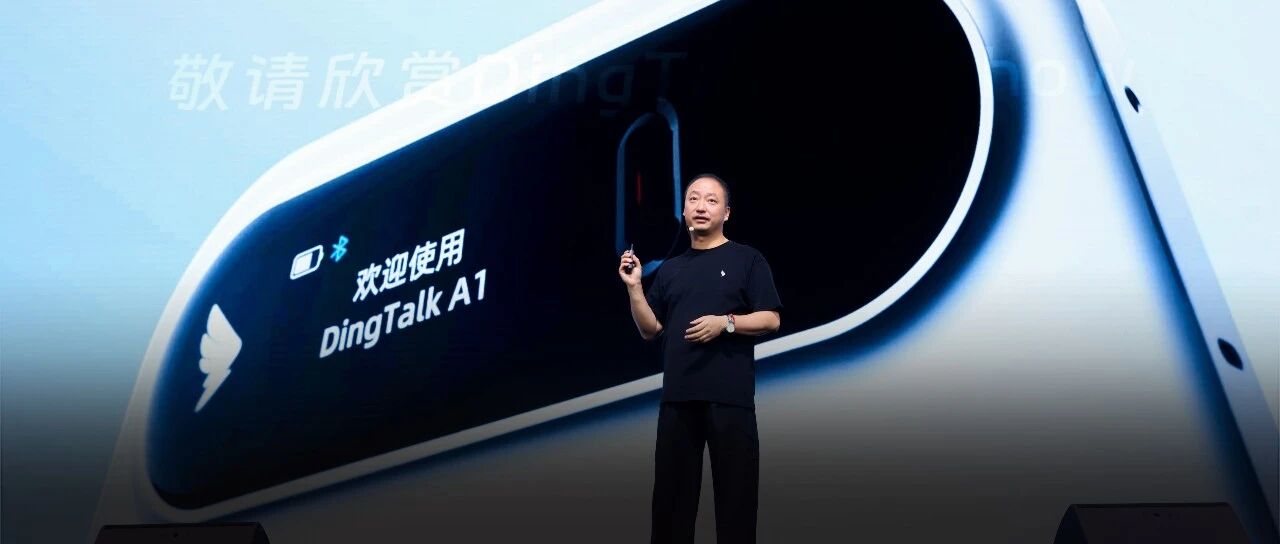
Core Viewpoint - DingTalk is breaking the curse that internet companies cannot do hardware well, marking a significant shift in the AI hardware landscape [3][7][28] Group 1: AI Hardware Industry Trends - The AI hardware sector has seen a surge in investment and innovation, with over 114 financing events and a total investment exceeding 14.5 billion yuan in the first half of 2025 [2] - Major companies like Alibaba, ByteDance, and Meituan have launched their own hardware products, indicating a competitive landscape in China's AI hardware industry [2][3] - The trend of FOMO (Fear of Missing Out) is influencing investments, with many startups securing funding without proven products [2] Group 2: DingTalk's Product Launch and Strategy - DingTalk held its second product launch in six months, introducing Agent OS and the AI hardware DingTalk Real, establishing a complete AI system architecture [3][5] - The DingTalk A1 has quickly gained popularity, becoming a top-selling product in its category, showcasing the potential for large-scale application [8][10] - The product's design choices, such as using a universal type-C charging port, reflect a balance between user habits and product functionality [10] Group 3: Market Positioning and Competition - DingTalk A1 is positioned not just as a standalone recording device but as a vital component of DingTalk's broader AI ecosystem, serving as a data collection tool [16][27] - The competitive landscape is intense, with existing players like Plaud and iFlytek already established in the market, necessitating DingTalk to clearly define its unique value proposition [8][9][16] - The product's initial reception included criticism, but rapid iterations and user feedback have led to significant improvements and a turnaround in public perception [12][13] Group 4: Future Vision and Ecosystem Development - DingTalk aims to create a seamless interaction between users and AI agents, with the physical button on the A1 serving as a strategic entry point for AI functionalities [20][23] - The integration of AI into business workflows is expected to transform how companies utilize data, turning it into actionable insights and enhancing productivity [17][25] - The vision for DingTalk includes building a robust ecosystem where hardware, data, and AI agents work together, potentially reshaping the future of office collaboration [26][27]
第一个赴考的人:拆解智谱AI的上市答卷
3 6 Ke· 2025-12-25 06:31
Core Insights - The article discusses the challenges faced by Zhipu AI as it seeks to go public amidst a changing landscape in the Chinese AI industry, highlighting the shift from a focus on technology to the necessity of generating cash flow [1][2] Group 1: Company Background and Development - Zhipu AI, founded by a team from Tsinghua University, has been labeled as a "national algorithm hope" and has developed several commercially viable large models, including the GLM series [3][4] - The company has transitioned from a research project to a unicorn and is now the first in China to pursue an IPO in the large model sector [1][4] - Zhipu AI's technological advancements have positioned it alongside major players like Baidu and Alibaba in performance rankings [4] Group 2: Commercialization Challenges - The company faces a disconnect between its research-driven approach and the market's demand for practical solutions, leading to delays in commercialization compared to competitors [6][10] - Zhipu AI's initial focus on proving algorithmic capabilities has resulted in a lack of attention to customer needs, impacting its revenue generation [7][11] - The shift from a research narrative to a commercial narrative is essential for Zhipu AI as it navigates the pressures of profitability and customer acquisition [9][10] Group 3: Financial and Market Dynamics - The IPO is seen as a necessary step for survival rather than a celebratory milestone, reflecting the tightening capital environment and the need for stable cash flow [2][20] - Zhipu AI's valuation has been significantly adjusted, with estimates dropping from approximately 250 billion RMB to between 100 billion and 200 billion RMB as the market shifts focus from narrative to financial performance [19][20] - The company must demonstrate its ability to generate consistent revenue and manage customer relationships effectively to satisfy investor expectations post-IPO [19][30] Group 4: Competitive Landscape and Future Outlook - Zhipu AI's future competition will not only come from startups but also from established tech giants like Baidu, Alibaba, and Tencent, which have substantial resources [26][31] - The company needs to establish a unique position within the ecosystem by offering capabilities that are difficult for larger competitors to replicate [32][39] - The transition from a research-focused entity to a commercially viable platform is critical for Zhipu AI to thrive in a rapidly evolving market [34][39]