
阿里通义千问

Search documents
为什么大厂必须抢郭达雅?
36氪· 2026-03-23 13:42
Core Viewpoint - DeepSeek is facing significant challenges following the departure of key researcher Guo Daye, whose contributions to the development of AI models, particularly in code intelligence and reasoning, have been substantial [4][85]. Group 1: Guo Daye's Contributions - Guo Daye has published over 37,000 citations, indicating a high level of academic influence compared to peers [7]. - His h-index is 37 and i-10 index is 46, showcasing stable academic output and impactful publications [8]. - Guo was a core contributor to significant projects like CodeBERT and DeepSeekMath, which have advanced the field of code understanding and reasoning [21][28]. Group 2: Potential Future Directions - Guo Daye's expertise in code intelligence and mathematical reasoning could significantly enhance ByteDance's capabilities if he joins, particularly in developing a new iteration of their code generation models [46][48]. - If he were to join Baidu, his skills would align well with the recent upgrades to Wenxin Kuai Ma, which focuses on multi-agent collaboration in code generation [58][60]. - His experience with GRPO (Group Relative Policy Optimization) could be pivotal for enhancing reasoning capabilities in large models, which is a strategic focus for ByteDance [51][52]. Group 3: DeepSeek's Current Situation - DeepSeek has not released a major version update since DeepSeek-R1 in January 2025, and the anticipated DeepSeek-V4 has faced multiple delays [68][76]. - The core selling point of V4 is its enhanced programming capabilities, which heavily rely on Guo Daye's expertise [80]. - The company is under pressure to demonstrate that it can maintain innovation and technical progress despite the loss of a key talent [85].



感谢美国:五毛一度的中国电,换个姿势就能卖11元
虎嗅APP· 2026-03-01 09:28
Core Viewpoint - The article draws a parallel between the invention of the shipping container and the emergence of Tokens in the AI industry, suggesting that Tokens serve as a standardized unit for measuring and trading intelligent services, enabling China to export intellectual capabilities on a large scale [4][5][10]. Group 1: Token as a New Export Mechanism - Tokens represent the smallest unit of processing in large language models, allowing for the quantification and trading of intelligent services [7][9]. - The mechanism of Token export allows China to leverage its surplus renewable energy by converting it into Tokens, which can be sold globally without the need for physical power lines [10][15]. - The rapid growth in Token consumption in China is evidenced by a 300-fold increase in daily Token usage from 1 trillion to 30 trillion within a year and a half [16][15]. Group 2: Economic Efficiency of Token Export - Selling Tokens is significantly more profitable than traditional electricity exports, with potential returns of 11 times the cost of electricity when converted into Tokens, compared to only 0.5 yuan per kilowatt-hour for direct electricity sales [22][24]. - The article highlights that the current pricing of Tokens in China is competitive, with the potential for further growth as the market matures [37][39]. Group 3: Challenges and Competitive Landscape - The article discusses the structural challenges facing Chinese AI models, including brand recognition, model capability, ecosystem trust, and geopolitical pressures that affect pricing and market access [28][32][36]. - The competitive landscape is marked by aggressive pricing strategies among domestic AI firms, which could impact profitability and reinvestment capabilities [39][40]. - The long-term sustainability of Token exports may be threatened by data localization laws and the need for local data centers, which could increase operational costs [43]. Group 4: Future Outlook - The article concludes that the transition from exporting physical goods to exporting Tokens represents a significant shift for China, allowing it to capitalize on its energy resources while navigating geopolitical constraints [44]. - The ongoing competition between Chinese and American AI models is framed as a strategic battle, with China positioned to offer lower-cost solutions while the U.S. maintains higher pricing due to brand prestige [44].
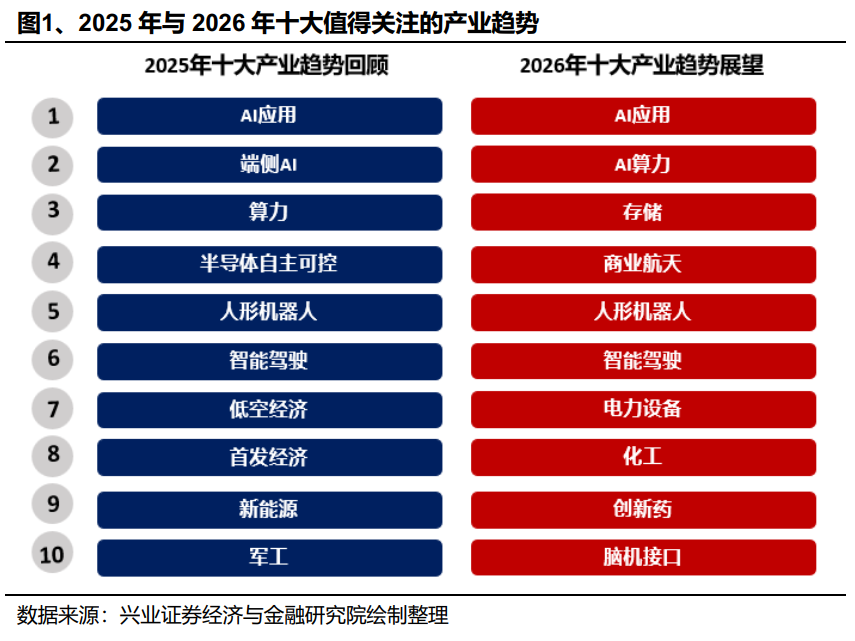
兴业证券:2026年值得关注的十大产业趋势
智通财经网· 2026-02-18 03:45
Group 1: AI Applications - The global AI competition is intensifying, with model iterations driving deeper application scenarios, and the focus is on whether significant capital expenditures by tech giants can lead to commercial applications [2][3] - The competitive landscape for AI applications is shifting from dominance by OpenAI to a more multipolar environment, with major players like Google and Meta integrating AI into their ecosystems [3] - In China, AI applications are experiencing a breakthrough, with major tech companies accelerating model iterations and application deployments, leading to a transformation from model landing to scenario monetization [5] Group 2: AI Computing Power - Overseas, major cloud service providers are maintaining high capital expenditures, with a projected increase of 67% in 2026, reflecting a strong demand for AI computing power [7][8] - In China, leading tech companies are increasing capital expenditures and accelerating the iteration of domestic large models, promoting the performance of domestic chips amid tightening supply from foreign sources [9] Group 3: Storage - The demand for storage is entering a new super cycle driven by AI training and inference needs, with AI servers consuming significantly more memory than traditional servers [11][16] - Supply constraints are expected to persist, leading to continued high prices for storage components, as major manufacturers shift production focus to advanced memory types [16] Group 4: Commercial Aerospace - Commercial aerospace is becoming a key battleground in US-China competition, with significant policy support and funding initiatives in both countries to accelerate industry development [19][21] - Domestic companies are achieving breakthroughs in satellite mass production and reusable rocket technologies, transitioning from technical validation to commercialization [22] Group 5: Humanoid Robots - Major overseas companies are ramping up production plans for humanoid robots, benefiting domestic component suppliers, with Tesla aiming for a production capacity of 500,000 units by 2026 [27][30] - Chinese manufacturers are leading in humanoid robot shipments, with significant contracts and production milestones achieved in 2025 [30] Group 6: Intelligent Driving - Domestic policies are expected to facilitate the commercialization of L3 autonomous driving in 2026, with several manufacturers preparing to launch L3 models [32][33] - Tesla's Full Self-Driving (FSD) technology is setting the direction for autonomous driving, with significant advancements in AI capabilities [35] Group 7: Energy Storage - The expansion of AI computing power in North America is driving electricity demand, with domestic power equipment expected to accelerate exports [37][40] - China's "14th Five-Year Plan" includes significant investments in the power grid and energy storage, creating a favorable environment for industry growth [40][43] Group 8: Chemicals - The chemical industry is undergoing a transformation driven by policies aimed at supply-side reform, with a focus on optimizing supply structures and reducing excess capacity [44][47] - New economic sectors are boosting demand for chemical materials, particularly in AI, renewable energy, and robotics, leading to a favorable outlook for new materials [47][48]


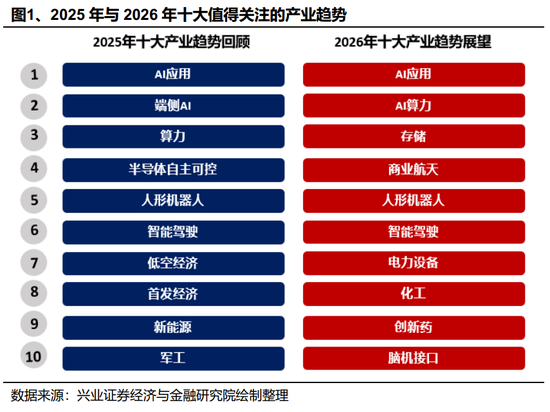
【兴证策略】2026年值得关注的十大产业趋势
Xin Lang Cai Jing· 2026-02-18 02:55
Group 1: AI Applications - The global AI competition is intensifying, with significant capital expenditures from tech giants expected to lead to deeper application scenarios in 2026 [1][2] - The competitive landscape for AI applications is shifting from a dominance of OpenAI to a more multipolar environment, with companies like Google and Meta making significant advancements [2] - Domestic AI applications are reaching a tipping point, with major tech companies accelerating their investments and model iterations, leading to a resonance between model development and application penetration [5] Group 2: AI Computing Power - Major cloud service providers in North America are projected to increase their capital expenditures significantly, with a combined guidance of approximately $598.7 billion for 2026, reflecting a 67% year-on-year growth [7][8] - Domestic companies are also ramping up capital expenditures and accelerating the iteration of local models, driven by the need for domestic chip performance improvements [7][8] Group 3: Storage - The demand for storage is entering a new super cycle driven by AI training and inference needs, with AI servers consuming 8-10 times more DRAM and NAND than traditional servers [12][13] - The supply-demand imbalance in the storage sector is expected to persist, with global storage prices rising over 40% in Q4 2025 [13][17] Group 4: Commercial Aerospace - Commercial aerospace is becoming a key battleground in US-China competition, with significant policy support and funding initiatives in place to accelerate the industry [20][21] - Domestic companies are achieving breakthroughs in satellite mass production and reusable rocket technologies, transitioning from technology validation to commercial scale [23] Group 5: Humanoid Robots - Major overseas companies like Tesla and FigureAI are ramping up production plans for humanoid robots, which is expected to benefit domestic component suppliers [25][28] - Chinese manufacturers are leading in humanoid robot shipments, with significant orders and production milestones achieved in 2025 [29] Group 6: Intelligent Driving - The rollout of policies in China is expected to facilitate the commercialization of L3 autonomous driving in 2026, with several manufacturers already launching L3 models [32][33] - Tesla's Full Self-Driving (FSD) technology continues to lead the market, with ongoing enhancements expected to drive the commercialization of Robotaxi services [32] Group 7: Energy Storage - The aging power grid in North America is creating opportunities for domestic power equipment exports, particularly in gas turbines and high-voltage equipment [36][37] - China's "14th Five-Year Plan" includes significant investments in the power grid and energy storage, with a focus on high-value areas [37] Group 8: Chemicals - The chemical industry is undergoing a transformation driven by supply-side reforms, with a focus on optimizing supply structures and reducing excess capacity [41][43] - New economic sectors are driving demand for chemical materials, particularly in AI, renewable energy, and robotics, which are expected to sustain high demand in 2026 [43][46]
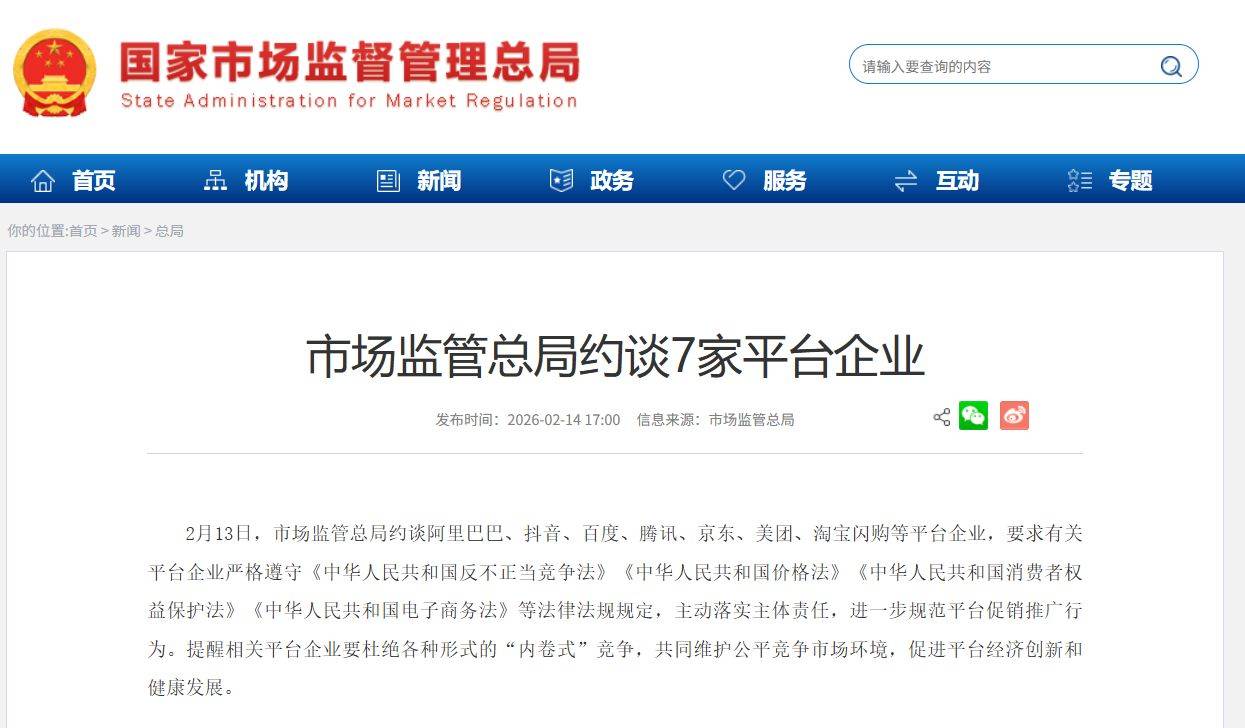
7家平台企业,被市场监管总局约谈!
Sou Hu Cai Jing· 2026-02-14 09:32
Group 1 - The market regulatory authority has summoned major platform companies including Alibaba, Douyin, Baidu, Tencent, JD, Meituan, and Taobao Shanguo to ensure compliance with various laws such as the Anti-Unfair Competition Law and the Price Law, emphasizing the need for responsible promotional practices [1] - The regulatory body has warned against "involution" competition, urging platforms to maintain a fair competitive environment and promote healthy development in the platform economy [1] Group 2 - As the Spring Festival approaches, competition in the AI sector is intensifying, with Tencent and ByteDance announcing new promotional strategies, while Alibaba's recent activities have led to system crashes due to high demand [3] - Local market supervision departments have issued guidelines for food delivery platforms, instructing them to cease low-quality, low-price "involution" competition and to avoid harmful subsidies and price dumping to stabilize the market during the festive season [3] - The focus on regulating promotional activities has increased, with authorities prohibiting platforms from forcing merchants into promotional events through unfair practices such as lowering search rankings or imposing unreasonable thresholds [3]


版本更新后“变冷淡”?DeepSeek回应
新华网财经· 2026-02-13 08:42
Group 1 - The core viewpoint of the article highlights the significant change in the user experience of the AI assistant DeepSeek, which has been criticized for becoming "cold" and less empathetic, moving away from its previous nuanced and warm interactions [2][3] - Users have reported that the latest version of DeepSeek no longer remembers personalized nicknames, referring to users generically, which has led to a decrease in emotional connection [3] - The AI's ability to provide emotional support has diminished, with responses now being more formal and less engaging, leading some users to experience a "withdrawal reaction" due to the loss of the assistant's previous warmth [3] Group 2 - The competitive landscape for AI assistants in China has intensified, with major players like ByteDance, Baidu, and Alibaba rapidly iterating their products, putting pressure on DeepSeek [3] - DeepSeek had previously held a first-mover advantage in the AI assistant market due to its early technological accumulation and differentiated positioning, but this advantage is now being challenged [3] - The recent updates to DeepSeek include an increase in context length support to 1 million tokens, compared to the previous version's 128,000 tokens, indicating a shift towards handling more complex queries [2]

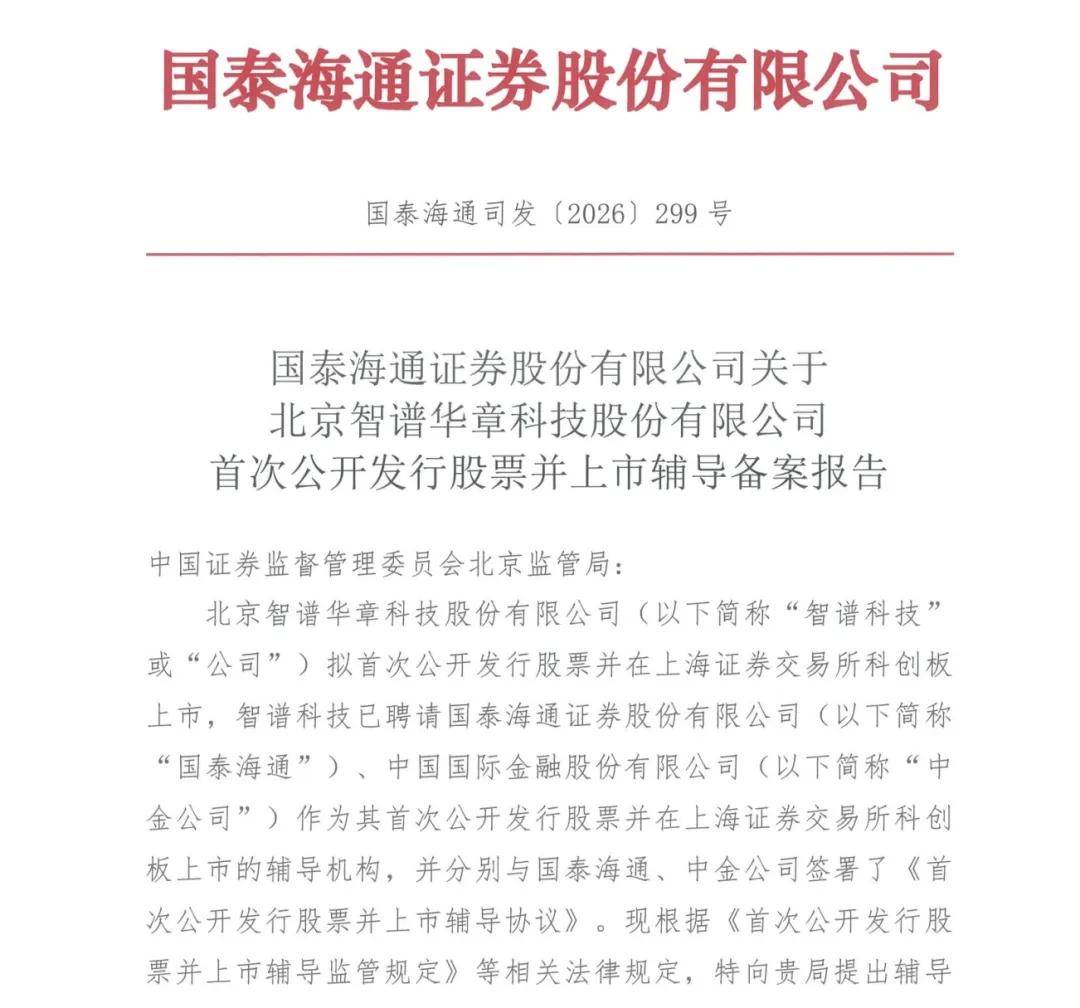
智谱科创板IPO新进展,国泰海通与中金担任辅导机构,市值超2000亿港元
Sou Hu Cai Jing· 2026-02-13 08:39
Core Viewpoint - The company, Zhiyuan, is shifting its IPO strategy from A-shares to the Sci-Tech Innovation Board, with a new counseling registration and a change in its IPO advisory firms [2] Group 1: IPO and Market Performance - Zhiyuan has withdrawn its previous IPO counseling registration submitted in April 2025 and has registered a new one, aiming for the Sci-Tech Innovation Board [2] - As of February 13, Zhiyuan's stock price increased by 11.89%, reaching HKD 449.80 per share, with a market capitalization of HKD 200.54 billion [2] - The company initially planned to list on the A-share market but has opted to enter the Hong Kong stock market first, where it listed on January 8 at HKD 120 per share, opening 3.27% higher than the issue price and closing 13.17% up [2] Group 2: Pricing Strategy and Product Development - On February 12, Zhiyuan announced a price increase for its GLM Coding Plan due to strong market demand, with an overall increase starting from 30% [4] - The GLM Coding Plan sold out immediately upon launch, indicating high demand for the domestic AI programming model [5] - The price increase is supported by the launch of the new flagship model, GLM-5, which has shown significant technical advancements and is expected to enhance productivity for programmers [5] Group 3: Market Position and Growth - Zhiyuan is recognized as a leading AI company in China, focusing on the development of advanced general-purpose models and has achieved rapid revenue growth [7] - The company operates on a MaaS (Model as a Service) model, with exponential growth in its cloud-based services, serving over 2.9 million enterprise and developer users [7] - According to Frost & Sullivan, Zhiyuan ranks first among independent general-purpose model developers in China and second overall, with a market share of 6.6% [7] Group 4: Financial Performance - Zhiyuan's revenue has shown significant growth, with figures of RMB 57.4 million in 2022, RMB 125 million in 2023, and RMB 312 million in 2024, reflecting a compound annual growth rate of over 130% [8] - Despite revenue growth, the company has recorded substantial annual losses, amounting to RMB 1.44 billion in 2022, RMB 7.88 billion in 2023, and RMB 29.58 billion in 2024 [8]

未知机构:CDN需求加速爆发逻辑梳理分享事件Cloudflare被很多-20260213
未知机构· 2026-02-13 02:40
Summary of CDN Industry Insights Industry Overview - The document discusses the CDN (Content Delivery Network) industry, focusing on Cloudflare's role as a reverse proxy and traffic management point for numerous websites and applications, enhancing user experience through caching, TLS termination, WAF, DDoS mitigation, and access control [1][2]. Core Insights 1. **Price Increases in CDN Services**: - Google Cloud has doubled its CDN interconnect service prices, with significant price hikes in North America and Europe. For instance, Wangsu Technology announced a 35% increase in standard CDN service traffic and a 40% increase in rapid return channel traffic [2][2]. 2. **Surge in Demand Driven by AI**: - The emergence of AI Agents is identified as a major catalyst for CDN demand. The ability of AI to simultaneously retrieve data from multiple sources increases the need for high concurrency and real-time data transmission, which is directly proportional to the number of AI Agents and their usage frequency [2][3]. 3. **Transformation of CDN's Role**: - The relationship between AI applications and CDNs has evolved from a simple "acceleration pipeline" to a strategic partnership, indicating a new growth cycle for the CDN industry. AI applications require low latency and high concurrency, fundamentally changing the CDN's role from static content caching to a critical infrastructure for real-time data processing [3][4]. 4. **Edge Computing Integration**: - CDNs are transitioning from mere data transmission to becoming integrated edge computing platforms, capable of handling AI inference tasks at the edge. This shift allows for reduced latency and lower operational costs for enterprises by offloading certain AI tasks from central servers to edge nodes [4][5]. 5. **Growth Cycle for CDN Companies**: - The widespread adoption of AI applications is expected to create massive and ongoing data distribution demands. The correlation between the number of AI Agents and CDN demand suggests a significant growth opportunity for CDN businesses [5][5]. 6. **Value Reassessment in the Industry**: - The CDN industry is moving away from a low-price competition model towards a value-driven approach, as evidenced by recent price increases from major cloud providers like Google Cloud and AWS. This shift highlights the strategic importance of CDNs as foundational infrastructure for AI applications [5][5]. Additional Important Points 1. **CDN Profit Models**: - The document outlines various profit models for CDN operations, including: - **Traffic Resale**: Purchasing bandwidth at lower costs and reselling it at a premium [6][7]. - **Service Fees**: Charging for acceleration, caching, and security services [8][10]. - **Equipment Leasing**: Renting out CDN equipment and providing data processing services [12][14]. - **Advertising Revenue**: Generating income through ad placements on CDN-accelerated content [18][20]. 2. **Emerging Revenue Streams**: - The document emphasizes the potential for new revenue streams through data analysis services and collaborative partnerships with content providers, which can enhance CDN profitability [16][20]. This summary encapsulates the key insights and developments within the CDN industry, highlighting the transformative impact of AI and the evolving business models that CDN companies are adopting to capitalize on these changes.
中邮证券:互联网大厂积极备战春晚 入口之争引领AI行情
智通财经网· 2026-02-11 03:49
Core Viewpoint - Major domestic CSP companies are viewing multimodal AI as a strategic necessity to break through the limitations of pure text interaction and seize the next-generation "super entry" point in the AI landscape [1] Group 1: Market Dynamics - The "super entry competition" is expected to become the main theme of AI in 2026, with major players like Tencent, Alibaba, ByteDance, and Baidu investing over 4.5 billion yuan in cash red envelopes to capture AI application traffic during the Spring Festival [2] - ByteDance's Doubao has become the exclusive AI cloud partner for the 2026 CCTV Spring Festival Gala, offering interactive features and distributing over 100,000 tech gifts and a maximum of 8,888 yuan in red envelopes [2] - Tencent's Yuanbao aims to replicate the "WeChat red envelope moment," with a cash red envelope investment of 1 billion yuan, resulting in a significant increase in new users from approximately 9.17 million on January 31 to 2.76 million on February 2 [2] - Alibaba's Qianwen is positioned as a life and work assistant, launching a 3 billion yuan "Spring Festival invitation plan" and integrating AI into program interactions [2] Group 2: Infrastructure and Investment - The Spring Festival activities have led to server outages due to surges in traffic, indicating a potential acceleration in Capex and a spike in computing power demand for 2026 [3] - Alibaba is considering increasing its investment in AI infrastructure and cloud computing from 380 billion yuan to 480 billion yuan over the next three years, while ByteDance plans to raise its capital expenditure to approximately 160 billion yuan in 2026, up from 150 billion yuan in 2025 [4] Group 3: Technological Advancements - In 2026, multimodal capabilities are no longer seen as an additional feature but as a strategic upgrade direction for major companies competing for the "super entry" [5] - ByteDance has launched the AI video generation model Seedance 2.0, which can create multi-shot videos with synchronized audio in 60 seconds based on text descriptions or single images [5] - Alibaba has introduced the next-generation image generation model Qwen-Image-2.0, which offers superior text rendering and realistic textures, achieving excellent performance in both text-to-image and image-to-image benchmarks [5] Group 4: Investment Recommendations - Investment opportunities identified include companies in the ByteDance chain such as Dazhi Technology, Dongyangguang, and others [6] - For the Alibaba chain, recommended investments include Data Port, Shiji Information, and others [7] - In the Tencent chain, companies like Kehua Data, Fanwei Network, and others are highlighted [7] - Additional recommendations include various domestic and overseas computing power companies [6][7]
大厂积极备战春晚,入口之争引领AI行情
China Post Securities· 2026-02-11 03:08
Industry Investment Rating - The investment rating for the computer industry is "Outperform the Market" and is maintained [1] Core Insights - The report highlights a significant shift in the Chinese internet industry as major players invest over 4.5 billion yuan in cash red envelopes to capture AI super entry points during the Spring Festival [4] - The report anticipates that the demand for AI computing power will surge due to increased user engagement during the Spring Festival activities, leading to a stable growth trajectory for inference computing power [6] - Major companies are expected to ramp up their capital expenditure plans, with Alibaba considering an increase from 380 billion yuan to 480 billion yuan for AI infrastructure and cloud computing over the next three years [6] Summary by Relevant Sections Industry Basic Situation - The closing index for the computer industry is 5546.12, with a 52-week high of 6151.34 and a low of 4080.58 [1] Recent Research Reports - The report discusses the competitive landscape among major companies like Tencent, Alibaba, and ByteDance as they vie for dominance in AI applications during the Spring Festival [4][5] - Tencent's user growth surged significantly, with daily new users increasing from approximately 9.17 million to 2.27 million within a few days due to its cash red envelope initiative [5] Investment Recommendations - The report suggests focusing on various supply chains associated with major companies, including ByteDance, Alibaba, and Tencent, as well as domestic and overseas computing power providers [8][9]