
银发经济

Search documents
海内外近500家企业亮相江苏“老博会”
Zhong Guo Xin Wen Wang· 2025-10-30 06:28
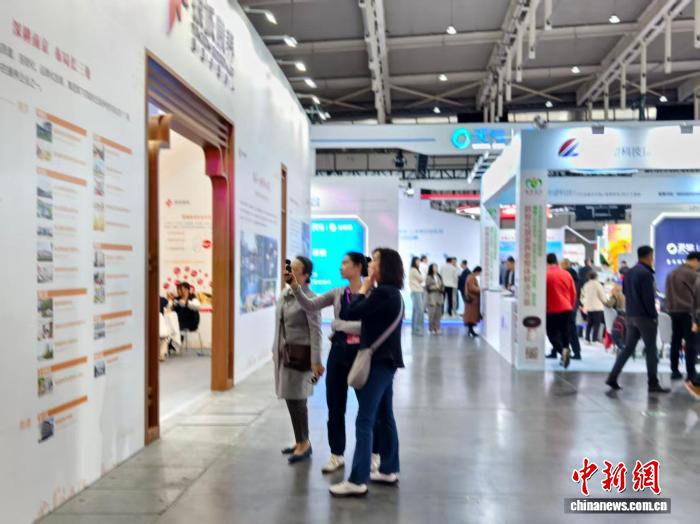
Core Insights - The 13th Jiangsu International Elderly Care Expo (referred to as "Old Expo") is being held from October 29 to 31 in Nanjing, attracting nearly 500 enterprises from home and abroad to showcase innovations in smart elderly care and rehabilitation aids [1][3] - The theme of this year's expo is "Su Suitable Elderly Care, Renew Enjoyment of Aging," with an exhibition area of 30,000 square meters featuring eight major exhibition zones [1][3] - The event highlights the increasing demand for elderly care services in Jiangsu, which has entered a moderately aging society, with projections indicating that by the end of 2024, the population aged 60 and above will reach 21.75 million, accounting for 25.5% of the total population [3] Industry Overview - The expo features a variety of smart elderly care products, including intelligent nursing devices and remote monitoring systems, showcasing the deep integration of technology and elderly care services [3] - A total of 15 supporting activities are scheduled during the expo, including the third Silver Economy Entrepreneurs Conference and the "Smart" Elderly Care Industry Summit, aimed at promoting industry collaboration and sharing cutting-edge ideas and practices [3] - The expo introduces a "combined exhibition and competition" format, hosting a skills competition for elderly care workers on-site, and emphasizes regional cooperation by attracting nearly 100 enterprises from South China [3]

“苏适养老”引领产业创新融合新风向
Jiang Nan Shi Bao· 2025-10-30 05:09
Core Insights - The 13th Jiangsu International Elderly Care Expo showcases nearly 500 domestic and international enterprises, highlighting new achievements and trends in the elderly care sector, which is crucial for the development of the "silver economy" [1][3] - Technological empowerment is identified as a key driver for the growth of the silver economy, with innovations in smart living, rehabilitation equipment, and intelligent mobility solutions being prominently featured [1][2] Company Innovations - Xiamen Liling Technology Co., Ltd. has developed a "digital operation service platform" that connects elderly individuals, their children, service stations, and operators, creating a comprehensive management service chain [1] - The "AI Silver Advisor" from Nanjing Fukan Health Industry Co., Ltd. serves as a policy translator for elderly users, providing clear answers to complex service subsidy queries based on extensive practical experience [2] - Nanjing Yufeng Intelligent Technology Co., Ltd. has introduced a smart anti-fall suit that deploys airbags upon detecting a fall, significantly reducing the risk of serious injuries such as fractures [3] Market Context - Jiangsu province is one of the earliest and most aged regions in China, with an estimated 21.75 million residents aged 60 and above by the end of 2024, accounting for 25.5% of the total population [3] - The expo has evolved into a significant platform for cooperation and exchange in the elderly care industry, showcasing the depth and innovation of the "Su Suitable Elderly Care" service brand [3] Event Activities - The expo will host 15 high-quality supporting events, including forums and seminars aimed at promoting industry collaboration and sharing cutting-edge ideas and practices [4]
西湖区揭牌“银发西溪MALL”,打造“未来养老体验场”
Hang Zhou Ri Bao· 2025-10-30 02:27
Core Insights - The "Silver Economy" complex "Silver West Creek MALL" was officially inaugurated on the day of the Double Ninth Festival, focusing on the living service needs of the elderly population [1] - The mall integrates cutting-edge technologies such as AI, IoT, and smart hardware, positioning itself as a "future elderly care experience center" [1] Group 1: Technology and Services - The mall features a technology experience area on the first floor, showcasing products like companion robots, brainwave sleep aids, and intelligent assistive exoskeletons, all with on-site staff guidance [1] - The intelligent assistive exoskeleton, developed by a local company, has garnered significant interest, with many elderly individuals queuing to experience it [1] - Companion robots are also highlighted, with one product capable of recognizing its owner's facial information and providing companionship similar to a pet [1] Group 2: Additional Facilities - In addition to "Silver West Creek MALL," the West Lake District has launched several other facilities, including Beishan Friendship Happiness Canteen, Xixi LeKe Sports Center, Gudang Lehuo Space, and Liuxia Xialing Interactive Smart Nursing Home [1] - These initiatives aim to create a comprehensive development pattern covering health dining, fitness, social entertainment, and intelligent elderly care [1]
济南:工业土壤长出消费品牌新枝
Xin Hua Wang· 2025-10-30 01:51
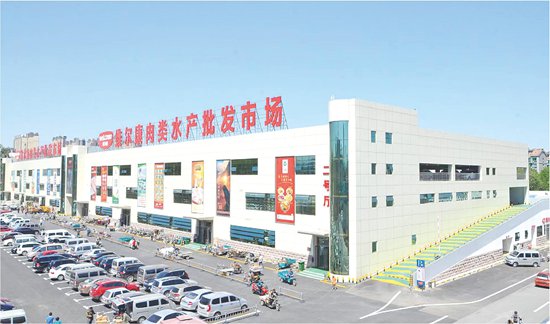
Core Insights - The rise of new consumer brands in Jinan is driven by technological advancements and a focus on meeting consumer needs, showcasing the potential of local industries to innovate and adapt [2][3][4][5][6][7] Group 1: Technological Innovation - Tanghe Tang Biotechnology, a subsidiary of Shengquan Group, has transformed from a traditional industrial player to a high-end food ingredient provider, increasing its revenue from 10 million to over 400 million yuan through the development of a fully automated xylitol production line [3] - Huaxi Biological has shifted from B2B to B2C, investing 3 billion yuan to build the world's largest pilot platform, enabling rapid transformation of research into consumer products and achieving a 44% global market share in hyaluronic acid [4] - The technological breakthroughs in these companies have restructured the supply chain and allowed Jinan's manufacturing sector to penetrate the functional sugar market, with Tanghe Tang aiming for an annual output value of 1 billion yuan in the next 3-5 years [3][4] Group 2: Market Demand and Consumer Focus - Tangpai Group has been addressing the silver economy since 2010, creating a comprehensive supply chain for elderly products, with over 3,000 items integrated into its brand, and establishing the first silver economy center in Shandong [6] - The company has introduced a new consumption model that includes a silver economy center, elderly care display center, and community service stations, ensuring accessibility and affordability of products for the elderly [6] - Weirkan Group has transformed from a traditional meat processing factory to a cold chain service provider, expanding its cold storage capacity from 10,000 tons to 360,000 tons and increasing its distributor network from 200 to over 1,800 [7]


济南|济南:工业土壤长出消费品牌新枝
Da Zhong Ri Bao· 2025-10-30 01:25
Core Insights - A new wave of consumer brands is emerging in Jinan, focusing on various sectors such as beauty, silver economy products, functional sugars, and cold chain food, driven by technological advancements and market demand [2][5]. Group 1: Company Developments - Huaxi Biological has transitioned from a B2B model supplying hyaluronic acid to a B2C model, investing 3 billion yuan to build the world's largest pilot platform, enhancing its product development capabilities and market responsiveness [4]. - Tanghe Tang Biotechnology, a subsidiary of Shengquan Group, has evolved from a 10 million yuan revenue company in 2008 to over 400 million yuan by leveraging patented technology to produce high-value functional sugars [3]. - Tangpai Group has established a comprehensive supply chain for silver economy products, offering over 3,000 types of products and creating a new consumption model with a focus on elderly care [5]. Group 2: Market Trends - The silver economy is gaining traction in China, with Tangpai Group addressing the supply-demand mismatch by launching 20-30 new products weekly domestically and 100-200 products internationally [5]. - The cold chain logistics sector is being transformed by Weierkang Group, which has expanded its cold storage capacity from 10,000 tons to 360,000 tons, establishing a nationwide distribution network [6][7].
第八届进博会展览面积和企业总数再创新高
Ren Min Ri Bao· 2025-10-30 01:12
Core Points - The 8th China International Import Expo (CIIE) will be held from November 5 to 10 in Shanghai, featuring participation from 155 countries, regions, and international organizations, with 4,108 overseas enterprises exhibiting, marking a record high in exhibition area exceeding 430,000 square meters [1] - China has maintained its position as the world's second-largest import market for 16 consecutive years, with projected goods and services imports exceeding $15 trillion during the 14th Five-Year Plan period [1] - The cumulative intended transaction amount from the previous seven CIIEs has surpassed $500 billion, aiding global enterprises in navigating international market fluctuations and sharing opportunities within China's vast market [1] Group 1: Characteristics of the Expo - The expo will emphasize openness, with the Ministry of Commerce innovating the "Shared Big Market · Export China" brand and launching a series of "Export China" activities [2] - A total of 461 new products, technologies, and services will be showcased, including future industries such as low-altitude economy and humanoid robots, as well as new themes like silver economy and sports economy [2] - The number of participating enterprises has increased by over 600 compared to last year, with 290 Fortune 500 and industry-leading companies attending, setting historical highs in exhibition area and total number of enterprises [2] Group 2: Global Participation and Support Measures - Enterprises from 123 Belt and Road Initiative countries are participating, reflecting a year-on-year increase of 23.1%, while 163 enterprises from the least developed countries have also increased by 23.5% [3] - The number of African enterprises participating has surged by 80%, with a dedicated area for African products expanded [3] - Shanghai is optimizing exhibition services with 18 customs facilitation measures, 8 border inspection initiatives, and 20 public security measures to enhance convenience for exhibitors [3]
潮评丨从老有所“玩”看银发消费
Sou Hu Cai Jing· 2025-10-30 01:09
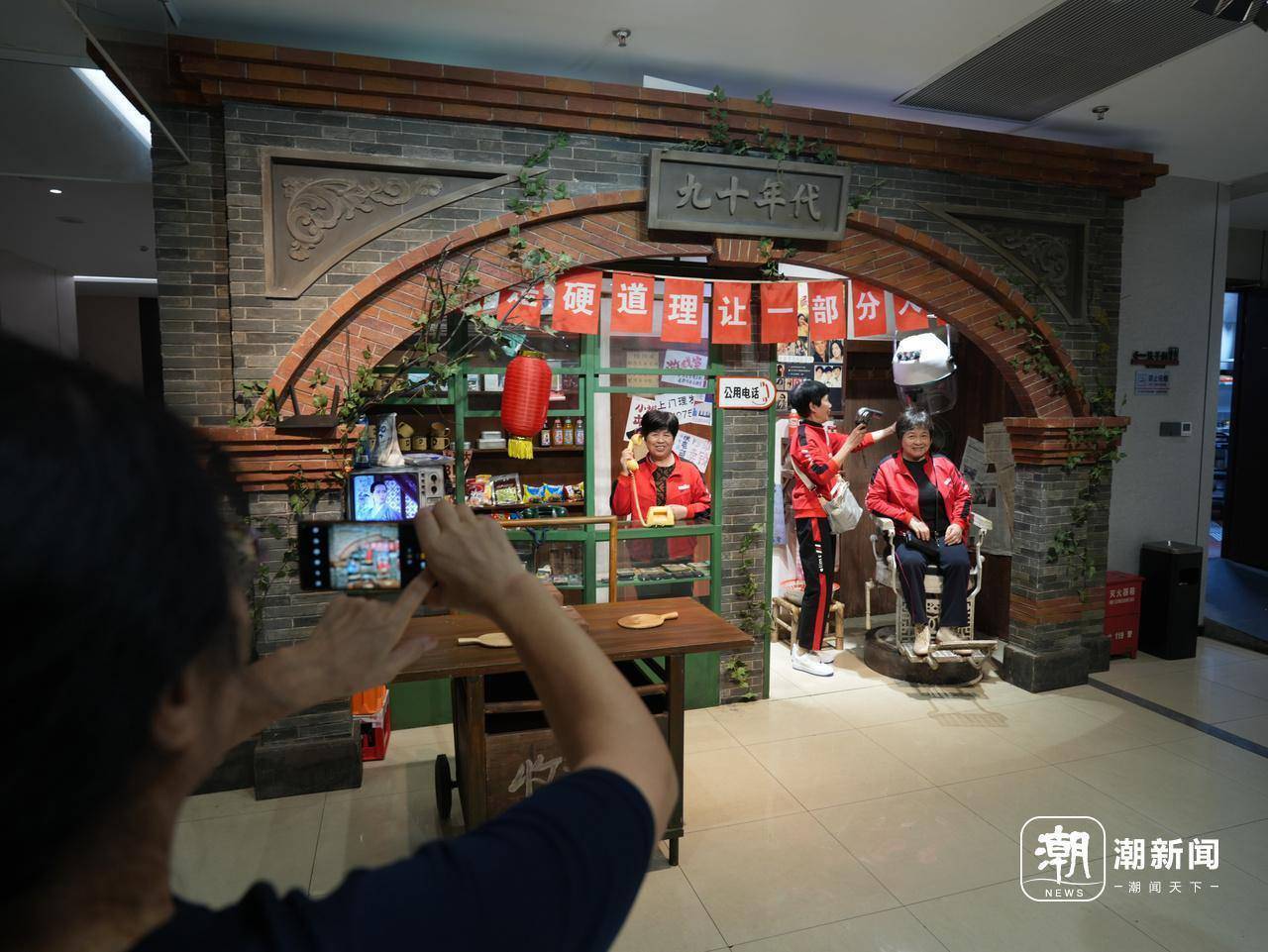
Group 1 - The core viewpoint highlights the transformation of the elderly demographic in China, emphasizing their shift from merely surviving to seeking vibrant and engaging lifestyles [2][3] - The establishment of social spaces like "壹天俱乐部" in Ningbo, which has attracted over 130,000 elderly visitors in just a year and a half, illustrates the growing demand for social interaction among seniors [2] - The elderly toy market has seen a significant increase, with sales of "老年+" series products growing approximately 30% year-on-year in the first three quarters of this year, indicating a shift in consumer preferences [2][3] Group 2 - Data shows that elderly tourism services, sports health services, and cultural entertainment activities have experienced year-on-year revenue growth of 26.2%, 23.9%, and 20.7% respectively, reflecting a broader trend of the elderly moving from "养老" (elderly care) to "享老" (enjoying old age) [3] - The need for innovative products tailored to the elderly is emphasized, as traditional "silver economy" offerings often lack genuine engagement and creativity, leading to a call for continuous product innovation [3][4] - Examples of innovative products include AI companion dolls and magnetic puzzles that cater to the physical and psychological needs of the elderly, highlighting the importance of understanding their unique requirements [4]
五部门联合开展医养结合促进行动,满足健康养老服务需求
Huan Qiu Wang· 2025-10-30 01:08
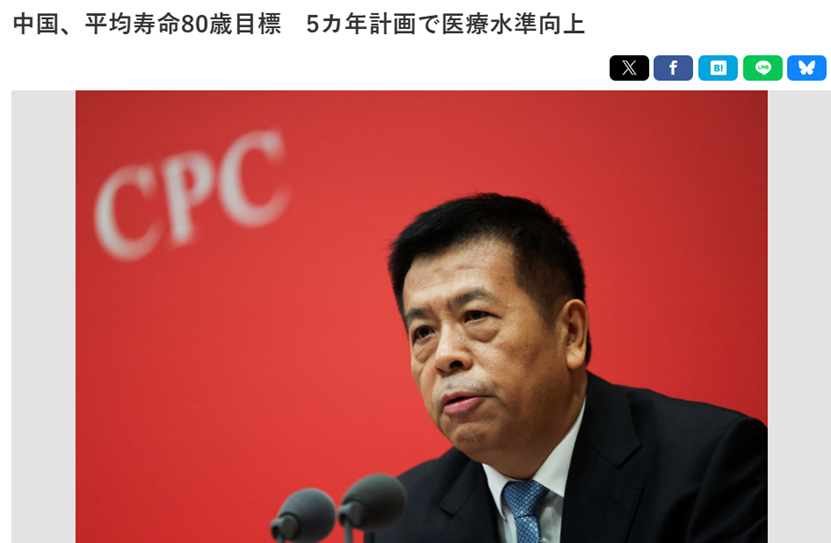
Core Points - The Chinese government has launched a three-year initiative to promote the integration of medical and elderly care services, with 25 specific tasks outlined to enhance service delivery and capacity by the end of 2027 [1] - The initiative aims to better meet the health and elderly care needs of the aging population, with a focus on improving the sharing of medical and elderly care resources [1] - Japan's media reported that China plans to improve healthcare levels during the 15th Five-Year Plan (2026-2030), targeting an average life expectancy of 80 years [1] Summary by Sections Policy and Initiative - The initiative is a collaborative effort involving multiple government departments, including the National Health Commission and the Ministry of Civil Affairs, aimed at enhancing the integration of medical and elderly care services [1] - By the end of 2027, the goal is to have a more comprehensive policy framework and improved service systems to support the elderly [1] Demographic Trends - Historical data shows that China's average life expectancy has steadily increased from 67.7 years in 1981 to 77.9 years in 2020, with a target of reaching 79 years by 2024 as part of the 14th Five-Year Plan [4] - The government is also considering raising the retirement age and promoting employment among the elderly to support the "silver economy" [1]
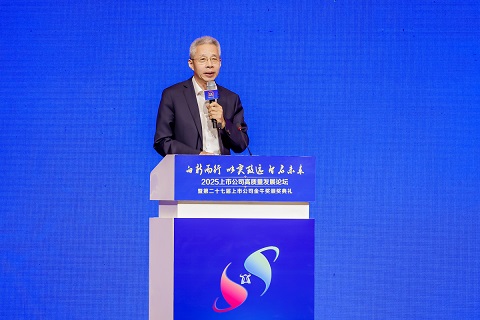
中泰国际李迅雷:中国资本市场展现出较强韧性
Zhong Guo Zheng Quan Bao· 2025-10-30 00:45
Core Viewpoint - The resilience of China's manufacturing sector and capital markets has created a "buffer" to respond to changing circumstances, emphasizing the need for companies to enhance competitiveness through mergers and acquisitions and focus on technological self-reliance [1][3]. Group 1: Economic Outlook - The international competition is expected to be a long-term process, but China's capital market has shown strong resilience, with the Shanghai Composite Index surpassing 4000 points, reflecting confidence from the solid foundation of the manufacturing and service sectors [3]. - China's manufacturing capacity has further solidified its influence in the global supply chain, which is crucial for addressing various external challenges [3]. Group 2: Corporate Strategy - Companies are urged to strengthen their capabilities to navigate potential changes, as relying solely on organic growth may not suffice in a highly competitive market [3]. - There is a recommendation for listed companies to increase efforts in mergers and acquisitions, as this is a vital pathway for achieving scale expansion and enhancing competitiveness in a context of industry differentiation and low concentration [3]. Group 3: Investment Directions - The key focus during the 14th Five-Year Plan period will be on accelerating technological self-reliance and promoting deep integration of technological and industrial innovation, leading to the development of new productive forces [4]. - New productive forces can be categorized into four types: strategic emerging industries (e.g., information technology, biotechnology, new energy), future industries (e.g., artificial intelligence, quantum technology), digital economy (including computing power, industrial internet), and the intelligent transformation of traditional industries [4]. - The government is expected to significantly increase investment in the livelihood sector over the next five years, with substantial potential in areas such as the silver economy, innovative pharmaceuticals, and the elderly care industry [4]. Group 4: Monetary Policy - The monetary policy in China is increasingly focused on structural guidance and tool innovation, with potential for reserve requirement ratio cuts and interest rate reductions during the 14th Five-Year Plan period [4].
打造老有所养“硬支柱” 银行业养老金融供给持续丰富
Jin Rong Shi Bao· 2025-10-30 00:44
Core Insights - The Chinese government emphasizes the development of pension finance as part of its broader economic and social development strategy, particularly in response to an aging population [1] - Financial institutions are actively engaging in community activities to provide tailored financial services and education to elderly clients, enhancing their financial literacy and security [2][3] - The banking sector is undergoing significant transformations to improve accessibility and service quality for elderly customers, including physical renovations and the introduction of specialized services [4][5] Group 1: Government Initiatives - The Central Committee of the Communist Party of China highlights the importance of pension finance in addressing the challenges of an aging population [1] - A financial support initiative of 500 billion yuan has been established to enhance financial services for the elderly and promote the development of the pension industry [7] Group 2: Community Engagement - Various banks are organizing activities to educate elderly clients about financial risks and fraud prevention, using engaging formats to enhance understanding [2] - Financial institutions are customizing their services to address specific concerns of the elderly, such as pension devaluation and fraud [2] Group 3: Service Innovations - Banks are implementing "age-friendly" modifications to their branches, including accessible facilities and specialized staff to assist elderly customers [4][5] - The introduction of low-height service machines and large-font guides significantly improves the banking experience for elderly clients [5] Group 4: Financial Support for Pension Industry - China Bank has provided substantial loans to support the construction of new elderly care facilities, addressing the shortage of affordable care options [7] - The bank's loans to the pension sector have increased by 20.90% compared to the previous year, indicating a growing commitment to supporting the elderly care industry [8]

