跨境电商

Search documents
2025年第五届CHWE出海网全球跨境电商展观展手册
Sou Hu Cai Jing· 2025-10-06 08:49
Core Insights - The fifth CHWE Global Cross-Border E-commerce Exhibition took place in Shenzhen from September 6 to 8, 2025, focusing on making cross-border trade easier and connecting Chinese supply chains with global consumer demand [1][5] - The exhibition featured over 1,500 exhibitors across more than 15 popular cross-border categories, covering an exhibition area of over 100,000 square meters and attracting over 20,000 quality source factories [2][5] Group 1: Exhibition Overview - The exhibition included various specialized zones such as home goods, toys, fashion accessories, gifts, beauty products, and a cross-border service ecosystem, catering to diverse procurement needs [2][4] - Notable products included innovative home goods from companies like Yunnan Gai Rui Flowers and Shenzhen Kanghao Technology, showcasing the strength of China's toy industry with companies like Shantou Ling Shu Bao Toys [2][4] Group 2: Concurrent Events and Discussions - A series of summits and activities were held during the exhibition, discussing key topics in cross-border e-commerce, including strategies for the 2025 year-end shopping season and growth opportunities in emerging markets [3][4] - Specific summits included the "Winning Global 2025 Golden Period GMV Growth Summit" and the "TikTok Shop Global E-commerce Traffic Growth Summit," focusing on operational strategies and market insights [3][4] Group 3: Cross-Border Service Ecosystem - The exhibition integrated over 50 mainstream e-commerce platforms and cross-border service providers, offering comprehensive support for businesses, including logistics, payment solutions, and marketing services [4][5] - Major platforms like TikTok Shop, SHEIN, and Walmart participated, presenting their latest recruitment policies and operational resources [4][5] Group 4: Future Prospects - The success of the exhibition is expected to inject new vitality into the cross-border e-commerce industry, facilitating deeper connections between Chinese supply chains and global markets [5] - The next exhibition is scheduled for March 30 to April 1, 2026, in Shenzhen, promising more opportunities and innovative ideas for the industry [5]


2025消费行业联合行业深度:畅想十五五,制造型硬消费全球化奋楫争先
Sou Hu Cai Jing· 2025-10-04 04:44
Group 1 - The report highlights that Chinese "manufacturing hard consumption" companies are entering a golden development period for globalization, transitioning from "product export" to "brand export" due to technological accumulation, supply chain advantages, and global layout [1][2] - The Chinese government has introduced favorable policies to support the globalization of manufacturing hard consumption enterprises, including guidance on brand internationalization and cross-border trade facilitation [2][3] - In 2024, policy support will focus on cross-border e-commerce and overseas warehouse construction, addressing challenges in overseas storage and distribution for enterprises [3][4] Group 2 - Chinese manufacturing hard consumption enterprises have developed a multi-faceted overseas expansion model characterized by "technological breakthroughs, localized production, and brand upgrades," with significant global factory layouts [3][4] - The innovation capabilities of Chinese companies in the consumer electronics and smart hardware sectors are gaining global recognition, with products like robotic vacuum cleaners and portable chargers consistently ranking as best sellers on cross-border e-commerce platforms [4][5] - The report identifies three major opportunities for the globalization of Chinese manufacturing hard consumption during the 15th Five-Year Plan period: the release of demand in emerging markets, product premiumization driven by technological upgrades, and the improvement of cross-border e-commerce and overseas warehouse systems [5][6] Group 3 - The globalization of Chinese manufacturing hard consumption is evolving from simple "product output" to "standard output" and "service output," with companies participating in the formulation of global industry standards and establishing comprehensive after-sales service networks [5][6] - The report emphasizes that the globalization journey of Chinese manufacturing hard consumption enterprises has entered a new phase, supported by policies, industrial foundations, and innovation vitality, positioning them as key players in the global consumption market [6][7] - The report outlines a comprehensive policy framework to support the internationalization of the domestic consumption industry, facilitating the transition from "product export" to "capacity export" and "brand export" [24][25]




为增长而出海:去哪儿找更高利润、更大市场、更多订单?
吴晓波频道· 2025-10-01 00:30
Core Viewpoint - The era of low tariffs and global trade circulation has ended, and Chinese brands must adapt to a new phase of globalization that emphasizes local integration and relationship building [2][10]. Group 1: Trends in Globalization and E-commerce - The rise of reverse globalization presents challenges, but new technologies like AI and blockchain can drive the development of cross-border e-commerce [4][6]. - Cross-border e-commerce platforms have a stronger ability to mitigate tariff impacts, and there is an opportunity for Chinese brands to transition to high-value, high-tech sectors [6][10]. - The competition landscape for cross-border e-commerce is shifting towards digital transformation and green initiatives, requiring companies to enhance compliance and protection capabilities [6][10]. Group 2: Strategies for Entering New Markets - Chinese companies have strong products and supply chain advantages but often struggle with relationship barriers in overseas markets [8][10]. - The "Five R Integration" methodology emphasizes building relationships with government, customers, investors, industry associations, and overseas talent to succeed in international markets [8]. - Successful examples include local engagement strategies, such as donating products to gain media coverage and community trust [9]. Group 3: Investment Opportunities in Emerging Markets - In 2024, China's outbound direct investment is projected to reach $192.2 billion, with private enterprises becoming the main force in overseas expansion [10]. - Emerging markets like ASEAN, Africa, and the Middle East present significant opportunities for Chinese companies due to their growing consumer bases and infrastructure needs [10][22]. - The Middle East, particularly Saudi Arabia and the UAE, offers a vibrant market with a young population and high consumer spending potential, especially in sectors like e-commerce and technology [22][23]. Group 4: Challenges and Considerations - Companies must navigate logistical, regulatory, and cultural challenges when entering new markets, particularly in regions like Russia and Africa [15][19]. - Compliance with local laws and building a strong local presence are critical for long-term success in international markets [24][25]. - Companies should adopt a long-term mindset, focusing on relationship building and understanding local market dynamics rather than seeking quick wins [24][26].

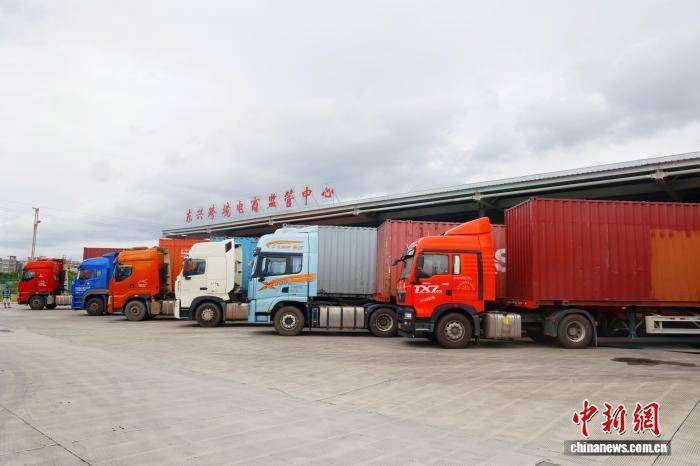
广西东兴口岸跨境电商业务繁忙有序
Sou Hu Cai Jing· 2025-09-30 15:53
Core Insights - The cross-border e-commerce export from Dongxing has shown strong growth, with a peak daily export volume reaching 33 trucks and over 450,000 packages sent on a single day [3][5] - Since the establishment of the China (Fangchenggang) Cross-Border E-Commerce Comprehensive Pilot Zone five months ago, 66 cross-border e-commerce companies have registered with customs, with over 18 million packages exported, valued at 2.02 billion RMB [3][5] Group 1 - The Dongxing Customs has implemented a "customs head delivers policies" service to help businesses understand and utilize preferential policies and support measures related to cross-border e-commerce [3] - The customs efficiency at Dongxing port is highlighted as a key competitive advantage, with measures in place to ensure normal customs operations during weekends and holidays [5] - The introduction of a local cross-border e-commerce platform has shifted many goods from sea freight to land transport through Dongxing, enhancing the speed of delivery [5]
尼日利亚300美元免税政策:对中国外贸及跨境电商的影响
Sou Hu Cai Jing· 2025-09-30 12:11
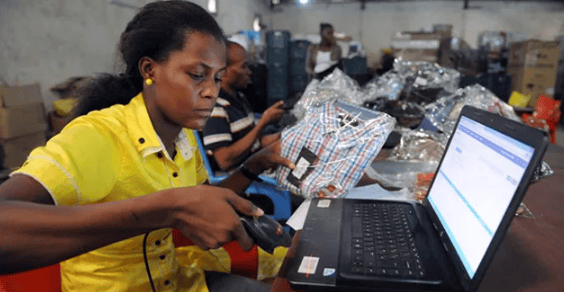
Core Insights - Nigeria's new De Minimis policy, effective September 2025, raises the tax-free import threshold from 50,000 Naira (approximately $120) to $300 (about 450,000 Naira), marking a significant milestone in African trade history and presenting unprecedented opportunities for Chinese foreign trade and cross-border e-commerce [2][6]. Trade Data Summary - In the first four months of 2025, bilateral trade between China and Nigeria reached $8.008 billion, a year-on-year increase of 20.40%, with Chinese exports to Nigeria amounting to $7.331 billion, up 28.30% [4]. - China's exports to Nigeria primarily consist of industrial products, such as synthetic fiber woven fabrics and communication equipment, while imports from Nigeria focus on energy and mineral products, reflecting Nigeria's role as a resource-exporting country [7]. Policy Changes - The new De Minimis policy significantly increases the tax-free import threshold by 150%, making Nigeria one of the countries with the highest tax-free standards in Africa [8]. - The policy includes usage frequency limits, allowing individuals to benefit from the tax exemption once per quarter, with a maximum of four times per year, aimed at preventing abuse of the system [9]. Impact on Trade - The policy is expected to lower the comprehensive costs for Chinese goods entering the Nigerian market, enhancing price competitiveness. For instance, the reduction in tariffs and operational costs could lead to a price competitiveness increase of approximately 15% for low-value goods [12]. - The Nigerian e-commerce market is projected to grow at a CAGR of 10.81%, reaching $10.03 billion by 2027, with the policy stimulating consumer behavior to make multiple purchases to utilize the tax exemption [13]. Export Opportunities - The policy is favorable for key export categories from China to Nigeria, including textiles, new energy products, and automotive parts, with a notable increase in small orders for furniture and steel products [14]. - The combination of tax exemptions, free trade zones, and digital payment advancements is expected to activate Nigeria's consumer potential, particularly among its 210 million population and growing middle class [14].
青岛助力企业多元开拓国际市场
Sou Hu Cai Jing· 2025-09-30 08:59
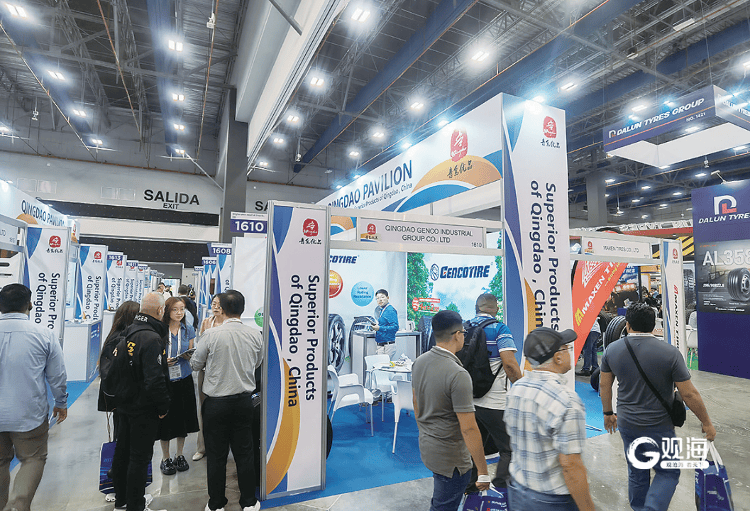
Core Viewpoint - Qingdao is accelerating its international market expansion strategy by establishing a comprehensive support system for enterprises going abroad, focusing on three main frameworks: a multi-dimensional policy support system, an internal and external service guarantee system, and a professional empowerment state-owned platform service system [1][4]. Group 1: Multi-Dimensional Policy Support System - Qingdao has introduced 25 policy measures to support foreign trade, focusing on stabilizing operations, exploring new markets, and optimizing supply chain layouts [1]. - The city aims to help foreign trade enterprises through a public consultation hotline and a comprehensive policy coverage approach [1]. Group 2: Internal and External Service Guarantee System - Qingdao is developing a "10+8+7" overseas comprehensive service system, which includes 10 overseas service centers and 8 key economic and trade cooperation zones [4]. - The establishment of overseas warehouses in 41 countries and regions, covering over 1 million square meters, aims to enhance logistics and service capabilities for enterprises [4]. - A collaborative mechanism involving business, finance, customs, taxation, foreign exchange, and port services has been established to address operational challenges faced by foreign trade enterprises [4]. Group 3: Professional Empowerment State-Owned Platform Service System - Qingdao emphasizes the role of state-owned platforms in international trade, supporting companies like Qingdao Huato Group and Guoxin Group in various sectors, including cold chain and cross-border e-commerce [5][6]. - The establishment of Qingdao Haifa International Trade aims to integrate shipping logistics and international trade services, enhancing the overall service ecosystem [6]. - The city is focusing on digital transformation and resource integration to support local industries in their international expansion efforts [6]. Group 4: Focus on Specialized Export Clusters - The Shandong Provincial Department of Commerce has launched an initiative to cultivate specialized export clusters in ten key industries, targeting significant export growth by 2026 [7]. - The goal includes creating one trillion-yuan-level and two 500-billion-yuan-level export clusters, along with the addition of over 1,000 specialized export enterprises [7].
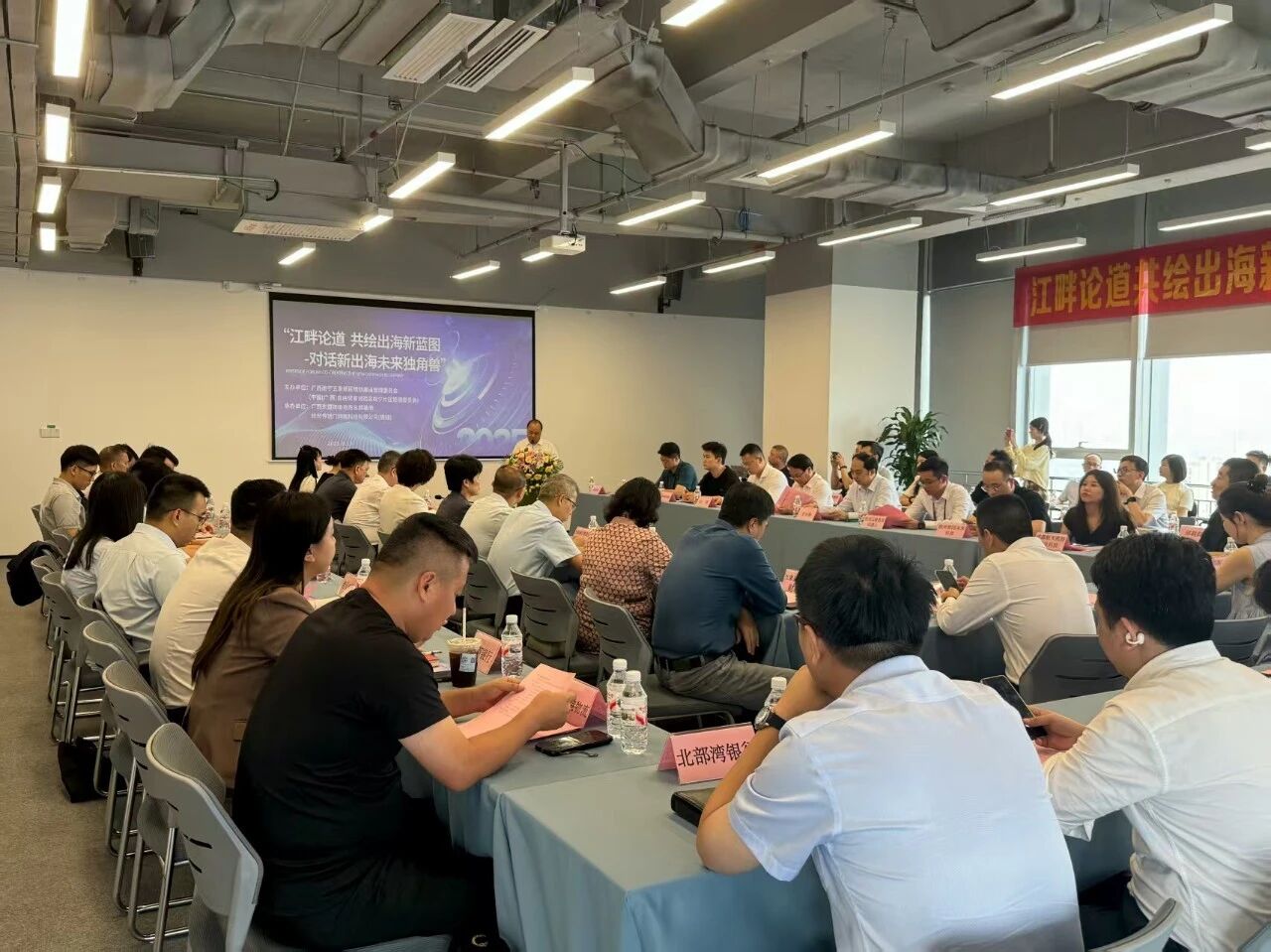
“江畔论道 共绘出海新蓝图——对话新出海未来独角兽活动”在五象新区举行
Sou Hu Wang· 2025-09-30 08:11
Group 1 - The event "Dialogue on New Outbound Future Unicorns" was held in the Guangxi ASEAN Cross-border E-commerce Headquarters Base, focusing on AI, cross-border e-commerce, and new outbound strategies [1][3] - The Five Xiang New Area is seizing multiple opportunities to cultivate new productive forces and develop key industrial clusters, enhancing cooperation with ASEAN [3][4] - The investment promotion bureau of the Five Xiang New Area introduced its business environment and development policies in AI, cross-border e-commerce, and low-altitude economy [3] Group 2 - Representatives from companies in intelligent manufacturing, satellite internet, AI, and smart healthcare shared their outbound experiences and strategic insights [4] - The event facilitated deep interactions among participants regarding capital cooperation, industrial connections, and policy implementation, strengthening trust and cooperation between government and enterprises [4] - The Five Xiang New Area is becoming a strategic highland for new outbound enterprises, leveraging its geographical advantages and policy benefits [4]
致欧科技涨0.31%,成交额4157.44万元,近3日主力净流入-662.46万
Xin Lang Cai Jing· 2025-09-30 07:54
Core Viewpoint - The company, Zhiyou Technology, is benefiting from various economic trends including the camping economy, influencer economy, cross-border e-commerce, and the pet economy, with a significant portion of its revenue coming from overseas due to the depreciation of the RMB [2][3]. Company Overview - Zhiyou Technology, established on January 8, 2010, is located in Zhengzhou, Henan Province, and was listed on June 21, 2023. The company focuses on the research, design, and sales of its own brand home products, with 99.09% of its revenue coming from cross-border e-commerce [7]. - As of June 30, 2025, the company reported a revenue of 4.044 billion yuan, representing a year-on-year growth of 8.68%, and a net profit of 190 million yuan, up 11.03% year-on-year [8]. Product Lines - The company offers a range of courtyard products categorized into home, leisure, and sports products, including rattan furniture sets, fences, garden tables, and sun umbrellas [2]. - The pet product line includes cat climbing frames, pet beds, and other pet furniture [3]. Market Position and Strategy - The company has established a differentiated competitive advantage in its cross-border e-commerce logistics system, with self-operated warehouses in Germany and the United States, enhancing operational efficiency and customer satisfaction [2]. - The overseas revenue accounted for 98.88% of total revenue, benefiting from the depreciation of the RMB [3]. Shareholder and Financial Information - As of June 30, 2025, the number of shareholders increased by 26.05% to 11,300, with an average of 17,072 shares per person, a decrease of 20.35% [8]. - The company has distributed a total of 321 million yuan in dividends since its A-share listing [8].
立达信跌1.62%,成交额3543.40万元,近5日主力净流入-423.62万
Xin Lang Cai Jing· 2025-09-30 07:51
Core Viewpoint - The company, Lida Xin, is experiencing fluctuations in stock performance and is heavily reliant on overseas revenue, particularly benefiting from the depreciation of the RMB [3][4]. Company Overview - Lida Xin IoT Technology Co., Ltd. is located in Xiamen, Fujian Province, and specializes in the R&D, manufacturing, sales, and services of LED lighting products, smart home, and smart building solutions [2][7]. - The company was established on April 7, 2015, and went public on July 20, 2021 [7]. - The main revenue composition includes: 64.10% from lighting products and accessories, 25.14% from IoT products and accessories, 8.04% from home appliances and accessories, and 1.56% from other products [7]. Financial Performance - For the first half of 2025, Lida Xin achieved a revenue of 3.039 billion yuan, representing a year-on-year growth of 2.01%, while the net profit attributable to shareholders decreased by 53.64% to 69.15 million yuan [7]. - The company has distributed a total of 585 million yuan in dividends since its A-share listing, with 523 million yuan in the last three years [8]. Market Position and Trends - As of June 30, 2025, the company had 12,600 shareholders, a decrease of 10.90% from the previous period, with an average of 39,908 circulating shares per person, an increase of 12.23% [7]. - The company’s overseas revenue accounted for 89.22% of total revenue, benefiting from the depreciation of the RMB [3]. Investment and Stock Analysis - On September 30, Lida Xin's stock fell by 1.62%, with a trading volume of 35.434 million yuan and a market capitalization of 7.6 billion yuan [1]. - The average trading cost of the stock is 15.19 yuan, with a current support level at 14.94 yuan [6].

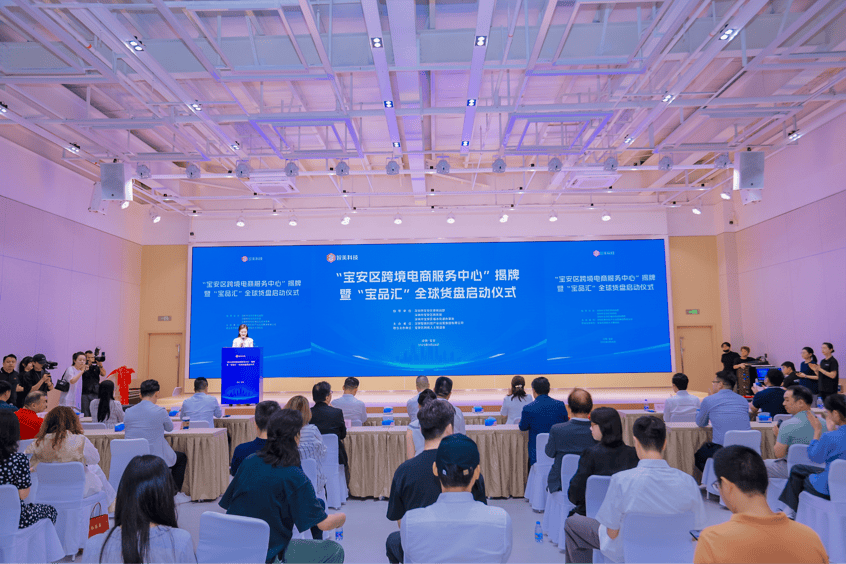
宝安跨境电商服务中心揭牌,多项重磅合作同步落地
Sou Hu Cai Jing· 2025-09-30 07:49
Core Insights - The establishment of the Bao'an District Cross-Border E-Commerce Service Center and the launch of the "Bao Pin Hui" global cargo platform mark a significant step in enhancing the region's foreign trade development [1][2] - Shenzhen has maintained its position as the leading city in cross-border e-commerce imports and exports for three consecutive years, highlighting its status as the "capital of cross-border e-commerce" [2] - The service center aims to provide comprehensive support for local cross-border e-commerce enterprises, including policy advocacy, talent cultivation, industry connections, enterprise incubation, and platform integration [2][5] Industry Development - Bao'an District's strategic advantages, including its industrial clusters and logistics capabilities, are expected to facilitate the global reach of "Bao'an manufacturing" [3][5] - The service center's core value lies in transforming local industrial and geographical advantages into tangible "going global" momentum for enterprises [5] - The launch of the "Bao Pin Hui" global cargo platform integrates local manufacturing strengths with global supply chain resources, offering over 100,000 SKUs and addressing seller pain points such as product selection and inventory management [5][8] Talent and Capital Empowerment - The establishment of a practical base for talent development and collaboration with Shenzhen Vocational and Technical University aims to enhance regional employment and sustain industry growth [7] - The "Chaoshan Greater Bay Area Outbound Incubation Center" will serve as a comprehensive platform for research, incubation, training, investment, and implementation, targeting high-growth enterprises [7] - The service center has received official certification from Amazon as a cross-border e-commerce service provider, enhancing its credibility and operational capabilities [7] Ecosystem and Future Outlook - The service center is expected to create a complete service ecosystem covering policy, talent, supply chain, incubation, and platform integration, facilitating efficient connections for enterprises [8] - The cross-border e-commerce import and export value in the Fuyong Street area is projected to exceed 8.033 billion RMB in 2024, indicating a robust development trend [8] - Bao'an District is leveraging its unique advantages to build a comprehensive e-commerce industry cluster, integrating logistics, warehousing, and finance to foster a sustainable and compliant industry ecosystem [9]