
好房子

Search documents
建发房产打造穿越周期的“好房子”
Guan Cha Zhe Wang· 2025-11-25 10:24
Core Insights - The Shanghai new housing market is undergoing a significant adjustment, with a focus on quality and structural differentiation as the new norm following the implementation of the "Good House" regulations on September 26 [1][5] - The launch of Jianfa Haichen, the first "lighthouse" project in Shanghai by Jianfa Real Estate, marks a pivotal moment in the market, showcasing the company's innovative approach to high-quality housing [1][6] Market Dynamics - The new housing market in Shanghai is experiencing a deep adjustment, with a clear trend towards quality enhancement and structural differentiation [1] - The "Good House" regulations are encouraging upgrades in design aspects such as balconies and facades, leading to increased market expectations for quality [1] Project Overview - Jianfa Haichen is located in the New Jiangwan City, an area recognized for its ecological advantages and proximity to top educational institutions and businesses, enhancing its appeal to high-quality residents [2][4] - The project has a total area of approximately 100,000 square meters with a low plot ratio of 1.55, featuring a mix of 10 small high-rise buildings and 30 low-rise villas, catering to a diverse range of buyers [5][6] Sales Performance - Jianfa Haichen achieved a remarkable 128% subscription rate during its first launch on September 30, setting multiple sales records for high-value projects in Shanghai [5] - The project continues to attract attention with its ongoing sales and the opening of a real-life display area, reinforcing its status in the market [5] Product Features - The project emphasizes high-quality living standards with features such as multiple balconies, efficient space utilization, and premium finishes, including top-tier kitchen and bathroom fixtures [6][7] - Jianfa Haichen incorporates cultural elements and craftsmanship, reflecting a unique "Sea-Pai Oriental" aesthetic that blends global styles with traditional Chinese culture [6][7] Strategic Framework - Jianfa Real Estate's "Lighthouse Strategy" aims to innovate housing products by focusing on customer needs and integrating cultural, value, strategy, and technology dimensions [6][7] - The company has developed a six-dimensional value system to enhance the living experience, emphasizing safety, comfort, and sustainability in its housing offerings [7]


地产行业周报:政策预期升温,优质地产配置价值凸显-20251124
Ping An Securities· 2025-11-24 02:04
行业评级:地产 强于大市(维持) 平安证券研究所地产团队 2025年11月23日 请务必阅读正文后免责条款 1 核心摘要 证券研究报告 政策预期升温,优质地产配置价值凸显 地产行业周报 2 周度观点:政策预期升温,降低房贷利率仍有必要。随着2024年四季度销售基数抬升,10月全国商品房销售面积同比降18.8%,70个大 中城市新房/二手房价环比降0.5%和0.7%,且降幅较9月有所扩大。楼市量价承压背景下,近期市场政策预期有所升温。我们在2024年9 月18日发布的专题报告《供需框架下楼市趋势探讨》提到,海外楼市企稳关键在于居民购房意愿与能力的提升、最终带来供需格局的改 善。展望国内楼市,一方面仍需宏观政策发力稳定居民收入预期,提升购房能力,另一方面2025Q3加权房贷利率(3.06%)仍高于10月 百城住宅租金回报率(2.36%),通过降息/房贷加点变化/政府贴息等方式降低房贷利率增强购房相对吸引力仍有必要。 短期大盘波动加剧,优质地产配置价值凸显。1)优质地产相对滞涨,叠加楼市复苏仍不明朗,短期政策博弈性价比提升;2)中期维度 来看,"好房子"的趋势并不会因短期楼市调整发生改变,历史包袱较轻的品质房企有望 ...
——地产及物管行业周报(2025/11/15-2025/11/21):住建部召开城市更新推进会,广州再启动存量商品房收储-20251123
Shenwan Hongyuan Securities· 2025-11-23 05:56
Investment Rating - The report maintains a "Positive" rating for the real estate and property management sectors [2]. Core Insights - The real estate market is expected to continue bottoming out, with core cities likely to stabilize sooner. Two major opportunities are highlighted: the elevation of housing policies and the strong performance of quality commercial enterprises during a monetary easing cycle, which may lead to a revaluation of consumer-oriented commercial real estate assets [2][31]. Industry Data Summary New Housing Transaction Volume - In the week of November 15-21, 2025, 34 key cities recorded a total new housing transaction volume of 2.54 million square meters, a week-on-week increase of 26.3%. The transaction volume for first and second-tier cities rose by 28.6%, while third and fourth-tier cities saw a decline of 5% [3][4]. - For November 2025, the total new housing transaction volume in 34 cities was 6.348 million square meters, a year-on-year decrease of 32.7% [4][6]. Second-hand Housing Transaction Volume - In the week of November 15-21, 2025, 13 key cities recorded a total second-hand housing transaction volume of 1.073 million square meters, a week-on-week decrease of 12.8%. The cumulative transaction volume for November was 3.412 million square meters, a year-on-year decrease of 13.8% [10][11]. Inventory and Market Dynamics - In the week of November 15-21, 2025, 15 key cities had a total of 890,000 square meters of new housing launched, with a corresponding transaction volume of 920,000 square meters, resulting in a transaction-to-launch ratio of 1.04. The average monthly inventory turnover period was 23.3 months, a decrease of 0.17 months from the previous period [20][22]. Policy and News Tracking Macro Policies - The Ministry of Housing and Urban-Rural Development held a national urban renewal work promotion meeting on November 21, 2025, emphasizing the need for innovative approaches in planning, funding, operation, and governance [31][32]. - Guangzhou is actively promoting the acquisition of existing commercial housing for use as affordable housing, with specific policies being implemented in various cities to support housing supply [31][32]. Company Dynamics - Major real estate companies are actively engaged in financing, with several issuing bonds and short-term financing instruments. For instance, China Merchants Shekou issued bonds totaling 5.04 billion yuan [36][38]. - The real estate sector underperformed the broader market, with the SW Real Estate Index declining by 5.83% compared to a 3.77% drop in the CSI 300 Index [42][45].


地产及物管行业周报:住建部召开城市更新推进会,广州再启动存量商品房收储-20251123
Shenwan Hongyuan Securities· 2025-11-23 05:41
房地产 2025 年 11 月 23 日 行 业 研 究 / 行 业 点 评 相关研究 证 券 研 究 报 告 证券分析师 袁豪 A0230520120001 yuanhao@swsresearch.com 研究支持 顾铮 A0230125070004 guzheng@swsresearch.com 联系人 顾铮 A0230125070004 guzheng@swsresearch.com 本期投资提示: 请务必仔细阅读正文之后的各项信息披露与声明 本研究报告仅通过邮件提供给 中庚基金 使用。1 行 业 及 产 业 - ⚫ 地产行业数据:新房成交环比回升,二手房成交环比回落,新房成交推盘比回升。上周(11.15- 11.21)34 个重点城市新房合计成交 254 万平米,环比+26.3%,其中,一二线环比+28.6%,三四线 环比-5%。11 月(11.1-11.21)34 城一手房成交同比-33%,较 10 月-6.4pct。其中,一二线同比- 31.5%,三四线同比-46.4%,分别较 10 月-6.6pct 和-5.8pct。上周 13 城二手房合计成交 107.3 万平 米,环比-12.8%;11 月 ...
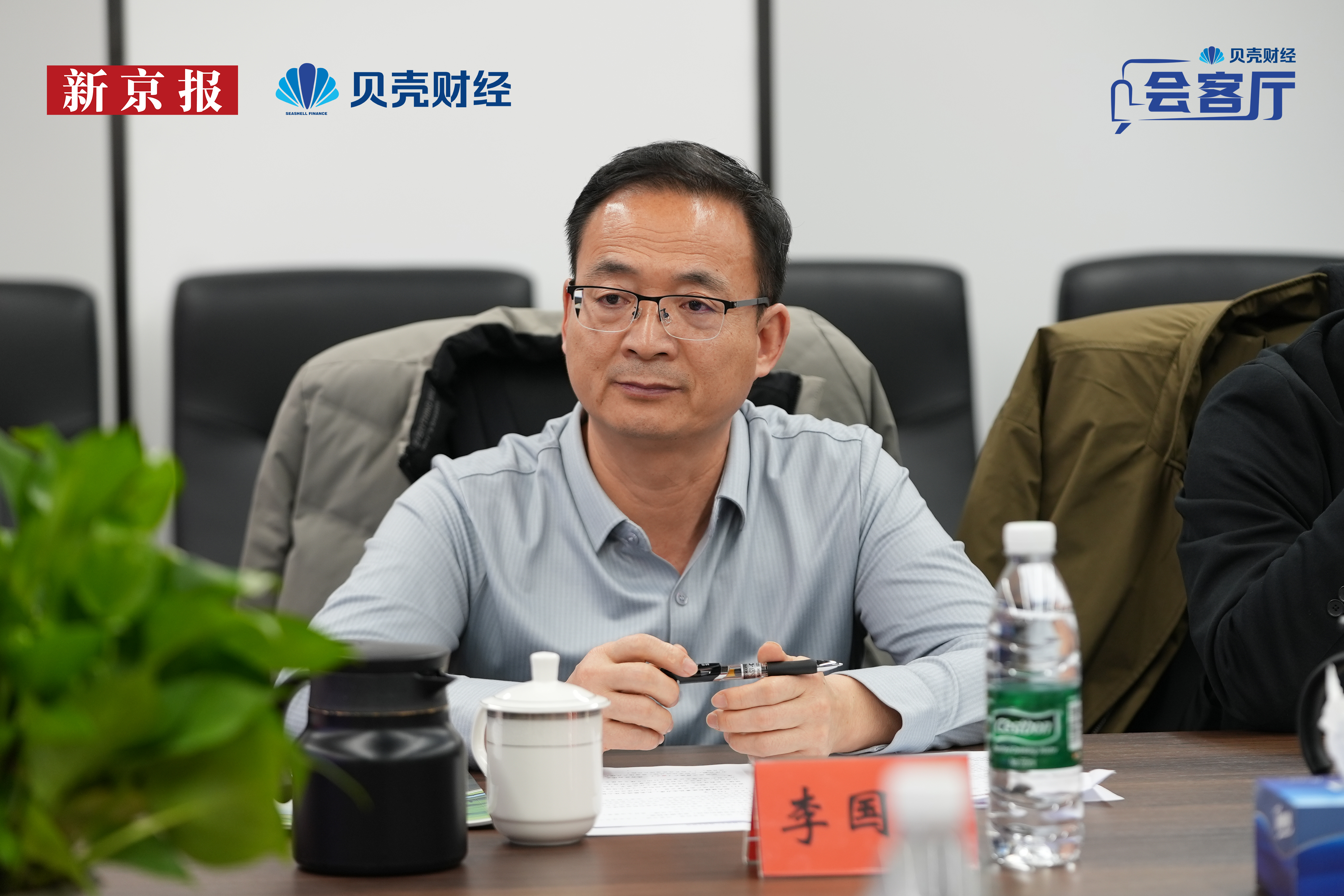
贝壳财经会客厅|民生为本+品质为王 “十五五”房地产迎大变革
Bei Ke Cai Jing· 2025-11-22 03:15
Core Insights - The real estate industry is undergoing a fundamental transformation in its development logic, shifting from a focus on "supply of goods" to prioritizing "people" and ensuring public welfare [4][8] - The "14th Five-Year Plan" had limited focus on real estate, while the "15th Five-Year Plan" emphasizes high-quality development and risk management in the sector [7][31] Group 1: Policy Signals and Development Logic - The "15th Five-Year Plan" includes key proposals for the real estate sector, such as building "safe, comfortable, green, and smart" homes and optimizing the supply of affordable housing [3][4] - The central government is placing significant emphasis on risk prevention in real estate, recognizing its impact on local government debt and financial institutions [7][31] Group 2: Industry Transformation and Quality Improvement - The industry is transitioning from a focus on scale to enhancing product quality, with a new standard for housing that includes safety, comfort, and sustainability [8][12] - The concept of "good housing" is being defined with specific criteria, including safety measures, comfort metrics, and green building materials [13][18] Group 3: Corporate Strategies and Market Dynamics - Real estate companies are shifting their roles from merely building and selling homes to providing comprehensive lifecycle services [14][30] - Companies like Beixin Building Materials are already implementing strategic transformations to focus on quality and service, addressing consumer pain points [14][19] Group 4: Industry Collaboration and Ecosystem Development - There is a consensus on the need for an upgraded industrial chain to support the construction of "good housing," which will drive demand and stimulate economic growth [24][31] - The integration of industrialization, green technology, and digitalization is essential for breaking down barriers in design, production, and construction [26][27]

从“住有所居”到“住有优居”:华润置地引领新时代居住革命
Guan Cha Zhe Wang· 2025-11-21 03:48
Core Insights - The concept of "good housing" has been officially recognized in government reports, emphasizing safety, comfort, sustainability, and intelligence as core standards for residential needs in the new era [1][2] - China’s housing development is shifting focus from mere availability to quality, aiming to enhance residents' living standards and happiness through tailored solutions for diverse demographics [2][4] Group 1: Good Housing Framework - The "good housing" framework is built on respect and care for individuals, transitioning from "having housing" to "having good housing" [2] - The "good housing" system by China Resources Land includes "good products, good communities, and good services," supported by a "ten energy system" to ensure comprehensive living experiences [1][4] Group 2: Full-Cycle Renewal Technology - The "full-cycle renewal technology" allows flexible adjustments in living spaces using modular, industrialized, and column-free designs, enabling homes to adapt to changing family needs [4] - A comprehensive home renovation service system is established to cater to families with children and the elderly, ensuring homes remain aligned with evolving needs [4] Group 3: Affordable Rental Housing - The "Nest" brand under China Resources Land offers a multi-tier rental supply system, including compact units designed for young urban residents, maximizing functionality in limited space [6] - The rental model encourages tenant participation in community space improvements, fostering a sense of belonging [6] Group 4: Complete Community Development - The concept of a "complete community" is defined by a 15-minute living circle, integrating essential services like healthcare, childcare, and shopping within close proximity [8][9] - China Resources Land's diverse business operations, including commercial properties and asset management, support the development of these complete communities [9][10] Group 5: Operational Excellence - The operational strategy, termed "good maintenance," integrates housing management, community governance, and urban operations, enhancing overall service delivery [15][16] - Advanced technologies such as AI and IoT are employed to create smart community management systems, improving efficiency and safety for residents [17] Group 6: Urban Operations Model - The "Nanshan Model" exemplifies successful urban operations, focusing on integrated city services and community engagement, which can be adapted to various urban contexts across China [19] - The holistic approach to housing and community development positions "good housing" as a vital link between individual lives, community warmth, and urban growth [19]


万科将进一步剥离资产改善现金流,年内已向大股东借款超过300亿元
Xin Lang Cai Jing· 2025-11-20 09:21
Core Viewpoint - Vanke is focusing on improving operations and management while planning to divest non-core assets to enhance cash flow and debt structure [1][2] Group 1: Company Operations and Financials - Vanke's total revenue from service operations for the first three quarters of 2025 was 43.57 billion yuan, a year-on-year increase of 1.1% [1] - For the first three quarters of this year, Vanke reported total revenue of 161.39 billion yuan, a year-on-year decrease of 26.61%, with a net loss of 28.02 billion yuan [4] - In the third quarter, Vanke's revenue was 56.07 billion yuan, down 27.3% year-on-year, and the net loss attributable to shareholders was 16.07 billion yuan, an increase in loss of 98% year-on-year [4] Group 2: Shareholder Support and Debt Management - The chairman of Vanke stated that the company is facing severe challenges and needs collective efforts to address risks and improve its situation [1] - Since the annual shareholder meeting on June 27, 2025, the major shareholder, Shenzhen Metro Group, has provided a total of 30.796 billion yuan in loans to Vanke to alleviate cash flow issues [2] - On November 11, 2025, Vanke announced that Shenzhen Metro Group would provide up to 1.666 billion yuan in loans to repay bond principal and interest [2] Group 3: Market Outlook - The executive vice president of Vanke expressed optimism about the real estate market, suggesting that with ongoing policy implementation, the industry is expected to gradually emerge from the adjustment period and enter a new phase of stable development [2]


收纳难、空间挤?长安华曦府・金安重构“好房子”收纳标准
3 6 Ke· 2025-11-20 02:27
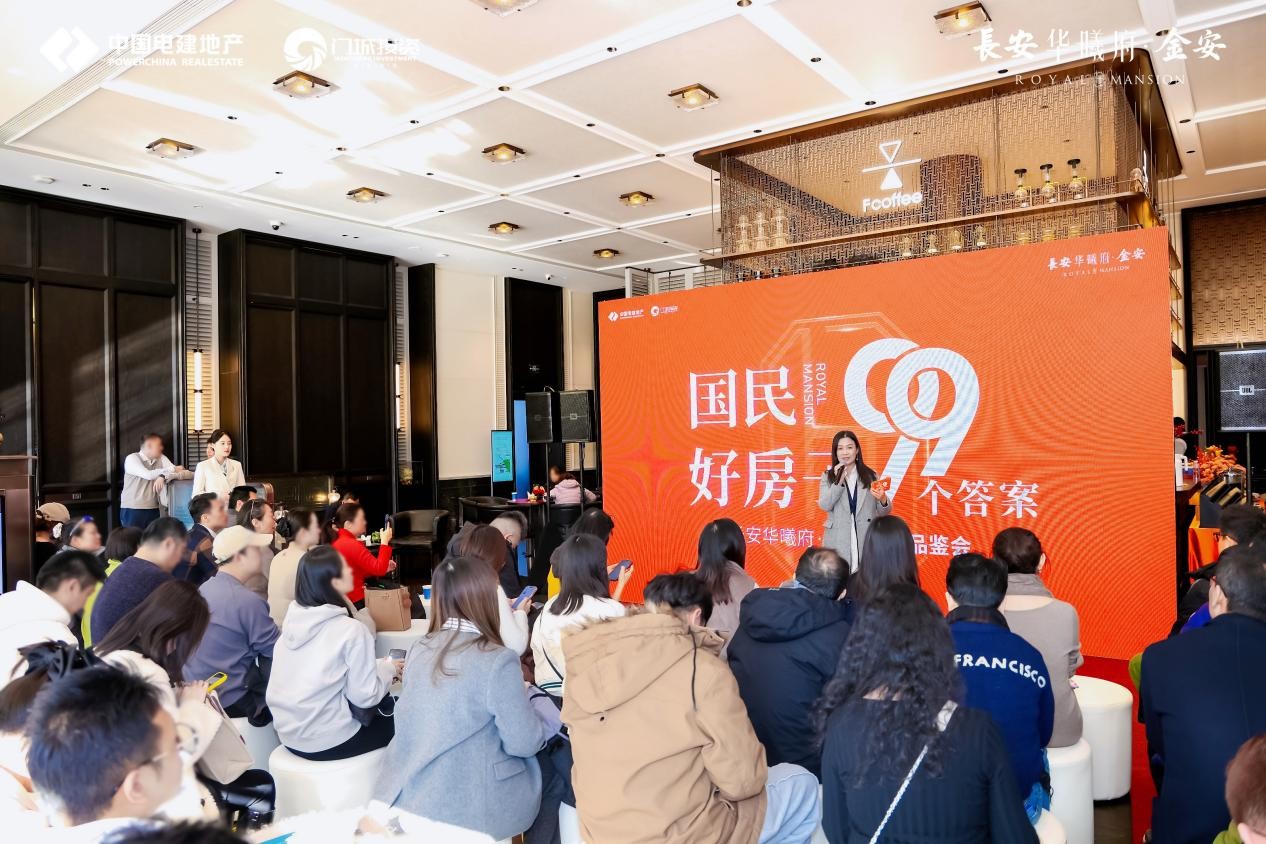
Core Insights - The media appreciation event for the Chang'an Huaxi Mansion·Jinan project by China Electric Power Construction Real Estate showcased the essence of "good housing" and aimed to invigorate the housing market in western Beijing [1][9] Group 1: Event Overview - The event gathered nearly 30 mainstream real estate media, industry data platforms, and well-known social media influencers to experience the project's product capabilities [1] - Participants acted as "residential experience officers," evaluating the demonstration area and aesthetic model rooms, focusing on design and practical living experiences [3] Group 2: Product Features - The project emphasizes practical storage solutions integrated into daily life, achieving a balance between space utilization efficiency and living comfort [5] - The design includes a wide hotel-style entrance and an independent sunken clubhouse, adhering to the Ministry of Housing and Urban-Rural Development's "6633 good housing standards" [7] Group 3: Location and Market Positioning - Chang'an Huaxi Mansion·Jinan is strategically located at the intersection of Mentougou and Shijingshan, close to the S1 subway line and surrounded by ecological resources, benefiting from regional development [7] - The project aims to fill the gap in the high-quality improvement housing market in western Beijing [7] Group 4: Corporate Commitment - The event highlighted China Electric Power Construction Real Estate's commitment to developing quality housing and enhancing living standards in Beijing [9][11] - The demonstration area and aesthetic model rooms are now open to the public, with plans for more high-quality residential projects in the future [11]
从空间营造到生活孵化:缦云上海打造“好房子”时代新范式
3 6 Ke· 2025-11-19 09:56
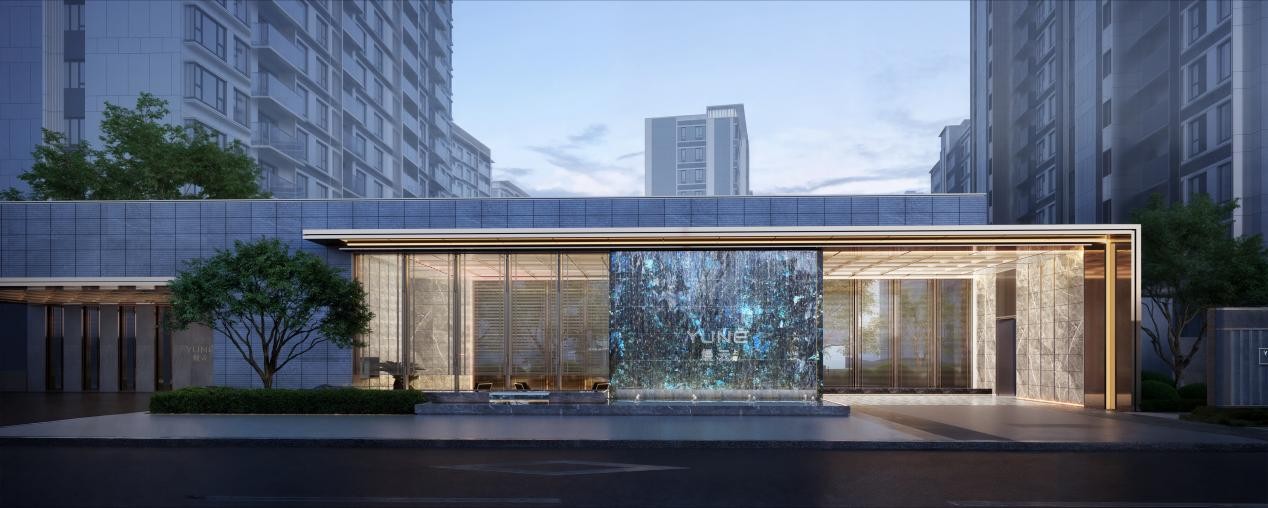
这一系列举措释放出明确信号:房地产行业正迈入以好房子为核心导向的高质量发展阶段。 中指研究院分析指出,这体现了中央对房地产的重视,也为行业锚定了高质量发展的方向。在即将到来的"十五五"时期,加快好房子建设、推动城市更新与 存量盘活,有望成为行业高质量发展的三大主线。 在行业进入信任重建的新周期后,房企的竞争逻辑也被重新定义。从讲故事到看兑现。谁能真正把产品造好、交付到位、服务落地,谁就能在市场分化中脱 颖而出。 在这一趋势下,一批注重产品兑现与品质持续迭代的高品质项目,正成为好房子概念的具象表达。在上海,缦云上海代表新盘兑现力,从建筑之美延伸至生 活之实;古北99则代表焕新力,从老盘更新走向生活运营。一个兑现未来,一个兑现现在,共同构成了合生好房子体系的现实注脚。 从建筑兑现到生活兑现,缦云上海让好房子落地可见 在好房子建设的语境中,缦云上海是兑现力的注脚。 项目位于杨浦滨江板块,总建筑面积约88万平方米,涵盖住宅、商业、风貌保护建筑及办公空间。入市三年以来,缦云上海以260亿销售额成为近2年上海一 线滨江销售冠军,赢得近千户客户的认可与青睐。 缦云外立面采用大面积铝板,配合香槟金属边框与玻璃幕墙,营造出现代 ...
什么是年轻人眼中的“好房子”
Zhong Guo Qing Nian Bao· 2025-11-18 07:08
什么是年轻人眼中的"好房子" 每天早上8点20分,23岁的康康下楼从早点铺取走提前预订的早餐,步行5分钟到达地铁站,再乘坐15分 钟地铁直达公司。不到9点,他已经坐到工位上。"虽然现在合租的房间不到20平方米,但不管是房租价 格、周边配套还是通勤便利度,我都比较满意。"他说。 今年10月,中国青年报社联合保利发展北京公司发布《2025年北京互联网从业青年"好房子"需求调研报 告》(以下简称《报告》),其中显示,超七成00后受访者在租房生活,其中,合租占30.08%,整租占 41.46%。超四成受访者反映通勤距离过长、周边配套缺失是主要痛点。此外,房屋隔音差、采光弱、 户型不佳等问题也影响居住体验感。 一名互联网行业的受访者向中青报·中青网记者提供了一份"租房避坑宝典","踩坑"多集中在租金、居 住环境、中介服务态度、物业服务水平等方面。 一年前,康康来四川成都工作时,一直在寻找合适的租住房源。"我工作的地方在南边的金融城附近, 离单位越近的房子,租金就越高。稍微便宜点的,要么距离远,要么就是'老破小'。"康康前前后后挑 选了一两个月,始终没找到满意的房子,最后只能在4公里外的火车南站附近,暂时租下一间老旧房 ...