
资本运作

Search documents
最高大涨15倍,“易主”题材火了(附股)
Zheng Quan Shi Bao Wang· 2025-10-28 05:09
Core Viewpoint - The number of control right changes in A-share listed companies has reached a record high in 2025, driven by policy support and market demand, with over 112 cases reported by October 23, 2025 [1][2]. Group 1: Control Right Change Statistics - The number of control right changes has significantly increased, with 112 companies involved, marking the highest annual total in history [2]. - In 2020, the number of control right changes reached 100, and since then, the annual count has consistently exceeded 60 [2]. - Among companies planning control right changes, 22 have seen their stock prices double this year, with five of the top ten gainers involved in such transactions [2]. Group 2: Characteristics of Control Right Changes - A majority of the companies involved in control right changes are small-cap firms, with nearly 70% having a market capitalization below 5 billion [4]. - Many of these companies have poor performance, with approximately 52% expected to report losses in 2024 and a median debt ratio of around 42% [5]. - Private enterprises dominate the control right changes, accounting for about 76% of the cases, with 85 private companies involved [6]. - The most active regions for these transactions are economically developed areas, particularly Jiangsu, Guangdong, and Zhejiang [6]. Group 3: New Features in Control Right Changes - The acquisition subjects have become more diverse, with private capital playing a significant role, participating in 65 cases (60.19%) compared to 43 cases (39.81%) by state-owned enterprises [7]. - The methods of control right changes have become more flexible, with over 60% of cases in 2025 utilizing "agreement transfer + voting rights waiver" [7]. - Control right changes aimed at industrial synergy are increasingly common, benefiting companies like Qidi Pharmaceutical and Sanjia Technology [7][8]. Group 4: Impact on Company Performance - New controlling shareholders often bring transformative changes, injecting new vitality into companies, as seen with companies like Upway New Materials [9]. - Companies like *ST Yazhen have successfully pivoted to new industries post-control change, leading to significant stock price increases [10]. - The collaboration between new shareholders and existing companies can enhance operational efficiency and drive long-term growth, as demonstrated by North China Huachuang's acquisition of Chip Source Micro [10]. Group 5: Future Considerations for Investors - Investors should focus on the operational plans of new controlling shareholders post-acquisition, as effective capital operations can lead to rapid performance improvements [11]. - Successful control right changes have historically resulted in sustained stock price increases and improved performance metrics for companies involved [11].


筹划控制权易主数量创纪录 产业协同资本赋能 重构上市公司价值
Zheng Quan Shi Bao· 2025-10-27 22:14
Core Viewpoint - The number of control right transfers among listed companies in the A-share market has significantly increased this year, exceeding 100 cases, driven by policy support and market demand [1][2] Group 1: Current Status of Control Right Transactions - The number of control right transactions has reached a historical high, with 112 companies involved as of October 23, 2025 [2] - A significant portion of companies undergoing control right changes are small-cap firms, with nearly 70% having a market value below 5 billion [4] - Many companies involved in control right transactions have poor performance and high debt levels, with approximately 52% expected to report losses in 2024 [4] - Private enterprises dominate the control right transactions, accounting for nearly 76% of the cases [4] Group 2: Characteristics of Recent Transactions - The acquirers in recent control right transactions are more diverse, including state-owned enterprises, private companies, and private equity [5] - The methods of control right transfer have become more flexible, with over 60% of transactions in the first half of 2025 using innovative arrangements like voting rights delegation [5] - Transactions aimed at industrial synergy are becoming mainstream, with many companies expected to benefit from new controlling shareholders [5][6] Group 3: Impact on Company Performance - New controlling shareholders often bring significant transformation and revitalization to companies, leading to substantial stock price increases [7] - Successful examples include companies like Upwind New Materials and *ST Yazhen, which have seen dramatic stock price increases following control right changes [7][8] - The efficiency of control right transactions has improved, with the median time from planning to completion being only 75 days this year [6] Group 4: Investment Opportunities - Investors should focus on whether new controlling shareholders can change the company's situation and drive high-quality development through capital operations or industrial synergy [7] - Successful cases of control right transactions have led to sustained stock price increases and improved performance, indicating a potential win-win scenario for investors and companies [8][9]
筹划控制权易主数量创纪录产业协同资本赋能 重构上市公司价值
Zheng Quan Shi Bao· 2025-10-27 18:17
Core Viewpoint - The number of control right transfers among listed companies in the A-share market has significantly increased this year, exceeding 100 cases, driven by policy support and market demand [1][2] Group 1: Current Market Trends - The number of control right transactions has reached a historical high of 112 cases as of October 23, 2025, with a notable increase since 2020 [2] - 22 companies involved in control right transactions have seen their stock prices double this year, with five of the top ten gainers related to control right changes [2] - Small-cap companies dominate the control right transactions, with nearly 70% having a market value below 5 billion yuan before the announcements [4] Group 2: Company Characteristics - Companies undergoing control right changes generally exhibit poor performance, with approximately 52% expected to incur losses in 2024 and a median debt ratio of around 42% [4] - Private enterprises are the main players in control right transactions, accounting for nearly 76% of the cases, with 85 private companies involved [4] Group 3: Transaction Dynamics - The current wave of control right transactions features a more diverse range of acquirers, including state-owned enterprises, private companies, and private equity [5] - Innovative transaction methods are increasingly common, with over 60% of control right changes in the first half of 2025 utilizing "agreement transfer + voting rights waiver" models [5] Group 4: Impact on Company Development - New controlling shareholders often bring significant transformation and revitalization to companies, leading to substantial changes in fundamentals, as seen with companies like Upwind New Materials [7][8] - Successful control right changes can enhance operational performance and financial metrics, exemplified by companies like Zhaojin Mining and its improved revenue and profit figures [8]
精锻科技董事会全票通过参与认购股权投资基金议案
Xin Lang Cai Jing· 2025-10-27 12:41
Core Viewpoint - Jiangsu Pacific Precision Forging Technology Co., Ltd. (stock abbreviation: Precision Forging Technology, stock code: 300258) announced its participation in a private equity fund subscription, indicating a strategic move to expand its industrial synergy and capital operation space [1][3]. Meeting Details - The board meeting was held on October 26, 2025, with all 7 directors present, complying with the Company Law and Articles of Association [2]. - The meeting was conducted in a hybrid format of "on-site + video" and was chaired by Chairman Xia Hanguan [2]. Proposal Review Results - The proposal to participate in the private equity fund subscription was unanimously approved with 7 votes in favor, 0 against, and 0 abstentions [3]. - The company plans to disclose specific investment plans and fund details in a subsequent announcement through the designated information disclosure website of the China Securities Regulatory Commission [3]. - This investment initiative is expected to provide strategic support for Precision Forging Technology in areas such as supply chain integration and new business development, enhancing its overall competitiveness in the precision forging sector [3].

“中国LV”被立案!创始人400亿“豪赌”溃败,女二代接班就要还债
创业家· 2025-10-25 10:38
Core Viewpoint - The article discusses the downfall of Ru Yi Group, once dubbed "China's LVMH," due to financial mismanagement and regulatory issues, leading to significant losses and a decline in market value [4][11][42]. Financial Performance - Ru Yi Group reported a revenue of 154 million in the first half of 2025, a 32% decrease year-on-year, with a net loss of 95.7 million, marking a 105% increase in losses compared to the previous year [5][16]. - Cumulatively, the company has incurred losses of 2.1 billion from 2022 to the first half of 2025 [16]. Regulatory Issues - The China Securities Regulatory Commission (CSRC) initiated an investigation into Ru Yi Group for information disclosure violations, including misreporting 104 million in non-operating income and failing to disclose related party transactions [14][42]. - Following the investigation announcement, Ru Yi Group's stock price fell to approximately 5.2 yuan per share, with a market capitalization of less than 1.4 billion [14]. Leadership and Management Changes - Founder Qiu Yafu, once known as the "father of Chinese luxury," has been restricted from high consumption and is no longer eligible to serve as a senior executive for ten years due to regulatory penalties [15][41]. - Qiu's daughter, Qiu Chenran, took over leadership in 2024, but the company continues to face significant financial challenges [41][44]. Acquisition Strategy - Qiu Yafu's aggressive acquisition strategy involved spending over 40 billion to acquire multiple luxury brands globally, which ultimately led to financial strain as these assets failed to generate expected profits [19][30]. - At its peak, Ru Yi Group controlled four listed companies and over 40 luxury brands, accounting for about one-third of the global luxury market [20][30]. Debt and Financial Strain - By 2020, Ru Yi Group faced nearly 40 billion in debt, with deteriorating refinancing capabilities and increasing legal risks [35][41]. - The company struggled to meet obligations on bonds and faced multiple bankruptcy filings from acquired brands due to lack of financial support [39][40]. Market Perception and Future Outlook - The article serves as a cautionary tale about the risks of unchecked capital expansion and the importance of sustainable financial practices in the luxury goods sector [45].

手握17座金矿,资产暴增3900亿,紫金矿业成投资黑马
Sou Hu Cai Jing· 2025-10-25 02:48
Core Insights - The article highlights the remarkable growth and expansion of Zijin Mining, showcasing its impressive financial performance and strategic acquisitions in the mining sector [3][5][10]. Financial Performance - In the first nine months of 2025, Zijin Mining reported a revenue of 254.2 billion yuan and a net profit of 37.8 billion yuan, marking a 55% increase compared to the previous year [3]. - The company's gold sales reached 43.3 billion yuan, reflecting a nearly 70% increase year-on-year [5]. Strategic Acquisitions - On October 10, 2025, Zijin Mining acquired the RG gold mine in Kazakhstan for 8.6 billion yuan, increasing its number of gold mines to 17 [5]. - The RG gold mine is noted for its low extraction costs and strong profitability, with an average annual gold production of 6 tons expected between 2023 and 2024 [5]. Historical Context - Zijin Mining began its journey from the Zijinshan mining area in Fujian, initially considered a "chicken rib" mine due to low ore quality [8]. - The introduction of heap leaching technology significantly boosted its gold production from zero to over 1,000 kilograms within a few years [8]. Expansion Strategy - The company has aggressively expanded its operations, acquiring quality mines during downturns in gold prices, and has established a presence in 17 countries with over 30 large mining projects [10]. - Zijin Mining's average acquisition cost is reported to be $61.3 per ounce, which is lower than the industry average [10]. Market Dynamics - The surge in global gold prices, rising from $2,700 per ounce at the beginning of the year to $4,300 by mid-October, has significantly contributed to Zijin Mining's market valuation increase of 390 billion yuan [12][13]. - The company's high debt-to-asset ratio of 56.36% indicates a reliance on leverage for its aggressive expansion [13]. Investor Sentiment - There is a mix of optimism and skepticism among employees and the public regarding the company's rapid acquisitions and operational conditions, with some expressing concerns about outdated equipment and safety issues [12]. - The article emphasizes the importance for investors to remain cautious and informed about the high volatility and risks associated with mining stocks [14].


大华股份:2025年前三季度净利大增38.92%,现金流激增1351%,非经常性收益贡献显著
Hua Er Jie Jian Wen· 2025-10-24 13:23
Financial Performance - The company achieved operating revenue of 22.913 billion, a year-on-year increase of 2.06%, indicating a slowdown in growth compared to previous years [2] - Net profit attributable to shareholders reached 3.535 billion, up 38.92% year-on-year, while the net profit after deducting non-recurring items was 2.556 billion, reflecting a 13.04% increase [2] - Operating cash flow net amount was 1.564 billion, a significant increase of 1,351.77% year-on-year, primarily due to increased sales collections [4] Non-Recurring Income - Non-recurring gains totaled 979 million, a substantial increase from the previous year, mainly from asset disposals, government subsidies, investment income, and fair value changes [3] - Investment income grew by 214.03%, and fair value changes surged by 1,522.63%, indicating active capital operations and asset management [3] Cash Flow Improvement - The company experienced a fundamental improvement in cash flow, alleviating previous market concerns regarding high accounts receivable and collection pressures [4] - Investment cash flow net outflow was 2.468 billion, narrowing compared to the previous year, suggesting a more rational investment pace [4] Asset and Liability Structure - Total assets stood at 52.144 billion, slightly down 1.12% from the beginning of the year, while net assets attributable to shareholders increased by 6.09% to 38.223 billion [5] - Cash and cash equivalents amounted to 7.823 billion, with short-term borrowings significantly reduced to 202 million, indicating a substantial decrease in debt pressure [5] Capital Operations and Incentive Mechanisms - The company's subsidiary, Huairui Technology, plans to transition from A-shares to Hong Kong listing, reflecting strategic considerations for internationalization and diversified capital markets [7] - The second exercise period of the equity incentive has ended, with some unachieved options canceled, and the remaining incentive fulfillment is worth monitoring [7] Future Focus - The market's core expectations for the company revolve around the sustainable growth of its core business and stable profit enhancement [8] - The significant profit increase this period was mainly driven by non-recurring items, raising questions about the sustainability of these earnings and the potential for core business growth [8]

每天赚2个亿,卖铲人宁王再封神
36氪· 2025-10-24 00:27
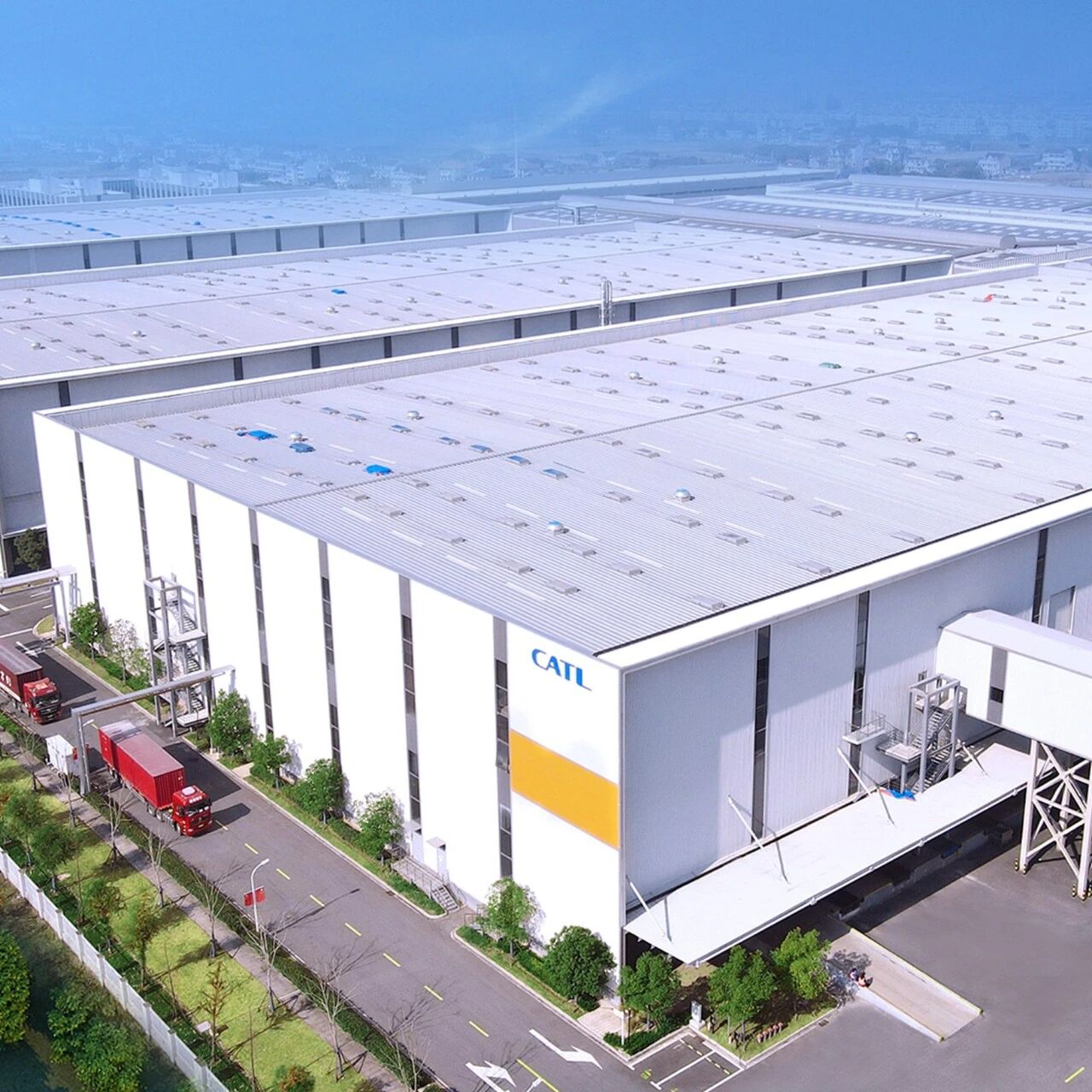
Core Viewpoint - CATL (Contemporary Amperex Technology Co., Limited) has demonstrated significant financial growth in Q3 2025, achieving record profits and revenue, while also expanding its market presence internationally and diversifying its business model towards energy storage and consumer markets [4][6][14]. Financial Performance - In Q3 2025, CATL reported revenue of 1041.86 billion yuan, a year-on-year increase of 12.90%, and a net profit of 185.49 billion yuan, up 41.21%, marking the highest quarterly profit in the company's history [4][11]. - For the first three quarters of 2025, total revenue reached 2830.72 billion yuan, with a year-on-year growth of 9.28%, and net profit increased by 36.20% to 490.34 billion yuan [5][6]. - The company's operating cash flow for the first three quarters was 806.6 billion yuan, reflecting a 19.6% increase, indicating strong self-financing capabilities [7][11]. Profitability and Margins - CATL's net profit margin in Q3 reached 19.1%, an increase of 4.1 percentage points compared to the same period last year, highlighting improved profitability [15]. - The company achieved an average daily profit of over 200 million yuan in Q3, compared to less than 140 million yuan in the previous year [13]. Market Position and Challenges - Despite maintaining a leading position in the global electric vehicle battery market with a 36.8% share, CATL's market share has slightly declined from 37.7% year-on-year [24]. - In the domestic market, CATL's share decreased by 3.1 percentage points to 42.75%, marking the lowest level in five years [24]. International Expansion and Strategy - CATL's overseas revenue reached 612 billion yuan in the first half of 2025, accounting for 34.22% of total revenue, with plans to increase overseas production capacity to 40% by 2026 [27]. - The company is focusing on expanding its presence in Europe and North America, with significant market shares of 35% and 28% respectively [28]. - The funds raised from the Hong Kong IPO are primarily allocated for overseas capacity construction, particularly in Hungary [27][29]. Diversification into Energy Storage - CATL is increasing its focus on energy storage systems, which accounted for approximately 20% of its total shipments in Q3 2025 [31]. - The company is expanding its production capacity for energy storage batteries across multiple locations in China, anticipating significant demand from data centers [31]. New Business Ventures - CATL is entering the consumer market with its battery swapping service, targeting the C-end market for the first time, which could open new growth avenues [33][34].

剑南春的资本阳谋:国资入局下的控制权博弈与娃哈哈前车之鉴
Sou Hu Cai Jing· 2025-10-23 19:20
Group 1 - The core viewpoint of the article highlights that Jian Nan Chun is facing dual challenges of cash flow pressure and strategic transformation amid increasing differentiation in the liquor industry, as evidenced by recent capital operations including the reduction of shares in Huaxi Securities and the introduction of state-owned capital from Mianzhu [1][3] - The reduction of shares in Huaxi Securities by Jian Nan Chun, which will decrease its holding from 6.79% to 5.79%, reflects urgent liquidity pressures, especially as the company faces slowing revenue growth and significant financial burdens from legal issues involving its former chairman [3][4] - The entry of Mianzhu state-owned assets as a significant shareholder (14.51% stake) through a debt-equity swap is seen as a strategic move to improve Jian Nan Chun's financial structure and enhance its credibility, while also potentially complicating the governance and control dynamics within the company [4][8] Group 2 - The capital operations of Jian Nan Chun illustrate the broader challenges faced by second-tier liquor companies in an increasingly competitive market, as they must address historical issues while striving for growth and market positioning [11] - The involvement of state-owned capital is expected to provide crucial support for Jian Nan Chun's goal of going public by 2027, although the company must still tackle fundamental issues such as product structure upgrades and brand value enhancement [11] - The evolving relationship between the founding family and state-owned investors will significantly impact the company's strategic execution and governance, raising questions about the balance of control and operational autonomy [9][11]

富春股份三季报披露前夕财务总监突然辞职 上半年游戏收入同比翻倍但仍未扭亏
Xin Lang Zheng Quan· 2025-10-23 07:00
Core Insights - The resignation of Lin Mei, the Vice President and CFO of Fuchun Co., indicates potential strategic adjustments or governance restructuring within the company, as it marks the sixth executive change in the past year [1][4] - Despite a significant increase in gaming revenue, the company reported a net loss of 9.71 million yuan, highlighting underlying issues in cost control and overall profitability [2][6] - The appointment of the new CFO, Xing Bing, who has a strong background in capital operations, suggests that the company may be preparing for future financing or business expansion [3][6] Executive Changes - Lin Mei resigned from all positions on October 22, 2025, after previously stepping down from her role as a worker representative director on October 14 [1] - This change follows the earlier replacement of the chairman in August 2025, indicating a trend of high-level turnover within the company [1][4] - Xing Bing, the new CFO, is 39 years old and has a dual degree in Physics and Financial Management, along with a Master's degree from Peking University [3] Financial Performance - Fuchun Co. reported a revenue of 182 million yuan for the first half of 2025, with gaming business revenue doubling and accounting for 65% of total revenue [2] - The company faced a net loss of 9.71 million yuan, raising concerns about its profitability despite revenue growth [2][6] - The stock price closed at 6.26 yuan on October 22, 2025, reflecting a decline of 0.48%, indicating market skepticism regarding the company's financial health [5] Market Reactions - The market reacted cautiously to the CFO change, with institutional investors showing a net outflow of 6.74 million yuan, while retail investors exhibited net inflows [5] - The timing of the CFO change before the quarterly report raises concerns about the reliability of the financial data to be disclosed [4] Strategic Outlook - The new CFO's background in capital operations may align with the company's potential plans for capital mobilization to support its gaming expansion or new business ventures [3][6] - Investors are advised to monitor key indicators in the upcoming quarterly report, including the quality of gaming revenue growth and overall cash flow [6]
