产业升级

Search documents
续写“与中国同行”新篇章
Jin Rong Shi Bao· 2025-11-06 03:43
Group 1 - The 8th China International Import Expo (CIIE) has commenced in Shanghai, attracting participation from 155 countries and regions, with 4,108 foreign enterprises, showcasing China's commitment to openness and cooperation [1][2] - The CIIE has become a significant platform for global trade cooperation, with over 50 billion USD in intended transaction value accumulated over the past seven sessions, reflecting China's strong market potential [1][5] - China has maintained its position as the world's second-largest import market for 16 consecutive years, with imports of goods and services expected to exceed 15 trillion USD during the 14th Five-Year Plan period [4][5] Group 2 - The CIIE emphasizes "openness" and "equality," providing a fair platform for global business participants, which is crucial in the context of rising protectionism and anti-globalization sentiments [2][3] - China has expanded its open port layout, adding 40 new and expanded open ports, and has eliminated restrictions on foreign investment in the manufacturing sector, enhancing its attractiveness as a trade partner [2][3] - The event showcases 461 new products, technologies, and services, positioning China as a global innovation hub and facilitating international collaboration [6][7] Group 3 - The CIIE serves as a stage for observing China's high-level opening-up and offers immersive experiences of its vast market advantages, with record exhibition space and participant numbers this year [4][5] - The event reflects international confidence in China's economy, with a growing number of countries viewing China as a key trade partner, contributing to a stable global economic environment [3][4] - The CIIE is increasingly recognized as a vital channel for integrating global innovation resources and promoting the transformation of economic dynamics [6][7]
英大证券晨会纪要-20251106
British Securities· 2025-11-06 02:48
Group 1 - A-shares demonstrate resilience amidst global market fluctuations, supported by long-term funds like insurance and pension investments, alongside company buybacks [2][9][10] - The dual drivers of industrial upgrades and policy benefits are providing support to the market, with expectations for stable growth emerging from important year-end meetings [2][9] - Micro-level changes in industries, such as the continuous penetration of new energy vehicles and substantial progress in semiconductor localization, are reshaping profit expectations for listed companies [2][10] Group 2 - Recent market activity shows a mixed sentiment, with shrinking trading volumes indicating that investor enthusiasm has not fully recovered, and the technology sector's divergence may limit index recovery [3][10] - The investment strategy suggests a balanced allocation approach, focusing on technology growth sectors like AI, semiconductors, and robotics, as well as high-dividend defensive sectors such as banking and utilities [3][10] - The cyclical style, including sectors like photovoltaic, battery, energy storage, and rare earths, is expected to benefit from policy changes aimed at optimizing industry structures and improving profitability [3][10] Group 3 - The recent surge in Hainan Free Trade Zone stocks is attributed to the imminent launch of the free trade port operations, expected to officially start on December 18 this year [8] - The new energy sector is anticipated to experience a technical rebound, driven by ongoing global efforts to achieve carbon neutrality and the demand for lithium batteries, photovoltaics, and wind energy [7][10]
【西安】让科技“种子”尽快开花结果
Shan Xi Ri Bao· 2025-11-05 23:15
Core Viewpoint - The article highlights the role of the Chang'an Pioneer Innovation Center in bridging the gap between scientific research and industrial application, emphasizing the importance of technology managers in facilitating this process [2][5][11]. Group 1: Role of Technology Managers - Technology managers at Chang'an Pioneer serve as intermediaries between research institutions and the market, possessing knowledge of both technology and market needs [5][6]. - The center has a team of 755 technology managers, many of whom have cross-disciplinary backgrounds, enhancing their ability to connect research with industry [5][12]. - The transformation of scientific achievements into marketable products requires a deep understanding of both technical specifications and production realities [4][10]. Group 2: Innovation and Collaboration - Chang'an Pioneer aims to create a collaborative ecosystem by integrating resources from over 30 research institutions, universities, and enterprises to develop a domestic industrial software ecosystem [12][13]. - The center's approach includes providing comprehensive support throughout the innovation cycle, from technical research to market launch [11][12]. - The establishment of a domestic software adaptation center is a significant step towards overcoming reliance on imported technologies in high-end manufacturing [9][12]. Group 3: Talent Development - The center has initiated a talent cultivation program, the Zhonglin Class, to develop skilled professionals in the field of nanotechnology, addressing the shortage of interdisciplinary talent [13][16]. - This program employs a continuous education model, allowing students to engage in research projects from their first year, fostering practical skills and international exposure [16]. - The center has successfully gathered over 2,500 high-level talents, including 57 academicians, contributing to advancements in various fields such as aerospace, life sciences, and artificial intelligence [16].
161万亿存款冻僵中国经济?房地产熄火后,普通人赚钱的机会藏在这三个领域
Sou Hu Cai Jing· 2025-11-05 19:51
Group 1: Economic Overview - The total savings of Chinese citizens surged from 70 trillion to 161 trillion over five years, with an average increase of nearly 65,000 yuan per person, indicating a significant accumulation of wealth that is not flowing into the consumer market [1][3] - The M2 money supply has exceeded 335 trillion, significantly surpassing the reasonable level of twice the GDP, leading to a blockage of 65 trillion yuan in the banking system, which directly impacts consumer spending and investment [3][5] - The real estate market, once a cornerstone of household wealth, has seen prices decline by an average of 30% in first-tier cities, causing families to prioritize cash reserves over investments [3][5] Group 2: Challenges Facing the Economy - The decline in the real estate sector is attributed to three major challenges: the fading demographic dividend, obstacles to globalization, and the unsustainable land finance model [5] - The birth rate has plummeted from 17.86 million in 2016 to 9.54 million in 2024, with a total fertility rate of 1.1, which is lower than Japan's [5] - The shift in consumer confidence is evident as young people face employment pressures, with over 60% earning less than 6,000 yuan per month, leading to a cautious approach towards spending [1][3] Group 3: Policy Responses and Opportunities - The government aims to stimulate the economy through technology innovation, domestic demand, and deepening reforms, with an annual investment of 1 trillion yuan in technology via long-term special bonds [5][7] - The potential for domestic consumption is significant, with 400 million middle-income individuals having a service consumption rate of only 46%, compared to 68% in the U.S. [7] - The real estate transformation presents new opportunities, with projects like affordable housing and urban renewal expected to generate nearly 2 trillion yuan in investments annually [7][8] Group 4: Shifts in Wealth Allocation - There is a notable shift in wealth allocation among Chinese households, moving from a focus on real estate to seeking new investment avenues in the stock market, particularly in technology sectors [8][10] - The capital market reforms have positioned the stock market as a vital funding source for innovative enterprises, redirecting funds from real estate to emerging sectors like AI and low-altitude economy [8][10] - The housing market dynamics are changing, with a focus on proximity to urban centers and newer properties becoming critical factors for homebuyers, while older properties face depreciation risks [10]


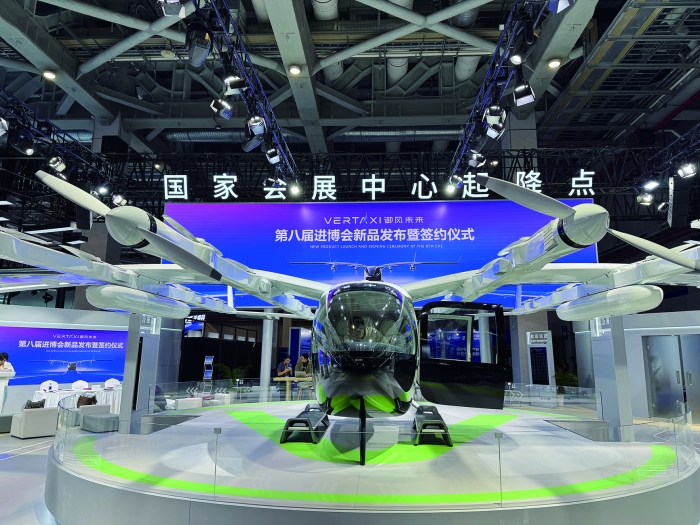
进博会“新”品涌现 “新朋友”纷至沓来 中国市场成外企眼中“确定性的绿洲”
Shang Hai Zheng Quan Bao· 2025-11-05 18:41
Core Insights - The 8th China International Import Expo (CIIE) opened in Shanghai on November 5, showcasing its evolution from a product display platform to an accelerator for innovative technologies, with many products launched in previous expos now thriving in the Chinese market [5][6] - CIIE continues to leverage China's large market to address global demand uncertainties, providing a "certainty" for international brands looking to enter the Chinese consumer market [5][6] Group 1: Event Overview - The CIIE has become a significant venue for international brands, with many making their debut at this year's event, including collaborations with platforms like Vipshop to enhance consumer reach [5] - Vipshop has created a "Cloud CIIE" section for the third consecutive year, integrating it with the platform's Double 11 shopping festival to facilitate connections between international brands and Chinese consumers [5] Group 2: Innovation and Technology - The expo features 461 new products, technologies, and services, highlighting China's role as a testing ground for global innovation and providing a competitive ecosystem for new technology adoption [6] - Companies like Michelin emphasize the importance of CIIE in promoting innovative results in China, contributing to the development of a greener, more efficient, and smarter industrial ecosystem [6] Group 3: Industry Collaboration - Qualcomm showcased its innovations at the expo, emphasizing deep integration of global technology visions with China's industrial needs, and has collaborated with over 90 Chinese partners on 170 digital transformation projects since 2019 [7] - The cumulative intended transaction amount from the first seven CIIEs exceeded $500 billion, reinforcing the expo's status as a platform for observing China's high-level opening-up and experiencing its vast market advantages [7]


大湾区工业博览会在深圳开幕,首创国潮机床展等破局内卷
Nan Fang Du Shi Bao· 2025-11-05 14:23
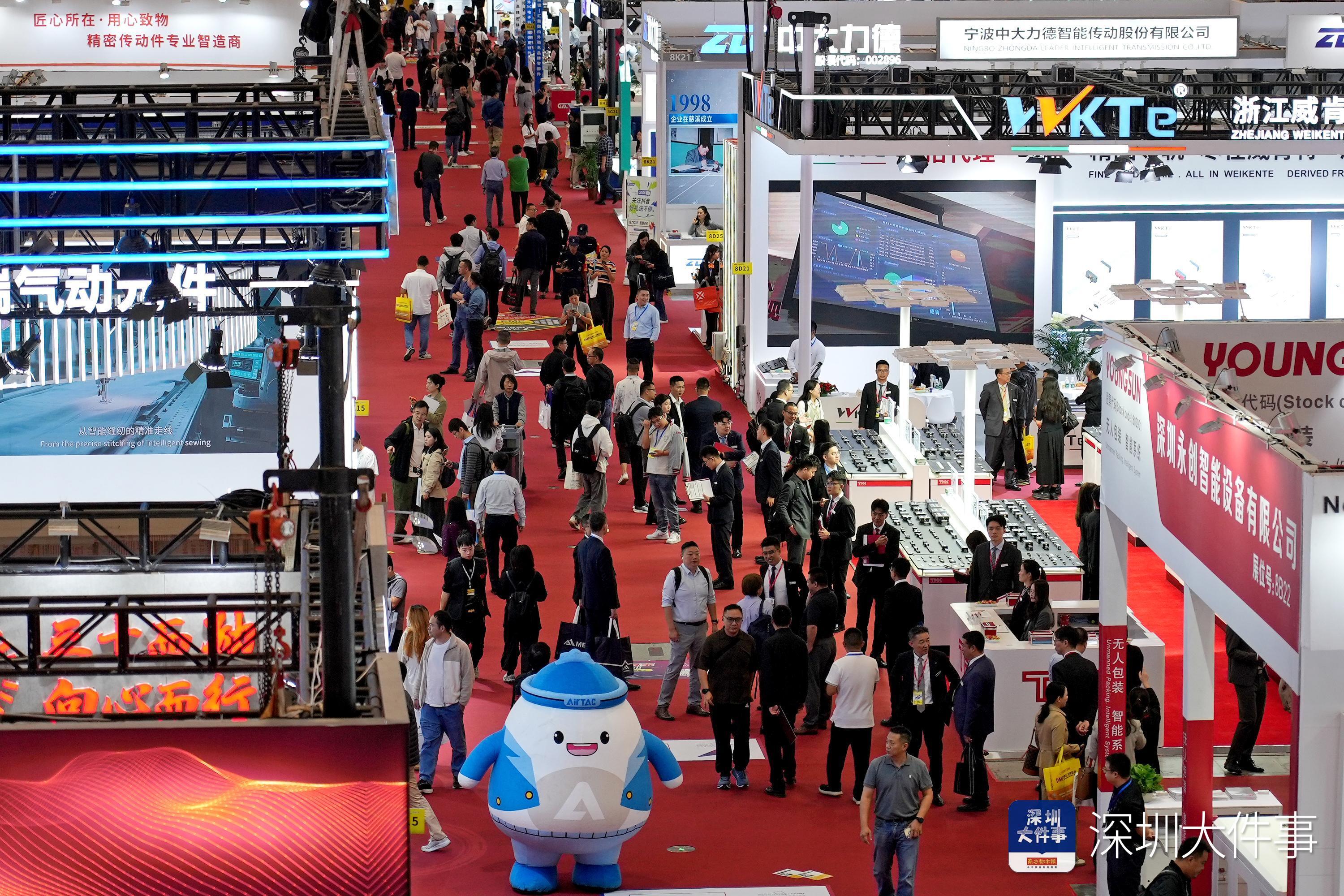
Core Insights - The 2025 DMP Greater Bay Area Industrial Expo opened in Shenzhen, focusing on "full-chain collaboration and intelligent innovation for the future" [1] - The expo aims to inject new momentum into the manufacturing industry in the Greater Bay Area and nationwide, signaling a shift away from internal competition towards deeper development [1] Group 1: Key Exhibitions and Themes - The "Guochao Machine Tool Exhibition" was highlighted at the opening ceremony, featuring over 100 leading domestic machine tool companies, including Gree, showcasing breakthroughs in self-developed five-axis CNC machines and intelligent CNC systems [4] - The 7th China International CNC Tool Festival, held concurrently, focused on "AI empowering materials and innovative integration," gathering top experts to discuss cutting-edge trends in cutting technology [4] Group 2: Technological Advancements - Chinese enterprises are showcasing their hard-core technological capabilities, providing disruptive solutions for sectors like new energy vehicles and 3C electronics, addressing long-standing technical challenges [8] - The exhibition reflects a multi-point breakthrough in high-end manufacturing, indicating a positive ecosystem forming around "material innovation, process upgrades, equipment breakthroughs, and industrial implementation" [8] Group 3: Digital Transformation and Industry Collaboration - The Manufacturing Digitalization Expo (Shenzhen) emphasizes "precise linkage of supply and demand for digital transformation, intelligent upgrades, and green development in manufacturing," tailored for the Greater Bay Area [9] - The DMP Expo's core mission is to unite all possible resources through cross-industry integration to elevate industrial capabilities, providing a new model for breaking through internal competition in the industrial exhibition sector [13] - The event will continue until November 8, featuring multiple technical matchmaking sessions and signing activities, facilitating precise cooperation and resource sharing among global professional buyers and exhibitors [13]
沪宁股份(300669.SZ):拟向虹剑光电投资4000万元
Ge Long Hui A P P· 2025-11-05 13:13
Core Viewpoint - The company, Huning Co., Ltd. (300669.SZ), plans to invest 40 million yuan in Shanghai Hongjian Optoelectronics Technology Co., Ltd., acquiring an additional 622,910 yuan in registered capital, marking a strategic move into the optoelectronics sector [1] Investment Details - The investment involves a total of 40 million yuan, which will increase the registered capital of Hongjian Optoelectronics by 622,910 yuan [1] - The existing shareholder, Suzhou Guoke Haoyu Venture Capital Partnership (Limited Partnership), is an associated party, making this investment an affiliated transaction [1] Strategic Implications - This investment aligns with national strategic directives and represents a critical decision to seize opportunities in industrial upgrades [1] - By investing in Hongjian Optoelectronics, the company aims to integrate its engineering experience in elevator component manufacturing with technological innovations in the optoelectronics field [1] - The goal is to build differentiated competitive barriers and achieve a strategic transformation towards high-end equipment manufacturing [1]

衢州新增一家A股上市公司!
Sou Hu Cai Jing· 2025-11-05 11:44
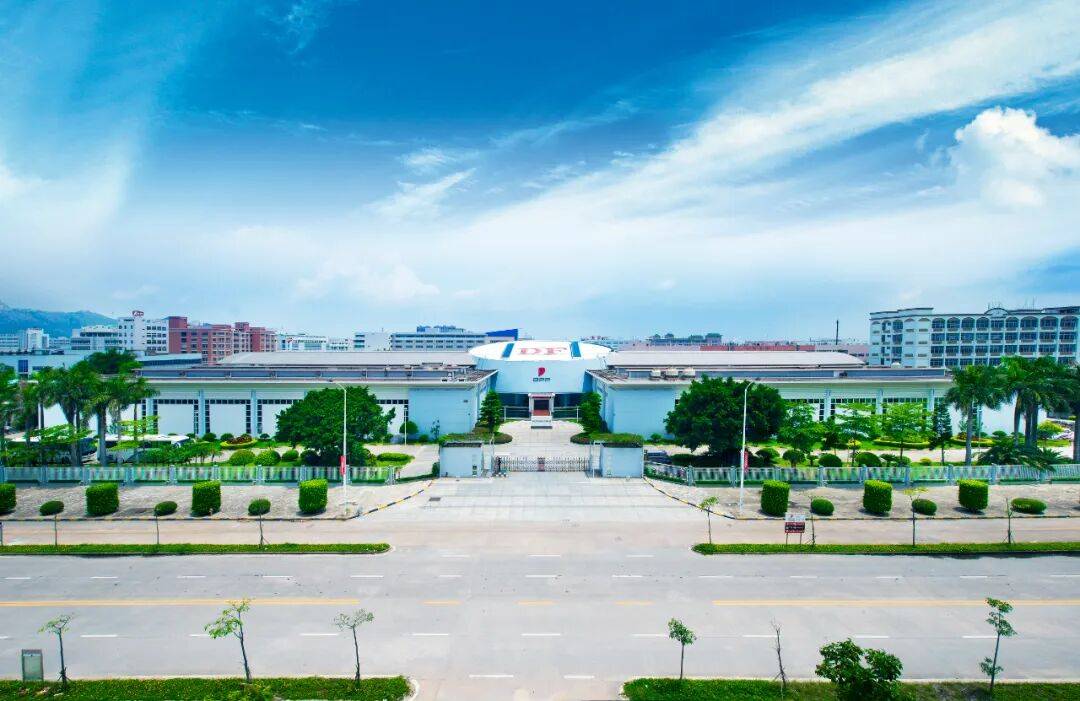
Group 1 - Guangdong Dongfeng New Materials Group Co., Ltd. has completed its business registration change, renaming itself to Quzhou Dongfeng New Materials Group Co., Ltd. and relocating its headquarters to Quzhou, Zhejiang Province [1] - As of now, Quzhou has a total of 22 listed companies, with 13 of them located in the Intelligent Manufacturing New City [1] - Dongfeng Group, established in 1983 and listed on the Shanghai Stock Exchange in 2012, has focused on new energy materials and pharmaceutical packaging, forming several business segments [3] Group 2 - In 2022, Dongfeng Group announced the acquisition of Boson New Materials, marking its entry into the lithium battery separator sector [3] - The company has made significant progress in reducing losses after Quzhou's acquisition of a 29.99% stake for 1.896 billion yuan, which has also led to a tax payment of approximately 165 million yuan [3][5] - The collaboration between Quzhou and Dongfeng Group aims to enhance the local economy and leverage the advantages of the new materials industry chain [5] Group 3 - Dongfeng Group's president expressed confidence in future development due to state-owned capital involvement and a favorable business environment in Quzhou [5] - Quzhou Industrial Group's vice president highlighted the benefits of acquiring listed company shares to expand state-owned assets and improve financing channels [5] - The financial service center in Intelligent Manufacturing New City aims to strengthen the industrial ecosystem and promote industrial upgrades through the acquisition of listed companies [5]

新质新造·兵团丨兵团迈向“智”造“新”造之路
Yang Guang Wang· 2025-11-05 11:26
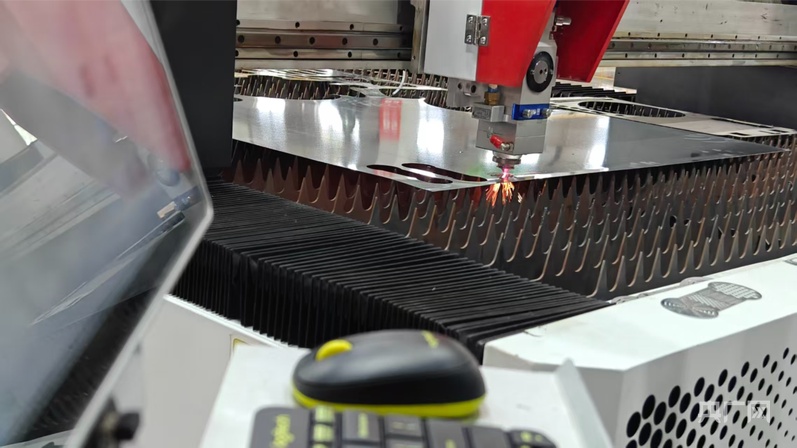
Core Insights - The Xinjiang Production and Construction Corps is undergoing a significant industrial transformation driven by technological innovation, particularly in laser manufacturing and drone technology [1] Group 1: Technological Breakthroughs - Xinjiang Tianshan Laser Intelligent Technology Co., Ltd. has developed the "Laser Brain" system, which optimizes processing paths, predicts equipment wear, and adjusts parameters automatically, achieving a product yield rate of 99.8%, a 40% increase in processing efficiency, and an 18% reduction in energy consumption [2] - Tianyu Aviation Technology Co., Ltd. has successfully produced and delivered the "Hongyan (HY100)" large domestic drone, completing a five-year development process and filing 110 invention patents in key areas such as flight control and communication [3] Group 2: Industrial Empowerment - The introduction of laser technology has revolutionized traditional manufacturing in Xinjiang, increasing product qualification rates from 85% to 98.5% and saving over 2 million yuan in rework costs annually [3] - The production process has been streamlined from five steps to a single laser forming process, increasing daily output from 3 sets to 8 sets and reducing production cycles by 60% [3] Group 3: Ecological Construction - The Tianshan Laser Industrial Park serves as both a production base and an innovative industrial ecosystem, connecting research, manufacturing, service, and talent chains through a "one circle, four chains" model [6] - The company has improved its component inventory turnover rate by 35% through collaboration with MES systems and supply chain planning, effectively reducing inventory costs [6] Group 4: Talent Development - Tianyu Aviation Technology Co., Ltd. has established a comprehensive training system in collaboration with Tarim Vocational Technical College, focusing on education and certification for large civil drone operators [8] - The company has been approved as a pilot unit for managing large civil drone operator licenses by the Civil Aviation Administration of China, contributing to the professional talent pool in the industry [8] Group 5: Future Outlook - The company plans to continue developing laser machine tools and industrial production, with a new generation of laser cleaning equipment aimed at wind turbine blades expected to reduce maintenance costs by 50% [8]
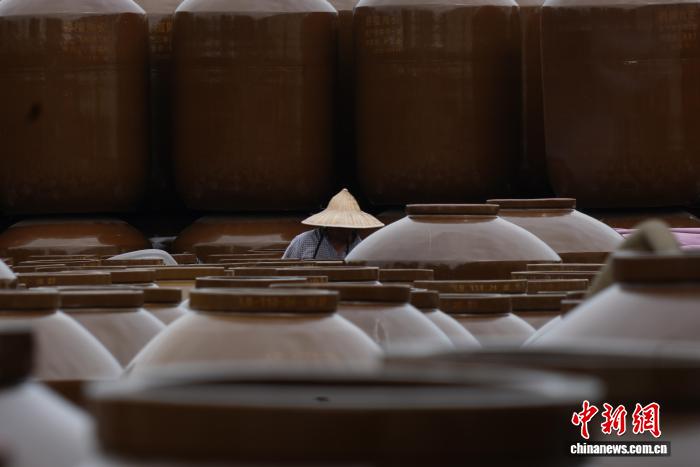
四川隆昌:陶缸产量全国第一 “淬炼”玻陶产业赋能县域经济
Zhong Guo Xin Wen Wang· 2025-11-05 09:21
Core Viewpoint - Sichuan Longchang has established itself as a leader in the glass and ceramic industry, with significant market shares in both glass wine bottles and ceramic jars, contributing to the local economy's high-quality development [1][3]. Industry Overview - Longchang's glass and ceramic industry holds a 13% market share in the national glass wine bottle market, with a 45% share in the high-end wine bottle segment, serving renowned clients like Moutai and Wuliangye [1]. - The production of ceramic jars in Longchang ranks first in the country, with one in every four wine jars being produced locally [1]. Innovation and Development - The local government is promoting the "smart transformation and digital upgrade" of the glass and ceramic industry, with nearly half of the production lines transitioning to green and low-carbon technologies, resulting in a 25% reduction in energy consumption [3]. - Longchang has established an innovation hub for industry-academia-research collaboration, partnering with universities to focus on technological advancements and has filed for 44 utility model patents [4]. Strategic Collaborations - Longchang has signed a "glass and ceramic marriage" agreement with Chongqing Rongchang District to enhance resource sharing, technology exchange, and market expansion [4]. - The local government aims to build Longchang into the "Glass and Ceramic Capital of Western China" through continued innovation and collaboration [4].