
人民币国际化

Search documents
9月净买入1.24吨,中国连续11个月增持黄金!金价疯涨,专家:买黄金仍是大方向
Mei Ri Jing Ji Xin Wen· 2025-10-07 11:24
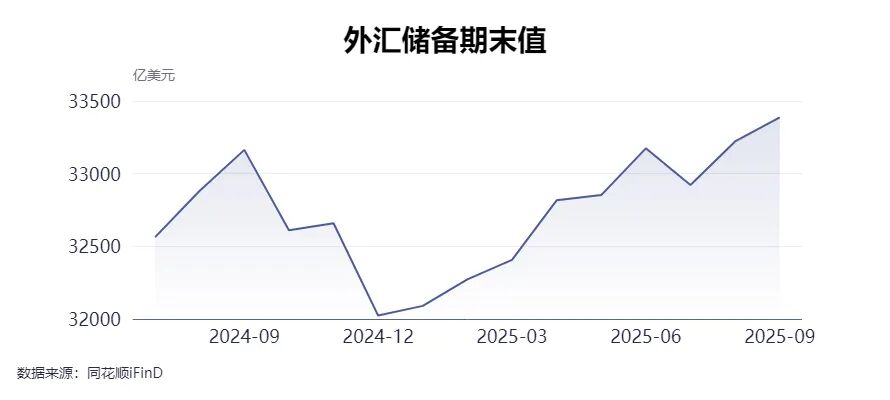
Core Points - As of September 2025, China's foreign exchange reserves reached $333.87 billion, an increase of $16.5 billion from the end of August, marking a 0.5% rise [1] - The foreign exchange reserves have reached the highest level since December 2015, with a significant increase of $136.3 billion compared to the end of the previous year [2][4] - The increase in reserves is attributed to the rise in global asset prices and the depreciation of the dollar, influenced by the Federal Reserve's decision to cut interest rates [6][7] Foreign Exchange Reserves - The foreign exchange reserves increased by $136.3 billion this year, supported by macroeconomic data and monetary policy changes in major economies [4][6] - The dollar index remained stable, with a slight decrease of 0.03% at the end of September, indicating that previous depreciation effects on non-dollar assets have diminished [6][7] - The reserves have consistently remained above $3.3 trillion for two consecutive months, the highest since December 2015 [6] Gold Reserves - As of September 2025, China's gold reserves stood at 7.406 million ounces, marking the 11th consecutive month of increase, although the increment has been relatively low in recent months [2][10] - The increase in gold reserves is driven by the need to optimize the international reserve structure amid rising global geopolitical risks and fluctuating gold prices [10][11] - The current gold reserves account for 7.7% of China's total international reserve assets, which is significantly below the global average of around 15% [10][11] Market Outlook - Analysts suggest that the central bank's continued accumulation of gold is a strategic move to enhance the credibility of the national currency and support the gradual internationalization of the renminbi [11] - The foreign exchange reserves are expected to remain stable, providing a buffer against external shocks and supporting the renminbi's exchange rate [8][11]

问题来了?中方刚要拿回铁矿石定价权,西芒杜铁矿就出事暂停运行
Sou Hu Cai Jing· 2025-10-07 09:46
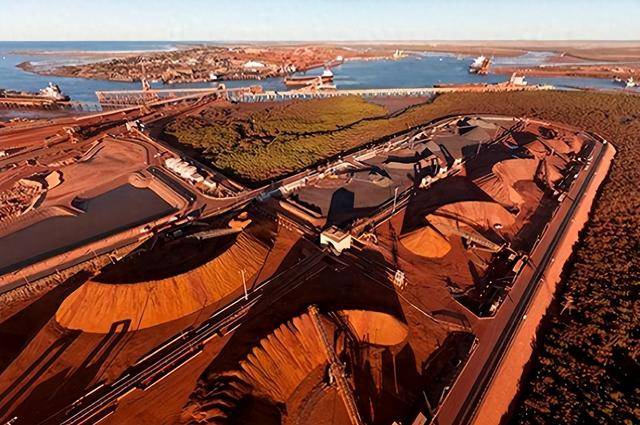
Core Viewpoint - The ongoing confrontation between China and Australia's BHP over iron ore procurement is not merely a commercial negotiation but a strategic battle aimed at redefining the long-standing pricing power in the global iron ore market [3][5][30] Group 1: Market Dynamics - The global iron ore supply is predominantly controlled by three major companies: BHP, Rio Tinto, and Vale, which together account for 61% of global seaborne exports [5][9] - China, as the largest buyer, has hundreds of steel companies acting independently, leading to a fragmented purchasing power that disadvantages them in negotiations [7][9] - It is estimated that this pricing imbalance could cost China over a thousand billion dollars in additional expenses for importing Australian iron ore this year [7] Group 2: Strategic Moves by China - In 2022, China established the China Mineral Resources Group (CMSG) to consolidate procurement from state-owned steel companies, transforming the negotiation dynamics from many small buyers to a single large buyer [9][12] - The Simandou iron ore project in Guinea, with over 2 billion tons of proven reserves and an average grade of 65%, is seen as a critical asset for China to enhance its bargaining power [12][14] - China has invested over 30 billion dollars in the Simandou project, which is expected to produce 12 million tons annually, representing about 10% of China's total iron ore imports [14][18] Group 3: Recent Developments - A recent fatal accident at the Simandou site has led to a suspension of operations, which could weaken China's negotiating position against BHP [16][18] - BHP's strong stance is under pressure as 70% of its iron ore exports are dependent on the Chinese market, and attempts to find alternative markets have been largely unsuccessful [20][22] Group 4: Currency and Geopolitical Implications - China's demands include establishing a new pricing mechanism closer to the spot market and using the renminbi for transactions, challenging the long-standing dominance of the US dollar in international commodity markets [26][28] - The internal divisions among Australian mining companies, with some like FMG agreeing to use renminbi for transactions, indicate a shift in alliances that could further weaken BHP's position [22][24] - The broader implications of this struggle extend beyond commercial interests to geopolitical dynamics, as the US has expressed concern over the potential shift in currency usage for strategic commodities [26][30]

金价上涨的秘密:美元主导的世界货币格局正在巨变
Jing Ji Guan Cha Bao· 2025-10-07 09:07
4000美元!黄金在无声中呐喊的,不只是避险焦虑,更是对全球货币秩序暗流涌动的本能回应。 2025年10月7日上午,纽约期金主力合约盘中罕见飙升,最高触及每盎司4000美元,再创历史新高;年内涨幅逾50%。黄金这一破位跃升,并非由地缘冲 突或通胀预期点燃,而是在美联储重启降息、美元指数显著走弱的大背景下,包括各国央行连续增持黄金储备,私人部门积极配置黄金资产,都在推动黄 金走出独立行情。资本市场以黄金之名,向美元信用投下的一票"沉默公投"。 2025年10月7日上午,纽约期金主力合约盘中罕见飙升,最高触及每盎司4000美元,再创历史新高;年内涨幅逾50%。 作者:欧阳晓红 封图:图虫创意 这一历史性时刻,恰逢美国政府因预算僵局再度陷入"技术性停摆"、全球经济前景晃动不定,市场风险偏好和避险本能交织回荡。 美联储降息后,美元指数走弱,年内跌幅近10%,而人民币汇率稳中向好,年内涨幅为2.46%;这可能是系统性变量的拐点。它意味着,世界在寻找美元 之外的相关资产锚。 在此背景下,人民币的"三角功能"可能在跃迁:从"结算货币"渐趋进阶至"投资货币",并逐步试探"储备货币"的边界。 国际货币基金数据显示,2025年一 ...
澳大利亚传来好消息,中国出手,人民币深入美元腹地,美十分难受
Sou Hu Cai Jing· 2025-10-07 08:40
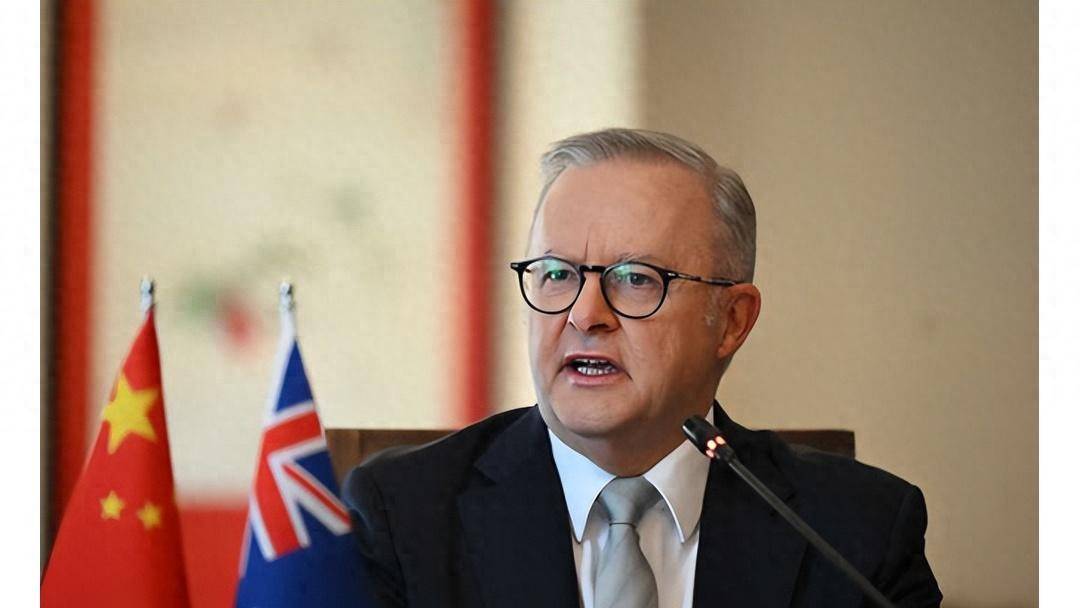
Group 1 - Australia's recent decision to accept RMB for iron ore transactions with China signifies a shift in its economic strategy, reflecting its reliance on the Chinese market for iron ore exports [1][3][9] - China is the world's largest iron ore buyer, importing 1.237 billion tons annually, which constitutes 75% of global sea trade, making it a critical market for Australia [3][5] - The Australian government, under Prime Minister Albanese, aims to stabilize relations with China, moving away from previous hawkish policies and recognizing the unreliability of the U.S. [9][11] Group 2 - The conflict arose when BHP insisted on a 15% price increase for long-term contracts and insisted on USD settlements, prompting China to halt all dollar-denominated purchases from BHP [5][19] - China's diversification of iron ore sources has led to over 50% of its imports coming from non-Australian countries, reducing its dependency on Australia [7][21] - The introduction of RMB-denominated financial instruments, such as the "RMB sea-floating iron ore swap" by Hainan International Clearing House, enhances China's position in global iron ore trade [15][17] Group 3 - The shift towards RMB settlements in iron ore trade poses a significant challenge to the U.S. dollar's dominance, as it disrupts the traditional dollar-based commodity pricing system [13][22] - China's growing influence in the iron ore market is evidenced by the increasing percentage of trade with Russia being settled in RMB, which has risen to 45% [17][19] - The potential for RMB to become a dominant currency in commodity trading could lead to a dilution of the dollar's status as the world's reserve currency [19][22]
金价上涨的秘密:美元主导的世界货币格局正在巨变
经济观察报· 2025-10-07 07:30
Core Viewpoint - The recent surge in gold prices, reaching $4000 per ounce, reflects not only rising risk aversion but also a response to shifts in the global monetary order, particularly in the context of the Federal Reserve's interest rate cuts and a weakening dollar [2][5]. Group 1: Gold Market Dynamics - Gold prices have increased over 50% this year, driven by factors such as central banks accumulating gold reserves and private sectors actively investing in gold assets [2]. - The historical peak in gold prices coincides with a technical government shutdown in the U.S. and an uncertain global economic outlook, highlighting a blend of market risk appetite and instinct for safety [2]. Group 2: Renminbi Internationalization - The internationalization of the Renminbi (RMB) is currently in a phase of "spiral ascent" but faces structural challenges, despite China's growing economic influence [4]. - In Q1 2025, the RMB accounted for 2.12% of global foreign reserves, ranking sixth, significantly lower than the U.S. dollar's 57.74% [3]. Group 3: Market Adoption of Renminbi - A notable shift occurred in Q2 2024, where RMB cross-border transaction settlements surpassed those in USD for the first time, indicating a growing preference for RMB among enterprises [5]. - Surveys show that 68% of companies used RMB for cross-border trade settlements in Q4 2024, with 71% citing "asset safety" as the primary reason for this choice [5]. Group 4: Infrastructure and Policy Developments - The establishment of the Digital Renminbi International Operation Center and the upcoming 10th anniversary of the Cross-Border Interbank Payment System (CIPS) signify a shift towards a transaction-driven RMB infrastructure [12][16]. - The People's Bank of China is focused on enhancing the global cross-border payment system, promoting the principles of "no loss, compliance, and interoperability" for digital currency [15]. Group 5: Future Challenges and Strategies - Over 60% of enterprises perceive the complexity of cross-border RMB policies as a significant barrier, indicating a need for simplification and optimization of capital flow processes [20]. - To enhance RMB internationalization, strategies should focus on improving liquidity, developing onshore derivative markets for risk hedging, and creating tailored financial products for enterprises [20]. Group 6: Broader Implications - The ongoing structural changes in the global monetary environment are reflected in the increasing use of RMB and the historical highs in gold prices, suggesting a potential shift away from dollar dominance [21][22]. - The RMB's evolution from a policy-driven currency to one that gains market acceptance through transaction experiences is crucial for its future credibility and stability [17][24].
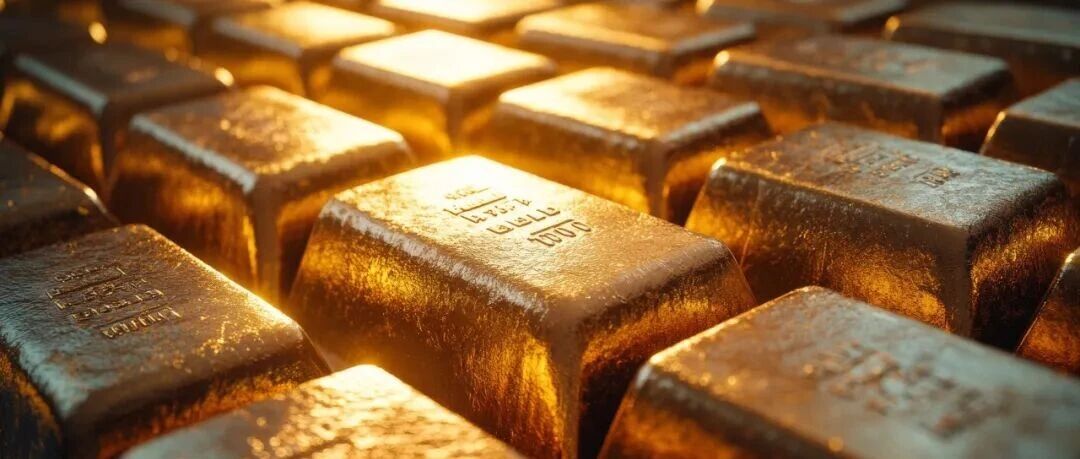
黄金突破4000美元,是周期顶点还是新起点?
Jing Ji Guan Cha Bao· 2025-10-07 07:24
Core Viewpoint - The recent surge in gold prices, surpassing $4000 per ounce, reflects a significant shift in the global financial landscape, driven by macroeconomic factors such as potential U.S. Federal Reserve easing, rising geopolitical risks, and central banks increasing their gold reserves [1][2][5] Group 1: Gold Price Movement - Gold futures reached a historic high of $4000.1 per ounce on October 7, 2025, marking a 50% increase year-to-date [1] - The acceleration in gold prices began in March 2025 when it crossed $3000 per ounce, followed by a rise past $3800 by September [2] - UBS Wealth Management anticipates further increases in gold prices due to expected declines in U.S. real interest rates amid ongoing inflation [2] Group 2: Central Bank Actions - As of September 2025, China's gold reserves reached 7.406 million ounces, with an increase of 40,000 ounces from the previous month, marking the eleventh consecutive month of accumulation [2][3] - The proportion of gold in China's official international reserves stands at 7.7%, significantly below the global average of around 15%, indicating room for structural optimization [3] - The People's Bank of China's strategy of gradually increasing gold reserves is seen as a long-term approach to enhance reserve security and support the internationalization of the renminbi [4] Group 3: Global Trends in Gold Holdings - Central banks worldwide have been increasing their gold holdings, with significant purchases reported from countries like China, Poland, Singapore, and India since 2025 [3] - The trend of rising gold reserves is a response to structural challenges such as geopolitical conflicts and high debt levels in major economies, as well as a reassessment of the dollar's credibility as a reserve currency [3][5] - The accumulation of gold reserves is viewed as a strategic move to reduce reliance on single currency assets and enhance the intrinsic value of the renminbi [4]
央行出手!连续第11个月增持黄金 专家:未来我国央行增持黄金仍是大方向
Jing Ji Guan Cha Wang· 2025-10-07 06:21
Core Viewpoint - The People's Bank of China (PBOC) has increased its gold reserves for the 11th consecutive month, reaching 74.06 million ounces by the end of September, indicating a strategic move to optimize reserve structure and control costs while expanding gold holdings [1]. Group 1: Gold Reserves - As of the end of September, China's gold reserves stand at 74.06 million ounces [1]. - The increase in gold reserves is slightly lower than in previous months, reflecting a dynamic balance between optimizing reserve structure and expanding gold holdings [1]. Group 2: Implications for Currency Internationalization - The PBOC's accumulation of gold is seen as beneficial for the cautious promotion of the internationalization of the Renminbi [1]. - The strategy of increasing gold reserves aligns with the goals of optimizing international reserve structure and responding to changes in the current international environment [1].
7707亿!耶伦措手不及,美国也没想到,中国金融反击来得如此之快
Sou Hu Cai Jing· 2025-10-07 06:01
美国大选悬而未决之际,拜登政府为了给国内增加点信心,也开始给通货膨胀减息降温了,具体效果怎么样,看看市场表现就知道。 明智点的美债持有国都开始跑路了,上周长期美债拍卖结果惨淡,在海外的需求量大幅度下降。 有日元崩盘的先例在,美债在国际上外汇市场上没什么好名声,各国对美债现在是避之不及,想方设法将自己手里的美债抛售出去。 中国之前一直是美债持有大国,甚至一度成为美债在海外的第一持有国,现在中国在逐渐减少美债的持有量,今年四月已经减少到7707亿美元。 近年来中国也认清了,不要迷信世界霸主的经济实力,他钱多归钱多,但是他赚钱的方式损人利己,活脱脱一个"吸血鬼"。 不仅美债正在失去魅力,世界各国对"美元"的盲目崇拜也褪去了,美国财长担心,美元已经失去了在国际上地位。 现在国际上时局动荡,地区冲突不断,美国和中国之间的贸易战不断升级,美债对中国来说,再也不是优质的投资储备。 现在美国大选还不知道谁胜谁负,美国未来的对华政策也深深的影响到中国的金融环境,把自己辛苦赚来的钱放在别人的兜里,那滋味可不好受。 美国现在就像一颗定时炸弹,随时有可能使出更多经济制裁的手段压制中国经济发展,所以为了规避风险,中国这几年一直在减少美 ...
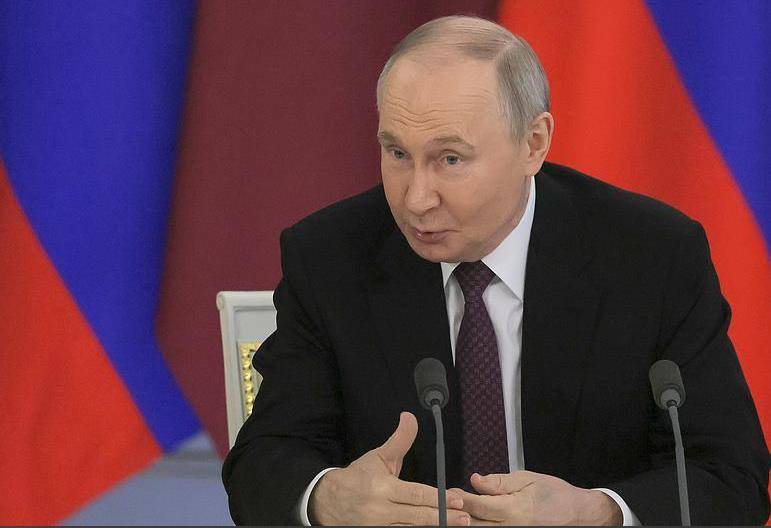
金砖出现杂音,印度开首枪后,普京也不反美元,中国加速增持黄金
Sou Hu Cai Jing· 2025-10-07 04:34
Core Viewpoint - The BRICS nations are experiencing internal disagreements regarding "de-dollarization," particularly between India and Russia, which poses challenges to their cooperation [1] Group 1: India's Position - India was one of the first BRICS countries to express reluctance towards aggressively pursuing "de-dollarization" [4] - In 2025, India's Foreign Minister stated that India does not intend to undermine the dollar's status but aims to promote the rupee as an international currency [4] - The effectiveness of India's policy allowing international settlements in rupees has been limited, with less than 10% of external trade settled in rupees by August 2025 [4] Group 2: Russia's Attitude Shift - Russia was previously a strong advocate for "de-dollarization," significantly reducing the dollar's share in its foreign exchange reserves after the 2014 Crimea crisis [5] - In October 2025, Putin indicated that Russia does not plan to be "anti-dollar," suggesting that previous efforts were driven by U.S. sanctions rather than voluntary choice [5] - Russia's need to price oil in dollars and the challenges of settling trade with India in rupees have led to a more pragmatic approach [5][8] Group 3: China's Stable Strategy - Unlike India and Russia, China has maintained a stable strategy by increasing gold reserves and promoting digital currency [10] - As of August 2025, China's gold reserves reached 74.02 million ounces, the highest on record, aimed at diversifying away from dollar assets [10] - China is also advancing the "BRICS Digital Currency Bridge" project to facilitate cross-border payments and reduce reliance on the dollar [11] Group 4: Underlying Reasons for Disagreements - The differing positions on "de-dollarization" among BRICS nations stem from their unique national interests [13] - India seeks to internationalize the rupee without antagonizing the U.S., which is crucial for its IT and agricultural exports [13] - Russia's compromise is influenced by U.S. sanctions, while China leverages its strong economic foundation to gradually promote the internationalization of the renminbi [13] Group 5: Future Outlook - Despite differing attitudes towards "de-dollarization," cooperation among BRICS countries continues [16] - Each country may adopt distinct strategies based on their circumstances, with India likely to pursue rupee settlements while relying on the dollar [16] - The BRICS New Development Bank plans to issue $5 billion in green bonds in 2025, denominated in renminbi and euros, as a compromise to avoid direct confrontation with the dollar [19]
受全球金融资产价格上涨带动,9月外汇储备增加165亿美元
Xin Lang Cai Jing· 2025-10-07 04:12
Group 1 - As of September 2025, China's foreign exchange reserves reached $333.87 billion, an increase of $16.5 billion or 0.5% from the end of August [1] - The rise in foreign reserves was primarily driven by the increase in global financial asset prices, influenced by the Federal Reserve's decision to restart interest rate cuts [1] - Despite the increase, the US dollar index remained relatively stable, only decreasing by 0.03% compared to the end of August, indicating a diminished impact from previous significant dollar depreciation [1] Group 2 - By the end of September, China's gold reserves amounted to 7.406 million ounces, up by 40,000 ounces from the end of August, marking the continuation of gold accumulation for 11 consecutive months [2] - The central bank's ongoing gold purchases are attributed to changes in the global political and economic landscape, with expectations that international gold prices may remain high for an extended period [2] - The proportion of gold in China's official international reserve assets stands at 7.7%, significantly lower than the global average of around 15%, suggesting a need for continued gold accumulation to optimize reserve structure [2]