
源网荷储一体化

Search documents
AI“探电”:SST重塑未来AIDC供电架构
2025-09-24 09:35
AI"探电":SST 重塑未来 AIDC 供电架构 20250923 摘要 固态变压器(SST)凭借高效率(全链路效率提升 4-5%)、体积小 (占地面积为传统方案的 1/3 至 1/2)、灵活性高和预制化设计等优势, 有望成为下一代数据中心供电架构的优选方案,尤其是在高密度、空间 紧张的数据中心。 北美市场变压器供应紧张,单位成本自 2019 年来上升超 77%,交付周 期长达 46 周,SST 凭借其快速部署特性,更适配北美 AIDC 建设需求, 有望成为下一代供电方案。 国内政策利好频出,如绿电直连政策和新型电力系统建设试点,强调算 力与电力协同及绿色算力,为数据中心增效减碳提供机会,SST 高度适 配绿电直连和源网荷储一体化系统。 尽管 SST 初始投资成本较高,但通过精简中间环节和紧凑设计减少设备 和线缆使用量及施工量,全生命周期成本具备优势,且随着技术成熟, 降本空间大,投资竞争力强。 典型 SST 采用三级能量转换结构,包括 ACDC 输入级、高频 DCDC 隔 离级和输出级。主流拓扑方案基于 ISOP 架构,即输入端串联输出端并 联,设计成熟且拓展方便。 Q&A 固态变压器(SST)在数据中心 ...
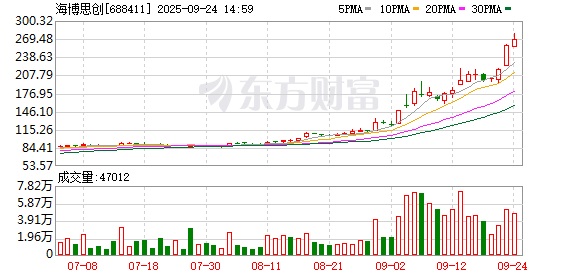
海博思创李肖:储能为矿山绿色转型提供系统解决方案
Zhong Guo Jing Ying Bao· 2025-09-24 06:58
Group 1 - The mining industry is actively seeking green transformation paths under the "dual carbon" goals, with energy storage systems emerging as key tools for enhancing power reliability and reducing carbon emissions [2] - Haibo Sichuang is exploring "energy storage + X" multi-scenario integration solutions, focusing on high-energy consumption areas such as mines, oil fields, and data centers [2] - The company provides two main solutions for the mining sector: emergency power supply and promoting the value realization of energy storage in the source-grid-load-storage chain [2] Group 2 - In Shanxi Province, there is a rigid demand for emergency power supply due to the concentration of coal mines, with a policy requiring all operational coal mines to implement "dual circuit" power supply by April 2025 [2] - Traditional emergency power in mines relies on diesel generators, which have inherent drawbacks such as slow response, high fuel costs, and poor economic efficiency [2] - Energy storage systems offer millisecond-level response capabilities and can effectively ensure safety in underground operations while reducing carbon emissions and promoting renewable energy consumption [2][3] Group 3 - Haibo Sichuang's energy storage systems have four advantages: automatic switching for emergency power, flexible power regulation, cost reduction through peak shaving, and reduction of diesel generator usage [3] - The future potential application direction in the mining sector is the integrated source-grid-load-storage solution, which can effectively balance power generation and consumption stability [3] - The integrated solution can significantly reduce electricity costs in off-grid scenarios, with costs controlled below 1 yuan per kilowatt-hour [3] Group 4 - Haibo Sichuang not only provides energy storage equipment but also actively participates in project investments, offering comprehensive services from planning and design to financial cooperation [3] - The company aims to clarify the configuration scale and electricity costs of wind, solar, and energy storage during the early planning phase, providing a one-stop energy solution for mine owners [3] - Future energy storage systems will evolve towards local lightweight, cross-domain polymorphism, and system autonomy to better meet the needs of new power system development [4]

中金 | AI“探电”(十一):SST重塑未来AIDC供电架构
中金点睛· 2025-09-23 23:58
Core Viewpoint - The construction of AI computing power centers (AIDC) is on the rise, and solid-state transformers (SST) are expected to become the preferred solution for future data center power supply architectures due to their high efficiency, compact size, flexibility, and prefabricated design [2][6]. Group 1: SST Technology and Market Potential - SST is anticipated to become the optimal technology route as AI power supply architecture upgrades to 800V HVDC, with major cloud providers increasing capital expenditure and accelerating AIDC construction [2][10]. - SST offers significant performance advantages over traditional UPS supply chains, including over 3 percentage points improvement in efficiency, 60% reduction in footprint, and 75% decrease in installation and debugging time [3][16]. - The initial investment cost of SST is currently high, but there is substantial potential for cost reduction as core components like power semiconductor devices and amorphous nano-crystalline materials mature [3][12]. Group 2: Industry Landscape and Competitive Positioning - Major global AIDC players like Eaton and Delta have early reserves in SST solutions, while domestic companies are entering the market from traditional power equipment, AI power supply, and solar storage sectors [3][27]. - Companies with deep understanding of power electronics, high-frequency transformers, and mid-voltage processing, along with rich experience in data center projects, are expected to stand out in the SST market [3][28]. Group 3: Policy and Green Energy Integration - The introduction of policies supporting green electricity direct connection presents new opportunities for SST promotion in data centers, emphasizing the importance of green computing [14][16]. - SST is well-suited for scenarios that require collaboration between computing power and electricity, aligning with the "AI+" development direction [14][16]. Group 4: Technical Advantages of SST - SST significantly enhances space utilization and power supply efficiency, making it a strong candidate for direct current power supply in data centers [16][22]. - The modular design of SST allows for prefabricated installation, reducing construction cycles to less than 90 days and simplifying maintenance [22][24]. - SST supports integration with renewable energy sources, enhancing green energy consumption and meeting the requirements for integrated source-grid-load-storage systems [22][24].


亿华通间接持股公司参与的河北省首个大规模风氢融合项目EPC招标
Zhong Zheng Wang· 2025-09-23 07:36
Core Insights - The Zhangjiakou Wind-Hydrogen Integration Source Network Load Storage Comprehensive Demonstration Project (Phase I) has initiated the EPC general contracting bidding for its hydrogen production segment, marking it as Hebei Province's first large-scale wind-hydrogen integration project [1] - The project aims to reduce green hydrogen production costs and promote the large-scale application of fuel cell vehicles through renewable energy off-grid hydrogen production [1][2] - The project leverages Zhangjiakou's abundant wind energy resources and employs a "wind-hydrogen integration" model to directly use wind power for water electrolysis, which is expected to significantly lower electricity costs in the hydrogen production process [1] Industry Developments - The cost of fuel cell systems has significantly decreased in recent years, supported by national and local policy incentives, bringing the purchase cost of fuel cell vehicles closer to market promotion thresholds [1] - However, high hydrogen supply costs, particularly for green hydrogen, remain a critical bottleneck for the large-scale development of the industry [1] - The project is expected to reduce the green electricity hydrogen production cost to below 18 yuan/kg upon reaching full production capacity, providing strong support for the large-scale promotion of fuel cell vehicles and establishing a sustainable and replicable economic development model for China's hydrogen energy industry [2]

中国天楹(000035) - 000035中国天楹投资者关系管理信息20250922
2025-09-22 11:00
Group 1: Company Overview - China Tianying Co., Ltd. is a large international listed company engaged in zero-carbon environmental new energy, smart city services, and waste resource utilization [2][3]. - The company has developed a comprehensive service system covering the entire industrial chain of solid waste management [3][4]. Group 2: Technological Innovation - The company has established a core technology system for solid waste treatment, including key technologies such as large tonnage mechanical grate furnaces and plasma melting [3]. - Continuous technological iteration and upgrades have created a complete closed-loop from R&D to project application, supporting the construction of "waste-free cities" [3]. Group 3: Project Developments - The Liao Yuan project includes a 514.8 MW grid-connected wind power project and a 10,000-ton green methanol production project, currently in the installation phase [5][6]. - The Anda project encompasses a 400 MW grid-connected wind power project and a 19,500-ton green hydrogen production project, with construction underway [6]. Group 4: Market Strategy - The company has implemented a "dual circulation" strategy to expand its international market presence, acquiring Urbaser in Spain to enhance its operational experience in solid waste management [3][4]. - The focus is shifting towards hydrogen-based energy products, aligning with the "dual carbon" goals [4]. Group 5: Green Energy Products - The company plans to produce green fuels such as electric methanol, ammonia, and methane, aiming for an annual production capacity of 200,000 tons by 2026 and 1,000,000 tons by 2030 [10]. - The global shipping industry is projected to reduce greenhouse gas emissions by over 20% by 2030, creating a growing demand for green fuels [8][9]. Group 6: International Certification and Supply Chain - The company has obtained ISCC EU certification, enabling access to the EU energy market and enhancing its competitiveness in high-end green energy product sales [11]. - A collaborative international supply chain has been established to support the application of green fuels in new ocean-going vessels [12].

天富能源高层“大换血”,业绩困局待解?
3 6 Ke· 2025-09-22 06:28
这两位高管原定任期到期日均为2027年5月8日。现年58岁的刘伟和现年59岁的李奇隽,他们任期起始日期均为2024年5月8日。天富能源2024年报显示,刘 伟报告期内税前报酬为"0",李奇隽为37.17万元。 上市公司一夜之间董事长、总经理"携手"辞职,这并不寻常。如此重磅消息,引发市场各方猜测。 近日,天富能源正在经历一场高层人事动荡。公司原董事长与原总经理同时选择在今年8月底辞职——这两位高管距离自己的原定任期足足还有20个月零 10天。这究竟是何原因?天富能源对外仅回应,他们辞职的原因是"工作调整"。不过结合天富能源近几年经营状况,此番两位高管突然递交辞呈,也许没 那么简单。 01 高管闪电离职,控股股东火线"救场" 9月2日,天富能源连发两份公告,一份关于董事长、总经理离任,另一份是关于控股股东推荐董事长人选。 公告显示,天富能源近日收到董事长刘伟、总经理李奇隽递交的书面辞职报告,因工作调整,刘伟申请辞去公司董事长及董事会战略委员会召集人、投资 决策委员会主任、提名委员会委员、薪酬与考核委员会委员等一切职务,辞职后不再担任公司任何职务;李奇隽申请辞去总经理职务,辞职后不再担任公 司行政职务,由副总经理 ...

负荷为王,风电开发投资的逻辑变了!
Sou Hu Cai Jing· 2025-09-22 03:16
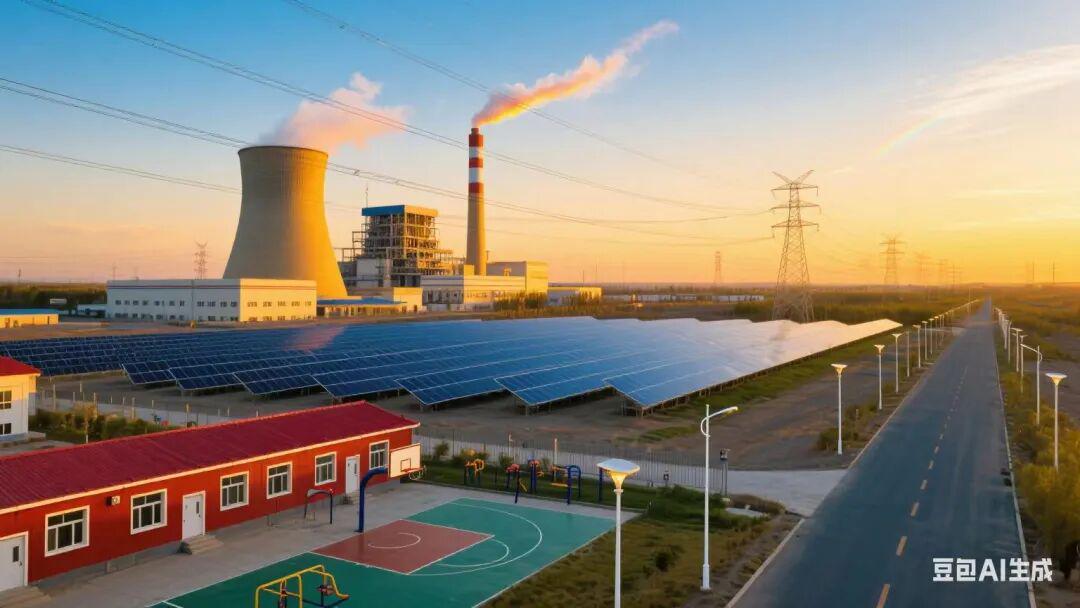
Core Viewpoint - The investment logic in the wind power sector is shifting from "building where the wind is strong" to "building where the electricity is consumed," marking a new era focused on load demand [1][10]. Group 1: Policy Changes - The issuance of Document No. 136 is a watershed policy for the wind power industry, breaking the previous fixed-price model and requiring that all renewable energy project output enter the electricity market for price formation [3][6]. - A new "price difference settlement mechanism" has been established, providing compensation when market prices fall below the mechanism price and deducting the difference when they exceed it, favoring projects near load centers [3][6]. - The green electricity direct connection policy encourages investment in projects that allow direct transactions between power producers and large electricity consumers, reducing losses and increasing negotiation space for electricity prices [3][4]. Group 2: Regional Policy Implementation - Various local policies emphasize a "load priority" approach, supporting green electricity connections for high-energy-consuming industries like aluminum and silicon photovoltaic projects [4]. - Policies in regions like Inner Mongolia and Jiangsu are designed to connect wind power projects directly with high-energy industries, promoting integrated demonstration projects [4]. Group 3: Market Dynamics - The marketization of wind power pricing has been in the making since 2019, with a significant shift expected in 2025, where project revenues will depend on market prices rather than government-set prices [6][10]. - The disparity in wind power revenue across regions is increasing, with resource-rich areas facing price pressures due to limited local demand, while load centers can achieve higher prices through local electricity markets [6][10]. Group 4: Investment Trends - Wind power companies are increasingly focusing on load centers, as seen in recent investments aimed at integrating wind power with high-energy industries and data centers [7][10]. - Projects like the one by Goldwind in Inner Mongolia aim to convert wind power directly into industrial raw materials, addressing consumption issues [7][10]. - The trend indicates a shift towards projects that are closely linked to industrial parks and data centers, which are seen as ideal partners for wind power due to their stable electricity demand [9][10].
多层次立体化新能源消纳体系加速构建
中国能源报· 2025-09-22 01:49
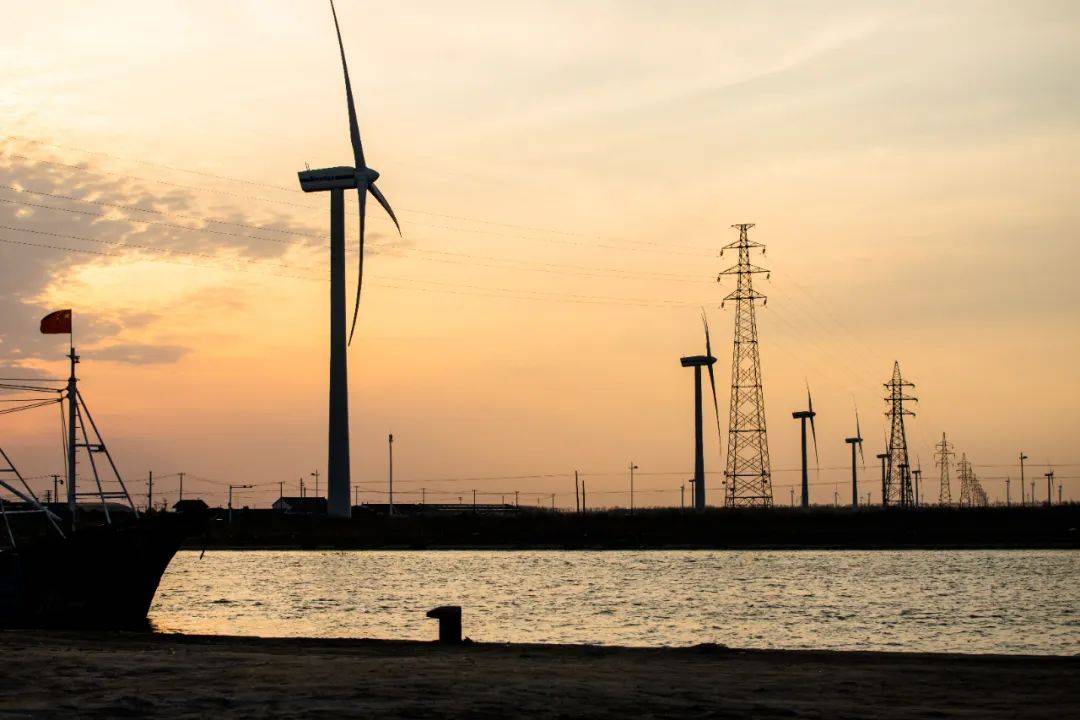
Core Viewpoint - The recent notice from the National Development and Reform Commission and the National Energy Administration marks a shift from "planned consumption" to "active consumption" through market pricing, establishing a dynamic pricing coupling mechanism between "renewable energy + nearby load" [1][3][7] Summary by Sections Policy Implementation - The notice will be implemented starting October 1, requiring that renewable energy projects have a self-consumption ratio of at least 60% of total available generation and 30% of total electricity consumption, with new projects from 2030 needing a minimum of 35% [1][3] Hard Constraints on Nearby Consumption - The policy sets quantifiable thresholds for self-consumption ratios and includes technical requirements for metering and full-cycle supervision, addressing long-standing issues of unclear consumption responsibilities and weak data regulation [3][5] Impact on Power Generation and Grid - The self-consumption policy compels renewable energy developers to optimize generation curves and integrate storage solutions, enhancing local green energy utilization and alleviating grid pressure [4][6] - The notice clarifies the service scope and pricing for public grids, guiding power companies to optimize capacity configurations and defining economic responsibilities in nearby consumption [4][6] Market Participation and Efficiency - The notice activates the potential for nearby balancing by granting clear market identities to nearby consumption projects, enabling them to participate directly in electricity spot markets and enhance demand response capabilities [4][7] Addressing Renewable Energy Challenges - The root of renewable energy consumption challenges lies in the mismatch of time, with renewable generation often falling short of meeting year-round demand, necessitating storage or flexible resources to balance supply and demand [8] - The policy proposes both nearby consumption and large-scale remote generation models to create a distributed consumption system that improves grid flexibility [8] Measurement and Data Management - The transition from macro-level statistics to micro-level sensing in measurement systems is crucial for the intelligent operation of the new power system, requiring real-time and precise information on every key link [10][11] Future Development and Strategy - The quantification of self-consumption ratios will alter project development strategies, emphasizing the need for renewable projects to align closely with stable load users and optimize investment to avoid overcapacity [12]
双杰电气(300444) - 300444双杰电气投资者关系管理信息20250919
2025-09-19 10:16
Company Overview - Beijing Shuangjie Electric Co., Ltd. was established in 2002 and listed on the Shenzhen Stock Exchange in 2015 under stock code 300444.SZ. The company has over 2,000 employees and six production bases across China [2][3]. - The company focuses on the power industry, maintaining strong R&D capabilities and advanced smart manufacturing levels. It has developed a comprehensive product matrix covering both power distribution and new energy sectors [2][3]. Financial Performance - In the first half of 2025, the company achieved a revenue of ¥2,375,894,832.52, representing a year-on-year growth of 41.95%. The net profit attributable to shareholders was ¥103,516,272.94, up by 20.11% [2][3]. Business Drivers - Revenue growth in the first half of 2025 was driven by two main factors: 1. Increased demand for smart electrical equipment due to changes in customer procurement strategies and favorable policy environments [3]. 2. Strong growth in new energy business orders, with sufficient new and reserved orders boosting revenue in this sector [3]. Profitability - The gross margin for smart electrical equipment sales increased by 4.74% year-on-year, attributed to expanded production scale, improved production line utilization, and effective cost control measures [3]. New Energy Initiatives - The company is actively pursuing a diversified model in the heavy-duty vehicle charging sector, including self-operated charging stations and collaborative projects with various partners [4]. - The strategic layout of integrated source-network-load-storage is a response to the green and low-carbon transition in the energy system, enhancing market competitiveness and operational efficiency [5]. Project Developments - The company is currently planning a 400,000 kW integrated source-network-load-storage project in Wengniuteqi, which will support a high-carbon ferrochrome alloy production project with an annual output of 552,000 tons [5]. - A significant EPC contract for a 3 million kW photovoltaic base project in Ningxia was signed in March 2025, covering all aspects of equipment procurement and construction [6]. Accounts Receivable - Over 80% of the company's accounts receivable are due within one year, primarily from reputable power companies, indicating a low risk of bad debts [7]. Future Outlook - The company has a robust order backlog in its new energy business, with stable operations expected in the second half of 2025 [9]. - Ongoing exploration of zero-carbon park projects and virtual power plant initiatives is underway, with a focus on leveraging green development opportunities [10][11]. International Projects - The company is involved in a 100 MW photovoltaic project in Kyrgyzstan, which will connect to the national grid upon completion [13].

海希通讯加速布局固态电池产业 200MWh生产线四季度启动安装
Quan Jing Wang· 2025-09-19 09:28
Group 1 - The company is accelerating its development in the new energy sector, particularly in solid-state batteries and energy storage business [1] - A significant agreement was signed for the procurement of a 200MWh solid-state battery production line, expected to start installation in Q4 2025 [1] - In the first half of 2025, the company achieved a revenue of 302 million yuan, a year-on-year increase of 9.03%, and a net profit of 41.46 million yuan, up 18.11%, driven by the expansion of its energy storage business [1] Group 2 - The company is developing a new energy storage system and related products in the Shandong Heze project, with production expected to reach capacity between 2025 and 2026 [1] - The Zhejiang Huzhou Anji project focuses on a 4GW new power system equipment production, with a 2GWh energy storage system integration line already in operation since April 2025 [2] - The company has made breakthroughs in immersion liquid cooling PACK technology, enhancing cooling efficiency and product safety features [2] Group 3 - The company aims to develop a dual-main business strategy, focusing on both industrial wireless control equipment and new energy business, while extending its reach along the industry chain [2] - The company plans to integrate energy storage solutions, photovoltaic storage components, and EPC engineering construction to become a comprehensive new energy solution provider [2]