
绿色低碳转型

Search documents
金十图示:2025年07月18日(周五)新闻联播今日要点
news flash· 2025-07-18 12:59
Group 1 - The "14th Five-Year Plan" period has seen a significant enhancement in the role of consumption as a driving force and stabilizer for the economy, with the retail sales of consumer goods expected to exceed 50 trillion yuan this year, reflecting an average annual growth of 5.5% over the past four years [5][6] - The contribution rate of consumption to economic growth has reached around 60%, indicating its sustained prominence as a main engine of growth [6] - China's position as a major trading nation has been further solidified, with the scale of goods trade surpassing 6 trillion USD, marking a 32.4% increase from the end of the "13th Five-Year Plan" period [6][7] Group 2 - The industrial economy has shown steady improvement in the first half of the year, with the industrial added value of large-scale enterprises growing by 6.4% year-on-year, demonstrating strong resilience [8] - The manufacturing sector's added value accounted for 25.7% of GDP, remaining stable, while key products in the equipment manufacturing sector have seen robust production and sales [8][9] - Investment in equipment and tools has increased by 17.3% year-on-year, significantly boosting the level of intelligence and greenness in manufacturing [9] Group 3 - The construction of a high-quality pediatric medical service system is being accelerated, with nearly 8,000 general hospitals and 98% of county hospitals providing pediatric services [10][11] - Over 300 children's hospitals and general hospitals with pediatric departments have formed medical alliances to enhance the continuity and convenience of pediatric services [11]


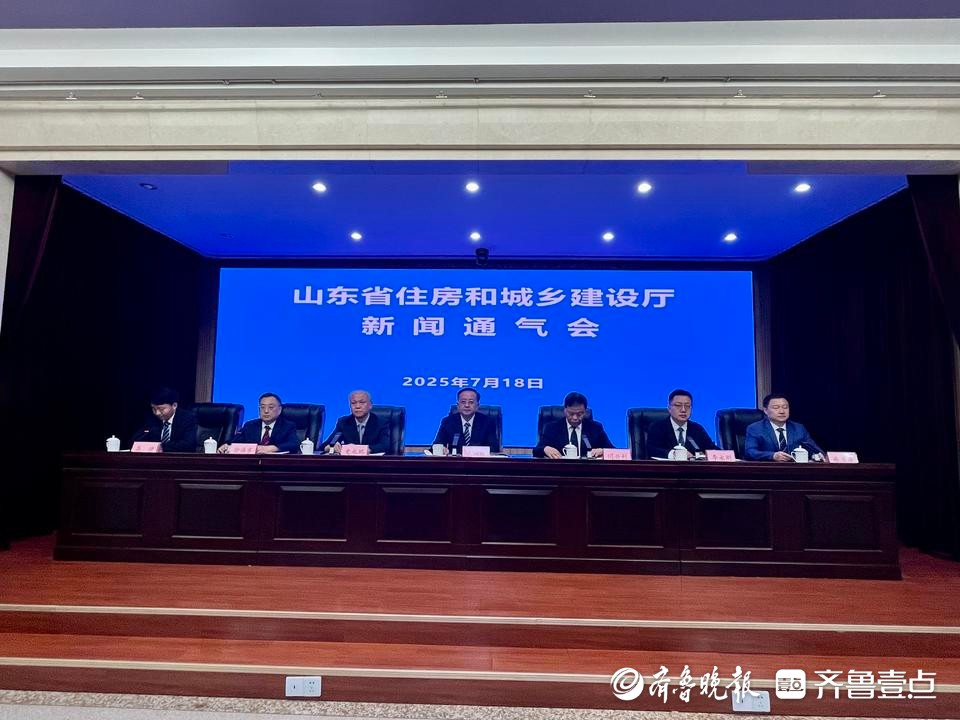
同比增长4.2%!山东上半年完成建筑业总产值8334.7亿元
Qi Lu Wan Bao· 2025-07-18 09:46
Group 1 - The total output value of the construction industry in Shandong Province reached 833.47 billion yuan in the first half of the year, with a year-on-year growth of 4.2%, outperforming the national growth rate by 4 percentage points, ranking 5th in the country, and improving by 2 positions compared to the first quarter [1][3] - Private construction enterprises accounted for 59.0% of the total output value in the province, playing a crucial role in stabilizing growth and promoting employment [3] - The number of special-grade construction contracting enterprises in the province reached 79, ranking 4th in the country, with new policies aimed at promoting the sustainable development of private construction enterprises [3] Group 2 - Shandong Province is focusing on the cultivation of new productive forces in the construction industry, implementing measures to accelerate the development of intelligent construction, with 100 pilot enterprises and 102 projects evaluated [4] - The province aims to achieve full application of AI-driven design by 2030, promoting digital design and enhancing collaboration among multiple disciplines [4] - In the first half of the year, the newly started area of prefabricated residential buildings reached 15.051 million square meters, and 46.9938 million square meters of green buildings were added [4] Group 3 - Shandong Province is committed to improving construction quality, with the development of the "Good House" construction initiative, which includes a comprehensive residential design standard consisting of 419 articles [5] - Measures have been implemented to strengthen quality and safety management in residential engineering, covering all stages from development to delivery [5] - A total of 763 projects have been rectified to address common quality issues, benefiting 486,000 people [5]
拆解减碳目标,dss+谢荣军:提效为何重要?丨能见首席
2 1 Shi Ji Jing Ji Bao Dao· 2025-07-18 08:51
Core Viewpoint - The State Council of China has approved the "Green and Low-Carbon Development Action Plan for Manufacturing Industry (2025-2027)", emphasizing the need for deep green transformation in traditional industries and the application of advanced equipment and processes to accelerate green upgrades in key sectors [1] Group 1: Green Transformation Goals - The manufacturing sector is a major contributor to energy consumption and carbon emissions in China, accounting for over 60% of total energy consumption [1] - The primary goal of green transformation in industries such as energy, chemicals, and new energy is energy conservation and carbon reduction, which can be further broken down into low-carbon production and innovative business models [2] Group 2: Production Efficiency and Risk Management - For traditional industries, the focus is on low-carbon production, which includes energy-saving technology upgrades, clean energy substitution, process re-engineering, and circular economy practices [2] - Enhancing production efficiency indirectly contributes to carbon reduction by managing risks associated with carbon emissions, such as preventing accidents that lead to emissions [2] - A case study showed that a company reduced equipment failure rates by 75%, leading to increased production efficiency and lower energy consumption [2] Group 3: Product Development and Market Opportunities - Utilizing green raw materials is another pathway for green low-carbon transformation, as developing eco-friendly products can capture market opportunities and naturally lead to carbon reduction [3] - Companies that create products with environmental advantages can achieve competitive market positioning, making carbon reduction a byproduct of market success [3] Group 4: International Expansion and Compliance - For Chinese companies, achieving green low-carbon goals is not only a domestic requirement but also essential for international expansion, especially with the upcoming EU Carbon Border Adjustment Mechanism (CBAM) set to impose significant tariffs on high-carbon exports [3] - The CBAM will affect industries such as steel, aluminum, cement, fertilizers, electricity, and hydrogen, with potential tariffs reaching up to €600 per ton for non-compliant products [3] Group 5: Challenges in International Markets - Chinese companies face challenges in international markets, including profitability issues and controversies in ESG (Environmental, Social, and Governance) practices, often stemming from a focus on short-term gains rather than sustainable practices [4] - Companies are advised to adopt a long-term perspective, improving operational quality and sustainability alongside market penetration efforts [4]
鑫椤锂电一周观察 |国家统计局:上半年新能源汽车产量同比增长36.2%
鑫椤锂电· 2025-07-18 07:57
Industry Highlights - In the first half of the year, China's new energy vehicle production increased by 36.2%, with lithium battery production growing by 53.3%, indicating a strong growth momentum in the new energy sector [1] - The export structure of China continues to optimize, with total exports of electromechanical products reaching 7.8 trillion yuan, a growth of 9.5%, accounting for 60% of total exports [1] Company Updates - SK On's North American factory has fully commenced operations for the first time since opening three years ago, with all 12 production lines running at full capacity, and daily battery production expected to increase by over three times compared to last year [2] - Singshan Co. expects a strong rebound in its performance for the first half of 2025, with net profit projected to be between 160 million to 240 million yuan, representing a year-on-year increase of 810.41% to 1265.61% [3] - Tianqi Lithium Industries anticipates a net profit of 0 to 155 million yuan for the first half of the year, marking a turnaround from losses, driven by improved investment income and favorable currency exchange rates [4] Lithium Battery Material Market - Lithium carbonate prices have increased by 0.3 million yuan per ton, driven by macroeconomic factors and market sentiment [6] - The price of lithium carbonate as of July 18 is reported at 65,500 to 66,500 yuan per ton for battery-grade and 63,000 to 64,000 yuan per ton for industrial-grade [8] - The price of ternary materials has slightly weakened, with the latest prices for ternary materials reported at 121,000 to 127,000 yuan per ton for 5-series single crystal and 141,000 to 147,000 yuan per ton for 8-series 811 type [9] - Phosphate iron lithium exports are performing well, with major companies developing overseas clients and planning to establish factories in Europe [10] Market Conditions - The domestic separator market remains stable, with high capacity utilization rates, although there are concerns about potential future order declines [14] - The domestic electrolyte market continues to see price declines, with major manufacturers maintaining optimistic shipment expectations for the second half of the year [16] - Recent procurement activities from a leading company indicate a production plan exceeding 60 GWh/month for the third quarter, maintaining high demand for materials and lithium salts [18] New Energy Vehicle Sales - In July, traditional passenger car sales reached 362,000 units, down 1.56% year-on-year, while new energy vehicle sales were 204,000 units, down 13.18% year-on-year [19] - The penetration rate of new energy vehicles reached 56.35%, an increase of 5.84 percentage points compared to the same period last year [19] - The UK government announced a £650 million electric vehicle subsidy plan, providing discounts for electric vehicles priced below £37,000 [19] Energy Storage Market - The domestic energy storage market is operating steadily, with a total of 1,040 projects connected to the grid in the first half of 2025, achieving a total scale of 21.79 GW/51.20 GWh, a year-on-year increase of 46% [20]


黑龙江龙煤集团党委书记、董事长王戈:坚持战略定位 高质量建设新时代现代化新龙煤
Sou Hu Cai Jing· 2025-07-18 02:15
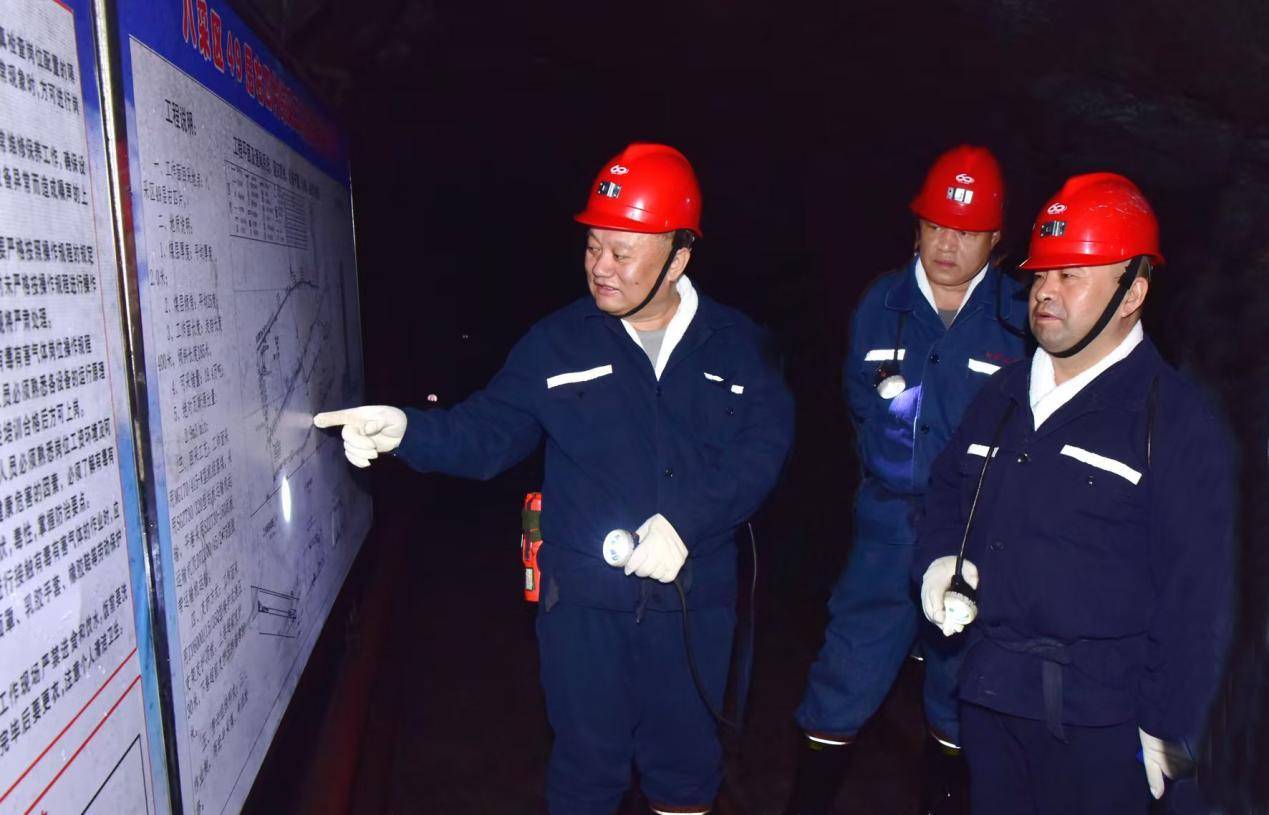
Core Viewpoint - The article highlights the significant achievements and future goals of Long Coal Mining Group, emphasizing its role in ensuring coal supply and advancing energy development in Heilongjiang Province, while also addressing the ongoing reforms in state-owned enterprises [1][2]. Group Performance - Long Coal Mining Group is the largest state-owned coal enterprise in Heilongjiang, playing a crucial role in coal supply and energy development [2]. - The company has implemented multiple measures to ensure emergency coal supply within the province, contributing to the stability of people's livelihoods [2]. Technological Advancements - In the past year, the company has made notable progress in the construction of intelligent coal mines, with six intelligent coal mines and 63 intelligent mining faces established, achieving over 80% remote centralized control and unattended operation [4]. - A total of 6.2 billion yuan was invested in technological innovation, resulting in 230 projects and 16 authorized patents [4]. Environmental Initiatives - The company invested 7.43 billion yuan in environmental governance, completing 79 energy-saving and environmental protection projects, and eliminating 42 coal-fired boilers [4]. - The utilization of gas reached 99.2 million cubic meters, generating 218 million kilowatt-hours of electricity and creating an economic benefit of 130 million yuan [4]. Management and Governance - The company has focused on solidifying its core business by adding nine first-class standardized mines and enhancing production efficiency through the introduction of intelligent equipment [5]. - Reforms have been implemented to improve corporate governance, with a completion rate of over 82% for overall reform tasks [5]. Future Goals - For 2025, the company aims to establish four new intelligent mines, two intelligent mining mines, and increase the mechanization level of coal mining to over 99% [6]. - The company plans to continue promoting green and low-carbon transformation, exploring new technologies for resource utilization, and enhancing emergency coal reserves [7].
广东:加快构建房地产发展新模式 加力推动城市发展绿色低碳转型
news flash· 2025-07-17 07:03
Core Viewpoint - Guangdong is accelerating the construction of a new model for real estate development and promoting a green and low-carbon transformation of urban development [1] Group 1: Urban Development Strategy - The meeting emphasized the importance of aligning thoughts and actions with the decisions made by the General Secretary and the Central Committee regarding urban work [1] - It highlighted the need to understand the "five transformations and five greater emphases" principle and to creatively implement the requirements of the Central Urban Work Conference [1] - The focus is on promoting urban connotative development and improving the spatial layout of towns, with a classification approach to urbanization centered around county towns [1] Group 2: Urban Planning and Cultural Development - There is a commitment to optimizing urban spatial structure and better coordinating production, living, and ecological layouts [1] - The initiative aims to enhance urban cultural quality and overall city appearance, reflecting Chinese style, Lingnan characteristics, and Guangdong features [1] - The goal is to create a desirable living environment and promote urban economic prosperity while developing new productive forces tailored to local conditions [1] Group 3: Real Estate and Public Services - The strategy includes accelerating the construction of a new model for real estate development and continuously improving public services [1] - There is a strong emphasis on creating high-quality living spaces and driving the green and low-carbon transformation of urban development [1]

对接国际高标准经贸规则增强绿色竞争力
Jing Ji Ri Bao· 2025-07-17 00:08
Core Viewpoint - China is steadily expanding its institutional openness and actively aligning with international high-standard trade and economic rules, particularly in environmental standards, which are becoming increasingly important in international trade and investment [1][2][3] Group 1: Environmental Standards and Trade - The international high-standard trade rules related to environmental standards require parties to implement a series of comprehensive and binding rules aimed at promoting high-level environmental protection and sustainable development [1][2] - The rules emphasize specific commitments that are binding, encouraging high-level environmental protection and establishing transparent enforcement mechanisms [1][2] - Violations of these environmental laws can lead to trade sanctions, highlighting the importance of compliance for trade and investment [1][2] Group 2: Benefits of Aligning with International Standards - Aligning with international high-standard trade rules, especially environmental standards, is crucial for promoting sustainable economic development and enhancing China's international image [3][4] - This alignment helps China fulfill its responsibilities as a major global economy and contributes to the reconstruction of international trade rules [3][4] - It also supports the construction of a community with a shared future for mankind, emphasizing the need for global cooperation in environmental protection and climate change [3][4] Group 3: China's Leadership in Environmental Governance - China has actively participated in global environmental governance, signing over 30 multilateral agreements related to ecological and environmental issues [4] - The country has established free trade agreements that include environmental requirements, reflecting its commitment to high environmental standards [4] - China's current environmental management standards are comparable to international standards, with some leading in specific areas, thus driving technological advancement and industrial optimization [4][5] Group 4: Strategic Initiatives for Environmental Standards - China aims to achieve over 90% international standard conversion rate in key areas by 2025, focusing on green and new energy industries [5] - The country emphasizes five areas of collaboration: aligning with international standards, enhancing green capabilities, deepening multilateral cooperation, integrating policy frameworks, and strengthening departmental collaboration [5][6] - These initiatives are designed to create a robust and open domestic market while promoting high-quality development alongside environmental protection [6]
能源迈向绿色低碳
Jing Ji Ri Bao· 2025-07-15 22:17
Group 1 - The overall energy production in China showed steady growth in the first half of the year, with significant increases in coal, oil, natural gas, and electricity production [2] - Coal production reached 2.4 billion tons, a year-on-year increase of 5.4%, while crude oil production was 108 million tons, up 1.3% [2] - Natural gas production hit a historical high of 130.8 billion cubic meters, marking a 5.8% increase compared to the previous year [2] - Clean energy generation, including nuclear, wind, and solar power, saw substantial growth, with solar power increasing by 20.0% [2] Group 2 - The total energy consumption in China rose by 3.9% year-on-year, with the growth rate accelerating by 0.3 percentage points compared to the first quarter [3] - The proportion of non-fossil energy in the total energy consumption continued to increase, rising by 1.7 percentage points compared to the same period last year [3]
留汉博士后研发“掌上能量站” 点亮产业升级路
Chang Jiang Ri Bao· 2025-07-15 00:40
Core Viewpoint - The article highlights the advancements and achievements of Wuhan Yibian Electric Co., Ltd. in developing high-performance silicon carbide (SiC) power modules, which are crucial for electric drive systems in various industries, including new energy and medical sectors [4][5][15]. Company Overview - Wuhan Yibian Electric is located in the Wuhan New Energy Research Institute, which houses numerous innovative companies in the new energy sector [1]. - The company focuses on creating a dual-sided cooling SiC power module, which is expected to enhance the efficiency and reliability of electric drive systems [4][5]. Product Development - The company is working on a high-performance SiC power module that can significantly improve the performance of electric drive systems, with a projected 45% increase in cooling performance compared to traditional single-sided modules [5]. - The new module is designed to enhance electrical performance by approximately 40%, reducing losses in electric drive systems and improving endurance [5]. Innovation and Technology - Yibian Electric's innovations target three main areas: packaging structure, core processes, and key materials, aiming to fill the gap in high-end module products in China [5][11]. - The company has developed a modular design that shortens the product development cycle by over 50%, enhancing market responsiveness [13]. Market Position and Growth - The company has received nearly 60 million yuan in financing and anticipates sales to exceed 100 million yuan this year, representing a 50% increase from the previous year [15]. - Yibian Electric aims to achieve revenue targets between 300 million to 500 million yuan over the next three years [15]. Recognition and Support - The company has gained recognition through participation in the "Hero Cup" Innovation and Entrepreneurship Competition, which has provided valuable support and resources for technology commercialization [6][12]. - Yibian Electric has been awarded a silver medal for invention patents in Geneva and has applied for multiple patents, establishing itself as a national high-tech enterprise [13]. Future Aspirations - The company aspires to become a leading global provider of power electronic converters, contributing to the green and low-carbon transformation of the energy sector [14][15].

中电联电力行业年度发展报告解读
Zhong Guo Dian Li Bao· 2025-07-15 00:25
Core Insights - The report highlights the continued dominance of renewable energy in China's power sector, with a significant acceleration in the green and low-carbon transition [1] Group 1: Market Transactions and Growth - In 2024, the total market transaction volume reached 6.18 trillion kilowatt-hours, a year-on-year increase of 9.0%, accounting for 62.7% of total electricity consumption, up 1.3 percentage points from the previous year [2] - Renewable energy's market participation reached 1.01 trillion kilowatt-hours, representing 55% of total renewable generation [2] - The issuance of green certificates reached 4.734 billion, a year-on-year increase of over 28 times, with a total trading volume of 446 million certificates, quadrupling from the previous year [2] Group 2: Electricity Consumption Trends - In 2024, total electricity consumption was 9.85 trillion kilowatt-hours, growing by 6.8%, with the secondary industry contributing nearly half of this growth [4] - The secondary industry's electricity consumption was 6.39 trillion kilowatt-hours, up 5.2%, making up 64.8% of total consumption [4] - High-tech and equipment manufacturing sectors saw a significant increase in electricity usage, with solar equipment manufacturing up 19.2% and new energy vehicle manufacturing up 34.3% [4][5] Group 3: Supply Side Developments - By the end of 2024, total installed power generation capacity reached 3.35 billion kilowatts, a year-on-year increase of 14.6%, with solar power capacity growing by 45.4% [7] - Non-fossil energy sources accounted for 87.3% of new installed capacity, with wind and solar power making up 82.6% of the total new capacity [7] - Total investment in power generation projects reached 1.2094 trillion yuan, a year-on-year increase of 13.2%, with non-fossil energy investment accounting for 84.6% of total investment [7] Group 4: Reliability and Quality of Renewable Energy - The installed capacity of wind and solar power reached 1.41 billion kilowatts, surpassing coal power for the first time [8] - The reliability of solar power was recorded with an equivalent availability factor of 99.84%, indicating a shift towards high-quality development in renewable energy [8]