
双碳目标

Search documents
数据中心驱动液冷连接器黄金增长,国产突破在即
2025-11-18 01:15
Summary of Liquid Cooling Connector Industry and Company Insights Industry Overview - **Industry**: Liquid Cooling Connector Industry - **Growth Drivers**: The rapid development of the liquid cooling connector industry is primarily driven by the limitations of traditional air cooling technologies in meeting the heat dissipation needs of data centers. The increasing demand for high-density data centers due to the growth of digital economy, 5G, and artificial intelligence is a significant factor [2][9][10]. Key Insights - **Market Size and Growth**: The liquid cooling connector market in China is projected to grow from 1.8 billion yuan in 2021 to 5 billion yuan in 2024, with a compound annual growth rate (CAGR) of 40.6%. By 2030, the market size is expected to reach 24.1 billion yuan, with a CAGR of approximately 30% [2][9]. - **Core Application**: Data centers are the primary application for liquid cooling connectors, expected to account for 60% of the market share. The demand for liquid cooling connectors will increase as the number of data center racks continues to grow [2][17]. - **Energy Efficiency**: Liquid cooling technologies can significantly reduce Power Usage Effectiveness (PUE) to below 1.3 for cold plate systems and even 1.2 for immersion cooling systems, enhancing energy efficiency and equipment stability [1][3]. Technological Developments - **Connector Types**: Liquid cooling connectors, known as Universal Quick Disconnect (UQD), are designed for quick connection and disconnection without tools. They are categorized into first-in and blind-mate types, suitable for different operational scenarios [4]. - **Technical Evolution**: The technology has evolved from the Beta version to version 4.0, with continuous improvements in functionality and application scenarios. The latest version includes features like pressure relief valves and non-stop pressurized connection capabilities [7]. Competitive Landscape - **Key Players**: Major competitors in the Chinese market are categorized into three tiers: - **Tier 1**: International companies like Stäubli and Parker, known for their high reliability and early market entry. - **Tier 2**: Domestic leaders such as AVIC Optoelectronics, Zhengbei Connection, and Yonggui Electric, which have strong production capabilities but are still catching up to international giants. - **Tier 3**: Companies like Industrial Fulian and Liminda, which have production capabilities but lack scale [12][13]. Policy Support - **Government Initiatives**: The Chinese government supports the liquid cooling technology and connector industry through various policies aimed at promoting energy-efficient cooling technologies and enhancing the development of data centers [8]. Company Spotlight: AVIC Optoelectronics - **Company Overview**: Established in 2002 and listed in 2007, AVIC Optoelectronics specializes in fluid connection technology and has developed over 500 series of products. The company has a strong patent portfolio and has been involved in setting industry standards [19]. - **Competitive Advantages**: AVIC Optoelectronics holds a significant position in the industry, having authored numerous national standards and developed a comprehensive range of liquid cooling solutions. Their revenue from related businesses grew from 840 million yuan in 2021 to 1.43 billion yuan in 2023 [20][21]. Conclusion - The liquid cooling connector industry is poised for significant growth driven by technological advancements and increasing demand from data centers. Companies like AVIC Optoelectronics are well-positioned to capitalize on this trend, supported by favorable government policies and a strong competitive edge in product development and market presence.

观车 · 论势 || 留给柴油货车的时间还多吗
Zhong Guo Qi Che Bao Wang· 2025-11-18 00:29
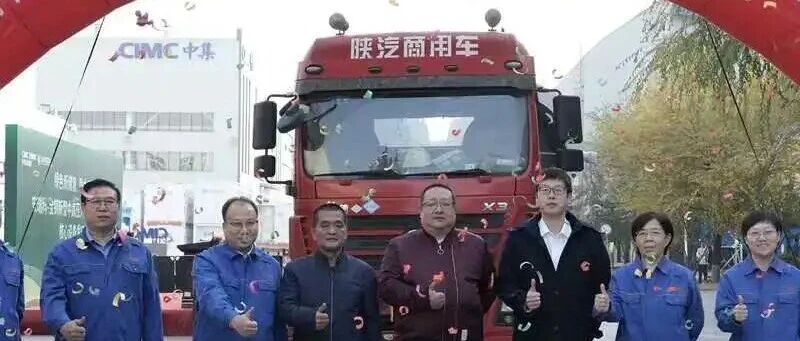
Core Viewpoint - The commercial vehicle sector is undergoing a significant green transformation, with diesel trucks gradually losing their mainstream status due to high emissions and pollution concerns, raising questions about their future viability [1][2]. Group 1: Environmental Impact and Policy Changes - Diesel trucks, despite comprising less than 5% of the national vehicle fleet, account for over 70% of nitrogen oxide emissions and over 90% of particulate matter emissions from vehicles, highlighting their detrimental environmental impact [1]. - Cities are implementing stricter regulations, with "zero emissions" becoming a requirement in many core areas, leading to increased restrictions on diesel truck operations in urban and ecologically sensitive regions [1]. - The operational space for diesel trucks is being squeezed, pushing them out of urban logistics and into long-haul and specialized transport scenarios [1]. Group 2: Market Dynamics and Cost Advantages - The shift towards new energy trucks is being driven by lower operational costs, with new energy heavy trucks saving between 0.3 to 1 yuan per kilometer compared to diesel trucks, potentially saving logistics companies up to 200,000 yuan annually for a truck operating 200,000 kilometers [2]. - The preference for green logistics among shippers is intensifying, leading to a consensus in the industry to prioritize new energy transport, which is creating a vicious cycle for diesel trucks characterized by high costs, low prices, and dwindling cargo sources [2]. Group 3: Challenges in Transition - The transition to electric trucks faces significant challenges, particularly the lack of adequate infrastructure, with charging stations still limited in rural and remote areas, complicating long-distance transport [3]. - New energy trucks struggle with range limitations under various operational conditions, and high procurement costs deter many small logistics companies and individual drivers from making the switch, despite potential operational savings [3]. Group 4: Social Equity and Transition Management - The transition away from diesel trucks raises concerns about the rights and livelihoods of transport workers, as many drivers face sudden devaluation of their vehicles and operational restrictions without sufficient financial support for new energy vehicles [4]. - A balanced approach is necessary to ensure that the transition does not disproportionately impact drivers, with calls for reasonable compensation mechanisms and a phased approach to vehicle retirement [5]. Group 5: Future Outlook - The gradual phase-out of diesel trucks is seen as an inevitable step towards achieving carbon neutrality and high-quality development in the transportation sector, but it requires careful management to ensure that the rights of all stakeholders are protected [5]. - The path to green transformation in commercial vehicles is long, necessitating ongoing technological innovation and infrastructure development while safeguarding the livelihoods of logistics workers [5].
钙钛矿技术加速产业化 标准体系亟待完善
Zhong Guo Chan Ye Jing Ji Xin Xi Wang· 2025-11-18 00:10
Core Insights - Perovskite technology is gaining significant attention as a new generation of photovoltaic technology amidst cost reduction and structural competition pressures in the solar industry [1][2] - The industry is transitioning from traditional silicon efficiency improvements to new material structural innovations represented by perovskite and perovskite-silicon tandem technologies [1][2] - The commercialization of perovskite technology is seen as a key driver for the solar industry to shift from "efficiency competition" to "structural innovation" [1] Industry Trends - The development of perovskite technology is moving from laboratory efficiency record competition to a focus on mass production efficiency and stability [2] - Two main pathways for perovskite technology, single-junction and tandem structures, are advancing simultaneously, creating a multi-technology development landscape [2] - Perovskite materials offer advantages such as low-temperature fabrication and high light absorption, which can break through the efficiency limits of silicon materials [2][3] Production and Demonstration Projects - The industrialization of perovskite technology is accelerating, with significant progress in equipment supply capabilities and the commissioning of hundred-megawatt production lines [4][5] - Demonstration projects for perovskite solar power plants are transitioning from point tests to scenario-based validations, with several megawatt-scale projects already operational [4] - The largest fully perovskite ground power plant in China, a 5-megawatt project by Huaneng Group, has been launched, with more projects expected to come online soon [4] Standardization Efforts - The establishment of a unified standard system for perovskite technology is crucial for its commercialization [6][7] - Current testing and certification systems are inadequate for new material technologies, necessitating the development of specialized standards to ensure scientific evaluation and consistency [6] - The construction of a standard system is seen as essential for promoting technology iteration and market confidence in perovskite projects [7]
啤酒业破局
Jing Ji Ri Bao· 2025-11-17 22:10
Core Viewpoint - The Chinese beer industry is transitioning from a phase of rapid growth to one of quality improvement and brand building, driven by changing consumer preferences and market dynamics [3][5][6]. Industry Development - The Chinese beer industry has evolved significantly over the past century, becoming the world's largest producer and consumer of beer since 2002, with a peak production of 50.62 million tons in 2013 [2][4]. - The industry has seen a shift from traditional brewing to industrial production, with major policy support since the 1980s leading to a rapid increase in production capacity and the emergence of numerous regional brands [4][5]. Market Dynamics - The beer market is now characterized by intense competition and a focus on quality over quantity, as traditional beer consumption declines and health-conscious trends rise among consumers [5][6]. - By 2023, the proportion of the population aged 60 and above reached 21.1%, while the main consumer demographic (ages 20-40) decreased from 35% to 28%, indicating a shift in market dynamics [5]. Consumer Trends - There is a growing demand for high-end, diverse, and premium beer products, with companies focusing on innovation and brand differentiation to meet these evolving consumer preferences [10][11][12]. - The rise of craft beer reflects a broader trend towards product differentiation and unique consumer experiences, with major brands entering the craft beer space [14][15]. Strategic Initiatives - Major beer companies are implementing high-end strategies, with products priced above 10 yuan gaining traction, and some brands even entering the ultra-premium market [10]. - Companies are also focusing on product diversification to cater to different consumer segments, with a notable increase in the variety of beer offerings [11][12]. Technological Advancements - The industry is leveraging digital and smart manufacturing technologies to enhance production efficiency and reduce carbon emissions, with companies like Qingdao Beer leading the way in smart factory initiatives [30][31]. - The adoption of instant retail models is reshaping sales channels, allowing for rapid delivery and increased consumer engagement [16][17]. Sustainability Efforts - The beer industry is increasingly focused on achieving carbon neutrality and sustainable practices, with initiatives aimed at reducing water and energy consumption throughout the production process [21][22][23]. - Companies are collaborating with upstream and downstream partners to promote green practices across the entire value chain, including the use of low-carbon packaging and transportation methods [26]. Challenges and Opportunities - The industry faces challenges related to raw material dependency, particularly for barley and hops, which are largely imported, impacting supply chain security [34][35]. - There is a need for innovation in product development to create globally recognized Chinese beer brands, emphasizing the importance of cultural elements in marketing strategies [36][37][38].



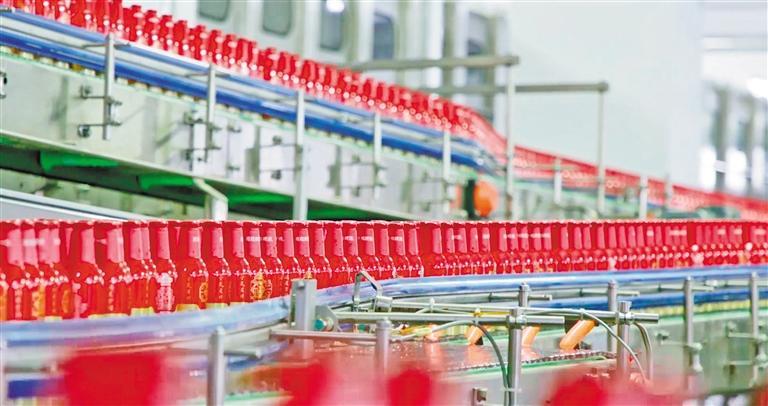
手握核电粮仓牌照!中国铀业IPO终落地,核电粮不用看别人脸色!
Sou Hu Cai Jing· 2025-11-17 14:10
前言 现在咱国家搞"双碳"、推核电,最缺不得的就是"核粮食"——天然铀! 而最近有个重磅消息,直接关乎咱能源安全的"命门"。 懂行的都知道,原地浸出是现在最先进的采铀技术,这项目一投产,每年能多产1200吨天然铀。 国内唯一能搞天然铀采冶的"国家队"中国铀业,不仅IPO终于敲定,旗下大项目还提前试产了。 这波操作直接给咱核电发展上了"双保险"! IPO落地+项目试产 咱们先唠最实在的——中国铀业这波上市操作,可不是走个过场。 早在2024年11月13日,它就亮了招股书,计划在深交所主板发不超过2.48亿股,发行后总股本能超20.68 亿股,当时就说了募资全投主业。 等到2025年5月,这事儿终于有了实锤:证监会正式核准了它的IPO申请,还定了发行价,算下来募资 总额超50亿! 钱花在哪儿?全是硬骨头项目——内蒙古纳岭沟铀矿、巴彦乌拉铀矿二期这些,每一个都关乎产能。 更让人惊喜的是,2025年8月,纳岭沟那个原地浸出采铀工程已经进了试生产阶段! 说句实在话,以前咱国内天然铀不少靠进口,现在自家产能往上冲,以后核电"吃饭"再也不用看别人脸 色了。 全球布局+技术领跑 从另一个角度看,中国铀业能扛起"核电粮仓"的担 ...
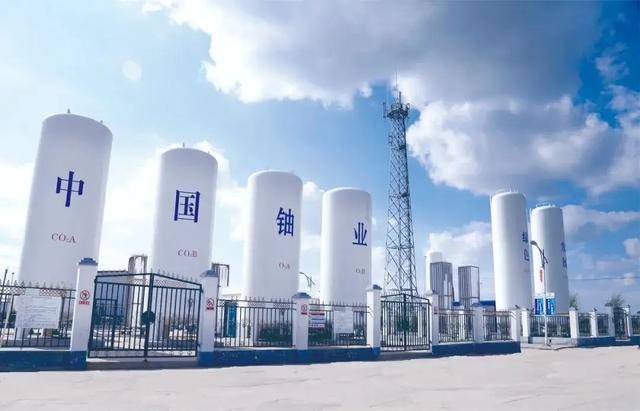
石家庄安瑞科中高压大规模绿氢储输装备成功发运
中国能源报· 2025-11-17 10:42
Core Viewpoint - The successful delivery of the "Medium and High-Pressure Large-Scale Green Hydrogen Storage and Transportation System" by Shijiazhuang Anruike Gas Machinery Co., Ltd. marks a significant breakthrough in China's green hydrogen technology, showcasing the company's leadership in promoting cost reduction and efficiency in the green hydrogen industry [1][8]. Group 1: Technological Advancements - The new medium and high-pressure large-scale hydrogen storage and transportation system represents a collaborative achievement between Shijiazhuang Anruike and Baosteel, reflecting advanced domestic technology in this field [3]. - Traditional low-pressure hydrogen storage technologies face challenges such as large land requirements, complex on-site construction, quality control difficulties, and high storage costs. Shijiazhuang Anruike has successfully addressed these issues through innovative manufacturing processes and new hydrogen storage and transportation workflows [4]. - The new system features modular design and factory-scale production, ensuring high-quality consistency and rapid on-site installation, significantly shortening project construction timelines [4]. Group 2: Market Impact and Applications - The successful shipment of the equipment demonstrates market recognition and readiness for large-scale commercial applications, providing stable and reliable hydrogen supply for new large-scale applications in green hydrogen ammonia and green metallurgy [6]. - The system's solutions enable "energy storage-type hydrogen storage," allowing for all-green electricity storage during hydrogen storage and green hydrogen release without power during transportation, directly supporting national carbon neutrality goals [6]. Group 3: Commitment to Sustainability - As a benchmark enterprise in the energy equipment sector, Shijiazhuang Anruike is at the forefront of promoting clean and low-carbon energy transitions. The launch of the medium and high-pressure large-scale green hydrogen storage and transportation equipment not only showcases the company's technical strength but also its commitment to the development of the global green hydrogen industry [8]. - This development signifies Shijiazhuang Anruike's transformation from a traditional equipment manufacturer to a leading provider of core green hydrogen storage and transportation solutions [8].
普华永道参加COP30:绿色税收制度创新为全球气候治理提供“中国样本”
Sou Hu Cai Jing· 2025-11-17 09:29
Group 1 - The 30th United Nations Climate Change Conference (COP30) will be held from November 10 to 21, 2025, in Belem, Brazil, marking the first multilateral climate governance meeting ten years after the signing of the Paris Agreement [2] - The conference will focus on various climate-related issues, including energy transition, climate financing, and adaptation to climate change, with participants calling for unity among nations to find common solutions to the climate crisis [2] - China will actively participate in the conference and host multiple events at the "China Corner" to showcase its policies and achievements in addressing climate change [2] Group 2 - The first side event at the "China Corner," titled "Ecological Civilization and Beautiful China Practice," is guided by the Ministry of Ecology and Environment and organized by the Xi Jinping Ecological Civilization Thought Research Center [4] - Malong, a partner at PwC China, emphasized the increasing importance of tax policy in promoting green development in China, highlighting ongoing institutional innovations in green taxation as a "Chinese model" for global climate governance [5] - The pilot program for water resource fees reforming into taxes will be fully expanded nationwide by December 2024, with a mechanism encouraging water conservation through a "more water usage, more tax" approach [5] Group 3 - The Environmental Protection Tax Law of the People's Republic of China was revised for the first time this year, including volatile organic compounds in the tax scope and allowing local authorities to adjust tax rates dynamically [6] - A tax-sharing platform has been established by the Ministry of Finance, the State Taxation Administration, and the Ministry of Ecology and Environment to link tax incentives with environmental performance, promoting green technology investments by enterprises [6] - The recently announced 14th Five-Year Plan suggests a future direction for green tax systems, indicating that more pollutants and resource consumption will gradually fall under the scope of environmental and resource taxes [6][7]

这个最神秘的小县城,决定80%日本人的“身后事”
商业洞察· 2025-11-17 09:23
Core Viewpoint - The article highlights the significance of Huian County in Fujian, which has developed a world-leading stone carving industry, particularly in producing tombstones for the Japanese market, capturing 80-90% of the market share [4][14]. Group 1: Huian's Stone Carving Industry - Huian has a rich history of stone carving that dates back over 1600 years, leveraging its abundant granite resources [6][9]. - The local stone carving industry flourished due to cultural exchanges and increased demand for intricate stone art, especially in religious contexts [9][10]. - After Japan's restrictions on domestic granite mining, Huian became a key supplier, meeting the high-quality standards required by Japanese consumers [11][12]. - By 1992, Huian's stone carving enterprises generated nearly 80% of their revenue from exports, primarily to Japan [12]. - The local government has implemented strategic initiatives to modernize the industry, including the establishment of the China Sculpture City and various industrial parks [12][13]. - As of 2024, Huian's stone carving industry has an industrial output value exceeding 55 billion yuan, making it the largest stone carving production and export base in China [13][14]. Group 2: Economic Development and Diversification - Huian has transformed from a poor county to one of China's top 100 economic counties, with a GDP of 131.12 billion yuan and a per capita GDP of 158,200 yuan [16][18]. - Other key industries in Huian, such as petrochemicals, campus apparel, and food production, are also undergoing upgrades and contributing to economic growth [16][18]. - The county is now focusing on emerging sectors, particularly the renewable energy industry, with plans to develop a new energy battery integration system [16][20]. - The global lithium battery market is projected to grow significantly, with China leading in production and innovation, aligning with Huian's strategic plans [19][20]. - Huian aims to leverage its petrochemical industry to develop key materials for the battery sector, such as electrolyte solvents and high-end membrane materials [25][27]. - The county is also exploring opportunities in energy storage systems and specialized vehicle battery packs, which require customized solutions [27][30].

中油资本与安永联合发布《中国能源金融发展报告(2025)》, 首次系统性勾勒中国能源金融全产业链图景
Di Yi Cai Jing· 2025-11-17 08:58
Core Insights - The integration of energy and finance is becoming a key driver for China's modernization amid the global energy landscape transformation and the advancement of the "dual carbon" strategy [3] - The "China Energy Finance Development Report (2025)" was jointly released by China National Petroleum Corporation Capital and Ernst & Young, providing a comprehensive analysis of the energy finance market in China [3] Group 1: Energy Finance Role and Structure - Energy finance has evolved from being a "service provider" to a "multi-dimensional enabler," supporting energy security and green transformation [4][6] - The financing structure is diversifying, moving away from reliance on traditional credit, with new financing tools emerging [8] - In 2024, the new financing products in energy finance reached 6.7 trillion yuan, with a total scale of 42.9 trillion yuan, representing 19% and 26% of the overall market, respectively [6] Group 2: Cross-Border Settlement and Industry Focus - The rise of RMB cross-border settlement is establishing energy trade as a new engine for internationalization, with the direct cross-border settlement amount reaching 13.9 trillion yuan in 2024 [9] - The electricity sector has become the main financing player in the energy system, accounting for 74% of the new financing in energy listed companies in 2024 [15] Group 3: Traditional Energy Giants and Hydrogen Financing - Traditional oil and gas giants are transforming into key bridges for energy transition, with green bond balances in the oil and gas sector reaching 32.5 billion yuan in 2024 [18] - The hydrogen financing ecosystem is taking shape, with government-led and market-driven dynamics, resulting in over 6.5 billion yuan in cumulative financing for hydrogen enterprises by 2024 [22] Group 4: Nuclear Fusion and Carbon Market Development - China's nuclear fusion industry is advancing towards commercialization, with a goal to achieve the world's first fusion power demonstration by 2027, supported by a dual-driven funding system [24] - The carbon market is becoming more active, with a trading volume of 18.1 billion yuan in 2024, and green electricity trading has seen a compound growth rate of 200% since 2021 [27] Group 5: Energy Listed Companies and Financial Innovation - Energy listed companies are showing a significant increase in new financing, with a growth rate of 10.5%, indicating their leading position in the market [29] - The report outlines a new paradigm of energy finance that emphasizes "industry-specific strategies," showcasing successful models from various energy capital platforms [30] Conclusion - The future of energy finance in China is expected to create new opportunities through continuous innovation and technological transformation, evolving from traditional service models to deep collaborative roles [31]


氢能和核聚变能:“能源新秀”驱动绿色未来
Xin Hua She· 2025-11-17 06:49
Core Insights - Hydrogen energy and nuclear fusion are identified as future industries in the "14th Five-Year Plan," expected to become new economic growth points and accelerate the transition from laboratory to industrial application, contributing to the "dual carbon" goals [1] Hydrogen Energy - Hydrogen energy is produced through the chemical reaction of hydrogen and oxygen, utilizing primary energy sources like wind, solar, coal, and natural gas, making it a secondary clean energy source [2] - The hydrogen industry is emerging, with hydrogen fuel cell vehicles offering longer ranges and faster refueling; hydrogen is also being used in steelmaking to replace coke, significantly reducing carbon emissions [2] - By the end of 2024, national hydrogen production capacity is expected to exceed 50 million tons per year, with a year-on-year growth of approximately 1.6%; over 600 renewable energy electrolysis hydrogen production projects are planned nationwide [2] - The development of the hydrogen industry is crucial for accelerating the construction of a new energy system and achieving carbon peak and carbon neutrality goals [2] Nuclear Fusion Energy - Nuclear fusion is likened to the ultimate energy dream, where hydrogen atoms fuse into helium under extreme temperatures and pressures, releasing vast amounts of energy [3] - The raw materials for nuclear fusion are abundant, derived from isotopes of hydrogen found in seawater, and it is considered a clean and safe energy source [3] - For instance, the energy produced from 1 liter of seawater's deuterium is equivalent to that from 300 liters of gasoline [3] - Significant advancements in nuclear fusion research have been reported in China, including breakthroughs in temperature and duration of high-quality burning, bringing the "artificial sun" closer to reality [3] - The technology of fusion energy is transitioning from scientific research to engineering practice and commercial application [3]