
数字化转型

Search documents
助贷新规重塑行业格局,中小银行迎多维度挤压考验
Guo Ji Jin Rong Bao· 2025-11-20 15:29
Core Insights - The implementation of the new regulations on internet lending by commercial banks has led to a cautious approach among regional small and medium-sized banks, with many suspending new lending partnerships and reducing the number of cooperative institutions [1][2][5] Group 1: Regulatory Impact - The new regulations require banks to reassess their existing cooperation models due to stricter requirements on funding ratios, concentration management, and the qualifications of cooperative institutions [5][7] - Regional banks are facing dual pressures from regulatory compliance and cost considerations, leading to a rational choice to halt new business [5][7] Group 2: Business Adjustments - Several banks, such as Urumqi Bank and Guiyang Bank, have announced the suspension of new internet lending partnerships and are focusing on managing existing loans [4][5] - Jilin Yilian Bank has significantly reduced its cooperative institutions from 56 to just 10, indicating a shift towards partnerships with major platforms like Ant Group and JD [4][5] Group 3: Market Dynamics - The new regulations are expected to shift the competitive landscape of the lending market from a focus on scale and flow to risk management capabilities and financial technology strength [8] - Banks are encouraged to enhance their internal risk management systems and improve transparency in loan processes to comply with the new regulations [8][9] Group 4: Strategic Recommendations - Regional banks should focus on local market advantages and develop differentiated credit products tailored to specific regional needs [9] - Accelerating digital transformation and exploring collaborative development models among small banks can help share costs and improve efficiency [9]


American Public Education (NasdaqGS:APEI) 2025 Investor Day Transcript
2025-11-20 15:00
Summary of American Public Education (APEI) 2025 Investor Day Company Overview - **Company**: American Public Education, Inc. (APEI) - **Industry**: Higher Education, focusing on military and veteran education - **Key Institutions**: American Public University System (APUS), Rasmussen University, Hondros College of Nursing Core Points and Arguments 1. **Value Proposition**: APEI is recognized as "higher education's best kept secret," with 72% of APUS students graduating with no student debt, largely due to its affiliation with the Department of Defense [4][20][46] 2. **Market Position**: APEI serves a critical role in addressing the nursing shortage, with a projected 200,000 openings annually for the next decade [7][25] 3. **Educational Model**: APEI offers a flexible educational model, allowing students to take one class at a time, which is particularly beneficial for military learners [12][18] 4. **Growth Strategy**: Plans to expand into new markets and add programs, particularly targeting military families and veterans, are underway [15][30] 5. **Financial Performance**: APEI aims for organic revenue between $890 million and $925 million by 2029, with an adjusted EBITDA margin of 20%-21% [30][31] 6. **Student Demographics**: The student body includes 40% military referrals and 30% of military students returning for a second degree, indicating high satisfaction and loyalty [25][47] 7. **Tuition Assistance**: APEI's tuition model aligns with Department of Defense assistance, allowing military students to study at no out-of-pocket cost [20][44] Important but Overlooked Content 1. **Technological Integration**: APEI is leveraging technology to enhance learning experiences and operational efficiency, which is crucial for future growth [9][10] 2. **Market Share Growth**: APEI has gained 1,090 basis points of market share in the military education sector over the past five years, indicating strong competitive positioning [49] 3. **Unique Educational Platform**: The purpose-built platform for military education is difficult for competitors to replicate, providing APEI with a sustainable competitive advantage [42][50] 4. **Extended Family Segment**: APEI is expanding its reach to include the families of military personnel, tapping into a significant market of 20 million potential students [55][56] 5. **Career Services**: APEI offers lifelong career services to military students transitioning to civilian life, enhancing their employability [45][46] Conclusion APEI is strategically positioned to capitalize on the growing demand for military and veteran education, with a strong focus on student outcomes, financial discipline, and market expansion. The company's unique value proposition and commitment to serving those in the military community underpin its growth strategy and operational success.

旺季“抢单”进行时!银行密集推购车金融方案,最低0息起
Bei Jing Shang Bao· 2025-11-20 14:24
Core Viewpoint - The automotive consumer finance business of banks is entering a "sprint period" as the year-end car purchasing season approaches, with various banks launching attractive loan schemes to stimulate demand and enhance customer experience [1][3]. Group 1: Marketing Strategies - Multiple banks, including Postal Savings Bank and Ping An Bank, are intensifying marketing efforts for auto loans, offering incentives such as 0% interest rates and financial subsidies [3][4]. - Postal Savings Bank is providing up to 4,500 yuan in financial subsidies for specific new models, with annual interest rates ranging from 0% to 6% [3]. - Ping An Bank has introduced a year-end promotion with a minimum interest rate of 0%, allowing loans from 10,000 yuan to 1 million yuan, with specific terms based on loan approval [3][4]. Group 2: Market Trends - The automotive consumer finance sector is becoming a focal point for banks amid slowing retail credit growth and increasing scarcity of quality assets [4][5]. - As of September, Ping An Bank's automotive consumer finance loan balance reached 300.3 billion yuan, a 2.2% increase from the previous year, while personal loans for new energy vehicles saw a 23.1% year-on-year growth [4]. - Shanghai Bank reported an automotive consumer loan balance of 50.33 billion yuan, up 16.95% year-on-year, with new energy vehicle loans growing by 63.08% [5]. Group 3: Regulatory Changes - Some banks are relaxing early repayment restrictions to improve customer experience and adapt to competitive market conditions [6][7]. - For instance, Guangfa Bank has adjusted its early repayment penalty structure, allowing borrowers to apply for early repayment from the first repayment date, maintaining an 8% penalty on the remaining principal for the first 12 months [6][7]. - Analysts suggest that further relaxation of early repayment rules may occur to enhance market competitiveness and customer retention [7]. Group 4: Industry Transformation - The automotive finance sector is shifting from high-interest, high-reward models to a focus on service and customer experience due to regulatory pressures [8][9]. - Banks are encouraged to innovate and provide personalized financial products that align with consumer needs, integrating financial services into the entire car purchasing process [9][10]. - The emphasis is on creating a comprehensive ecosystem that covers the entire lifecycle of vehicle ownership, leveraging technology for improved efficiency and risk management [9][10].


澳洲会计师公会调查:AI的快速发展正深刻重塑财会领域的核心技能要求
Jing Ji Guan Cha Wang· 2025-11-20 14:24
Core Insights - The latest survey by the Australian Accounting Association indicates a significant increase in AI application rates and maturity among mainland Chinese enterprises over the past year [1][2] Group 1: AI Application and Trends - 92% of respondents from mainland China reported using AI tools like DeepSeek, a substantial increase from 72% in the previous year [1] - 21% of respondents indicated that AI is widely integrated across various business functions, up from 9% in the last survey, marking the highest rate among all surveyed markets [1] - 65% of respondents expect their companies to further increase AI technology applications in the next 12 months, a rise of 17 percentage points from the last survey [2] Group 2: Challenges in AI Implementation - 40% of mainland enterprises identified cost and return uncertainty as a primary challenge, with 49% of small and medium-sized enterprises (SMEs) particularly concerned about low investment returns [2] - The lack of transparency and explainability in AI outputs, along with data security risks, poses significant challenges for both large and small enterprises [2] - Compliance and risk management pressures are heightened due to varying global AI governance rules, leading to increased data leakage risks [2] Group 3: Workforce and Talent Development - 32% of respondents noted a reduction in hiring entry-level accounting staff, while 18% reported actively recruiting talent with AI expertise for their finance departments [3] - Companies are advised to balance technology investments with long-term business strategies, especially for SMEs lacking digital capabilities [3] - Employers are encouraged to enhance existing employees' technological skills and create clear policies for ethical AI tool usage [4]
美国亏惨!中国县城打破垄断,价格便宜98.5%,抢占亚欧中东市场
Sou Hu Cai Jing· 2025-11-20 13:40
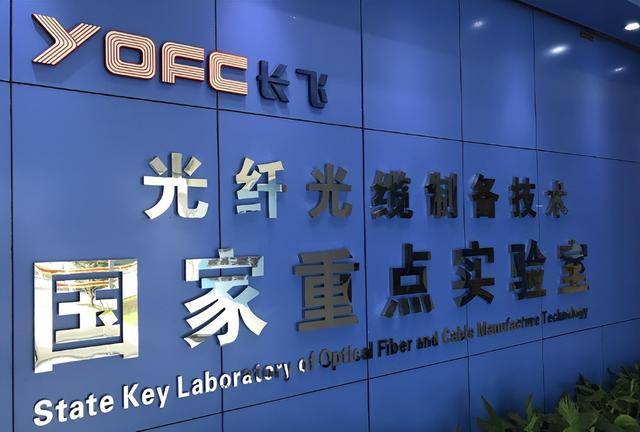
Core Insights - The article discusses the rise of Changfei, a Chinese optical fiber company, which has successfully broken the monopoly of American firms in the optical fiber market through innovation and competitive pricing [1][9][22]. Company Background - Changfei was established in May 1988 as a joint venture, facing the challenge of American dominance in the optical fiber sector [1]. - By 1990, the U.S. optical fiber market was worth $1 billion, accounting for one-third of the global market, leading to high import costs for countries like China [3]. Innovation and Development - Changfei opted for independent research and development, leading to the production of its first mass-produced optical fiber in 1991, marking a significant milestone for China [5]. - The company developed three manufacturing technologies for optical fiber preform, becoming the only global enterprise to cover all these processes and achieve industrialization [7]. Market Impact - In 2023, the Chinese optical fiber communication market reached a total scale of 150 billion yuan, with Changfei's overseas revenue hitting a historical high [9]. - The reduction in optical fiber prices from over 2000 yuan per kilometer to around 30 yuan has significantly increased global orders for Changfei's products [12][22]. Global Expansion - Changfei's products are now available in over 90 countries, with many nations previously reliant on American products now opting for Changfei's offerings due to better performance and lower prices [14]. - The company has established six production bases in countries like Indonesia and Brazil, enhancing local employment and reducing costs [16]. Financial Performance - In the first half of 2024, Changfei's revenue was approximately 5.348 billion yuan, with diversified business contributing 40% and increasing overseas revenue [16]. - Despite a year-on-year revenue decline of 13.31% in the first nine months of 2024, the net profit attributable to the parent company was 573 million yuan, indicating ongoing structural optimization [28]. Future Outlook - The global demand for optical fibers is expected to grow at an annual rate of 6.2%, with the Chinese market projected to recover with a growth rate of 2.3% [26]. - Changfei is also exploring new technologies like hollow-core optical fibers, which have attracted interest from major companies like Microsoft, indicating a promising market potential [20][29].

绿色能源加注中心成效显著 上海临港加快建设航运功能集聚区
Xin Hua Cai Jing· 2025-11-20 13:20
Core Insights - The 2025 High-Level Shipping Service Industry Innovation Conference was held, where the Shanghai Maritime Bureau announced policies to support the Lingang New Area in becoming a shipping function aggregation zone [1] - The policies include 14 service upgrade measures aimed at enhancing the capabilities of Yangshan Deep-Water Port, facilitating the transformation of the shipping industry, and creating a top-tier operating environment for shipping companies [1] Group 1 - The Lingang New Area is focusing on high-level shipping services as a key direction for open development, establishing itself as a center for green energy refueling, with bonded LNG and methanol refueling volumes ranking among the highest globally [1] - The international transshipment and consolidation business at Yangshan Port is steadily increasing, with the port's performance ranking first globally, further enhancing its hub function [1] Group 2 - The conference announced the launch of several high-level shipping service projects, including the "China Yangshan Port" International Ship Registration Service Center and the new crew training center by COSCO Shipping, aimed at addressing service gaps in the domestic sector [1] - The Lingang New Area will continue to strengthen institutional innovation and build a more international shipping development environment, promoting international standard alignment and cross-border data flow [2]

中南传媒:与关联方签订委托经营管理合同暨控股股东申请延长解决同业竞争承诺履行期限
Ge Long Hui· 2025-11-20 13:07
Core Viewpoint - Zhongnan Media (601098.SH) is extending the deadline for the integration of three companies to address competition issues, now set to be completed by December 8, 2030, due to challenges in the publishing industry's digital transformation and changes in educational policies [1] Group 1: Company Actions - The publishing group has proposed to extend the commitment deadline for integrating the three companies into Zhongnan Media by five years [1] - A temporary solution involving a management contract has been established to address the competition issue until the companies' prospects improve [1] - The management fees for the three companies are set at 1 million yuan per year for the Education Publishing Group and 100,000 yuan per year for both the Education Audio-Visual Company and the Map Company [1] Group 2: Board Decisions - The sixth board meeting approved the proposal to sign management contracts with related parties and extend the deadline for resolving competition commitments [2] - Several related directors recused themselves from the vote, while four non-related directors unanimously agreed to the proposal [2] - The transaction will require approval from the shareholders' meeting [2]

澳洲会计师公会调查:中国内地人工智能应用激增,财会人才需求加速转型
Guo Ji Jin Rong Bao· 2025-11-20 12:32
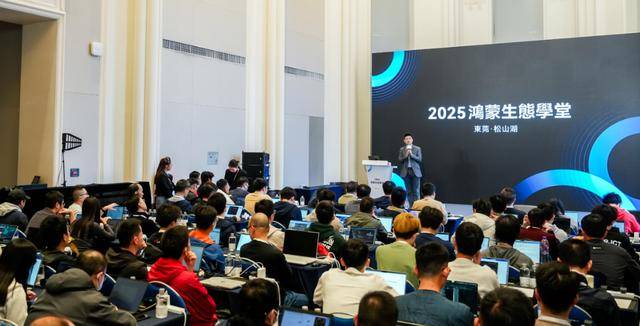
Core Insights - The application and maturity of artificial intelligence (AI) in mainland China have significantly increased over the past year, reshaping the core skill requirements in the accounting field and driving talent transformation [1][4] - Companies are increasingly focused on the return on investment (ROI) from AI projects, reflecting a more pragmatic approach to technology application [1][4] Group 1: AI Adoption and Trends - AI, data analytics, and cybersecurity software are the top three technologies adopted by mainland Chinese enterprises in the past year [4] - 92% of respondents from mainland China reported using AI tools like DeepSeek, a significant increase from 72% in the previous year [4] - 21% of respondents indicated that AI is widely integrated into various business processes, up from 9% in the last survey, making it the highest among all surveyed markets [4] - 65% of respondents expect their companies to further increase AI technology applications in the next 12 months, a rise of 17 percentage points from the previous survey [4] Group 2: Human Resource Strategies - 32% of respondents noted that their companies reduced hiring for junior accounting positions due to the proliferation of AI applications, while 18% are actively recruiting talent with AI expertise [5] - The demand for hybrid talent with both traditional accounting knowledge and technological skills is increasing, as companies seek to empower digital transformation [5] - Employers are encouraged to enhance or retrain existing employees' technological skills to adapt to the evolving workplace [5] Group 3: Investment and ROI Challenges - Approximately 40% of respondents indicated that the ROI from technology investments is low, particularly among small and medium-sized enterprises (SMEs) [7] - Companies are advised to clearly define their core business challenges before investing in new technologies and to consult with technology experts for tailored solutions [7] - SMEs should prioritize technology solutions that enhance core business functions and adopt phased investment strategies to ensure alignment with strategic goals [7] Group 4: Cybersecurity Concerns - 74% of respondents reported ongoing use of cybersecurity software, with 35% integrating cybersecurity into their overall business strategy [7][8] - The rise of generative AI and other public large language models has increased data breach risks, necessitating heightened employee awareness and responsible AI usage [8] - Companies are encouraged to regularly assess and update their cybersecurity measures to mitigate evolving threats, with options like security operation centers being viable solutions [8]
鸿蒙生态学堂创新实训营东莞站落幕,为港澳企业开发者注入新动能
Sou Hu Cai Jing· 2025-11-20 12:05
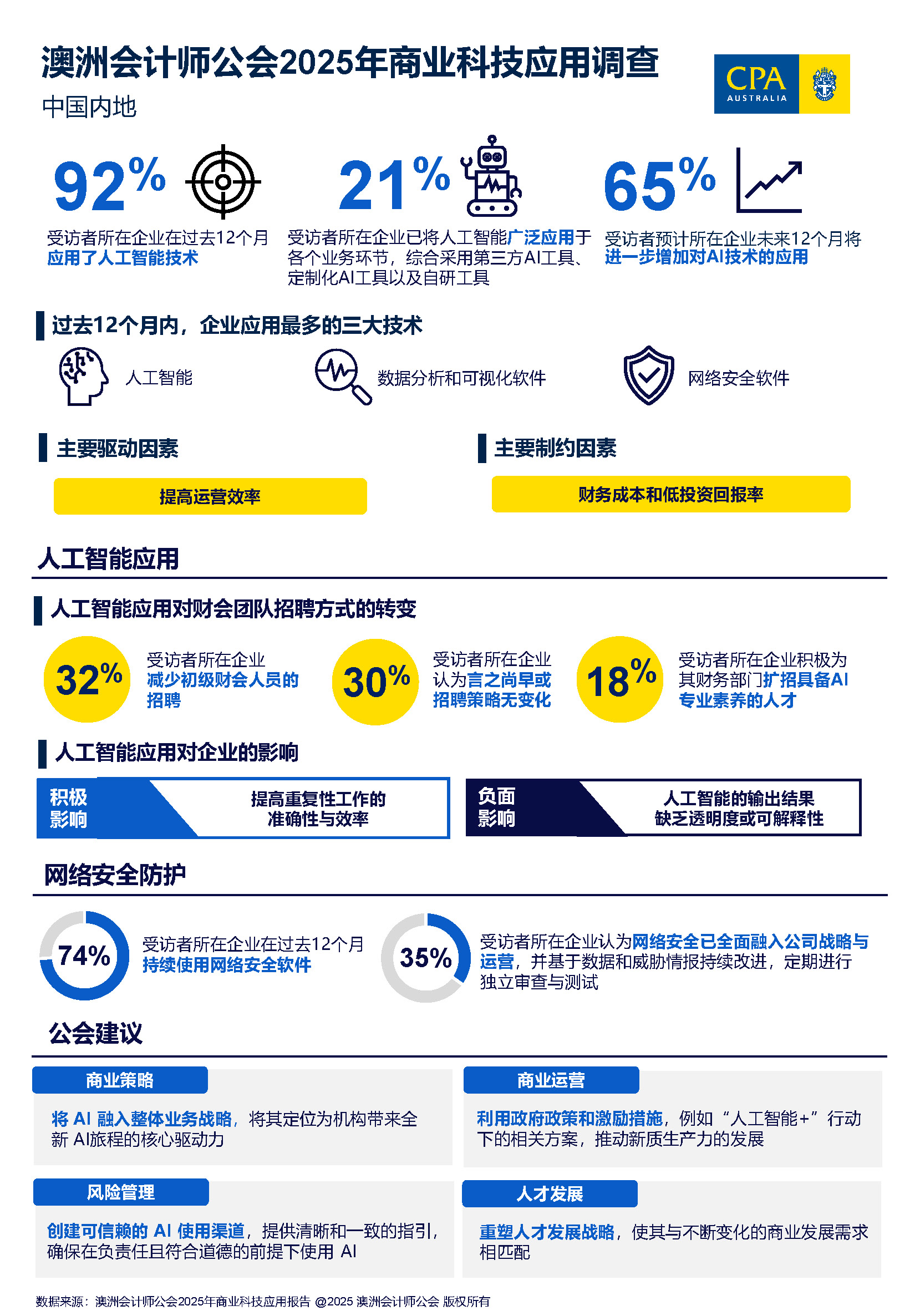
Core Insights - Huawei's HarmonyOS ecosystem training camp successfully held a specialized training program for developers from Hong Kong and Macau, aiming to empower them with key capabilities to expand their business platforms and achieve new commercial growth by 2025 [1] Group 1: Training Program Focus - The training program is designed to address the specific digital transformation needs of Hong Kong and Macau's core industries, supporting Hong Kong's status as an international financial center and Macau's position as a global tourism hub [3] - Course content includes topics such as multi-terminal experiences in smart retail, localized digital services in the tourism sector, cross-border payment adaptations, and lightweight device solutions for small and medium enterprises [3] Group 2: Practical Implementation and Support - The curriculum covers HarmonyOS system architecture, distributed capabilities, and the entire process of application adaptation and listing, with materials provided in traditional Chinese and support in Cantonese/English [4] - Huawei's expert team shared numerous practical cases and implementation paths tailored for the Hong Kong and Macau markets, including cross-device collaboration across multiple cities in the Greater Bay Area and local payment integration [4] Group 3: Industry Recognition and Value - The training camp received enthusiastic feedback from participating companies, highlighting the need for technological upgrades in Macau's tourism industry to enhance visitor satisfaction and spending [5] - Representatives from Hong Kong's financial institutions recognized the unique value of HarmonyOS in facilitating seamless cross-device business collaboration while ensuring compliance [5] Group 4: Certification and Future Collaboration - Huawei awarded official HarmonyOS professional certification to participants who passed the assessment, providing important qualification support for developers in the HarmonyOS ecosystem [5] - The training further strengthened the exchange and cooperation in digital technology between mainland China and Hong Kong and Macau, with companies expressing optimism about new business opportunities in the interconnected era [6] Group 5: Commitment to Ecosystem Development - Huawei expressed its commitment to continuously open its technological capabilities and collaborate with Hong Kong and Macau enterprises to build a prosperous HarmonyOS ecosystem, enhancing users' digital life experiences [8]
澳洲会计师公会调查:中国内地人工智能应用激增 财会人才需求加速转型
Zheng Quan Shi Bao Wang· 2025-11-20 10:39
Core Insights - The latest survey by the Australian Accounting Association indicates a significant increase in AI application and maturity among mainland Chinese enterprises over the past year [1][2] Group 1: AI Application and Maturity - 92% of respondents from mainland China reported using AI tools like DeepSeek, a notable increase from 72% in the previous year [1] - 21% of respondents stated that AI is widely integrated into various business processes, up from 9% in the last survey, making it the highest among all surveyed markets [2] - 65% of respondents expect their companies to increase AI technology application in the next 12 months, a rise of 17 percentage points from the last survey [2] Group 2: Impact on Workforce and Skills - 32% of respondents indicated that their companies reduced hiring for junior accounting positions due to AI application, while 18% are actively recruiting talent with AI expertise [3] - The demand for professionals with a combination of traditional accounting knowledge and technological skills is increasing, as companies seek to empower digital transformation [3] Group 3: Cybersecurity Concerns - 74% of respondents reported ongoing use of cybersecurity software, with 35% stating that cybersecurity is fully integrated into their company’s strategy and operations [4][5] - The rise of generative AI and other public large language models has increased data breach risks, necessitating a focus on employee awareness and responsible AI usage [5] Group 4: Investment and Return on Technology - Approximately 40% of enterprises occasionally use free or off-the-shelf AI tools, while many companies are still exploring the return on investment from AI technologies [4] - Small and medium-sized enterprises face challenges in balancing technology investment with long-term business strategies, emphasizing the need for phased investment approaches [4]