
供给侧结构性改革

Search documents
时报观察丨供需双侧协同升级 激活万亿消费新动能
Zheng Quan Shi Bao· 2025-11-28 02:39
Group 1 - The core viewpoint emphasizes the importance of enhancing the adaptability of supply and demand in consumer goods to stimulate consumption and expand domestic demand as a key economic strategy [1][2] - Recent policies include a total of 300 billion yuan in subsidies for replacing old consumer goods, which have already driven sales exceeding 2.4 trillion yuan in the first ten months of this year [1] - Long-term solutions for boosting consumption require strengthening social security systems and improving income distribution reforms to enhance consumer purchasing power and marginal propensity to consume [1] Group 2 - The implementation plan highlights the need to accelerate the development of artificial intelligence terminal products, transforming technological innovations into convenient consumer applications [2] - Achieving high-level dynamic adaptation of supply and demand should primarily rely on companies' insights into market needs and adjustments in their operational behaviors to strengthen competitiveness [2] - Government roles should focus on institutional innovation to release reform dividends, enforce standards for product safety and environmental upgrades, and foster a conducive environment for technological innovation, rather than directly regulating production [2]
最大程度激发消费活力,促进经济循环畅通
Ke Ji Ri Bao· 2025-11-28 01:15
Core Viewpoint - The core idea of the "Implementation Plan for Enhancing the Adaptability of Supply and Demand for Consumer Goods" is to shift production from quantity to quality, addressing resource misallocation and waste, and stimulating consumption through high-quality supply [1] Group 1: Supply and Demand Adaptation - The plan aims to maximize consumption potential and promote smooth economic circulation by enhancing the overall adaptability of supply and demand [1] - The Ministry of Industry and Information Technology will work with relevant departments to implement the plan, increase resource investment, and support policies to expand consumption and stabilize growth [1] Group 2: Quality Supply and Market Growth - China's consumer goods supply has entered a new stage of quality and price, with a total of 230 million varieties of consumer goods, leading in over 100 categories such as home appliances and furniture [2] - The manufacturing capabilities allow rapid responses to technological upgrades and consumer demand changes, resulting in a significant increase in innovative products like smart drones and smart vehicle equipment, with respective value-added growth of 59.9% and 25.1% in the first three quarters of this year [2] - The plan aims to achieve dynamic balance in supply and demand at a higher level within approximately five years, addressing structural mismatches in supply and demand [2] Group 3: Expanding Consumption Space - The plan sets a target to form three trillion-level consumption fields and ten hundred-billion-level consumption hotspots by 2027, focusing on areas such as elderly products, smart connected vehicles, and consumer electronics [2][3] - The implementation of the plan is expected to create greater consumption space, enhancing the resilience and vitality of the domestic consumption market [3] Group 4: Integration of Artificial Intelligence - The plan emphasizes the integration of artificial intelligence (AI) in consumer goods, with AI acting as a catalyst for promoting consumption [4] - By mid-2023, the user base for generative AI products in China reached 515 million, with continuous expansion of application scenarios [4] - Future efforts will focus on product and scenario innovation, leveraging AI and big data to enhance the digital ecosystem across the entire industry chain [5]
时报观察丨供需双侧协同升级 激活万亿消费新动能
证券时报· 2025-11-28 00:20
Core Insights - The article emphasizes the importance of enhancing the adaptability of supply and demand in consumer goods to stimulate consumption and expand domestic demand as a key economic strategy [1][2] - It highlights that boosting consumption is a systemic project requiring not only financial incentives but also structural reforms in social security and income distribution to enhance consumer purchasing power [1] - The need for high-quality goods and services is stressed, particularly in the context of evolving consumer preferences, necessitating upgrades in supply-side capabilities [1][2] Summary by Sections Policy Initiatives - Recent measures by six government departments aim to enhance the adaptability of consumer goods supply and demand, continuing the focus on expanding domestic demand [1] - A total of 300 billion yuan in subsidies for replacing old consumer goods has generated over 2.4 trillion yuan in sales in the first ten months of the year [1] Structural Reforms - Long-term consumption enhancement requires building a robust social security system and reforming income distribution to improve consumer capacity and marginal propensity to consume [1] - The article stresses the importance of investing in human capital to achieve these goals [1] Supply-Side Upgrades - The need for producers to respond quickly to market demands and provide better-suited products is highlighted, addressing mismatches in supply and demand [1] - The article calls for a shift from merely increasing production to producing more adaptable and higher-quality goods [1] Technological Innovation - The implementation plan emphasizes accelerating the development of artificial intelligence terminal products, transforming technological innovations into consumer conveniences [2] - Sustainable development in technology and industry upgrades is linked to enhanced consumer demand [2] Role of Enterprises - The article asserts that achieving high-level dynamic adaptation of supply and demand should primarily rely on enterprises understanding market needs and adjusting their operations [2] - Government's role is to create a conducive environment for enterprises through institutional innovation and setting standards for safety and environmental considerations [2]


供需双侧协同升级 激活万亿消费新动能
Zheng Quan Shi Bao· 2025-11-27 22:54
此外,这也是统筹推进扩大内需战略和供给侧结构性改革的具体体现。本次实施方案从多处强调要 加快开发人工智能终端产品,让科技创新能真正从惊艳的技术,变成消费者身边的便利;有了更进一步 的需求牵引,科技创新、产业升级也才有可持续发展的动力。 当然,推动实现供需高水平的动态适配,应当主要依靠企业本身洞察市场需求、调整经营行为,从 而夯实竞争力。在这个过程中,政府部门绝不是也绝不能代替企业进行生产调节,而是通过制度创新释 放改革红利,通过强制标准引领推进产品往更加安全、环保等方面升级,通过培育良好的发展环境促进 科技创新等,为企业在生产端提供更好的外部条件。 (责任编辑:王治强 HF013) 【免责声明】本文仅代表作者本人观点,与和讯网无关。和讯网站对文中陈述、观点判断保持中立,不对所包含内容 的准确性、可靠性或完整性提供任何明示或暗示的保证。请读者仅作参考,并请自行承担全部责任。邮箱: news_center@staff.hexun.com 证券时报记者 秦燕玲 工信部等六部门近日出台系列举措增强消费品供需适配性,推动进一步扩大消费。这是一段时间以 来将扩大内需作为经济工作重中之重的政策延续。 提振消费、扩大内需是一 ...
时报观察 供需双侧协同升级 激活万亿消费新动能
Zheng Quan Shi Bao· 2025-11-27 19:30
工信部等六部门近日出台系列举措增强消费品供需适配性,推动进一步扩大消费。这是一段时间以来将 扩大内需作为经济工作重中之重的政策延续。 此外,这也是统筹推进扩大内需战略和供给侧结构性改革的具体体现。本次实施方案从多处强调要加快 开发人工智能终端产品,让科技创新能真正从惊艳的技术,变成消费者身边的便利;有了更进一步的需 求牵引,科技创新、产业升级也才有可持续发展的动力。 提振消费、扩大内需是一项系统性工程。去年以来,政策层面就对提振消费的需求侧作出诸多安排,包 括影响面广、拉动效果直接的消费品以旧换新补贴、育儿补贴等。最新数据显示,今年总额为3000亿元 的消费品以旧换新"国补"资金,仅前10个月就已经带动销售额超2.4万亿元。但提振消费绝非仅靠"发 钱"就能够解决,尤其是从长期发展角度来看,归根结底要通过进一步筑牢社会保障屏障、完善收入分 配制度改革,增强消费者的消费能力、提高边际消费倾向,目前相关部门频繁强调要"投资于人"也在于 此。 当然,推动实现供需高水平的动态适配,应当主要依靠企业本身洞察市场需求、调整经营行为,从而夯 实竞争力。在这个过程中,政府部门绝不是也绝不能代替企业进行生产调节,而是通过制度创新 ...
五部门发文:2027年形成3个万亿级、10个千亿消费领域!
DT新材料· 2025-11-27 16:05
Core Insights - The article discusses the implementation plan approved by the State Council to enhance the adaptability of consumer goods supply and demand, aiming for significant optimization of the supply structure by 2027, with the creation of three trillion-level consumption fields and ten hundred-billion-level consumption hotspots [1][2]. Group 1: Key Consumption Areas - The three trillion-level consumption fields identified include elderly products, smart connected vehicles, and consumer electronics. The market for elderly products is projected to grow from 2.6 trillion yuan in 2014 to 5.4 trillion yuan by 2024, with a compound annual growth rate of 7.3% [2]. - The ten hundred-billion-level consumption hotspots encompass baby products, smart wearable devices, cosmetics, fitness equipment, outdoor products, pet food and supplies, civilian drones, trendy toys, jewelry, and national trend clothing. These areas are showing strong growth momentum and significant development potential [2]. Group 2: Market Trends and Opportunities - The article highlights the dual approach of "stock optimization" and "incremental creation" to stimulate consumption. Stock optimization focuses on enhancing product quality and cultural elements, while incremental creation targets new products and services for emerging demographics and needs, such as smart home ecosystems and solutions for the aging population [1][2]. - The diversification and vitality of the consumption market are emphasized, with trends like health living and fitness driving demand for outdoor and fitness products, and the IP economy appealing to younger consumers through trendy products [2].
3个万亿、10个千亿,多部门点明这些消费热点
21世纪经济报道· 2025-11-27 15:28
Core Viewpoint - The article discusses the implementation plan by the Ministry of Industry and Information Technology and other departments to enhance the adaptability of supply and demand in consumer goods, aiming to promote consumption and economic growth through structural reforms and innovation [1][3]. Group 1: Implementation Goals - The plan sets two main goals: to establish three trillion-level consumption sectors and ten hundred-billion-level consumption hotspots by 2027, and to create a high-quality development pattern of mutual promotion between supply and consumption by 2030 [1][3]. - The focus is on transforming production from quantity to quality, encouraging enterprises to produce more suitable and better products to meet consumer demands [3][5]. Group 2: Key Consumption Areas - The three trillion-level consumption sectors identified are elderly products, smart connected vehicles, and consumer electronics [6][10]. - The ten hundred-billion-level consumption hotspots include baby products, smart wearable devices, cosmetics, fitness equipment, outdoor products, pet food, civilian drones, trendy toys, jewelry, and national trend clothing, all showing strong growth potential [6][10]. Group 3: Supply-Side Structural Reforms - The plan emphasizes supply-side structural reforms, focusing on brand leadership, standard upgrades, and new technology applications to stimulate the domestic demand market [5][10]. - The total variety of consumer goods in China has reached 230 million, with over 100 categories leading global production [7][10]. Group 4: Addressing Supply-Demand Mismatches - The plan aims to address structural mismatches in supply and demand, particularly in areas like elderly care, cultural tourism, and smart consumption, where demand is high but supply is insufficient [10][12]. - The elderly products market is projected to grow from 2.6 trillion yuan in 2014 to 5.4 trillion yuan by 2024, with a compound annual growth rate of 7.3% [13]. Group 5: Promoting New Consumption Models - The article highlights the importance of promoting new consumption models, including personalized and customized services to meet diverse consumer needs [12][13]. - The government plans to support the development of new consumption areas such as health, digital, and green consumption, aiming to create new growth points in the economy [16][17].
中国工信部详解3个万亿元级和10个千亿元级消费热点
Zhong Guo Xin Wen Wang· 2025-11-27 11:46
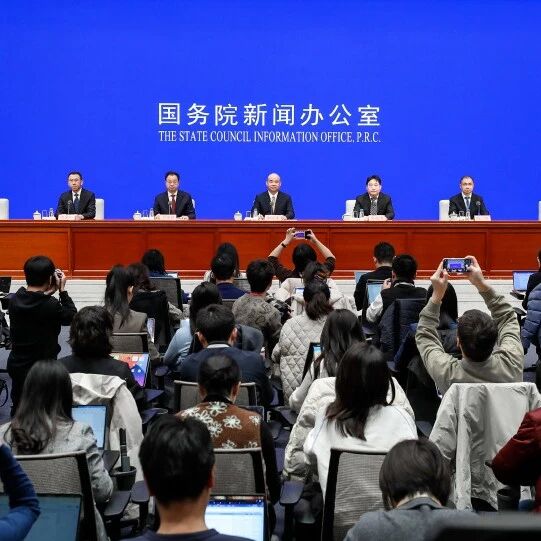
Core Insights - The Chinese government aims to create three trillion-yuan-level consumption sectors and ten hundred-billion-yuan-level consumption hotspots by 2027, focusing on supply-side structural reforms to stimulate domestic demand [1][2] Group 1: Trillion-Yuan Consumption Sectors - The three identified trillion-yuan consumption sectors are elderly products, smart connected vehicles, and consumer electronics, with the elderly products market expected to grow from 2.6 trillion yuan in 2014 to 5.4 trillion yuan by 2024, reflecting a compound annual growth rate of 7.3% [1] Group 2: Hundred-Billion-Yuan Consumption Hotspots - The ten hundred-billion-yuan consumption hotspots include baby products, smart wearable devices, cosmetics, fitness equipment, outdoor products, pet food, civilian drones, trendy toys, jewelry, and national trend clothing [1] Group 3: Market Trends and Consumer Preferences - There is a strong growth momentum in these sectors, driven by trends such as health consciousness and fitness, leading to increased demand for outdoor products and fitness equipment. The IP economy aligns with the consumption preferences of younger demographics, resulting in a rapid global rise of trendy products [2]
三个万亿、十个千亿,多部门点明这些消费热点
2 1 Shi Ji Jing Ji Bao Dao· 2025-11-27 11:18
Core Viewpoint - The implementation plan aims to enhance the adaptability of supply and demand in consumer goods, promoting a shift from quantity to quality in production and consumption, ultimately fostering a high-quality development pattern by 2030 [3][4]. Group 1: Implementation Goals - By 2027, the plan targets the formation of three trillion-level consumption sectors and ten hundred-billion-level consumption hotspots [1]. - By 2030, the goal is to establish a virtuous cycle of supply and consumption, gradually increasing the contribution of consumption to economic growth [1]. Group 2: Key Consumption Areas - The three trillion-level consumption sectors identified are elderly products, smart connected vehicles, and consumer electronics [4]. - The hundred-billion-level consumption hotspots include baby products, smart wearable devices, cosmetics, fitness equipment, outdoor products, pet food, civilian drones, trendy toys, jewelry, and national trend clothing, all showing strong growth potential [4]. Group 3: Supply-Side Strategies - The plan emphasizes the "three products" strategy: increasing variety, improving quality, and creating brands to enhance the adaptability and leadership of supply to demand [5]. - As of now, the total variety of consumer goods in China has reached 230 million, with over 100 categories leading global production [5]. Group 4: Consumer Trends and Innovations - The plan aims to address structural mismatches in supply and demand, focusing on innovative applications and supply of new products to meet the personalized and quality demands of consumers [9][10]. - The elderly products market is projected to grow from 2.6 trillion yuan in 2014 to 5.4 trillion yuan by 2024, with a compound annual growth rate of 7.3% [11]. Group 5: Consumer Spending and Market Dynamics - From January to October, retail sales of consumer goods reached 36.6 trillion yuan, with a year-on-year growth of 4.4%, indicating a stable development trend [12]. - The plan includes initiatives to boost large-scale consumption, particularly in automobiles and home appliances, with significant growth observed in these sectors [12]. Group 6: International Consumption Environment - The plan aims to enhance the international consumption environment by expanding the range of tax-free shopping and optimizing the experience for international consumers [13].
刚刚,五部门联合发声!这些大事与你有关→
Jin Rong Shi Bao· 2025-11-27 07:25
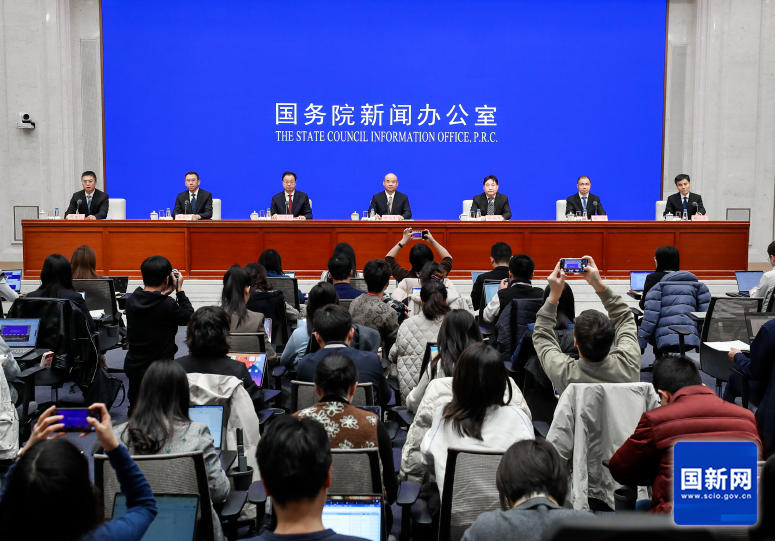
Core Viewpoint - The implementation plan aims to enhance the adaptability of supply and demand for consumer goods, promoting consumption through various measures and innovations in product development and market expansion [1]. Group 1: Consumer Goods Development - The plan emphasizes the integration of traditional toys and stationery with smart technology, focusing on safety and practicality in product design [2][3]. - There will be a push for the development of products catering to the elderly, such as service robots, adaptive clothing, and easy-to-swallow foods, alongside the establishment of a standard system for elderly products [3]. - The initiative supports the creation of culturally rich and fashionable products, including national trend clothing and designer collaborations, to meet the diverse needs of younger consumers [3]. Group 2: Market Performance and Trends - In the first ten months of the year, the trade-in program for consumer goods generated over 2.4 trillion yuan in sales, benefiting more than 360 million people [4]. - Retail sales of household appliances, furniture, and communication devices saw a year-on-year growth of approximately 20%, while retail sales of passenger vehicles increased by 7.9% [4]. - The plan anticipates the emergence of new consumption markets worth trillions of yuan by 2027, driven by supply-side structural reforms and the introduction of innovative products and services [5]. Group 3: Technological and Infrastructure Innovations - The plan includes the implementation of "Artificial Intelligence+" initiatives to promote intelligent development across industries, enhancing traditional industries and fostering smart product ecosystems [6]. - There is a focus on expanding parking facilities and electric vehicle charging infrastructure, with over 18.6 million charging points established nationwide, marking a 54% increase year-on-year [6]. - The initiative aims to support the development of high-quality outdoor sports destinations and enhance standards for outdoor sports products and services [7]. Group 4: Quality and Safety Regulations - The plan emphasizes the importance of consumer goods quality and safety, with ongoing actions to ensure the safety of children's and elderly products through comprehensive inspections and regulations [8][9]. - The market supervision authority has conducted extensive checks on various consumer goods, addressing quality issues in clothing, household appliances, and children's products [8]. - New national standards for energy consumption and safety for daily consumer goods are being established to promote green consumption and enhance consumer confidence [9].