
实体经济

Search documents
金融赋能强根基 绘就发展新图景
Jing Ji Ri Bao· 2025-12-12 22:24
Core Viewpoint - China Agricultural Bank's Jieyang Branch has been deeply integrated with local development for over 30 years, providing precise and efficient financial services to empower the real economy, rural revitalization, and livelihood security, thus becoming a financial backbone for regional high-quality development [1][2] Group 1: Empowering the Real Economy - The bank has established a comprehensive financing service system for major projects, offering tailored solutions for specific industries, which supports the "one industry, one plan" approach for industrial clusters [1] - Credit support has been directed towards traditional manufacturing sectors such as stainless steel, textiles, and footwear, with a special service plan for technology-oriented small and micro enterprises [1] - The loan coverage for specialized and innovative enterprises has increased to 43.3% [1] Group 2: Rural Revitalization - A four-tier service system has been developed, covering branches, sub-branches, townships, and villages, with an average daily balance of agricultural loans reaching 12.3 billion yuan, ranking among the industry leaders [1] - Unique products like "Agricultural Leading Loans" and "Grain Planting Loans" have been launched, with a net increase of 530 million yuan in rural industry loans by the end of November 2025 [1] - The bank has implemented a "Party Building + Finance + Technology" model, establishing 192 "Credit Villages" and completing records for 40,000 farming households [1] Group 3: Expanding Inclusive Financial Services - The bank has maintained its commitment to inclusive finance by organizing various public welfare activities and collaborating with local departments to create a micro-financing platform [2] - The balance of inclusive loans has surpassed 7 billion yuan, with a total credit of 9.17 billion yuan granted to 3,568 small and micro enterprises, leading the industry in key metrics [2] - The financing cost for inclusive small and micro enterprises has decreased by 43 basis points compared to 2024 [2]

杨江英:增强行业的韧性与活力,赋能实体经济的发展
Xin Lang Cai Jing· 2025-12-12 11:15
专题:第十九届华夏机构投资者年会暨华夏金融(保险)科技论坛 12月12日金融一线消息,"第十九届华夏机构投资者年会暨华夏金融(保险)科技论坛"今日召开。中国 银行业协会党委委员、副秘书长杨江英出席并致辞。 杨江英强调,"金融活,经济活;金融稳,经济稳"。银行业需深入贯彻落实党的二十届四中全会精神, 紧扣"十五五"时期目标任务,增强发展韧性,提升发展活力,赋能经济高质量发展。 杨江英表示,银行业保持韧性和活力的最终目的是服务人民群众、服务实体经济,要深度融入经济高质 量发展大局,提升经济金融适配性,构建投资于物与投资于人并重、融资期限与产业发展匹配、国内市 场与国际市场联动的金融服务新模式,赋能经济社会发展,赋能千行百业。 一是做好"五篇大文章"。聚焦难点堵点提升科技金融质效,聚焦"双碳"目标健全绿色金融体系,聚焦薄 弱环节加强普惠金融服务,聚焦现实需求加快发展养老金融,聚焦效能和安全促进数字金融发展。 二是高效服务现代化产业体系发展。因地制宜服务新质生产力发展,分业施策,优化金融供给,建立多 样化、专业性、特色化金融产品服务体系,推动传统产业升级,支持培育壮大新兴产业、前瞻布局未来 产业。 杨江英介绍,中国银 ...
重磅会议定调!基金最新解读
中国基金报· 2025-12-12 09:16
抓住政策机遇 助力资本市场高质量发展 在南方基金看来,会议强调"坚持民生为大,努力为人民群众多办实事",这一要求深刻诠释 了金融工作的人民性本质。财富的稳健增值是民生改善的重要支撑,更是共同富裕的题中应 有之义。作为连接居民财富与资本市场的核心桥梁,公募基金行业必须牢牢锚定以人民为中 心的发展思想,将投资者的根本利益置于首位,以专业能力回应民生期待,以责任担当夯实 财富根基,持续提升投资者的幸福感与获得感。 对于会议强调的"实施更加积极有为的宏观政策",中欧基金表示,预计2026年财政赤字率将 维持在合理水平,专项债、特别国债等工具将继续加码。货币政策延续"适度宽松"基调,降 准降息仍存在一定空间。这种"宽财政+宽货币"的政策组合,为资本市场提供了较为充裕的流 动性环境,有利于权益资产估值修复。同时市场流动性将保持合理充裕,资本市场有望迎来 较好的投资机会。 对于会议明确提出的"持续深化资本市场投融资综合改革",中欧基金认为,A股市场投资价值 和吸引力将进一步提升;同时监管将大力引导中长期资金入市,为市场注入稳定资金来源。 公募基金作为重要的机构投资者,有望迎来更大发展空间。基金公司应抓住政策机遇,完善 长周 ...


巩固壮大实体经济根基|为推进强国建设提供坚实物质支撑
Zhong Guo Jing Ji Wang· 2025-12-12 07:31
Core Viewpoint - The modernization of the industrial system is the material and technical foundation of Chinese-style modernization, emphasizing the importance of strengthening the real economy and optimizing traditional industries while fostering emerging and future industries [1][2]. Group 1: Traditional Industries - Traditional industries account for approximately 80% of the value added in manufacturing, highlighting their foundational role in the industrial system [2]. - The "14th Five-Year Plan" emphasizes the need to optimize and upgrade traditional industries, which will support the development of new and future industries by providing diverse application scenarios and market space [2][3]. - Significant advancements have been made in traditional manufacturing, with over 230 exemplary smart factories and 1,260 5G factories established since the "14th Five-Year Plan" began, and the comprehensive energy consumption of products like steel and cement reaching world-leading levels [2]. Group 2: Emerging and Future Industries - The National Development and Reform Commission estimates that approximately 10 trillion yuan of market space will be added in the next five years, indicating strong growth potential for traditional industries [3]. - Emerging industries, such as new energy vehicles and biomanufacturing, have shown remarkable growth, with the production scale of the biomanufacturing industry nearing 1 trillion yuan [5]. - The "14th Five-Year Plan" aims to cultivate and strengthen emerging and future industries, which are crucial for maintaining economic stability and fostering new productive forces [6][7]. Group 3: Service Industry - The service industry is a vital component of the national economy, with its value added increasing from 24.5 trillion yuan in 2012 to 76.6 trillion yuan in 2024, contributing 60.7% to national economic growth [8][9]. - Despite significant growth, challenges remain in the service sector, particularly in specialized and high-end services, which require further development to meet diverse consumer needs [9][10]. - The focus on high-quality and efficient development in the service industry is essential for building a modern industrial system and meeting the evolving expectations of the population [10]. Group 4: Infrastructure Development - The modernization of infrastructure is crucial for economic and social development, with significant advancements made in transportation, energy, and communication systems since the "14th Five-Year Plan" [11][12]. - The comprehensive transportation network has exceeded 6 million kilometers, and the modern information communication system is the largest globally, facilitating efficient resource allocation [11]. - Future infrastructure development must address existing shortcomings, such as regional coordination and intelligent integration, to support high-quality industrial development [12][13].
2025实体经济发展大会在苏州举行
Su Zhou Ri Bao· 2025-12-12 00:33
Core Insights - The 2025 Entity Economy Development Conference was held in Suzhou Kunshan, focusing on the integration of AI technologies with hardware like new displays and AI servers to promote the intelligent, green, and integrated development of the real economy [1][2] Group 1: Conference Highlights - The conference gathered experts, scholars, industry guests, and representatives from the industrial chain to discuss the deep coupling of AI with hardware [1] - Zheng Jianbang emphasized the importance of the real economy as the foundation of a nation's economy and a pillar of national strength, highlighting the strategic role of AI in enhancing industrial capabilities [1][2] Group 2: Strategic Initiatives - Zheng Jianbang called for proactive improvement of domestic industrial layout and international collaboration, aiming to leverage AI for technological transformation and enhanced system efficiency during the 14th Five-Year Plan period [2] - The conference aimed to strengthen economic and trade cooperation, enhance industrial supply chain resilience, and promote cross-strait integration [2] Group 3: Local Government Initiatives - Wu Qingwen stated that Suzhou will leverage the conference to advance new industrialization and implement the "AI+" initiative, focusing on AI empowerment and innovation [2] - The conference featured presentations from notable experts and the release of a research report on the development of the new display industry, along with the initiation of multiple collaborative projects in audiovisual electronics and AI servers [2]
总保费迈上7000亿平台,中国人寿递交新时代为民答卷
Jin Rong Jie Zi Xun· 2025-12-11 03:13
Core Viewpoint - China Life Insurance Company has achieved a significant milestone by surpassing a total premium of 700 billion yuan, reflecting its commitment to serving national strategies and enhancing the well-being of the people [1][27]. Group 1: Business Performance - As of November 30, 2025, China Life's total premium is projected to exceed 700 billion yuan, marking a substantial achievement in its operational development [1]. - The company reported a total premium of 6,183.27 billion yuan in 2021, with steady growth leading to 6,696.45 billion yuan in the first three quarters of 2025, representing a year-on-year increase of over 10% [1]. - By the end of the third quarter of 2025, the company had paid out over 560 billion yuan in claims, with a 2.2% increase year-on-year [6]. Group 2: Product Innovation and Customer Service - China Life has developed over 500 new insurance products during the "14th Five-Year Plan" period, covering various types of insurance to meet diverse customer needs [2]. - The company has actively participated in the construction of a multi-layered health insurance system, providing services in critical illness insurance, long-term care insurance, and urban commercial medical insurance [3]. - The introduction of long-term care insurance has significantly reduced family care costs by 90% for clients like the elderly couple in Hanzhong City [2]. Group 3: Social Responsibility and Community Engagement - China Life has committed to social responsibility by donating 21 million yuan to the China Life Charity Foundation in 2024 [25]. - The company has implemented various community support initiatives, including disaster relief efforts and programs for vulnerable groups such as the disabled and left-behind children [26]. - In 2024, China Life supported over 1,445 poverty alleviation points, increasing its outreach and assistance to rural communities [15]. Group 4: Strategic Initiatives in Aging and Rural Revitalization - The company is actively addressing the challenges of an aging population by developing innovative pension products and services tailored to different age groups [9][11]. - China Life has launched the "Health and Elderly Care Ecological Project" to integrate insurance with health and elderly care services [11]. - The company has introduced 20 rural revitalization insurance products in Shaanxi, providing risk coverage for over 249 million people [16]. Group 5: Investment and Economic Support - China Life has achieved a net profit of over 167.8 billion yuan in the first three quarters of 2025, reflecting a 60.5% increase year-on-year [18]. - The company has increased its investment in key sectors such as advanced manufacturing, technology innovation, and green energy, supporting national strategic initiatives [20]. - By the end of the first half of 2025, China Life had increased its public market equity by over 150 billion yuan, demonstrating its commitment to long-term investment [18].

数览中国脉动|稳扎稳打!我国实体经济底盘更稳固
Xin Hua Wang· 2025-12-10 01:30
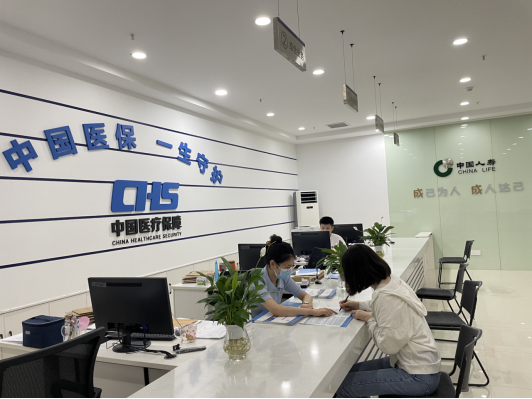
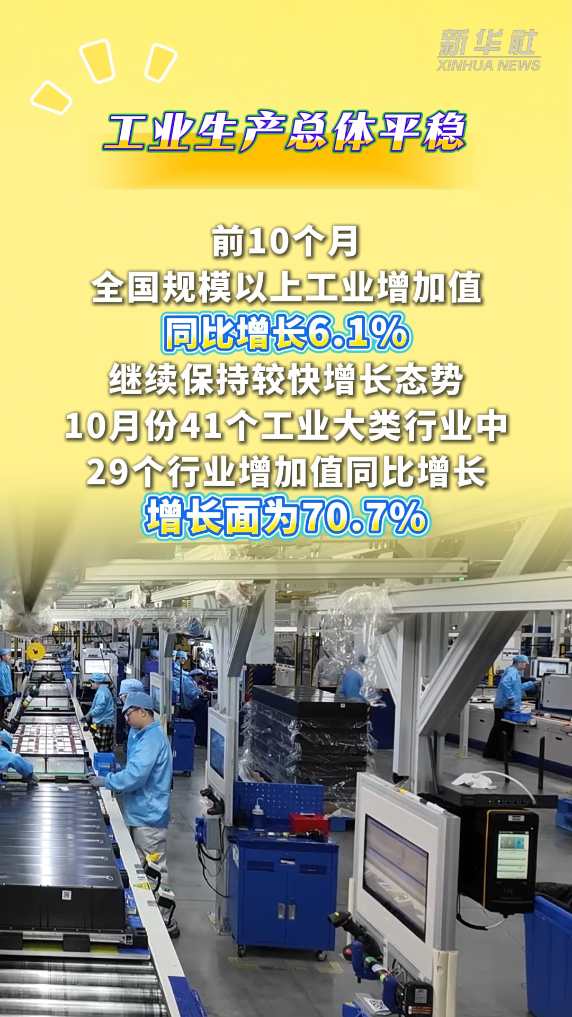
实体经济是大国的根基,是构筑未来发展战略优势的重要支撑。 面对复杂多变的国内外环境、产业链供应链波动等多重挑战,我国精准施策、靶向发力,推动工 业、农业、服务业和基础设施发展迈上新台阶,实体经济底盘更稳固。 ■工业生产总体平稳。 ■发展韧性持续增强。 稳中有进,实体经济行稳致远的底气更足。 ■产业结构持续优化。 编导:胡心懿 记者:潘志伟、尹恒、李倩薇 新华社音视频部制作 【纠错】 【责任编辑:谷玥】 ...
青岛|青岛发布“十四五”成绩单,地区生产总值预计今年突破1.7万亿元
Da Zhong Ri Bao· 2025-12-10 01:19
Economic Growth - Qingdao's GDP is expected to exceed 1.7 trillion yuan this year, achieving an average annual growth rate of 5.9% over the past five years [2] - The per capita GDP has increased to 161,000 yuan, a cumulative growth of 21.3%, reaching approximately 23,000 USD [2] - The total retail sales of consumer goods have grown at an average annual rate of 6.4%, surpassing 650 billion yuan, ranking second among northern cities after Beijing [2] Industrial Development - Qingdao has focused on developing the real economy, with a "10+1" innovative industrial system and a modern service industry contributing significantly to economic growth [3] - The city ranked seventh among the top 100 advanced manufacturing cities in China for three consecutive years from 2021 to 2023, aiming to rise to sixth place in 2024 [3] - High-tech manufacturing value added has grown at an average annual rate of 15.9%, with significant contributions from leading enterprises like BOE and Haier [3] Marine Economy - The marine economy in Qingdao has seen a production value exceeding 550 billion yuan, accounting for 33% of the GDP, ranking third among coastal cities in China [4] - Qingdao Port's cargo and container throughput have reached fourth and fifth globally, respectively, with a strong performance in international shipping [4] Innovation and Reform - Qingdao has prioritized technological innovation, with R&D expenditure growing at an average annual rate of 11.6% over the past four years [5] - The city has established numerous national and provincial key laboratories, significantly enhancing its innovation capabilities [5] - A total of 352 national and provincial reform pilot projects have been implemented, improving the business environment [6] Urban Development and Social Welfare - Qingdao's urbanization rate has reached 78.87%, with significant investments in infrastructure and urban renewal projects benefiting nearly 480,000 residents [7] - The city has maintained over 70% of its fiscal expenditure on social welfare, completing 72 municipal livelihood projects [7] - The average life expectancy in Qingdao has increased to 82.21 years, reflecting improvements in healthcare and living conditions [7]
专家走进省公路局庆安集团陕西汽车控股集团宣讲党的二十届四中全会精神
Shan Xi Ri Bao· 2025-12-10 00:27
Group 1 - The "14th Five-Year Plan" period is crucial for solidifying foundations and achieving comprehensive development, emphasizing high-quality development and innovation as the main driving force [1][3] - The report highlights the importance of transforming learning outcomes into concrete actions to promote high-quality development in transportation and contribute to the modernization of Shaanxi [1] - The expert presentations provided systematic and comprehensive insights into the spirit of the 20th National Congress, focusing on the basic requirements for implementing the Congress's spirit and the importance of strict governance of the Party [2] Group 2 - The report from the 20th National Congress emphasizes the need to build a modern industrial system and strengthen the foundation of the real economy, outlining four key tasks: solid foundation upgrades, innovation cultivation, capacity expansion and quality improvement, and efficiency enhancement [4] - The presentations were well-received by participants, who found the content relevant to their manufacturing sector, particularly in areas like new energy, intelligent driving, and new materials [4]
宁波银行:公司将持续扩大金融服务的覆盖面,有效对接实体经济融资需求,保持信贷合理增长
Zheng Quan Ri Bao Zhi Sheng· 2025-12-09 14:06
Core Viewpoint - Ningbo Bank has been focusing on supporting key sectors such as private small and micro enterprises, manufacturing, import and export businesses, and consumer services, leading to a steady increase in loan scale [1] Group 1: Company Strategy - The company has implemented government and regulatory decisions to enhance financial services and support the real economy [1] - There is a commitment to increase resource allocation and support for targeted sectors, which is expected to improve financial service standards [1] Group 2: Future Outlook - With the ongoing release of policy dividends aimed at expanding domestic demand and promoting consumption, the company plans to continue expanding its financial service coverage [1] - The company aims to effectively meet the financing needs of the real economy while maintaining reasonable credit growth [1]
