数字孪生

Search documents
算力边疆:沙特、马斯克与黄仁勋如何重塑全球AI力量版图
Sou Hu Cai Jing· 2026-01-20 01:37
Group 1 - Saudi Arabia is transforming from an oil kingdom to a global AI computing hub, with significant investments in AI infrastructure and partnerships with tech giants like xAI and Amazon AWS [1][2] - The ambitious plan includes starting with a 50 MW computing center and rapidly expanding to 500 MW, showcasing Saudi Arabia's commitment to becoming a leader in AI capabilities [2] - The country recognizes the importance of computing power as a future wealth source, moving away from its traditional reliance on oil [2] Group 2 - The expansion of computing power faces energy constraints, with current AI computing consuming 200-300 GW annually, and projections suggesting a need for 1 TW, which traditional energy sources may not support [3] - The weight of modern supercomputers is largely due to cooling systems, highlighting the physical limitations imposed by Earth's environment on computing development [3] Group 3 - Space-based AI is predicted to become a trillion-dollar market, with solar-powered AI satellites expected to be the most cost-effective computing solution within five years [4] - The vacuum environment of space offers unlimited solar energy and optimal cooling conditions, potentially leading to exponential increases in computing efficiency [4] - Future projections indicate that 50% of AI computing could occur in Earth's orbit, necessitating a shift in investment strategies towards space computing [4] Group 4 - Saudi Arabia is investing heavily in two key areas: the "Omniverse Robotics" platform with NVIDIA for digital twin environments and a quantum computing research center to push the limits of traditional computing [5] - This comprehensive strategy aims to establish Saudi Arabia not just as a computing power provider but as a leader in the entire research-to-application chain [5] Group 5 - The global landscape of computing power is shifting, with the Middle East emerging as a new frontier due to its energy advantages and flexible policies, while the U.S. faces energy and cost constraints [6] - This transformation will make AI more accessible to businesses and individuals, similar to the impact of the electric grid in the 20th century, leading to a new productivity revolution [6] - The collaboration between tech leaders in Saudi Arabia signifies a historic step in advancing computing capabilities, challenging the perception of AI as merely a technological trend [6]

嘉立创IPO在即,2025年上半年营收46.79亿元,宣布核心软件“永久免费”
Hua Xia Shi Bao· 2026-01-20 01:32
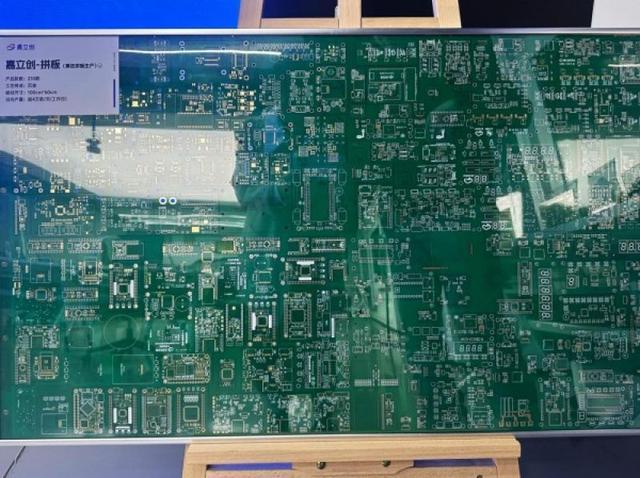
Core Viewpoint - The company, Jialichuang, is navigating a complex landscape by resuming its IPO process while simultaneously launching a "perpetually free" version of its self-developed ECAD software, indicating a strategic shift in hardware innovation logic [1][12]. Financial Performance - Jialichuang's IPO status has transitioned from "suspended" to "inquiry," with updated financials showing a revenue of 4.679 billion yuan and a net profit of approximately 590 million yuan for the first half of 2025, reflecting a year-on-year growth of 25.95% and 23.5% respectively [1][3]. Business Model and Strategy - The decision to offer the ECAD software for free is part of a broader strategy to build a comprehensive ecosystem that connects design tools to manufacturing, aiming to reduce barriers for engineers and foster innovation [2][6][9]. - Jialichuang's unique "拼板制造" (panel manufacturing) model has significantly lowered the cost of single prototype production from thousands to tens of yuan, while also reducing delivery times to as fast as 12 hours [3][9]. User Engagement and Ecosystem Development - The company serves over 8.2 million users across more than 180 countries, with a focus on strategic emerging industries such as AI, semiconductors, and renewable energy [4][10]. - The free software strategy is designed to cultivate user habits and create a data-driven ecosystem, enhancing user engagement and retention [7][8][10]. Innovation and Feedback Loop - Jialichuang's approach integrates a feedback loop where manufacturing data informs design processes, optimizing product quality and reducing rework [9][11]. - The company has developed a suite of industrial software that facilitates real-time feedback during the design phase, thereby enhancing efficiency and quality [9][11]. Long-term Vision - Jialichuang aims to position itself as a foundational infrastructure provider for hardware innovation, reducing costs and barriers for engineers, and fostering a culture of creativity and innovation [11][12].
听,黄河的“脉动”
Xin Lang Cai Jing· 2026-01-19 19:14
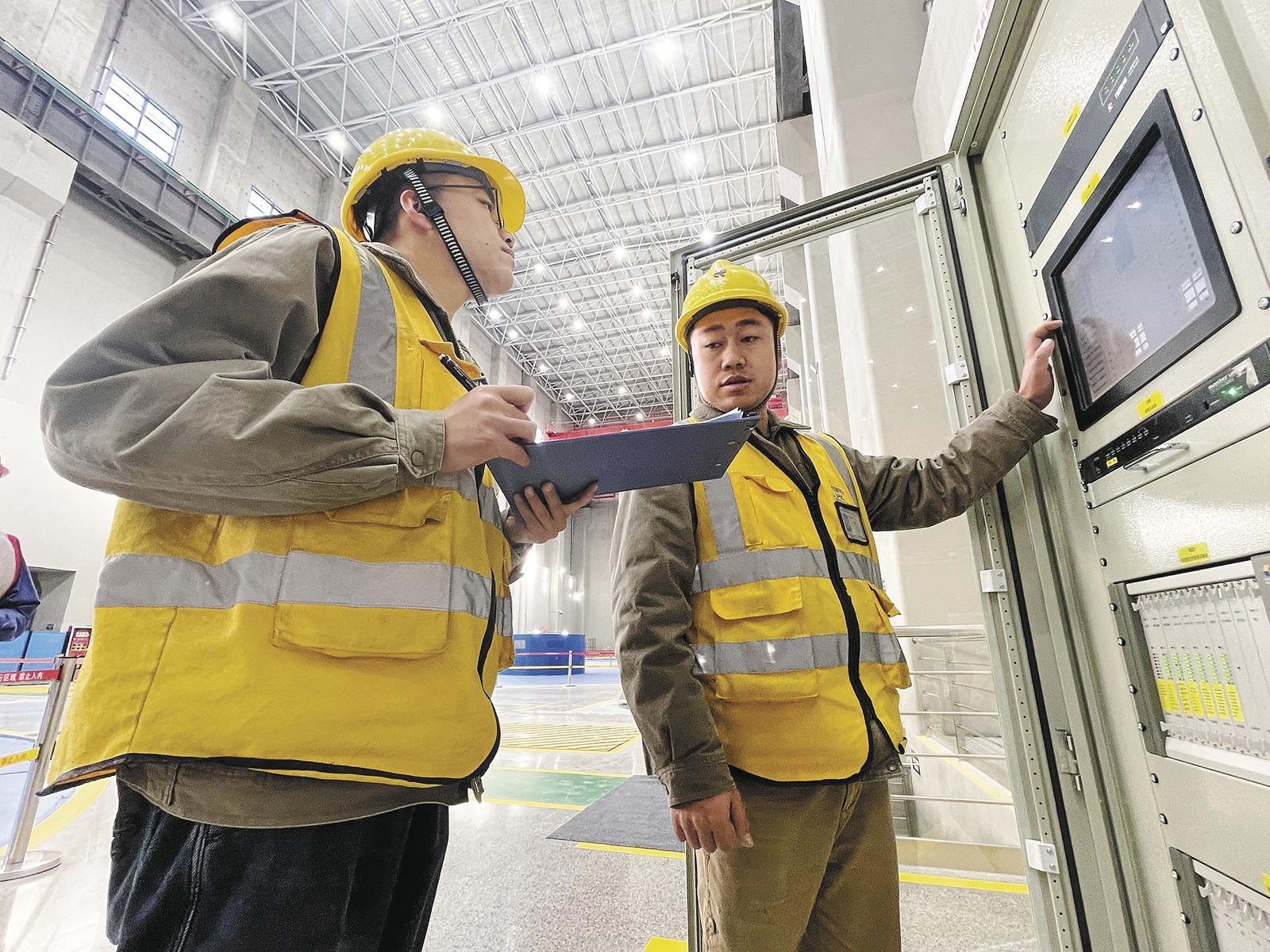
Core Insights - The article highlights the operational efficiency and technological advancements of the Yangqu Hydropower Station, emphasizing its role as a significant clean energy base in the upper reaches of the Yellow River [5][12]. Group 1: Operational Performance - In 2022, the Yangqu Hydropower Station generated 4.21 billion kilowatt-hours of electricity, with a target of 4.4 billion kilowatt-hours for the current year [5]. - The station has a total installed capacity of 1.2 million kilowatts and an average annual generation capacity of 4.732 billion kilowatt-hours, which can meet the electricity needs of approximately 1.58 million households [9]. Group 2: Technological Innovations - The station employs a range of intelligent applications, including smart monitoring and safety control, making it the first "perceptive and intelligent" digital twin hydropower plant in the Yellow River basin [12]. - A robotic inspection system equipped with high-definition cameras and various sensors operates 24/7 to collect data, addressing issues of delayed detection and oversight in traditional manual inspections [11]. Group 3: Environmental Impact - The Yangqu Hydropower Station contributes to significant environmental benefits, saving 1.467 million tons of standard coal annually and reducing carbon dioxide emissions by 4.41 million tons [14]. Group 4: Strategic Importance - The station is a key project in Qinghai Province's efforts to establish a national clean energy industry hub, reflecting a broader commitment to sustainable development and high-quality growth in the region [13][15].
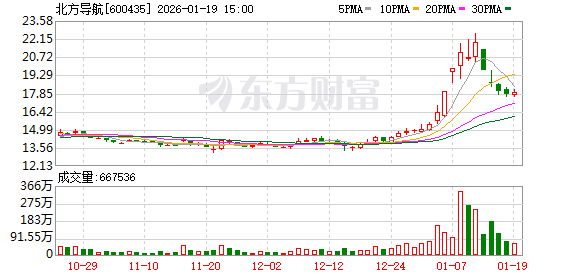
北方导航:公司持续健全导航特色核心技术体系
Zheng Quan Ri Bao· 2026-01-19 12:14
Core Viewpoint - The company is focused on enhancing its navigation technology system and aligning with the technological innovation development of the weaponry group, aiming to improve its technological capabilities and establish a robust industrial ecosystem [2]. Group 1: Technology Development - The company is developing a navigation and control, military communication, and intelligent integration connection ecosystem through an "8+3" technology system [2]. - It is actively involved in the research and development of equipment, technology, and capability enhancement projects to accelerate the improvement of its technology system [2]. - The company aims to promote high-end development of advantageous industries, modernization of traditional industries, and scaling of emerging industries [2]. Group 2: Digital Transformation - The company is enhancing its digital manufacturing, digital operation, and digital process capabilities as part of its smart engineering strategy [2]. - It emphasizes the integration of data-driven smart factory construction, focusing on the synergy between industrial digitalization and digital industrialization [2]. - The company is applying technologies such as big data, AI algorithms, IoT, and digital twins to advance new processes, technical standards, and information applications [2]. Group 3: Operational Management - The company is optimizing its "1+N" smart operation system, which includes a comprehensive management system and multiple information platforms [2]. - This system aims to achieve comprehensive perception, risk warning, scientific decision-making, and precise control in operational management [2].

能源数智化发展获政策支持,剑指构建创新应用体系
2 1 Shi Ji Jing Ji Bao Dao· 2026-01-19 11:07
Core Viewpoint - The article emphasizes the necessity of energy digitalization and intelligence as a global trend in energy transition, focusing on technological breakthroughs and industry applications to create a closed-loop system of "perception-planning-decision-execution" for efficient, low-carbon, and safe energy system transformation by 2030 [1][2]. Group 1: Policy Framework - In 2023, China has reinforced its commitment to digitalization in energy through the release of the "Opinions on Accelerating the Development of Energy Digitalization and Intelligence," outlining several goals to be achieved by 2030, including the establishment of a digital innovation application system and enhanced operational efficiency and reliability of energy systems [5]. - The "Guiding Opinions on Promoting High-Quality Development of Energy Equipment" was jointly issued by four government departments, aiming for significant advancements in the energy equipment industry's supply chain by 2030, focusing on digital and intelligent upgrades [6]. Group 2: Technological Breakthroughs and Industry Applications - The policies form a comprehensive framework combining "system empowerment and carrier support," with the former focusing on the integration of digital technologies across the energy value chain and the latter emphasizing the role of equipment in driving digital upgrades [7]. - Key technological breakthroughs are identified as essential drivers for energy digitalization, with a focus on overcoming critical technologies and integrating digital innovations such as AI, digital twins, IoT, and blockchain into the energy sector [8]. - The policies promote the application of digitalization across the entire energy chain, including generation, grid, coal, and oil & gas sectors, with specific tasks outlined for enhancing grid management and oil & gas operations [9]. Group 3: Key Focus Areas - The policies highlight three main areas of focus: intelligent equipment, system collaboration, and precise management, emphasizing the importance of both physical equipment and digital capabilities [10]. - The upgrade of energy equipment is prioritized, with three paths outlined: enhancing key technology research, intelligent retrofitting of equipment, and promoting green and circular upgrades to align with carbon neutrality goals [11]. - The transition to collaborative operation of energy systems aims to shift from decentralized to intelligent interconnected operations, focusing on enhancing the integration of renewable energy and storage, as well as optimizing the entire energy supply chain [12]. - Precision management in energy is targeted through the development of predictive maintenance and carbon management systems, aiming to reduce operational risks and support carbon reduction efforts [13].
美国开始用机器人造房子了?
机器人大讲堂· 2026-01-19 09:09
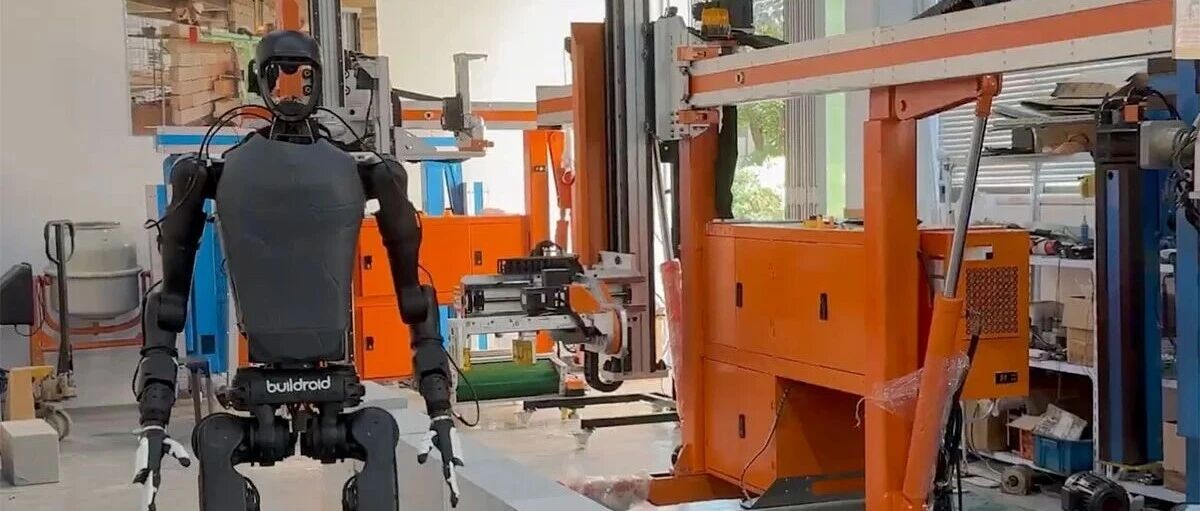
Core Insights - Buildroid is set to launch its construction robot collaboration platform in the U.S. market in Q1 2026 after successful pilot deployments in the UAE [1] - The construction industry currently faces low robot adoption rates due to existing systems only automating isolated tasks, highlighting the need for multi-robot collaboration to enhance overall efficiency [3] - The U.S. construction sector is experiencing significant pain points, including labor shortages, rising labor costs, and a mismatch between construction speed and market demand, creating a market opportunity for Buildroid [5] Group 1: Platform and Technology - Buildroid's platform is compatible with over 40 types of robots and utilizes NVIDIA Omniverse for workflow simulation before deployment [6] - The platform employs a "simulate before deploy" strategy, optimizing workflows through extensive digital twin simulations [6] - Key components include a BIM import process, with a plugin developed for Autodesk Revit to convert models into OpenUSD format, enhancing simulation accuracy [7] Group 2: Market Focus and Applications - Buildroid's initial commercial focus is on block and partition wall installation, a segment valued at $13 billion within the global $17 trillion construction industry [8] - The company has integrated two types of bricklaying robots and a mobile robot for material handling, capable of placing blocks weighing up to 40 kg [8] Group 3: Funding and Business Model - Buildroid raised $2 million in seed funding in November 2025, led by venture capitalist Tim Draper, known for early investments in companies like Tesla and SpaceX [9][16] - The company plans to use the funding to expand pilot projects, enhance simulation algorithms, and prepare for U.S. market deployment [18] - Buildroid operates on a dual revenue model of revenue sharing and Robotics as a Service (RaaS), allowing construction firms to utilize robotic resources without upfront hardware costs [19][20] Group 4: Strategic Advantages and Partnerships - The UAE was chosen as the initial pilot market due to its streamlined compliance processes and urgent demand for automation solutions to address labor shortages [24] - Buildroid has partnered with major contractors like ALEC to test its bricklaying system and utilize BIM simulation tools for workflow optimization [26][27] - The company aims to expand its service range in the U.S. market to cover broader construction workflows and promote multi-robot collaboration [31]
智能工厂发展报告
中国信通院· 2026-01-19 08:26
Investment Rating - The report does not explicitly provide an investment rating for the industry Core Insights - The report highlights the significant progress in the development of smart factories in China, with over 15 leading smart factories, more than 500 excellent smart factories, and over 35,000 basic smart factories established, indicating a robust growth trend in the sector [9][10] - The evolution of smart factories is characterized by five core directions: expansion of factory construction, innovation in R&D design paradigms, upgrading of production capabilities, optimization of production management, and advancement in operational management [10][41] - The report emphasizes the need for the manufacturing industry to transition from quantity-driven growth to quality-driven improvements, addressing the challenges posed by global economic slowdowns and changing market demands [17][18] Summary by Sections Overall Trends - The report identifies four main drivers for the transformation of smart factories: industrial upgrades, changing market demands, technological advancements, and international cooperation [17][19] - It outlines a future vision for smart factories that includes the integration of AI across all manufacturing processes, leading to autonomous decision-making and enhanced collaboration within the manufacturing ecosystem [20][41] Industry Practices - The report describes a four-tiered system for cultivating smart factories, which includes basic, advanced, excellent, and leading levels, aimed at promoting digital transformation in manufacturing [41][42] - It notes that over 90% of manufacturing sectors are now covered by smart factory initiatives, with a focus on enhancing traditional industries and empowering consumer-driven sectors [50][49] Regional Development - The report discusses the regional disparities in smart factory development, with eastern regions leading and central regions making breakthroughs, highlighting the importance of localized strategies [12][49] Technology and Industry - The report emphasizes the need for a deep integration of technology and manufacturing systems, advocating for a shift towards a more resilient and intelligent industrial foundation [12][53] Future Outlook - The report envisions a next-generation smart manufacturing landscape characterized by autonomous manufacturing, ecological collaboration, and a focus on sustainability [12][41]
天亿马涨2.01%,成交额3506.37万元,主力资金净流出119.14万元
Xin Lang Zheng Quan· 2026-01-19 02:37
Group 1 - The core viewpoint of the news is that Tianyi Ma's stock has shown a mixed performance with a year-to-date increase of 13.96% and a recent decline over the past 60 days of 12.21% [1] - As of January 19, Tianyi Ma's stock price is 55.93 CNY per share, with a market capitalization of 3.739 billion CNY [1] - The company has experienced a net outflow of 119.14 thousand CNY in principal funds, with significant buying and selling activity in large orders [1] Group 2 - Tianyi Ma's main business segments include information equipment sales (33.17%), software development and technical services (27.51%), computing power services (20.65%), and others [1] - The company operates in the IT services sector and is associated with concepts such as digital twin, spatial computing, digital economy, ChatGPT, and smart governance [2] - For the period from January to September 2025, Tianyi Ma reported a revenue of 228 million CNY, representing a year-on-year growth of 46.62%, and a net profit of 4.19 million CNY, up 119.80% [2] Group 3 - Since its A-share listing, Tianyi Ma has distributed a total of 30.744 million CNY in dividends, with 11.89996 million CNY distributed over the past three years [3]
智能电网爆发5股涨停!国网4万亿投资超预期,AI算力催生电网升级刚需
Sou Hu Cai Jing· 2026-01-19 01:51
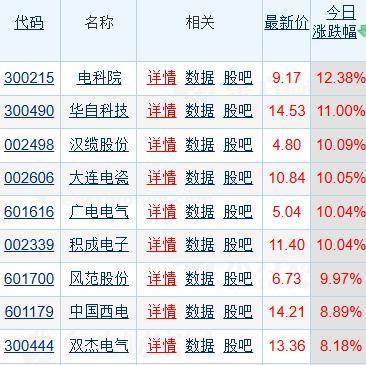
Group 1 - The smart grid sector is experiencing significant activity, with five stocks hitting the daily limit up, including Electric Power Research Institute rising over 12% and several others reaching the limit up [1] - The current market focus is on the State Grid's unexpected investment scale and the rigid demand for grid upgrades driven by the explosion of AI computing power, alongside the anticipated application of new technologies such as flexible DC and low-frequency transmission [1][3] - The State Grid Corporation announced that fixed asset investment during the 14th Five-Year Plan period is expected to reach 4 trillion yuan, a 40% increase compared to the previous plan, which will continue to promote the construction of large transmission corridors [3] Group 2 - The demand for power transmission and transformation equipment, such as transformers, cables, and insulators, is expected to increase significantly due to the State Grid's increased investment and ongoing projects for upgrading distribution networks [4] - The upgrade of smart grids will drive the digital and intelligent transformation of grid operation and management, creating opportunities for companies focused on the development of automation systems [4] - The market for specialized chips for smart grid terminal devices, including power management and metering chips, is expected to expand steadily, benefiting companies with mature chip development technologies [4] - The trend of collaboration between smart grids and new energy storage systems is clear, leading to a continuous rise in demand for energy storage systems, which will benefit companies providing related products [4]


澎湃“中国心”!看国产燃气轮机护航能源生态
Xin Lang Cai Jing· 2026-01-17 12:35
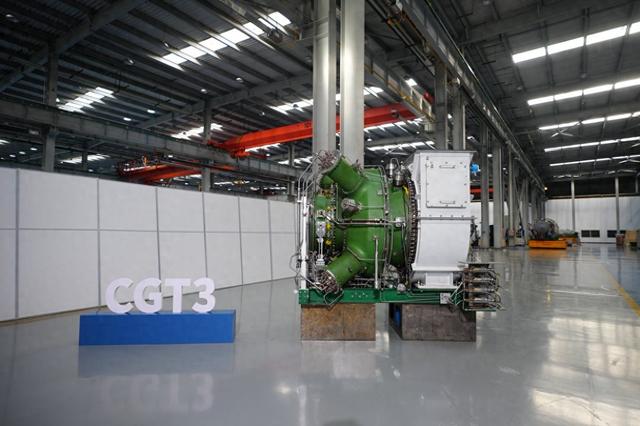
近5年突破200余项关键核心技术,创造工业燃气轮机领域多个"零"的突破;从单一型号到形成3至50兆 瓦系列产品谱系…… 1月16至17日,在黑龙江哈尔滨举行的2026中船集团燃机日上,一系列自主创新成果集中呈现,清晰绘 就出我国燃气轮机从依赖进口到自主创新的跨越式发展图景。 "CGT的意思是China gas turbine,就是中国自己的燃气轮机。"中船集团第七〇三研究所压气机技术中心 副主任刘冰冰告诉记者。2012年他刚到研究所工作时,研制的燃气轮机还只有一种型号,如今研究所形 成覆盖3至50兆瓦功率范围的CGT系列燃气轮机谱系,实现了从设计、制造到试验验证的全流程自主可 控。 "虽然在材料智能化开发与优化、工程化稳定性控制、长时性能数据积累等方面仍有待提升,但我们的 核心部件、关键材料已经基本实现了自主化,部分领域达到国际先进水平。"中船集团第七〇三研究所 副所长孙鹏说。 低碳智能助力新型能源体系建设 当前,全球能源结构加速向绿色、低碳、智能转向,燃气轮机在构建新型能源体系、实现国家"双碳"目 标进程中具有至关重要的战略意义。 数十年磨一剑铸就"中国心" "CGT3燃气轮机为3兆瓦等级,突破了多项关键技 ...