硬件制造

Search documents
广合科技(01989):IPO点评:TMT硬件制造
国投证券(香港)· 2026-03-16 09:08
Investment Rating - The report assigns an IPO-specific rating of 6.4 out of 10 for the company, based on various criteria including operational performance, industry outlook, valuation, and market sentiment [5]. Core Insights - The company, Guanghe Technology, specializes in the research, production, and sales of customized printed circuit boards (PCBs) for computing power scenarios, primarily serving the AI server and general server markets. It has three production bases in Guangzhou, Huangshi, and Thailand, with a focus on high-end server PCBs in Guangzhou [1]. - The global PCB market is experiencing significant growth driven by increasing demand for computing power, particularly in AI and data centers, as well as steady growth in industrial and consumer electronics sectors. The company ranks third globally and first in mainland China in the computing power server PCB market [2]. - The company has established a strong position in the industry, with a focus on high-end products and a growing number of direct sales customers, indicating high customer loyalty and stable relationships with leading brands [3]. Company Overview - Guanghe Technology's revenue is projected to grow from 2.412 billion yuan in 2022 to 3.734 billion yuan in 2024, with net profit increasing from 280 million yuan to 676 million yuan during the same period. By the first nine months of 2025, revenue reached 3.835 billion yuan, and profit was 724 million yuan, reflecting a net profit margin increase from 11.6% in 2022 to 18.9% in the first nine months of 2025 [1]. - The company has a strong financial performance with a gross margin improvement from 26.1% in 2022 to 34.8% in the first nine months of 2025, and a stable gross margin of over 36% for its core computing power PCB business [3]. Industry Status and Outlook - The report highlights that the global PCB market is poised for substantial growth, driven by three main factors: the continuous increase in global computing power demand, the development of industrial control and automotive electronics, and the upgrade of consumer electronics [2]. - The company is well-positioned to capitalize on the growth in the computing power sector, benefiting from its early entry into the AI server PCB market and its strong customer relationships [3]. Financial Performance - The company has demonstrated consistent revenue and profit growth, with a positive cash flow from operating activities and improving liquidity ratios, indicating a healthy financial structure [3]. - The projected net profit for the company as of September 30, 2025, is 907 million yuan, corresponding to a price-to-earnings (PE) ratio of 33.0x, with an IPO price of up to 71.88 HKD, reflecting a significant discount compared to the market price [11]. Fundraising and Use of Proceeds - The company plans to raise approximately 3.306 billion HKD through its IPO, with 71.8% allocated for capacity expansion and upgrades, 10% for enhancing R&D capabilities, and 8.2% for strategic partnerships and investments [10].
贝莱德增持联想集团 持股比例升至6.04% 释放长期看好信号
Ge Long Hui· 2026-03-05 02:01
Group 1 - BlackRock, Inc. increased its stake in Lenovo Group by acquiring 20.3172 million shares at an average price of HKD 9.7193 per share, totaling approximately HKD 197 million [1] - Following this acquisition, BlackRock's total holdings in Lenovo Group rose to 750 million shares, increasing its ownership percentage from 5.88% to 6.04% [1] - This move is seen as a proactive strategy by BlackRock in the public market, indicating a long-term investment approach as the firm is required to disclose ownership changes when exceeding 5% [1] Group 2 - The global AI industry is expanding rapidly, leading to increased demand for computing power, which is drawing international capital attention to companies with hardware manufacturing and computing infrastructure capabilities [1] - Lenovo Group has been significantly investing in the server and computing infrastructure sectors, with capital expenditures in data centers and servers entering an expansion phase due to accelerated AI model applications [1] - There is a structural differentiation in global capital within the technology sector, where high-valuation software and light-asset segments face valuation volatility, while companies with tangible asset support and strong industry positions may become key targets for international capital allocation [1]

为何说HALO交易刚刚开始
2026-03-01 17:23
Summary of Conference Call Records Industry and Company Overview - The discussion revolves around the impact of large model companies on the IT budget allocation within the software sector, particularly focusing on the U.S. stock market and its software companies [1][3] - The call highlights the ongoing trends in the cloud computing sector, traditional hardware manufacturers, and the energy sector, particularly in relation to AI investments and infrastructure needs [1][2][7] Core Points and Arguments Software Sector Dynamics - Large model companies are competing for IT budgets, leading to a redistribution of funds from traditional software companies, which is pressuring their valuations [1][3] - OpenAI has identified major software firms like Salesforce and Adobe as potential competitors, emphasizing the need for these companies to adapt to the changing market landscape [3] Cloud Computing Investments - Despite cash flow pressures, cloud companies are prioritizing AI investments over stock buybacks and dividends, indicating a shift in capital expenditure strategies [5][6] - The trend of "using the last bullet" in AI investments suggests that cloud firms are committed to maintaining their competitive edge, even at the expense of shareholder returns [5] Traditional Hardware Manufacturers - The "AI tax" refers to the increased costs of intermediate goods, such as storage, which are negatively impacting profit margins for traditional hardware manufacturers [6][7] - Companies like Lenovo and others have reported declining profit margins due to rising storage prices, indicating a broader trend affecting the hardware supply chain [6][7] Energy Sector and Infrastructure - The U.S. stock market is shifting from growth to value, with strong performance observed in the energy sector, particularly in electricity-related industries [1][7] - The demand for electricity infrastructure is expected to grow due to AI expansion, with significant implications for various segments including nuclear, green, and gas power [7] Political and Regulatory Influences - The upcoming midterm elections are intensifying the focus on affordable electricity, with policies expected to support cloud companies in building their own power sources [8] - Recent political events, including potential changes in tariffs and commitments from tech executives to ensure data centers pay for electricity, are shaping the energy landscape [8] Additional Important Insights - The U.S. is focusing on resource diplomacy, particularly concerning critical minerals, with strategies to stabilize prices and ensure supply chains are protected from foreign interference [9][10] - The demand for critical minerals, such as copper, is projected to increase significantly, with strategic stockpiling efforts being discussed [10][11] - Recent changes in U.S. oil production, including a potential decline in output, suggest that the oil market may be approaching a bottom, which could present investment opportunities [13] This summary encapsulates the key themes and insights from the conference call, highlighting the interconnectedness of software, cloud computing, traditional manufacturing, and energy sectors, along with the influence of political dynamics on these industries.
要看懂2025年,这是你无法避开的41篇文章丨36氪年度精选
36氪· 2026-01-22 11:08
Group 1 - The core theme of 2025's business narrative revolves around "war" and "turbulence," particularly highlighted by the epic competition in the food delivery market, where major players like Alibaba, Meituan, and JD engaged in fierce price wars, leading to a significant merging of e-commerce and food delivery boundaries [2][4] - The global narrative shifted from "connection" to "disconnection" due to tariff wars, impacting cross-border e-commerce sellers and manufacturing industries, prompting them to seek survival strategies within supply chain gaps [2][28] - A new generation of Chinese hardware companies, such as DJI and Anker, is successfully penetrating the European and American markets, showcasing a trend of smaller firms achieving significant market impact through unique products and rapid execution [2][9] Group 2 - The Shanghai Composite Index surpassed 3900 points, marking a new high in nearly a decade, while Starbucks' sale in China for 10 billion USD signified the end of the era of foreign premium pricing [3] - The passing of Zhong Qinghou and the succession of his daughter Zhong Fu Li highlighted the complexities of generational transitions in business ownership, particularly in state-owned enterprises [3][5] - The listing of Bawang Tea Princess on NASDAQ amidst a generally cold consumer market provided a significant "non-consensus" example, illustrating the potential for success even in challenging conditions [3][29] Group 3 - The article on the unexpected epic internet war in 2025 details how major companies in the food delivery sector engaged in fierce competition, betting their financial resources and reputations [4] - The narrative of generational succession in companies like Wahaha reveals the intricate dynamics of ownership and control, especially following the death of a founding figure [5] - The report on Starbucks' 13 billion USD sale in China explores the factors leading to this significant transaction, questioning how a leading brand with no competitors reached a point of sale [6][7] Group 4 - The hardware industry is experiencing a renaissance, with new Chinese players leveraging top-tier supply chains and unique speed to capture global markets, marking a shift in the perception of this traditionally less glamorous sector [9][10] - The article on the rise of domestic bag brands illustrates a significant trend in the market, with brands like Shanshiyou Song achieving top rankings in e-commerce, indicating a strong movement towards brand localization [51] - The analysis of the AI application landscape highlights the shift towards application-level competition as foundational capabilities mature, with a focus on global expansion and practical business models [23][62]


嘉立创IPO在即,2025年上半年营收46.79亿元,宣布核心软件“永久免费”
Hua Xia Shi Bao· 2026-01-20 01:32
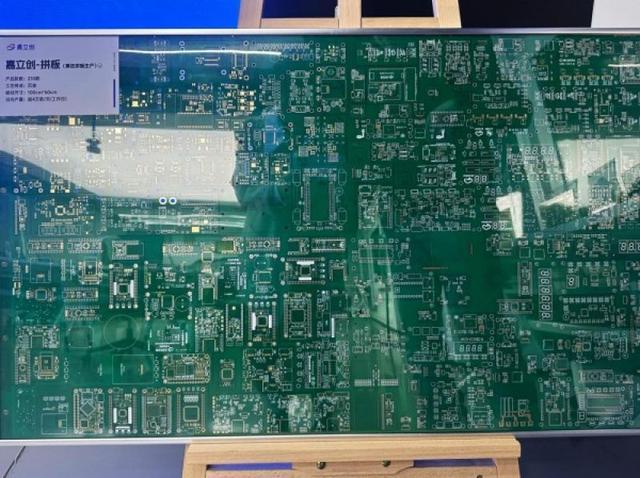
Core Viewpoint - The company, Jialichuang, is navigating a complex landscape by resuming its IPO process while simultaneously launching a "perpetually free" version of its self-developed ECAD software, indicating a strategic shift in hardware innovation logic [1][12]. Financial Performance - Jialichuang's IPO status has transitioned from "suspended" to "inquiry," with updated financials showing a revenue of 4.679 billion yuan and a net profit of approximately 590 million yuan for the first half of 2025, reflecting a year-on-year growth of 25.95% and 23.5% respectively [1][3]. Business Model and Strategy - The decision to offer the ECAD software for free is part of a broader strategy to build a comprehensive ecosystem that connects design tools to manufacturing, aiming to reduce barriers for engineers and foster innovation [2][6][9]. - Jialichuang's unique "拼板制造" (panel manufacturing) model has significantly lowered the cost of single prototype production from thousands to tens of yuan, while also reducing delivery times to as fast as 12 hours [3][9]. User Engagement and Ecosystem Development - The company serves over 8.2 million users across more than 180 countries, with a focus on strategic emerging industries such as AI, semiconductors, and renewable energy [4][10]. - The free software strategy is designed to cultivate user habits and create a data-driven ecosystem, enhancing user engagement and retention [7][8][10]. Innovation and Feedback Loop - Jialichuang's approach integrates a feedback loop where manufacturing data informs design processes, optimizing product quality and reducing rework [9][11]. - The company has developed a suite of industrial software that facilitates real-time feedback during the design phase, thereby enhancing efficiency and quality [9][11]. Long-term Vision - Jialichuang aims to position itself as a foundational infrastructure provider for hardware innovation, reducing costs and barriers for engineers, and fostering a culture of creativity and innovation [11][12].
去年超80只A股被立案调查
第一财经· 2026-01-04 08:47
Core Viewpoint - The article highlights the increasing regulatory scrutiny in China's capital market, particularly focusing on the financial misconduct of several listed companies, leading to severe penalties and delistings [3][12]. Group 1: Financial Misconduct Cases - Derun Electronics (得润电子) has been found guilty of financial fraud, with over 500 million yuan in fictitious receivables over two and a half years, resulting in penalties exceeding 20 million yuan [3][4]. - In 2025, a total of 87 A-share companies were investigated, with 38 being ST companies, indicating a significant focus on information disclosure violations [5][6]. - Notable cases include ST Dongtong (东通) and ST Tiantian (天圣), which were penalized for inflating revenues and profits over several years, with fines totaling 229 million yuan and 4 million yuan respectively [6][8]. Group 2: Regulatory Environment - The regulatory environment has become increasingly stringent, reflecting the "zero tolerance" approach adopted by the China Securities Regulatory Commission (CSRC) since the introduction of the "New National Nine Articles" [3][12]. - The article emphasizes the shift from reactive to proactive regulatory measures, aiming to enhance the integrity of the capital market through improved oversight and enforcement mechanisms [12][14]. Group 3: Consequences of Misconduct - In 2025, 29 A-share companies were delisted due to severe violations, with some companies like Suwu (退市苏吴) facing mandatory delisting after being found guilty of long-term financial fraud [9][10]. - Companies such as ST Changyuan (ST长园) and ST Changyao (ST长药) are also at risk of delisting due to ongoing financial misconduct investigations [10][11]. Group 4: Recommendations for Improvement - Experts suggest enhancing the reputation mechanisms for intermediary institutions and increasing the costs associated with collusion between companies and these institutions to prevent future misconduct [15][16].

2026开年2家公司实施ST,去年超80只A股被立案调查
Di Yi Cai Jing· 2026-01-04 04:06
Group 1 - The core point of the article is that Derun Electronics has been found guilty of financial fraud, with over 500 million yuan in fictitious receivables over a period of two and a half years, leading to multiple financial reports containing false records [2][4] - Derun Electronics will be subject to risk warnings starting January 6, with its stock name changed to ST Derun, and related parties have been fined over 20 million yuan [2][3] - In 2025, more than 80 A-share companies and over 200 related individuals were investigated for violations, with around 40% being ST companies, indicating a trend of stricter regulatory oversight in the capital market [2][3] Group 2 - The article highlights that several A-share companies have been investigated for financial fraud, with significant penalties imposed, including ST Dongtong and ST Tiansheng, which were found to have inflated revenues and profits over multiple years [4][5] - A total of 29 A-share companies were delisted in 2025, with some facing mandatory delisting due to serious violations, such as ST Suwu, which was found to have inflated revenues by 1.772 billion yuan and profits by 75.9975 million yuan [6][7] - The regulatory environment is described as having a "zero tolerance" approach, with ongoing efforts to enhance market supervision and improve the delisting system to maintain a balanced and healthy capital market [8][9] Group 3 - The article discusses the need for improved governance and the use of technology to more accurately target illegal activities, emphasizing the importance of intermediary institutions in preventing misconduct during the listing process [10][11] - It is suggested that a reputation mechanism for intermediary institutions should be established to increase the costs associated with collusion with listed companies [11]



袁征:美国经济呈现复杂图景
Jing Ji Ri Bao· 2025-12-30 00:32
Economic Policy and Trade - In 2025, the U.S. government is pushing conservative economic policies and nationalist trade protectionism, implementing large tax cuts and reducing federal spending [1] - The government announced "reciprocal tariffs" on April 2, causing significant fluctuations in global trade and investment markets [1] Economic Growth and GDP - The U.S. GDP growth rates for the first three quarters of 2025 are projected to be -0.5%, 3.8%, and 4.3%, indicating a trend of low growth initially followed by a recovery [1] - Consumer spending, which accounts for about 70% of GDP, grew by 2.9% year-on-year in the first three quarters, but real demand indicators are weak [1] Technology Sector Performance - Major tech companies like Apple, Microsoft, and Google are maintaining revenue growth rates of 8% to 12% due to AI model development and enterprise AI solutions [2] - Startups are facing challenges, with total financing down 28% in 2025 due to high financing costs and increased R&D investment thresholds [2] Manufacturing Sector Challenges - The manufacturing sector is struggling, with a projected Purchasing Managers' Index (PMI) average of 48.5, indicating contraction [2] - The automotive manufacturing sector is particularly affected, with production down 3.2% year-on-year due to supply chain disruptions and weak consumer demand [2] Employment and Labor Market - As of November 2025, the U.S. unemployment rate is at 4.6%, reflecting a cooling labor market [4] - The tech industry is experiencing significant layoffs, while low wage growth and a shrinking private sector may further dampen consumer spending [4] Inflation and Consumer Prices - Inflation pressures are easing, with the Consumer Price Index (CPI) rising by 2.7% year-on-year in November, down from 3.0% in September [3] - Tariff policies are exacerbating price pressures, impacting manufacturing investment and global supply chains [3] Future Economic Outlook - Economic growth in 2026 is expected to be supported by private consumption and AI-driven corporate investment, with a projected growth rate of around 2.5% [6] - The sustainability of economic growth will depend on various factors, including tax policies, AI application across industries, and the overall labor market [6][7]
铭利达(301268.SZ):不涉及软件类产品的运用
Ge Long Hui· 2025-12-23 09:23
Group 1 - The company Minglida (301268.SZ) primarily focuses on hardware manufacturing, providing structural component products to various customers [1] - The company's product offerings do not include software-related applications [1]
协创数据:目前已经与联想集团等建立了长期稳定的合作关系
Zheng Quan Ri Bao Zhi Sheng· 2025-12-18 08:16
Group 1 - The core viewpoint of the article highlights that Xiechuang Data is actively engaged in hardware manufacturing through both Joint Development Manufacturing (JDM) and Original Design Manufacturing (ODM) models, providing support and services to clients [1] - The company has established long-term and stable partnerships with well-known technology enterprises, including Lenovo Group, Anker Innovations, Xiaomi ecosystem companies (such as Chuangmi Technology), China Mobile Group, 360 Group, and leading brands from developed countries like the United States and Japan [1]