
高水平科技自立自强

Search documents
四中全会精神在基层丨小试剂“勇闯”全球大市场
Xin Hua She· 2025-11-24 11:47
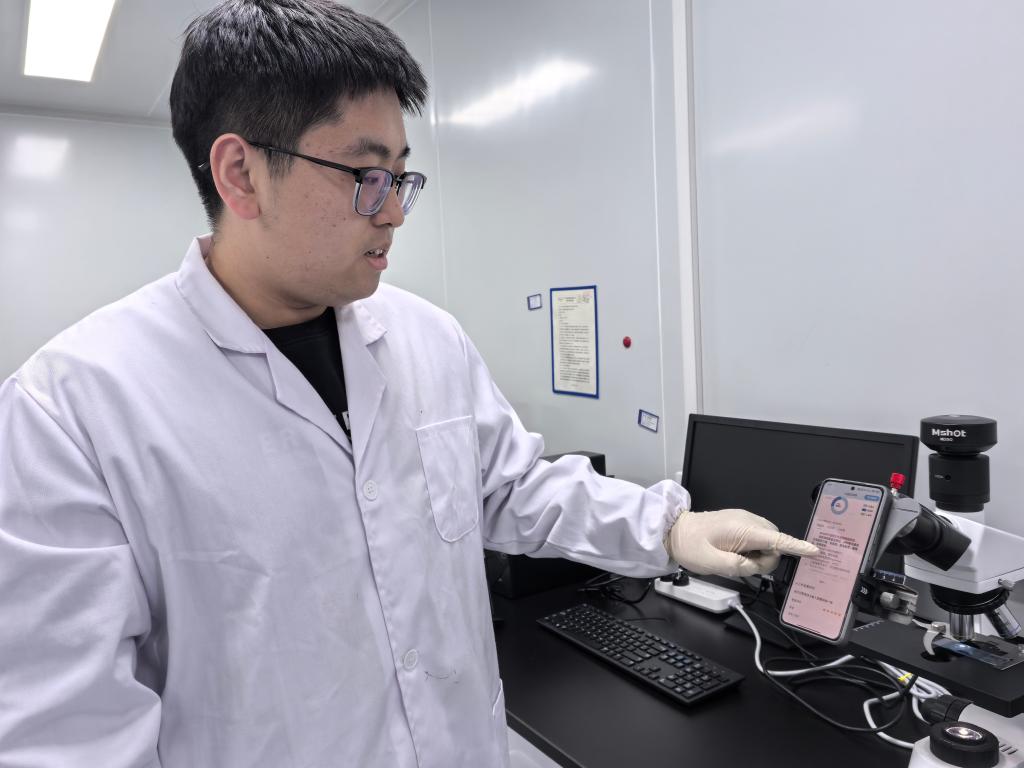
Core Insights - The article highlights the rapid development and innovative capabilities of Dana (Tianjin) Biotechnology Co., Ltd., which has launched a fungal detection app that can identify 25 types of fungi within 3 seconds, covering 90% of common clinical pathogens [1][3] - The company has recently gone public on the Beijing Stock Exchange and aims to accelerate investment in its Tianjin headquarters while planning to launch multiple new products [3][4] - Dana's revenue has grown significantly, reaching 240 million yuan, attributed to local government support and a strong focus on research and development [6] Company Overview - Dana Biotechnology specializes in fungal detection reagents and has successfully reduced the detection time from over a week to as little as 30 minutes [4] - The company invests over 30 million yuan annually in R&D, employing a workforce where nearly 30% are research personnel, which is crucial for its competitive edge [3][4] - The company has expanded its market reach, exporting products to over 80 countries and regions [1] Industry Context - The establishment of the Tianjin Eco-City has fostered a supportive environment for biotech companies, providing financial and logistical assistance for operations, including the import of raw materials [6][9] - The Eco-City is developing a biopharmaceutical industrial park covering 126,500 square meters, attracting over 30 companies in various advanced fields [7][9] - The local government is streamlining the approval process for innovative drugs, significantly reducing the time required for product launches [6][9]

证券时报社党委书记、社长兼总编辑程国慧:科技与金融创新 是互促共进的“双螺旋”
Zheng Quan Shi Bao Wang· 2025-11-23 23:42
Core Insights - The integration of technology and financial innovation is essential for high-quality development, with a focus on the Guangdong-Hong Kong-Macao Greater Bay Area as a key player in this dynamic [1][2] - The "14th Five-Year Plan" emphasizes the importance of technology and innovation, indicating a strategic push towards achieving technological self-reliance and strength [1][2] - The Greater Bay Area is witnessing significant advancements in technology finance, with various financial instruments and policies supporting the transformation of intellectual assets into capital [2][3] Group 1 - The Greater Bay Area is emerging as a vital hub for new industries such as artificial intelligence, biomedicine, and high-end equipment, benefiting from its unique geographical advantages and national strategic support [1] - The "14th Five-Year Plan" outlines a clear direction for building a technology finance system that aligns with technological innovation, highlighting the government's commitment to fostering this integration [1][2] - The concept of a "double helix" structure illustrates the interdependent relationship between technology and financial innovation, which is crucial for regional development [2] Group 2 - The Greater Bay Area has seen substantial achievements in technology finance, with over 102 technology innovation bonds issued in Guangdong since May, totaling more than 110 billion yuan [2] - Major cities like Guangzhou and Shenzhen are central to gathering venture capital resources, enhancing the area's status as an international technology innovation center [2] - Cross-border financial services are accelerating, with platforms like Hengqin, Qianhai, Nansha, and He Tao creating a comprehensive and efficient cross-border financial policy system [3]
诺奖得主施蒂格利茨:中国经济增长仍具广阔空间 香港桥梁作用将更重要
Xin Hua She· 2025-11-20 02:20
Core Viewpoint - The ongoing policy of opening up will continue to drive China's economic growth, albeit in a different manner compared to the past few decades [1][3]. Group 1: Economic Growth and Development - Joseph Stiglitz expresses optimism about China's economic development in a multipolar world [3]. - Stiglitz highlights the significant achievements of China's reform policies over the past decades, particularly in increasing residents' income, large-scale poverty alleviation, and innovation [3][5]. - He predicts that China's GDP will grow by 5% year-on-year in 2024, contributing approximately 30% to global economic growth [5]. Group 2: Policy Recommendations - Stiglitz suggests that China should implement stronger policies to expand domestic demand, especially in healthcare, education, and elderly care, which will see significant demand in the next 20 years due to urbanization [7]. - He emphasizes the importance of maintaining an open international knowledge community to continue learning from other countries [5]. Group 3: Hong Kong's Role - Stiglitz believes that the "One Country, Two Systems" framework provides Hong Kong with greater adaptability and flexibility [7]. - He recommends that Hong Kong diversify its economy to reduce reliance on the financial sector while maintaining effective regulation in finance [7][9]. - Stiglitz identifies education, healthcare, tourism, and innovative research as key development areas for Hong Kong, noting its competitive advantages in these sectors [9].

倒计时2天!第二十届21世纪金融年会即将重磅启幕
2 1 Shi Ji Jing Ji Bao Dao· 2025-11-20 01:17
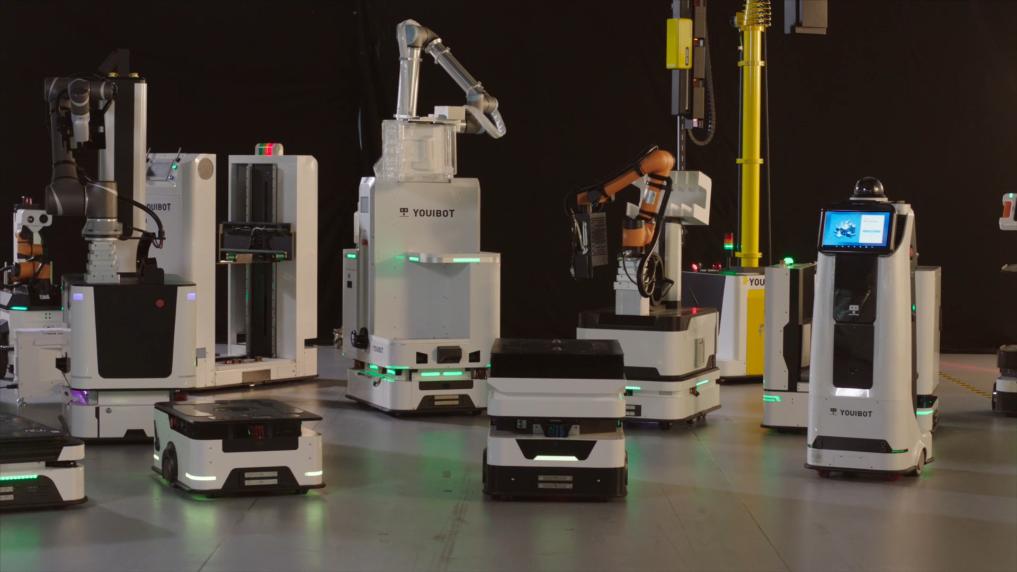
Core Insights - The "21st Century Financial Annual Conference" will be held on November 22, 2025, in Beijing, focusing on the theme "Reshaping Financial Resilience Across Interest Rate Cycles" [1][2] - The conference aims to gather representatives from regulatory bodies, leading financial institutions, and authoritative experts to analyze cyclical trends and explore solutions for the financial industry's future [1][2] Group 1 - The conference has been held annually since 2006 and has become a significant event in China's financial sector, recognized for its insightful topics and influential guest lineup [1] - This year's event will feature nearly fifty prominent guests participating in keynote speeches, parallel forums, and roundtable discussions [1][2] Group 2 - Special thematic forums will address key industry concerns, including "Financial Support for High-Level Technological Self-Reliance" and "Wealth Management Challenges in a Low-Interest Rate Environment" [2] - The 21st Century Financial Research Institute will release the "2025 China Banking Industry Competitiveness Research Report" and the "2025 China Insurance Industry Competitiveness Research Report" during the conference [2]
中部地区贯彻落实四中全会精神 以高质量发展书写中部崛起新篇章
Xin Hua She· 2025-11-19 06:48
Group 1: Technological Innovation in Hefei - Hefei is emerging as a technology innovation city, focusing on high-level technological self-reliance to drive new productive forces [1][7] - The Hefei Institute of Physical Science, part of the Chinese Academy of Sciences, hosts over 30 key laboratories and research centers, contributing significantly to scientific research [3] - Guoxuan High-tech's all-solid-state battery has entered the pilot production phase, marking a significant advancement in China's power battery industry [5] Group 2: Robotics Development in Hubei - The Hubei Humanoid Robot Innovation Center aims to become a leading public service platform for humanoid robots, leveraging local technical talent and a solid manufacturing base [6][10] - The center is developing a comprehensive ecosystem that includes training facilities and application practice areas to foster innovation and industry integration [10] Group 3: Agricultural Modernization in Jiangxi - Jiangxi is advancing agricultural modernization with a focus on specialty crops like chili peppers and honey oranges, which are becoming profitable industries [9][13] - The city of Zhangshu has established large-scale bases for traditional Chinese medicinal materials, with over 500,000 acres dedicated to cultivation [12][16]
倒计时3天!第二十届21世纪金融年会来了,行业共话金融未来
2 1 Shi Ji Jing Ji Bao Dao· 2025-11-19 02:49
Group 1 - The 20th Century Financial Annual Conference will be held on November 22, 2025, in Beijing, focusing on the theme "Reshaping Financial Resilience and Navigating Interest Rate Cycles" [1][2] - The conference aims to gather representatives from regulatory bodies, leading financial institutions, and authoritative experts to discuss industry trends and future pathways [1][2] - The event has been successfully held for 19 years, becoming one of the most authoritative and influential annual events in China's financial sector [1] Group 2 - Special forums will address key industry concerns, including "Financial Support for High-Level Technological Self-Reliance" and "The Low-Interest Rate Challenge in Wealth Management" [2] - The 21st Century Financial Research Institute will release the "2025 China Banking Industry Competitiveness Research Report" and the "2025 China Insurance Industry Competitiveness Research Report" during the conference [2] - The conference will also unveil the "2025 Annual 21st Century Financial Competitiveness Excellent Cases" and "2025 Nanfang Digital Finance 'Pioneer' Cases" to provide valuable practical references for the industry [2]
【新华社】记者手记:聆听大国院士的“破局思考”
Xin Hua She· 2025-11-19 02:03
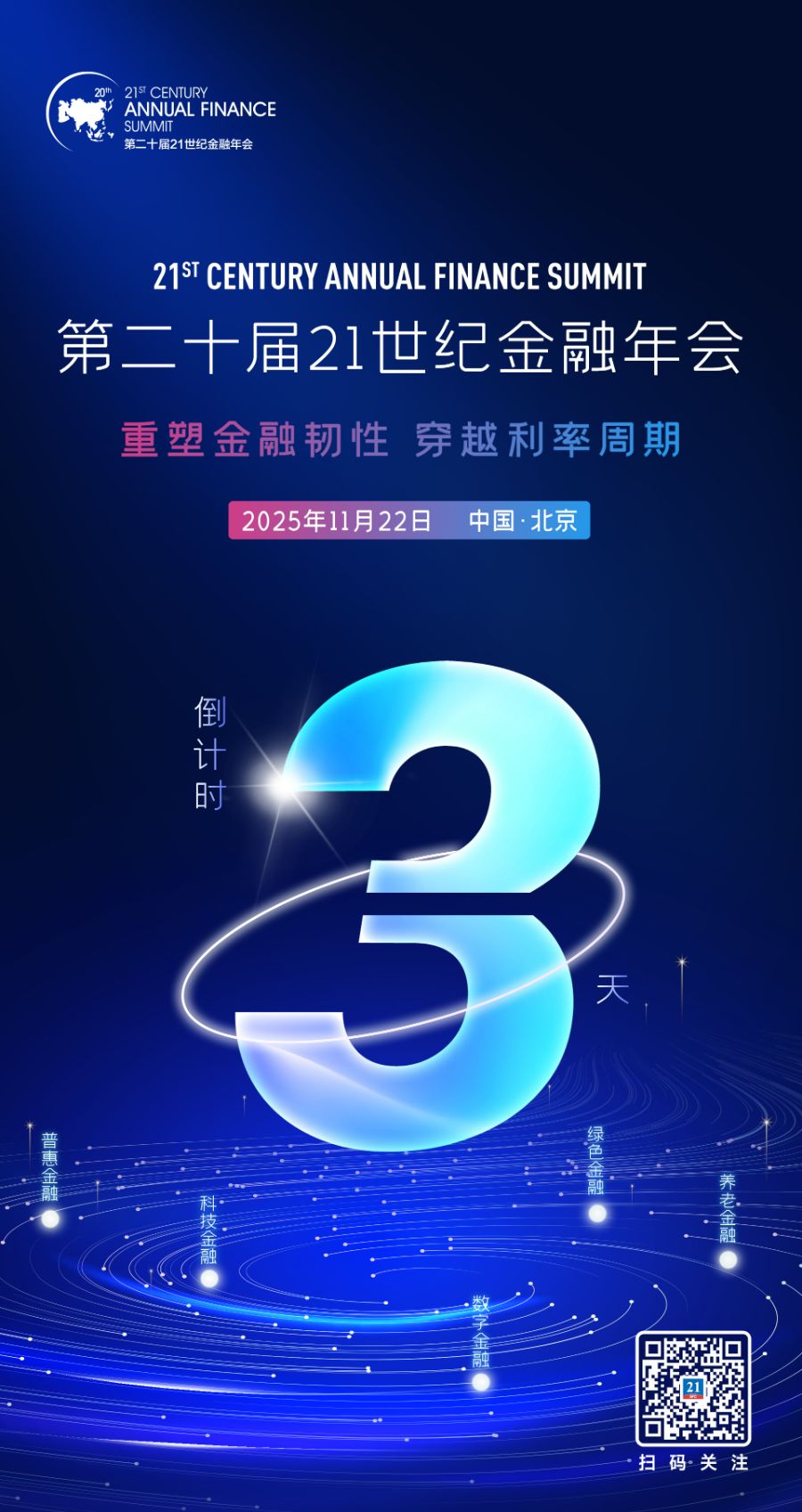
Group 1 - The core idea emphasizes the transition of China's technology from following to leading, requiring courage and innovation to explore uncharted territories in research [1][3] - The discussion highlighted the importance of integrating various scientific fields, such as mathematics and artificial intelligence, to address domestic industrial needs and foster original research [1][2] - The need for a supportive environment for innovation was stressed, including a shift in evaluation systems to allow for failure and a societal respect for innovation [2] Group 2 - The meeting underscored the necessity for researchers to maintain a long-term commitment to their work, akin to "ten years sharpening a sword," to tackle unknown challenges [2] - The call for a transformation in research culture and practices was made, aiming to create a conducive ecosystem for innovation and to lead by example in scientific endeavors [2] - The integration of traditional Chinese cultural values into the innovation process was suggested as a means to enhance confidence and drive technological advancement [3]
记者手记:聆听大国院士的“破局思考”
Xin Hua She· 2025-11-18 09:29
Group 1 - The core idea of the discussions among the academicians is the need for China to transition from following international trends to leading in technological innovation, emphasizing the importance of breaking new ground in research and development [1][2][3] - The meeting highlighted the significance of integrating various scientific disciplines, such as mathematics and artificial intelligence, to address practical industrial needs and foster original research that can solve critical issues [1][2] - The academicians stressed the importance of a supportive environment for innovation, which includes a flexible evaluation system that tolerates failure and a societal respect for creative endeavors [2] Group 2 - The discussions underscored the necessity for researchers to maintain a long-term commitment to their work, akin to "ten years sharpening a sword," and to embrace challenges in unknown territories of science [2] - The meeting concluded with a call for the Chinese Academy of Sciences to align its actions with the central government's strategic decisions, focusing on high-level technological self-reliance and innovation [2] - The academicians expressed that drawing inspiration from traditional Chinese culture can enhance innovation confidence and help China secure a competitive edge in the global technological landscape [3]
第二十届中国经济论坛在广州举行
Ren Min Wang· 2025-11-18 03:01
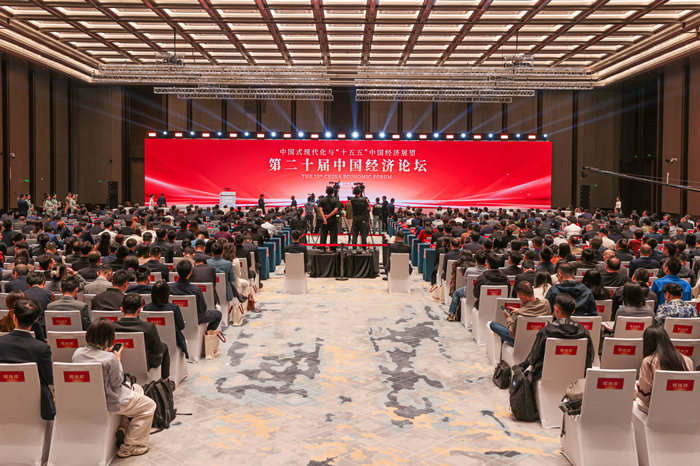
中国经济论坛由《中国经济周刊》杂志社主办,自2001年至今已成功举办二十届。本届论坛的主题 为"中国式现代化与'十五五'中国经济展望",设主论坛和"全球经贸新格局:出海的机遇与挑战""规则衔 接机制对接:推进大湾区市场一体化""向海图强:海洋经济新展望"等9个平行论坛,论坛前还组织了相 关主题调研活动。 第二十届中国经济论坛在广州举行。(人民日报记者 张武军摄) 与会嘉宾认为,在全党全国上下学习宣传贯彻党的二十届四中全会精神之际,在我国经济第一大省 广东举办中国经济论坛,进一步把思想和行动统一到党中央决策部署上来,为推进中国式现代化凝心聚 力恰逢其时。 与会嘉宾认为,必须深刻理解并牢牢把握推动高质量发展这个"主题"和"首要任务",跑好"十五 五"关键一棒。要坚持以高水平科技自立自强为核心驱动,以构建新发展格局为战略基点,以人民幸福 安康为最终目的,以经济社会发展全面绿色转型为重要着力点,进一步全面深化改革开放,确保基本实 现社会主义现代化取得决定性进展。 人民网广州11月18日电 (记者曹树林、江润楠)第二十届中国经济论坛11月18日在广东省广州市 南沙经济技术开发区举行。中央和国家机关有关部委负责同志、地方 ...
“两重”建设效应持续放大
Jing Ji Wang· 2025-11-18 00:24
Core Insights - The "Two Major" construction is being strategically planned and advanced within the context of the 14th Five-Year Plan, with a focus on implementing significant projects to boost effective investment and promote economic growth [1][5] Summary by Sections Overview of "Two Major" Construction - "Two Major" construction refers to the implementation of national major strategies and the enhancement of security capabilities in key areas [2] - Key investment areas include technological self-reliance, urban-rural integration, regional coordinated development, high-quality population development, food security, energy resource security, and ecological safety [2] Investment and Project Allocation - Starting in 2024, China will issue long-term special bonds to support major national strategies and security capability construction, with an allocation of 700 billion yuan for 1,465 major projects, aiming for over 1.2 trillion yuan in total investment for the year [2] - In 2023, 800 billion yuan was allocated to support 1,459 projects, focusing on ecological restoration, major transportation infrastructure, and water conservancy projects [2] Progress and Achievements - The construction of high-standard farmland is a key focus, with over 100 million acres completed nationwide, and significant funding allocated for further development [3] - In 2024, over 400 billion yuan has been allocated to support the construction and renovation of 18 million acres of high-standard farmland [3] Infrastructure Investment Growth - Infrastructure investment has seen rapid growth, with a 20% year-on-year increase in internet and related services investment, and a 9.4% increase in water transportation investment from January to October [4] - Private investment in infrastructure has grown by 4.5%, accounting for 22.6% of total infrastructure investment, with notable increases in water management and air transportation sectors [4] Strategic Planning and Coordination - The State Council emphasizes the need for strategic, forward-looking, and coordinated planning for "Two Major" construction, integrating both hard and soft investments [5][6] - A focus on national-level coordination is essential to ensure effective project implementation and to address deep-seated obstacles in management systems [6] Future Directions - The next steps involve optimizing government investment, enhancing the quality of major projects, and fostering private sector participation to expand effective investment and improve investment efficiency [6]