
智能化

Search documents
汽车最旺的一个9月,产销双超300万辆,行业稳增长政策加力
Di Yi Cai Jing· 2025-10-14 13:23
Core Insights - The Chinese automotive industry has shown robust growth in the first nine months of 2023, with production and sales reaching 24.33 million and 24.36 million vehicles, respectively, marking year-on-year increases of 13.3% and 12.9% [1][2] - The introduction of policies such as the vehicle trade-in program has significantly stimulated consumer demand, leading to a notable increase in new energy vehicle (NEV) sales, which accounted for 46.1% of total new car sales [2][3] - The Ministry of Industry and Information Technology has released a plan aimed at stabilizing growth in the automotive sector, targeting a total vehicle sales volume of approximately 32.3 million units by 2025, with NEV sales projected to reach around 15.5 million units [4][5] Production and Sales Performance - In September 2023, automotive production and sales exceeded 3 million units for the first time in history, with production at 3.276 million and sales at 3.226 million, reflecting year-on-year growth of 17.1% and 14.9%, respectively [1][2] - NEV production and sales in September reached 1.617 million and 1.604 million units, with year-on-year growth of 23.7% and 24.6%, respectively, contributing to 49.7% of total new car sales [2][3] Export Trends - Automotive exports for the first nine months totaled 4.95 million units, representing a year-on-year increase of 14.8%, with NEV exports alone reaching 1.758 million units, a remarkable growth of 89.4% [2][3] Policy Impact - The vehicle trade-in policy is expected to result in over 12 million vehicles being replaced, generating approximately 1.7 trillion yuan in new car sales [3] - The new policies are not only boosting automotive consumption but also enhancing overall consumer confidence in the economy [3] Future Projections - The automotive industry aims to achieve a sales target of around 32.3 million vehicles in 2025, with a growth rate of approximately 3%, while NEV sales are expected to grow by about 20% [4][5] - The plan includes measures to expand domestic consumption, improve supply quality, and enhance the development environment, with over 15 specific initiatives outlined [5][6] Industry Challenges and Governance - The plan addresses issues such as price competition and misleading advertising, emphasizing the need for regulatory measures to ensure healthy competition within the industry [6] - Recent revisions to vehicle production and product admission requirements aim to enhance product quality and safety, adapting to the evolving landscape of the automotive industry [7]
实探云汉芯城深圳订单履约中心:为电子元器件交付注入数智 “灵魂”
Zheng Quan Shi Bao Wang· 2025-10-14 11:19
Core Insights - Yunhan Chip City is transforming the electronic components distribution industry through a digital and intelligent supply chain service model, addressing the challenges of a fragmented order market with high delivery demands [1][4] Group 1: Supply Chain and Operations - The company connects with over 2,500 quality electronic component suppliers globally, offering nearly 28 million SKUs available for sale daily, emphasizing a one-stop service for electronic components [1] - The warehouse operates under strict temperature and humidity controls, ensuring the integrity of the stored electronic components [1] - The logistics system has been upgraded to achieve a two-hour delivery service, with a self-developed ERP and WMS system that allows for rapid processing of orders [4][5] Group 2: Quality Control Innovations - Yunhan Chip City has adopted a modern quality inspection approach, moving away from traditional methods to a more automated and digitalized process, significantly increasing inspection efficiency [2][3] - The company has established a "golden sample library" with over a million model references for quality assurance, enhancing the reliability of incoming electronic components [3] - AI technology is utilized to identify and categorize defective materials, streamlining the quality control process [3] Group 3: Digital Transformation - The company has developed a "light-up shelf" system to improve storage density and operational efficiency, reducing product return rates from 0.3% to 0.01% [5] - Future plans include advancing to a 2.0 stage of logistics digitalization, incorporating AGV robots for automated material handling and AI for optimized order processing [6] - The digital transformation is tailored to the unique characteristics of the electronic components industry, focusing on enhancing collaboration with suppliers through a digital SRM system [6]
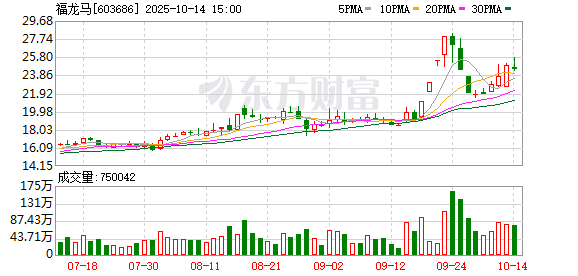
福龙马:目前已推出SD15、SD22智能扫路机等智能环卫产品
Mei Ri Jing Ji Xin Wen· 2025-10-14 10:13
Group 1 - The company has stated that it will adhere to regulatory requirements and its long-term planning if any major restructuring or acquisition occurs in the future [2] - The company is focusing on the intelligent needs of urban service scenarios and has launched smart sanitation products such as the SD15 and SD22 intelligent road sweepers [2]


为“大国重器”铸就钢筋铁骨 南钢股份高端材料助攻制造业升级
Zheng Quan Shi Bao Wang· 2025-10-14 09:10
Core Viewpoint - Nanjing Steel Co., Ltd. (Nanjing Steel) has evolved from a key player in Jiangsu's steel industry to a core member of CITIC Group's advanced materials sector, aligning its development with national strategies during the "14th Five-Year Plan" period [1][2]. Historical Development - Nanjing Steel was established in 1958 and became a significant contributor to Jiangsu's steel industry, marking the beginning of modern steel production in the region [2]. - The company was listed on the Shanghai Stock Exchange in 2000, initiating its capitalized development journey [1]. High-end Development - Nanjing Steel focuses on high-end manufacturing and import substitution, producing specialized steel products with advanced properties [2]. - The company has established a global innovation network, collaborating with 82 research institutions across 12 countries, and maintains a research and development investment ratio exceeding 3% for several years [3]. - Nanjing Steel's products have been recognized in various national projects, including supplying steel for major infrastructure like the "Aida Magic City" cruise ship and the Baihetan Hydropower Station [3][4]. Intelligent Transformation - The company aims to create a "smart enterprise" by digitizing all business processes and integrating industrial intelligence [6]. - Nanjing Steel has built a smart operation center that enhances efficiency and reduces costs through digital transformation [6][8]. Green Development - Nanjing Steel aspires to be a leader in global green steel production, achieving low emissions and being recognized as a national-level green factory [9][11]. - The company has set ambitious goals for carbon peak by 2030 and carbon neutrality by 2050, implementing various energy efficiency and renewable energy projects [9][11]. Financial Performance - Nanjing Steel has consistently maintained strong financial performance, with a return on equity (ROE) steadily increasing and cumulative cash dividends exceeding 136 billion yuan since its listing [11].

告别“内卷”价格战,决胜“智能”新赛道 第十七届猎车榜探寻产业未来答案
Mei Ri Jing Ji Xin Wen· 2025-10-14 09:09
Group 1 - The core viewpoint of the articles highlights a significant transformation in the Chinese automotive industry, moving from a price war to a focus on brand value and reasonable profits, emphasizing a "value war" instead of aggressive price competition [1][2] - The latest sales data from the Passenger Car Association indicates that in September, the retail sales of passenger cars reached 2.241 million units, a year-on-year increase of 6.3% and a month-on-month increase of 11%. Cumulatively, from January to September, retail sales reached 17.005 million units, up 9.2% year-on-year [1] - The penetration rate of new energy vehicles in September was 57.8%, marking a continuous positive growth trend for eight months, with an increase of 4.5 percentage points compared to the same period last year [1] Group 2 - Despite the overall positive outlook for the domestic automotive market, brands face challenges such as declining profit margins and the need for sustained R&D investment while accelerating transformation [2] - As the penetration rate of new energy vehicles continues to rise, the competitive focus of the automotive industry is shifting towards the field of intelligence, necessitating differentiation in products to avoid homogenization [2] - The 17th "Hunting Car List" will focus on "value reconstruction and intelligent travel new realm," aiming to recognize companies that excel in product quality, sales, and brand reputation while also addressing the challenges and opportunities presented by the electric and intelligent trends in the automotive industry [3]
从“利润源泉”到“试炼场”:跨国车企正在华锻造全球竞争力
Guan Cha Zhe Wang· 2025-10-14 08:57
Core Insights - The Chinese automotive market has shifted from high growth opportunities to intense competition, creating both survival pressure and attraction for international car manufacturers [1][3] - International brands have seen their market share in China's light vehicle sales drop from over 60% in 2020 to around 35% last year [1][3] Group 1: Market Dynamics - The influx of foreign car manufacturers into China began in the early 21st century, capitalizing on the large consumer base and rapid growth [1] - Local brands like BYD, NIO, Xpeng, and Li Auto have rapidly risen, creating a competitive landscape that emphasizes technology, cost, speed, and ecosystem integration [3][5] - Some foreign brands, including Suzuki, Mitsubishi, Renault, and Fiat, have chosen to exit or significantly reduce their operations in China [3] Group 2: Strategic Adjustments - Companies like Honda have adapted by shifting production to China, with their general engine business now producing about 70% of global output from their Chongqing facility [4] - Nissan and General Motors are now relying on local engineering teams to develop electric vehicles tailored to Chinese consumer preferences, reversing previous strategies that did not resonate with the market [7] - The development cycle for new models has been significantly shortened from 3-5 years to approximately 20 months due to local R&D and production [8] Group 3: Technological Integration - International car manufacturers are increasingly exploring digitalization and smart production management in collaboration with Chinese firms, leading to improvements in cost control, production efficiency, and product quality [8] - The shift in focus from "in China, for China" to "in China, for the world" reflects the growing importance of the Chinese market as a testing ground for global competitiveness [8] Group 4: Global Implications - The experiences gained in the Chinese market are being leveraged to enhance global competitiveness, with local advancements in electrification and supply chain efficiency benefiting multinational companies [9] - The evolving roles of local and foreign companies indicate a significant transformation in the global automotive industry, with local firms now contributing to the innovation and capability enhancement of international players [9]


【快讯】每日快讯(2025年10月14日)
乘联分会· 2025-10-14 08:43
Domestic News - The Ministry of Industry and Information Technology plans to comprehensively enhance the intelligence and connectivity capabilities of automotive enterprises, raising production access thresholds and emphasizing cybersecurity and data security requirements [7] - In the first three quarters, the export share of domestic brand electric vehicles reached 59.5%, reflecting a significant increase compared to the previous year [8] - Starting November 1, the Ministry of Public Security will implement a fully digital process for new car registration, allowing users to complete the process without leaving home [9] - China has established the world's largest charging network, with 17.348 million charging facilities, equating to two charging stations for every five vehicles [10] - Seres Group has made significant progress in its listing process on the Hong Kong Stock Exchange, planning to issue up to 331 million shares [11] - XPeng Motors has begun exporting its MONA series to the Middle East and Africa, marking its expansion in overseas markets [12] - Tesla's Shanghai Gigafactory has initiated production capacity expansion for the fourth quarter of 2025 [13] - BYD's flagship store in South Africa has officially opened, indicating the company's growth in the African market [13] International News - The average price of new cars in the U.S. has surpassed $50,000 for the first time, driven by increased sales of luxury and electric vehicles [15] - The Manitoba provincial government in Canada is urging the federal government to eliminate the 100% tariff on Chinese electric vehicles, citing adverse effects on bilateral trade [16] - Renault plans to launch a new electric vehicle model priced below $20,000, leveraging advancements in battery technology to reduce production costs by 40% [17] - SK On is expanding its battery production facility in Georgia, USA, to include capabilities for both electric vehicle batteries and energy storage systems [18][19] Commercial Vehicles - Weishi Energy and the Brazilian Institute of Technology have announced a strategic partnership to promote the commercialization of hydrogen-powered heavy trucks in Brazil [20] - Dongfeng Commercial Vehicle has formed a strategic cooperation with Shijiazhuang Anruike to develop integrated vehicle and trailer solutions, promoting the use of clean energy [21] - The Remote Star Intelligent F3E has been launched in northern and eastern regions, addressing operational challenges faced by local users [22] - Shenzhen will implement a full ban on National III diesel trucks starting January 1, 2026, following previous restrictions [23]

百余款产品大PK!“2025第一商用车网年度评选”即将开启
第一商用车网· 2025-10-14 07:44
Core Viewpoint - The annual evaluation event for commercial vehicles, organized by the First Commercial Vehicle Network, aims to discover outstanding companies and products, promoting "Chinese Intelligent Manufacturing" and the sustainable development of the commercial vehicle and parts industry [1]. Group 1: Industry Overview - 2025 is characterized as a year of significant competition and transformation within the commercial vehicle industry, with a focus on electric, intelligent, and low-carbon technologies driving high-quality development [4]. - The heavy truck market is experiencing a recovery, with new products being launched and sales expected to exceed one million units for the year [4]. - The light truck market is performing well, with new energy light truck sales surpassing 100,000 units in the first eight months, representing a year-on-year increase of 94%, becoming a core driver of growth [4]. - The bus industry is showing stable growth, with robust overseas exports [4]. - The engine market is accelerating its transition towards greener and smarter technologies [4]. Group 2: Event Highlights - The "2025 First Commercial Vehicle Network Annual Evaluation" has officially commenced, with awards to be presented for various segments including heavy trucks, light trucks, buses, new energy vehicles, and parts [1][4]. - The event aims to identify the most representative products, innovative technologies, best-selling brands, and highest quality products within the commercial vehicle sector [4].
科技引领电力装备 高端化、智能化、绿色化发展
Zhong Guo Dian Li Bao· 2025-10-14 06:55
Core Viewpoint - The Chinese government emphasizes the importance of self-sufficiency in energy and has introduced new requirements for high-quality energy development, focusing on the transition from resource control to equipment manufacturing and supply capabilities in the power sector [1] Group 1: Current State of Power Equipment Industry - The power equipment industry in China has evolved from "following" to "running together" and has achieved "leading" positions in multiple fields through independent innovation and the assimilation of foreign technologies [2] - Significant advancements have been made in core technologies, with projects like the Shandong Yuncheng 630℃ ultra-supercritical thermal power demonstration project achieving world-leading coal consumption and efficiency levels [2] - China has established a comprehensive power equipment industry system that supports domestic energy transition and plays a crucial role in global green and low-carbon energy development [2] Group 2: Challenges Facing the Power Equipment Industry - The industry faces three main challenges: a gap in high-end equipment technology to meet green energy transition needs, reliance on imports for some core components and materials, and insufficient digital intelligence capabilities [3] - These challenges hinder the high-quality development of the power equipment sector [3] Group 3: Future Directions and Guidelines - The "Guiding Opinions" provide a scientific blueprint for the high-quality development of power equipment, focusing on enhancing equipment technology levels, developing key components, and promoting digital and green advancements [4][5][6] - The guidelines emphasize the need for improved quality and efficiency in power equipment, particularly as the energy structure shifts from coal to renewable sources [4] - There is a strong push for the large-scale application of energy storage equipment to address the volatility of renewable energy and ensure grid stability [5] Group 4: Digital and Green Transformation - The digital transformation of power equipment is essential for modernizing the industry and enhancing operational efficiency through technologies like digital twins and predictive maintenance [6][7] - The "Guiding Opinions" advocate for a comprehensive approach to green development, addressing challenges related to waste management and resource security throughout the equipment lifecycle [7][8] Group 5: Implementation and Innovation Ecosystem - To implement the guidelines effectively, the industry must strengthen the innovation ecosystem, encouraging enterprises to take on comprehensive innovation responsibilities [8] - Establishing industry self-regulation mechanisms is crucial to prevent homogenization and unhealthy competition, ensuring a structured development environment [8]
中金:城市治理类无人机迎来发展契机 潜在市场空间广阔
Zhi Tong Cai Jing· 2025-10-14 05:47
Core Insights - The report from CICC highlights that the low-altitude economy strategy is reshaping urban governance and service ecosystems through the use of drones, enhancing efficiency and accelerating the digital and intelligent upgrade of urban management [1][2] Group 1: Urban Governance and Drone Development - Urban governance drones are experiencing growth opportunities driven by urbanization pressures and the increasing demand for public social governance [2] - By June 2025, the number of motor vehicles in China is expected to exceed 460 million, leading to severe traffic congestion, while over one million high-rise buildings pose fire hazards, increasing the need for public safety event warnings [2] Group 2: Policy Support and Market Potential - A multi-dimensional policy framework at both national and local levels is strengthening the support for drones in urban safety applications, with laws and regulations being established to promote their use [3] - The potential total market space for urban security, firefighting and emergency rescue, and environmental monitoring is estimated at 13.6 billion yuan, with an average annual potential market space of 5.4 billion yuan after considering depreciation and replacement [3] Group 3: Industry Chain Dynamics - The industry chain is expected to see development opportunities, with core component suppliers enhancing capabilities for different scenarios, while midstream participants are experiencing a "stronger becoming stronger" trend [3] - The procurement approach is evolving from single equipment purchases to scenario-based solutions, leading to continuous value upgrades in the market [3]