
供给侧结构性改革

Search documents
“3个万亿级和10个千亿级消费热点” 有哪些,工信部回应
2 1 Shi Ji Jing Ji Bao Dao· 2025-11-27 06:42
Core Insights - The document outlines a plan to enhance the adaptability of supply and demand in consumer goods, aiming for significant structural optimization by 2027, with the creation of three trillion-level consumption sectors and ten hundred-billion-level consumption hotspots [1][5]. Group 1: Trillion-Level Consumption Sectors - The three trillion-level consumption sectors identified include elderly products, smart connected vehicles, and consumer electronics, reflecting a comprehensive assessment of consumption trends, industrial foundations, and technological changes [1][2]. Group 2: Hundred-Billion-Level Consumption Hotspots - The ten hundred-billion-level consumption hotspots encompass baby and children's products, smart wearable devices, cosmetics, fitness equipment, outdoor products, pet food and supplies, civilian drones, trendy toys, jewelry, and national trend clothing, all showing strong growth momentum and significant development potential [2][4]. Group 3: Market Dynamics and Growth Potential - The elderly products market is projected to grow from 2.6 trillion yuan in 2014 to 5.4 trillion yuan by 2024, with a compound annual growth rate of 7.3%, highlighting the importance of the silver economy [1][2]. - The implementation plan aims to stimulate the domestic consumption market's resilience and vitality, potentially generating several trillion yuan in new consumption markets by 2027 through supply-side structural reforms [5]. - The strategy includes optimizing existing products by enhancing quality and cultural elements, as well as creating new products and services to meet emerging consumer needs, such as smart home ecosystems and solutions for the elderly [5].

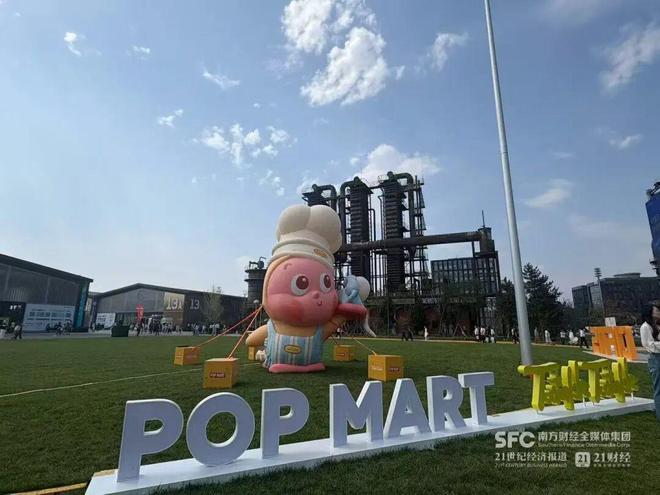
数万亿元新增消费市场在路上!多部门权威解读促消费新政
Zhong Guo Zheng Quan Bao· 2025-11-27 04:51
11月27日,国务院新闻办公室举行国务院政策例行吹风会,工业和信息化部副部长谢远生和国家发展改 革委、商务部、文化和旅游部、市场监管总局有关负责人介绍增强消费品供需适配性进一步促进消费政 策措施有关情况,并答记者问。 据工业和信息化部11月26日消息,日前,经国务院同意,工信部、国家发改委等六部门联合印发《关于 增强消费品供需适配性进一步促进消费的实施方案》(《实施方案》),以消费升级引领产业升级,以 优质供给更好满足多元需求,实现供需更高水平动态平衡。 目前我国消费品品种总量 已达到2.3亿种 谢远生介绍,目前我国消费品品种总量已达到2.3亿种,家电、家具、文体用品、服装家纺等100多个品 类产量全球第一。智能家居、可穿戴设备、人形机器人、无人机等创新型产品供给稳步提升,2025年前 三季度,智能无人机飞行器制造、智能车载设备制造增加值分别增长59.9%和25.1%。具备组合驾驶辅 助功能(L2)的乘用车新车销量同比增长21.2%,渗透率达64%。中国消费品企业能够以极快的速度响 应技术的升级和消费者需求的细微变化,不断对产品进行迭代创新。比如,柔性制造带动"小单快反"式 生产变革,服装等行业"两天打样、三 ...
工信部回应:“3个万亿级和10个千亿级消费热点” 有哪些?
2 1 Shi Ji Jing Ji Bao Dao· 2025-11-27 04:31
Core Insights - The implementation plan aims to enhance the adaptability of supply and demand in consumer goods, targeting significant optimization of the supply structure by 2027, with the goal of creating three trillion-level consumption sectors and ten hundred-billion-level consumption hotspots [1][4]. Group 1: Trillion-Level Consumption Sectors - The three trillion-level consumption sectors identified include elderly products, intelligent connected vehicles, and consumer electronics, reflecting a comprehensive assessment of consumption trends, industrial foundations, and technological changes [1][2]. - The elderly products market is projected to grow from 2.6 trillion yuan in 2014 to 5.4 trillion yuan by 2024, with a compound annual growth rate of 7.3%, highlighting the importance of the silver economy [1]. Group 2: Hundred-Billion-Level Consumption Hotspots - The ten hundred-billion-level consumption hotspots encompass baby and children's products, smart wearable devices, cosmetics, fitness equipment, outdoor products, pet food and supplies, civilian drones, trendy toys, jewelry, and national trend clothing, all showing strong growth momentum and significant development potential [2][4]. - The rise of health-conscious lifestyles and the concept of national fitness have led to increased demand for outdoor products and fitness equipment, while the IP economy aligns with the consumption preferences of younger demographics, driving the popularity of trendy products globally [4]. Group 3: Market Dynamics and Growth Opportunities - The implementation plan focuses on supply-side structural reforms, accelerating brand leadership, standard upgrades, and the application of new technologies, which are expected to stimulate the multiplier effect and structural dividends of China's vast domestic market, potentially generating trillions of yuan in new consumption markets by 2027 [4][5]. - There are two main growth avenues: "stock optimization" through enhancing product quality and cultural elements, and "incremental creation" by developing new products and services tailored to emerging demographics and needs, such as smart home ecosystems and solutions for the elderly [5].
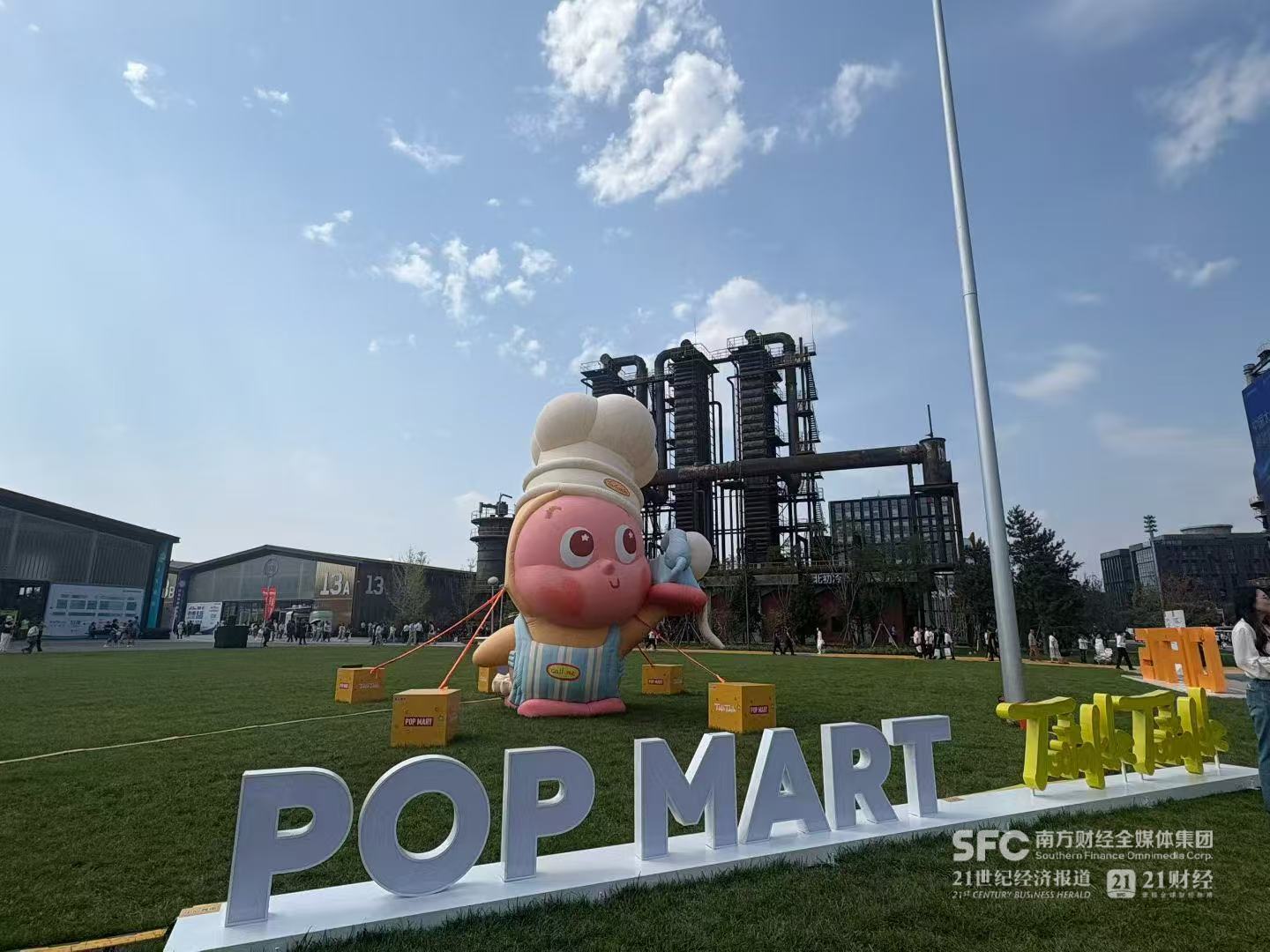
六部门部署2027年形成3个万亿级消费领域
Chang Jiang Shang Bao· 2025-11-27 04:25
Core Viewpoint - The implementation plan aims to enhance the adaptability of supply and demand in the consumer sector, promoting consumption potential and economic growth through structural reforms and targeted initiatives [1] Group 1: Key Tasks and Goals - The plan outlines 19 key tasks across five areas, focusing on balancing supply and demand while leading industrial upgrades through consumption upgrades [1] - By 2027, the supply structure of consumer goods is expected to be significantly optimized, creating three trillion-level consumption sectors and ten hundred-billion-level consumption hotspots [1] - By 2030, a high-quality development pattern characterized by positive interaction between supply and consumption is anticipated, with a steady increase in consumption's contribution to economic growth [1] Group 2: Innovation and New Product Supply - The plan emphasizes accelerating the application of new technologies and models, particularly in sectors like smart connected vehicles, smart home products, and green building materials [2] - It promotes flexible and customized production models, establishing a digital system that integrates user demand, intelligent design, and flexible manufacturing [2] - Specific measures include enhancing the supply of green products, upgrading rural consumer goods, and expanding the influence of historical classic products [2] Group 3: Targeted Consumer Needs - The plan aims to enrich the supply of products for different demographics, including children, students, and the elderly, focusing on quality and intelligent development [3] - It encourages the development of new consumption scenarios and business models, such as flagship stores and live e-commerce, to stimulate consumer engagement [3] - The initiative also includes promoting shared consumption models in public spaces, enhancing accessibility for various consumer groups [3] Group 4: Supportive Environment - The plan calls for strengthened financial support and the organization of special events to foster a conducive environment for consumption growth [3] - It highlights the importance of utilizing policies for equipment upgrades and trade-in programs to stimulate consumer spending [3] - The initiative aims to leverage policy funding to support the quality upgrade of the consumer goods industry [3]
3个万亿级消费领域、10个千亿级消费热点有哪些?工信部回应
Yang Shi Wang· 2025-11-27 04:23
央视网消息:11月27日,国新办举行国务院政策例行吹风会,介绍增强消费品供需适配性进一步促进消 费政策措施有关情况。 会上,工业和信息化部副部长谢远生介绍,《关于增强消费品供需适配性进一步促进消费的实施方案》 通过聚焦供给侧结构性改革,加速品牌引领、标准升级和新技术应用,激发我国庞大内需市场的"乘数 效应"与"结构红利",到2027年,有望在重点领域催生数万亿元规模的新增消费市场。一方面,是"存量 优化"带来的替代性空间。通过提升产品品质、增加文化内涵、注入智能绿色元素,推动传统消费品"价 值跃迁"。比如,近年来汉服、簪花、国风美妆、"新中式"家居等蕴含中国文化基因的国货潮品畅销海 内外,成为拉动消费的新动力。另一方面,是"增量创造"带来的新增长空间。围绕新人群、新场景、新 理念、新需求,创造全新的产品与服务,如智能家居生态、银发经济解决方案等,这些将开辟新的消费 蓝海。 《实施方案》目标中提出的"3个万亿级和10个千亿级消费热点",是我们基于对消费趋势、产业基础和 技术变革的综合研判,提出未来一段时期着力培育和拓展的重点领域,其中万亿级消费领域包括老年用 品、智能网联汽车、消费电子等。以老年用品为例,在我国 ...
中国银河证券:提振消费是系统工程 增强消费品供需适配性
智通财经网· 2025-11-27 03:57
Core Viewpoint - The consumption industry in China needs to focus on the medium- and long-term goals outlined in the "14th Five-Year Plan," with short-term attention on policies related to consumption by 2026. The outlook for overseas business development in the consumption sector by 2026 is optimistic [1][2]. Group 1: Background and Policy Initiatives - On November 26, six departments issued a notice regarding the "Implementation Plan for Enhancing the Adaptability of Supply and Demand for Consumer Goods," aiming for a significant optimization of the supply structure by 2027, creating three trillion-level consumption fields and ten hundred-billion-level consumption hotspots [2]. - By 2030, a high-quality development pattern characterized by positive interaction between supply and consumption is expected to be established, with a steady increase in the contribution of consumption to economic growth [2]. Group 2: Consumption Stimulus Measures - National subsidies are the fastest way to stimulate short-term demand, with significant policy support since July 2024, including a special bond fund of 150 billion yuan allocated for supporting the replacement of consumer goods. An additional 300 billion yuan is planned for 2025 [3]. - The Central Economic Work Conference in December 2024 prioritized boosting consumption as the main task for 2025, leading to various policies aimed at enhancing consumption [4]. Group 3: Implementation Plan Measures - The "Implementation Plan" outlines five major areas with nineteen initiatives, including accelerating the application of new technologies and models, expanding the supply of unique and new products, and accurately matching the needs of different consumer groups [5]. - It also emphasizes cultivating new consumption scenarios and business formats, as well as creating a favorable development environment through financial support and market order maintenance [5]. Group 4: Investment Recommendations - Investment focus includes high-dividend quality companies during market style shifts, with specific recommendations in various sectors such as new consumption in the social service sector (e.g., Gu Ming, Da Mai Entertainment, Mi Xue Group) and food and beverage (e.g., Dongpeng Beverage, Lihigh Food) [6]. - Other sectors of interest include agriculture (e.g., Zhongchong Co.), sportswear (e.g., Anta Sports, Xtep International), and technology consumption (e.g., TCL Electronics, Hisense Home Appliances) [6].

哪些重点领域在2027年有望形成万亿元规模?工信部回应
Xin Jing Bao· 2025-11-27 03:52
Core Insights - The implementation plan aims to enhance the adaptability of supply and demand in consumer goods, focusing on supply-side structural reforms to stimulate China's vast domestic market, potentially creating a new consumption market worth trillions by 2027 [1][2] Group 1: Key Areas of Focus - The plan emphasizes "stock optimization" through improved product quality, cultural enrichment, and the integration of smart and green elements, leading to a "value leap" in traditional consumer goods [1] - Examples of successful domestic products include Hanfu, floral hairpins, national style cosmetics, and "new Chinese-style" home decor, which have gained popularity both domestically and internationally [1] Group 2: Growth Projections - By 2027, the plan targets the formation of three trillion-level consumption sectors and ten billion-level consumption hotspots, based on comprehensive assessments of consumption trends, industrial foundations, and technological changes [2] - Trillion-level consumption sectors include elderly products, smart connected vehicles, and consumer electronics, with the elderly products market projected to grow from 2.6 trillion in 2014 to 5.4 trillion by 2024, reflecting a compound annual growth rate of 7.3% [2] - Billion-level consumption hotspots encompass baby products, smart wearable devices, cosmetics, fitness equipment, outdoor products, pet supplies, civilian drones, trendy toys, jewelry, and national trend clothing, showcasing strong growth momentum and development potential [2]
工信部:围绕增强消费品供需适配性 加大资源投入和政策支持
Yang Shi Wang· 2025-11-27 03:39
Core Viewpoint - The Chinese government has introduced a new implementation plan aimed at enhancing the adaptability of supply and demand in consumer goods, which is expected to stimulate consumption and promote economic growth [1][2]. Group 1: Implementation Plan Overview - The implementation plan was jointly issued by the Ministry of Industry and Information Technology and five other departments, with the goal of addressing mismatches in supply and demand in key areas [1][2]. - The plan sets two main development goals: to establish three trillion-level consumption sectors and ten hundred-billion-level consumption hotspots by 2027, and to create a high-quality development pattern of mutual promotion between supply and consumption by 2030 [2]. Group 2: Key Measures - The plan outlines five key measures to tackle supply-demand mismatches: 1. Expand new increments by accelerating the application of new technologies and innovative models, including the promotion of flexible production and user participation in design [3]. 2. Deepen existing stock by enhancing the supply of specialized and new products, focusing on areas such as green and health products [3]. 3. Segment the market to precisely match the diverse needs of different demographic groups, including initiatives for children's and elderly products [3]. 4. Empower new consumption scenarios and business formats by fostering platforms for product launches and developing new retail formats [3]. 5. Optimize the environment to create favorable development conditions, including financial support and the establishment of quality standards [3]. Group 3: Future Actions - The Ministry of Industry and Information Technology will collaborate with relevant departments to implement the plan, enhance resource investment, and provide policy support to contribute to consumption expansion and economic stability [4].
管涛:未来五年权益类核心资产的配置方向主要有四类
第一财经· 2025-11-27 01:40
Core Viewpoint - The "14th Five-Year Plan" period presents both strategic opportunities and challenges, with increasing unpredictability, necessitating reform and opening-up as fundamental drivers for development [3][4]. Group 1: Economic Transformation and Market Opportunities - Future opportunities in the Chinese market stem from economic transformation and upgrading, with four main asset allocation directions for the next five years: self-controlled and trendy consumption, mergers and acquisitions of leading enterprises, innovative development in traditional industries, and the relocation of quality enterprises [3][4]. - The economic transformation is expected to create significant opportunities for capital market development, with an estimated market space of approximately 10 trillion yuan in the next five years, as traditional industries account for 80% of modern manufacturing output [4]. Group 2: Wealth Allocation and Capital Market Development - Chinese residents have a high allocation in real estate and low in financial assets, with a low proportion of stocks and funds in overall wealth, which is not expected to change significantly in the short term [5]. - In a low-interest-rate environment, the capital market is anticipated to improve, leading to a more pronounced wealth effect, while global reflections on the current international monetary system may drive capital towards non-dollar assets, creating a favorable outlook for the future of China's capital market [5].

厘清急难愁盼更好为民解忧
Jing Ji Ri Bao· 2025-11-26 23:19
明晰具体内容与涵盖范围。面对就业结构性矛盾,要聚焦稳岗促就业工作,促进重点群体稳定就业,加 大欠薪整治力度,缓解群众在就业和收入方面的后顾之忧。面对复杂严峻的自然灾害形势,要切实抓好 灾后恢复重建、受灾群众安置和生活保障工作。还要看到,我国是世界上老年人口规模最大的国家,且 人口老龄化进程加快。为积极应对人口老龄化问题、有效破解养老难题,要健全养老事业和产业协同发 展政策机制,加强养老护理人才供给,健全失能失智老年人照护体系。此外,在入学、就医、住房、托 幼等民生重点领域,要着力攻关,以重点突破带动民生工作整体提升,不断把人民对美好生活的向往变 为现实。 解决好人民群众急难愁盼问题,是系统性工程。必须从人民的整体利益、根本利益、长远利益出发,以 满足人民日益增长的美好生活需要为根本目的,持续完善相关体制机制,形成经济发展和民生改善的良 性循环。 一方面,经济发展是保障和改善民生的物质基础,是解决民生问题的根本途径。要在高质量发展中提高 人民生活品质,将经济增长的成果切实转化为民生福祉。坚持深化供给侧结构性改革和着力扩大有效需 求协同发力,完善扩大消费长效机制,加快构建全国统一大市场,不断提高人民生活水平,坚持 ...