
报行合一

Search documents
失联、停业,保险中介“淘汰赛”持续,中小机构面临生死场
Bei Jing Shang Bao· 2025-10-16 12:02
Core Viewpoint - The insurance intermediary industry is undergoing a significant reshuffle due to stringent regulations, leading to the exit of several firms from the market [1][3][4]. Group 1: Industry Changes - Recent regulatory actions have resulted in multiple insurance intermediaries being shut down or exiting the market due to non-compliance or operational issues [3][4]. - As of mid-2023, the number of insurance intermediaries has decreased to 2,524, down from 2,539 at the beginning of the year, marking a reduction of 15 firms in the first half of the year [4][5]. - The trend of declining numbers of insurance intermediaries has been ongoing since 2019, with a total of 62 firms deregistered in Jilin province alone [3][4]. Group 2: Market Dynamics - The increasing competition and stricter regulatory policies are driving smaller insurance intermediaries out of the market, as they struggle to adapt to the evolving landscape [4][5]. - The "reporting and operation integration" policy has significantly impacted intermediaries by compressing profit margins, as it requires consistency between reported insurance terms and actual practices [5]. Group 3: Strategic Recommendations - To survive in the current market, insurance intermediaries must focus on specialization and refine their operations, moving away from broad, unsustainable business models [6]. - Industry experts suggest that intermediaries should target niche markets, such as pet insurance or outdoor activity insurance, to differentiate themselves and reduce competition [6]. - Strengthening risk management and compliance awareness is essential for sustainable business operations, alongside forming strategic alliances with technology and financial firms to innovate service models [6].


非车险“报行合一”将正式实行,多家险企成立工作专班推进
Zhong Guo Jing Ying Bao· 2025-10-15 11:18
Core Viewpoint - The National Financial Regulatory Administration is set to implement a new regulation for non-auto insurance, focusing on improving the quality of non-auto insurance business and addressing issues such as irregular operations and irrational competition, effective from November 1, 2025 [2][3]. Group 1: Regulatory Changes - The new regulation aims to optimize assessment mechanisms, standardize product development and usage, manage premium income, enhance market supervision, and improve underwriting and claims services in the non-auto insurance sector [2]. - The regulation mandates that property insurance companies must adhere to principles of fairness, reasonableness, and adequacy in determining insurance rates, and must not set excessive fees that do not correspond to the services provided [3][4]. Group 2: Industry Response - Major insurance companies, including China Life Insurance, Ping An Property & Casualty, and Taiping Property Insurance, have established dedicated teams to implement the new regulatory requirements [2][6]. - The implementation of the "reporting and operation integration" policy is expected to curb irrational price competition and promote rational market behavior, leading to healthier industry development [5][7]. Group 3: Financial Performance and Challenges - Non-auto insurance has seen its share of total premium income rise from 26%-27% between 2013 and 2016 to over 50% currently, but profitability remains weaker compared to auto insurance [3]. - The regulation addresses issues such as high expense levels, underwriting losses, and high receivable premium rates that have emerged with the rapid expansion of non-auto insurance business [3][4]. Group 4: Implementation Strategies - Companies are required to adopt a "fee upon issuance" policy, ensuring that premiums are collected before issuing policies to mitigate receivable premium issues [4]. - The regulation emphasizes the need for insurance companies to enhance their internal controls and information systems to manage premium receivables effectively [4][6].


“报行合一” 扩至非车险!财险业告别规模竞争,聚焦创新破局
Huan Qiu Wang· 2025-10-15 04:25
Core Viewpoint - The "reporting and implementation integration" policy is set to extend into the non-auto insurance sector, aiming to enhance regulatory compliance and improve the quality and profitability of non-auto insurance products [1][4][5]. Group 1: Policy Implementation - The National Financial Regulatory Administration has issued a notification that will take effect on November 1, requiring property insurance companies to align their non-auto insurance business development with market capacity and their own growth foundations [1][4]. - The "reporting and implementation integration" aims to ensure that insurance companies strictly adhere to approved insurance terms and rates, preventing practices that lead to underwriting losses [4][5]. - The notification includes measures for optimizing assessment mechanisms, strengthening rate management, and regulating operational costs within the non-auto insurance sector [4][5]. Group 2: Industry Response - Several insurance companies have already begun to implement the new requirements, with China Insurance Group establishing a dedicated task force to oversee compliance and product adjustments [8]. - Ping An Property & Casualty has also formed a special working group to enhance internal management and ensure readiness for the new regulations [8]. - The industry is expected to shift from price competition to innovation in products and services as a result of the new policy [5][9]. Group 3: Market Dynamics - Non-auto insurance has seen its share of total premiums rise to 51% in the first eight months of this year, compared to less than 30% from 2013 to 2017, indicating a growing importance in the market [6]. - Despite the growth in market share, non-auto insurance remains less profitable than auto insurance, with a combined cost ratio of 97% for non-auto insurance compared to 94.2% for auto insurance [6]. - The challenges in profitability are attributed to mismatched pricing, high operational costs, and intense market competition, particularly in complex products like liability insurance [7][9].

市场波动起,何处可避风?丨每日研选
Shang Hai Zheng Quan Bao· 2025-10-15 01:19
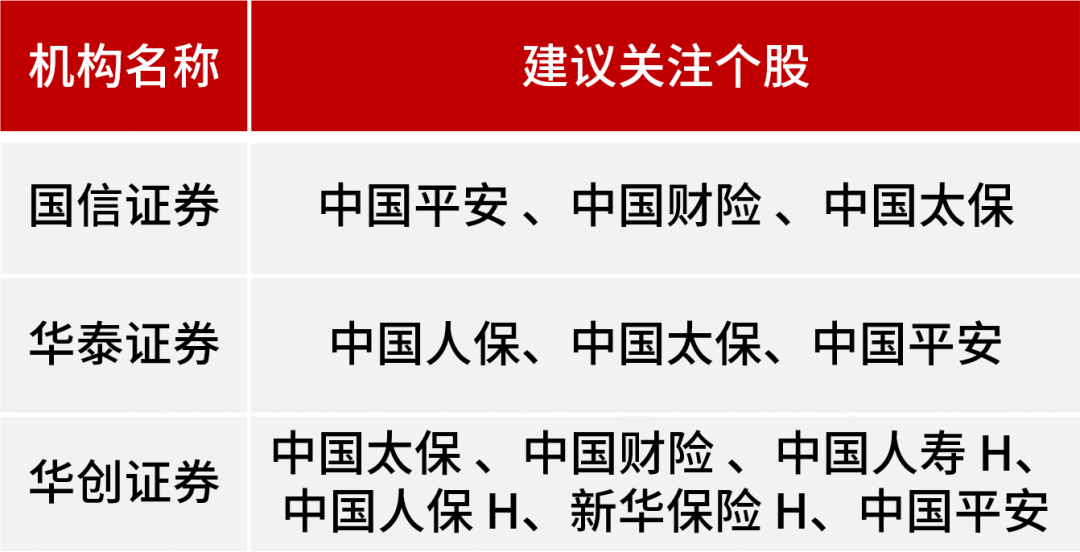
Core Viewpoint - The current market is characterized by strong short-term risk aversion, highlighting the value of certain dividend assets as safe havens and stabilizers [1] Group 1: Insurance Sector Insights - The insurance sector is seen as having significant allocation value due to dual logic of policy dividends and asset improvement [3] - The "reporting and underwriting integration" regulation is expected to reshape the competitive landscape of the property insurance sector, with major insurers likely to see profit improvements [4] - Non-auto insurance is rapidly growing in the property insurance industry, and the integration is anticipated to enhance overall underwriting performance [4] - Major insurers are expected to benefit more from the integration, with China Life and China Property & Casualty Insurance following [5] Group 2: Banking Sector Insights - The banking sector's dividend value is becoming more prominent, attracting risk-averse capital due to stable dividends and improved yield after recent corrections [6] - Recommendations for banks include Industrial and Commercial Bank of China, Agricultural Bank of China, Postal Savings Bank of China, Jiangsu Bank, Hangzhou Bank, and China Merchants Bank [6] Group 3: Investment Recommendations - Various institutions recommend focusing on specific stocks within the insurance sector, including China Ping An, China Property & Casualty, and China Life [9] - The recommendation order for major insurers is China Property & Casualty, China Life H, and China Re H, with additional suggestions based on market conditions [5][9]
中国人保&中国财险
2025-10-14 14:44
Summary of Conference Call for China Insurance (China Life & China Property Insurance) Industry Overview - **Insurance Sector**: The overall performance of the insurance industry in 2025 is under scrutiny, with specific focus on car insurance, non-car insurance, and agricultural insurance sectors. Key Points Car Insurance - **Improvement in Operations**: Despite an increase in claims ratio due to inflation, the expense ratio has significantly decreased, leading to an overall improvement in operational conditions year-on-year [1][5] - **Growth Rate**: The annual growth rate for car insurance is projected to be around 3% to 4% [5] - **Regulatory Changes**: New energy vehicle insurance policies have been adjusted, with the self-increasing coefficient range raised from 1.35 to 1.4, affecting approximately 20% of new energy vehicle policies [4][12] Non-Car Insurance - **Policy Implementation**: The "reporting and pricing integration" policy for non-car insurance will be implemented starting November 1, aimed at reducing internal competition and enhancing industry standards [1][7] - **Performance Metrics**: Non-car insurance premium growth is expected to maintain a rate of 8% to 10% when excluding the impact of agricultural product price index insurance [3] - **Cost Improvement**: The implementation of the new policy is anticipated to improve the expense ratio by at least 1 percentage point in the following year [9] Agricultural Insurance - **Current Trends**: Agricultural insurance has shown a negative growth of approximately 3% in the first nine months of 2025, but a growth of about 8% when excluding the price index insurance impact [17][18] - **Future Outlook**: With increased government focus on food security and policy enhancements, agricultural insurance is expected to maintain a rapid growth trajectory [2][18] Investment Strategy - **Equity Investments**: Since 2025, the company has been increasing its equity positions, with a focus on traditional sectors such as banking and telecommunications [1][25] - **Bond Market Performance**: The impact of the underperforming bond market in Q3 was minimal due to a lower allocation in trading bonds and shorter durations [1][5] Profitability and Reserves - **Profitability Challenges**: The insurance industry faced significant profitability pressures in the first half of 2025, but improvements are expected in the second half, particularly in critical illness and health insurance [21][20] - **Reserve Adjustments**: The company has increased its reserve ratios across various categories to address the rising claims from new energy vehicles and personal injury cases [23][24] Dividend Policy - **Stable Dividend Guidance**: The group maintains a dividend payout of no less than 30%, with property insurance at no less than 40%. If 2025 profits perform well, dividends are expected to increase [27] Health Insurance - **Growth in Health Insurance**: Health insurance has shown stable growth, particularly through internet channels, with a focus on enhancing service quality and expanding product offerings [29][30] - **Future Development**: The company plans to strengthen its health management subsidiary to provide better services and integrate medical resources [32] Risk Management - **Effectiveness of Risk Reduction Measures**: The implementation of risk reduction measures has significantly minimized losses from natural disasters, with losses from multiple typhoons in Guangdong controlled to under 1 billion yuan [35] Regulatory Environment - **Impact of Regulatory Changes**: The "anti-involution" policy is expected to benefit leading companies by slightly increasing market share while maintaining overall stability [34] This summary encapsulates the key insights and developments discussed during the conference call, highlighting the strategic direction and operational performance of China Insurance in 2025.
加强费率管理 规范经营管理费用 非车险业务实施“报行合一”制度
Jin Rong Shi Bao· 2025-10-14 09:37
Core Viewpoint - The issuance of the "Notice on Strengthening the Supervision of Non-Motor Insurance Business" by the Financial Regulatory Bureau marks the full launch of the "reporting and execution consistency" for non-motor insurance, requiring insurance companies to align actual insurance terms and premium rates with the submitted filing materials [1][2]. Summary by Relevant Sections Regulatory Requirements - The "Notice" standardizes the development and use of related products, strengthens premium rate management, and mandates strict adherence to filed insurance products, thereby clarifying the "reporting and execution consistency" requirement for non-motor insurance [2][3]. Industry Trends - The share of non-motor insurance in total property insurance premiums has increased from 37.1% in 2019 to 47.4% in 2024, indicating significant growth in this sector [2]. - However, this rapid expansion has led to intensified competition, with some institutions resorting to practices like splitting coverage amounts or altering the nature of insured items to reduce premiums, which distorts cost structures and pressures underwriting profits [2][3]. Quality and Compliance Focus - The "Notice" emphasizes that property insurance companies should lower the assessment requirements for premium scale, business growth, and market share while increasing the weight of compliance, quality efficiency, and consumer rights protection [2][3]. - It also calls for a shift from pursuing scale and speed to focusing on quality and efficiency in non-motor insurance business development [1][2]. Fee Management and Operational Standards - Specific measures include enhancing premium income management, requiring companies to issue policies and invoices only after collecting premiums, and ensuring accurate collection of customer information [4]. - The "Notice" aims to curb issues related to accounts receivable in non-motor insurance, mandating a "fee upon issuance" policy to mitigate bad debt risks [3][4]. Consumer Protection and Market Stability - The regulatory bodies are tasked with improving underwriting and claims services in non-motor insurance, promoting a market that is adequately protected, reasonably priced, and well-regulated, thereby enhancing consumer satisfaction [5]. - The "Notice" is framed within the context of "risk prevention, transformation promotion, and quality enhancement," aiming to rebuild a rational competitive order in the non-motor insurance market [5]. Long-term Profitability and Challenges - In the first eight months of this year, total premium income for property insurance companies reached 1.22 trillion yuan, with non-motor insurance contributing 619.5 billion yuan, accounting for 50.8% of the total [6]. - Despite this, non-motor insurance profitability lags behind motor insurance, with challenges including insufficient pricing and actuarial capabilities, resistance from intermediary channels, and potential profitability pressures due to dual constraints on rates and fees [6][7]. Future Outlook - The "reporting and execution consistency" is expected to have short-term impacts but will benefit the industry in the long run by promoting companies with strong actuarial capabilities and risk management [7]. - The regulatory changes will encourage intermediaries to shift from a sales-oriented approach to a service-oriented model, enhancing compliance and professional capabilities [7].
非车险“报行合一”将正式实行 多家险企成立工作专班推进
Zhong Guo Jing Ying Bao· 2025-10-14 08:36
Core Viewpoint - The National Financial Regulatory Administration is set to implement a new regulation for non-auto insurance, focusing on improving the quality of non-auto insurance business and addressing issues such as irregular operations and irrational competition, effective from November 1, 2025 [1][2]. Summary by Sections Regulatory Changes - The new regulation aims to optimize assessment mechanisms, standardize product development and usage, manage premium income, enhance market supervision, improve underwriting and claims services, and leverage industry organizations for support [1][2]. Non-Auto Insurance Market Insights - Non-auto insurance accounted for 50.77% of total premium income in the first eight months of 2025, with health insurance at 14.88%, agricultural insurance at 10.83%, and liability insurance at 8.24% [2]. - The share of non-auto insurance in total premium income has increased from 26%-27% between 2013 and 2016 to over 50% currently, although profitability remains weaker compared to auto insurance [2]. Fee Structure and Management - The regulation mandates that property insurance companies must set insurance rates based on fairness, reasonableness, and adequacy, and establish a mechanism for periodic rate review and dynamic adjustment [3]. - To address premium receivables, the regulation requires a "fee-for-policy" approach, ensuring that policies are issued only after premium payment is received [4]. Industry Response - Several insurance companies, including China Life and Ping An Property & Casualty, have established task forces to implement the new regulation, emphasizing the importance of transitioning from a focus on scale and speed to quality and efficiency [7][8]. - The implementation of "reporting and operation in unison" is expected to curb irrational price competition and promote rational market behavior, enhancing service quality and product competitiveness [5][6].
人保财险、太平财险、平安产险回应
Jin Rong Shi Bao· 2025-10-14 07:55
Core Viewpoint - The recent notification from the Financial Regulatory Bureau marks a comprehensive overhaul of non-auto insurance regulation, emphasizing the integration of reporting and operations, which is expected to enhance compliance and product management across the industry [1] Group 1: Regulatory Changes - The notification outlines a systematic optimization of non-auto insurance policies, focusing on product development, rate management, and strict adherence to approved insurance products [1] - The "reporting and operations integration" initiative is fully launched in the non-auto insurance sector, indicating a significant shift in regulatory expectations [1] Group 2: Company Responses - PICC Property and Casualty is actively involved in developing demonstration products for new insurance types and has initiated a comprehensive review and upgrade of existing non-auto insurance products to align with the new regulations [2] - Taiping Property and Casualty has established a dedicated task force to implement the "reporting and operations integration" as a key focus for 2025, ensuring systematic governance and compliance [4] - Ping An Property and Casualty is shifting its operational focus from scale and speed to quality and efficiency, aligning with the regulatory push for high-quality development [8] Group 3: System and Product Management - Taiping Property and Casualty is enhancing its internal systems to ensure compliance with the new regulations, including a comprehensive evaluation of product terms and the establishment of a management system for full lifecycle oversight [5][7] - The company is also working on optimizing marketing expense management to ensure transparency and compliance in expenditure [3] Group 4: Market Trends - The non-auto insurance sector has seen significant growth, with its share of total property insurance premiums increasing from 37.1% in 2019 to an expected 47.4% in 2024, indicating a robust expansion in this market segment [10] - In the first eight months of this year, total premium income for property insurance companies reached 1.22 trillion yuan, with non-auto insurance contributing 619.5 billion yuan, accounting for 50.8% of the total [10]
港股异动 | 新华保险(01336)高开逾6% 前三季度净利同比预增45%-65% 利润和ROE创历史新高
Zhi Tong Cai Jing· 2025-10-14 01:35
Core Viewpoint - Xinhua Insurance (01336) experienced a significant stock price increase of over 6%, reaching HKD 49.5, with a trading volume of HKD 42.1295 million. The company announced an expected net profit attributable to shareholders for the first three quarters of 2025 between CNY 29.986 billion and CNY 34.122 billion, representing a year-on-year growth of 45% to 65% [1][1][1]. Financial Performance - The growth in performance is attributed to the company's deepened reforms, enhancement of insurance business value and operational quality, transformation of dividend insurance, and optimization of asset allocation. Investment income continues to grow significantly compared to the same period last year [1][1][1]. - According to Founder Securities, Xinhua Insurance's New Business Value (NBV) and premium growth are rapid, with profits and Return on Equity (ROE) reaching historical highs. The NBV is expected to maintain its current growth rate due to the integration of reporting and business operations, as well as the reduction in preset interest rates [1][1][1]. Market Position - The company's equity allocation is significantly higher than its peers, suggesting that profit growth may continue to rise with market recovery [1][1][1].

非车险业务实施“报行合一”制度
Jin Rong Shi Bao· 2025-10-14 01:01
Core Viewpoint - The issuance of the "Notice on Strengthening the Supervision of Non-Motor Insurance Business" by the Financial Regulatory Bureau marks the full launch of the "reporting and execution consistency" for non-motor insurance, requiring insurance companies to align actual insurance terms and premium rates with the submitted filing materials [1][2] Group 1: Regulatory Changes - The "reporting and execution consistency" requires insurance companies to strictly adhere to the approved insurance products and ensure that non-motor insurance products comply with the filing content [2][3] - The proportion of non-motor insurance in total property insurance premiums has increased from 37.1% in 2019 to 47.4% in 2024, indicating rapid growth but also intensified competition [2][3] - The Notice emphasizes the need for property insurance companies to lower the assessment requirements for premium scale, business growth, and market share while increasing the weight of compliance, quality efficiency, and consumer rights protection [2][3] Group 2: Measures for Improvement - The Notice proposes measures to strengthen rate management, enforce strict use of terms and rates, enhance intermediary management, and standardize operational management costs [3][4] - It aims to curb the issue of "accounts receivable" in non-motor insurance, where some companies engage in non-standard practices like issuing policies before collecting premiums, leading to bad debt risks [3][4] Group 3: Consumer Protection and Market Development - The Notice calls for improvements in underwriting and claims services for non-motor insurance to enhance regulatory effectiveness and promote a market that is adequately protected, reasonably priced, and well-serviced [5] - The framework of "risk prevention, transformation promotion, and quality improvement" aims to rebuild a rational competitive order in the non-motor insurance market, enhancing pricing actuarial levels and service transparency [5] Group 4: Long-term Profitability and Challenges - In the first eight months of this year, total premium income for property insurance companies reached 1.22 trillion yuan, with non-motor insurance income at 619.5 billion yuan, accounting for 50.8% [6] - Despite the growth, non-motor insurance profitability lags behind motor insurance, with challenges including insufficient pricing and actuarial capabilities, resistance from intermediary channels, and profitability pressures due to dual constraints on rates and fees [6][7] - The long-term benefits of the "reporting and execution consistency" are expected to emerge as companies with actuarial capabilities and risk pricing will stand out, leading to improved profit structures and more controllable loss ratios and solvency [7]