财富管理

Search documents
32万亿资管遇见AI 福州峰会重构财富逻辑
Jing Ji Guan Cha Bao· 2025-12-29 04:02
Core Insights - The Chinese asset management industry is at a critical juncture of scale and paradigm shift, influenced by the integration of AI technology and a market size exceeding 32 trillion yuan [1] Group 1: Industry Challenges and Transformations - The industry faces structural issues characterized by "high savings, financing difficulties, and asset scarcity," necessitating a shift from product sales to client-centric services and from homogeneous competition to professional empowerment [1][4] - Wealth management must transition towards multi-asset and theme-based investments to adapt to changing economic conditions, including declining deposit yields and real estate value [3][4] - The asset management sector is urged to enhance its service capabilities, focusing on risk management, client engagement, and creating a diversified investment ecosystem [4][5] Group 2: Key Insights from Industry Leaders - Wang Zhongmin emphasized the need for asset management institutions to adopt multi-asset strategies and capitalize on AI-related industries to enhance risk resilience and returns [3] - Yang Zaiping highlighted the importance of moving away from traditional product sales to comprehensive service solutions that meet client needs, while also improving the risk-return matching of financial products [4] - Industry representatives noted the necessity for collaboration and resource sharing to build a healthy ecosystem that supports economic growth and wealth distribution [6][7] Group 3: Market Trends and Future Outlook - The report indicates that the asset management industry is entering a new phase focused on high-quality development, driven by regulatory guidance and a return to core principles of client asset management [5] - The insurance sector is positioned to play a crucial role in wealth management by providing stability through various insurance products, addressing the long-term needs of clients [7] - The shift in asset allocation from deposits to financial assets is accelerating, with increasing market activity in the A-share market, indicating a new development pattern in wealth management [8]

从短期博弈到长期共赢,“买方投顾”藏着怎样的投资新体验?
Nan Fang Du Shi Bao· 2025-12-29 03:55
Core Insights - The "buy-side advisory" model has become a core direction for the transformation of the wealth management industry in China, with Guangzhou positioning itself as the "first city for advisory" [2] - The model fundamentally differs from traditional advisory by restructuring the profit orientation, service logic, and fee mechanisms, leading to a significant change in the commercial model of wealth management services [3] Group 1: Buy-Side Advisory Model - The buy-side advisory model prioritizes client interests, linking advisor income directly to the long-term appreciation of client assets, thus shifting from product-based fees to client-based fees [3] - This model promotes a "full-cycle companion service," integrating client needs assessment, risk tolerance, and long-term financial goals into asset allocation strategies [3] - The evaluation metrics for advisors have shifted from product sales to client asset retention rates, account profitability, and client satisfaction, creating a virtuous cycle of "client profit - advisor income - institutional development" [3] Group 2: Impact on Investor Behavior - The buy-side advisory model has reduced irrational investment behaviors, with advisory clients showing a 40% decrease in chasing market trends [5] - Risk management capabilities have improved, with only 0.7% of advisory clients experiencing losses exceeding 20%, compared to 10% for self-directed investors [5] - Advisory clients have a higher cumulative profit rate of 76.9%, outperforming self-directed clients by 13.5 percentage points, attributed to optimized asset allocation [6] Group 3: Market Growth and Client Engagement - The market for buy-side advisory services has grown significantly, with over 8 million clients and an estimated asset management scale exceeding 200 billion RMB by the end of 2024 [7] - The client re-investment rate has increased from 12.1% in 2022 to 38.2%, indicating a growing trust in advisory services [8] - The average holding period for advisory clients has extended to nearly 2 years, reducing market volatility impacts [8] Group 4: Challenges in Trust and Perception - Four main challenges affect investor trust in advisory services, including unclear service value perception, lack of transparency, inconsistent service quality, and short-term performance expectations [9] - Investors often confuse "independent advice" with "return guarantees," leading to misaligned expectations regarding advisory performance [11] - There is a structural shortage of qualified advisory professionals, with a demand for over 1 million advisors in China, highlighting the need for comprehensive training programs [12] Group 5: Talent Development and Industry Standards - The Guangzhou Investment Advisory Academy has proposed the "ASK" model for talent development, focusing on attitude, skills, and knowledge [12] - The academy aims to establish a professional capability training system and has developed standards for buy-side advisory services to enhance service quality [13] - Recent regulatory guidelines are expected to further standardize performance assessments and sales behaviors in the asset management industry, promoting the growth of buy-side advisory services [14]

深耕实体守初心 金融报国显担当
Jin Rong Shi Bao· 2025-12-29 02:04
Core Viewpoint - The article emphasizes the commitment of China Everbright Bank to support the national strategy and promote high-quality development during the "14th Five-Year Plan" period, focusing on serving the real economy and enhancing financial services in key areas such as technology innovation, green transformation, and common prosperity [1][2][19]. Group 1: Support for the Real Economy - China Everbright Bank has positioned itself as a key player in financing the real economy, focusing on major national strategies and improving the welfare of the public [2][19]. - The bank has provided financial services to over 300 national key projects, with significant credit support in areas like "new infrastructure" and regional development [2][3]. - The bank has issued over 200 billion yuan in loans for modern transportation systems, including significant support for the Beijing-Shanghai High-Speed Railway project [3]. Group 2: Green Finance Initiatives - The bank has integrated green finance into its development strategy, supporting sectors like green buildings and energy transition, with a green loan balance of 456.61 billion yuan, reflecting a growth of 333.50% during the "14th Five-Year Plan" [4]. - Innovative products such as carbon finance and sustainable loans have been developed to promote environmental sustainability [4]. Group 3: Financial Inclusion and Support for SMEs - China Everbright Bank has focused on empowering small and micro enterprises through automated loan products, with a loan balance of 228.62 billion yuan for its online product system [4]. - The bank has served over 20,000 clients in supply chain finance, with a business balance nearing 600 billion yuan, enhancing efficiency in financing [5]. Group 4: Wealth Management Transformation - The bank is transitioning from product sales to wealth management, achieving a retail asset under management (AUM) of over 3 trillion yuan, with a compound annual growth rate exceeding 10% [8][10]. - A comprehensive product system has been established, including over 1,000 wealth management products, catering to diverse customer needs [10][18]. Group 5: Digital Transformation and Technological Innovation - China Everbright Bank has made significant advancements in digital transformation, utilizing big data and AI to enhance service efficiency across various business processes [13][14]. - The bank has implemented a remote financial advisor model, integrating customer data and behavior analytics to improve client engagement [12]. Group 6: Social Responsibility and Community Engagement - The bank has focused on social responsibility, particularly in serving the elderly and rural communities, with initiatives like the "Thousand Sails Plan" for agricultural supply chain finance [19][20]. - Efforts in public welfare include educational support and disaster relief, reinforcing the bank's commitment to social value [20][21]. Group 7: Future Outlook - China Everbright Bank aims to deepen its financial services in key areas, enhancing its capabilities in governance, customer service, and risk management while contributing to national development goals [22].
公募销售子公司破局而立
Zhong Guo Zheng Quan Bao· 2025-12-28 21:08
Core Insights - Two leading public fund companies have made significant progress in establishing their fund sales subsidiaries, with Huatai Fund receiving approval to set up Huatai Fund Sales (Shanghai) Co., Ltd. and E Fund launching E Fund Wealth Management Fund Sales (Guangzhou) Co., Ltd. [1][2] Group 1: Company Developments - Huatai Fund has been granted approval by the China Securities Regulatory Commission to establish a wholly-owned subsidiary with a registered capital of 50 million RMB, focusing on securities investment fund sales [1] - E Fund Wealth officially opened on December 23, with the Guangzhou local financial management bureau highlighting its role in attracting top advisory institutions to the region [2] Group 2: Industry Trends - The establishment of sales subsidiaries is part of a broader trend among fund companies to transition from asset management to wealth management, aiming to enhance their competitive edge and reduce reliance on external sales channels [3][4] - The move allows fund companies to internalize sales profits and value, especially in light of management fee pressures due to fund rate reforms [4] Group 3: Challenges and Opportunities - Despite the benefits, sales subsidiaries face challenges such as competition from traditional distribution channels and internet platforms, which have greater customer resources and brand recognition [5] - To succeed, sales subsidiaries must focus on developing differentiated services, enhancing their investment advisory capabilities, and leveraging technology to improve client engagement and service efficiency [5]
科技金融服务如何创新?
Zheng Quan Shi Bao· 2025-12-28 18:05
Core Viewpoint - The article emphasizes the importance of innovation-driven financial services to support technological innovation and the growth of science and technology enterprises in China, highlighting recent achievements and ongoing challenges in the sector [1][2]. Group 1: Financial Support for Technological Innovation - The Central Economic Work Conference has called for strengthening innovation-driven growth and expanding new economic drivers, specifically mentioning "innovative financial services for technology" [1]. - China's financial support system for technological innovation has shown initial success, with loans to technology-based SMEs growing at over 20% year-on-year and accounting for nearly 30% of new loans [1]. - The scale of science and technology bonds has surpassed 1.7 trillion yuan, and the market capitalization of the A-share technology sector exceeds 25% [1]. Group 2: Challenges in Financial Services - Many science and technology enterprises still face difficulties in accessing financial services, particularly in different stages of their lifecycle, where the current financial system does not adequately match their needs [1][2]. - Start-up tech companies often lack operational data and credit history, making it challenging for financial institutions to assess their creditworthiness and repayment capacity [1][2]. Group 3: Innovation in Financial Services - There is a need for continuous innovation in financial services to enhance resource allocation efficiency and stimulate the vitality of tech enterprises [2]. - Financial institutions should optimize loan services for tech companies, focusing on evaluating innovation capabilities and potential for technology transfer rather than just company size [2]. - The promotion of an "innovation credit system" and the development of specialized financial products tailored to the needs of tech enterprises are essential [2]. Group 4: Capital Market Development - The capital market should enhance its inclusivity and adaptability to better support the growth of tech enterprises through improved listing and merger regulations [3]. - The implementation of the "merger six guidelines" has led to a wave of mergers in the A-share market, particularly in the hard tech sector, although some mergers have been terminated, raising investor concerns [3]. - There is a need for strong regulatory oversight to ensure transparency in the reasons behind failed mergers and to encourage companies to pursue innovation [3]. Group 5: Regulatory Framework and Market Stability - The rapid evolution of financial innovation necessitates the establishment of a corresponding regulatory framework to monitor and manage risks effectively [4]. - Strengthening risk monitoring and response mechanisms will enhance the stability and vibrancy of the capital market [4]. - Continuous institutional innovation is expected to drive product and model innovation, reducing financing costs for tech companies and facilitating the market entry of more "hard tech" products [4].
中金基金总经理宗喆:发挥差异化竞争优势 助力客户财富保值增值
Zheng Quan Ri Bao· 2025-12-28 16:13
Group 1 - The core viewpoint emphasizes the need for public funds to enhance wealth management services, focusing on long-term stable returns to improve investor satisfaction and trust [1] - The importance of absolute return investment philosophy is highlighted, advocating for strategies that aim for positive returns while managing risks and controlling volatility [1] - The necessity for differentiated and diverse development in the public fund industry through product innovation and policy support is discussed, with a call for more opportunities for small and medium-sized institutions [2] Group 2 - A systematic approach and bottom-line thinking are recommended to balance development and safety in wealth management, ensuring the protection of investors' assets [3]
与上轮财富管理发展期的比较分析:l本轮财富管理特点与金融机构:分化、分层与匹配
ZHONGTAI SECURITIES· 2025-12-28 12:56
Investment Rating - The report maintains an "Overweight" rating for the industry [2] Core Insights - The current wealth management market (2025-2026) shows increased differentiation and stratification compared to the previous cycle (2020-2021), with a focus on matching client needs [5][10] - Financial institutions are transitioning from a "sell-side" sales model to a "buy-side" advisory model, emphasizing long-term service capabilities and precise matching of client needs [5][10] - Investment opportunities are expected to favor financial institutions with a strong middle-to-high value client base, comprehensive services, and innovative product offerings [5][10] Summary by Sections Common Logic of Two Cycles - Both cycles are characterized by ample liquidity supporting asset prices, with the previous cycle driven by aggressive monetary and fiscal policies, while the current cycle is marked by low interest rates and excess precautionary savings [9][16] - Clear industry trends guide capital flows, with the previous cycle dominated by consumption and new energy, while the current cycle is led by AI and hard technology [9][22] - The trend of asset migration from real estate to financial assets is irreversible, continuing the financialization process [9][25] Core Differences of Two Cycles - The macro environment has shifted from "strong stimulus expansion" to "weak recovery defense," with a focus on stabilizing growth and managing risks [25][27] - There is a notable change in resident expectations and risk preferences, with a shift from broad income growth to increased differentiation among income groups [35][38] - Asset allocation logic has evolved from a singular offensive strategy to a diversified and balanced approach, incorporating defensive assets alongside growth opportunities [46][50] Characteristics of the Previous Cycle - The previous cycle was driven by strong stimulus measures, resulting in a significant recovery in GDP and a structural bull market in equities, particularly in high-growth sectors [3][9] - The investment behavior was aggressive, with high turnover and a focus on chasing high-performing assets, leading to a "star chasing" phenomenon among investors [3][9] Current Cycle and Future Characteristics - The current cycle is characterized by low interest rates and a new normal of asset revaluation, with a gradual but steady migration of assets [10][25] - The asset side is moving towards a balanced approach, with a mix of high-dividend and growth assets, and an increasing preference for alternative investments as risk hedges [10][50] - Financial institutions are expected to focus on client segmentation, asset allocation capabilities, and long-term service value, with a shift towards a "buy-side" advisory model [10][55]
海南大谷国际园区董事长张焱:以政策洼地与金融创新,迎接海南自贸港的产业与财富机遇
Cai Jing Wang· 2025-12-27 14:01
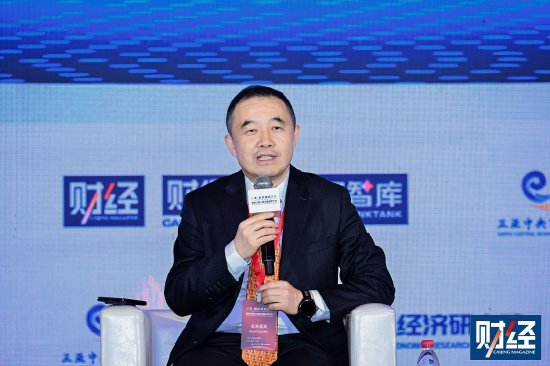
由三亚市人民政府主办,《财经》杂志、财经网、《财经智库》、三亚中央商务区管理局、三亚经济研 究院承办的"三亚·财经国际论坛暨第五届三亚财富管理大会"12月27日在海南三亚举行,主题为"海南自 贸港未来定位及三亚新机遇"。 海南大谷国际园区董事长张焱在论坛上表示,金融业是 高强度、高资本、高税收、高人才 的行业,政 策哪里有"洼地",企业就会流向哪里。 海南大谷国际园区董事长 张焱 张焱在论坛发言中围绕海南自贸港发展背景,重点分享了金融聚集区建设、实体产业机遇及财富管理三 大主题。他回顾了亚太金融小镇自2017年以来的发展历程,指出2020年6月《海南自贸港总体方案》发 布后,双15%税收等政策红利迅速吸引企业涌入,推动三亚中央商务区等园区形成金融聚集效应。 金融创新方面,海南在QDLP(合格境内有限合伙人)、QFLP(合格境外有限合伙人)及ODI(境外直 接投资)等领域已实现开放突破,未来或可探索与香港在稳定币等前沿领域的合作。此外,人才配套措 施如安居房、医疗与教育资源完善,为金融人才落地提供了支撑。 主持并发言:肖 耿,香港中文大学(深圳)公共政策学院副院长、香港国际金融学会主席 主持人:我们有三位重量级 ...
指向“十五五”的这场金融盛会,树立“青岛风向标”
凤凰网财经· 2025-12-27 11:46
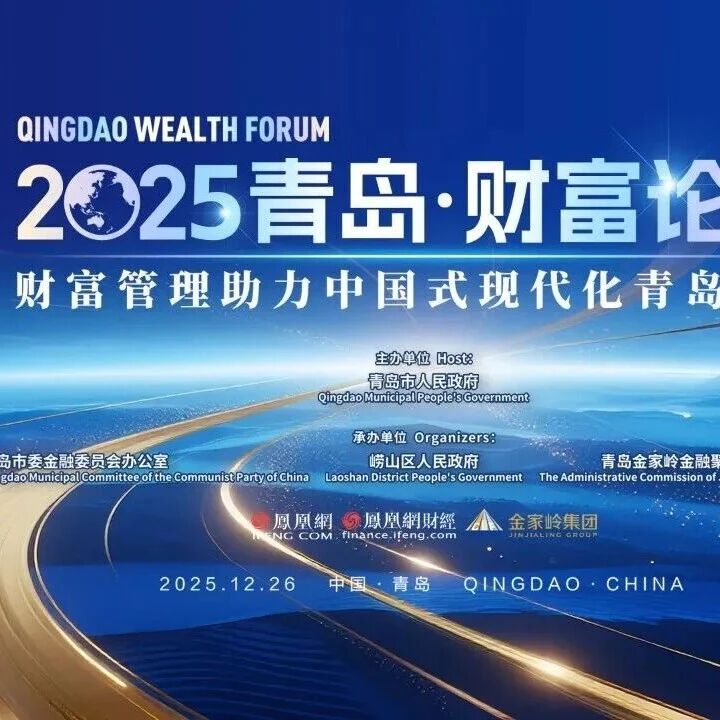
"十五五"开局之年已然临近。 规划建议首度将"金融强国"写入,既标志着我国金融发展逻辑发生重大转变——从基础制度搭建转 入以"强国"为导向的质量提升与全球竞争力培育阶段,更对金融业发展提出更高要求。 正是在这样的历史节点,12月26日,以"财富管理助力中国式现代化青岛实践"为主题的2025青岛 财富论坛在青岛金家岭金融区如约而至。 本次论坛共设置一个主论坛和三个分论坛,紧扣建设金融强国目标,围绕金融"五篇大文章",现场 数百位国内经济金融领域相关领导、业内知名专家学者齐聚,共探财富管理与国家战略同频共振的 实践路径。 01 发出"青岛声音",洞察"十五五"前沿趋势 过去一年,全球经济格局波谲云诡,国内新旧动能转换稳步演进,传统模式面临艰难险阻,在多重 风险交织叠加下,金融业站在了转型的十字路口。 本届论坛上,各界嘉宾在延续往年以前瞻视角、权威声音纵论行业发展同时,还进一步强调与国 家"十五五"规划建议的融合,带来精彩的观点输出,以更加积极的姿态深入探讨财富管理助力中国 式现代化青岛实践的赋能路径与未来图景。 "随着我国社会财富总规模的逐步积累,中国经济增长的模式也需要逐渐从投资驱动向消费投资并重 转变,充分发 ...
恒生电子官晓岚:财富管理的核心是将居民资金投向创新企业
Xin Lang Cai Jing· 2025-12-27 09:07
Group 1 - The Sanya Financial International Forum and the 5th Sanya Wealth Management Conference will be held on December 27 in Sanya, Hainan, with the presence of the Executive President of Hengsheng Electronics, Guan Xiaolan [1][3] - Guan Xiaolan indicated that after the closure of the Hainan Free Trade Port, a significant influx of investors is expected, leading to a follow-up from financial institutions, which may drive the development of the entire financial market and infrastructure [3][5] - The company aims to provide services to financial institutions, investors, and regulators, emphasizing the importance of financial technology services as financial institutions establish their presence [5] Group 2 - Guan Xiaolan views wealth management as a broad concept, focusing on channeling residents' funds into innovative enterprises, and aims to facilitate this pathway through financial services [5] - Hengsheng Electronics plans to offer asset management, wealth management services, as well as trading, exchanges, and risk management services [5]