智能制造

Search documents
今年第二批先进级智能工厂遴选启动
Liao Ning Ri Bao· 2025-10-29 01:27
Core Viewpoint - The province is organizing the selection of the second batch of advanced intelligent factories for 2025, aiming to create an upgraded version of intelligent manufacturing through a tiered cultivation approach with four levels: basic, advanced, excellent, and leading [1] Group 1: Selection Criteria and Levels - Advanced intelligent factories must be registered in the province, have independent legal status or be independent accounting units, and demonstrate good asset, credit, and operational conditions [1] - The main products or technologies of the enterprises must align with national industrial policies and industry policy orientations [1] - Factories must have completed construction and be operational, demonstrating leadership in intelligent manufacturing within their industry in the province, and have been verified as basic intelligent factories by municipal industrial and information authorities [1] Group 2: Focus Areas for Each Level - Basic intelligent factories focus on digital transformation and network connectivity to promote digitalization [1] - Advanced intelligent factories emphasize digital transformation and network collaboration to establish regional industry benchmarks [1] - Excellent intelligent factories concentrate on digital transformation, network collaboration, and intelligent upgrades to create nationally leading benchmarks [1] - Leading intelligent factories focus on digital transformation, network collaboration, and intelligent innovation to explore future manufacturing models and establish globally leading benchmarks [1] Group 3: Progress and Achievements - Since the initiation of the selection process for digital workshops and intelligent factories in 2022, the province has selected 469 digital workshops and 238 intelligent factories [1]
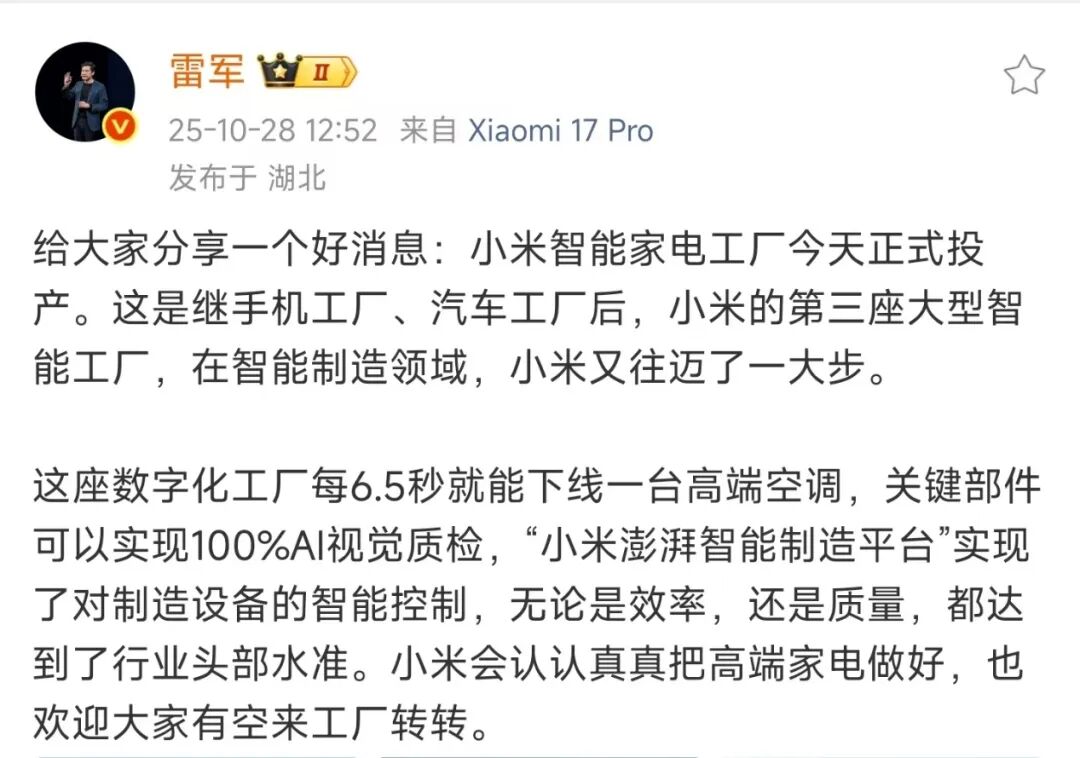
武汉成小米智能家居“大本营”
Chang Jiang Ri Bao· 2025-10-29 00:26
Core Insights - Xiaomi's smart home appliance factory in Wuhan has officially commenced production, marking its first self-built smart appliance factory and the third smart production base following its automotive and mobile phone factories [1][2][6]. Group 1: Factory Overview - The factory covers a total investment of 2.5 billion RMB and spans 500,000 square meters, with an initial project capacity for air conditioning units reaching 7 million sets and a production value of nearly 14 billion RMB [2][4]. - The factory employs advanced automation and AI technologies, achieving a product first-pass yield rate exceeding 99% and producing a high-end air conditioner every 6.5 seconds, positioning it as a leader in domestic production speed [4][8]. Group 2: Technological Innovations - Each machine in the factory is equipped with an independent "brain" that enhances production precision and efficiency, utilizing AI visual systems to correct minor errors in the manufacturing process [3][4]. - The logistics system incorporates high-speed magnetic levitation technology, significantly improving operational efficiency by reducing processing time to under 6 seconds [3][4]. Group 3: Strategic Importance - The establishment of the factory supports Xiaomi's rapid growth in the home appliance sector, with air conditioning sales surpassing 5.4 million units in the second quarter and maintaining over 50% growth for three consecutive quarters [8]. - Xiaomi aims to achieve a scale of 100 billion RMB in its home appliance business over the next five years, with a goal to rank among the top two in the Chinese air conditioning market [8]. - The factory is part of a broader strategic framework that includes a global headquarters and an R&D center in Wuhan, solidifying the city as a key hub for Xiaomi's smart home ecosystem [5][8].


董事长专访 | 江苏华辰张孝金:开辟海外新航道 开启绿色新征程
Sou Hu Cai Jing· 2025-10-29 00:02
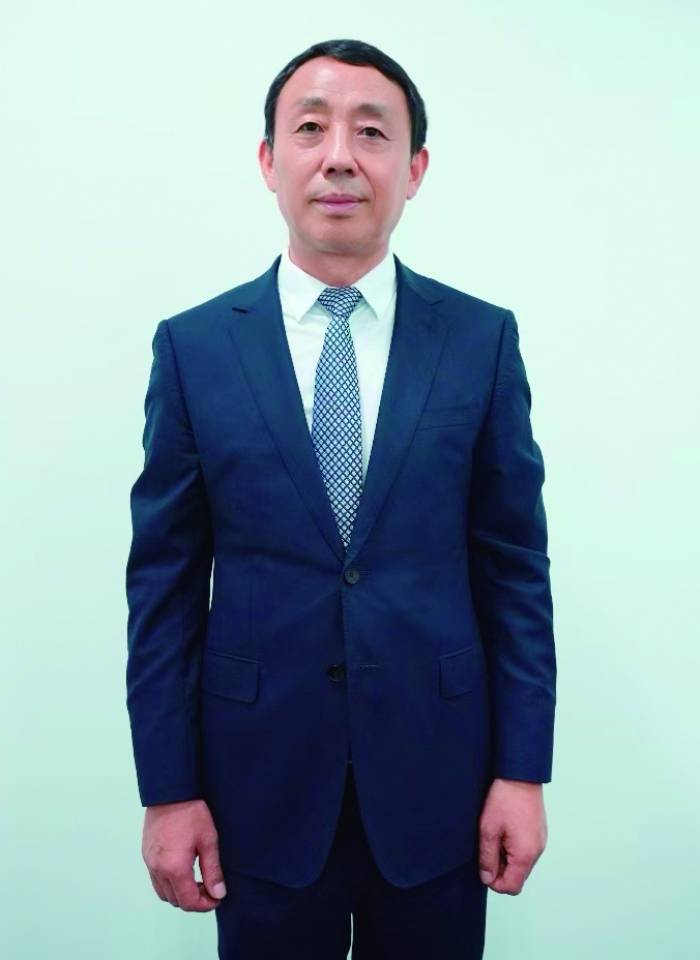
Core Viewpoint - Jiangsu Huachen celebrates its 18th anniversary with the launch of a new production line at its renewable energy industrial base, which is expected to double its production capacity and enhance product quality, thereby increasing market competitiveness [1][3]. Group 1: Company Development - Jiangsu Huachen has evolved from a local enterprise to a publicly listed company on the Shanghai Stock Exchange since its establishment in 2007, focusing on power equipment manufacturing [4]. - The company has issued 460 million yuan in convertible bonds to accelerate the construction of its smart manufacturing base for renewable energy equipment [4][6]. Group 2: Production and Technology - The new production line incorporates smart and green manufacturing concepts, serving as a benchmark in the assembly of renewable energy box substations [5]. - The production line features a "working island" model for efficient assembly and utilizes advanced technologies such as hydraulic assist robots and automatic vacuum oil injection equipment to enhance quality and reduce labor intensity [5][6]. Group 3: Market Opportunities - The continuous growth of macroeconomic factors and electricity demand provides significant development space for the power industry, particularly for the transmission and distribution equipment sector [4][6]. - Jiangsu Huachen has seen a 40.46% year-on-year increase in revenue, reaching 938 million yuan in the first half of the year, with over 50% of this revenue coming from the renewable energy sector [6]. Group 4: Innovation and R&D - The company has increased its R&D expenditures, holding 158 patents, including 16 invention patents, covering the entire production process in the transformer and smart distribution sectors [7]. - Jiangsu Huachen aims to build a benchmark factory with high automation and information application capabilities to achieve significant scale effects and market share growth [8]. Group 5: International Expansion - The company is actively pursuing overseas markets, identifying them as a "blue ocean" for growth, particularly in regions where aging power equipment needs replacement [9]. - Jiangsu Huachen has engaged in discussions with partners in Spain and India, focusing on technology output and collaboration to expand its international presence [9].

先进制造业地位凸显 新兴产业和未来产业蕴藏新机遇
Zhong Guo Zheng Quan Bao· 2025-10-28 21:10
Core Insights - The "14th Five-Year Plan" emphasizes the construction of a modern industrial system, reinforcing the foundation of the real economy, with a focus on intelligent, green, and integrated development [1][2] Group 1: Advanced Manufacturing - The plan highlights the importance of maintaining a reasonable proportion of the manufacturing sector, underscoring the critical role of advanced manufacturing in economic development [1][3] - Advanced manufacturing is identified as a key focus for future development, with institutions suggesting it will drive the transformation and upgrading of the economic structure [2][3] Group 2: Traditional Industries - The plan calls for the optimization and upgrading of traditional industries, aiming to enhance the global competitiveness of sectors such as mining, metallurgy, and machinery [2][3] - It emphasizes the need for technological transformation and the promotion of smart, green, and service-oriented manufacturing [2][3] Group 3: Emerging and Future Industries - The plan aims to cultivate and expand emerging and future industries, focusing on strategic sectors like new energy, aerospace, and low-altitude economy [3][4] - It outlines initiatives for large-scale application demonstrations of new technologies and products, accelerating the development of emerging industries [3][4] Group 4: Future Industry Development - The plan encourages exploration of diverse technological routes and business models in future industries, including quantum technology and hydrogen energy [4] - It highlights the potential of sectors like energy storage and solid-state batteries, which are expected to drive growth in emerging industries [4]
仙乐健康:前三季度归母净利润同比增长8.53% 内外市场协同发力
Zhong Zheng Wang· 2025-10-28 14:37
Core Insights - Xianle Health reported a revenue of 3.291 billion yuan and a net profit of 260 million yuan for the first three quarters of 2025, marking year-on-year growth of 7.96% and 8.53% respectively, with Q3 showing even stronger growth rates of 18.11% in revenue and 16.20% in net profit [1][2] Domestic Market Performance - The company effectively adapted to new consumption trends, achieving over 20% growth in revenue and order volume in the Chinese market during Q3, with new consumption clients contributing to more than half of the revenue [1] - Key channels such as MCN, private domain, cross-border e-commerce, and new retail collaborated to drive growth, with revenue from MCN and private domain clients increasing by over 60% [1] - The company focused on young consumers and the rising female market, with core product categories and formulations seeing revenue growth of over 60% and 50% respectively [1] - The strategic focus on major clients led to a nearly 30% year-on-year revenue growth from strategic key accounts [1] Innovation and Product Development - Continuous technological innovation is evident with the introduction of new products like XtraGummy high-efficiency soft candies and the approval of three new licenses for calcium emulsions [1] - New business initiatives such as the JsRight.AI nutritionist mini-program and a pet nutrition series are progressing steadily [1] Overseas Market Performance - The overseas market showed resilience with a more than 20% year-on-year growth in the Americas export business, maintaining stable gross margins [2] - The European market performed exceptionally well, with revenue increasing by over 35%, aided by collaborations with well-known retailers and emerging brands [2] - The company is accelerating its presence in the Asia-Pacific and emerging markets, with plans for a soft capsule business in Australia and New Zealand by 2026 and a new production facility in Thailand expected to produce 2.4 billion nutritional soft candies annually by 2027 [2] Innovation and Smart Manufacturing - The company is enhancing its core competitiveness through innovation and smart manufacturing, including a partnership with Memory Tensor Technology to establish an AI R&D hub [2] - A joint innovation fund has been set up to focus on three major research directions to deepen industry chain collaboration [2] - The opening of the Shantou smart logistics center has improved inventory efficiency by 70%, and the construction of "dark factories" is accelerating to strengthen industrial resilience [2] Future Outlook - Xianle Health aims to deepen its dual circulation strategy of "domestic new consumption + overseas diversified growth," leveraging technological innovation and smart manufacturing as key drivers to become a global leader in nutritional technology [2]
从“造什么卖什么”到“要什么造什么”,双11家电供应链柔性升级
第一财经· 2025-10-28 14:35
Core Viewpoint - Despite predictions of a decline in the home appliance market sales during this year's Double 11, e-commerce platforms and leading home appliance companies are striving to meet diverse consumer demands through enhanced product customization partnerships, supported by advancements in smart manufacturing [3][4]. Group 1: Market Dynamics - The sales forecast for the home appliance market during Double 11 is expected to decline year-on-year, prompting companies to innovate and adapt [3]. - Gree Electric's domestic e-commerce business head indicated that the promotional period for Double 11 is longer this year, suggesting ample opportunities remain [3]. - Gree has partnered with JD.com to launch customized products, including the "Little Cool God" air conditioner, and has also collaborated with Tmall and Douyin for product customization [3][4]. Group 2: Product Customization Efforts - JD.com has strengthened its collaboration with Gree for product customization, achieving cumulative sales of 130,000 units for the AI Energy-Saving Prince air conditioner [4]. - JD.com is also working with other brands, such as Meibang, to offer diverse product options, including the "Wind God Eye" air conditioner [4]. - Gree's market director stated that the company will tailor different products for various channels to adapt to changing consumer structures and price segments [4]. Group 3: Market Penetration Insights - Air conditioner penetration in urban areas is high, with approximately 146 units per 100 households, while rural areas, particularly in Northeast China, show much lower penetration rates of about 20 units per 100 households [4]. - Products priced below 2,100 yuan account for nearly half of the market share, indicating a shift in market structure [4]. Group 4: Challenges in Customization - A significant challenge in product customization is aligning brand perceptions with consumer data, as many brands may not recognize emerging consumer needs identified by JD.com's data analysis [5]. - Matching product performance with cost remains a critical hurdle in the customization process [5]. Group 5: Smart Manufacturing Advancements - The enhancement of smart manufacturing capabilities is providing more opportunities for product customization [6]. - Gree's smart manufacturing base in Zhuhai, with a total investment of 15 billion yuan, aims to produce 12.3 million units annually, with plans to double the number of automated production lines [6]. - The integrated smart manufacturing aims to address issues such as low efficiency in manual assembly and challenges in quality control and logistics [6].


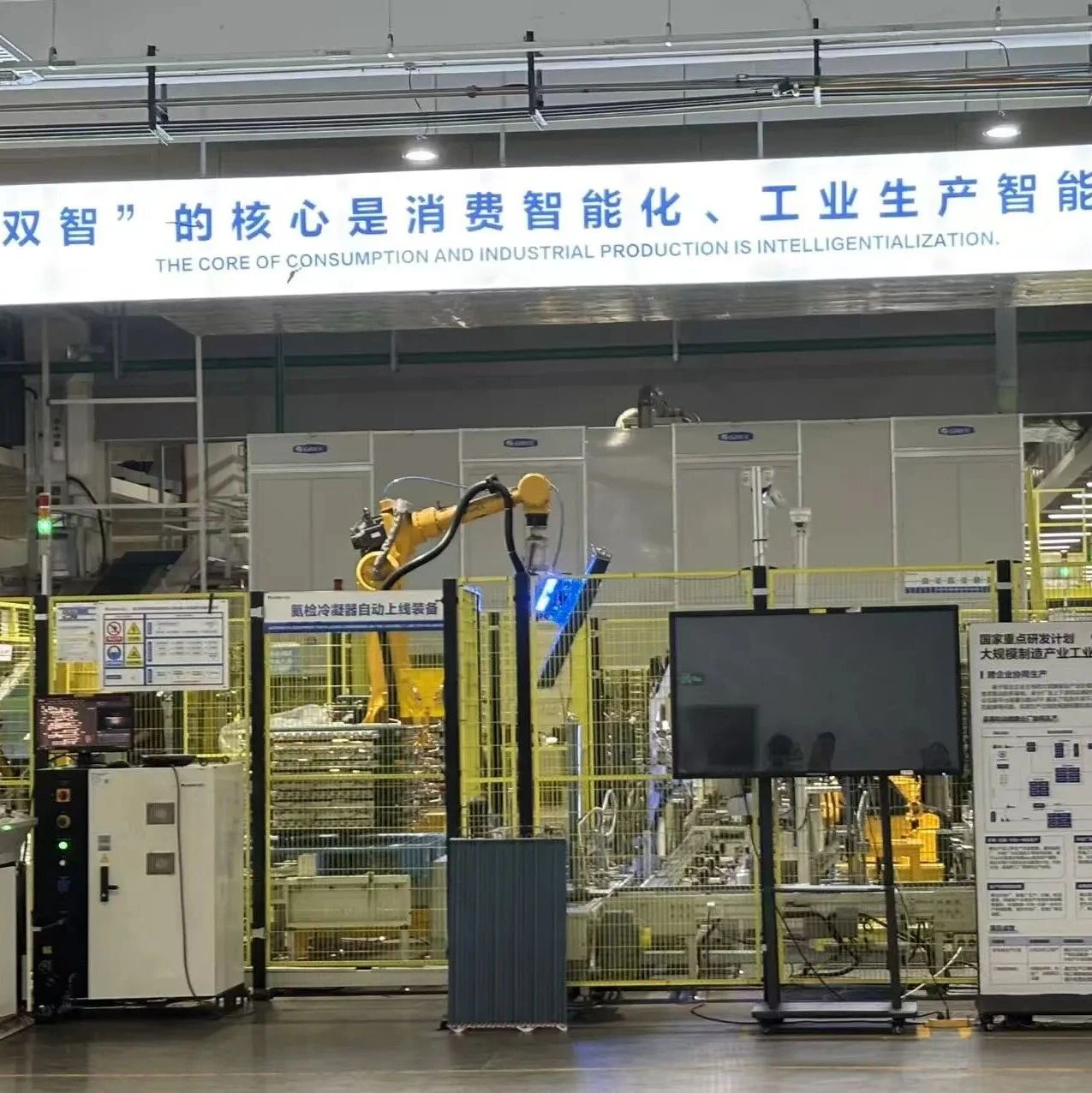
从“造什么卖什么”到“要什么造什么” 双11家电供应链柔性升级
Di Yi Cai Jing· 2025-10-28 14:09
Group 1 - The core viewpoint of the articles highlights the challenges and strategies in the home appliance market during the Double 11 shopping festival, with a focus on product customization and smart manufacturing as key drivers for sales stability [1][2]. - Gree Electric's collaboration with major e-commerce platforms like JD.com and Tmall aims to introduce customized products, such as the "Little Cool God" air conditioner, to meet diverse consumer needs [1][2]. - JD.com has reported significant sales of customized products, with 130,000 units of the AI Energy-Saving Prince air conditioner sold, indicating a strong market response to tailored offerings [1]. Group 2 - The penetration rate of air conditioners in urban areas is high, with approximately 146 units per 100 households, while rural areas, particularly in Northeast China, show much lower penetration at about 20 units per 100 households [2]. - Gree Electric plans to customize products for different sales channels to adapt to changing consumer structures and price segments, ensuring high-quality offerings across various price points [2]. - The enhancement of smart manufacturing capabilities is enabling more flexible and efficient product customization, addressing challenges such as low assembly efficiency and quality control [3]. Group 3 - Gree's smart manufacturing base in Zhuhai, with an investment of 15 billion yuan, aims to produce 12.3 million units annually, showcasing the company's commitment to automation and efficiency in production [3]. - The integration of automated production lines is expected to double within the year, further improving the manufacturing process and addressing logistical challenges [3].
从“造什么卖什么”到“要什么造什么”,双11家电供应链柔性升级
Di Yi Cai Jing· 2025-10-28 13:28
Group 1 - Despite predictions of a decline in the home appliance market sales during this year's Double 11, e-commerce platforms and leading home appliance companies are striving to meet diverse consumer demands through enhanced product customization partnerships [2] - Gree Electric's domestic e-commerce business head stated that the promotional period for Double 11 is relatively long, indicating that there are still many opportunities ahead [2] - Gree has collaborated with JD.com to launch customized products, including the "Little Cool God" air conditioner, and has also partnered with Tmall and Douyin for customized offerings [2] Group 2 - Air conditioning is widely popular in urban areas, with a penetration rate of approximately 146 units per 100 households, but remains low in rural areas, particularly in Northeast China, where the rate is about 20 units per 100 households [3] - Gree Electric's market director mentioned that the company plans to customize different products for various channels to adapt to changing consumer structures and provide high-quality products across all price segments [3] - The improvement in smart manufacturing capabilities has opened up more possibilities for product customization [3][4] Group 3 - The integrated smart manufacturing aims to address issues such as low efficiency in manual assembly, inefficiencies in switching between small orders of various products, challenges in post-production quality control, and difficulties in precise logistics [4] - The Gree air conditioning smart manufacturing base, established in 2020 with a total investment of 15 billion yuan, is expected to produce 12.3 million sets annually, with plans to double the number of automated production lines within the year [3]
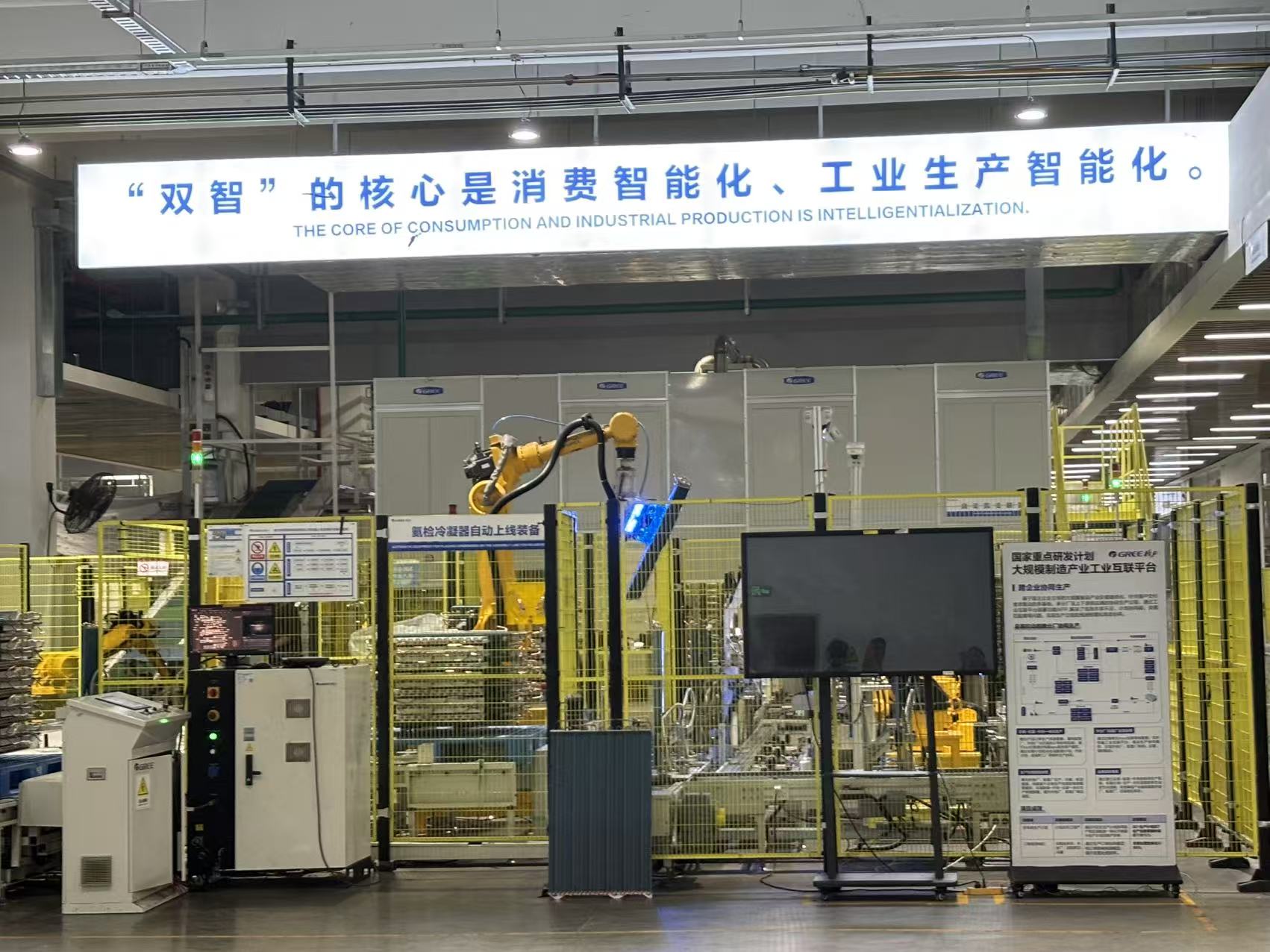
专访国家信息中心主任徐强:引导优质要素流向技术创新及产业化
2 1 Shi Ji Jing Ji Bao Dao· 2025-10-28 13:19
Core Viewpoint - The Fourth Plenary Session of the 20th Central Committee of the Communist Party of China has set significant goals for the 15th Five-Year Plan, emphasizing high-quality development and substantial improvements in technological self-reliance and independence [1][2]. Group 1: Technological Self-Reliance - The term "substantial improvement" indicates a significant enhancement in both independent innovation capabilities and the scale of independent innovation industries [2][3]. - The focus will be on guiding quality resources towards technological innovation and industrialization, promoting the widespread application of new technologies in manufacturing [2][4]. - The integration of technological innovation and industrial innovation is deepening, with a focus on creating a favorable innovation ecosystem and enhancing the role of enterprises in innovation [4][6]. Group 2: Modern Industrial System - The strategy prioritizes "building a modern industrial system and consolidating the foundation of the real economy," highlighting the importance of intelligent, green, and integrated development [5][6]. - The real economy, particularly manufacturing, is crucial for optimizing resource allocation and ensuring stable economic growth [6][8]. - The emphasis on maintaining a reasonable proportion of manufacturing is essential for achieving the goals of the 15th Five-Year Plan and supporting China's modernization [8][9]. Group 3: Future Industries - The proposal includes forward-looking layouts for future industries such as quantum technology, biomanufacturing, and hydrogen energy, which are expected to become new economic growth points [10][11]. - The development of future industries relies on breakthroughs in emerging technologies, supported by a comprehensive industrial system and rich application scenarios [10][11]. - The economic logic suggests that as the economy matures, new demands will arise, leading to the creation of new industries and business models through technological advancements [11].

雷军现身,小米又一智能工厂投产!
Zheng Quan Shi Bao· 2025-10-28 12:34
Core Insights - Xiaomi has officially launched its smart home appliance factory in Wuhan, marking a significant step in its smart manufacturing journey [2][3] - The company has seen rapid growth in its air conditioning segment, with air conditioner shipments exceeding 5.4 million units in Q2 2025, representing a year-on-year increase of over 60% [1][4] - Xiaomi's home appliance business has become a new growth engine, with revenue from smart home appliances reaching a historical high, up 66.2% year-on-year in Q2 2025 [4] Manufacturing and Technology - The Wuhan smart home appliance factory covers an area of 500,000 square meters and features six core air conditioning production lines, achieving full digitalization and intelligence in production [3] - The factory can produce one high-end air conditioner every 6.5 seconds, with 100% AI visual inspection for key components, showcasing industry-leading efficiency and quality [2][3] - Xiaomi's investment in the Wuhan factory amounts to 2.5 billion yuan, with a planned peak annual production capacity of 7 million units [3] Market Position and Strategy - Xiaomi is transitioning from an internet company to a smart manufacturing enterprise, establishing a complete industrial chain in Wuhan that includes design, research, production, and validation [3] - The company aims to enhance its competitiveness in the air conditioning market by extending the warranty period for its air conditioners from 6 years to 10 years, addressing consumer concerns about product quality [5] - Xiaomi plans to enter the European market with its home appliances and aims to become a leading player in China's home appliance industry by 2030, targeting a revenue scale of 100 billion yuan in the next five years [6]